
Review · BRUSSELS CHOCOLATE TOURS
Brussels: 2.5-hour private tour to discover Belgian chocolate
Brussels gives you a tasty way to see its old center: walk from the Hilton Brussels Grand Place to the Saint-Hubert Royal Galleries and onward to Grand Place, stopping for pralines, truffles, ganaches, and other Belgian chocolates. The tour is private, so the guide can focus on your questions and pace.
I like the mix of famous chocolate shops and lesser-known chocolatiers, and I like that the guide explains more than flavor. You also hear how the Belgian praline began, how cocoa becomes a luxury sweet, and why ethical production matters. The main drawback is simple: at $129 per person, this is a serious splurge for 150 minutes, and it is not suitable for people with diabetes, lactose intolerance, or nut allergies.
Key details at a glance
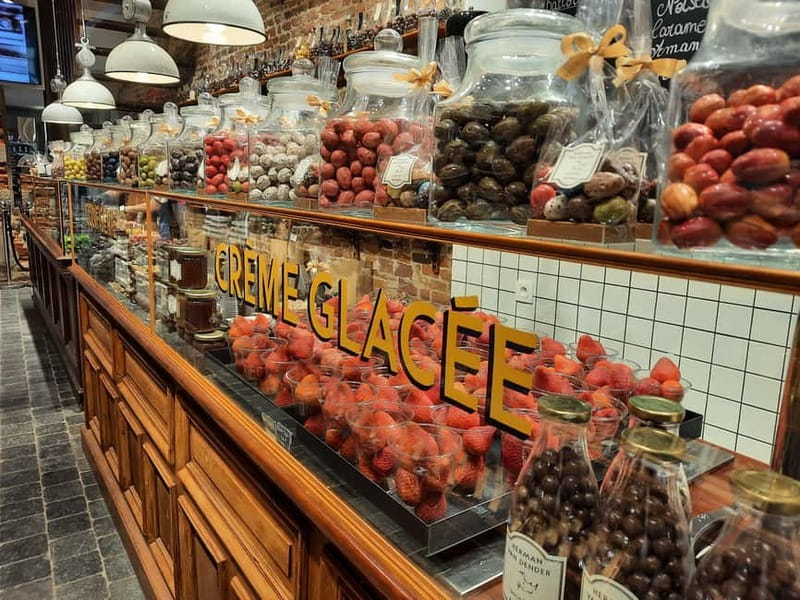
- Four to five chocolate stops: Depending on the timing, you taste pralines and chocolates at a mix of well-known and smaller shops.
- A private guide: The tour is just for your group, with live guiding in English, French, or Spanish.
- A walk through central Brussels: Begin at the Hilton Brussels Grand Place or your hotel, visit the Saint-Hubert Royal Galleries, and finish at Grand Place.
- Chocolate with context: Learn about cocoa, the Belgian praline, manufacturing methods, creative flavor combinations, and responsible production.
- A 150-minute schedule: This is long enough for several tastings and city sights, but not a full chocolate-making workshop.
- Strong early feedback: Eric received praise for finding excellent chocolates and less obvious spots, while another guide also added a stop at a favorite fries place when asked.
Why this Brussels chocolate walk works
Belgian chocolate is not just a souvenir in Brussels. It is part of the city’s identity, and this tour gives you a useful framework for understanding what you are eating. Instead of walking into one shop, buying a box, and guessing which pieces are worth the price, you visit several chocolatiers and compare styles.
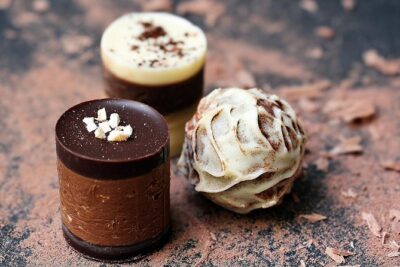
That comparison is the heart of the experience. One shop may focus on polished pralines and familiar fillings. Another may use fruit, spices, herbs, or other unusual combinations. The tastings can include creamy ganaches, truffles, crunchy chocolate pieces, and pralines made with carefully selected cocoa beans.
I like this format because you can think about texture as well as sweetness. A praline may offer a crisp shell and soft center. A truffle may be creamy and intense. A chocolate with fruit or spice may give you a sharper, more surprising finish. The guide helps turn a string of samples into a lesson in how chocolatiers make choices.
The city walk adds value. You are not spending two and a half hours inside shops. You move through the historic center, pass through the Saint-Hubert Royal Galleries, and end at the magnificent Grand Place. The chocolate gives the route a purpose, while the route keeps the tasting from feeling like a simple shopping trip.
More Private Tours in Brussels:
- Brussels Chocolate Tour Private & Personalized with a Local Guide
★ 5.0 · 13 reviews - Private: Discover Brussels beer & breweries by a young local (incl. chocolate)
★ 5.0 · 8 reviews - Brussels: Chocolate and Beer Private Tour with Tastings
★ 4.6 · 7 reviews
Starting at Hilton Brussels Grand Place
The usual meeting point is in front of the Hilton Central Station Hotel, at Carrefour de l’Europe. You can also arrange to begin at your hotel, which is useful if you want to avoid finding a meeting point in an unfamiliar city.
Starting near Central Station is practical. The area is easy to reach, and the route leads naturally into the old center. Wear comfortable shoes and comfortable clothes, since this is a walking tour over 150 minutes. Bring a drink as well, particularly if you are visiting on a busy sightseeing day.
The group is private, which changes the feel of the walk. You do not have to wait for a large party, and you can ask for more explanation about pralines, cocoa, or the city itself. If you have a particular interest in Belgian chocolate, tell the guide early. The guide may be able to spend more time on production methods or help you compare the different styles.
The guide’s personality matters here. The experience is designed around a jovial, enthusiastic host rather than a formal lecture. Eric was specifically praised for showing excellent chocolate stops and less obvious places in Brussels. Another guide received strong praise for combining chocolate tastings with important city sights and, when asked, adding a favorite fries stop. These details suggest that the private format can allow for some conversation and flexibility, though the core route remains the chocolate walk.
Saint-Hubert Royal Galleries and the first tastings
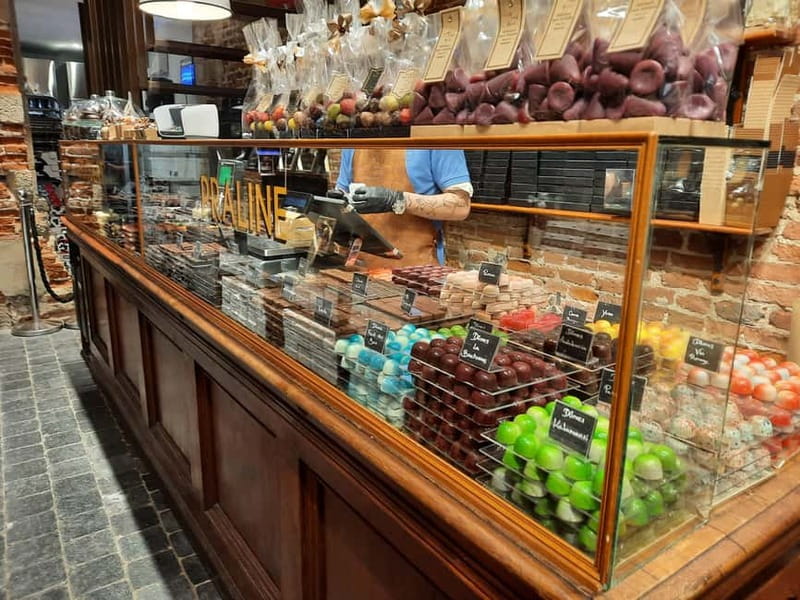
The Saint-Hubert Royal Galleries are one of the route’s most attractive early stops. The covered arcades give you a graceful setting for the first part of the experience, and they are closely tied to Brussels’ food and shopping culture.
This is where the tour begins to connect chocolate with place. You are not simply sampling sweets in an anonymous shop. You are learning how Belgian chocolate fits into the center of Brussels, where grand architecture, retail, cafés, and historic streets sit close together.
The first tastings help you get your bearings. You may try pralines or other chocolate pieces, then hear how the Belgian praline developed from an earlier luxury associated with royal courts into a product sold widely today. The term praline can be confusing, since it means something different in various chocolate traditions. Here, it generally refers to a filled chocolate with a shell and a soft or flavored center.
This stop is also a good moment to ask practical questions. Which pieces travel well? Which fillings are especially delicate? How long should you keep them? The supplied details do not promise specific answers, so ask your guide directly rather than assuming every chocolatier follows the same rules.
Four to five chocolatiers, with room for comparison
The tour includes visits to four or five chocolatiers, depending on the timing. This is enough variety to make the tastings meaningful without turning the afternoon into a marathon of identical samples.
You will visit recognized shops, but the route also includes lesser-known chocolatiers. That balance is one of the strongest reasons to choose this experience. Famous names can give you a polished introduction to Belgian chocolate, while smaller shops may show more individual ideas and unusual combinations.
Expect a range of flavors. The tasting may include sweet, powerful, creamy, fruity, spicy, or fragrant chocolates. Some pieces may be smooth and restrained. Others may use a sharper contrast, such as fruit with dark chocolate or herbs with a creamy filling. The exact chocolates are not fixed in the information provided, so do not book expecting one particular flavor or brand.
The guide can explain what you are tasting and how each chocolatier approaches cocoa. That makes the stops more useful than simply being handed a box of assorted pieces. You can notice differences in shell thickness, filling, sweetness, texture, and the way flavors linger.
I also like the fact that the tour includes background on manufacturing. You may learn how cocoa is transformed into ganache, truffles, pralines, or crisp chocolate pieces. It is a small-scale look at the work behind the display counter, not a hands-on class.
More Chocolate Tours in Brussels:
- Choco-Story Brussels: Chocolate Museum Entrance with Tasting
★ 4.3 · 4,883 reviews - Hungry Mary’s Famous Beer and Chocolate Tour in Brussels
★ 5.0 · 2,258 reviews - Brussels: Belgian Chocolate Making Workshop with Tastings
★ 4.7 · 1,629 reviews - Brussels: Historical Tour with Chocolate & Waffle Tasting
★ 4.8 · 1,206 reviews
The Belgian praline story
The praline is the central character of this experience. Its importance comes from the way it turns chocolate into a filled, carefully shaped confection. The shell protects and frames the center, allowing chocolatiers to work with cream, nuts, fruit, spices, and other flavors.
The tour explains the praline’s development from use in royal settings to its later role as an accessible luxury product. That shift is worth understanding. Belgian chocolate became famous not only because of cocoa, but because makers developed a strong culture of craftsmanship, presentation, and variety.
You will also hear about the people behind the counter. Chocolate makers often take pride in their methods and enjoy explaining their work. A private guide can help you ask about ingredients, fillings, and the choices that make one shop different from the next.
The history is presented alongside tasting, which is the right approach. Chocolate history can become dry if it is separated from the food. Here, you learn a point and then taste an example. That lets you connect the story to texture and flavor instead of treating it as a list of dates.
Cocoa ethics and responsible production
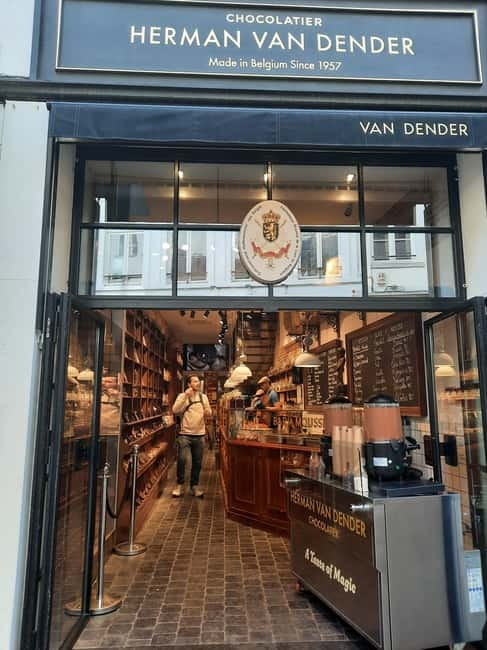
The tour also addresses ethical issues in the cocoa sector and the need for responsible, environmentally aware production. This is an important addition, since the pleasure of Belgian chocolate is linked to a supply chain that begins far from Brussels.
The information provided does not promise a detailed certification audit or a visit to a production facility. You should think of this part as an introduction to the issues and to the importance of asking where cocoa comes from and how it is sourced.
I appreciate that the tour does not treat chocolate as pure indulgence with no wider questions. A good tasting can include enjoyment and curiosity at the same time. When you buy chocolates afterward, you will have better questions to ask about origin, sourcing, and production.
Finishing at Grand Place
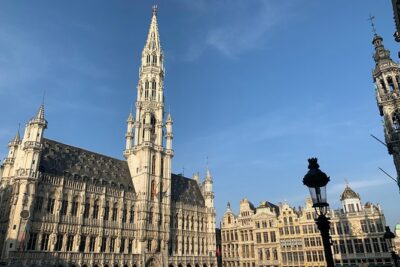
The route ends at Grand Place, Brussels’ grand central square. This is a strong finish because you can leave the tour with both chocolates in hand and one of the city’s most impressive sights in front of you.
Ending here also makes the tour useful for the rest of your day. You are in a central location, surrounded by the historic center, and can continue exploring after the guide leaves. The tour does not include a return transfer, so plan your onward route from Grand Place.
A practical tip: if you are buying chocolates as gifts, avoid filling your bag too early in the walk. You may want to purchase a final box at the end, once you know which styles you prefer. The tour includes tastings, but it does not include drinks, and it is not a chocolate-making workshop.
Is $129 per person a fair price?
At $129 per person, this is not a budget introduction to Belgian chocolate. You are paying for a private guide, a 150-minute walking route, tastings at approximately four or five chocolatiers, historical context, and the convenience of ending at Grand Place.
The price makes more sense for couples, families, or small groups who value private guiding. If you are traveling with people who have different interests, the guide can connect chocolate with Brussels sights instead of making the outing feel like a narrow food activity.
It is less convincing if you only want to buy a box of pralines. Brussels has many chocolate shops, and you can explore several on your own for less money. The benefit here is the explanation, the comparisons, the route, and the chance to find places you might not have chosen by yourself.
The strongest value comes when you treat this as both a city walk and a tasting. You get a gentle introduction to the center, a guided look at Belgian chocolate culture, and several samples in one compact outing. The private format also removes the usual large-group compromises.
Who should book this experience?
This tour suits you if you like food with a story, want a private guide, and have only a few hours in central Brussels. It is especially useful for a first visit, since the route combines major sights with a focused introduction to one of Belgium’s best-known foods.
It also suits people who prefer tasting over making. There is no workshop, so you will not temper chocolate or create your own pralines. If you want hands-on instruction, choose a different activity.
The tour is not suitable for people with diabetes, lactose intolerance, or nut allergies. Since Belgian chocolates commonly involve dairy and nuts, do not assume that a guide can adapt every tasting. Ask before booking if you have any dietary concern not covered in the details.
Wheelchair access is listed as available. The route is in the historic center, so confirm any specific mobility needs when arranging the meeting point, especially if you want to begin at your hotel rather than the Hilton area.
You can book in English, French, or Spanish. Some content may appear in its original language, so ask the guide for clarification if a shop’s explanation or product information is not clear.
Final decision: book it for guided tasting, not just chocolate
I would choose this tour if I wanted a private introduction to Brussels and cared about comparing several chocolate makers rather than visiting one famous store. The combination of praline history, creative flavors, cocoa ethics, the Royal Galleries, and Grand Place gives the 150 minutes a clear purpose.
I would skip it if $129 feels high for a tasting, if you want a full factory visit, or if you want to make chocolate yourself. For everyone else, the private format and the mix of well-known and lesser-known shops make this a polished way to spend part of a Brussels day.
FAQ
How long is the Brussels chocolate tour?
The tour lasts 150 minutes, or two and a half hours.
Where does the tour begin?
It can begin in front of the Hilton Central Station Hotel at Carrefour de l’Europe, or at your hotel.
Where does the tour end?
The tour ends at Grand Place.
How many chocolatiers will I visit?
Depending on the timing, you will visit four to five chocolatiers.
Are tastings included?
Yes. Tastings of pralines and chocolates are included at the chocolate shops.
Are drinks included?
No. Drinks are not included, so bring one with you.
Is this a chocolate-making workshop?
No. The experience includes visits, tastings, and explanations, but not a chocolate-making workshop.
What languages are available?
Live guiding is available in English, French, and Spanish. Some content may be shown in its original language.
Is the tour suitable for people with allergies or dietary restrictions?
The tour is not suitable for people with diabetes, lactose intolerance, or nut allergies.
Newest chocolate tours around Brussels
- Brussels: Make Your Own Chocolates Workshop with Tastings★ 4.8 · 38 reviews
- Brussels Chocolate Tour Private & Personalized with a Local Guide★ 5.0 · 13 reviews
- Beer and Chocolate Tasting Tour in Brussels min 6 pax★ 5.0 · 11 reviews
- Afternoon Tipsy Tour with Cocktails & Chocolates in Brussels★ 5.0 · 9 reviews
- Navigate through Brussels and Discover Beer and Chocolate★ 5.0 · 9 reviews
- Chocolate and Beer Food Tour of Brussels★ 5.0 · 8 reviews
- Private: Discover Brussels beer & breweries by a young local (incl. chocolate)★ 5.0 · 8 reviews
- Brussels: Tour Bruges & Ghent with Cruise + Chocolate visit★ 4.0 · 24 reviews
Brussels Chocolate Tours, compared.
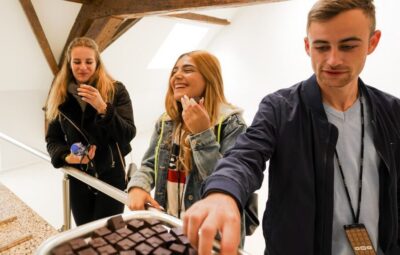
Choco-Story Brussels: Chocolate Museum Entrance with Tasting
Read our review →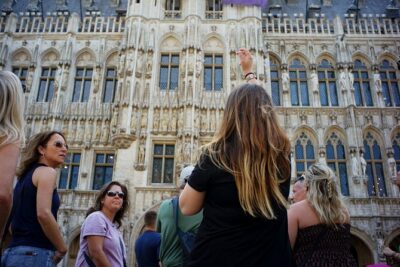
Hungry Mary’s Famous Beer and Chocolate Tour in Brussels
Read our review →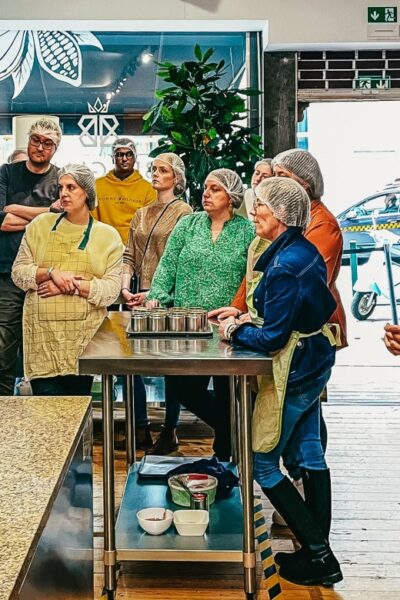
Belgian Chocolate Making Workshop with Tastings
Read our review →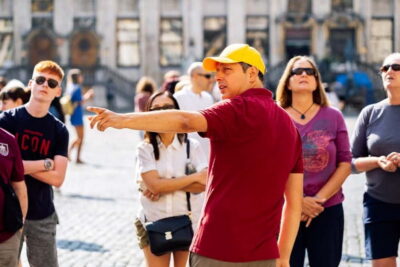
Historical Tour with Chocolate & Waffle Tasting
Read our review →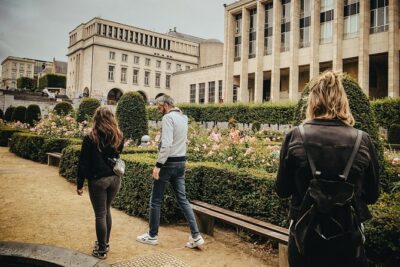
Brussels Walking and Tasting Tour (Beers,Chocolates&Fries/Waffle)
Read our review →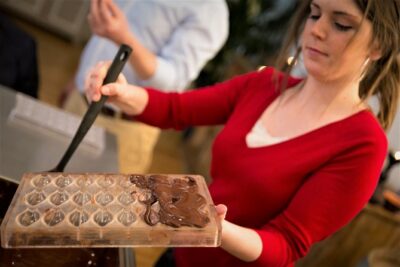
Brussels Chocolate Beer Waffle and Belgian Whiskey All-in-One (Small Group) Tour
Read our review →Browse the lists this tour appears in