
Review · CHOCOLATE & COFFEE TASTINGS
Cacao and Coffee Tour
A walk from Minca to a farm founded in 1960 gives this outing more substance than a quick tasting counter. You get a mountain viewpoint toward Santa Marta, then see how coffee and cacao are grown before sampling both in several forms. I like the mix of hands-on food learning and a real farm setting, rather than a polished tourist display.
I also like the small group size, limited to 10 people, and the chance to meet guides such as Daniel, Albert, Alvaro, or Mario, who bring local knowledge and personality to the walk. The main catch is that this is a hike, not a roadside stop, and the optional lunch costs an extra 25,000 COP. The route also comes with clear outdoor risks, including snakes and wild animals.
Key points at a glance
- A 39-minute walk from Minca: The farm is reached on foot from the church meeting point, so good hiking shoes matter.
- Three coffee and three cacao types: The farm visit gives you a useful comparison of varieties instead of one generic tasting.
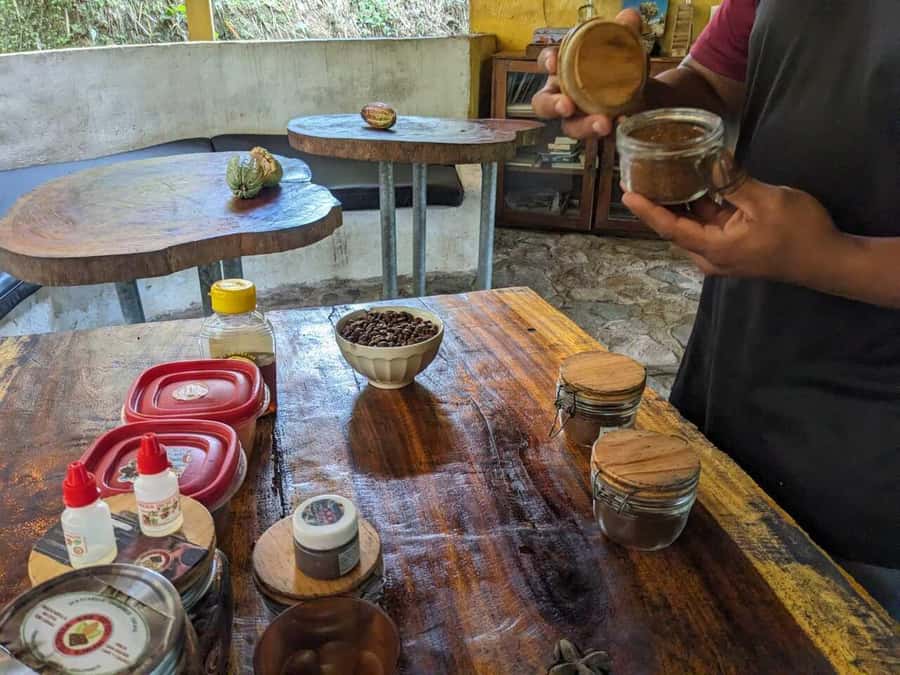
- Organic coffee, raw cacao, and hot chocolate: You taste the ingredients before and after preparation.
- A cacao exfoliating treatment: The tour turns cacao into a simple skin treatment, not only a drink or snack.
- A Santa Marta viewpoint: On a clear day, the route offers a broad view toward the city.
- Optional local lunch: Morning departures can include chicken, meat, fish, or vegetarian food for 25,000 COP.
Starting at Minca’s church and walking into the hills
The meeting point is the church in Minca. From there, the experience begins as a nature walk toward the coffee and cacao farm, which is about 39 minutes from town. That distance matters. You are not simply being dropped at a farm gate for a short demonstration. The walk is part of the outing and helps connect the crops with the surrounding countryside.
I like this start because it lets you see the setting before anyone begins talking about beans, pods, roasting, or chocolate. It also sets the right pace for the day. You should expect a half-day outing of about 270 minutes, with walking in both directions and time at the farm.
This is one place where practical preparation matters more than style. Bring hiking shoes, follow the guide’s instructions, and be ready for an outdoor route. The safety information is direct: possible hazards include poisonous snakes and wild animals, and the operator does not accept responsibility for accidents. That should not put you off, but it does tell you to treat the walk as a proper hike.
The guide leads the group in English or Spanish. With no more than 10 participants, you should have a better chance to ask questions and keep the group together than on a large bus tour. The guide names connected with this experience include Daniel, Albert, Alvaro, and Mario. Their approach varies by person, but the strongest part of the outing is consistently the explanation of the region, the farm, and the crops.
More Chocolate and Coffee Tastings in the world:
- 4×4 Dominican Adventure with Chocolate and Coffee Tasting
★ 5.0 · 2,920 reviews - 4×4 ATV Experience, Water Cave, Chocolate and Coffee Tasting
★ 5.0 · 1,430 reviews - Buggy Adventure Tour with Chocolate and Coffee in Punta Cana
★ 5.0 · 953 reviews
The viewpoint toward Santa Marta
The route includes a viewpoint looking toward Santa Marta. The quality of the view depends on weather and visibility, so it is best to treat this as a valuable stop rather than a guaranteed postcard. Nature also decides whether birds appear, with toucans and oropendulas among the possible sightings.
That uncertainty is part of the charm, but it also keeps expectations sensible. This is not sold as a dedicated birdwatching trip, and there is no promise that you will see a particular species. Bring patience, keep your eyes open, and let the guide point out what appears along the way.
I find the viewpoint useful for another reason. It gives you a sense of how the Minca area relates to Santa Marta below. The tour is not only about what goes into your cup or onto your skin. The walk places coffee and cacao farming within the wider setting of the Magdalena region.
You should allow for the route to take time. If you want a tightly scheduled activity with no walking beyond a few minutes, this will feel less convenient. If you enjoy getting somewhere under your own power, the approach is part of the appeal.
A farm founded in 1960
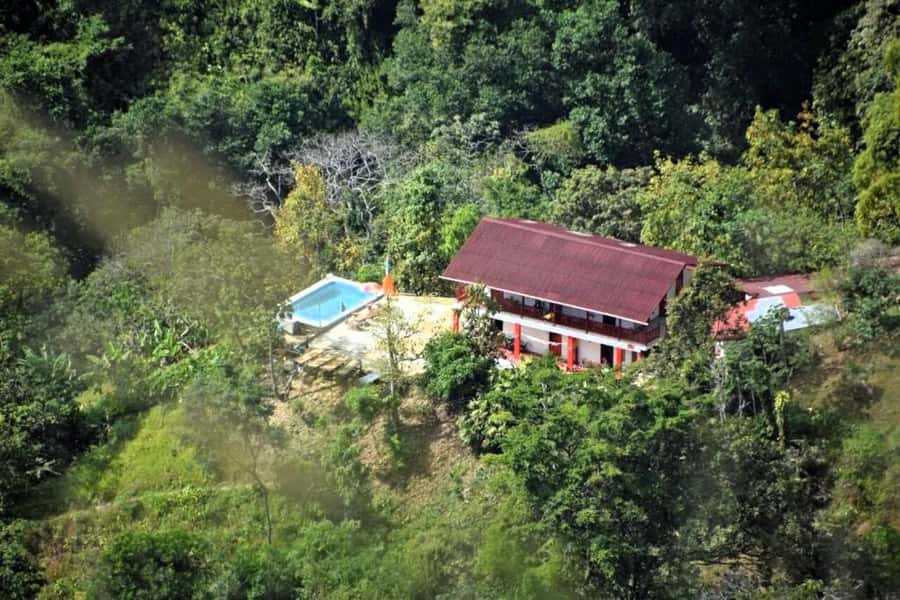
The coffee and cacao farm was founded in 1960. That detail gives the visit a sense of continuity and helps frame the farm as a working place with an established connection to local agriculture. You are shown how coffee and cacao are grown and given an explanation of the varieties handled there.
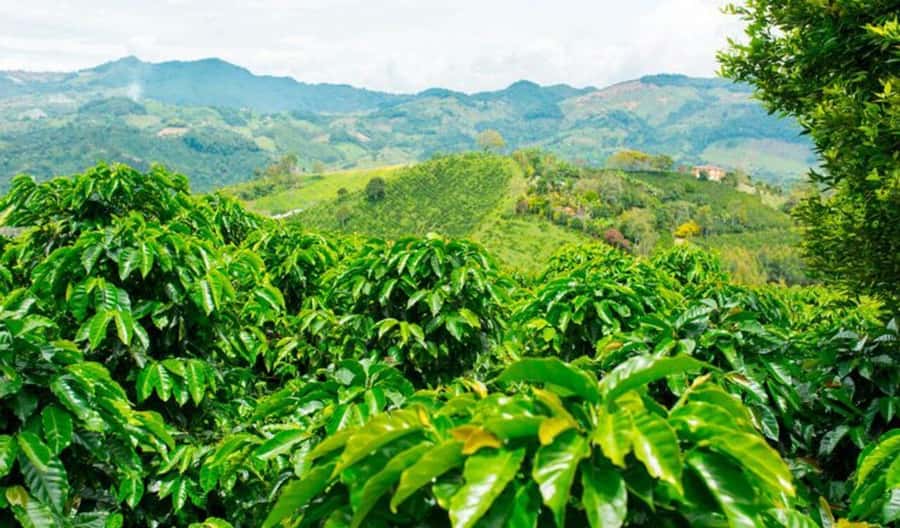
The tour covers three types of coffee and three types of cacao. That is a strong feature for anyone curious about why beans and drinks taste different. You may not leave as a professional taster, but you will have a clearer idea that coffee and cacao are not single, uniform products.
The farm visit also gives you a chance to ask questions in context. Instead of hearing a list of facts in a city shop, you can connect the explanation to plants, soil, and the work of cultivation. The exact level of detail will depend on your guide, but guides such as Albert and Mario have been singled out for clear explanations and strong local insight.
I would especially recommend this part to anyone who wants more than a souvenir bag of beans. The point is not just to consume coffee and chocolate. It is to understand some of the steps and choices behind them.
Tasting coffee in its organic form
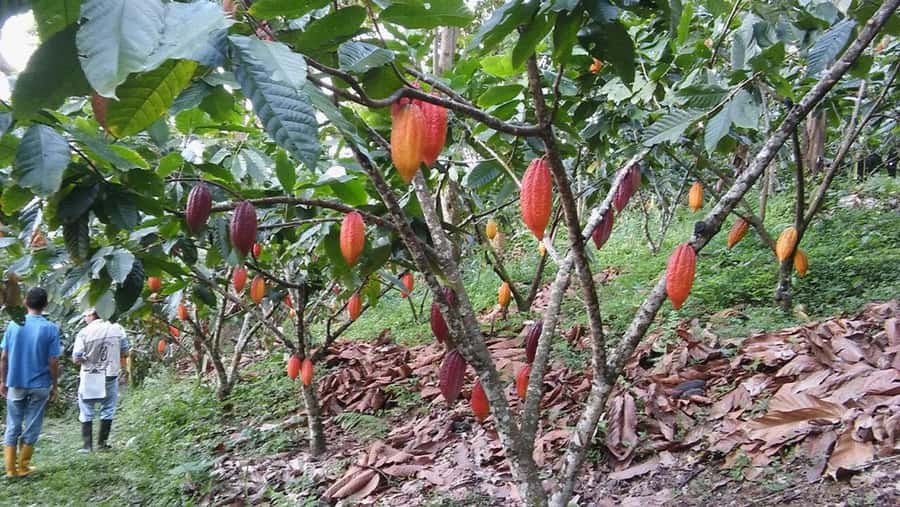
The coffee tasting centers on organic coffee. You will sample the coffee during the farm visit and learn about the varieties grown there. The organic label may interest you if you pay attention to farming methods, but the useful part is the chance to taste coffee in a place connected to its production.
Do not expect a formal coffee laboratory with a long scoring sheet unless the guide chooses to add that level of detail. The experience is designed as a farm tour, not a specialist barista class. That makes it easier for beginners, families, and anyone who simply wants to understand Colombian coffee without technical jargon.
I like that the coffee tasting is paired with cacao rather than treated as a separate, isolated attraction. The two crops help explain the farm’s range and give the afternoon more variety. You move between familiar flavors and raw ingredients, then return to prepared drinks and food.
If you are sensitive to caffeine, keep in mind that the experience includes coffee tasting and hot chocolate. The supplied information does not specify serving sizes or caffeine-free options, so you may want to ask the guide before the tasting begins.
More Chocolate Tours in the world:
- Lindt Home of Chocolate Museum Entry Ticket
★ 4.7 · 9,329 reviews - Choco-Story Brussels: Chocolate Museum Entrance with Tasting
★ 4.3 · 4,883 reviews - Zurich: City Tour, Cruise, and Lindt Home of Chocolate Visit
★ 4.5 · 4,624 reviews - The Chocolatarium Chocolate Tour Experience in Edinburgh
★ 5.0 · 4,322 reviews
Raw cacao, hot chocolate, and the cacao scrub
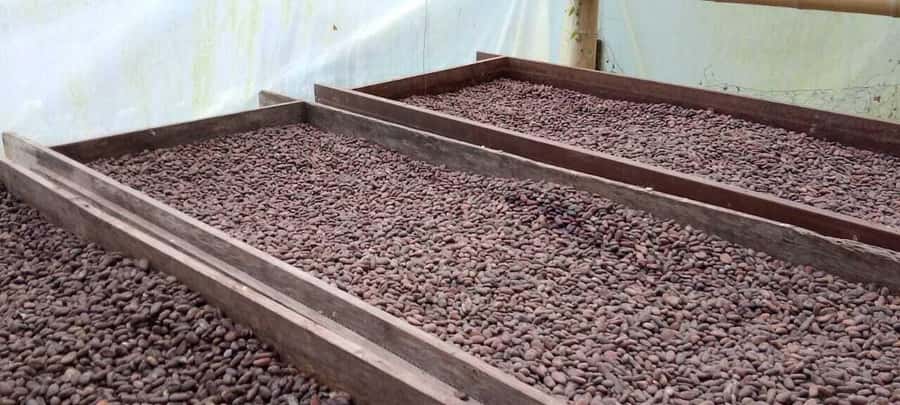
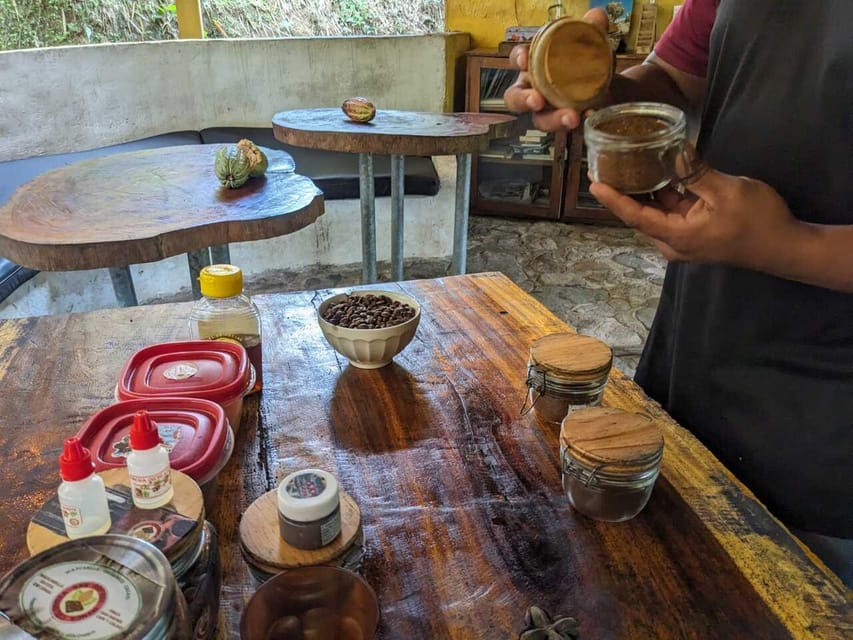
The cacao portion is the more unusual half of the day. You taste cacao raw, then try hot chocolate, so you experience the ingredient before and after preparation. Raw cacao can be quite different from the sweet chocolate most people know. The tasting helps show how much the final drink depends on preparation.
The hot chocolate adds a familiar, comforting finish. It also gives you a simple comparison between the earthy raw ingredient and a drink prepared for enjoyment. You are not only being told that cacao becomes chocolate. You can taste the change for yourself.
Then comes the cacao exfoliating experience. Cacao extract is used for a natural skin exfoliation, giving the tour a hands-on element that many farm visits lack. It is a simple treatment, not a spa appointment, so you should approach it as a playful farm activity rather than a luxury beauty service.
This is one of the tour’s best features for people who like experiences that involve more than looking and listening. You taste the crops, learn about them, and use cacao in a different way. I would bring only what you need for the walk and wear clothing suitable for an outdoor activity.
The optional lunch on a morning departure
If you choose the morning schedule, you can add a typical local lunch for 25,000 COP. The choices are chicken, meat, fish, or vegetarian. That is a reasonable extra for a meal built into a half-day outing, especially if you prefer not to search for food after returning to town.
The lunch is optional, so the base price of $46 per person does not include it. Factor in the additional cost when comparing the tour with other activities. The menu choices make it easier for different eating preferences to fit into the same group, although the information does not provide details about specific dishes or dietary substitutions.
I like the lunch option because walking and outdoor time can make a mid-day meal useful. Still, you should not book the tour assuming lunch is automatically part of the package. Confirm that you want the morning schedule and ask how the lunch is arranged if it is important to you.
Returning to Minca after the farm visit
After the farm tour, tastings, skin treatment, and lunch if selected, you walk back toward town. The return route means the 270-minute duration includes more than time sitting at the farm. This is why hiking shoes are listed as essential rather than optional fashion advice.
The walk back also means you should consider your energy level when booking. The activity suits people who are comfortable with a nature walk and want a fuller half-day experience. It is less suited to anyone seeking a short tasting with minimal physical effort.
Weather and wildlife are outside the operator’s control. The route may feel different depending on conditions, and bird sightings remain possible rather than promised. Listen to the guide, stay with the group, and avoid treating the rural setting like a controlled attraction.
What the $46 price gets you
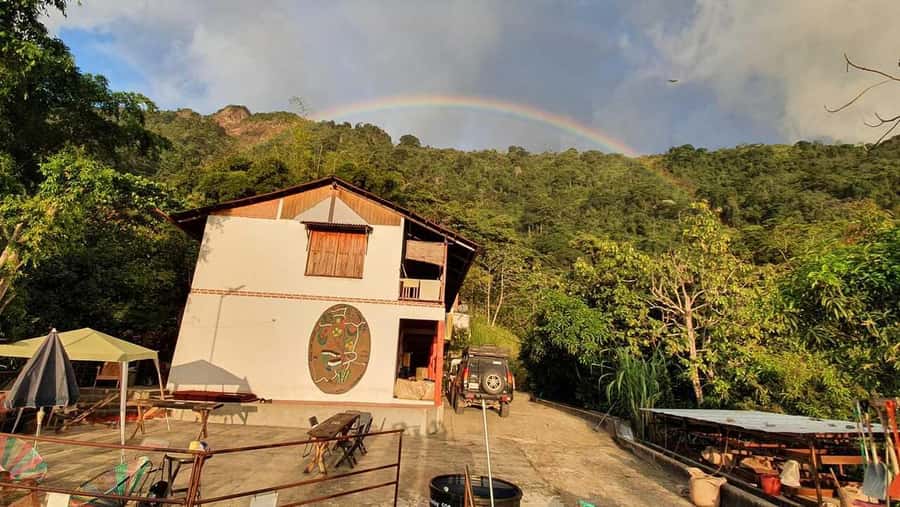
At $46 per person, the value depends on how much you want from the day. You are paying for a guided hike, the farm visit, coffee and cacao explanations, two tastings, hot chocolate, and the cacao exfoliating activity. You also get a small-group format and a bilingual guide.
For a simple cup of coffee and a quick chocolate sample, that price would be high. For a nearly five-hour outing with walking, scenery, farm education, and several hands-on elements, it is easier to justify. The optional lunch is extra, and transport from Santa Marta may also require separate planning.
One useful point: the operator has arranged a taxi for at least one guest coming from Santa Marta, but that ride was not considered inexpensive. The regular meeting point is the church in Minca, so you should plan how you will reach Minca and allow enough time to arrive.
The booking terms offer flexibility. You can cancel up to 24 hours before the activity for a full refund, and you can reserve now and pay later. Starting times vary, so check the available schedule before committing to transport.
The guides make a real difference
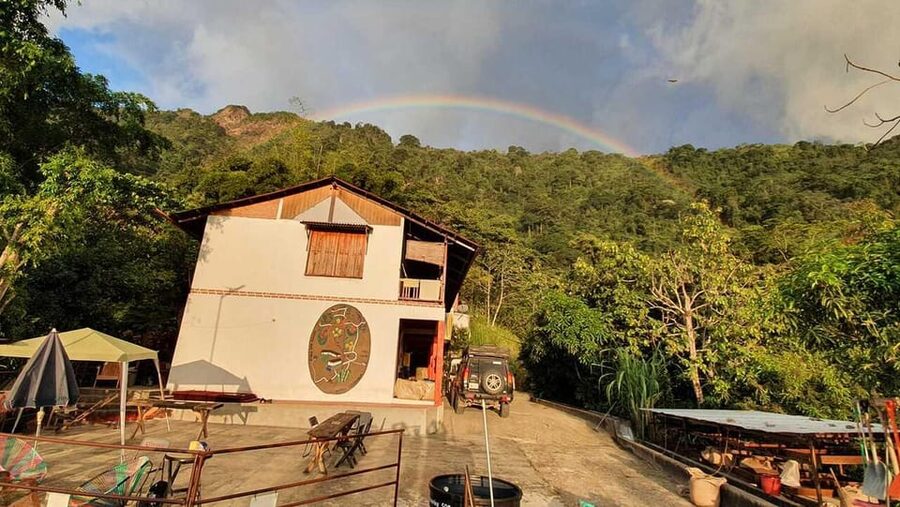
The guide can shape this experience more than any single tasting. Daniel has been praised for being friendly and well informed, while Albert has been noted for leading the walk safely and explaining the ecological farm clearly. Alvaro brings a strong focus on Minca and the surrounding area, and Mario has been praised for enthusiastic explanations.
Those details matter because the route and farm are only part of the experience. A good guide can explain what you are seeing, keep the walk comfortable, and connect the products with local life. English and Spanish are available, but you should select the language that lets you ask the most questions.
There has also been at least one strong complaint from a participant who felt the promised activities were not all delivered and paid too much for a taxi. That is worth taking seriously. Ask at the start what the day will include, confirm the meeting point, and keep your transport plan clear. Most of the available feedback is strongly positive, but one poor experience shows that communication matters.
Who should book this Minca experience?
I would choose this tour if you want a small-group activity that combines a moderate outdoor walk with food and farm education. It suits coffee and chocolate fans, curious eaters, and people who prefer meeting a local guide in a working rural setting.
It also fits a day when you want several different experiences in one booking: a view toward Santa Marta, possible bird sightings, a farm tour, tastings, hot chocolate, and a cacao skin treatment. The morning option makes sense if you want lunch included as an add-on.
I would think twice if you dislike hiking, need a tightly controlled schedule, or expect a polished spa treatment. The tour carries outdoor risks, the walk takes time, and wildlife sightings are not guaranteed. You also need to arrange your own way to the Minca church unless the operator separately helps with transport.
Should you book the Cacao and Coffee Tour?
Book it if you want to understand Colombian coffee and cacao through a real farm visit rather than a quick city tasting. The combination of three coffee types, three cacao types, organic coffee, raw cacao, hot chocolate, and a cacao exfoliation makes the $46 price fair for an active half-day.
Before booking, check the departure time, confirm how you will reach Minca, and bring proper hiking shoes. If you do those three things and accept that the weather and wildlife may shape the day, this is a well-rounded choice for an authentic taste of the area.
FAQ
Where does the Cacao and Coffee Tour meet?
The meeting point is the church in Minca.
How long does the activity last?
The tour lasts 270 minutes, or about four and a half hours.
How much does the tour cost?
The price is $46 per person.
What languages are available?
The live guide can conduct the tour in English or Spanish.
What will I taste during the tour?
You will taste organic coffee, raw cacao, and hot chocolate.
Is lunch included?
Lunch is not included in the listed price. On the morning schedule, you can add a typical local lunch for 25,000 COP, with chicken, meat, fish, or vegetarian options.
What should I bring, and what should I know about safety?
Bring hiking shoes. The route may involve risks from poisonous snakes and wild animals, and you should follow the guide’s instructions throughout the activity.
Newest chocolate tours around the world
- Bohol Chocolate Making and Farm Tour★ 5.0 · 2 reviews
- Big Island Hawaii: Craft Chocolate Tasting and Farm Tour★ 5.0 · 14 reviews
- Bogotá: Candelaria Tour with Cacao and Coffee Workshop★ 5.0 · 3 reviews
- Bordeaux: Chocolate and Pastry Food Tasting Tour★ 4.9 · 40 reviews
- Barossa: Enjoy Wine, Lunch, Brewery, Chocolate & Wildlife★ 4.5 · 26 reviews
- Chocolatier for a day: raw bean to bar chocolate in Modica★ 5.0 · 33 reviews
- Bern: Gruyères Cheese and Cailler Chocolate Tasting Tour★ 4.7 · 3 reviews
- Barcelona: Delicious Chocolate walking tour★ 5.0 · 2 reviews
Chocolate & Coffee Tastings, compared.
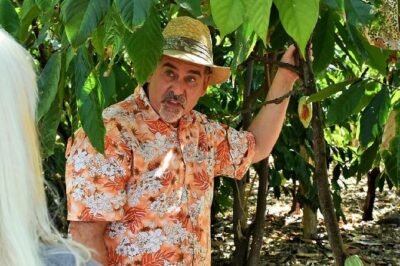
Award Winning Farm Tour: Coffee, Chocolate and Unique Gifts
Read our review →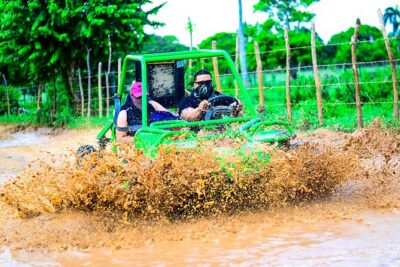
Road Off Half Day Buggy with Chocolate and Coffee Tasting
Read our review →
ATV Adventure w/ Chocolate, Coffee & Cave Swim in Punta Cana
Read our review →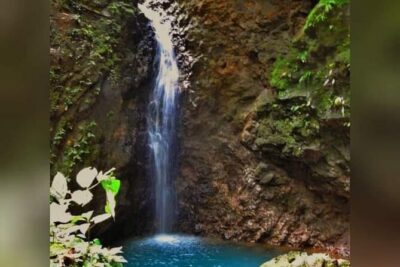
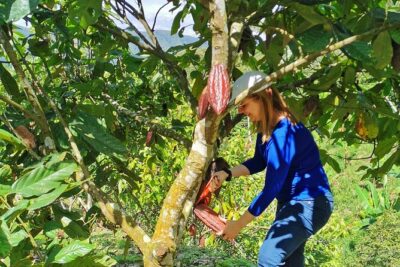
Coffee & Chocolate Private Tour in Medellin: Genuine Experience
Read our review →
Coffee & Chocolate Tour+Sloths Park & Llanos de Cortez Waterfall
Read our review →
ATV OR BUGGY Ride Into the jungle with cave coffee & chocolate
Read our review →
Punta cana Boogie into the Jungle with Coffee and Chocolate Taste
Read our review →Browse the lists this tour appears in