
Review · COLOMBIA CHOCOLATE TOURS
Cacao Experience Tour
The most interesting part of this half-day outing is that cacao is not just a tasting stop. You follow it from the tree to the cup, then walk through Tayrona Indigenous territory to a family farm and a waterfall in the jungle. The mix of farming, local customs, wildlife, and swimming gives the day more shape than a standard plantation visit.
I like the small-group format, capped at 10 people, and the way the walk turns the forest into part of the lesson. I also like the simple farm setting, where you may taste fresh cacao, drink chocolate, try coffee, and even enjoy a cinnamon bun from the oven. The main drawback is the terrain: parts of the route are steep, muddy, or scrambly, and the waterfall current can be strong.
Key points to know before you go
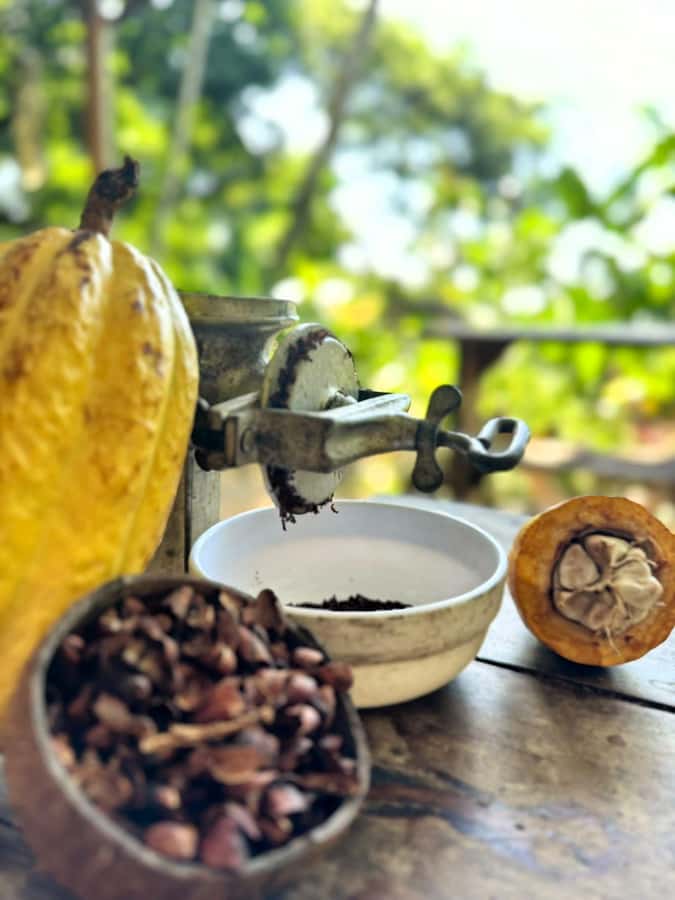
- Cacao from tree to cup: Taste the fruit, dried seeds, and chocolate in several forms while learning how local families process it.
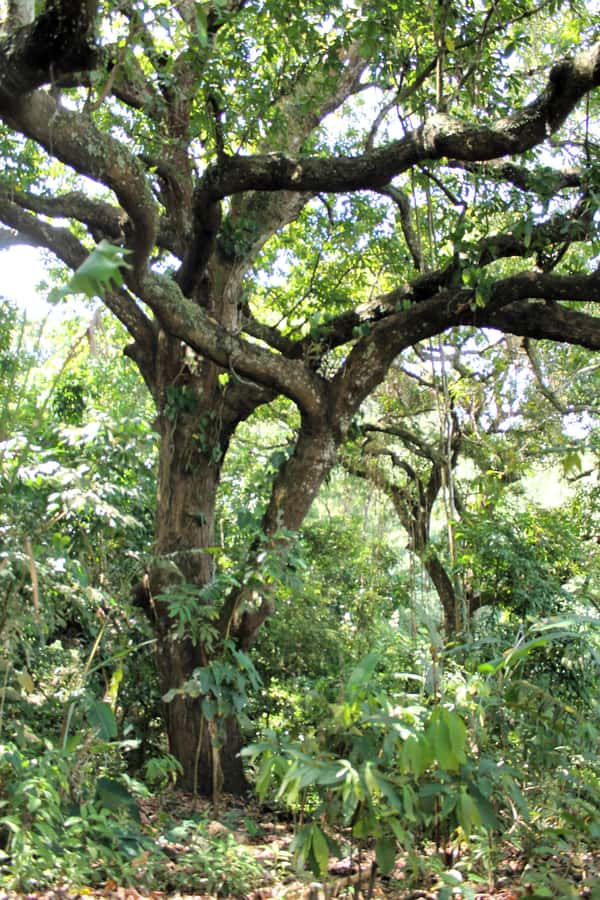
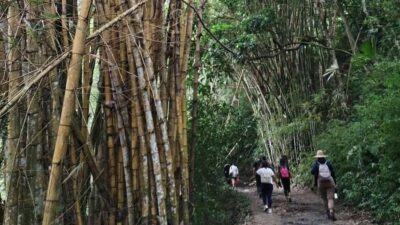
- A real jungle walk: The route includes birds, nests, monkeys, useful plants, and views across the Minca area.
- A family farm visit: Time at a small home in the Sierra adds coffee, cocoa, local customs, and a more personal setting.
- A waterfall finish: Expect a hike to a waterfall where you can bathe, try a clay face mask, and take photos.
- Guides who shape the day: Andrés Boh often leads in English or Spanish, and his local knowledge helps make the walk more than a transfer between stops.
- Good value with a physical catch: At $46 for 270 minutes, the price is fair, but you should be ready for heat, mud, and uneven ground.
Starting at Minca’s church
The meeting point is the church in Minca, a useful landmark in the town center. From there, the activity shifts quickly from town streets to forest paths. You are not being driven from one polished attraction to another. The walking is a major part of the outing.
The route passes through Tayrona Indigenous territory, and the guide explains the area, its customs, plants, and wildlife along the way. Andrés is often the guide, though another guide may lead your particular departure. He is described as relaxed, patient, and comfortable explaining both nature and cacao in English or Spanish.
This is also where the small-group design matters. A group of up to 10 people makes it easier to stop when the guide spots a bird, explain a plant, or answer questions about local life. One outing had around 15 people at the farm because another group arrived at the same time, so overlapping departures can happen. If a quiet visit matters to you, it is worth asking about the group size when you book.
More Chocolate Tours in the world:
- Lindt Home of Chocolate Museum Entry Ticket
★ 4.7 · 9,329 reviews - Choco-Story Brussels: Chocolate Museum Entrance with Tasting
★ 4.3 · 4,883 reviews - Zurich: City Tour, Cruise, and Lindt Home of Chocolate Visit
★ 4.5 · 4,624 reviews
Walking through the Minca forest
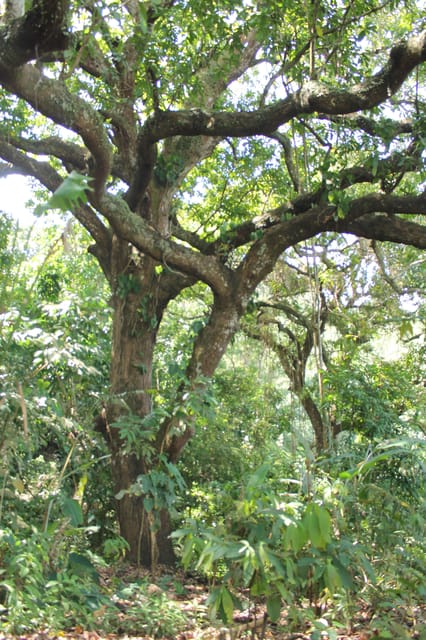
The walk gives the activity its sense of place. You may look for birds, hear their songs, spot nests, and possibly see monkeys. The guide also points out plants and explains their uses, including healing properties in some cases.
The route is not a demanding mountain trek for everyone, but it is not a flat stroll. You may deal with mud, roots, slippery ground, short steep sections, and a few places where you need to scramble. The descent to the waterfall and the climb back up are often the hardest parts.
I would rate this as suitable for someone with a reasonable level of fitness who does not mind sweating. You can take short breaks, and the guide is expected to adjust the pace, but you should not arrive in sandals you cannot trust or clothing you want to keep spotless.
Wear shoes with a solid grip, carry water, and bring clothes that can get wet and dirty. The route is more enjoyable when you accept that the forest will leave a mark on you.
Learning how cacao becomes chocolate
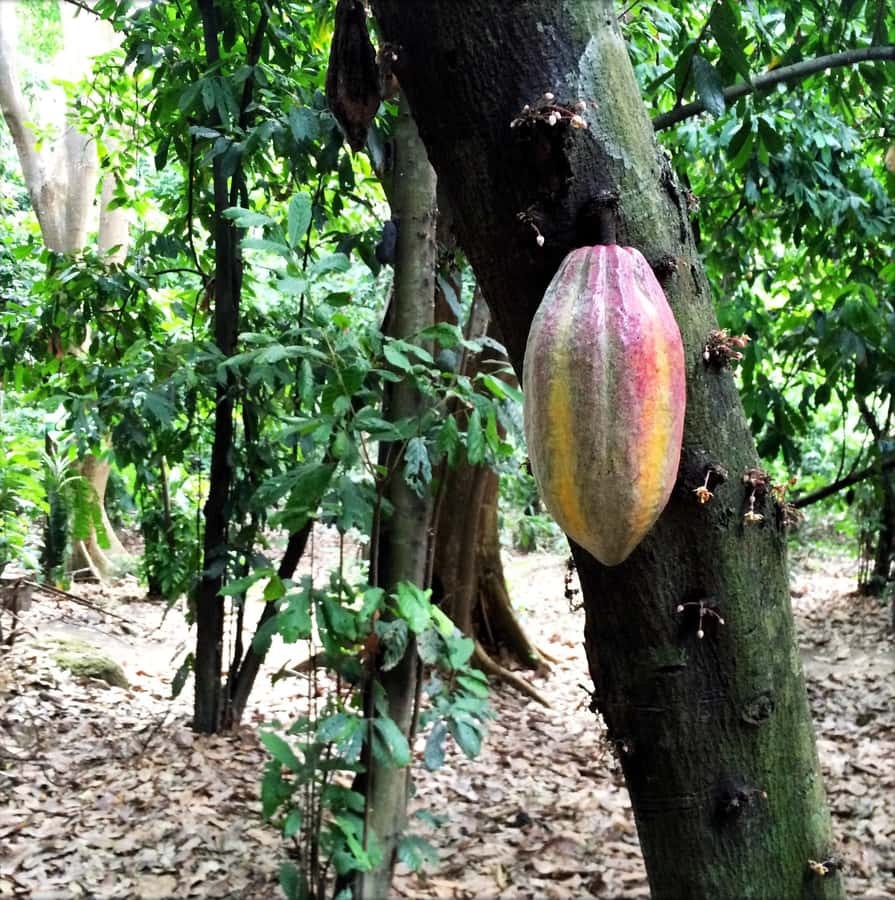
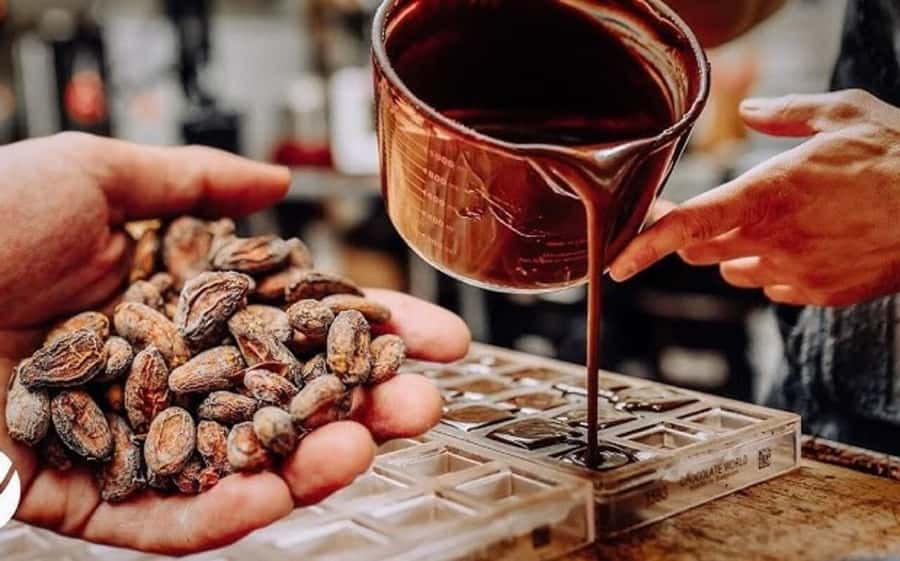
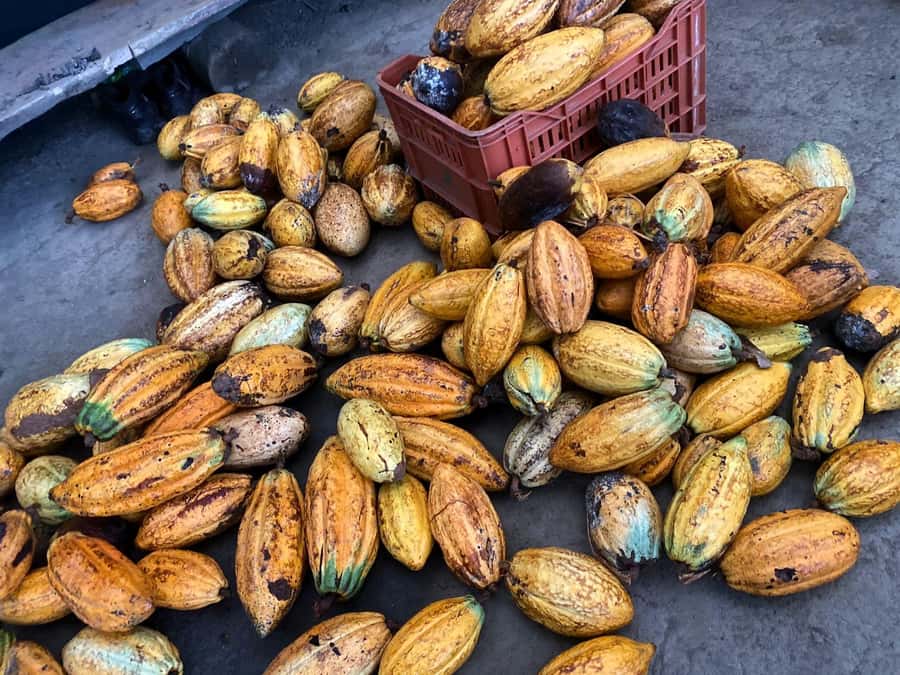
The cacao section is the heart of the tour. You learn how the crop moves from tree to mouth, rather than simply hearing a short talk and receiving a finished chocolate bar. Depending on the stage of production available that day, you can see the fruit, taste fresh cacao, handle dried seeds, and try chocolate in different forms.
That sequence helps you understand why local cacao tastes different at each stage. The fresh fruit, the dried seed, the drink, and the finished chocolate are not the same thing. The guide explains the old-fashioned way of processing cacao, giving you a closer look at the work behind a product most people only meet in a shop.
You also get to drink and eat chocolate, and there may be coffee as part of the farm visit. One especially memorable version of the stop included time with Luis and his family in a small house in the Sierra, along with cocoa, coffee, and a warm cinnamon bun. That detail matters because it shifts the visit from a demonstration to a chance to sit with a local family and see how the ingredients fit into daily life.
The experience is not designed as a formal chocolate-making class with a long list of equipment or recipes. It is better understood as a working farm visit and tasting, with the forest and local knowledge included.
A family farm, not a staged show
The farm setting is simple. That is part of its appeal, but it also means you should keep your expectations sensible. You are not arriving at a large commercial visitor center with polished displays, signs, and a shop full of packaged goods.
Instead, the visit centers on people, plants, food, and explanation. You may learn about cacao and coffee while sitting in or near a family home. You can ask questions about how the crop is handled and taste the results. The setting gives the activity a human scale that many factory tours lack.
The Indigenous connection also adds context. The route passes through Tayrona territory, and the guide discusses Indigenous customs and the relationship between people and the forest. The quality of this part depends heavily on the guide, so Andrés’s ability to explain plants, animals, and local communities is an important part of the value.
Keep in mind that a visit to Indigenous territory should be approached with respect. Follow the guide’s instructions, avoid treating people or homes as photo props, and listen before taking pictures.
Same city, a different tasting:
- The Chocolatarium Chocolate Tour Experience in Edinburgh
★ 5.0 · 4,322 reviews - Award-Winning Geneva Chocolate &Old Town Tour with Boat Ride (3h)
★ 5.0 · 3,721 reviews - Melbourne: Yarra Valley Wine, Gin, Whisky and Chocolate Tour
★ 5.0 · 3,667 reviews - 4×4 Dominican Adventure with Chocolate and Coffee Tasting
★ 5.0 · 2,920 reviews
The waterfall and clay face mask
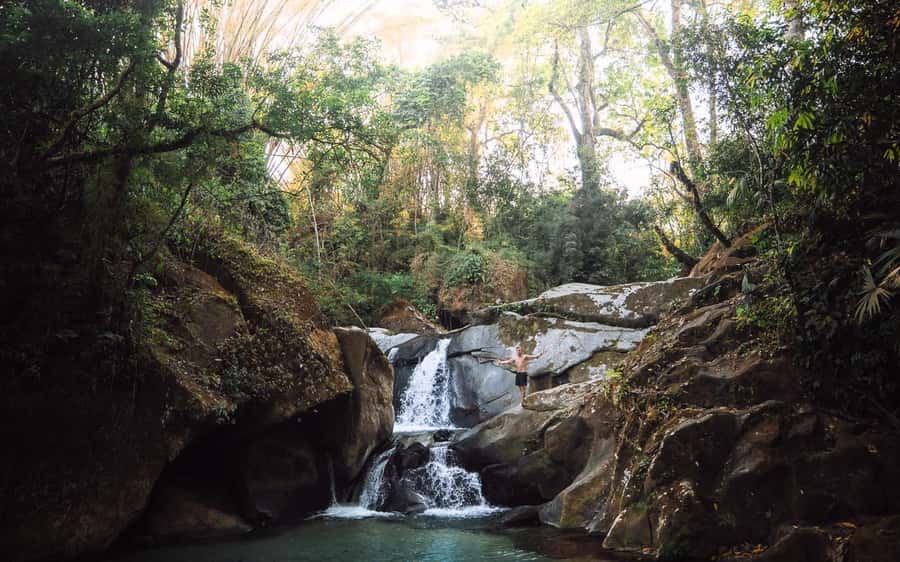
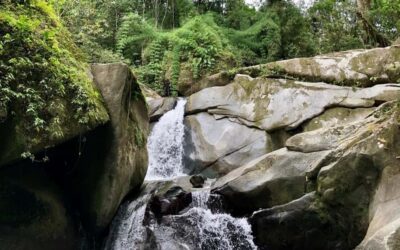
The waterfall provides the day’s physical reward. After walking through the forest and spending time with cacao, you reach a place where you can bathe in the water, cool off, and use clay as a face mask. It is a playful ending, especially after a warm and muddy hike.
The setting is described as beautiful, but it is not a risk-free swimming hole. The current can be strong, and the tour information warns about waterfall hazards. Follow the guide closely, stay out of areas they identify as unsafe, and do not assume that a calm-looking pool has no current.
The clay treatment is informal rather than a spa service. Expect a hands-on nature activity, not towels, changing rooms, or a polished wellness setup. Bring a swimsuit, a change of clothes, and something to protect your phone if you want pictures.
The waterfall stop can also affect the pace of the return walk. The climb back is one of the tougher portions, especially when the trail is wet. If you have knee problems, poor balance, or little experience on uneven paths, ask the guide about the route before committing.
Wildlife, birds, and the parts between stops
The animal sightings are a bonus, not a guarantee. The outing includes bird watching, bird songs, and a look at nests, and some people have also seen monkeys. The guide’s attention makes a difference here. A person who knows the forest can point out movement or sound that you might otherwise miss.
That is one reason I prefer this activity to a simple farm transfer. The walk between the cacao farm and waterfall is not dead time. It gives you a chance to notice the forest, learn about plants, and understand how cacao fits into the wider setting.
Still, do not book it only because you want a particular animal sighting. Wildlife is unpredictable. The reliable parts are the walk, the cacao lesson, the tastings, and the waterfall stop.
What $46 buys you
At $46 per person, the tour offers about four and a half hours of guided activity. The price includes the bilingual guide, hiking, tastings, and the waterfall visit. You are paying for more than a chocolate sample: the outing combines a farm visit, a local guide, nature interpretation, food, and swimming.
That makes the price reasonable for people who want several experiences in one morning or afternoon. A separate cacao visit and guided forest walk could easily cost more, while a standard waterfall trip might not explain the farming or local customs.
The value also depends on your interest. If you want a detailed, hands-on chocolate workshop with measured ingredients and a finished product to take home, this may feel too loose. If you want a personal look at cacao growing and village life, the combination is stronger.
Lunch is not listed as included. One outing continued to lunch afterward, but you should not assume that meal forms part of the $46 package. Ask before setting your plans for the rest of the day.
Safety, weather, and what to pack
The operator gives a clear warning about possible hazards, including poisonous snakes, wild animals, and strong waterfall currents. The tour is not responsible for accidents, so your safest approach is to treat the guide’s instructions as part of the activity, not as optional advice.
For a more comfortable outing, bring:
- Shoes with good grip
- Swimwear and a dry change of clothes
- Water
- Sun protection
- Insect protection
- A phone or camera case that can handle wet conditions
- Clothing you do not mind getting muddy
The exact conditions can change. A trail that feels easy in dry weather may become slippery after rain. The reviews describe the hike as manageable for a reasonably fit person, but they also mention scrambly sections and a demanding descent and return from the waterfall.
You should also be ready for heat and humidity. The clay mask, waterfall, and swimming are welcome because the walk can make you sweaty.
Who will enjoy this most
I would recommend this to you if you want a day that mixes food, nature, culture, and light adventure. It suits couples, small groups, solo visitors who enjoy meeting others, and anyone curious about how cacao is grown rather than simply consumed.
It is especially good for people who appreciate a guide with room to explain things. Andrés is praised for being patient, flexible, and attentive on the trail. In one case, he adjusted the outing so the group could see an animal refuge and more waterfalls. That flexibility may not be part of every booking, but it shows why a good guide matters here.
You should think twice if you dislike mud, heat, steep paths, or informal farm settings. The tour is also not ideal if you need fully accessible trails or want a tightly timed, polished attraction. No accessibility details are provided, and the uneven route makes it sensible to ask questions before booking.
The activity is available in English and Spanish. The small-group limit is 10, though overlapping groups have occasionally made the farm stop busier than expected.
Booking details worth knowing
The outing lasts 270 minutes, so allow most of a morning or afternoon. Starting times depend on availability, and the meeting point is the church in Minca.
You can cancel up to 24 hours before the activity for a full refund. You can also reserve now and pay later, which helps if you are still arranging your time around Santa Marta and Minca.
The experience provider is Andrés Boh. Many departures are led by Andrés, while one account names John as the guide. If having Andrés specifically matters to you, confirm the guide when arranging your place.
Is this cacao tour worth booking?
Book it if you want cacao tied to a real place: the trees, the farm, the family kitchen, the forest, and the waterfall. The strongest parts are the small-group feel, the clear explanations, the fresh tastings, and the chance to walk through the jungle instead of simply arriving at a farm by vehicle.
Skip it if your priority is an easy path, guaranteed wildlife, or a formal chocolate workshop. The route can be muddy and tiring, and the waterfall needs care.
For most reasonably fit visitors staying in Minca, I see this as a strong-value half-day outing. Bring proper shoes, accept a little dirt, listen to the guide, and you get much more than a cup of cocoa.
FAQ
Where does the Cacao Experience Tour meet?
The meeting point is the church in Minca.
How long does the tour last?
The activity lasts 270 minutes, or about four and a half hours.
What languages are available?
The tour is offered in English and Spanish with a live bilingual guide.
What is included in the price?
The $46 price includes the tour, personal bilingual guide, hiking, tastings, and the waterfall visit.
Is the group small?
The group is limited to 10 participants. A separate group may occasionally be at the farm at the same time, which can make the farm visit larger than expected.
Can I cancel or pay later?
You can cancel up to 24 hours in advance for a full refund. You can also reserve your place and pay later.
Newest chocolate tours around the world
- Bohol Chocolate Making and Farm Tour★ 5.0 · 2 reviews
- Big Island Hawaii: Craft Chocolate Tasting and Farm Tour★ 5.0 · 14 reviews
- Bogotá: Candelaria Tour with Cacao and Coffee Workshop★ 5.0 · 3 reviews
- Bordeaux: Chocolate and Pastry Food Tasting Tour★ 4.9 · 40 reviews
- Barossa: Enjoy Wine, Lunch, Brewery, Chocolate & Wildlife★ 4.5 · 26 reviews
- Chocolatier for a day: raw bean to bar chocolate in Modica★ 5.0 · 33 reviews
- Bern: Gruyères Cheese and Cailler Chocolate Tasting Tour★ 4.7 · 3 reviews
- Basel: Farmer’s Market, Cheese, Chocolate & Pastry Tour★ 4.0 · 18 reviews
Colombia Chocolate Tours, compared.
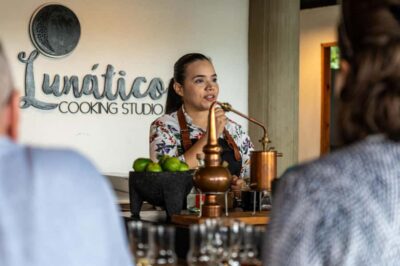
Boutique Rum and Chocolate Tasting at Lunático
Read our review →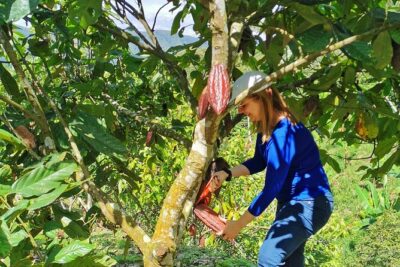
Coffee & Chocolate Private Tour in Medellin: Genuine Experience
Read our review →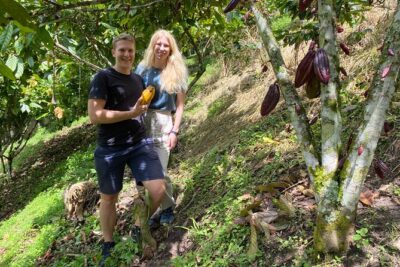
Trekking History and Indigenous Heritage in Minca + Cacao & Coffee + Waterfall
Read our review →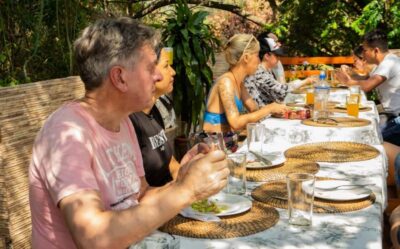
Minca: Full-Day Coffee and Cocoa Tour from Santa Marta
Read our review →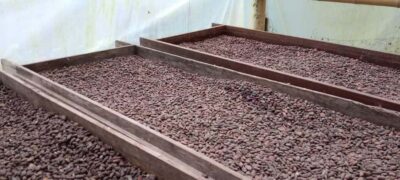
Minca: Hidden Waterfall + Coffee and Cocoa Workshop
Read our review →
Bogotá: Candelaria Tour with Cacao and Coffee Workshop
Read our review →Browse the lists this tour appears in