
Review · CHOCOLATE & COFFEE TASTINGS
Trekking History and Indigenous Heritage in Minca + Cacao & Coffee + Waterfall
Minca’s forest trails carry more than birdsong and mountain views. They follow paths tied to the Tayrona people, whose descendants include the Kogui, Wiwa, Arhuacos, and Kankuamos. The walk leads to an Arhuaco family farm where coffee and cacao are part of both daily work and cultural identity.
I like the mix of history and nature, since the trail is not just a workout with scenery added on. I also like the direct community connection, including a farm visit, traditional tasting, and time to talk with family members. The main caution is the medium difficulty: you need good fitness, and the waterfall is not guaranteed on every outing.
Key points at a glance
- Tayrona heritage trails: Walk paths connected with the history and continuing traditions of Indigenous communities in the Sierra Nevada region.
- Arhuaco-run coffee and cacao farm: Visit Cabanas Bosque Cacao and learn how these crops are grown, processed, and understood within an Indigenous worldview.
- Bilingual local guiding: Guides such as Jorge, Andrés, and Santiago have led departures, with English and Spanish available.
- Waterfall time: Bring a swimsuit because a waterfall may appear along the route and can provide a cool break after the hike.
- Community benefit: Part of your payment goes directly toward Indigenous community projects.
- Practical half-day format: The tour begins and ends at Minca’s Central Park and lasts about 4.5 hours.
Why this Minca walk is more than a coffee stop
Minca is often treated as a quick escape from Santa Marta, a place for forest air, swimming holes, and coffee. This outing gives you a fuller reason to stay. The trail connects the natural setting with the people who have lived here and cared for it over generations.
The Tayrona were the earlier Indigenous people of this region. Today, the Kogui, Wiwa, Arhuacos, and Kankuamos maintain different communities and traditions connected to that older heritage. Your guide explains this history while you walk, helping you see the forest as more than a pretty backdrop.
That context matters. Without it, a farm visit can feel like a standard coffee tour. Here, the aim is to understand how farming, land, spirituality, and social change meet in Minca. You are not simply tasting a product. You are hearing why cacao and coffee matter to the family producing them.
I especially like that the cultural part is built into the walk instead of being limited to a short talk at the end. The guide interprets what you see on the route, then the Arhuaco family adds its own perspective at the farm.
More Chocolate and Coffee Tastings in the world:
- 4×4 Dominican Adventure with Chocolate and Coffee Tasting
★ 5.0 · 2,920 reviews - 4×4 ATV Experience, Water Cave, Chocolate and Coffee Tasting
★ 5.0 · 1,430 reviews - Buggy Adventure Tour with Chocolate and Coffee in Punta Cana
★ 5.0 · 953 reviews
Starting at Minca’s Central Park
The meeting point is easy to find: Minca’s Central Park, beside the central chapel. You return here at the end, so you do not need to arrange a separate pickup within Minca.
Transportation is not included. If you are coming from Santa Marta, you need to reach Minca on your own, though the provider can share contact details for a private driver. Allow extra time for that connection, especially if you are booking a morning departure or have another activity planned later.
The tour itself runs for about 4.5 hours, with the total time generally described as four to five hours. The exact starting time depends on availability. Since the route includes walking, a farm visit, explanations, tasting, and a possible waterfall stop, do not treat this as a quick one-hour excursion.
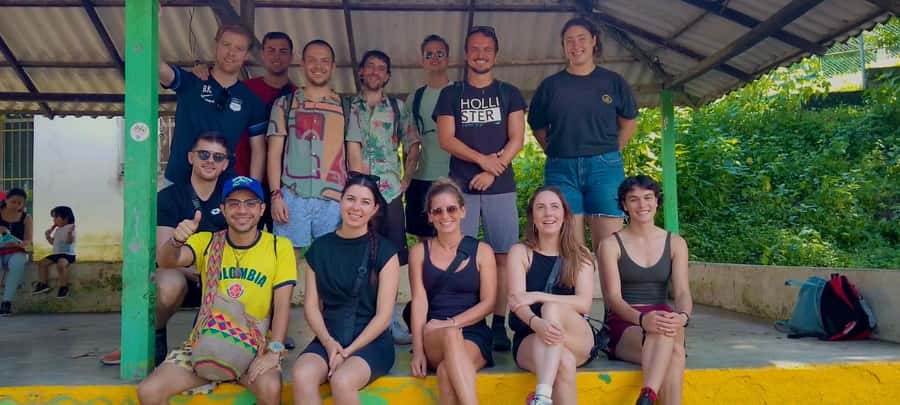
Your guide speaks English and Spanish. Jorge, Andrés, and Santiago have each led departures, but the assigned guide can vary. Jorge is particularly noted for giving useful suggestions about the wider Santa Marta area, which can be handy if this is your first day in Minca.
Walking trails with Tayrona connections
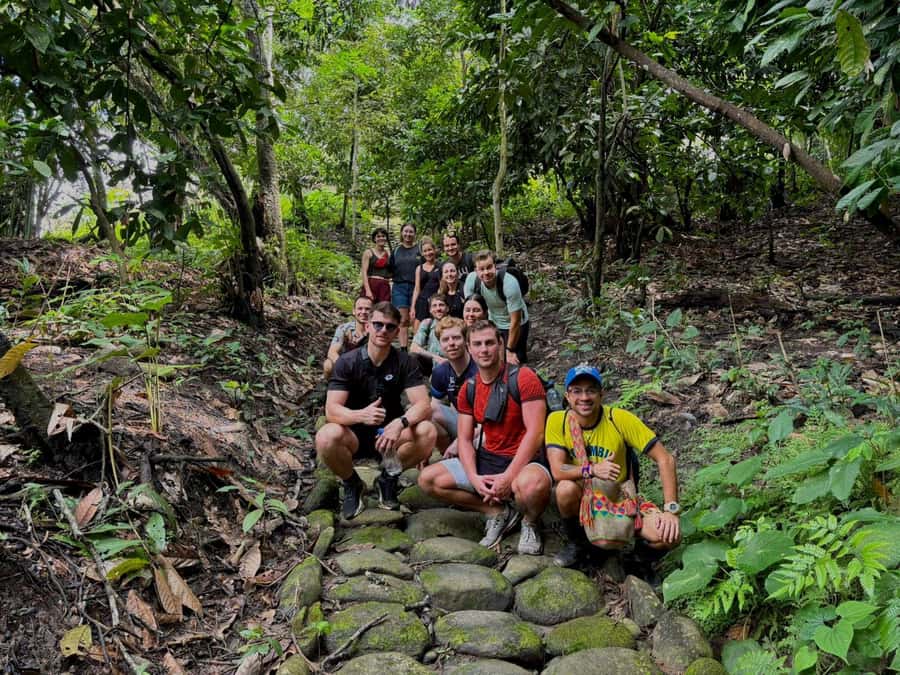
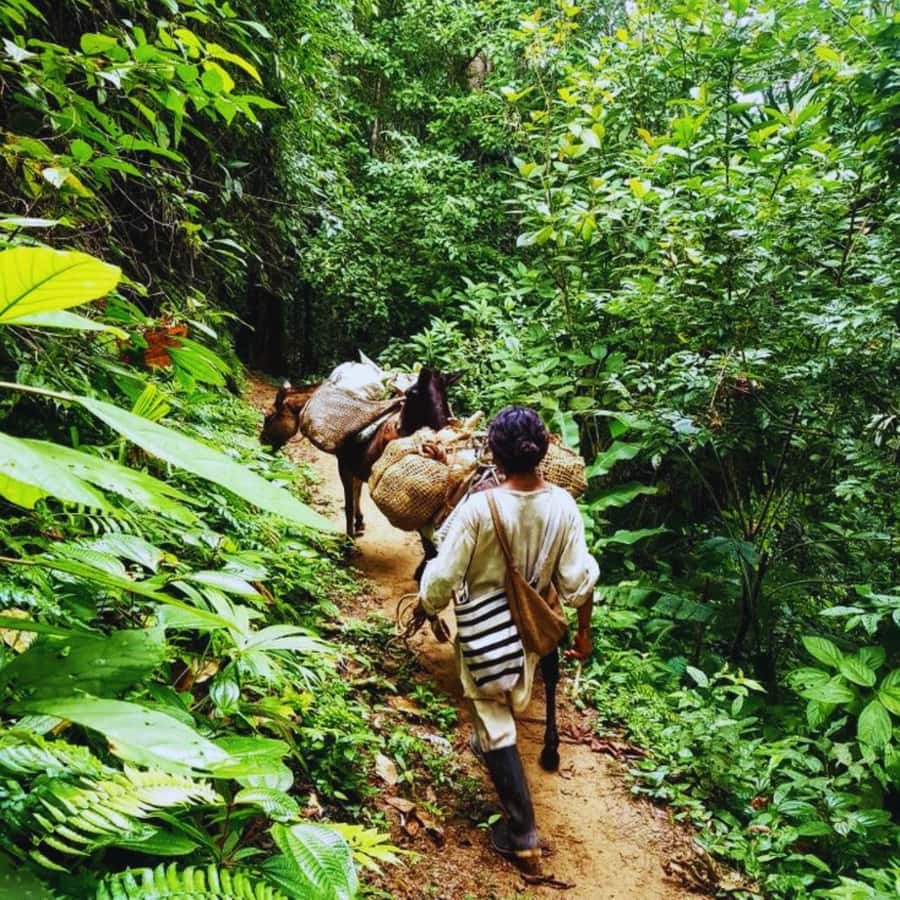
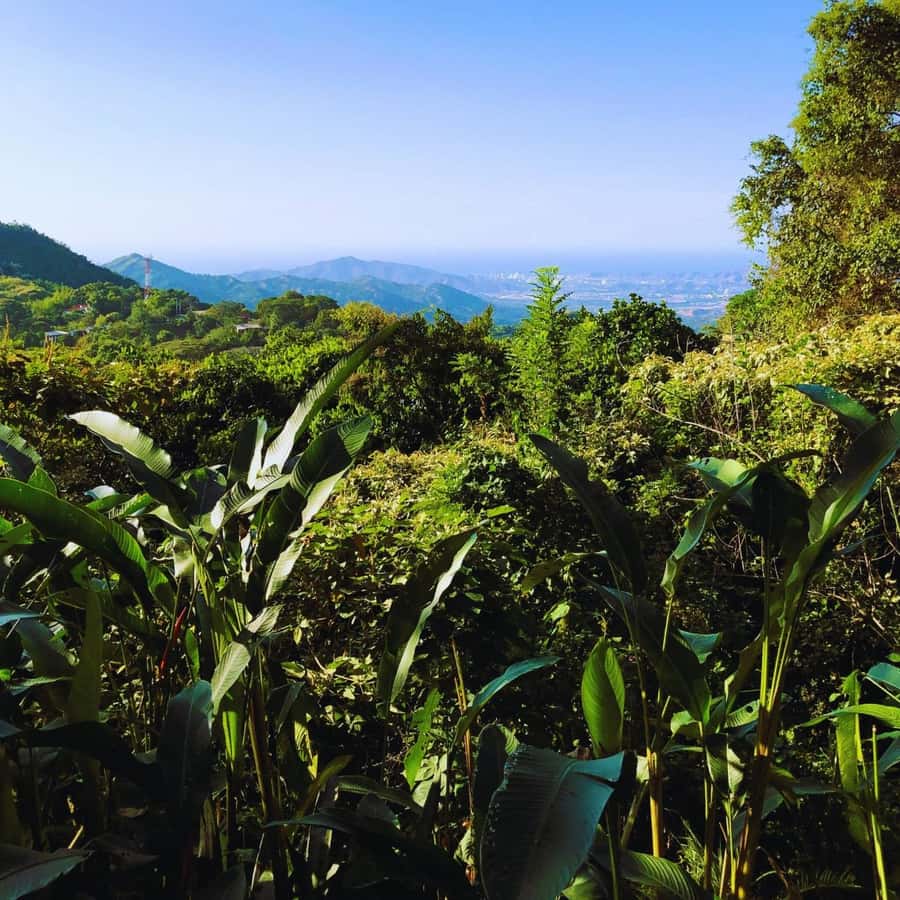
The hike follows nature trails associated with Tayrona heritage. The route passes through native vegetation and an ecosystem known for a wide range of plant and animal species. The focus is not on ticking off a set list of wildlife, so you should come for the forest and cultural setting rather than a guaranteed animal sighting.
The guide explains how the ecosystem relates to traditional practices. That may include the way people use and understand local plants, how communities remain connected to the land, and how Indigenous traditions have continued through social and cultural change.
The difficulty is medium. You should be comfortable walking on uneven natural trails and handling a few hours of outdoor activity. Wear proper hiking shoes, not casual sandals. Hiking pants, a hat, sunscreen, insect repellent, and a reusable water bottle will make the route easier.
The tropical setting brings heat, humidity, insects, and the chance of rain. Biodegradable sunscreen and insect repellent are requested, which is a sensible way to reduce the effect of visitors on the water and forest. The activity runs in rain unless conditions become extreme, so check the forecast but do not assume a cloudy day means cancellation.
Cabanas Bosque Cacao and the Arhuaco family farm
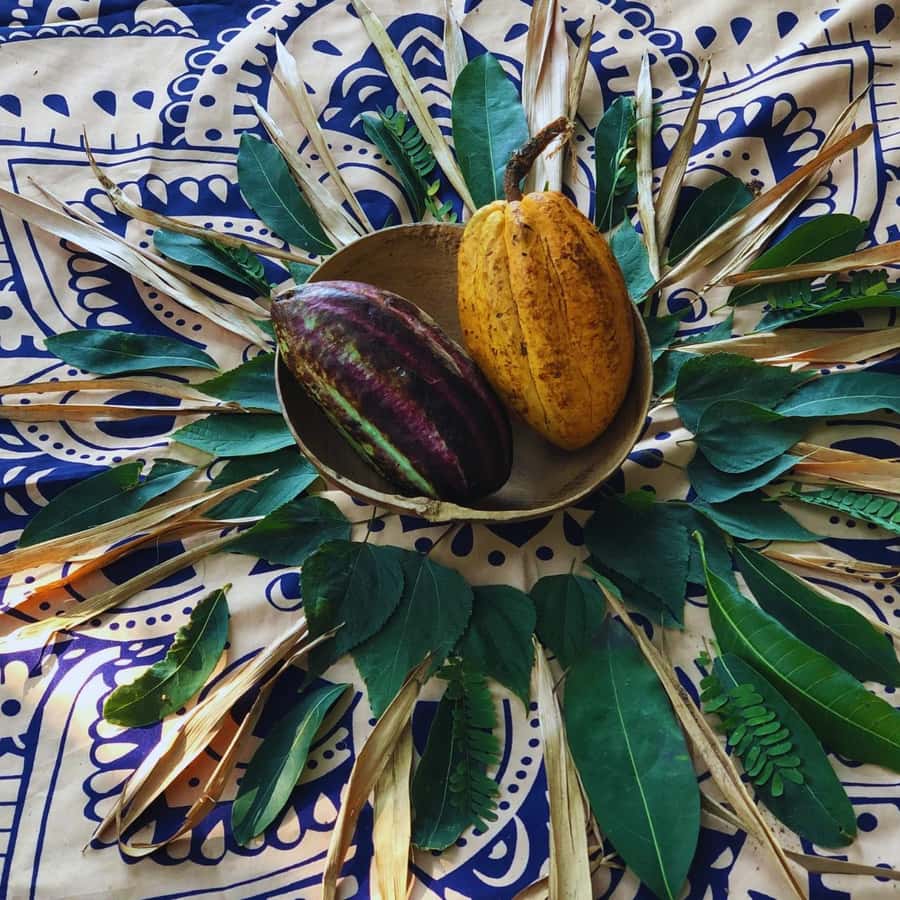
The main stop is Cabanas Bosque Cacao, an agricultural property managed by an Arhuaco family. This is the heart of the experience.
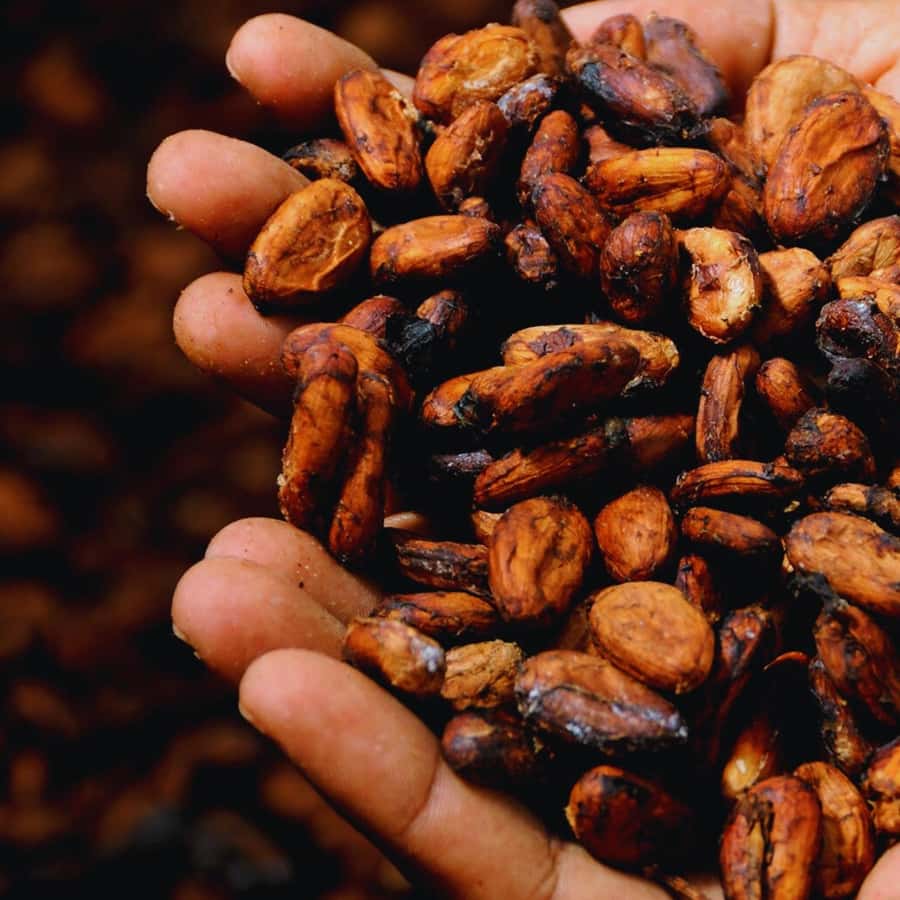
You learn how coffee and cacao are cultivated and transformed. The family also explains how these products fit within Indigenous life and thought. That makes the visit different from a basic plantation presentation focused only on machinery, export prices, or tasting notes.
You also have time to speak with members of the family. English support may be available within the family as well as through the guide. On one departure, the son helped explain the process in English, which made the conversation easier for visitors who did not speak Spanish.
Expect the pace here to slow down. After the walk, you can listen, ask questions, and connect the crop to the people who work with it. If you are curious about farming, heritage, or the effect of changing social conditions on local communities, this is where you will get the most substance.
The visit does not promise a large commercial operation or a polished museum. That is part of its appeal, but it also means the experience may feel more personal and less structured than a major coffee attraction. Come ready to listen and follow the family’s guidance.
Same city, a different tasting:
- Lindt Home of Chocolate Museum Entry Ticket
★ 4.7 · 9,329 reviews - Choco-Story Brussels: Chocolate Museum Entrance with Tasting
★ 4.3 · 4,883 reviews - Zurich: City Tour, Cruise, and Lindt Home of Chocolate Visit
★ 4.5 · 4,624 reviews - The Chocolatarium Chocolate Tour Experience in Edinburgh
★ 5.0 · 4,322 reviews
Coffee and cacao with cultural context
The tasting includes traditional cacao and coffee. The value lies in the explanation around the cup and sample. You can connect the taste with the cultivation and preparation you have just heard about.
Coffee and cacao are also a useful way to understand the region’s changing economy. They are farm products, but they carry family knowledge, local identity, and links to outside markets. The tour addresses how Indigenous communities have maintained traditions while facing sociocultural changes in their territory.
Do not expect a long gourmet tasting with a wide range of varieties. The supplied details promise a traditional tasting rather than a technical coffee class. If you want a serious lesson in roasting or professional cupping, another specialist tour may suit you better.
For most people, the strength here is the human story. You are tasting something that has been grown and transformed by the family you have met, in a setting where the discussion includes culture as well as agriculture.
The waterfall finish, with one important qualification
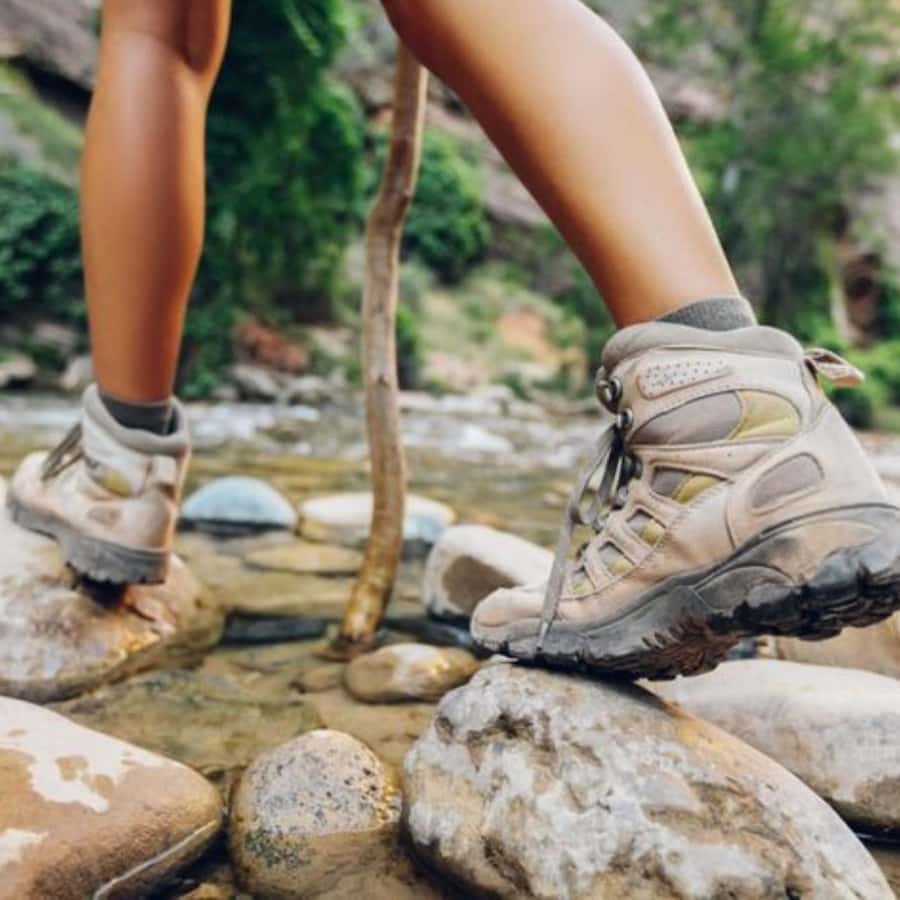
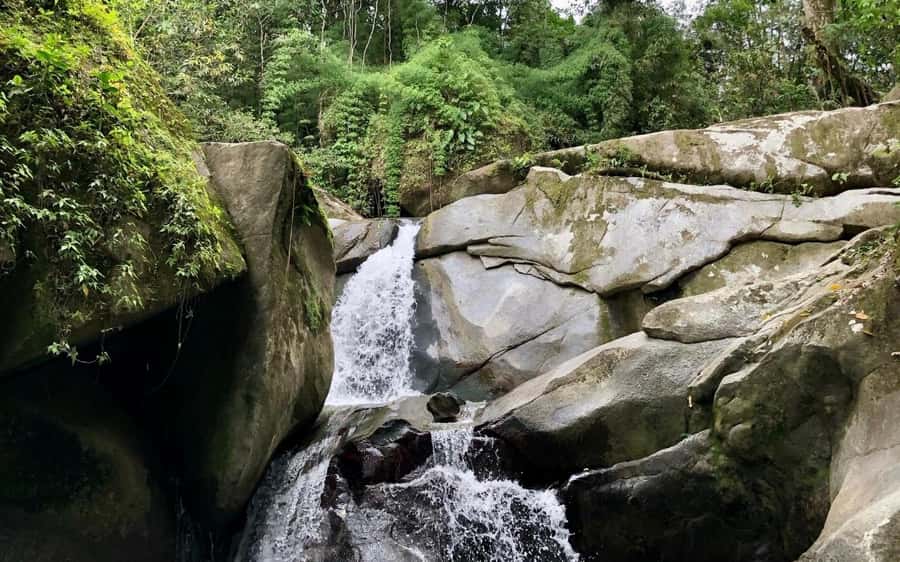
The tour ends with time to relax at a natural waterfall, but the wording is careful: you may encounter a waterfall along the way. That means the stop should not be treated as a guaranteed swimming destination in every departure.
Bring swimwear anyway. If conditions and the route allow, the water offers a cool break after walking, and one described outing included a pleasant swim after the descent. A towel, dry clothing, and a small waterproof bag would be practical additions, although they are not listed as required items.
The waterfall also gives the tour a nice change of pace. You begin with history and walking, spend time at the farm, then finish in the forest beside moving water. If the water stop is unavailable, the cultural and farm portions remain the main reason to book.
Follow local instructions around the water and avoid sunscreen or insect repellent that could harm the stream. The request for biodegradable products is especially relevant here.
What the $41 price includes
At $41 per person, this is a reasonable value for a four-and-a-half-hour experience if you want more than a simple Minca hike. The price includes a specialized local guide, the guided trail walk, the Indigenous farm visit, explanations about coffee and cacao, the tasting, time with the Arhuaco family, possible waterfall access, assistance insurance, and a direct contribution to community projects.
The community contribution gives the cost a clear purpose. You are paying for guiding and access, but part of the fee also supports sustainable local projects. That makes the experience more meaningful than a generic sightseeing walk, provided you value cultural exchange and local benefit.
Food, drinks, and transportation are not included. Bring your own water and eat before or after the outing, or budget separately for food in Minca. If you need a private vehicle from Santa Marta, that is another cost.
The tour is a particularly good deal for someone who would otherwise pay separately for a nature walk and a coffee or cacao visit. It is less compelling if you want a short, easy outing with little walking or if you are mainly interested in a long swim.
How the guide affects the experience
A good guide matters here because the tour depends on explanation. The path itself can be enjoyed without one, but the Tayrona connections, Indigenous communities, farming practices, and social changes need someone to put them together.
The guides named in past departures include Jorge, Andrés, and Santiago. Jorge is described as social and generous with practical advice about Santa Marta. Andrés has a talent for keeping the information light and enjoyable while sharing facts about Minca. Santiago has also led the experience.
The guide is not only there to point out the way. You can ask about the communities, crops, local customs, and the area around Santa Marta. If you are quiet at first, prepare a few questions before setting out. That will help you get more from the farm conversation.
Language should not be a major barrier, since the activity is offered in English and Spanish. Still, explanations at an Indigenous family farm work best when you remain patient and respectful. Let the guide or family member set the pace of the conversation.
Who should book this experience?
I would choose this for adults and older teenagers who want a half-day activity with cultural substance. It suits people who enjoy walking, local food production, Indigenous history, and smaller community-based experiences.
It is not suitable for children under 12, wheelchair users, or people over 95. The medium difficulty also makes it a poor choice if you have limited mobility or dislike uneven paths.
You should book it if you like these three things:
- A walk that explains the place rather than only showing it
- Direct contact with a local family and community projects
- A flexible nature stop where a waterfall may provide a swim
You may want another option if you need guaranteed swimming, included transportation, a full meal, or an easy paved route. This is also not the right pick for anyone expecting a highly polished commercial plantation tour.
Useful preparation before you go
Wear comfortable clothing and sturdy hiking shoes. Add a hat, sunscreen, biodegradable insect repellent, hiking pants, and a refillable water bottle.
Pack a swimsuit even if the waterfall is not guaranteed. A small towel and spare shirt are sensible, too. Avoid carrying weapons or sharp objects, alcohol, drugs, or anything you do not want to protect from rain. Littering and nudity are not allowed.
Respect is not a minor detail here. You are visiting a family and learning about Indigenous traditions. Follow instructions from the guide and community, ask before photographing people or private areas, and do not treat cultural practices as entertainment.
Free cancellation is available up to 24 hours before the activity for a full refund. You can also reserve now and pay later, which helps if your Santa Marta plans may shift.
Should you book the Minca heritage trek?
Book it if you want Minca in a wider frame: forest, Tayrona heritage, Indigenous farming, coffee, cacao, and a possible waterfall in one compact outing. The combination is the real strength, and the $41 price is fair when you count the guide, tasting, farm access, insurance, and community contribution.
Skip it if you want a guaranteed waterfall swim, included transport, or a relaxed walk with little physical effort. For the right person, this is a thoughtful introduction to Minca and its people, not just another coffee stop.
FAQ
Where does the tour begin?
You meet the guide at Minca’s Central Park, beside the central chapel.
Where does the tour end?
The activity ends back at Minca’s Central Park.
How long does the experience last?
The stated duration is about 4.5 hours, with the total activity generally taking four to five hours.
What languages are available?
The tour is available in English and Spanish, with a live local guide.
Is transportation from Santa Marta included?
No. Transportation is not included. The provider can share contact information for a private driver if you need help traveling between Santa Marta and Minca.
Is the waterfall guaranteed?
No. The route may include a waterfall, so you should bring swimwear, but a waterfall stop is not guaranteed on every outing.
What fitness level is required?
The hike is rated medium, and good physical condition is recommended. Comfortable clothing and hiking shoes are important.
Can children or wheelchair users join?
The activity is not suitable for children under 12 or wheelchair users. It is also not suitable for people over 95 years old.
More History Tours in the world
- Brussels: Historical Tour with Chocolate & Waffle Tasting
★ 4.8 · 1,206 reviews - Brussels: Historical Walking Tour with Chocolate & Waffle Tasting
★ 5.0 · 1,165 reviews - Best of Bruges: History, Chocolate & Beer Tour
★ 5.0 · 256 reviews - Barcelona & Chocolate Amatller History and Culture + Activity and Tasting
★ 4.9 · 173 reviews
Newest chocolate tours around the world
- Bohol Chocolate Making and Farm Tour★ 5.0 · 2 reviews
- Bogotá: Candelaria Tour with Cacao and Coffee Workshop★ 5.0 · 3 reviews
- Bordeaux: Chocolate and Pastry Food Tasting Tour★ 4.9 · 40 reviews
- Big Island Hawaii: Craft Chocolate Tasting and Farm Tour★ 5.0 · 14 reviews
- Barossa: Enjoy Wine, Lunch, Brewery, Chocolate & Wildlife★ 4.5 · 26 reviews
- Chocolatier for a day: raw bean to bar chocolate in Modica★ 5.0 · 33 reviews
- Bern: Gruyères Cheese and Cailler Chocolate Tasting Tour★ 4.7 · 3 reviews
- Barcelona: Delicious Chocolate walking tour★ 5.0 · 2 reviews
Chocolate & Coffee Tastings, compared.
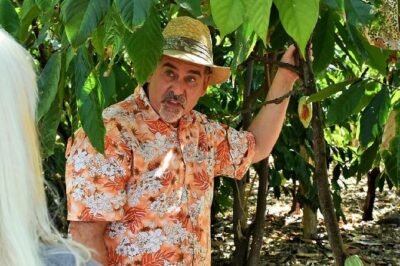
Award Winning Farm Tour: Coffee, Chocolate and Unique Gifts
Read our review →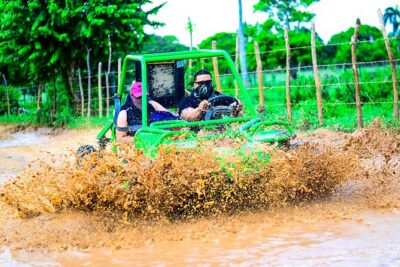
Road Off Half Day Buggy with Chocolate and Coffee Tasting
Read our review →
ATV Adventure w/ Chocolate, Coffee & Cave Swim in Punta Cana
Read our review →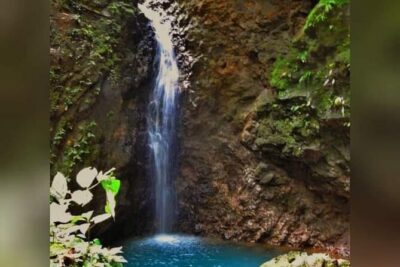
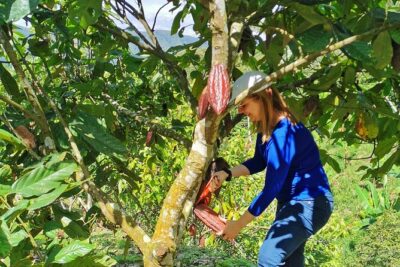
Coffee & Chocolate Private Tour in Medellin: Genuine Experience
Read our review →
Coffee & Chocolate Tour+Sloths Park & Llanos de Cortez Waterfall
Read our review →
ATV OR BUGGY Ride Into the jungle with cave coffee & chocolate
Read our review →
Punta cana Boogie into the Jungle with Coffee and Chocolate Taste
Read our review →Browse the lists this tour appears in