
Review · SANTA MARTA CHOCOLATE TOURS
Waterfalls, Animal Reserve and Chocolate: Mango Passage
Paso del Mango packs a lot into one day: three jungle waterfalls, a wildlife reserve, and hands-on chocolate making in the Sierra Nevada de Santa Marta. You also pass through the area of Masinga, an ancient indigenous settlement, with chances to see petroglyphs and native plants and animals.
I like the close contact with local projects and the small group size, capped at 10 people. I also like that lunch, transport, water, entrance fees, and a bilingual guide are included, so the $250 price covers the main costs. The main drawback is that this is a full eight-hour day in a forest setting, with walking, humidity, insects, and clothes that may get muddy.
Key points to know before booking
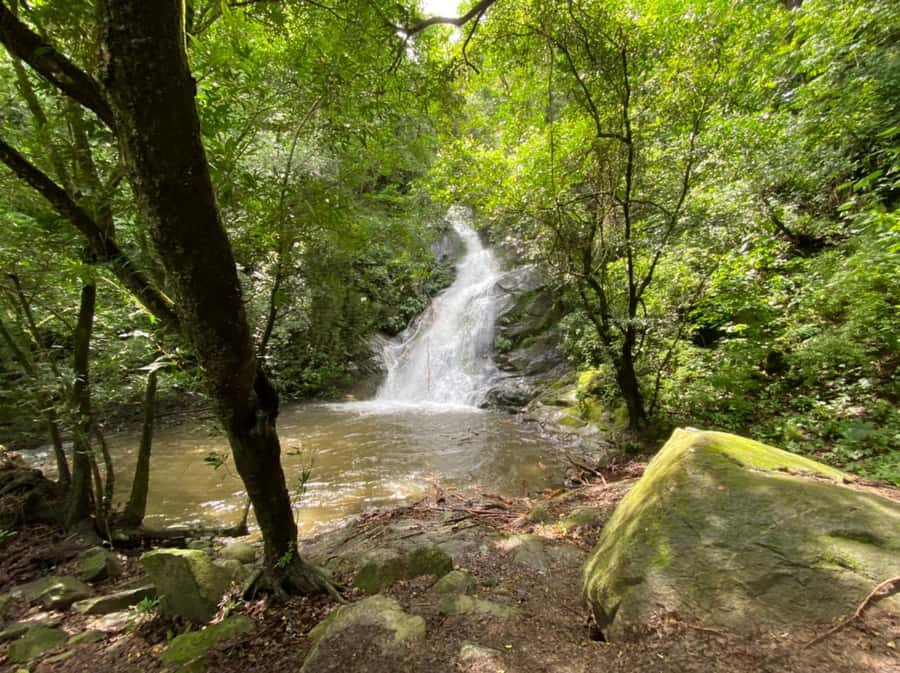
- Three waterfalls in one jungle walk: The route takes you to three separate falls in the Paso del Mango area.
- Four forest types in one outing: You pass through tropical dry forest, cloud forest, primary forest, and secondary forest.
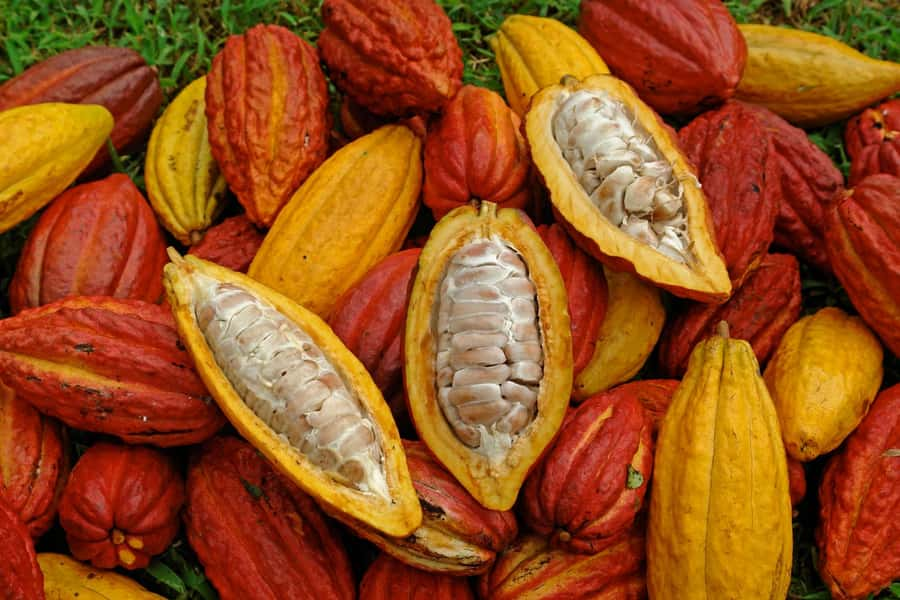
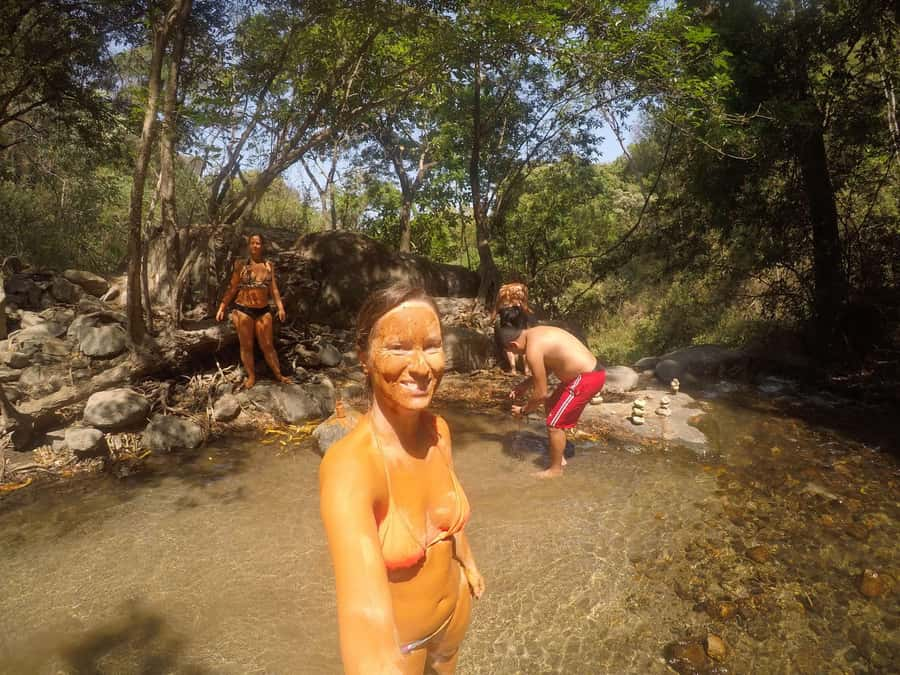
- Chocolate is part of the activity: You learn about cocoa cultivation, make your own chocolate, and prepare a facial mask from the product.
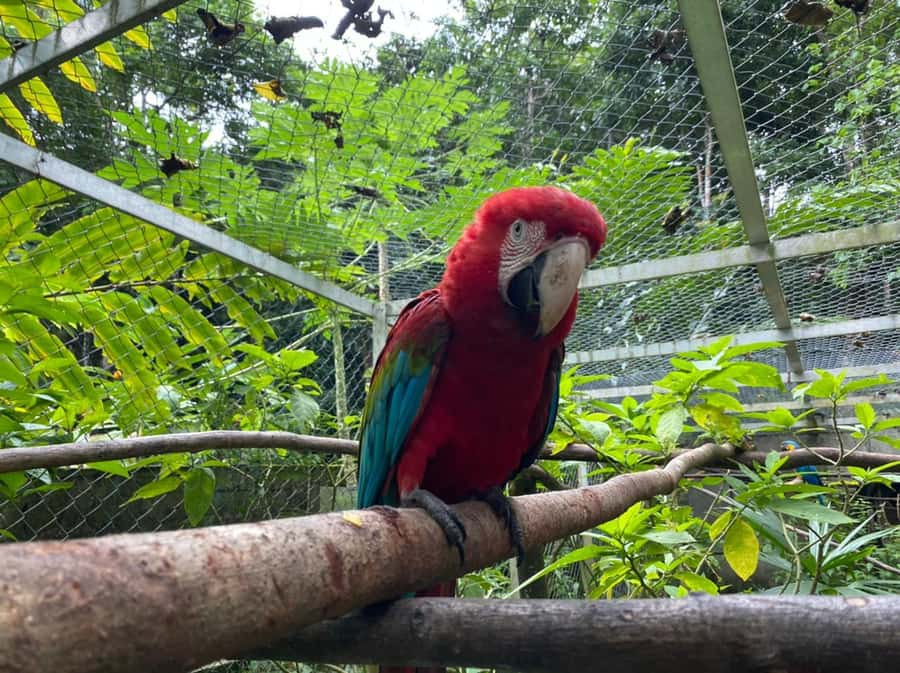
- A real conservation focus: The animal reserve cares for endangered species, while a reforestation program shows how damaged forest is being restored.
- Marco is the named guide: He leads tours in English and Spanish and has been praised for showing lesser-known places with clear English.
- Small group, city pickup: Groups are limited to 10, and pickup is included within Santa Marta, with an extra fee for locations outside the city.
Why Paso del Mango feels different from a standard Santa Marta day trip
Many outings from Santa Marta focus on one big attraction. This one works differently. It links nature, local food, conservation, Indigenous traces, and cocoa production into a single day in the Sierra Nevada de Santa Marta National Park.
The setting is Paso del Mango, a mountain area crossed by the ancient Indigenous city of Masinga. You are not simply passing through a pretty patch of forest. The route brings together natural features and signs of earlier human settlement, including petroglyphs. The information provided does not specify exactly where the petroglyphs are found or how long you stop at them, so ask your guide about that when the day begins.
I find the variety especially useful if you want more than a waterfall photograph. You get a chance to understand how the region changes from one forest type to another, then see practical conservation work and take part in cocoa preparation. That mix gives the day a clear purpose.
More Chocolate Tours in Colombia:
- Cartagena: Boutique Rum and Chocolate Tasting at Lunático
★ 4.9 · 121 reviews - Coffee & Chocolate Private Tour in Medellin: Genuine Experience
★ 5.0 · 100 reviews - Chocolate tour near Medellin
★ 5.0 · 90 reviews
The forest walk and three Paso del Mango waterfalls
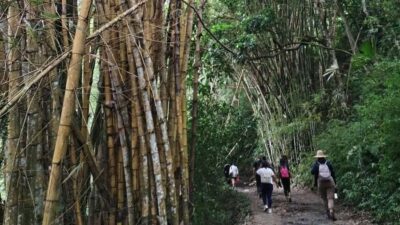
The first major part of the outing is a trek to three waterfalls in the jungle. The route passes through tropical dry forest, cloud forest, primary forest, and secondary forest. These names matter because they describe different stages and conditions of the forest, not just different shades of green.
You can expect the walk to be an active part of the day. Comfortable clothes and closed-toe shoes are required, and beachwear is recommended because the waterfalls make water part of the experience. You should also bring biodegradable insect repellent. The organizers do not provide a stated distance, elevation gain, or difficulty rating, so ask for a current trail briefing if you have concerns about walking.
The three falls give the outing more variety than a quick stop at a single cascade. You will have several natural points to pause, take photographs, and cool off. Still, do not treat this as a polished city attraction. It is a jungle outing, and your shoes may get wet or dirty. Bring clothes that can take some mud, just as the tour information advises.
The forest itself is part of the lesson. Tropical dry forest and cloud forest can feel very different, while primary and secondary forest show how land develops over time. Your guide can help connect what you see to the broader work happening in the area.
Masinga, petroglyphs, and the human story of the mountains
Paso del Mango also has a cultural side. The route crosses the ancient Indigenous city of Masinga and may include views of petroglyphs. These traces add context to the walk, reminding you that the mountain area is not empty wilderness. People have lived in and used these forests for generations.
The supplied details do not give a full archaeological interpretation, and I would not book this specifically as a formal archaeology tour. Its main focus is nature and local projects. But if you enjoy finding connections between the land and its earlier inhabitants, this part adds depth to the day.
Ask questions as you go. With a maximum of 10 people, the group should be small enough for direct conversation, though the exact pace depends on the group and the guide. The small size is a real advantage here. It makes it easier to stop for plants, animal information, or cultural details without holding up a large crowd.
The endangered-animal reserve and reforestation project
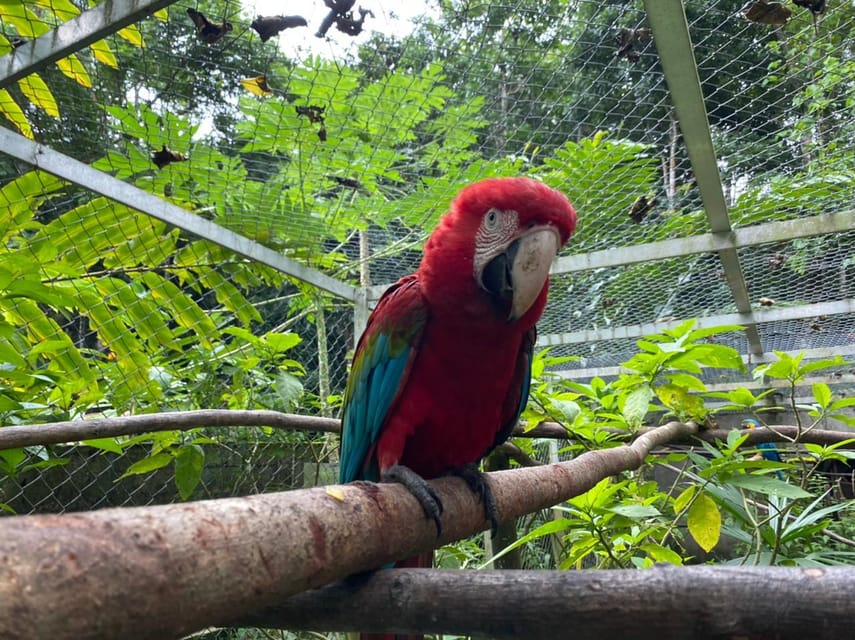
The second major stop is an animal reserve focused on endangered species. You also visit a successful reforestation project. These are not just quick photo stops. Together, they show two sides of conservation: protecting animals that already need help and restoring the forest they depend on.
The information does not identify the species kept at the reserve, so do not arrive expecting a particular animal. Instead, think of this as a chance to learn how local conservation work fits into the wider mountain ecosystem. The reserve may be most rewarding if you ask about the animals, their protection, and the role of the forest around them.
The reforestation program is valuable because it gives you something practical to look at. Rather than hearing only general statements about environmental problems, you see an active effort to bring trees and habitat back. That makes the conservation message easier to understand.
I particularly like this part for visitors who want their money and time to support more than sightseeing. The tour links tourism with local environmental work. The tradeoff is that the exact amount of time spent at the reserve and reforestation site is not stated, so the balance between walking, wildlife, and cocoa activities may vary.
Same city, a different tasting:
- Cacao Experience Tour
★ 4.8 · 66 reviews - Trekking History and Indigenous Heritage in Minca + Cacao & Coffee + Waterfall
★ 4.9 · 63 reviews - Minca: Full-Day Coffee and Cocoa Tour from Santa Marta
★ 4.5 · 61 reviews - Cacao and Coffee Tour
★ 4.5 · 24 reviews
Learning cocoa from plant to homemade chocolate
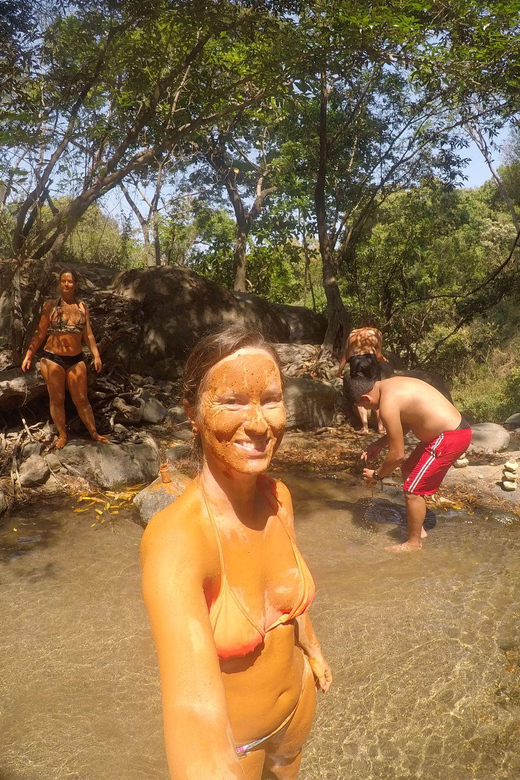
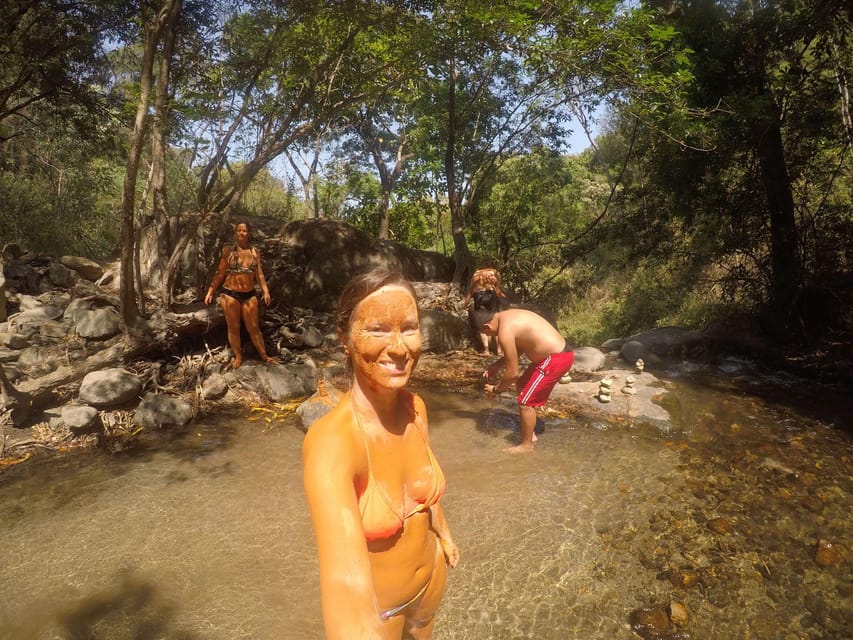
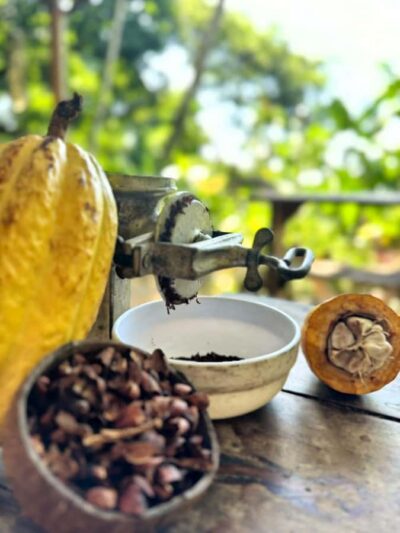
The cocoa session is the most hands-on section of the day. You learn about cocoa cultivation, make your own chocolate, and prepare a facial mask using the product.
That sequence helps you understand cocoa as a crop, not just as a finished sweet in a shop. You see the connection between cultivation and the food you eat, then take part in turning the product into something you can use. The facial mask adds a playful, unusual touch, especially if you enjoy practical activities that go beyond tasting.
Come prepared to get messy. The clothing advice specifically includes clothes that can get dirty, and that applies to the chocolate session as well as the forest walk. The activity does not state whether you take chocolate home, so ask your guide before counting on a souvenir.
This is also a good moment to learn about local agriculture. The details do not name the cocoa farms or provide a formal tasting menu, but the session clearly focuses on cultivation and making. If you prefer a quiet sightseeing day, this hands-on section may feel less appealing. If you like to make something yourself, it is one of the strongest reasons to choose this outing.
Lunch in a jungle restaurant
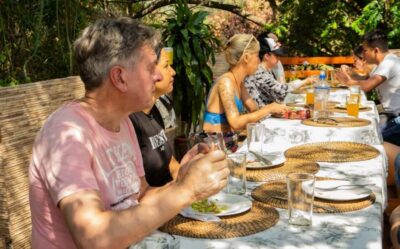
Lunch is served at a jungle restaurant using local, organic, and sustainable ingredients. The meal is included, along with water, so you do not need to arrange a separate lunch stop.
I like the way this fits the rest of the day. You are eating in the same broad setting where local farming, forest protection, and cocoa production matter. It is a better fit for the experience than breaking away for a generic roadside meal.
The menu is not specified, so do not expect to choose from a detailed list or plan around a particular dish. If you have dietary needs, ask before booking or at pickup. The supplied information confirms the style of the ingredients, but not the available substitutions.
What the $250 price includes
At $250 per person, this is not a cheap walk to a waterfall. It is a full-day package that includes transportation, a guide, lunch, water, entrance, and visits to all three waterfalls. The price also covers access to the reserve, reforestation project, and cocoa activities as part of the day.
I would judge the value by the number of separate elements you want. If you want only a short nature walk, the price will feel high. If you want a bilingual guide, city pickup, several waterfall stops, conservation visits, lunch, and a hands-on chocolate session, the package is easier to justify.
The group limit of 10 helps. A small group gives you more room to ask questions and usually makes local visits less hurried than a large coach outing. The two available ratings are both five out of five, and the specific praise focuses on the guide, the educational side of the day, and access to places beyond the usual tourist route. That supports the idea that the guide and setting are central to the value.
Guide Marco and the language experience
Marco is the named guide, and the activity is offered in Spanish and English. One English-speaking participant specifically praised his English and his ability to show places that many tourists do not reach. Another description of the day praised his courteous manner and the educational quality of the experience.
That matters because this tour depends on explanation. The waterfalls are attractive on their own, but the forest types, Indigenous traces, conservation work, and cocoa cultivation all gain from a guide who can explain what you are seeing.
Some content may be presented in its original language. If you speak English, you can request the English tour, but it is sensible to confirm your language preference when booking. The small group format should help if you need to ask for a point to be repeated.
Pickup, clothing, and the practical details
Pickup is included for passengers staying within Santa Marta. If you are outside the city, an additional charge applies. Confirm your exact address and the pickup cost before finalizing your plans.
Wear comfortable clothes and closed-toe shoes. Pack beachwear, clothes that can get dirty, and biodegradable insect repellent. You should also bring a practical attitude toward mud, water, heat, and forest insects.
The tour does not allow handcarts, alcohol, drugs, coolers, baby carriages, electric wheelchairs, fireworks, explosives, or bare feet. Children under 5 and people over 70 are not considered suitable for the activity. The information does not provide a specific mobility assessment for the trail, so anyone with mobility concerns should ask directly before reserving.
The day lasts eight hours, but starting times depend on availability. Free cancellation is available up to 24 hours before the activity for a full refund, and you can reserve without paying immediately. Those terms are useful if your Santa Marta plans are still shifting, but they do not change the physical demands of the day.
Who should book this Paso del Mango experience
I would recommend it to you if you want a full day with several kinds of activity rather than one headline attraction. It suits people who enjoy forest walking, local food, conservation, cocoa, and cultural details. It is also a good fit if you value a small group and want a guide who can work in English or Spanish.
You may want to skip it if you need a short, easy outing, dislike getting dirty, or want a precisely timed archaeological tour. The available details do not provide trail length, elevation, exact animal species, or a fixed menu, so travelers who need that level of planning should ask questions first.
Should you book the Waterfalls, Animal Reserve and Chocolate tour?
Book this tour if you want to see a less-visited side of the Santa Marta region and prefer a day built around local projects rather than a single scenic stop. Marco’s English, the small group, and the mix of forest, wildlife, reforestation, and cocoa are the strongest reasons to choose it.
At $250, it asks more than a basic waterfall excursion, but it also includes transport, lunch, water, entrance costs, a bilingual guide, three waterfalls, and several distinct activities. I would make the call based on your priorities: choose it for variety, learning, and local contact; pass if you want a low-cost or low-effort day.
FAQ
Where is the tour located?
The experience takes place in Paso del Mango, in the Sierra Nevada de Santa Marta National Park, near Santa Marta, Colombia. The route crosses the area of the ancient Indigenous city of Masinga.
How long does the tour last?
The activity lasts eight hours. Available starting times depend on the date you choose.
Is transportation included?
Yes. Pickup is included for passengers staying within Santa Marta. Pickup outside Santa Marta costs extra.
Which languages are available?
The tour is available in Spanish and English. Marco is the named guide, and English-language guiding is offered.
What does the price include?
The $250 per-person price includes transportation, a tour guide, lunch, water, entrance, and visits to the waterfalls. The reserve, reforestation visit, and chocolate activities are part of the experience.
What should I bring?
Bring comfortable clothes, comfortable closed-toe shoes, beachwear, clothes that can get dirty, and biodegradable insect repellent. Bare feet are not allowed.
Newest chocolate tours around Colombia
- Cocoa Tour – San Rafael Antioquia from Medellín★ 5.0 · 2 reviews
- Medellín: Chocolate Tour & Exfoliation in beautiful river★ 5.0 · 3 reviews
- Chocolate tour near the Medellín★ 5.0 · 13 reviews
- Cartagena: The Legendary Colombian Rum and Chocolate Tasting★ 5.0 · 8 reviews
- Cartagena: Express Rum and Chocolate Tasting Experience★ 5.0 · 10 reviews
- Bean to Bar: Cocoa and Chocolate Workshop★ 5.0 · 5 reviews
- Bogotá: Candelaria Tour with Cacao and Coffee Workshop★ 5.0 · 3 reviews
- Minca: Hidden Waterfall + Coffee and Cocoa Workshop★ 4.9 · 6 reviews
Santa Marta Chocolate Tours, compared.
Minca: Full-Day Coffee and Cocoa Tour from Santa Marta
Read our review →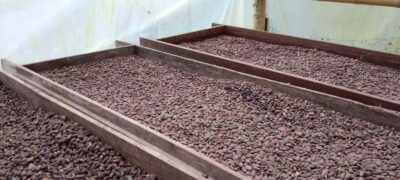
Minca: Hidden Waterfall + Coffee and Cocoa Workshop
Read our review →Browse the lists this tour appears in