
Review · DOMINICAN REPUBLIC CHOCOLATE TOURS
Dominican Republic: 3-Hour Chocolate Lovers Tour
The best part of this three-hour cacao tour is that it shows you the work behind the bar of chocolate in your hand. You start with the plant itself, see how pods are opened and beans extracted, then follow the beans through fermentation, drying, and factory processing. I especially like the chance to sow your own cacao plant and the guided tasting, which turns a sweet snack into a lesson in smell, texture, and flavor.
I also like that lunch is part of the experience, and that the tour connects cacao to Dominican soil, weather, and local culture rather than treating chocolate as a simple factory product. The main thing to watch is timing: the published duration is three hours, but one January 2023 booking described the visit as about two and a half hours, so do not plan a tight connection afterward.
Key points at a glance
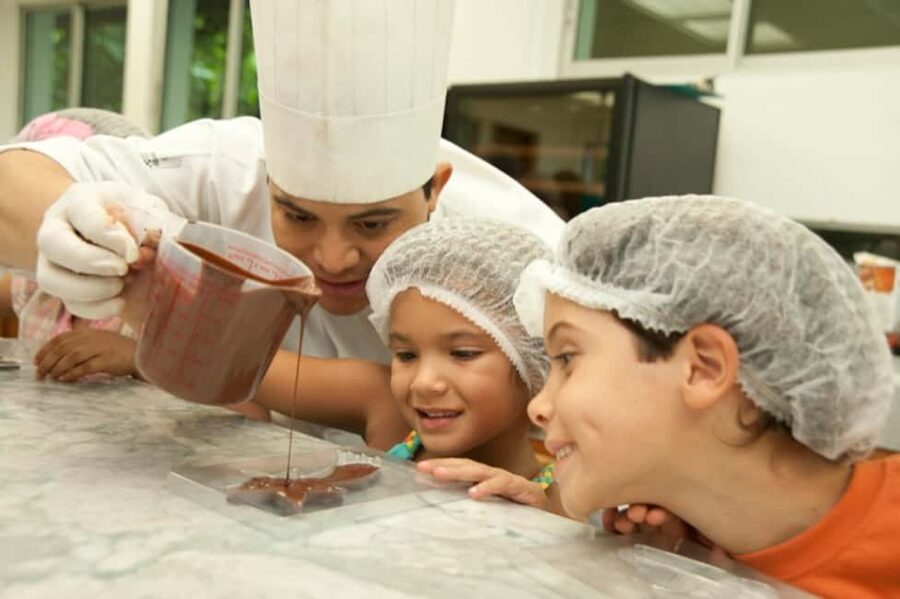
- Plant your own cacao: You take part in sowing instead of only watching a demonstration.
- See the full cacao process: The tour covers harvesting, cutting, bean extraction, fermentation, drying, and small-scale processing.
- Taste with all five senses: The tasting session explains how to assess chocolate beyond sweetness.
- Eat lunch on site: A local meal and hot chocolate are included in the price.
- Meet at El Sendero del Cacao: You need to arrange your own transportation to Duarte, 31000.
- Choose your language: Live guiding is available in English, Spanish, and French.
Starting at El Sendero del Cacao in Duarte
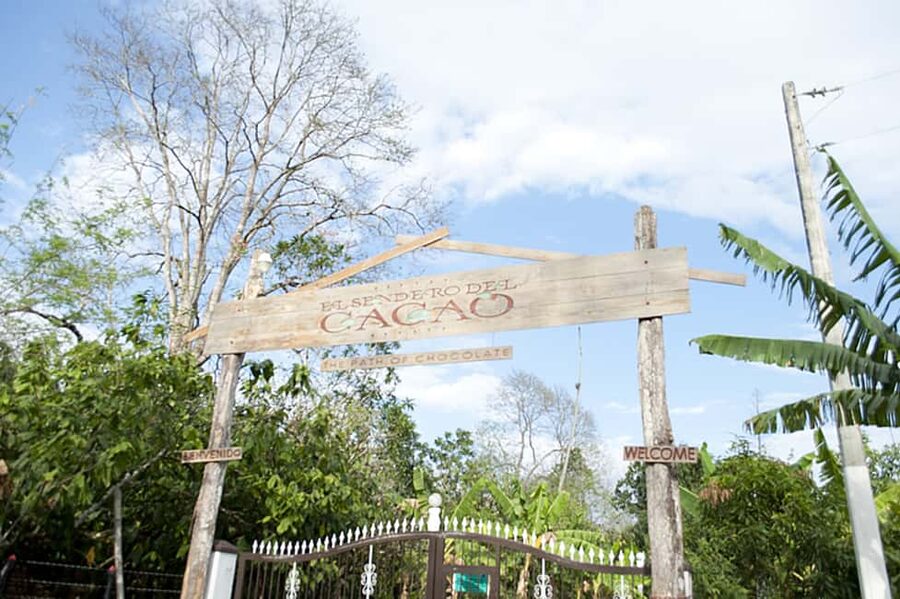
The tour begins at El Sendero del Cacao, in Duarte, Dominican Republic, with the listed meeting address of Duarte, 31000. Since transportation is not included, I would treat the meeting point as a firm part of your planning. Check your route before booking, especially if you are staying outside the immediate area.
The price is $83 per person. That is not a bargain-priced plantation stop, but the visit includes a guided tour, lunch, hot chocolate, a cacao planting activity, a factory visit, and an organized tasting. I see the value most clearly if you want a structured educational outing rather than a quick sample and a gift-shop stop.
The format also makes sense for people who like to ask questions. You are not just shown finished chocolate. You are taken through the chain from seed to finished product, with guides available in English, Spanish, or French.
The experience is listed as wheelchair accessible. Comfortable clothing and shoes are recommended, which is sensible for time spent around a plantation and processing areas. The supplied information does not give a group size, so I would not assume a private tour or a very small group.
More Three-Hour Experiences in the Dominican Republic:
- Award-Winning Geneva Chocolate &Old Town Tour with Boat Ride (3h)
★ 5.0 · 3,721 reviews
Planting a cacao tree from the start
The tour begins at the most basic point in chocolate production: the cacao plant. You can sow your own cacao plant, giving you a hands-on task before the technical explanations begin.
That small activity matters. Most chocolate tours begin with a bar, a bonbon, or a finished drink. Here, you are reminded that chocolate starts as an agricultural product and depends on careful growing conditions long before it reaches a factory.
The guide explains the Dominican Republic ecosystem and why its conditions are suitable for fine cacao. The information provided does not list particular crops, elevations, or weather figures, so the emphasis is on the general growing environment rather than a detailed agricultural lecture. You should expect a practical explanation of what supports cacao quality in the country.
I like this opening because it gives the rest of the tour a clear purpose. When you later see a cacao pod being opened or learn about fermentation, you already understand that the process begins with a living plant. If you have children with you, the sowing activity may also help hold their attention during the more technical parts that follow.
Opening the pod and extracting the beans
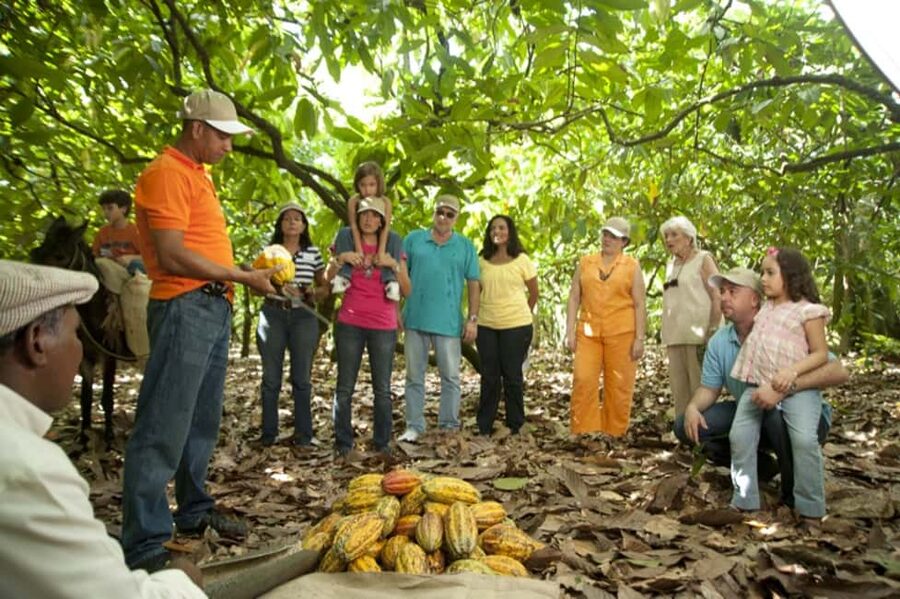
From the plant, the tour moves to the cacao pod and the first stages of harvest. You learn about cutting the pod and extracting its beans. This is where the word chocolate starts to lose its everyday simplicity.
A cacao pod does not arrive at a factory as a neat collection of dry brown beans. The beans must be removed and handled correctly before they can become the ingredient used for chocolate. The guide walks you through that early work and explains how each step affects the final result.
This part should appeal to anyone who wants a direct connection to food production. You see the difference between a crop grown for sale and a product that has been carefully prepared for flavor. The experience is educational, but it is not presented as a classroom alone. You are encouraged to follow the physical stages of the process.
The information does not specify the exact cacao varieties you will see or the harvest season on your visit. I would therefore expect a general plantation lesson rather than a guarantee of a particular crop condition. Even so, the focus on cutting and extraction gives you useful context for the later discussion of bean quality.
Fermentation and drying, where flavor takes shape
Fermentation and drying receive special attention, and rightly so. These steps are easy to overlook because they happen before chocolate looks or tastes like chocolate. Yet they help determine the quality of the finished product.
The guides explain how the extracted cacao beans are treated after harvest. You learn why fermentation matters and how drying prepares the beans for later processing. The tour also shows how poor handling at this stage can affect the result, making these quiet agricultural steps as important as what happens inside the factory.
I find this one of the most useful parts for anyone who already enjoys good chocolate but has never thought about production. The tasting later in the day makes more sense once you know that flavor is shaped well before roasting, grinding, or molding.
You also visit another plantation area where you can see more automated cacao processing on a small scale. This gives you a useful comparison between field work and machinery. The information does not promise a large industrial plant, and that is worth keeping in mind. The focus is on seeing a modest processing setup and understanding how automation assists the work.
More Chocolate Tours in the Dominican Republic:
- 4×4 Dominican Adventure with Chocolate and Coffee Tasting
★ 5.0 · 2,920 reviews - 4×4 ATV Experience, Water Cave, Chocolate and Coffee Tasting
★ 5.0 · 1,430 reviews - Buggy Adventure Tour with Chocolate and Coffee in Punta Cana
★ 5.0 · 953 reviews - Buggy Ride Into the jungle with cave coffee & chocolate tasting
★ 5.0 · 465 reviews
Following the beans to the small chocolate factory
At the factory, the tour shifts from agriculture to food production. The description invites you to follow your sense of smell to the chocolate-making area, where experts explain the final process behind the finished chocolate.
That sensory approach is a nice touch. Chocolate production is not only about equipment and measurements. Smell can tell you that the beans are changing, and the factory visit helps connect those aromas to the product you eventually taste.
You learn more about the final stages of making what the tour calls fine or gourmet chocolate. The exact machines and production methods are not specified, so I would not book this expecting a full industrial factory tour. Instead, expect a small-scale, guided explanation of how cacao moves toward finished chocolate.
The second plantation stop adds useful context here. You see processing that is more automated than the earlier hands-on work, but still on a small scale. That balance is valuable because it shows that chocolate production involves both agricultural skill and controlled processing.
Lunch and hot chocolate break
Lunch is included, along with hot chocolate. The meal provides a pause between the plantation and tasting portions, and it adds a local food element to a tour that could otherwise feel narrowly focused on cacao.
The information describes it as an excellent local lunch, but it does not give a menu or identify the dishes. I would not count on a specific meal, dietary option, or beverage beyond the included hot chocolate unless you confirm those details in advance.
I like the inclusion of lunch because it helps justify the price and gives the cultural side of the tour more room. You are not simply moving from one demonstration to the next. You have time to eat and connect the cacao lesson to Dominican food traditions.
Still, lunch should not be the sole reason to book. The main value lies in the guided explanation, the planting activity, the processing stops, and the tasting session. If you need a particular diet, ask before reserving rather than assuming the meal can be changed.
Learning to taste chocolate with all five senses
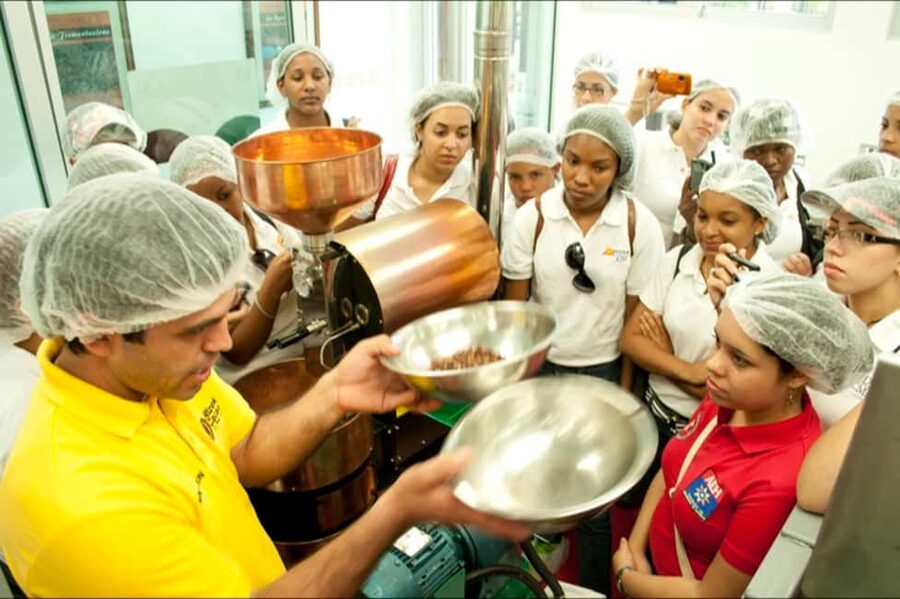
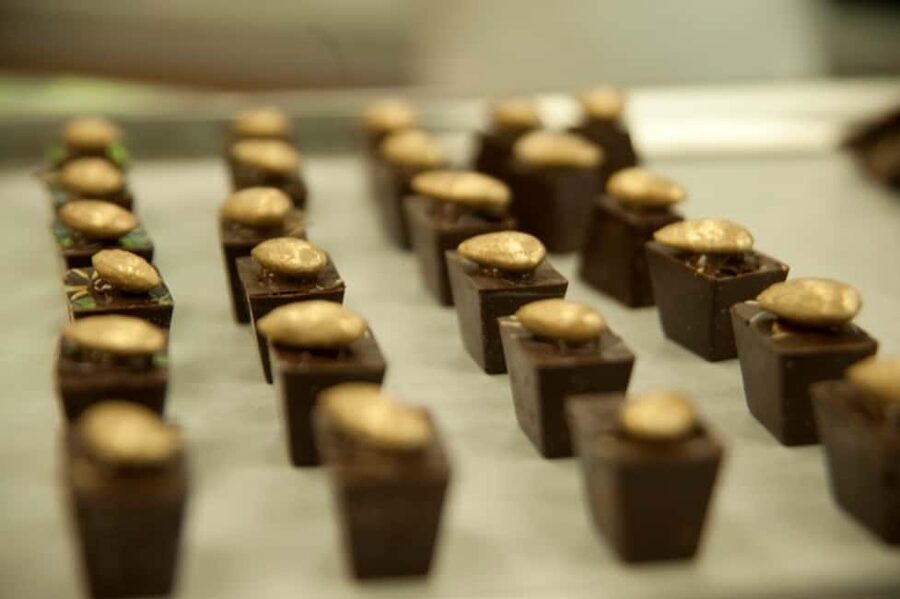
The tasting is the tour’s most polished finish. Instead of handing you chocolate and asking if you like it, the experts explain how to taste it with all five senses.
That means you pay attention to appearance, aroma, texture, sound, and flavor. The supplied information does not list the specific chocolates or number of samples, so I cannot promise a certain tasting flight. You can expect an educational session rather than an open-ended chocolate buffet.
This is where the earlier lessons come together. The cacao plant, pod, extraction, fermentation, drying, and factory processing all influence what you notice in the cup or piece of chocolate. The tasting gives you a way to connect production choices with the finished result.
I especially like this approach for people who want to improve their palate without needing specialist knowledge. You do not have to arrive knowing the difference between cacao percentages or production methods. The guide leads you through the basic sensory clues and shows you how to slow down and pay attention.
Hot chocolate is included as well. The experience does not state whether it is served during the tasting or at another point, so treat it as part of the overall food offering rather than a guaranteed tasting format.
What the customer feedback tells me about the experience
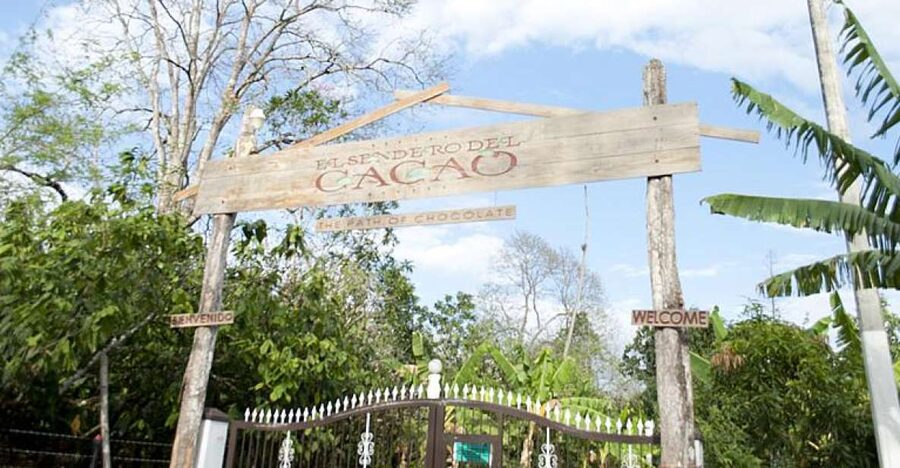
The rating is 4.9 out of 5 from four reviews, a very small sample but a strongly positive one. The praise centers on organization, friendly guiding, and the amount people learned.
One December 2024 booking described the tour as well organized and the guide as very pleasant. That matches the structure of the experience, which has a clear progression from planting to plantation work, lunch, processing, and tasting.
A booking from August 2021 called the outing both cool and interesting, with particular emphasis on learning a lot. Another March 2021 booking described it as very interesting and noted that a phone call allowed a change to the following day. That kind of flexibility can be useful, but I would not treat an informal phone change as a guaranteed policy for every reservation.
There is one useful caution in the feedback. A January 2023 booking expected four hours but found the visit lasted about two and a half hours. The current activity information gives the duration as three hours, so I would use three hours as the planning figure and allow extra time around it. Do not schedule a flight, long-distance transfer, or another fixed activity immediately afterward.
Who will get the most from this $83 tour
I would recommend this experience most strongly to serious chocolate fans who want to understand production, not just taste the final product. The combination of plantation work, post-harvest processing, factory steps, and sensory tasting offers more substance than a short chocolate sampling stop.
It also suits families and mixed-interest groups. Someone interested in farming can focus on the cacao plant and fermentation, while someone more interested in food can look forward to lunch, hot chocolate, and the tasting. The sowing activity gives the tour a hands-on moment rather than making the entire visit a lecture.
The tour may be less suitable if you want a highly technical factory visit with large machines or a long plantation walk. The available information points to a small-scale processing setting, and the entire activity lasts only about three hours. You get a clear overview, not an all-day study of cacao production.
The language choices make it useful for many visitors. Live guiding is offered in English, Spanish, and French. Since no guide names are provided, you should choose your preferred language when checking availability rather than expecting a particular guide.
Practical details before you reserve
You need to get yourself to El Sendero del Cacao. Transportation is not included, so include the cost and time of reaching Duarte when judging the total value.
Wear comfortable shoes and comfortable clothes. The advice is simple, but it fits the mix of plantation and processing areas. You may want to avoid clothing that you would worry about around soil, cacao, or food preparation spaces.
The activity is wheelchair accessible. If you need precise information about paths, surfaces, or assistance, confirm those details before booking, since the provided description does not explain the access arrangements at each stop.
You can cancel up to 24 hours before the activity for a full refund, and the reserve-now, pay-later option keeps you from paying immediately. Those terms are helpful if your Dominican Republic schedule is still changing. Gratuity is not included, so you can tip if you feel the guide has earned it.
Is the Chocolate Lovers Tour worth booking?
I would book this tour if you want a short, hands-on introduction to Dominican cacao and value explanation as much as eating. The included lunch, hot chocolate, and tasting make the $83 price easier to justify, while planting a cacao seedling gives the visit a personal touch.
I would skip it if your main goal is a long factory tour, a guaranteed four-hour program, or independent sightseeing without a fixed meeting point. The duration appears to be closer to three hours, and one booking found it lasted about two and a half.
For most chocolate lovers, though, this is a well-shaped half-day activity. You leave with a better sense of how cacao is grown, why fermentation and drying matter, and how experts judge the finished chocolate. That is a lot more useful than simply buying another bar and calling it a plantation visit.
FAQ
Where does the chocolate tour meet?
The meeting point is El Sendero del Cacao, Duarte, 31000, Dominican Republic.
How long does the activity last?
The stated duration is three hours. One booking reported a visit of about two and a half hours, so allow some flexibility.
How much does the tour cost?
The price is $83 per person.
Is transportation included?
No. Transportation to and from the meeting point is not included.
Is lunch included?
Yes. Lunch is included in the tour.
Is hot chocolate included?
Yes. Hot chocolate is included.
Can I plant my own cacao plant?
Yes. The experience includes an opportunity to sow your own cacao plant.
What languages are available?
Live guiding is available in English, Spanish, and French.
Is the tour wheelchair accessible?
Yes. The activity is listed as wheelchair accessible.
What should I wear or bring?
Bring comfortable shoes and wear comfortable clothes.
Can I cancel for a refund?
Yes. You can cancel up to 24 hours in advance for a full refund.
Newest chocolate tours around the Dominican Republic
- Cocoa & Artisan Chocolate Route with an Historical Tour in Puerto Plata City★ 4.0 · 9 reviews
- Puerto Plata: City Tour with Rum, Chocolate and Cigars★ 5.0 · 2 reviews
- Puerto Plata City Tour with the Mount Isabel, Rum & Chocolate★ 5.0 · 34 reviews
- Chocolate Tour – KahKow Experience★ 4.5 · 43 reviews
- Shopping tour Punta Cana rum cigars coffee larimar chocolate souvenirs mamajuan★ 4.0 · 44 reviews
- Chocolate Master Class & Taino Concept Store★ 5.0 · 43 reviews
- Half Day ATV tours with coffee & chocolate tasting★ 5.0 · 45 reviews
- Buggy Ride into the Jungle coffee , chocolate tasting Cenote★ 5.0 · 52 reviews
Dominican Republic Chocolate Tours, compared.
Road Off Half Day Buggy with Chocolate and Coffee Tasting
Read our review →
ATV Adventure w/ Chocolate, Coffee & Cave Swim in Punta Cana
Read our review →
Puerto Plata Private City Tour with Mount Isabel & Rum &Chocolate
Read our review →
ATV OR BUGGY Ride Into the jungle with cave coffee & chocolate
Read our review →
Punta cana Boogie into the Jungle with Coffee and Chocolate Taste
Read our review →
Browse the lists this tour appears in