
Review · CHOCOLATE TASTINGS
Swiss Chocolate Tasting Experience | Basel
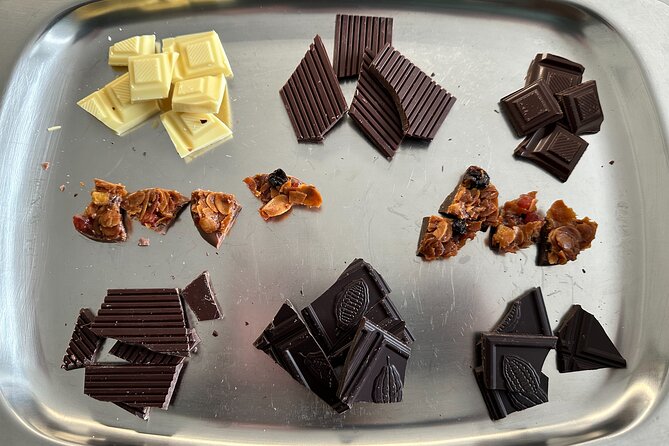
Basel’s chocolate story gets a small, hands-on setting here. In about 35 minutes, you learn where cacao comes from, how it becomes chocolate, and how beans from different regions change the final taste. The session includes six grand cru chocolates, with the exact selection sometimes adjusted for allergies or preferences.
I like the low price and the chance to taste small-batch, bean-to-bar chocolate rather than only familiar supermarket brands. I also like the friendly, informal approach, which can include cacao beans, several chocolate styles, and a truffle of your choice.
The main drawback is the compact room. A full group can feel close, and the presentation may move slowly if the host is preparing samples or adjusting the tasting for the group. Check the final price and meeting details carefully, since provider information has referred to prices ranging from CHF 6 to CHF 12 while the listed price for this booking is $25.04.
Key points to know before you book
- Six cacao origins in a short session: Taste grand cru chocolate made with beans from different regions and compare their flavors.
- A young, small-batch chocolate business: The chocolate is made in-house, with production taking several days before tasting.
- Small room, limited capacity: The stated maximum is 12 people, though the room has held up to 15.
- A tasting, not a chocolate factory tour: You learn about heritage, cacao, and production, but the core activity is seated tasting and discussion.
- Convenient central meeting point: Begin and finish at Binningerstrasse 15, near public transportation.
- Best for curious tasters: Adults and older children who enjoy food education will get more from it than children expecting a large candy-making show.
A short Basel tasting with a clear purpose
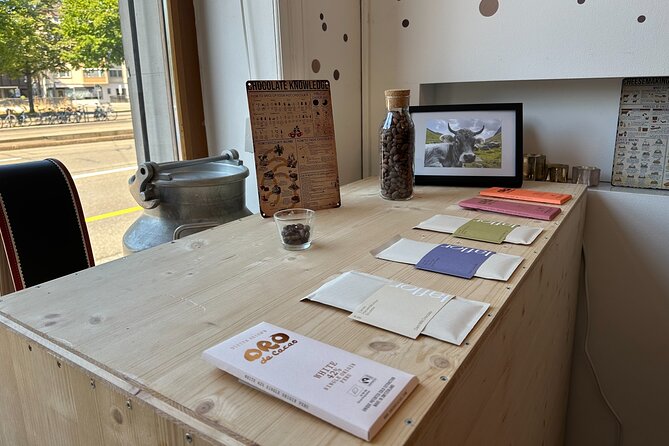
This is a compact introduction to chocolate, not an all-afternoon food tour. You arrive at Binningerstrasse 15, take a seat, and meet the chocolate expert who leads the session in English.
The format is simple. You learn about the heritage of Swiss chocolate and the origin of cacao, then taste a series of chocolates made with beans from different parts of the world. The point is comparison. Instead of treating chocolate as one single flavor, the session asks you to notice how origin, processing, cacao percentage, and ingredients affect what you taste.
That makes the experience useful for a short stay in Basel. If you have only a day before a Rhine cruise, or you need an indoor activity between city walks, 35 minutes is easy to fit into your schedule. You get a focused food lesson without sacrificing half a day.
The small scale also gives the session a personal feel. The host can answer questions and adjust the selection for allergies or preferences. That flexibility is a real plus, though it can create pauses while the next sample is prepared.
More Chocolate Tastings in Switzerland
- Zurich: Food Tour of 8+ Tastings with Cheeses & Chocolates
★ 4.8 · 104 reviews - Gruyère Cheese and Chocolate Tasting Day Trip from Geneva
★ 5.0 · 99 reviews - Bern: Chocolate Tasting Tour
★ 4.8 · 91 reviews
What happens at Binningerstrasse 15
The meeting point is also the end point, so there is no complicated route or transfer to manage. The activity is near public transportation, but the supplied information does not specify a particular tram or bus stop. Use the full street address when planning your arrival.
Once seated, you begin with an explanation of chocolate’s Swiss heritage and cacao’s origins. The session connects the finished square in your hand with the bean that produced it. That context matters because premium chocolate often tastes less familiar than mass-market Swiss chocolate. A single-origin bar may have fruit, spice, bitterness, or roasted notes instead of the creamy sweetness you expect from a standard milk chocolate bar.
You may also taste cacao beans. This is a useful part of the session because it gives you a direct sense of the raw material before it becomes a finished product. The experience then moves through several handcrafted chocolates, with the selection based on the available batch and the needs of the group.
The official description promises six different grand cru chocolates. Some tasting sessions have included five chocolates and a truffle, so the precise lineup can vary. Treat the number as a guide to the tasting rather than a guarantee that every sample will be presented in exactly the same format.
Why the cacao origin matters
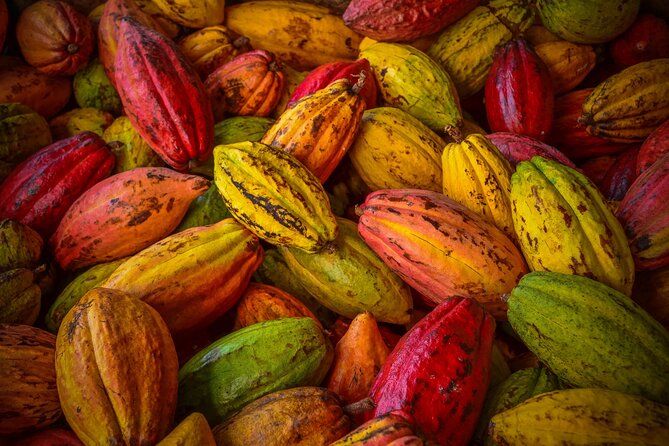
The best reason to book this is the chance to compare chocolate by origin. Cacao beans from different regions can produce very different flavors, even when the maker uses a similar technique.
You are not simply eating six sweets in a row. The host explains where the cacao comes from and how it is turned into chocolate. That gives you a better way to judge what you like. You might prefer a smooth, gentle sample, or you might enjoy a darker chocolate with sharper fruit or earthy notes.
The experience also introduces you to the growing small-batch side of Swiss chocolate. Switzerland is famous for its polished milk chocolate, but this tasting focuses on handcrafted bean-to-bar production and single-origin cacao. The result may be more subtle or more unusual than the commercial chocolate you already know.
That distinction is important. If you expect a parade of sweet, familiar pralines, you may find the tasting restrained. If you want to understand how premium chocolate differs from supermarket chocolate, the focus on cacao origin is valuable.
The samples, truffles, and serving style
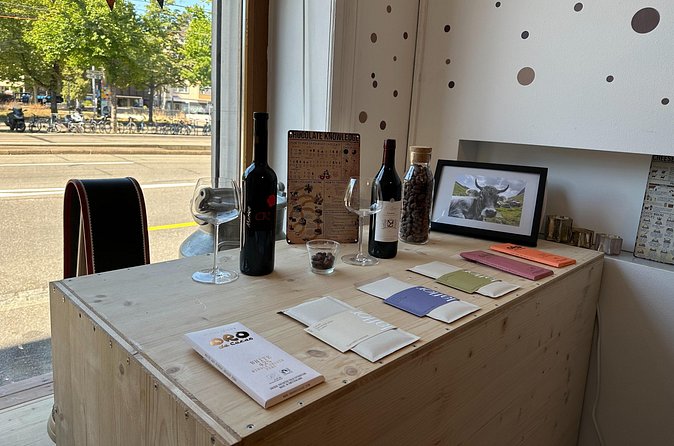
The chocolate is made in-house in small batches. According to the provider’s explanation, producing each batch can take up to five days, followed by additional time for truffles to rest and develop their flavor and texture. That is a useful detail because it explains why the samples are presented as carefully made products rather than factory sweets.
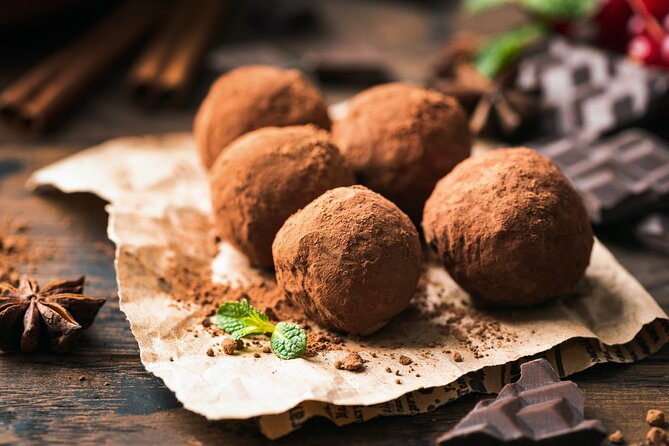
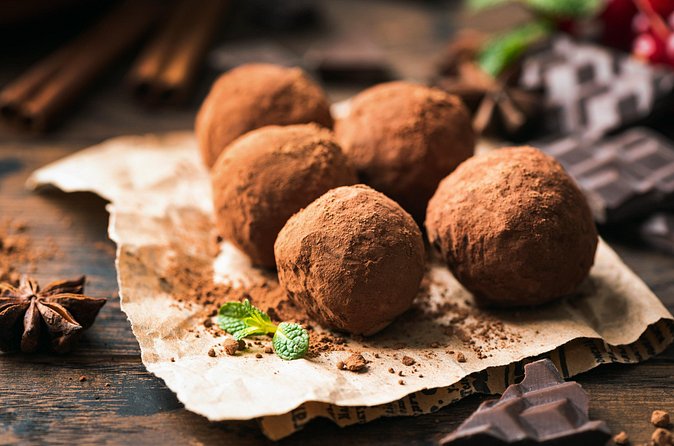
You may also receive a truffle of your choice. One session included a Moët & Chandon champagne truffle made with real champagne. The available truffle can change, and the tasting should be treated as a selection of samples rather than a fixed menu.
Portions are tasting-sized. That keeps the price and duration manageable, but it also means you should not arrive expecting a meal or a box of chocolates to take home. Some people may find the samples too small, especially if they hoped for a generous dessert stop.
Chocolate is placed shortly before the tasting so it can reach the right room temperature. This is a small but important point. Cold chocolate hides some of its aroma and texture, while properly tempered, room-temperature chocolate gives you a clearer sense of its flavor.
Same city, a different tasting:
- Lindt Home of Chocolate Museum Entry Ticket
★ 4.7 · 9,329 reviews - Zurich: City Tour, Cruise, and Lindt Home of Chocolate Visit
★ 4.5 · 4,624 reviews - Award-Winning Geneva Chocolate &Old Town Tour with Boat Ride (3h)
★ 5.0 · 3,721 reviews - Zurich Sights: Cruise, Lindt Chocolate and optional FIFA Ticket
★ 4.0 · 1,028 reviews
A friendly host, with an occasionally slow pace
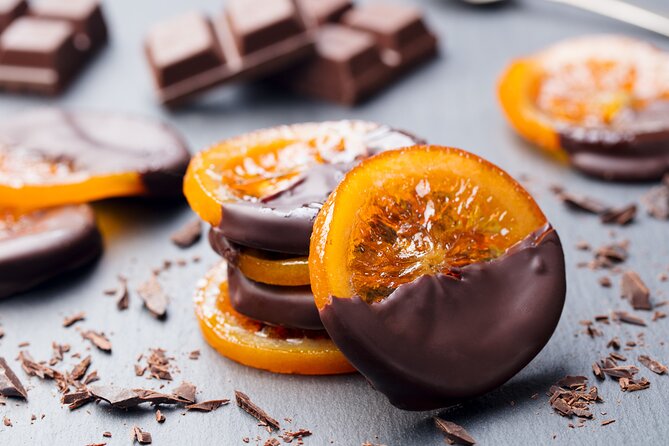
The chocolate expert is described as friendly and informed, particularly on cacao science and the chocolate-making process. The strongest sessions seem to come when the host explains the samples, answers questions, and lets the group taste at an unhurried pace.
That pace can work well if you enjoy food discussion. You have time to look at each sample, taste it slowly, and ask why it differs from the last one. You also receive practical advice about storing chocolate, which is useful if you plan to buy bars during your stay.
It may feel slow if you want a polished, fast-moving demonstration. Pauses can occur while the host decides which chocolate to present next, accommodates allergies, or changes the selection based on the group. A presentation for a full room may also feel less lively than a private tasting.
The operator is still building the business, with public chocolate production beginning recently after months of testing and development. That can be part of the appeal. You are meeting a small artisan operation at an early stage, not entering a famous factory with a large staff and a set show.
Group size and comfort
The stated maximum is 12 people, which is a sensible limit for a tasting that depends on conversation. The room has also been described as seating up to 15, so the exact comfort level depends on the day’s attendance and how the chairs or bench are arranged.
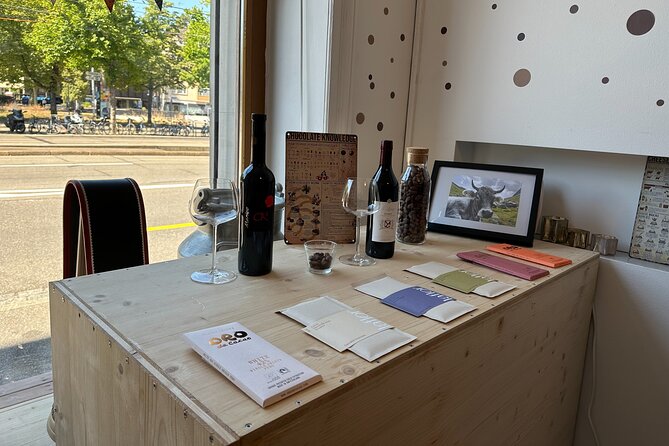
The space is cozy, but cozy can mean crowded. A full group may sit closely on a hard wooden bench, and there is limited room to spread out. If you value elbow room or dislike sitting for a tasting in a compact space, this is worth considering before you book.
For most people, the short duration softens that drawback. You are not committing to two hours on a cramped seat. Still, arrive ready for a small indoor setting rather than a spacious café or factory floor.
Families can attend, and children may enjoy the chocolate itself. The educational format is better suited to older children who can listen to a short explanation about cacao and compare flavors. Younger children looking for games, large portions, or chocolate-making activities may lose interest.
Price and what you get for it
The listed price is $25.04 per person. At that rate, the value depends on what you want from the outing.
If you measure value by the amount of chocolate, the portions may feel modest. This is a tasting, not a dessert buffet. If you measure value by the lesson, the comparison of cacao origins, and the chance to ask a chocolate maker questions, the price is more reasonable.
The provider has referred to payments of CHF 6 to CHF 12 in responses about different bookings, while the current tour details give a price of $25.04. That difference may reflect changing sales channels, dates, or booking terms. I would check the total shown at checkout before paying, especially if you are comparing this with a chocolate shop tasting elsewhere in Basel.
The low price also explains the basic setting. You are supporting a small operation and receiving a short introduction, not a luxury tasting with elaborate service. For a quick activity before lunch, after a museum visit, or before boarding a river cruise, it can be a practical use of your time.
When the experience can go wrong
Most of the risk here is logistical rather than culinary. On at least one occasion, the location was closed and the host did not appear for the scheduled tasting. The provider said the booking platform had been told that the session was not operating that day and advised direct contact by email to prevent miscommunication.
That means you should not ignore an unexpected change. Check your confirmation at the time of booking and again before setting out. If anything looks unclear, contact [email protected].
The cancellation terms are also firm. You can cancel for a full refund up to 24 hours before the start time. Cancellations or changes within 24 hours are not refunded, unless the operator cancels because the minimum number of people has not been reached. In that case, you are offered another date or experience, or a full refund.
This is especially important if your Basel schedule is uncertain. Do not book it as a last-minute placeholder unless you are comfortable with the cancellation rule.
Who will enjoy this most
I would choose this tasting if you enjoy food with a story, want to understand single-origin chocolate, or have a short gap in your Basel schedule. It also suits couples and small groups who prefer a direct conversation with a maker to a large commercial attraction.
It is a good match for:
- People curious about cacao origins and bean-to-bar production
- Chocolate fans who want to taste beyond familiar Swiss milk chocolate
- Visitors with only 35 minutes to spare
- Older children who enjoy tasting and learning
- Anyone planning to pair it with another food activity, such as the cheese tasting offered at the same location
I would think twice if you want a grand chocolate museum, a factory tour, a large quantity of sweets, or a highly polished performance. The room is small, the portions are tasting-sized, and the pace may be relaxed.
Should you book the Basel chocolate tasting?
Book it if you want an inexpensive, compact introduction to artisan chocolate and you are happy with a simple setting. The strongest features are the comparison of cacao from different regions, the chance to taste handcrafted bean-to-bar chocolate, and the friendly access to a small chocolate business.
Skip it if comfort, guaranteed scheduling, or generous portions matter most. Before booking, confirm the current price, check that the date is operating, and allow for a seated session in a small room.
For many visitors, this works best as a short Basel food stop, not the main event of the day. Go with realistic expectations, taste slowly, and you will get a useful glimpse into how Swiss chocolate is made beyond the familiar supermarket bar.
FAQ
Where does the Swiss Chocolate Tasting Experience take place?
It starts and ends at Binningerstrasse 15, 4051 Basel, Switzerland.
How long does the chocolate tasting last?
The tasting lasts approximately 35 minutes.
What language is the experience offered in?
The experience is offered in English.
How many chocolates will I taste?
The description includes six different grand cru chocolates. The exact selection can vary, and some sessions have included five chocolates along with a truffle.
Will I taste cacao beans?
Cacao beans have been included in the tasting, along with several types of finished chocolate.
Is a chocolate expert included?
Yes. A chocolate expert leads the tasting and explains Swiss chocolate heritage, cacao origins, and the chocolate-making process.
How many people can join?
The stated maximum is 12 people. The room has also been described as able to seat up to 15.
Is the experience accessible by public transportation?
The meeting point is near public transportation. Service animals are allowed.
What is the cancellation policy?
You can cancel up to 24 hours before the start time for a full refund. Changes or cancellations made less than 24 hours before the start are not refunded. If the operator cancels because the minimum number of people is not met, you will be offered another date or experience, or a full refund.
Newest chocolate tours around Switzerland
- Bern: Gruyères Cheese and Cailler Chocolate Tasting Tour★ 4.7 · 3 reviews
- Basel: Farmer’s Market, Cheese, Chocolate & Pastry Tour★ 4.0 · 18 reviews
- Geneva Chocolate & Sweet Delights Walking Tour by Do Eat Better★ 5.0 · 28 reviews
- Bern: Chocolate Tasting and Walking Tour with a Local★ 5.0 · 4 reviews
- Chocolate and liquor fun in Bern with tasting★ 5.0 · 8 reviews
- Tour in Lindt Home of Chocolate Museum From Zurich★ 3.5 · 37 reviews
- Chocolate tour in Bern with chocolate tasting★ 4.5 · 34 reviews
- Swiss Experience: Chocolate Tasting and City Tour of Basel★ 5.0 · 19 reviews
Chocolate Tastings, compared.
Belgian Chocolate Making Workshop with Tastings
Read our review →
Choco-Story Chocolate Museum Guided Tour w/Tastings
Read our review →
Paris French Sweets Tasting Tour with Pastries and Chocolates
Read our review →
Brussels Walking and Tasting Tour (Beers,Chocolates&Fries/Waffle)
Read our review →
Princeville Botanical Gardens Tour and Chocolate Tasting Ticket
Read our review →
Brussels and Bruges Tour & Optional Chocolate Tasting
Read our review →
Browse the lists this tour appears in