
Review · CHOCOLATE TASTINGS
Craft Chocolate Tasting and Farm Experience on the Big Island
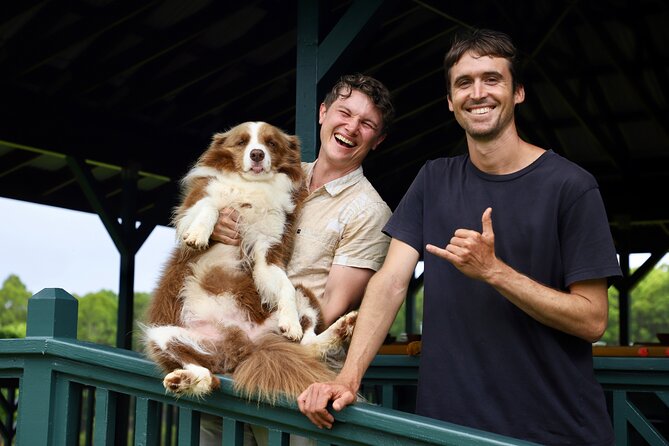
The most surprising part of this Big Island outing is that chocolate begins with fruit, not a candy wrapper. At Honolii Orchards, guides such as Wrenn and Colin walk you through the cacao trees, pods, fermentation work, and the many steps between flower and bar, then lead a generous tasting above the canopy.
I like the small-group format, limited to 15 people, and the setting just outside Hilo, where ocean and valley views share the stage with the chocolate. I also like that you taste fresh cacao pulp, cacao juice, roasted beans, tea, fruit, and finished chocolate. The main drawback is location: if you stay near Kona, the drive to Hilo can take about two hours each way.
Key points to know before booking
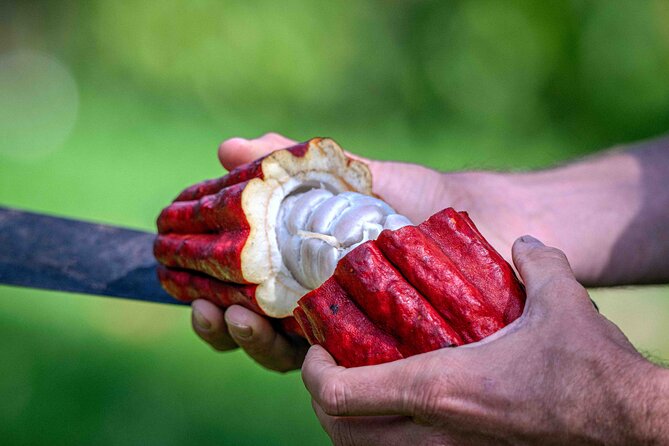
- A farm-to-bar lesson: You see cacao pods, learn about cultivation and fermentation, and taste the finished product.
- A serious chocolate tasting: Expect roughly 10 to 12 craft chocolates, plus cacao juice, tea, roasted beans, and drinking chocolate.
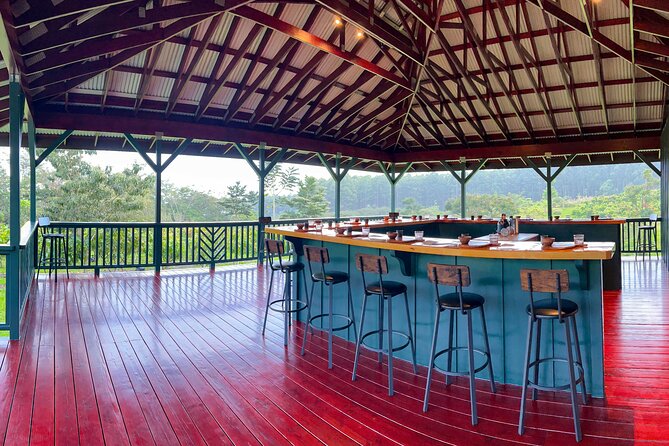
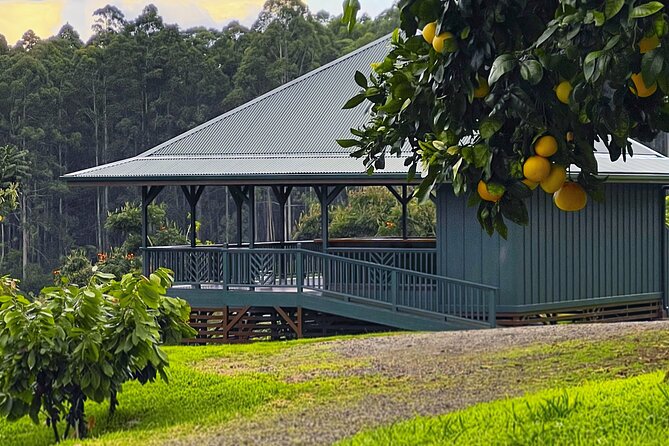
- A beautiful Hilo-side setting: The tasting room sits above the canopy with ocean and valley views.
- A relaxed half-day outing: The tour runs about 3 hours and 30 minutes and begins at 10 a.m.
- A small group with personal attention: The maximum is 15 people, which suits curious eaters who like to ask questions.
- A longer drive from Kona: This is easiest to fit into a Hilo stay or a full day on the east side.
Why this Hilo chocolate tour feels different
Many food tastings begin and end with a plate. This one starts in the orchard. You learn that cacao is a tropical crop with its own growing problems, plant varieties, fermentation choices, and regional flavor differences.
That shift matters. Once you see the pods on the trees and taste the fresh fruit around the beans, chocolate stops being a single flavor. You begin to notice acidity, fruit, roast, bitterness, sweetness, and texture in the finished bars.
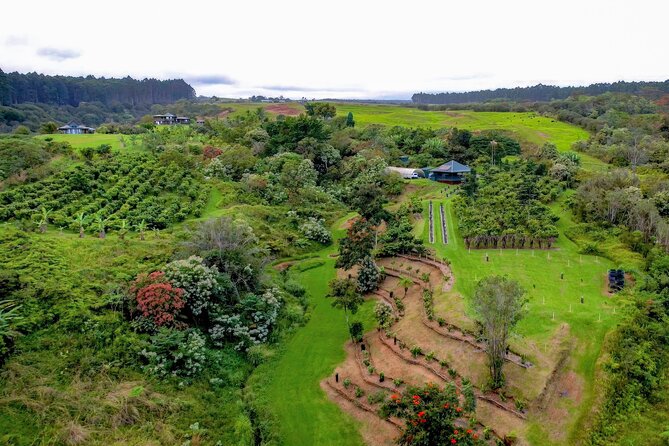
The setting helps. Honolii Orchards is about five minutes from Hilo, up Puia Road. The farm sits in an area shaped by ulu, sugarcane, macadamia, and cattle production, so the drive gives you a look at a quieter side of the island. You are not heading to a large attraction with a bus queue. You are going up a rural road to a working agricultural property.
The experience costs $135 per person. That is a significant price for a three-and-a-half-hour activity, but you are paying for more than a short tasting. The fee covers the orchard walk, instruction on cacao farming and processing, a broad tasting, drinks, fruit, and time with guides who clearly care about the crop. If you only want a few free samples, this is not good value. If you enjoy food, farming, and the story behind local products, the longer format makes the price easier to justify.
More Chocolate Tastings in the USA
- Princeville Botanical Gardens Tour and Chocolate Tasting Ticket
★ 5.0 · 774 reviews - Kauai Chocolate Farm Tasting Tour
★ 5.0 · 666 reviews - Nashville’s Goo Goo Chocolate Tasting & Candy Making Class
★ 5.0 · 247 reviews
The drive up Puia Road and arrival at the orchard
The meeting point is 1533 Puia Road in Hilo, and the tour starts at 10 a.m. The farm is 1.7 miles up the road. You will use scenic back roads that many visitors do not see, which makes the arrival part of the outing rather than a simple transfer to a tasting room.
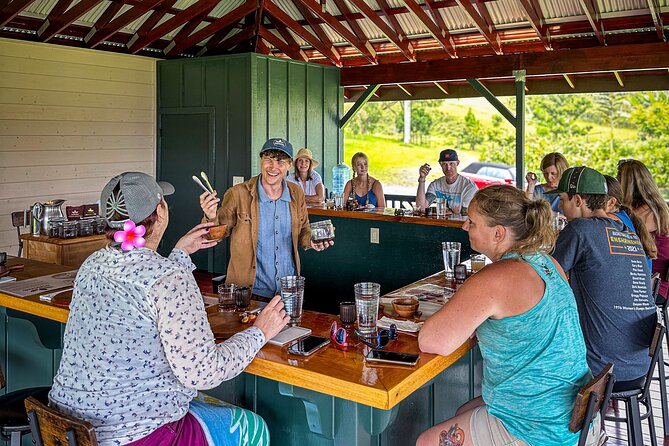
When you reach the property, you settle into the Honolii Orchards Tasting Room. Its position above the canopy gives you views toward the ocean and valley. This is a useful first pause because it gives you time to get comfortable, take in the setting, and begin talking with the hosts before the walking portion starts.
The atmosphere is casual rather than formal. That suits the subject. Cacao is a hands-on crop, and the most useful questions often come up when you are looking directly at the trees, pods, and processing areas.
If you are staying in Kona, plan carefully. The drive to Hilo can take about two hours, and the tour itself occupies most of the morning and early afternoon. I would pair it with other east-side plans rather than treating it as a quick side trip. If you are based in Hilo, the location is far easier to manage.
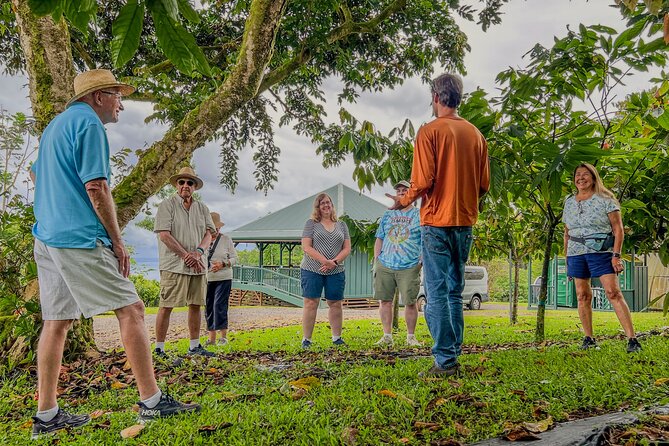
Walking through cacao trees with Wrenn and Colin
The orchard tour is the part I would not skip. The tasting alone may sound tempting, but the farm walk explains why each chocolate tastes different.
You learn about cacao cultivation from the seedling stage through grafting, tree lifespan, disease, low production, varieties, and the pod life cycle. The tour also covers harvesting, fermentation, drying, roasting, and the handoff to chocolate makers. That sequence gives you a clear sense of how much work comes before a finished bar.
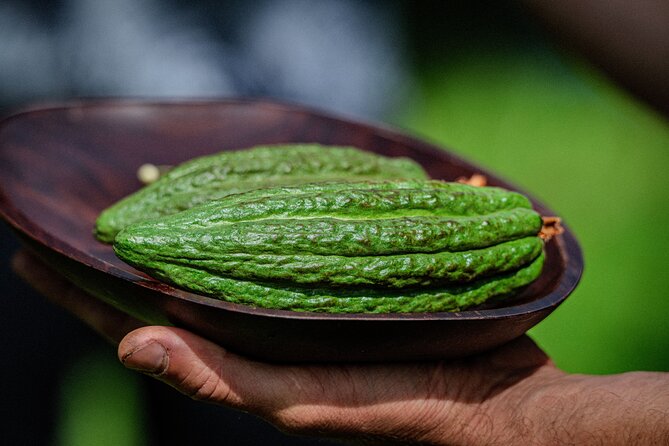
The guides use the orchard to explain the crop rather than relying only on a talk indoors. You might see different stages of pods and learn how the farm manages the plants. Fresh cacao fruit is part of the lesson. The white pulp around the beans has a sweet, fruity character that is very different from finished chocolate, and tasting it makes the word cacao feel less abstract.
Seasonal fruit may also be offered during the walk. Past tastings have included apple bananas, lychee, and raw sugarcane. These details depend on what is available, but they add a pleasant farm connection and break up the technical material.
The walking portion is not described as strenuous, but you are outside in an orchard for part of the morning. Good weather matters to the operation, and the activity can be canceled for poor conditions. Wear sensible footwear and bring the usual sun and rain protection for Hilo, though the provided information does not specify a dress code.
The guides also pay attention to weather and mobility needs. Because the tour includes an outdoor walk, anyone with mobility concerns should consider contacting the operator before booking to discuss the conditions.
The science and mystery of cacao fermentation
Fermentation is one of the most useful subjects covered here. The beans do not taste like a chocolate bar when they come straight from the pod. Fermentation changes the raw material, helping create the flavors that later appear after drying, roasting, and refining.
You get a look at this part of the process and learn why it matters. The exact flavor of a finished bar depends on several linked decisions, not just the cacao variety. Genetics, growing conditions, fermentation, drying, roasting, and the chocolate maker’s method all play a role.
That is where the idea of terroir becomes useful. Like grapes, cacao can reflect its growing place. Hawaiian craft chocolate is still a developing field, and the tour puts that local work in context. You hear about relationships with other cacao growers in Hawaii, research being done on the crop, and the effort to build a serious artisan chocolate industry in the islands.
I especially like this section for visitors who are interested in agriculture rather than sweets alone. You are not simply told that one bar is fruity and another is earthy. You get a reason for those differences.
Same city, a different tasting:
- Lahaina: Maui Ku’ia Estate Guided Cacao Farm Tour and Tasting
★ 5.0 · 1,103 reviews - Award Winning Farm Tour: Coffee, Chocolate and Unique Gifts
★ 5.0 · 484 reviews - Orlando: Factory Adventure Tour in Chocolate Kingdom
★ 4.5 · 240 reviews - Volcano, Chocolate and Waterfalls of the Big Island
★ 5.0 · 238 reviews
A tasting that goes far beyond candy
Back in the tasting room, the pace shifts from orchard tour to guided tasting. The selection varies, but you can expect roughly 10 to 12 craft chocolate samples from Hawaii and other Hawaiian makers. The tasting focuses on single-origin differences, so you compare how genetics and growing conditions affect the final flavor.
You are shown how to taste rather than being handed a piece and told to choose a favorite. Let the chocolate rest on your tongue. Notice the first flavor, the texture as it melts, and what remains afterward. One sample may seem bright and fruity, while another may bring more roast, spice, or bitterness.
The tasting can feel similar to a wine flight, but you do not need prior chocolate knowledge. The instruction is accessible, and the guides keep the mood friendly. Ren is associated with the history and tasting side of the program, while Wrenn and Colin bring strong farm and production experience. The team’s enthusiasm is part of the appeal, but you still get useful information rather than a sales pitch.
The finished chocolates are only one part of the flight. You may also taste:
- Fresh cacao pulp or cacao fruit straight from a pod
- Cacao pulp juice
- Roasted cacao beans
- Cacao tea
- Drinking chocolate
- Seasonal fruit such as bananas or lychee
- Craft chocolate from different Hawaiian sources
The contrast between these items is valuable. Cacao tea is light and aromatic. Roasted beans are firmer and more bitter. Fresh pulp is fruit-forward. Drinking chocolate gives you a warmer, fuller finish. By the time you reach the bars, you have tasted the crop in several forms.
Coffee, tea, bottled water, and chocolate are included. The quantity of chocolate is generous, but the tour is not simply an all-you-can-eat sweets stop. The emphasis is on tasting carefully and understanding what is in front of you.
The Hawaiian history behind the bar
The indoor portion also traces chocolate from ancient Mesoamerica to the modern craft movement. This adds cultural context that is easy to miss on a standard Hawaii itinerary.
You learn how cacao moved from an important Mesoamerican food and drink into the global product we recognize today. From there, the discussion turns to Hawaii and the newer effort to grow and produce high-quality cacao locally.
That history gives the local bars more meaning. Hawaii is not just importing finished chocolate and placing it in a pretty setting. The farm and its partners are working with a crop that has demanding growing conditions and a long path to market.
The presentation style matters here. Wrenn is known for bringing energy to the historical side, while the group setting leaves room for questions and conversation. The subject could become dry if delivered as a lecture. Instead, the farm, fruit, and tasting give every historical point something concrete to connect with.
What the three-and-a-half-hour schedule feels like
The tour begins at 10 a.m. and lasts about 3 hours and 30 minutes. That is long enough to cover the orchard, farming methods, fermentation, history, and tasting without racing from one stop to the next.
You should plan to give the morning your full attention. This is not a quick stop between a beach visit and lunch. The pace is intentionally relaxed, and several parts invite discussion. One useful result of the longer schedule is that adults can follow the farming and processing details while younger participants still have fruit, pods, and plenty of samples to keep things interesting.
The group limit is 15 people. That is small enough for a more personal conversation but large enough to include a mix of couples, families, and solo visitors. The activity is offered in English, and mobile tickets are accepted.
The tour ends back at the meeting point. There is no separate transportation from a hotel, so you need to arrange your own way to the farm.
Is $135 a fair price?
At $135, this is not a budget food activity. The value depends on what you want from it.
I would consider it a fair price if you enjoy one or more of these:
- Farm visits and local agriculture
- Specialty food and guided tastings
- The science of fermentation
- Small-group activities
- Hilo-area scenery
- Supporting a developing Hawaiian craft industry
The price is harder to justify if you only want a chocolate souvenir or a short sampling. You can buy chocolate elsewhere for less, but that misses the reason to book this outing. The main product is the explanation: how the trees grow, how pods are processed, and why bars from different origins taste unlike one another.
The tasting also has enough variety to feel substantial. You are not paying for one tiny square and a five-minute talk. The orchard, drinks, fruit, and extended discussion make this a half-day food and farm program.
Who will enjoy this most?
Chocolate lovers are the obvious match, but you do not need to be a serious connoisseur. The guides explain how to taste without assuming you already know the vocabulary.
I think the tour works especially well for couples, families with older children, and solo visitors who like learning through food. Children aged around 10 and older can engage with the fruit, pods, and tasting, while older teens and adults may appreciate the farming science and craft movement.
It also suits honeymooners and special-occasion visitors because the views, relaxed setting, and shared tasting create a slower morning. The farm is not presented as a polished theme park attraction. Its appeal comes from the hosts, the working crop, and the chance to sit together above the trees.
You might skip it if your Big Island plans are centered entirely on beaches, volcanoes, or fast-moving sightseeing. You should also think twice if a two-hour drive from Kona each way would make the day tiring. This is best treated as a destination on the Hilo side, not a quick add-on.
Booking, weather, and cancellation details
The tour requires good weather, and it also requires a minimum number of participants. If the operator cancels for either reason, you are offered another date or experience, or a full refund.
You can cancel for a full refund up to 24 hours before the 10 a.m. start time. Cancellations or changes made within 24 hours are not refunded or accepted. Cutoff times use local Hawaii time.
Service animals are allowed. The activity is capped at 15 people, and confirmation is provided when you book.
Should you book the Honolii Orchards chocolate tour?
I would book this if you want an authentic Hilo-side food outing with real agricultural content. The best reason to go is not simply the chocolate. It is the full chain from cacao tree to fermented bean to finished bar, explained while you are looking at the crop and tasting its different forms.
Book the farm tour rather than choosing only a tasting if both options are available. The orchard walk gives the chocolate context, and the views make the long format feel worthwhile.
If you are staying in Kona, schedule it only when you can spare the drive and most of a day. If you are staying near Hilo, love specialty food, or want a quieter activity beyond the usual Big Island stops, this is one of the stronger choices at its price.
FAQ
How much does the craft chocolate and farm tour cost?
The listed price is $135 per person.
How long does the experience last?
The activity lasts approximately 3 hours and 30 minutes and begins at 10 a.m.
Where does the tour start and finish?
It starts at 1533 Puia Road, Hilo, Hawaii 96720. The activity ends back at the same meeting point.
What food and drinks are included?
Coffee or tea, bottled water, and chocolate are included. The tasting also features items such as cacao juice, roasted cacao beans, cacao tea, drinking chocolate, fresh cacao pulp, and seasonal fruit.
How many people can join the tour?
The activity has a maximum of 15 participants.
What happens if I need to cancel?
You can receive a full refund if you cancel at least 24 hours before the start time. Cancellations or changes within 24 hours are not refunded. If poor weather or an insufficient number of participants causes the operator to cancel, you are offered another date or experience, or a full refund.
Newest chocolate tours around the USA
- Big Island Hawaii: Craft Chocolate Tasting and Farm Tour★ 5.0 · 14 reviews
- Anchorage: Chocolate and Wine Tasting Tour★ 5.0 · 6 reviews
- Chocolate and Wine Pairing in Chantilly★ 5.0 · 21 reviews
- Nashville: Whiskey or Wine and Chocolate Pairing Experience★ 4.8 · 22 reviews
- Taos Artisan Walking Tour + Chocolate★ 5.0 · 47 reviews
- New Orleans VIP Sightseeing Flight with Champagne & Chocolates or Wine & Cheese★ 5.0 · 50 reviews
- Experience Rebecca Ruth Chocolate Tour & Museum★ 4.5 · 51 reviews
- Guided Chocolate Tour in Dallas★ 4.5 · 51 reviews
Chocolate Tastings, compared.
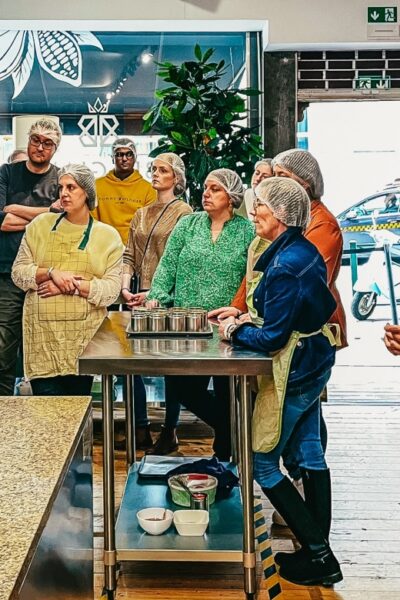
Belgian Chocolate Making Workshop with Tastings
Read our review →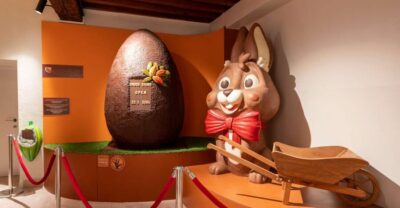
Choco-Story Chocolate Museum Guided Tour w/Tastings
Read our review →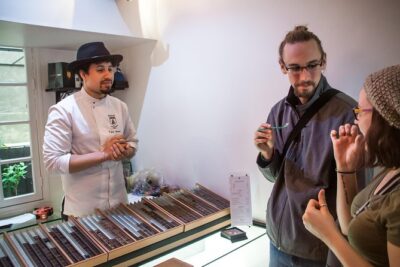
Paris French Sweets Tasting Tour with Pastries and Chocolates
Read our review →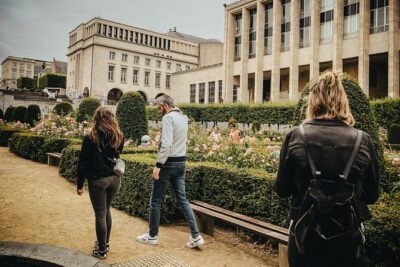
Brussels Walking and Tasting Tour (Beers,Chocolates&Fries/Waffle)
Read our review →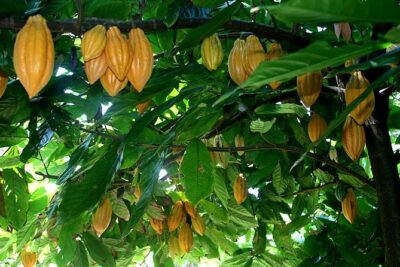
Princeville Botanical Gardens Tour and Chocolate Tasting Ticket
Read our review →
Brussels and Bruges Tour & Optional Chocolate Tasting
Read our review →
Browse the lists this tour appears in