
Review · CHOCOLATE TASTINGS
Fine Chocolate Tasting in Turin
Turin’s chocolate story begins with Gianduja, the smooth local blend of chocolate and toasted Piedmont hazelnuts. This one-hour tasting at Chocolate7 gives you a clear look at that specialty, then moves through chocolates from Italian and international makers, with enough samples to make the $36 price feel quite fair.
I like two things right away: the small group of up to eight keeps the session personal, and the tasting treats chocolate more like wine than candy, with attention to aroma, texture, and changing flavors. The main drawback is the setting. Chocolate7 is a small boutique, and one visitor found the room short on chairs, so this is not a spacious sit-down event.
Key points at a glance
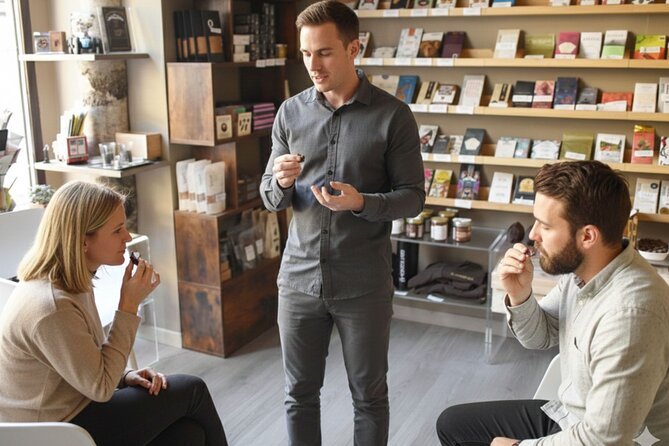
- Gianduja comes first: Taste Turin’s signature chocolate and hazelnut combination, made with Piedmont hazelnuts.
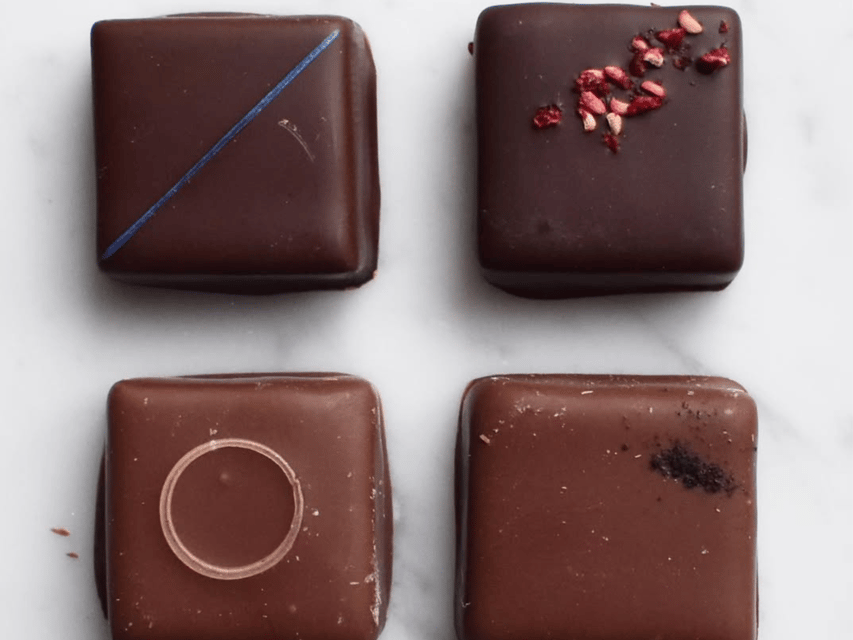
- Four chocolate types: The session includes dark, milk, white, and Gianduja-style chocolate from local, Italian, and international makers.
- Bean-to-bar explained: You learn how makers manage the process from cocoa bean to finished chocolate.
- Plenty of samples: The tasting is generous enough to compare products rather than simply nibble one or two pieces.
- Small, personal setting: Groups are limited to eight, with the host guiding the discussion in English, Italian, or French.
- Plan for the room: Chocolate7 is a compact shop, and wheelchair users cannot take part.
Why Turin takes chocolate seriously
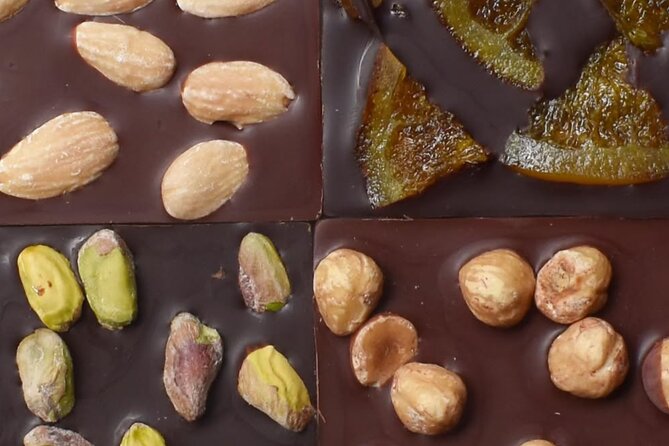
Turin is closely tied to Gianduja, a style that marries chocolate with hazelnuts from Piedmont. The combination is not just a sweet local souvenir. It reflects the area’s long affection for hazelnuts and the city’s place in Italian chocolate-making.
That makes the opening taste useful. Instead of beginning with a random assortment, the host starts with something tied directly to Turin. You get a flavor reference point: chocolate softened by toasted hazelnut, with a creamy texture and a distinct local character.
From there, the tasting broadens. You sample chocolates made by local producers, other Italian makers, and international bean-to-bar companies. The point is comparison. You can notice how the cocoa, sugar, milk, roasting, and added ingredients alter the finished piece.
I like this approach because it gives the hour a sense of direction. You are not simply eating several sweets in a row. You are learning why one chocolate tastes nutty, another tastes more bitter, and another feels smoother or more delicate on the tongue.
More Chocolate Tastings in Italy
- The Turin Chocolate & Wine Tasting Experience
★ 4.7 · 87 reviews - The Turin Chocolate Tasting Experience
★ 4.7 · 83 reviews - The Turin Chocolate & Wine Tasting Experience
★ 5.0 · 62 reviews
Inside Chocolate7, a compact Turin tasting room
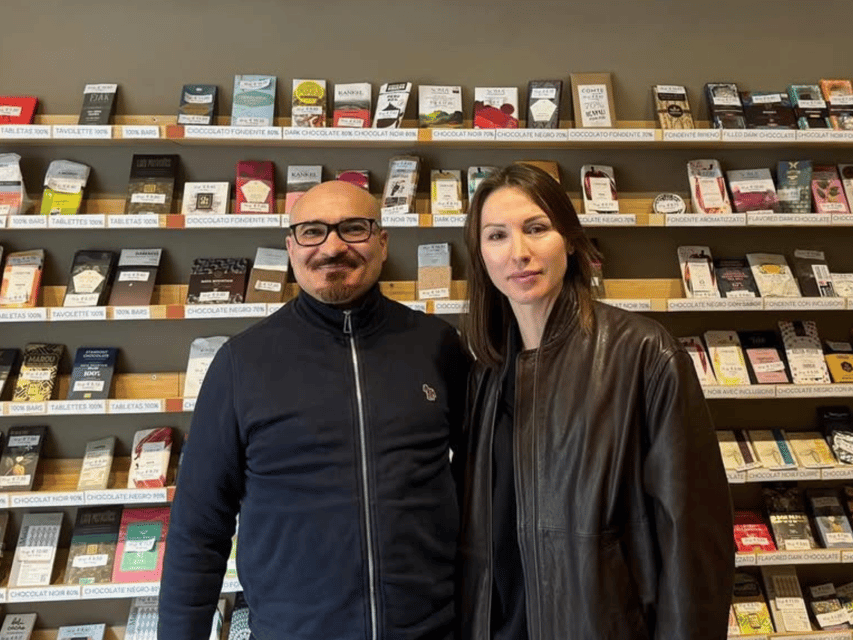
The meeting point is inside Chocolate7, a small chocolate shop to the left of a sushi restaurant. Enter the shop, show your ticket, and look for the host. Since the venue is compact, you should not expect a formal classroom, large tasting counter, or wide space for moving around.
That small scale has a clear advantage. With no more than eight people, the host can explain the samples and respond to questions without speaking to a crowd. The experience feels closer to a guided shop visit than a large commercial food tour.
It also creates the main practical limitation. Seating is limited, and one account specifically noted that a few more chairs would have helped. Wear comfortable shoes, as requested, and be ready for a mostly upright tasting in a boutique-sized room.
The lack of transportation is simple to manage. You make your own way to Chocolate7, and the experience begins and ends there. The supplied information identifies the location as Turin, but it does not provide a street address, so check the exact meeting details carefully before setting out.
The first taste: Gianduja and Piedmont hazelnuts
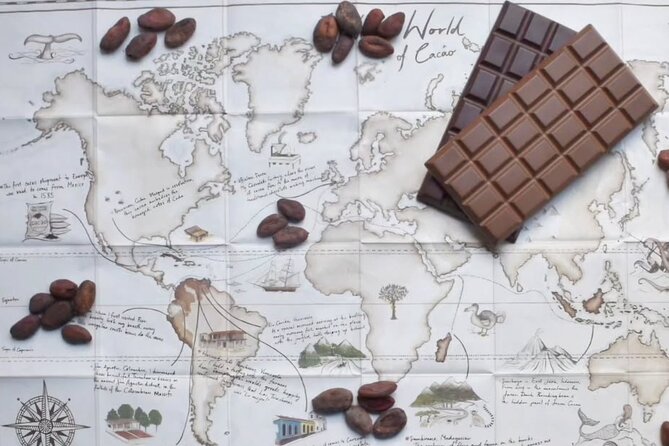
Gianduja is the natural starting point. This Turin specialty combines chocolate with toasted hazelnuts from Piedmont, producing the smooth, creamy style that many people associate with local confectionery.
The host uses it to introduce Turin’s chocolate identity. You can focus on the texture first, then consider how the hazelnut changes the chocolate’s flavor and finish. For many people, this will be the most immediately approachable sample of the hour.
If you have a hazelnut allergy or intolerance, tell the host at the beginning. Alternatives can be provided, but the timing matters. Do not wait until the tasting is underway to raise the issue.
This opening also gives families and casual chocolate fans an easy way into the session. You do not need to know anything about cocoa production before arriving. Gianduja offers a familiar, gentle starting point before the tasting moves into more specific comparisons.
Four styles, several makers, and a better way to taste
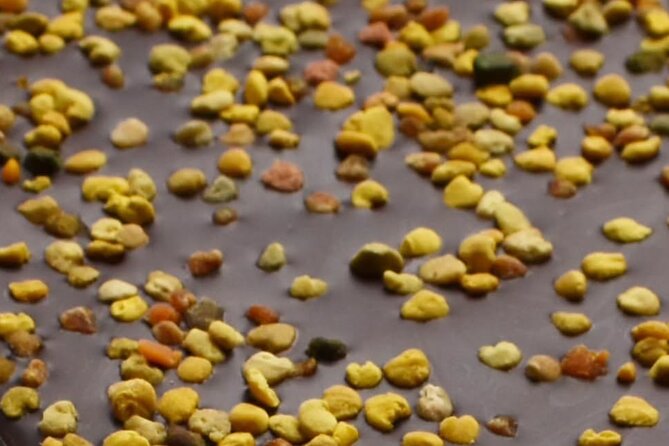
The experience covers all four primary chocolate types presented by the host: Gianduja, dark, milk, and white. You taste products from local and Italian producers, then finish with international fine chocolates.
Each style gives you something different to notice. Dark chocolate can show more direct cocoa character, while milk chocolate brings a softer profile and a creamier feel. White chocolate has no cocoa solids, so its flavor depends more on cocoa butter, milk, sugar, and any added notes. Gianduja adds the toasted hazelnut element that links the tasting to Turin.
The exact brands and sequence may vary, but the structure is clear. You start with the local specialty, compare Italian examples, and then look outward to bean-to-bar chocolate from other countries.
That progression matters. If you tasted unrelated pieces without context, the differences could blur together. Here, you have a framework for asking what changed and why. You might notice texture before flavor, or find that a chocolate’s aftertaste lasts longer than its first impression.
The sample portions are reported as generous, and the tasting includes enough variety to make meaningful comparisons. Several people also used the shop as a place to buy chocolate afterward. If you find a favorite, Chocolate7 gives you the chance to take something home, though purchases are not part of the $36 fee.
More Chocolate Tastings in the world:
- Brussels: Belgian Chocolate Making Workshop with Tastings
★ 4.7 · 1,629 reviews - Bruges: Choco-Story Chocolate Museum Guided Tour w/Tastings
★ 4.2 · 1,379 reviews - Paris French Sweets Tasting Tour with Pastries and Chocolates
★ 4.5 · 947 reviews - Brussels Walking and Tasting Tour (Beers,Chocolates&Fries/Waffle)
★ 5.0 · 929 reviews
What bean-to-bar really adds
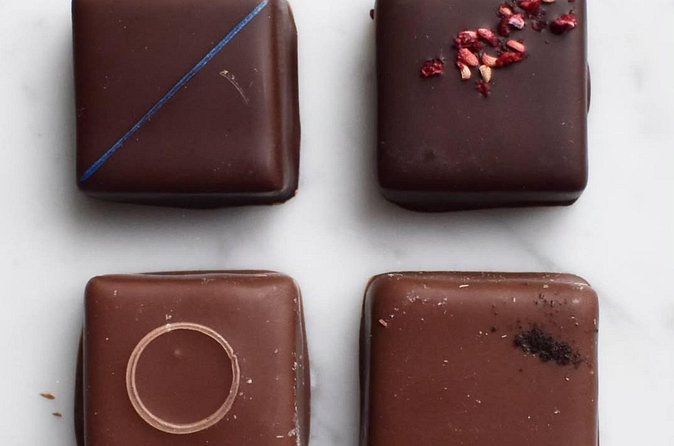
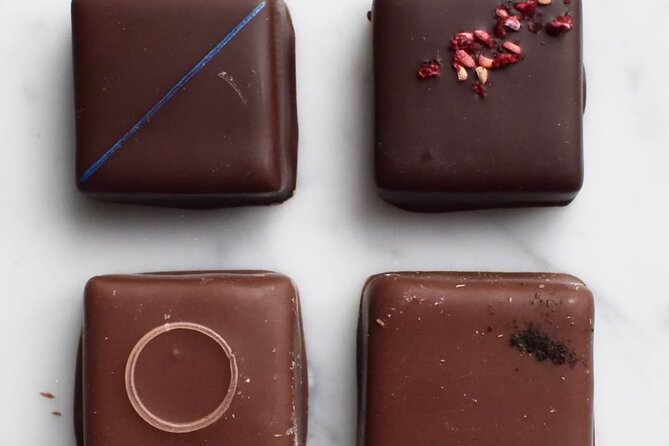
Bean-to-bar means the chocolate maker oversees the process from cocoa bean to finished chocolate. The host explains this method and how it can affect quality and flavor.
That lesson gives the tasting its substance. Without it, the hour would be a pleasant sugar stop. With it, you gain a basic understanding of how decisions made during production shape what you taste.
You learn that fine chocolate is not judged only by sweetness. The host draws attention to tasting notes, texture, balance, and the way a piece develops as you eat it. The goal is to slow you down. Let a sample sit briefly on your tongue instead of chewing it quickly, then consider its aroma and finish.
The chocolates are described as pure, mainly organic, and made without emulsifiers. That does not mean every piece will suit every palate. Some people prefer the familiar smoothness of mass-market chocolate, while others will appreciate the cleaner, more distinct flavors here.
One useful lesson is the difference between industrial chocolate and fine chocolate. The tasting can make that contrast easier to understand because you sample several styles side by side. You may leave with a sharper idea of what you are paying for when a bar costs more than a supermarket block.
The host makes the difference
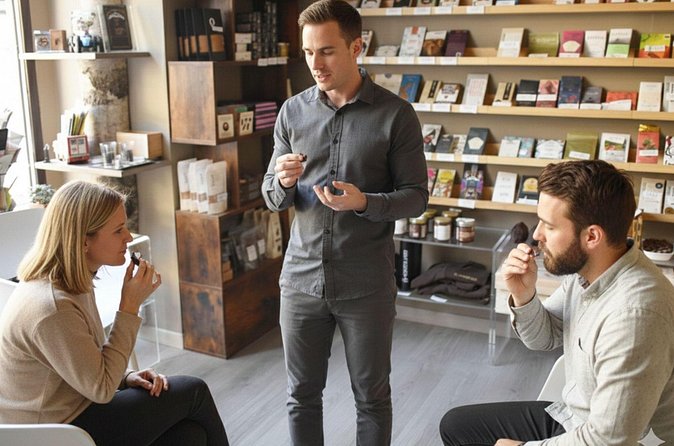
The session is led by a passionate host named Giovanni in the supplied activity details. Several accounts also refer to Giovanni as friendly, generous with samples, and eager to explain his subject. One account names Giuseppe instead, so if the guide’s name matters to you, confirm it when booking.
The repeated praise for the host’s enthusiasm is important. Chocolate tastings can become dry if the guide simply lists cocoa percentages and production terms. Here, the tone is intended to be relaxed and personal, with room to ask questions and discuss what you are tasting.
The language choices are practical for international visitors. The experience is offered in English, Italian, and French. You should select or confirm your preferred language when booking, since the tasting depends on explanations rather than samples alone.
The best part of a small group is the chance to ask about specific flavors. If you taste a piece that seems surprisingly fruity, bitter, creamy, or nutty, you can ask why. A group capped at eight makes that more realistic than a crowded demonstration.
Is $36 a fair price for one hour?
At $36 per person, this is not a bargain snack. It is priced as a guided specialty tasting, and its value depends on how much you want from the experience beyond eating chocolate.
The price looks fair if you value three things: a broad selection, an informed guide, and a chance to compare fine chocolate across regions. You are not paying for transportation or a meal. You are paying for the samples, the explanations, and access to a curated selection of local, Italian, and international products.
The generous tasting portions help. Several accounts describe plenty of chocolate, and one family found the hour both educational and satisfying. Another person compared the experience to a wine tasting, which is a useful way to think about it. You are paying for guided attention to flavor, not just for the food itself.
It may feel less worthwhile if you want a long tour, a large meal, or a formal production visit. The experience lasts one hour and takes place in the shop. There is no transportation, factory walk-through, or broader Turin food itinerary included.
For a chocolate lover, the price is easier to justify. For a casual eater, it makes sense mainly if you are curious about how fine chocolate differs from everyday brands.
Who should book this experience?
I would recommend it to chocolate fans, couples, families, and anyone who likes food experiences with a clear local connection. It also suits you if you want a short activity that fits neatly between sightseeing stops.
Families should note the positive feedback from a chocolate-loving family that found the hour educational and delicious. The host’s generous sampling style can make the session feel substantial, though younger children may not care about tasting notes or production methods.
This is also a good choice for a rainy afternoon or for anyone who wants a seated or mostly stationary food activity, though seating is limited. Comfortable shoes remain sensible, and you should not expect a fully accessible venue.
People with hazelnut allergies can still consider booking because alternatives are available. You must tell the host at the beginning, not after the first sample.
I would skip it if you dislike small rooms, need wheelchair access, or want a full-day food tour. The activity is focused and compact. That is its strength, but it also defines its limits.
Useful planning details before you go
The session lasts one hour, with starting times based on availability. That short length makes it easy to fit into a Turin schedule, but allow enough time to find Chocolate7 since the meeting point is a small shop beside a sushi restaurant.
You do not need to arrange transport through the activity. Go directly to the shop, enter, and show your ticket to begin.
The experience allows free cancellation up to 24 hours before the start for a full refund. You can also reserve now and pay later, which helps if your Turin plans are still shifting.
The activity is not suitable for wheelchair users. The venue is small, and limited seating may be an issue if you need a chair throughout the tasting.
Should you book the Chocolate7 tasting?
Book it if you want a focused Turin chocolate experience rather than a long tour. The Gianduja opening gives the hour a strong local identity, while the Italian and international samples help you understand how bean-to-bar chocolate can differ in texture and flavor.
The strongest reasons to go are the small group, the generous samples, and Giovanni’s clear enthusiasm for the subject. The main cautions are the compact room, limited seating, and one-hour format.
At $36, I see this as good value for a chocolate lover who wants to taste with purpose and take home a few ideas, or perhaps a few bars. If you only want a quick sweet treat, buy chocolate in the shop and spend your time elsewhere. If you want to learn why one chocolate tastes better, smoother, or more complex than another, this short tasting earns its place in your Turin plans.
FAQ
Where does the chocolate tasting take place?
It takes place at Chocolate7 in Turin. The shop is a small boutique to the left of a sushi restaurant. Enter the shop and show your ticket to begin.
How long does the tasting last?
The tasting lasts one hour.
What kinds of chocolate will I taste?
You will taste Gianduja, dark, milk, and white chocolate. The selection includes local, Italian, and international bean-to-bar chocolates.
Is the tasting available in English?
Yes. The host can guide the tasting in English, Italian, or French.
Can I join if I have a hazelnut allergy?
Yes. The host can provide alternatives, but you must communicate the allergy or intolerance at the beginning of the tasting.
Is the experience wheelchair accessible?
No. The activity is not suitable for wheelchair users.
Newest chocolate tours around the world
- Chocolate and Wine Pairing in Chantilly★ 5.0 · 21 reviews
- Cacao and Coffee Tour★ 4.5 · 24 reviews
- Minca: Hidden Waterfall + Coffee and Cocoa Workshop★ 4.9 · 6 reviews
- Nashville: Whiskey or Wine and Chocolate Pairing Experience★ 4.8 · 22 reviews
- 2h immersive tasting in Beaujolais – Wine and Chocolate Accord★ 5.0 · 5 reviews
- Cocoa & Artisan Chocolate Route with an Historical Tour in Puerto Plata City★ 4.0 · 9 reviews
- Puerto Plata: City Tour with Rum, Chocolate and Cigars★ 5.0 · 2 reviews
- Puerto Plata City Tour with the Mount Isabel, Rum & Chocolate★ 5.0 · 34 reviews
Chocolate Tastings, compared.
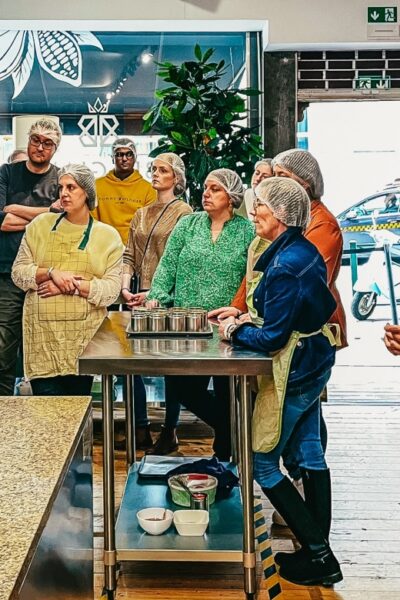
Belgian Chocolate Making Workshop with Tastings
Read our review →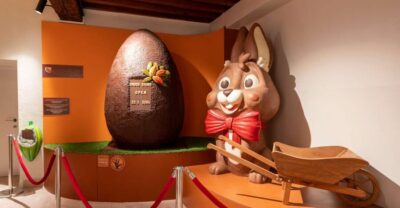
Choco-Story Chocolate Museum Guided Tour w/Tastings
Read our review →
Paris French Sweets Tasting Tour with Pastries and Chocolates
Read our review →
Brussels Walking and Tasting Tour (Beers,Chocolates&Fries/Waffle)
Read our review →
Princeville Botanical Gardens Tour and Chocolate Tasting Ticket
Read our review →
Brussels and Bruges Tour & Optional Chocolate Tasting
Read our review →
Browse the lists this tour appears in