
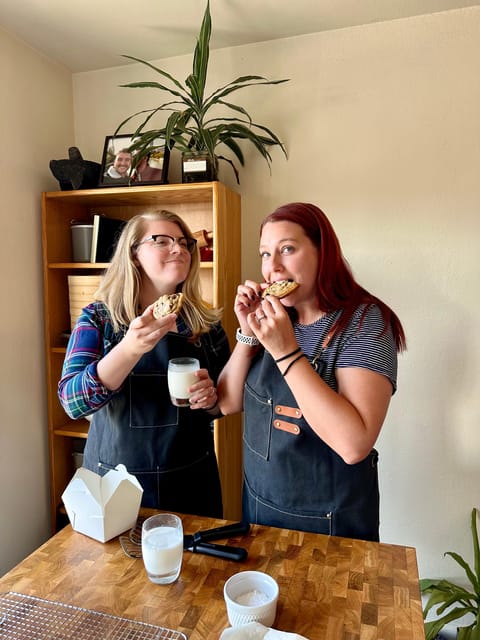
Review · USA CHOCOLATE TOURS
San Francisco: Chocolate Chip Cookie Workshop
The best part of this San Francisco workshop is that you do more than follow a cookie recipe. You taste five different cookies blind, compare their flavors, and then use what you have learned while making your own batch with a professional baker. Brennan, also listed as Branden, leads the session in a small group of no more than six people.
I like the hands-on format and the useful souvenir: a recipe you can make again at home. I also like that you get to eat the finished cookies fresh from the oven, rather than simply watching a demonstration. The main consideration is practical: the workshop is on the second floor, with no elevator, so it is not suitable for wheelchair users or people with mobility impairments.
Key points at a glance
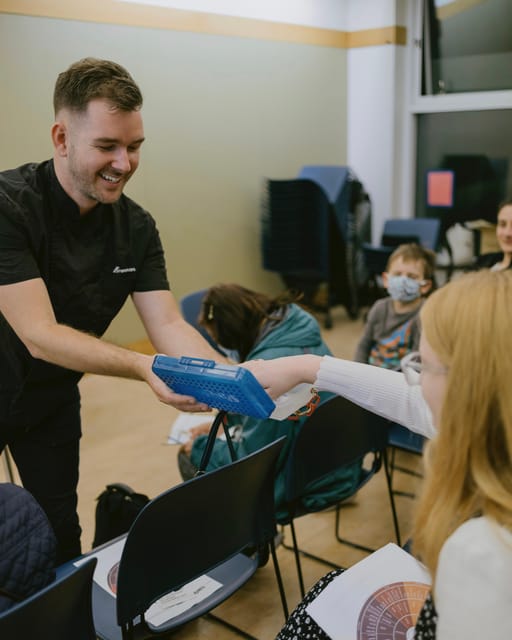
- Five-cookie blind tasting: Use smell, texture, and flavor to compare different styles before baking.
- Family recipe and quality ingredients: Prepare the dough with guidance from a professional baker.
- Fresh cookies at the finish: Put your own batch in the oven, then enjoy it warm or take it home.
- A useful recipe to keep: Recreate the cookies for family and friends after your San Francisco visit.
- Small group of six: Ask questions freely and get more personal attention than in a large class.
- Three-hour indoor activity: A good choice for a relaxed afternoon or a rainy-day plan.
A cookie workshop with more than a recipe
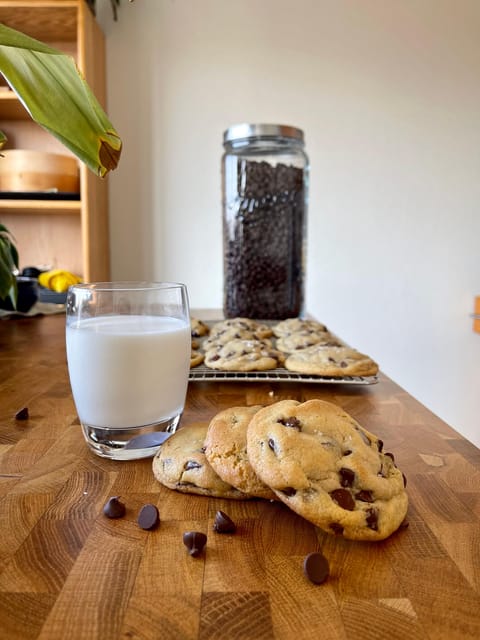
Chocolate chip cookies are familiar, which is exactly why this class works well. You already know the basic idea, but small choices can change the result: the balance of chocolate and dough, the texture, the aroma, and the way the cookie finishes on your palate.
The workshop begins with the story of the American chocolate chip cookie. This gives the class a little context before you start measuring and mixing. You are not simply handed ingredients and told to copy the instructor. You first get a sense of what you are trying to make and why the details matter.
That approach is useful for anyone who has baked cookies that spread too far, stayed too thick, or came out dry. The class is designed to explain technique as well as provide a formula. You can ask questions as you go, so this is a good setting for both a first-time baker and someone who already has a favorite cookie method.
Brennan, also named Branden in the activity information, leads the workshop as a professional baker. The small group matters here. With six participants at most, you should have a reasonable chance to hear the instructions clearly, watch the process, and ask about the parts of baking that often cause trouble at home.
More Chocolate Tours in the USA:
- Lahaina: Maui Ku’ia Estate Guided Cacao Farm Tour and Tasting
★ 5.0 · 1,103 reviews - Princeville Botanical Gardens Tour and Chocolate Tasting Ticket
★ 5.0 · 774 reviews - Kauai Chocolate Farm Tasting Tour
★ 5.0 · 666 reviews
The five-cookie blind tasting
The blind tasting is the most distinctive part of the experience. You sample five types of cookies without relying on labels or expectations, then use your senses to notice the differences.
This is not just a snack before the real activity. It gives you a practical way to think about cookies. You can pay attention to the balance of sweetness, the chocolate flavor, the texture, and the smell. You may find that a cookie you expected to prefer is not the one you like best. That is part of the fun.
I especially like this step because it turns a familiar treat into a small lesson in taste. You are encouraged to notice details instead of eating on autopilot. For families, it can also create an easy point of conversation, since different people may favor different textures or flavors.
The tasting also helps you understand the baker’s later advice. Once you have compared several cookies, tips about ingredients and technique have a clear purpose. You can connect the instructions to something you have just tasted instead of trying to remember a list of baking rules.
The activity information does not identify the five cookie styles, so you should not book this expecting a particular set of flavors. The useful promise is the comparison itself, not a fixed tasting menu.
From the baker’s instructions to your own dough
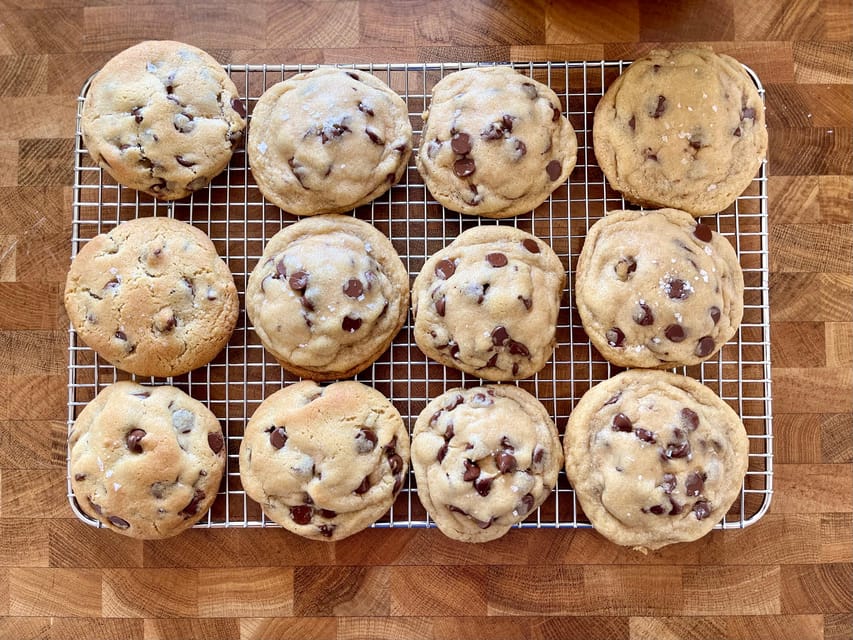
After the tasting and introduction, you get ready to bake. The class uses a family recipe and top-shelf ingredients, with the professional baker explaining how to bring the ingredients together.
You should expect instruction before the hands-on work begins. That is helpful because it gives you a clear plan rather than having everyone rush to the work surface. The experience is built around making cookies yourself, not watching someone else produce the perfect batch while you stand back.
The phrase secret ingredient is part of the appeal, but the real value is learning how that ingredient fits into the recipe and technique. You can ask questions about the baking process as you work. If you have ever wondered why a cookie recipe calls for a certain step, this is the moment to ask.
The class does not promise that you will become a pastry professional in three hours. It does promise a focused lesson on one very specific bake. That narrow focus is a strength. You leave with a better understanding of how to make this particular cookie rather than a rushed survey of several unrelated desserts.
For children, the appeal will likely be the tactile work of preparing the dough and the anticipation of the oven. For adults, the useful part is the chance to ask about technique while the ingredients are in front of you. The small class size should make the session feel more like a working lesson than a formal presentation.
The oven is part of the entertainment
Once the cookies are prepared, you put them in the oven and wait. This sounds simple, but it is one of the most satisfying parts of a baking class. The smell changes the mood in the room, and you can see the result of your work taking shape.
At the end, you take the cookies out of the oven. You can eat them fresh or bring them home to share. Having both choices is useful. A warm cookie is part of the immediate reward, while a box of cookies gives you something to show family or friends later in the day.
The activity does not specify the number of cookies you will make or the exact packaging provided, so plan around the general promise: you will take your handmade cookies home with you. If you are carrying them around San Francisco afterward, a little care will be sensible, especially while they are still warm.
This final stage also gives you a chance to judge the result for yourself. You tasted several cookies earlier, received instruction, and now get to compare your finished batch with the qualities you noticed during the blind tasting. That makes the session feel complete.
Same city, a different tasting:
- Award Winning Farm Tour: Coffee, Chocolate and Unique Gifts
★ 5.0 · 484 reviews - Nashville’s Goo Goo Chocolate Tasting & Candy Making Class
★ 5.0 · 247 reviews - Orlando: Factory Adventure Tour in Chocolate Kingdom
★ 4.5 · 240 reviews - Volcano, Chocolate and Waterfalls of the Big Island
★ 5.0 · 238 reviews
What you take home
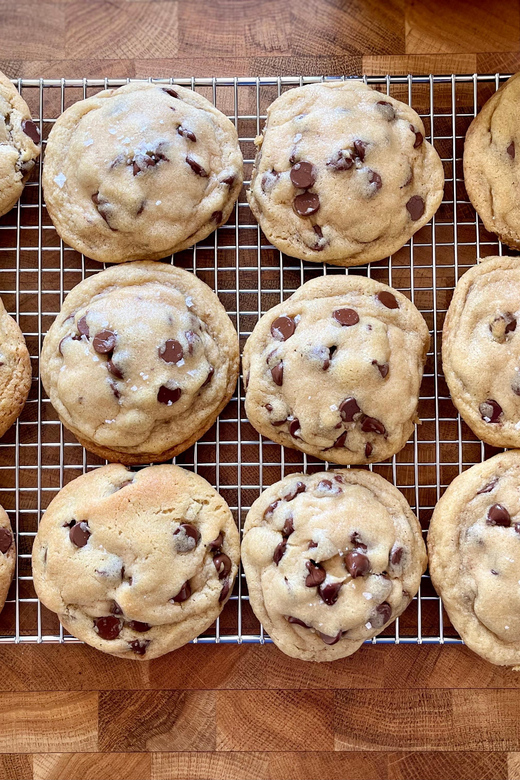
The recipe is an important part of the value. A cooking class is much more useful when it gives you a realistic way to repeat the dish later, and this workshop sends you home with the recipe for the cookies you made.
You can use it for a family baking day, a casual dessert, or a homemade gift. The recipe also helps you make the most of the class because you can write down extra notes while the instructor is explaining the process. Bring your questions, and pay attention to any small technique points that may not be obvious from the printed instructions alone.
You also take home the cookies. The combination gives you two kinds of souvenir: something to eat now and something that can become part of your own kitchen routine.
This is a better fit for you if you enjoy experiences that continue after the scheduled activity. The class does not end with a photograph or a short demonstration. Its success depends partly on whether you can use what you learned later.
How the three hours are likely to feel
The workshop lasts three hours, so it is not a quick stop between major San Francisco sights. You need to give it a real block of your day, including the time to meet the instructor, hear the introduction, taste five cookies, prepare the dough, bake, and collect your finished treats.
That length is reasonable for the format. Baking has waiting periods, and the tasting and history section need room to breathe. A shorter class might feel rushed, especially if you want to ask questions or compare the cookie samples carefully.
Check the available starting times before booking. The exact schedule is not fixed in the information provided, so fit the class around your sightseeing plans rather than assuming it runs at a convenient hour.
There is no hotel transfer. You make your own way to the meeting point in San Francisco. When you arrive, press the button for apartment 202 so the instructor can let you in. Go inside, walk up two flights of stairs, and turn right to reach the workshop space.
That arrival instruction is worth saving on your phone. It is more specific than simply having a street address, and you do not want to be searching for the right entrance while the class is starting.
A small class, and why that matters
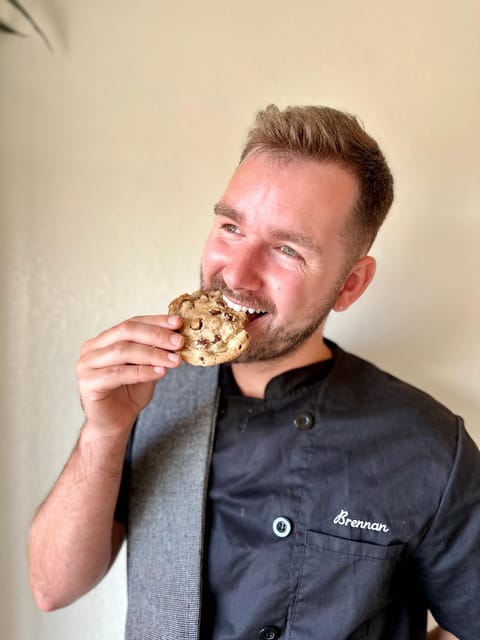
The group is limited to six participants. For a baking lesson, that is a meaningful advantage. You are more likely to hear the baker, see what is happening, and receive an answer when you ask about a step.
The intimate setup also suits people who do not want to perform in front of a large group. You can take part at your own pace while still having the social feel of a shared activity. One parent and daughter particularly enjoyed learning and baking together, which points to the class working well as a family outing.
The instructor’s style is also part of the experience. Brennan is described as authentic, fun, informative, and interactive, with the class built around participation rather than a long lecture. That tone matters because three hours can feel long if the session is too formal.
There is a trade-off. A group of six is small, but it is still a group. If you want a completely private lesson or one-on-one professional coaching, this is not presented as a private class. For most people, though, the limited size should provide a good balance between personal attention and a social activity.
Who will enjoy this most
I would recommend the workshop to several kinds of visitors:
- Home bakers: You can test your senses, ask about technique, and take the recipe home.
- Families: The tasting and hands-on baking give adults and children something to do together.
- Couples and friends: The activity offers a relaxed shared experience with an edible result.
- Food-focused visitors: The class gives you a closer look at a familiar American treat.
- Rainy-day planners: It is an indoor activity that fills three hours without relying on San Francisco weather.
It may be less suitable if you dislike group activities, have no interest in baking, or need step-free access. The second-floor location has no elevator, and the activity is specifically noted as unsuitable for wheelchair users and people with mobility impairments.
The class is conducted in English, Spanish, Chinese, and Portuguese. That gives you some flexibility when choosing a session, though the available language for a particular booking should be checked when you reserve.
Is $99 a fair price?
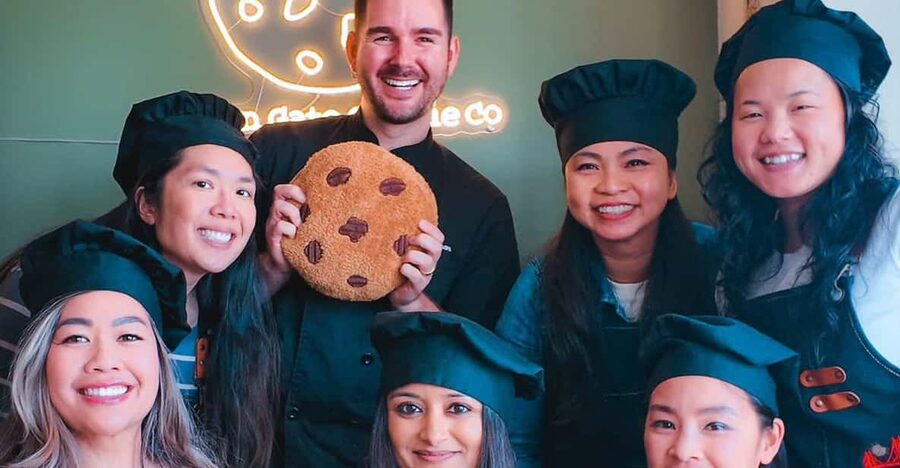
At $99 per person, this is not a cheap way to buy a cookie. You are paying for a three-hour guided experience, a professional baker, the blind tasting, all ingredients, the hands-on lesson, fresh cookies, and the recipe.
The value depends on what you want from your San Francisco day. If you only want a sweet snack, the price will feel high. If you want a small-group cooking class with instruction you can use at home, the calculation is more favorable.
I like that the experience includes both tasting and baking. You get to evaluate several cookies before making your own, rather than spending the entire session on one recipe with no comparison. The recipe adds lasting value, while the warm cookies provide an immediate payoff.
There is no hotel transfer, so transportation is not part of the cost. You also need to account for your own time getting to the meeting point and carrying the cookies afterward. Still, the small group and three-hour format make this more substantial than a quick food stop.
Free cancellation is available up to 24 hours before the activity for a full refund, and you can reserve now and pay later. Those terms are useful if your San Francisco schedule is still moving around.
Should you book the chocolate chip cookie workshop?
Book this if you want a hands-on food experience with a clear result. The strongest reasons are the five-cookie blind tasting, the chance to ask a professional baker about technique, and the recipe you can use after you return home.
I would especially choose it for a parent and child, a couple, or a small group of friends who want something more memorable than another restaurant meal. The warm cookies and shared baking give the activity a natural ending, and the limited group size should keep it personal.
Skip it if you are looking for a short drop-in activity, need step-free access, or do not care to bake. At $99, it makes sense as a full experience, not as a simple dessert purchase. If that sounds like your kind of afternoon, this is a practical and enjoyable way to spend three hours in San Francisco.
FAQ
How long does the chocolate chip cookie workshop last?
The workshop lasts three hours. Starting times vary, so check availability when booking.
How much does the workshop cost?
The price is $99 per person.
What is included in the activity?
The price includes the cookie-baking workshop, a professional baker, the blind-tasting experience, and all ingredients.
How many people are in the group?
The group is limited to six participants.
Where does the workshop take place?
When you arrive, press the button for apartment 202 so the instructor can let you in. Go inside, walk up two flights of stairs, and turn right. The workshop ends at the same meeting point.
Is the workshop accessible for wheelchair users?
No. The activity takes place on the second floor, and the building has no elevator. It is not suitable for wheelchair users or people with mobility impairments.
Newest chocolate tours around the USA
- Waterfall, Chocolate Tour, Rainforest, Royal Historical★ 4.6 · 16 reviews
- Vegas: Taste, Explore & Shop Chocolate Tour★ 3.4 · 16 reviews
- Santa Fe Chocolate Tasting and History Exploration Tour★ 5.0 · 6 reviews
- Churches & Chocolate Cart Tour★ 5.0 · 4 reviews
- Make your own Chocolate Bars & Chocolate Box★ 4.5 · 38 reviews
- Santa Barbara’s Ultimate Wine and Chocolate Walking Tour★ 5.0 · 19 reviews
- Savannah History plus Coffee and Chocolate Walking Tour★ 5.0 · 28 reviews
- San Francisco’s Essential Chocolate Chip Cookie Workshop★ 5.0 · 31 reviews
USA Chocolate Tours, compared.

Maui Ku’ia Estate Guided Cacao Farm Tour and Tasting
Read our review →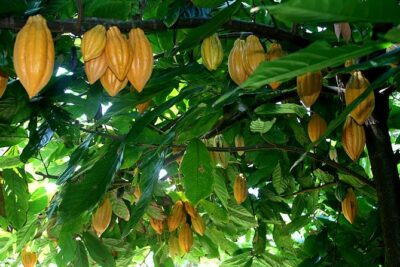
Princeville Botanical Gardens Tour and Chocolate Tasting Ticket
Read our review →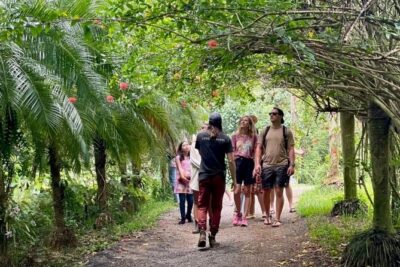
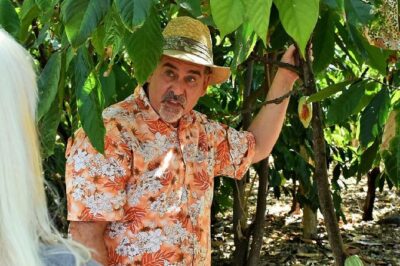
Award Winning Farm Tour: Coffee, Chocolate and Unique Gifts
Read our review →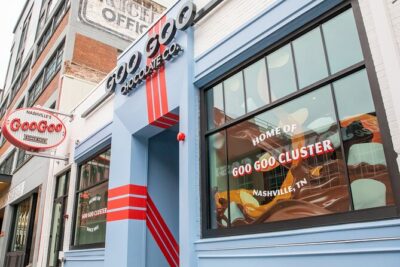
Nashville’s Goo Goo Chocolate Tasting & Candy Making Class
Read our review →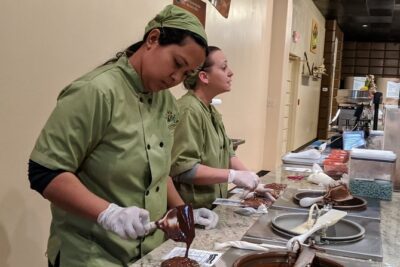
Orlando: Factory Adventure Tour in Chocolate Kingdom
Read our review →
Volcano, Chocolate and Waterfalls of the Big Island
Read our review →
Browse the lists this tour appears in