Review · CHOCOLATE MAKING WORKSHOPS
Brussels: Belgian Chocolate Making Workshop with Tastings
The best part of this Brussels activity is that you do not simply dip a few sweets and go home. You handle a fresh cacao pod, taste raw beans and cacao mucilage, and follow the path from bean to bar before making your own treats. Patricia, one of the guides, is known for mixing clear instruction with a lively sense of humor.
I like the hands-on variety: your work includes mendiants, truffles, and a decorated chocolate bar, and everything you make is yours to take away. I also like the ethical focus, with traceable cacao from small farmers and chocolate made without industrial couverture. The main drawback is the price, $82 per person, which is fair for the amount of chocolate and teaching, but high if you only want a quick tasting.
Key points to know before booking
- Raw cacao is part of the lesson: You taste a fresh cacao bean, cacao liquor, and the sweet juice called mucilage.
- Three chocolate projects are included: Make a personalized bar, mendiants with toppings, and truffles.
- Patricia is a popular guide: Her funny, firm teaching style keeps the class moving and focused.
- The meeting point is not the workshop: Check in at Place de la Justice 5, then walk about 200 meters to the training centre.
- You take home a full box of chocolate: The finished pieces, not just a sample, belong to you.
- The room is air-conditioned: Bring a light layer, since the workshop can feel chilly.
A real bean-to-bar lesson in central Brussels
This is more than a chocolate decorating session. The Belgian Chocolate Makers present themselves as a true artisan producer, certified by the Belgian government, and the workshop is built around their bean-to-bar process.
You begin with the source. The cacao used in the workshop comes from Haiti, specifically the Grand Anse region, and the company says its supply is fully traceable. You hear how cacao moves from plantation to fermentation, drying, roasting, grinding, and chocolate making. The machinery used for this work is part of the visit, so the process does not remain an abstract story.
I appreciate this approach because Belgian chocolate is often treated as a finished souvenir rather than a food with an agricultural story. Here, you get a look at the raw ingredient before it becomes a polished praline. That helps you understand why two chocolates with the same percentage can taste quite different.
The class also touches on the company’s stated sourcing standards. The cacao used is described as free from deforestation and child labor, with a fair level of income for farmers. If ethical sourcing matters to you, these details give the chocolate tasting more weight than a simple sugar hit.
More Chocolate Making Workshops in Belgium
- Brussels: 2.5-Hour Belgian Chocolate Making Workshop
★ 4.8 · 933 reviews - 1.5h Belgian Chocolate Workshop in Brussels (bean to bar)
★ 4.5 · 462 reviews - Brussels: Chocolate Truffle & Belgian Hot Chocolate Workshop
★ 4.7 · 367 reviews
Check in at Place de la Justice, then walk to the class
Your starting point is the Belgian Chocolate Makers ticket office at Place de la Justice 5, close to Brussels Central Station and Mont des Arts. This is a useful central location, but remember that it is not the workshop itself.
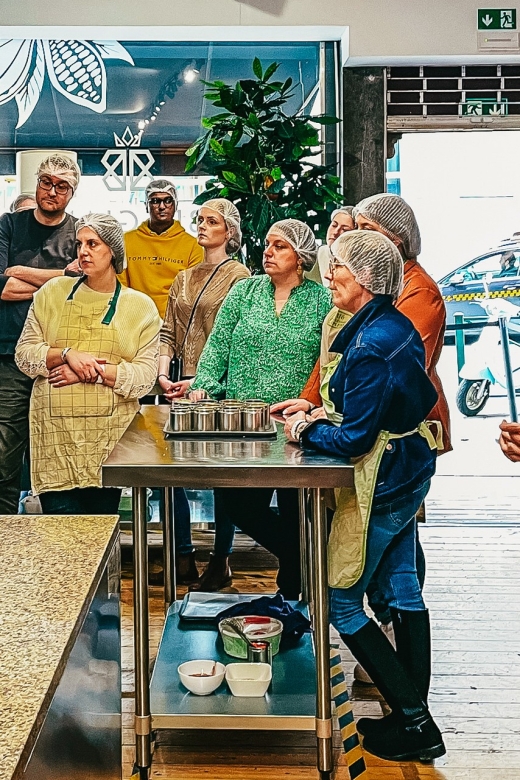
Arrive at least 15 minutes before your booked time. Staff check your ticket, give you a wristband and hairnet, and bring the group to the training centre. The walk is only about 200 meters, roughly five minutes, but the separation between ticket office and workshop can be confusing if you expect to begin making chocolate as soon as you arrive.
One practical warning matters more than the short walk: once the session starts, check-in closes. Late arrivals are not accepted, even with a good reason, so give yourself extra time to find Place de la Justice. Tie back long hair before you arrive, since the hairnet is required.
The training centre is a new, 150-square-meter space with room for up to 60 participants. That sounds large, but the actual working atmosphere can depend on the session. Some classes feel small and personal, while larger groups may have several stations working at once. A few people have found it hard to hear at times, so stand close to the instructor when the demonstrations begin.
Begin with cacao pod juice and bitter beans
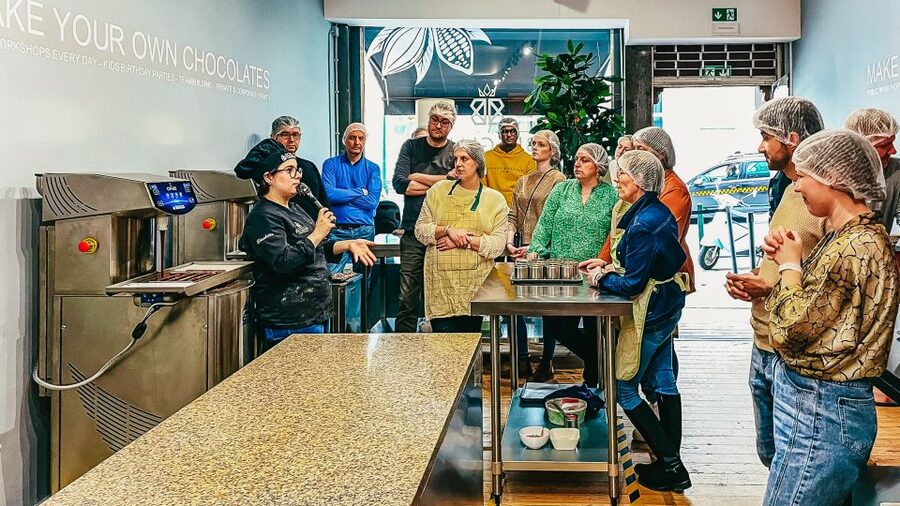
The tasting starts at the beginning of the chocolate story, not at the finished bar. You get to hold a fresh cacao pod and taste fresh cacao beans. The bean is notably bitter, which makes the later chocolate taste more familiar and helps explain how much processing changes cacao.
You also taste mucilage, the pale juice surrounding the cacao beans inside the pod. This is one of the more unusual parts of the workshop. It has a fruitier, sweeter character than the bean itself, and many people will never encounter it in a Brussels chocolate shop.
The class includes cacao liquor as well. Despite the name, there is no alcohol in it. It means cacao mass, made from ground cacao beans, and it tastes intensely dark and direct. You may also sample several origin cacaos and different chocolate stages as the guide explains how flavor develops.
This section is especially useful if you normally choose chocolate by appearance alone. You get a basic vocabulary for bitterness, fruitiness, sweetness, and roast. The lesson is not a formal professional tasting course, but it gives you enough context to understand what you are eating.
Make a bar with your own toppings
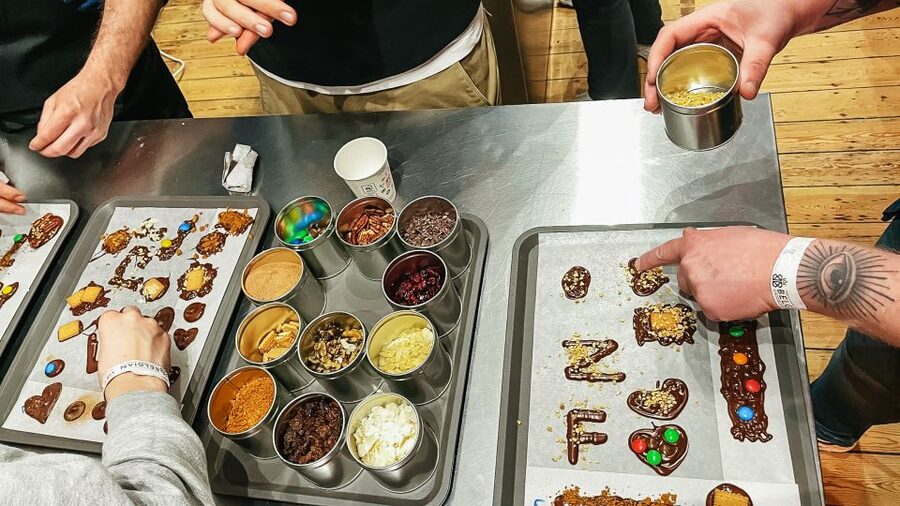
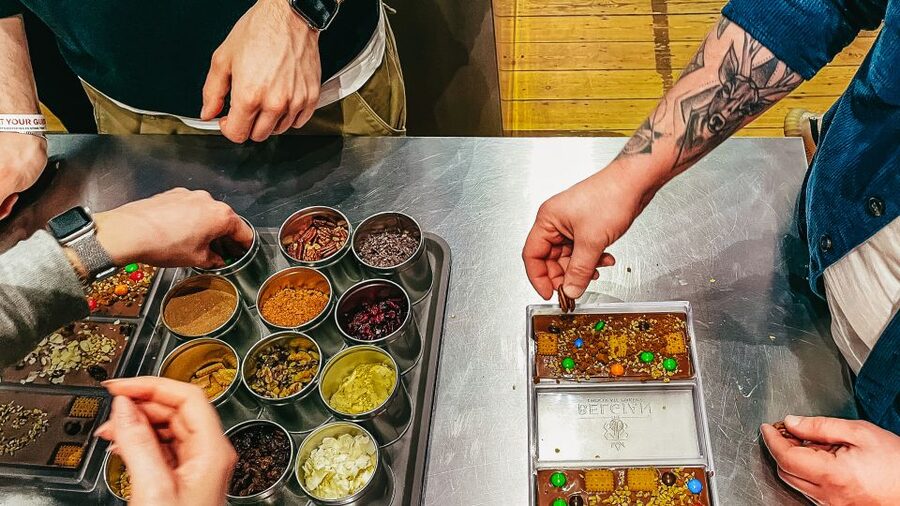
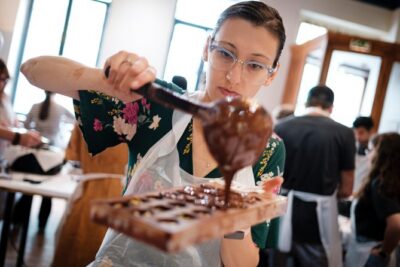
The first major project is a personalized chocolate bar. You work with chocolate made from Haitian cacao and choose toppings for your design. The exact appearance depends on your decorating skills, so do not expect a shop-perfect bar. That is part of the fun.
The workshop uses both dark and milk chocolate. If you eat dairy, you can work with either, while vegan and lactose-intolerant participants are limited to dark chocolate. Toppings contain nuts, so tell staff about allergies at check-in.
This activity works well for couples, families, friends, and solo visitors. You have a clear object to decorate, but enough freedom to make it personal. Children old enough to follow instructions can enjoy the creative side, though the minimum age is six.
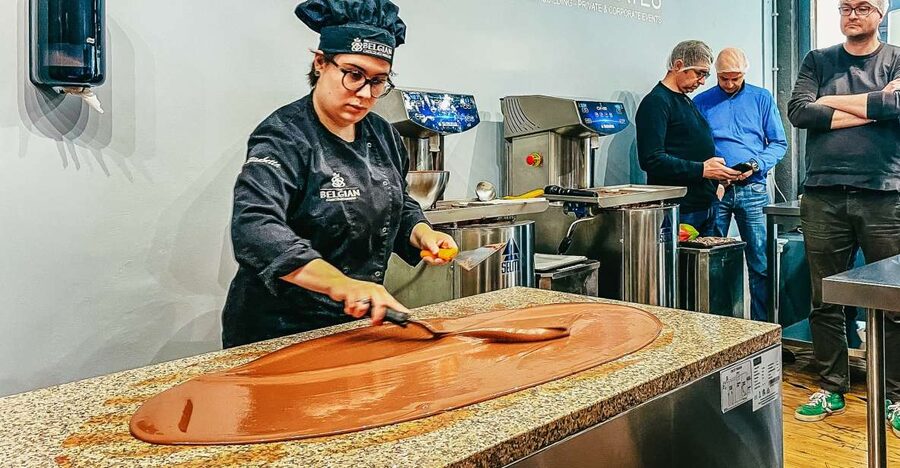
The guide keeps an eye on hygiene and quality control. You are not left to guess how to handle the chocolate, and the demonstrations make the steps easy to follow. Patricia’s style can be firm, almost like a strict schoolteacher, but that structure helps prevent the session from turning into a sticky free-for-all.
More Chocolate Making Workshops in Brussels
- Brussels: Chocolate Workshop and Guided Walking Tour
★ 4.6 · 263 reviews - 1.5h Hands on Chocolate Workshop: Truffles & Tasting
★ 4.5 · 76 reviews - Chocolate Workshop and Self-Guided Museum Visit at Choco-Story in Brussels
★ 4.5 · 72 reviews
Shape mendiants and finish with truffles
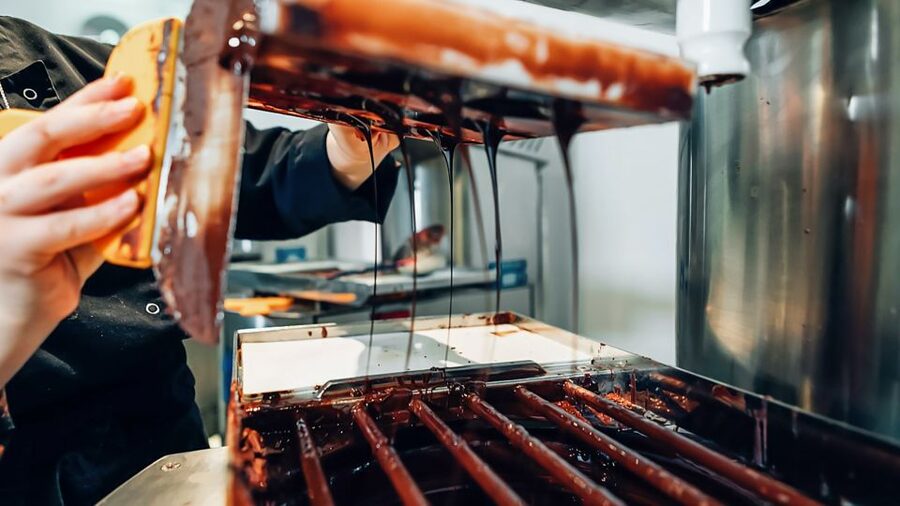
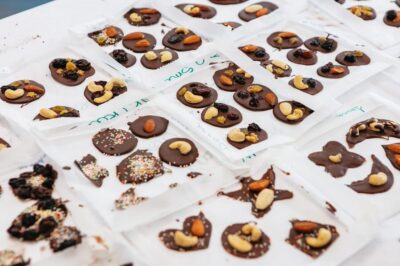
Next come the mendiants, small chocolate rounds finished with toppings. This is a simple project, but it gives you a chance to see how professional chocolates are built from a base, a finish, and careful presentation.
The final project is truffles. You shape the chocolate and finish the pieces with choices such as cocoa powder or coconut. The portion described by the experience includes about five truffles, though the exact number and decoration may depend on the session.
I like the order of the activities. The bar lets you decorate a larger piece, the mendiants teach control and topping, and the truffles feel more like hands-on confectionery. You do not spend the entire 90 minutes repeating one task.
Everything you make goes into a box for you to take home. That matters when you are judging the $82 price. You are paying for instruction, tastings, ingredients, the setting, and a substantial edible souvenir rather than a single finished sample.
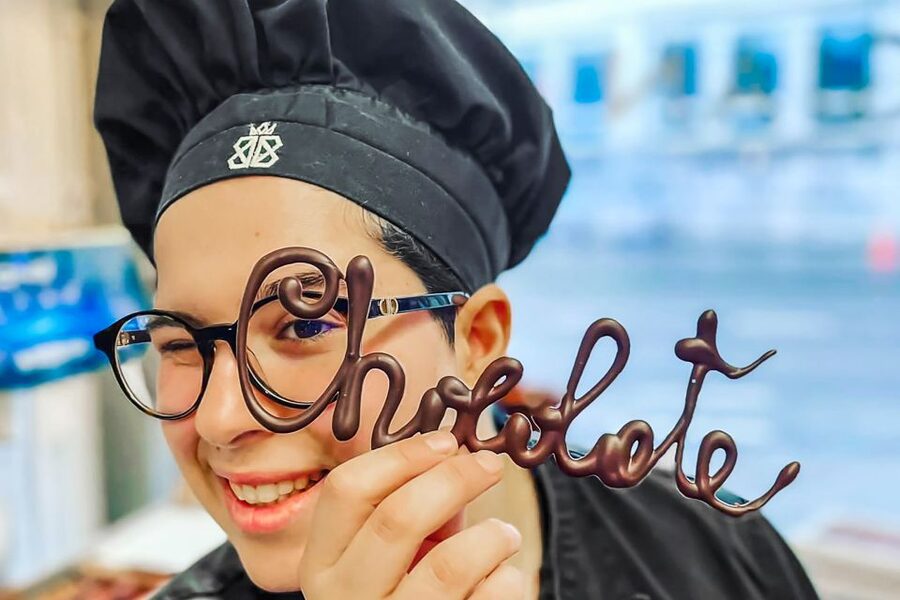
The chocolate may look a little uneven. That is normal for a first attempt, and it is part of the charm. If you want flawless pralines, buy them in the store. If you want to say I made these in Brussels, this class delivers.
Meet the chocolatier behind the demonstrations
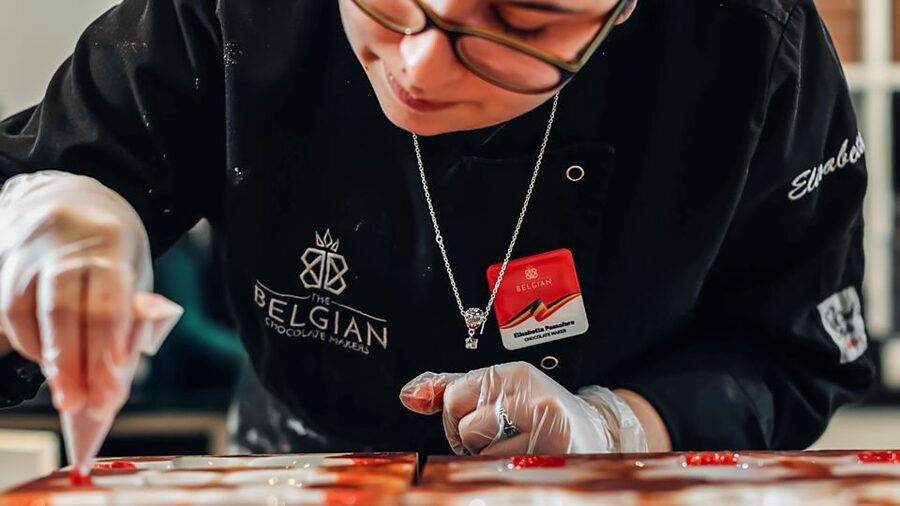
The guide has a strong effect on this experience. Patricia receives particular praise for her humor, clear explanations, patience, and ability to keep people working. She also answers questions about cacao and the company’s production methods.
Her style is lively rather than hushed and formal. She may tease the group or insist that everyone stays focused. That suits people who want a social class with a bit of personality. If you prefer a quiet, highly technical lecture, the energy may feel less polished.
Other chocolatiers lead sessions as well, and the provider describes the staff as handcraft chocolate makers certified by the Federal Belgian government. The instruction is in English. The pace is brisk enough that the 90 minutes goes quickly, especially once the decorating begins.
The experience is also suitable for groups. The centre can welcome large numbers, while some sessions may feel more intimate depending on attendance. A smaller group gives you more time to ask questions and watch the demonstrations closely.
Visit the machinery after making chocolate
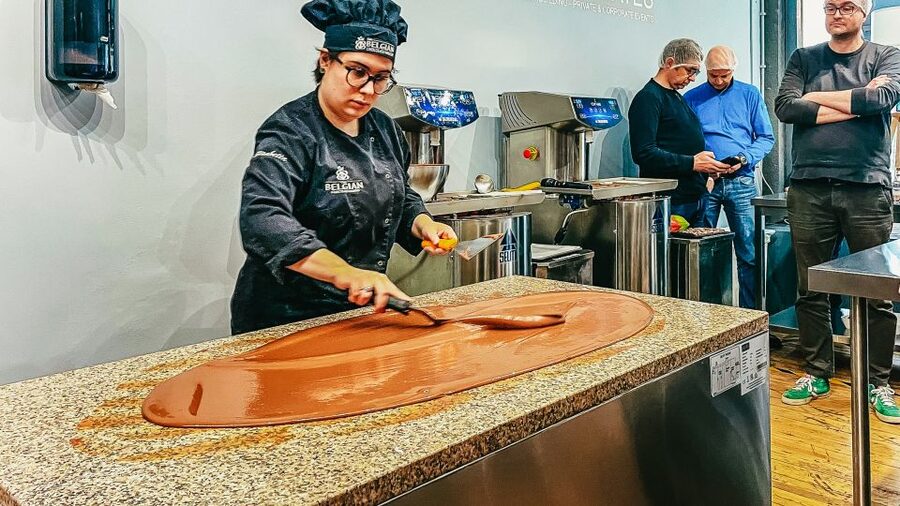
After the practical work, you can visit the bean-to-bar machinery and see the equipment used in production. The guide explains the stages that turn cacao beans into chocolate.
This is not a factory tour with a long production line. It is a compact look at the tools and methods behind the products you have just used. That distinction is worth knowing. The class is centered on making and tasting, with the machinery visit adding context at the end.
A laboratory visit is included only with the VIP upgrade. The standard experience still includes the bean-to-bar machinery visit, chocolate tastings, and the lesson on the production process. The VIP option also includes a glass of Champagne and an embroidered apron, which may appeal to someone booking a special occasion.
The standard package includes a hot chocolate in winter or a chocolate granita in summer. These seasonal drinks are a pleasant extra, but I would not choose the tour solely for them. The raw cacao tasting and the chocolate you make are the stronger reasons to book.
What $82 gets you
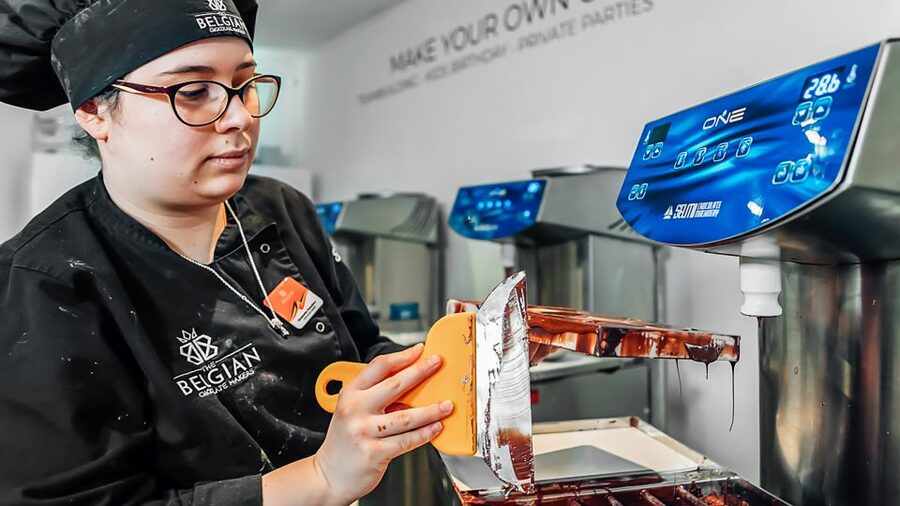
At $82, this is not Brussels’ cheapest food activity. The value depends on how much you care about participation.
You receive 90 minutes of guided instruction, several tastings, a drink, hands-on work with premium cacao, and a box containing your own bar, mendiants, and truffles. You also receive 20 percent off the company’s chocolate collection in its stores, which is useful if you plan to buy gifts afterward.
The price feels easier to justify for a family or couple who would otherwise spend money on several chocolate souvenirs. It is also a good indoor choice in bad weather, particularly during a cold Brussels winter. The heated-room idea is slightly misleading, though: the air-conditioning keeps the workshop cool, and you may want a sweater.
The price is harder to justify if you dislike sweet foods, do not want to carry chocolate around, or mainly want a history lesson. This is an active food class, not a museum visit. You will taste a lot and leave with more.
Timing, comfort, and access details
Sessions run three times daily at 11 AM, 2 PM, and 5 PM. The 2 PM time fits neatly between morning sightseeing and dinner, while the 5 PM option can work well before an evening meal. The workshop lasts 90 minutes, though allow extra time for check-in and the walk to the centre.
The room is fully air-conditioned and may be cold. Wear comfortable clothes and bring a light layer. You must wear a hairnet, and food, drinks, smoking, pets, luggage, and large bags are not allowed in the activity.
The experience is advertised as wheelchair accessible, and a disabled toilet is available. Still, one person noted stairs on the walk to or around the workshop, so anyone with mobility concerns should confirm the exact route with the provider before booking.
The provider lists the activity as unsuitable for children under six, people with food allergies, people with gluten intolerance, and people with lactose intolerance. Dark chocolate is available for vegan or lactose-intolerant participants, but the general suitability warning remains. Tell staff about allergies or intolerances during check-in rather than waiting until the class begins.
Who will enjoy this chocolate workshop most
I would choose this for anyone who wants more than a quick stop in a chocolate shop. It suits couples looking for a shared activity, families with children over six, and solo visitors who like joining a small group. You do not need prior cooking skills.
It is also a strong rainy-day or winter option. Brussels sightseeing can be tiring in bad weather, and this gives you a warm indoor activity with something tangible to take away.
Chocolate fans will get the most from the cacao tasting and bean-to-bar explanation. Even people who are not passionate about chocolate can enjoy the creative work, but anyone with strict dietary limits should check the ingredients carefully before paying.
Should you book it?
Book this workshop if you want to understand cacao, make several kinds of chocolate, and take home enough treats to share. The strongest features are the unusual fresh cacao tasting, the traceable Haitian chocolate, the variety of projects, and guides such as Patricia who keep the class funny and organized.
Think twice if $82 feels high for a 90-minute activity, if you want a quiet tasting, or if allergies make the ingredient list difficult. Arrive early, bring a sweater, leave large bags behind, and remember that the meeting point is a ticket office rather than the workshop.
For most chocolate lovers visiting Brussels, this is a good use of an afternoon. You learn where the flavor begins, get your hands messy, and leave with a box that is far more personal than a standard souvenir.
FAQ
How long does the chocolate workshop last?
The workshop lasts 90 minutes.
Where does the experience begin?
Check in at The Belgian Chocolate Makers ticket office at Place de la Justice 5, near Brussels Central Station and Mont des Arts. Staff then walk you about 200 meters to the training centre.
How early should I arrive?
Arrive at least 15 minutes before the scheduled start. Check-in closes when the activity begins, and late arrivals are not accepted.
What chocolate will I make?
You make a personalized chocolate bar, mendiants, and truffles. Everything you make is yours to take home in a box.
Is the class taught in English?
Yes. The instructor language is English.
Can I attend if I am vegan or lactose intolerant?
Dark chocolate is available for vegan or lactose-intolerant participants. However, the activity is listed as unsuitable for people with lactose intolerance, so confirm your needs with staff before booking.
Are nuts used during the workshop?
Yes. The toppings contain nuts. Tell staff about allergies at check-in, though the activity is listed as unsuitable for people with food allergies.
Is the workshop suitable for children?
Children under six are not allowed. Older children can attend, and the activity has been enjoyed by families and children around age ten.
What is included with the standard booking?
The standard experience includes organic cacao from small farmers, chocolate tastings, cacao liquor, fresh cacao and mucilage tasting, a winter hot chocolate or summer chocolate granita, your handmade chocolates, and a visit to the bean-to-bar machinery. A Champagne, embroidered apron, and laboratory visit require the VIP upgrade.
More Chocolate Tastings in Brussels
- Bruges: Choco-Story Chocolate Museum Guided Tour w/Tastings
★ 4.2 · 1,379 reviews - Paris French Sweets Tasting Tour with Pastries and Chocolates
★ 4.5 · 947 reviews - Princeville Botanical Gardens Tour and Chocolate Tasting Ticket
★ 5.0 · 774 reviews - Kauai Chocolate Farm Tasting Tour
★ 5.0 · 666 reviews
More Chocolate Tastings in Belgium
- Brussels Walking and Tasting Tour (Beers,Chocolates&Fries/Waffle)
★ 5.0 · 929 reviews - Brussels Chocolate Tasting Tour
★ 5.0 · 568 reviews - Brussels: Beer Tour with 6 Beers and 3 Chocolate Tastings
★ 4.7 · 392 reviews - Brussels: Belgian Chocolate, Beer, and Fries Tasting Tour
★ 4.5 · 54 reviews
Newest chocolate tours around Brussels
- Brussels Food Tour: Main Dish, Beer, Waffle & Chocolate★ 4.8 · 54 reviews
- Brussels: Belgian Chocolate, Beer, and Fries Tasting Tour★ 4.5 · 54 reviews
- Chocolate Workshop and Self-Guided Museum Visit at Choco-Story in Brussels★ 4.5 · 72 reviews
- 1.5h Hands on Chocolate Workshop: Truffles & Tasting★ 4.5 · 76 reviews
- Brussels Tipsy Tour: Cocktail Making, Painting & Chocolates★ 4.4 · 115 reviews
- Brussels: Chocolate Appreciation and Tasting Walking Tour★ 4.8 · 178 reviews
- Brussels: Hungry Mary’s Famous Beer and Chocolate Tour★ 4.9 · 240 reviews
- Brussels: Chocolate Workshop and Guided Walking Tour★ 4.6 · 263 reviews
Chocolate Making Workshops, compared.
Chocolate Workshop in Chocolate Museum w/ Tasting
Read our review →
Belgian Praline and Mendiants Chocolate Workshop
Read our review →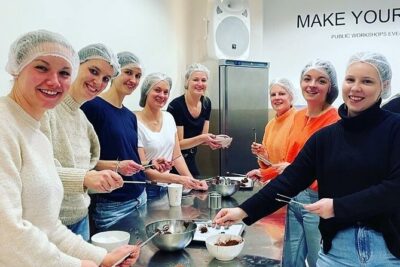
1.5h Belgian Chocolate Workshop in Brussels (bean to bar)
Read our review →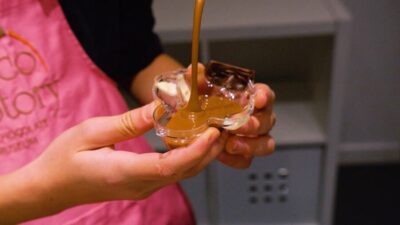
45-minute Chocolate Making Workshop at Choco-Story
Read our review →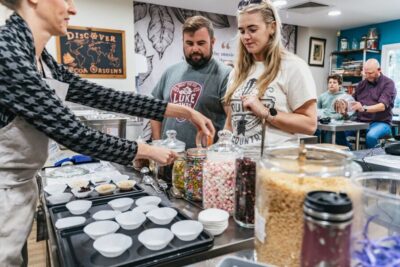
Chocolate Bar Making Workshop at York Cocoa Works
Read our review →