
Review · BEAN-TO-BAR CHOCOLATE TOURS
Bean to Bar Chocolate Workshop in Puerto Vallarta
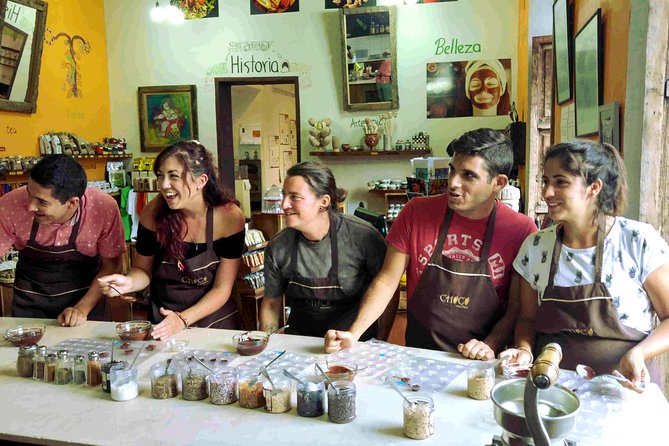
Chocolate here is more than a sweet snack. In this two-hour, hands-on workshop, you follow the cacao bean from its origins through roasting, drinks, and finished bars while learning how the Olmecs, Maya, Aztecs, and Europeans used it. The best part is that you do not just watch. You make chocolate with your own choice of flavors and toppings.
I like the small-group feel, with a listed maximum of eight participants, and the way instructors such as Rodrigo, called Rod, Martin, Elias, and Zoar keep the class moving with humor and clear explanations. I also like the cultural setting. This is a pleasant way to connect food with Mexican history, especially if you are traveling with children.
The main consideration is comfort. Puerto Vallarta can be hot and humid, and one account raised concerns about the workshop room before staff clarified that the air conditioning is turned on before class and during the activity. The room also uses counter-height stools, so anyone with mobility concerns should plan ahead.
Key points to know before booking
- You make and take home custom chocolate bars: Choose your own blend of spices, toppings, and other ingredients.
- The lesson reaches back to the Olmecs, Maya, and Aztecs: Cacao is presented as part of Mexican history, not just as a modern candy.
- You taste cacao in several forms: Activities can include roasted beans, shell tea, hot cocoa, chocolate drinks, and finished chocolate.
- The teachers are a major part of the experience: Rodrigo, Martin, Elias, and Zoar are frequently praised for humor, patience, and clear instruction.
- Children from age five can join: The workshop has worked well for families, including children around nine and thirteen.
- You pay $62.90 per person: That price includes instruction, ingredients, toppings, an apron, and a hat, but not transportation.
Starting at ChocoMuseo on Josefa Ortiz de Domínguez
You meet at ChocoMuseo Puerto Vallarta, at Josefa Ortiz de Domínguez 128 in Centro. The activity ends at the same place, so you do not need to arrange a ride between several stops. Transportation to and from the museum is not included, but the site is near public transportation.
The museum shop is part of the setting. You may want to arrive a little early, since one useful tip is to sample some of the products downstairs before the class begins. The shop has free samples, and the sales staff are described as low-pressure. That makes the early minutes more pleasant than a hard sell for souvenirs.
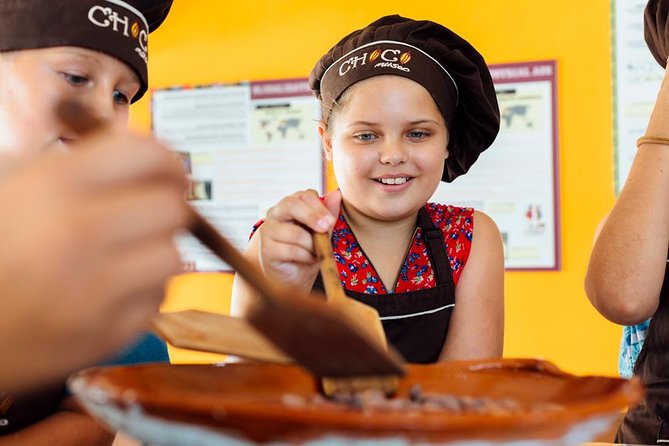
The workshop itself takes place upstairs. You receive an apron and hat for the session, then settle in for a class that mixes talk, tasting, and practical work. The small group matters here. A chocolate lesson can feel slow if too many people crowd around one work area, but a group capped at eight gives you a fair chance to participate.
More Chocolate Making Workshops in Mexico
- Chocolate Workshop
★ 5.0 · 92 reviews - Make Your Own Chocolate with Oaxacan Tradition Private Class
★ 5.0 · 45 reviews - Cozumel: Chocolate Workshop at The Mayan Cacao Company
★ 4.8 · 41 reviews
From cacao tree to finished chocolate
The first part explains where cacao grows and how the bean becomes chocolate. You learn about the steps involved in changing a raw cocoa bean into something you can drink or mold into a bar. The presentation uses museum displays and classroom posters to make the process easier to follow.
The history lesson moves through the Olmecs, Maya, and Aztecs, then looks at how chocolate changed as it reached Spanish and European cultures. This gives the class more weight than a basic tasting. You are not simply comparing sweet samples. You are seeing how a food can shift in flavor, status, and use as it moves across cultures and centuries.
I especially like this part for families. Children can understand the basic food process, while adults get a wider look at the cultural role of cacao. One family session used chocolate-making to connect Mayan, Aztec, Spanish, and European history in a way that kept children aged nine and thirteen interested.
The instructors bring different personalities to the presentation. Rodrigo, often called Rod, is described as funny, patient, and good at including everyone. Martin brings an organized approach and a good sense of humor. Elias has led a chronological presentation, while Zoar has been praised for enthusiasm and care.
Those names matter because this is a guide-led class, not a self-directed museum visit. Your experience will depend partly on the instructor working that day. The strongest accounts describe teachers who explain each step, remember names, answer questions, and keep the pace moving when children get restless.
Tasting cacao in several forms
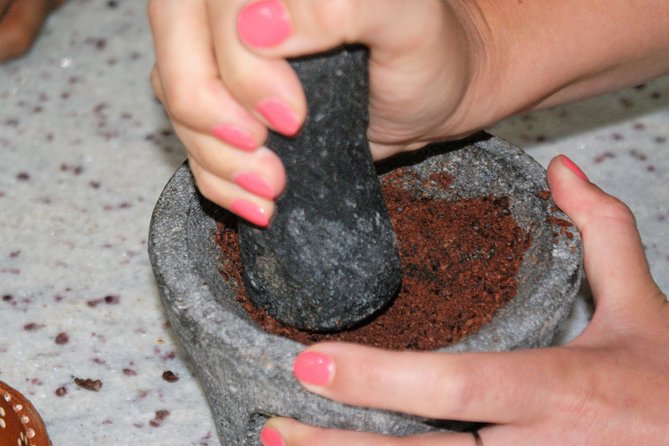
The class is built around tasting as well as listening. You may roast cacao beans, shell them, make tea from the shells, and prepare hot cocoa with the bean. The drinks show how cacao can taste before it becomes the familiar candy-bar flavor.
You also taste different chocolate products and drinks linked to the historical development of chocolate. This is useful because it separates cacao from the very sweet chocolate most people know. You get a better sense of the bean itself, along with the changes caused by roasting, grinding, mixing, and adding sugar or other ingredients.
Bring a little patience to the tasting pace. One suggestion has been to offer water between samples to cleanse the palate. Water is not listed among the included items, so if you care about tasting one sample clearly after another, it is sensible to ask about it or carry your own bottle if permitted.
The tasting is also where the $62.90 price begins to make more sense. You are paying for instruction, ingredients, several tasting steps, and the making session, not just a single cup of hot chocolate. It is still a substantial price for a two-hour activity, but the take-home chocolate and cultural lesson add value.
Making your own bars to take home
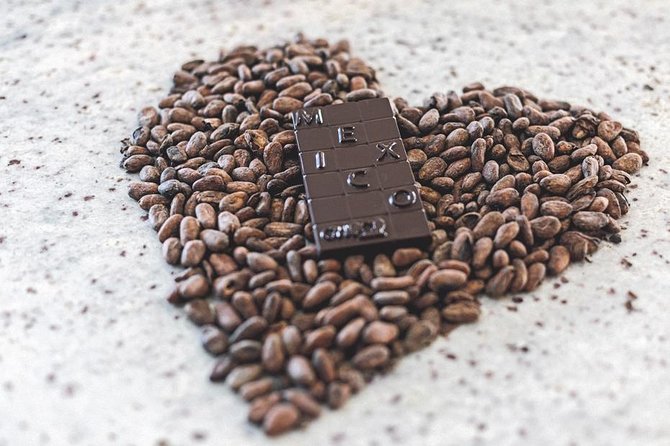
The hands-on finish is the part most likely to please children and anyone who likes to personalize food. You create chocolate molds and choose your own mix of spices, toppings, and other ingredients. The result is not a factory-made souvenir. It reflects your choices, even if the class provides the base chocolate and decorating supplies.
You should expect practical participation rather than a professional chocolatier course. The workshop teaches the basics of the bean-to-bar process and lets you work with chocolate under guidance. It does not promise advanced pastry skills, tempering techniques, or a certificate.
That distinction helps set expectations. If you want a serious culinary qualification, this is not the right activity. If you want to understand cacao, taste several forms, and make something you can carry back to your hotel or home, it fits nicely into an afternoon in Puerto Vallarta.
The class includes cocoa beans, chocolate, and toppings. Your apron and hat are supplied for the duration of the workshop. The chocolate you make is yours to take with you, though you should handle it with care in Puerto Vallarta’s warm weather.
More Bean-to-Bar Chocolate Tours in Mexico:
- 1.5h Belgian Chocolate Workshop in Brussels (bean to bar)
★ 4.5 · 462 reviews - Bean to Bar Chocolate Workshop in Barcelona
★ 5.0 · 172 reviews - Project Chocolat Bean to Bar Experience from Hotel Chocolat
★ 4.5 · 107 reviews - Puerto Viejo hands on chocolate making class. From bean to bar, get chocolatey!
★ 5.0 · 90 reviews
Why the cultural lesson is worth your time
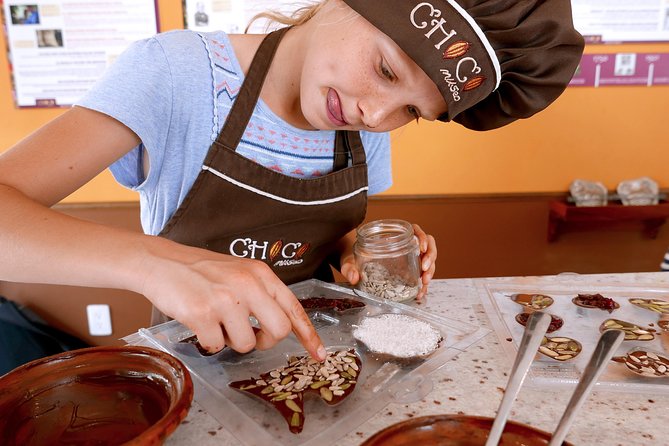
Puerto Vallarta offers plenty of food experiences, but this one gives you a clear link between a local museum setting and Mexican history. The focus on the Olmecs, Maya, and Aztecs helps explain why cacao matters in Mexico long before modern chocolate shops and tourist tastings.
The lesson also gives you a better reason to pay attention to flavor. Once you understand that cacao begins as a bean and changes through roasting and preparation, a tasting becomes more than a series of sweets. You start noticing the difference between the bean, the shell, the drink, and the finished bar.
I would give this class extra credit for making history accessible. The strongest instructors use jokes, samples, and simple demonstrations rather than turning the session into a lecture. That approach works well for mixed groups, where adults may want cultural detail and children may need something to do with their hands.
Families, older adults, and accessibility
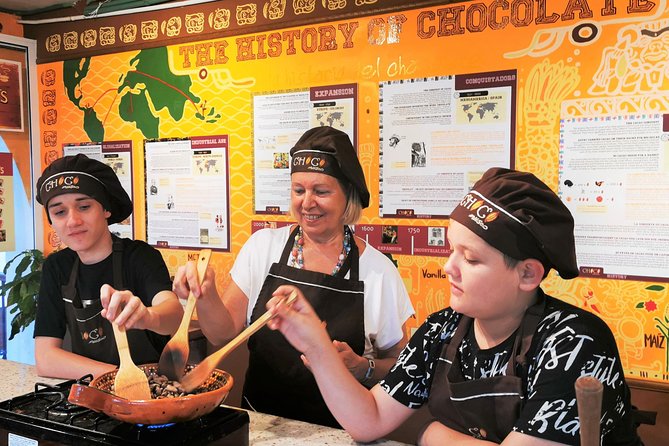
The activity is open to everyone age five and older. It has worked well for families with young children, and the practical stages help hold attention better than a talk alone. A five-year-old has taken part successfully, while older children can follow the history and make more deliberate flavor choices.
Service animals are allowed, and most people can participate. The workshop room is upstairs, with handrails on the stairs. Seating is on counter-height stools, which may be uncomfortable for some people during a two-hour class.
One family attended with a ninety-one-year-old person using a walker and an adult with significant hearing, vision, developmental, and mobility needs. They reported being able to take part, with the handrails and air conditioning helping. Still, that experience should not replace a direct accessibility check for your own needs.
The room’s temperature deserves a practical note. Puerto Vallarta’s heat can be intense, and one disappointing visit involved a hot room before the class began. The provider explained that air conditioning is turned on one hour before the workshop and remains on during the activity. If cooling is essential for you, confirm the current arrangement when booking.
Is $62.90 a fair price?
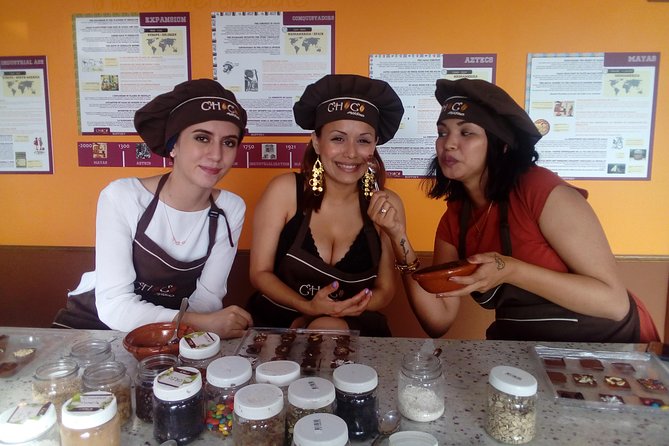
At $62.90 per person, this is not a bargain snack stop. You can buy chocolate for much less in Puerto Vallarta. The value comes from the combination of a guided museum lesson, historical context, tastings, ingredients, equipment, and a custom take-home product.
I think the price works best for families and couples who want an organized activity lasting about two hours. It also makes sense during a hot afternoon, when a structured indoor class can be easier than walking around town. For a solo visitor interested in food history, the fee is harder to justify unless you place real value on the guided instruction and hands-on work.
The small group improves the calculation. You have more room to ask questions and work with the ingredients than you would in a large demonstration. The experience is also offered in English, which makes the historical explanations easier to follow for English-speaking visitors.
Tips are not included. If you enjoyed the workshop, a customary tip of 15 to 20 percent for the teacher is suggested. Plan for that extra cost if you want to thank the instructor in the usual way.
Timing, booking, and cancellation
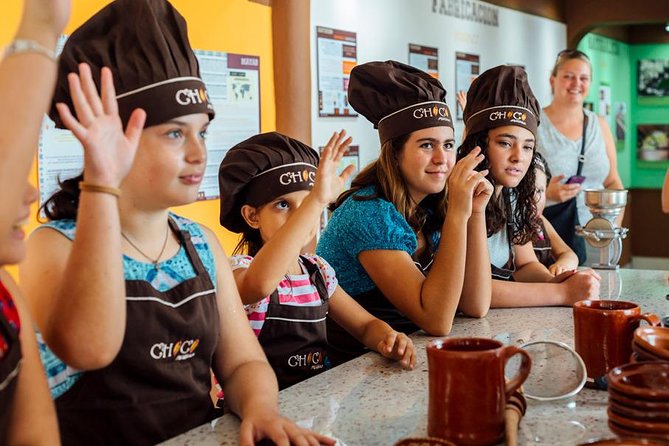
The class lasts about two hours, and it is commonly booked around 20 days ahead. That advance pattern suggests that you should not leave it until the last afternoon of a busy Puerto Vallarta visit, especially if you need a particular time.
You receive confirmation when booking, and the ticket is mobile, so you do not need a printed voucher. The meeting point and ending point are both ChocoMuseo Puerto Vallarta, but your own transportation is up to you.
Cancellation is free up to 24 hours before the start time for a full refund. Inside that 24-hour window, the payment is not refunded, and changes are not accepted. The cut-off follows local Puerto Vallarta time.
Who should book this chocolate workshop?
I would choose this for families with children age five and older, couples looking for a relaxed afternoon activity, and anyone who likes food with a cultural story attached. It is also a good choice if you want something more active than a standard museum visit but less demanding than a full cooking class.
You may want to skip it if you dislike group instruction, cannot sit on a counter-height stool, or are looking for advanced chocolate-making skills. The class is designed for participation and enjoyment, not professional training.
My verdict on the ChocoMuseo workshop
I would book this Bean to Bar Chocolate Workshop if you want a friendly, two-hour introduction to cacao with a souvenir you make yourself. The best reasons to go are the small group, the mix of history and tasting, and the instructors’ ability to keep both adults and children involved.
Before paying, consider the $62.90 cost, the separate transportation, the optional teacher tip, and your comfort with upstairs seating. If those points work for you, this is a smart Puerto Vallarta activity for a warm afternoon, especially when your family wants to learn, taste, and make something together.
FAQ
Where does the chocolate workshop take place?
The workshop takes place at ChocoMuseo Puerto Vallarta, Josefa Ortiz de Domínguez 128, Centro, 48300 Puerto Vallarta, Jalisco, Mexico.
How long does the activity last?
The activity lasts approximately two hours.
What age can children be?
The workshop is open to everyone age five and older.
Is the workshop offered in English?
Yes. The activity is offered in English.
What is included in the price?
The price includes a guide within the museum, cocoa beans, chocolate, toppings, an apron, and a hat for the duration of the workshop.
Is transportation included?
No. Transportation to and from ChocoMuseo Puerto Vallarta is not included.
How many people can join?
The listed maximum is eight participants.
Can I cancel for a full refund?
Yes, if you cancel at least 24 hours before the experience begins. Cancellations made within 24 hours are not refunded, and changes within that period are not accepted.
Newest chocolate tours around Mexico
- Art Workshops and Chocolate Shops Tour in Oaxaca★ 5.0 · 4 reviews
- Oaxaca: Chocolate and Ancestral Drinks Tour★ 4.5 · 13 reviews
- Magic Teotihuacan and Chocolate★ 5.0 · 4 reviews
- Cacao Chronicles: A Mexican Chocolate Tasting★ 5.0 · 14 reviews
- Bean to Beverage: Roast and grind cacao into chocolate★ 5.0 · 7 reviews
- Chocolate Tasting & mayan Presentation★ 4.5 · 20 reviews
- Cozumel: Chocolate Workshop at The Mayan Cacao Company★ 4.8 · 41 reviews
- Private Tour Uxmal Ruins and Chocolate Museum plus Cenote★ 5.0 · 43 reviews
Bean-to-Bar Chocolate Tours, compared.
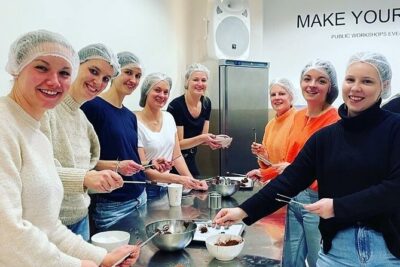
1.5h Belgian Chocolate Workshop in Brussels (bean to bar)
Read our review →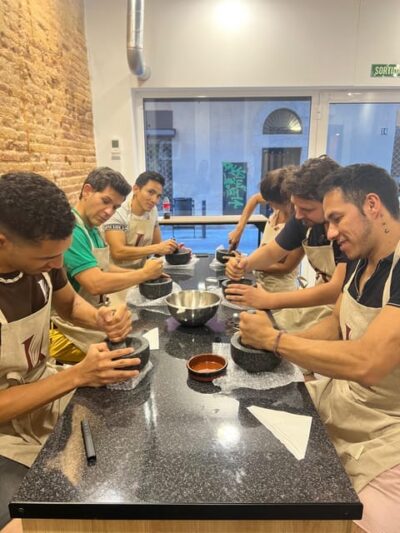
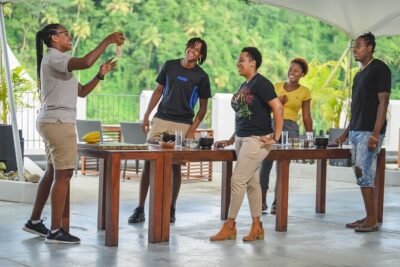
Project Chocolat Bean to Bar Experience from Hotel Chocolat
Read our review →
Puerto Viejo hands on chocolate making class. From bean to bar, get chocolatey!
Read our review →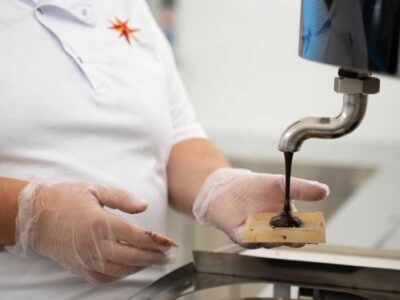
Chocolatier for a day: raw bean to bar chocolate in Modica
Read our review →
Browse the lists this tour appears in