
Review · BEAN-TO-BAR CHOCOLATE TOURS
Bean to Bar Chocolate Workshop in Barcelona
The best part of this Barcelona workshop is that chocolate starts as a rough, bitter cocoa bean, not a glossy sweet bar. At Kina Chocolates, you roast, peel, grind, and taste the bean yourself before making a bar to take home. I like the hands-on work and the way guides such as Oscar, Renée, and Franklin connect the process to cacao farmers and ancient chocolate traditions.
I also like the small size, limited to eight people, which leaves room for questions and tasting. The $47 price is fair for two hours of instruction, samples, drinks, equipment, and a take-home bar. The main thing to consider is that this is as much a lesson and tasting as it is a make-your-own class. You take part in key steps, but you are not independently producing every stage of a finished chocolate bar.
Key points to know
- Roast and grind real cocoa beans: You handle the beans yourself and turn them into cocoa paste.
- Taste beyond ordinary chocolate: The workshop includes cocoa-based drinks and samples from beans grown in different climates.
- Small groups matter: With no more than eight people, the guide can answer questions and adjust the pace.
- Take home your own bar: You make a chocolate bar during the session and receive a personalized certificate.
- Good for older children: Adults and teenagers can join, and families with children around 10 or 11 have found the format workable.
- A thoughtful bean-to-bar focus: The discussion includes traceability, cacao-growing communities, and fair treatment for farmers.
Starting with a cocoa pod at Kina Chocolates
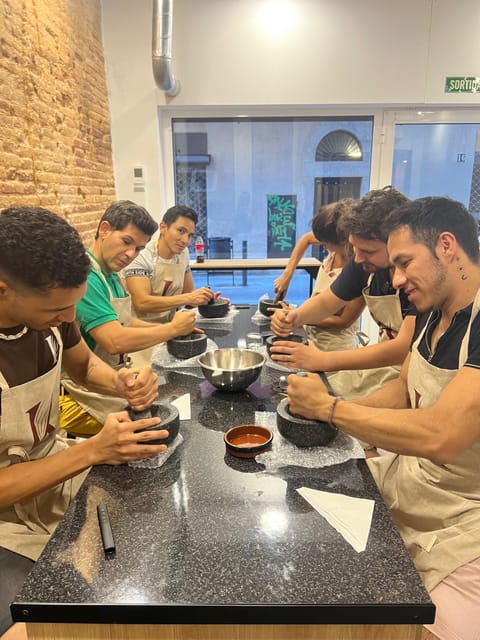
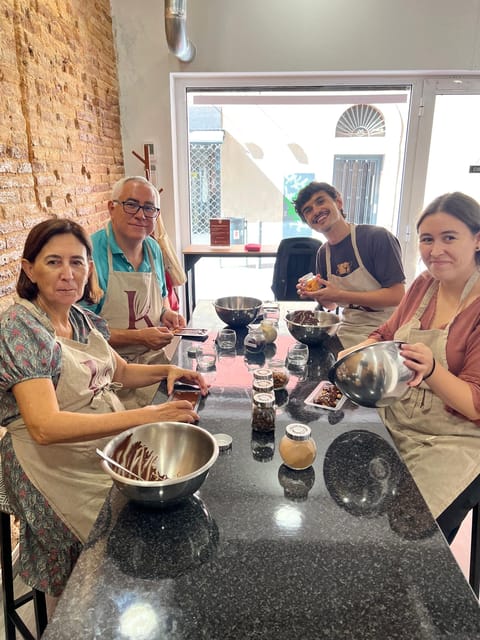
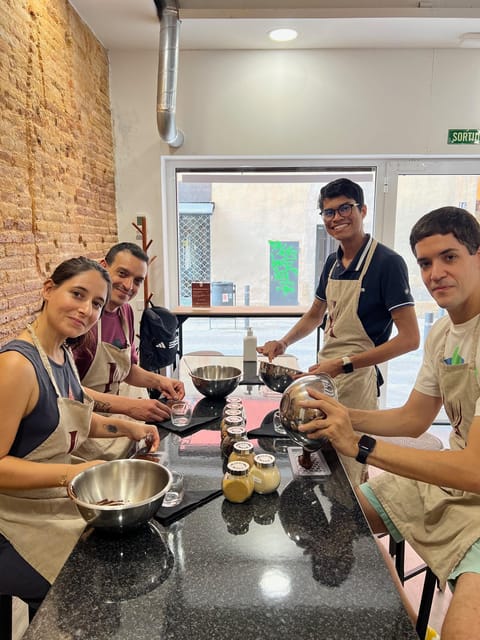
The workshop takes place at Local Kina Chocolates, a small artisan chocolate shop in Barcelona. Do not expect a factory tour or a large cooking school. The setting is intimate, which suits the subject: you are close to the ingredients, tools, and finished chocolate.
The session begins with the cocoa plant and the pod itself. You learn how cacao is grown and what happens in the fields before the beans ever reach a chocolate maker. That early context is useful because most of us meet chocolate only at the end of the chain, wrapped in paper on a shop shelf.
The guide also places chocolate in its older cultural setting. You hear about how cocoa was used in ancient times, how it changed over the centuries, and how people consume it today. This is not just filler before the practical work. It explains why cocoa has been treated as a drink, food, ingredient, and valuable crop in different places and periods.
The teaching style is a major part of the experience. Oscar is often praised for his enthusiasm and storytelling, while Renée is known for a friendly, clear approach. Franklin has also led sessions, answering questions and keeping the material lively. Since the instructor may vary, the names are useful to know, but the common thread is a guide who is eager to explain the subject rather than rush you through a recipe.
More Bean-to-Bar Chocolate Tours in Spain:
- 1.5h Belgian Chocolate Workshop in Brussels (bean to bar)
★ 4.5 · 462 reviews - Bean to Bar Chocolate Workshop in Puerto Vallarta
★ 5.0 · 381 reviews - Project Chocolat Bean to Bar Experience from Hotel Chocolat
★ 4.5 · 107 reviews
Roasting, peeling, and grinding the beans
The most memorable part comes when you handle cocoa in its less polished form. You roast the beans, peel away their shells, and grind what remains. The work gives you a clear sense of how much effort sits behind a small chocolate bar.
Roasting changes the smell and flavor, so this stage also becomes a lesson in tasting. You get to notice the difference between a raw or lightly processed bean and one that has been roasted. The beans are not immediately sweet. They can be bitter, earthy, sharp, or surprisingly fragrant.
After peeling, you work with the cocoa nibs. These are the useful pieces inside the shell, and grinding them produces a cocoa paste. This is where the workshop earns its name. You are not simply dipping sweets or decorating a pre-made chocolate bar. You see the ingredient change under your hands.
The process is practical, but do not picture two hours of solitary kitchen work. The guide demonstrates the stages, gives you the tools, and explains what is happening as you participate. One useful expectation is that the workshop is partly guided demonstration and partly hands-on activity. That balance lets you learn the full chain without requiring advanced cooking skills.
The work can also be messy. An apron and hat are provided, which helps, but cocoa is a working ingredient rather than a perfectly tidy craft material. I would wear comfortable clothes and avoid bringing anything you need to keep pristine.
Tasting cacao in drinks and chocolate samples
The workshop expands beyond solid chocolate. You prepare several cocoa-based drinks and taste different forms of the bean. The exact selection can vary, but the experience has included two drinks made from cocoa ingredients and chocolate samples from beans grown in different climates.
That comparison is important. Cocoa does not taste identical everywhere, and the growing region affects the character of the bean. You learn to notice flavor rather than treating all chocolate as one category. You may also try cocoa nibs, cocoa shell tea, or other bean products as part of the session.
This is a good place to slow down. Instead of eating a sweet square quickly, you are asked to pay attention to aroma, bitterness, texture, and aftertaste. The result is a more useful understanding of why well-made chocolate can taste different from one batch to another.
The tasting also shows how many products can come from cocoa. The bean is not limited to a candy bar. Drinks, nibs, shells, cocoa paste, and finished chocolate each offer a different experience. This variety is one reason the class works well for curious teenagers and adults who already think they know chocolate.
One caution: the focus is on learning and tasting, not on an unlimited food spread. If you are expecting a large dessert tasting or a full meal, this is the wrong type of activity. It is a compact educational workshop with food samples built into the lesson.
Making your own bar to take home
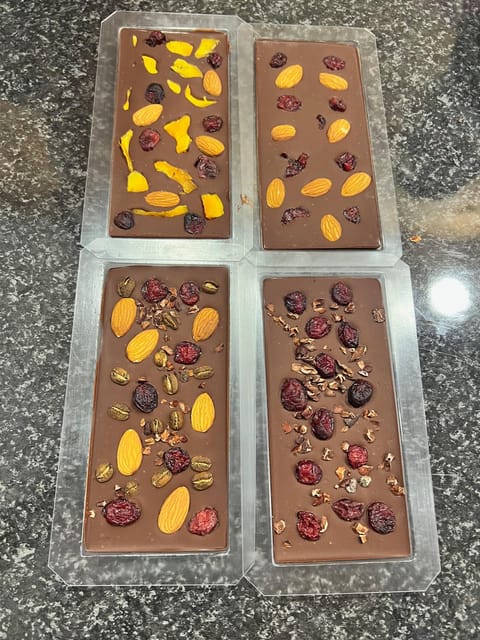
Near the end, you make your own chocolate bar. This gives the class a clear payoff, and it turns an abstract lesson into something personal. You leave with a bar you helped create, rather than only a certificate or a handful of samples.
The bar is not necessarily the result of you completing every industrial step from cocoa pod to packaged chocolate. Chocolate-making involves stages such as roasting, grinding, mixing, and careful temperature control, and a two-hour class cannot reproduce a full commercial production line. The value is that you take part in the essential early stages and then create your own finished piece under guidance.
Barcelona’s heat is worth keeping in mind. One participant found that the warm weather affected the bar on the way home. If you plan to carry it around for hours, handle it carefully and keep it out of direct sun. The chocolate is a souvenir, but it is also a perishable one.
You receive an apron and hat during the workshop, plus a personalized certificate and a written summary of what you learned. The summary is useful after the session because the process includes many new terms and stages. It also helps you remember the difference between a cocoa bean, nib, shell, paste, drink, and finished bar.
The shop itself sells finished chocolate and cocoa products, so you may be tempted to buy more before leaving. That is optional. The workshop is not simply a sales pitch, and the experience centers on the process rather than pressuring you to purchase.
More Chocolate Making Workshops in Spain:
- Vienna: Chocolate Workshop in Chocolate Museum w/ Tasting
★ 4.5 · 1,802 reviews - Brussels: Belgian Chocolate Making Workshop with Tastings
★ 4.7 · 1,629 reviews - Brussels: 2.5-Hour Belgian Chocolate Making Workshop
★ 4.8 · 933 reviews - Belgian Chocolate Workshop in Bruges
★ 5.0 · 660 reviews
What the bean-to-bar lesson adds
The phrase bean to bar can sound like marketing shorthand, but here it describes a real attempt to show the path from crop to chocolate. You learn about cultivation, fermentation and production, traceability, and the work done by farming communities.
That matters because the retail bar hides the labor behind it. The workshop gives you a chance to think about who grows cacao, how beans move through the supply chain, and why fair treatment of producers matters. The discussion of local cocoa-producing communities adds a social side that many chocolate tastings skip.
You also gain a sharper eye for ingredients. Good chocolate is not just about sweetness. The type of bean, its origin, roasting, processing, and added sugar all shape the final result. One lesson repeated through the tasting is that a chocolate maker does not need to bury good cocoa under excessive sugar and flavorings.
I like this part because it makes the activity useful beyond Barcelona. Afterward, you can read a chocolate label with more interest and perhaps notice when a bar gives clear information about its origin and ingredients. It is a small but practical lesson in food production.
Why the small group and guides matter
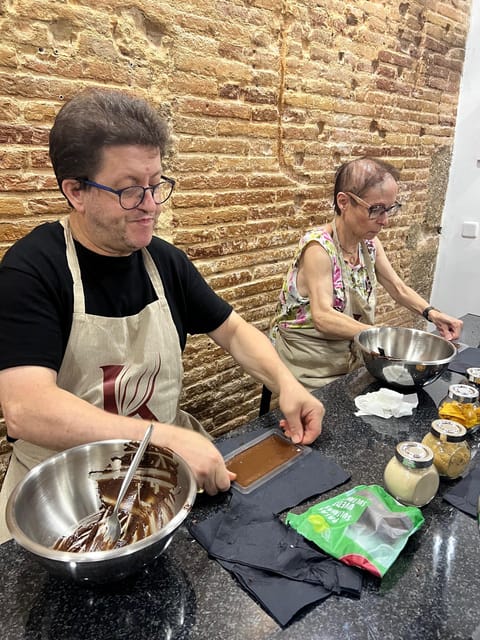
A group of eight is a strong fit for this type of class. Everyone needs room to handle ingredients, observe a demonstration, taste samples, and ask questions. In a larger group, the practical stages could become a distant show. Here, the limited size supports participation.
The instructors also shape the tone. Oscar is described as playful, passionate, and happy to answer detailed questions. Renée brings energy and clear explanations, while Franklin has been praised for his calm, engaging way of discussing the subject. Some sessions include humor and small surprises, which can help keep younger participants interested.
The guides speak Spanish and English. Some material may be shown in its original language, so you should be comfortable following a bilingual setting if needed. The listed instruction languages make the class accessible to English-speaking visitors, but the shop remains connected to its local Spanish setting.
The workshop is wheelchair accessible. If you have allergies or food intolerances, tell the provider in advance so the activity can be adapted. That is especially important in a tasting class where you may encounter several cocoa products and drinks.
Is $47 a fair price?
At $47 per person, this is not the cheapest chocolate tasting in Barcelona. You are paying more than you would for a simple shop visit and a few samples. The better comparison is with a short cooking class or a guided food workshop.
The price includes two hours, all materials and utensils, an apron and hat, the cocoa products used in the session, your own chocolate bar, a certificate, and a workshop summary. You also get direct instruction in a group capped at eight people. Those details make the cost reasonable if you value participation and explanation rather than just eating chocolate.
The value is strongest for people who want to understand how cocoa changes at every stage. If you only want a sweet treat, buying a bar at the shop will cost less and take less time. If you enjoy food production, ethical sourcing, and tasting comparisons, the class gives you more to think about for the money.
The two-hour length is well judged. It is long enough to cover cultivation, history, processing, tasting, and bar making, but short enough to fit into a full day of sightseeing. It also makes a practical rainy-day activity, as long as you are not looking for a major attraction that fills half a day.
Who will enjoy this Barcelona workshop?
This is a strong choice for chocolate lovers, food-minded visitors, couples, families, and teenagers. It suits people who like to ask why a product tastes the way it does, not just people who want a quick photo with a finished dessert.
Families should note the age guidance in practice. The activity is listed for adults and teenagers, and families with children around 10 or 11 have found it enjoyable. A child who likes touching, tasting, and making things should do well. A very young child may find the explanations and careful tasting less engaging.
It also works for adults who are not already chocolate experts. You do not need prior cooking skill. The instructor leads each stage and explains the process in plain terms.
I would be less likely to recommend it to someone with a strict schedule, strong food allergies that cannot be accommodated, or no interest in tasting bitter and unsweetened cocoa. It is also not the right pick if you expect to make a large box of chocolates or choose from a long list of fillings.
Practical details before you book
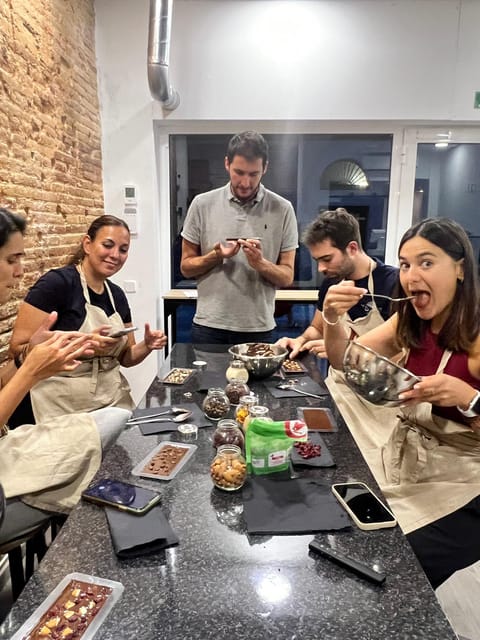
Set aside two hours at Local Kina Chocolates in Barcelona. Check the available starting time when booking, since the class schedule is not fixed in the basic description.
The workshop is available in Spanish and English, and the group is limited to eight people. Cancellation is free up to 24 hours before the start time, and you can reserve now and pay later, which helps if your Barcelona plans are still shifting.
Tell the provider about allergies or intolerances before arrival. Wear clothes that can tolerate a little cocoa dust or chocolate, even though an apron and hat are supplied. If you make purchases after class, remember that chocolate can soften in Barcelona’s heat.
Should you book the Kina Chocolates workshop?
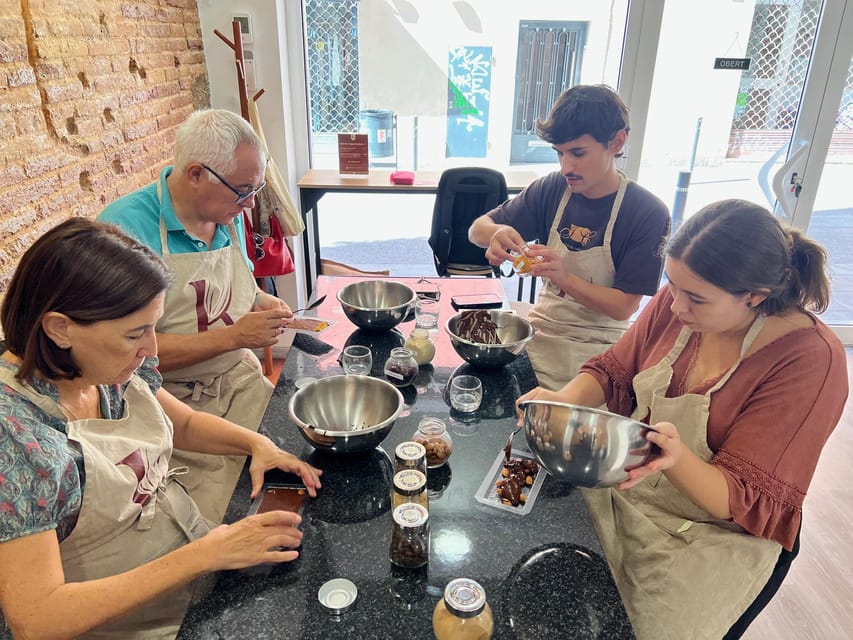
Book it if you want a real look at cocoa before it becomes candy. The roasting, peeling, grinding, drinks, regional tasting, and personal chocolate bar give the session more substance than a standard confectionery demonstration.
The strongest reasons to go are the small group, lively guides, and clear connection between chocolate flavor and cacao production. I especially like that the experience discusses farming communities and traceability instead of treating chocolate as only a sweet indulgence.
Skip it if you want a quick tasting, a large dessert selection, or a fully independent cooking class. For everyone else, $47 buys a thoughtful two-hour activity, a useful souvenir, and a better understanding of what is behind the bar in your hand.
FAQ
Where does the chocolate workshop take place?
The workshop takes place at Local Kina Chocolates in Barcelona, Catalonia, Spain.
How long does the activity last?
The workshop lasts two hours.
How much does the workshop cost?
The listed price is $47 per person.
What will I do during the workshop?
You learn about cacao cultivation and chocolate history, roast cocoa beans, peel them, grind them, make cocoa paste, prepare cocoa-based drinks, taste chocolate, and make a chocolate bar.
Do I get to take chocolate home?
Yes. You make one chocolate bar to take home with you.
Is the workshop offered in English?
Yes. Instruction is available in Spanish and English. Some content may be shown in its original language.
How many people can join the group?
The workshop is a small-group activity limited to eight participants.
Is the activity suitable for teenagers?
Yes. The workshop is designed for adults and teenagers. Families with children around 10 or 11 have also found the hands-on format suitable.
What is included in the price?
The price includes materials, utensils, an apron, a hat, a personalized completion certificate, and a summary of the workshop. You also make a chocolate bar to take home.
Is the workshop wheelchair accessible?
Yes, the activity is listed as wheelchair accessible.
What should I do if I have an allergy or intolerance?
Tell the provider about your allergies or intolerances in advance so the workshop can be adapted.
Can I cancel the booking?
Yes. You can cancel up to 24 hours in advance for a full refund.
Can I reserve without paying immediately?
Yes. The reserve-now, pay-later option lets you hold a place without paying at the time of booking.
Newest chocolate tours around Spain
- Barcelona: Delicious Chocolate walking tour★ 5.0 · 2 reviews
- Barcelona: Casa Batlló, La Pedrera, & Chocolate Tasting Tour★ 5.0 · 6 reviews
- Alicante: Guadalest Castle and Chocolate Factory★ 4.9 · 26 reviews
- Ancestral Cocoa Tasting in Ronda – Tree to Cup Experience★ 5.0 · 2 reviews
- Alicante: Chocolate and Nougat Tasting★ 4.5 · 12 reviews
- Barcelona: Experience the Best Churros with Hot Chocolate★ 4.6 · 47 reviews
- Chocolate & Churros Cooking Class in Madrid★ 5.0 · 54 reviews
- Barcelona: Casa Amatller Guided Visit with Chocolate Gift★ 4.9 · 60 reviews
Bean-to-Bar Chocolate Tours, compared.
1.5h Belgian Chocolate Workshop in Brussels (bean to bar)
Read our review →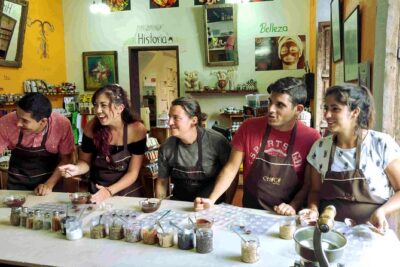
Bean to Bar Chocolate Workshop in Puerto Vallarta
Read our review →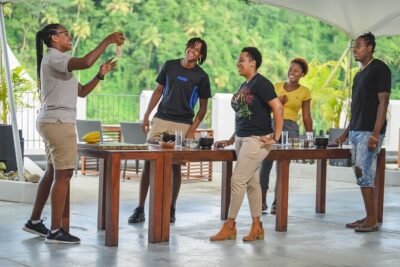
Project Chocolat Bean to Bar Experience from Hotel Chocolat
Read our review →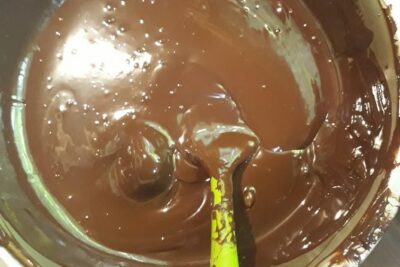
Puerto Viejo hands on chocolate making class. From bean to bar, get chocolatey!
Read our review →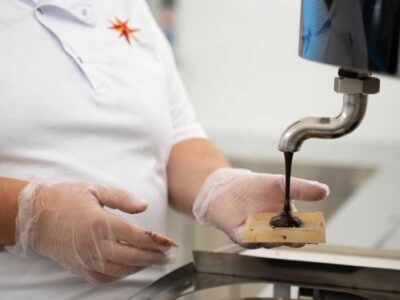
Chocolatier for a day: raw bean to bar chocolate in Modica
Read our review →
Browse the lists this tour appears in