
Review · CHOCOLATE MAKING WORKSHOPS
1 Hour Oaxacan Chocolate Making Class with Mole-making and Drinks
The best part of this Oaxaca class is that you do not just taste chocolate, you help turn cacao beans into chocolate. You toast the beans, grind them, shape bars, then use that chocolate in a simple mole and a hot drink.
I like the hands-on format and the clear link between chocolate and everyday life in small Mexican communities. I also like the compact one-hour schedule, which fits neatly into an afternoon in Oaxaca. The main drawback is the short running time: you get a focused introduction, not a full cooking course, and the non-refundable booking policy calls for care before you commit.
Key points
- Toast and grind cacao yourself: You handle the main steps behind traditional chocolate making.
- Use your chocolate in mole: Dry chiles, bread, and chocolate come together in a simple Mexican sauce.
- Finish with a hot drink: The class includes chocolate mixed with water or milk.
- Learn the cultural role of cacao: The guide explains chocolate’s importance in Mexico and in small communities.
- Meet at Casa Crespo at 3 p.m.: The class begins and ends at Reforma 808 in central Oaxaca.
- Small group limit: No more than 14 people can join, with instruction offered in English.
Turning Cacao Beans Into Chocolate in One Hour
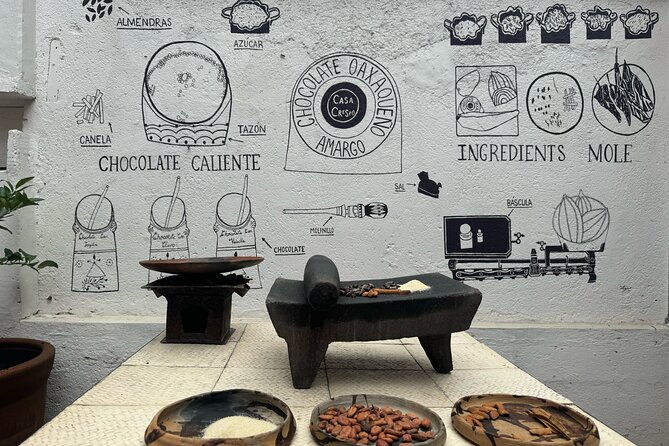
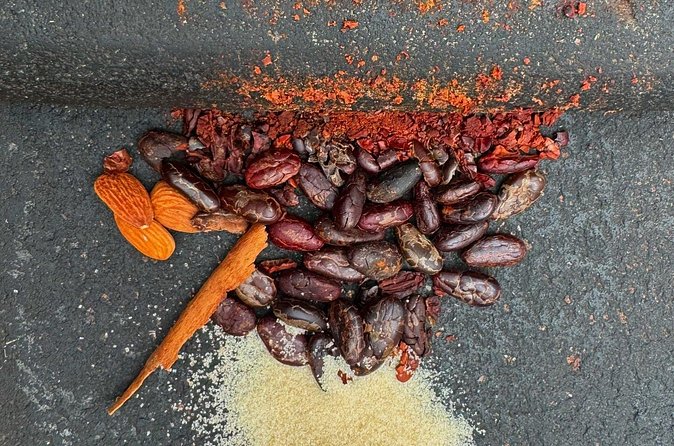
This class starts with the raw material, cacao beans. Rather than treating chocolate as a finished sweet, the session shows you the work behind it. You toast the beans, grind them, and make chocolate bars with the result.
That order matters. You can see how heat changes the beans, then feel the effort needed to grind them into a usable mixture. The process gives you a better sense of chocolate as a prepared food, not simply a candy-shop purchase.
The guide also explains how chocolate is used in small communities and why it matters in Mexico. That cultural frame gives the practical work more meaning. You are not only following kitchen steps. You are learning why cacao belongs in drinks, sauces, and family food traditions.
The guide leads the activity in English, which makes the class a practical choice if you want instruction without a language barrier. No individual guide name is provided, but the session includes a licensed guide rather than a self-led demonstration.
More Chocolate Making Workshops in Mexico
- Bean to Bar Chocolate Workshop in Puerto Vallarta
★ 5.0 · 381 reviews - Chocolate Workshop
★ 5.0 · 92 reviews - Make Your Own Chocolate with Oaxacan Tradition Private Class
★ 5.0 · 45 reviews
Toasting, Grinding, and Shaping Your Bars
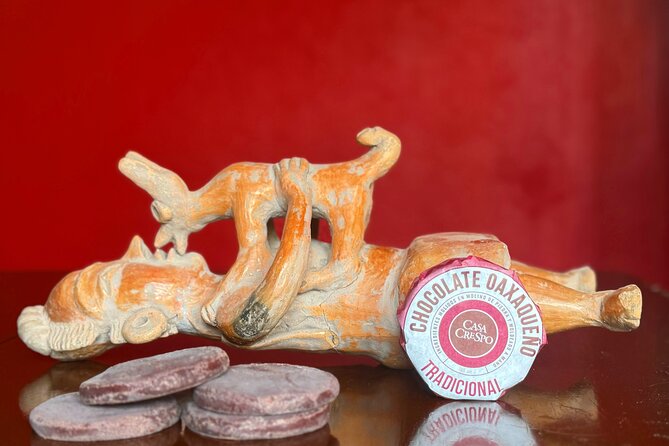
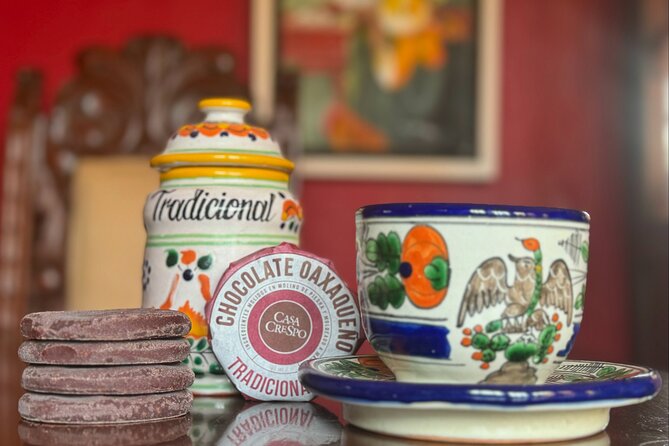
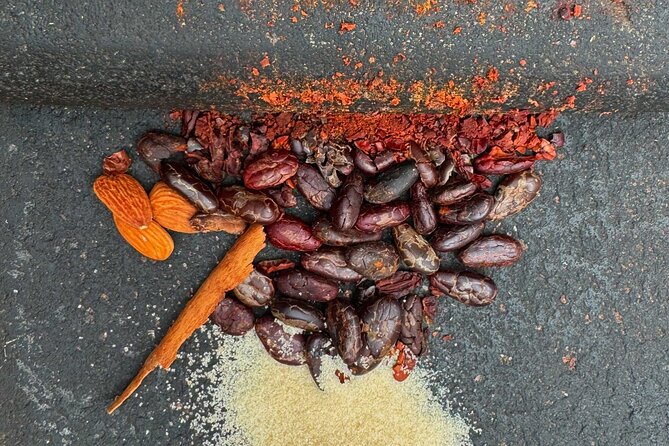
The cacao portion is the heart of the class. You toast the beans, grind them, and form chocolate bars that become ingredients for the next stages.
I like this structure because each task leads directly to the next one. You do not make something that sits unused. Your chocolate becomes part of the mole and the hot chocolate, so the lesson has a clear beginning and end.
Grinding can be the most work-intensive step, and the one-hour schedule means the class needs to keep moving. If you want a slow, highly detailed workshop with time for repeated attempts, this may feel brief. If you want a practical introduction that gets you involved quickly, the pace should suit you.
The class includes snacks, which adds a small comfort during the activity. The available details do not specify exactly which snacks are served, so you should not book this expecting a particular dish beyond the listed mole and chocolate drink.
Building a Simple Mole With Chiles and Chocolate
Next, the chocolate moves into savory cooking. The mole uses dry chiles, chocolate, bread, and other ingredients to create a simple sauce.
This is useful because mole can seem complicated when you encounter it on a restaurant menu. Here, you see one basic route into the flavor: chile brings depth and heat, while chocolate helps round the sauce. Bread contributes body. The result is not presented as a complete survey of Oaxaca’s many mole styles, but as an approachable introduction.
The word simple is important. Oaxaca has many mole traditions, and a one-hour class cannot cover every regional method or ingredient. You should see this as a hands-on sample of the idea, not a master class in every local sauce.
The class format also helps you understand why Mexican chocolate belongs in savory food. It is not used only for sweetness. In mole, it works as part of a wider blend of roasted, spicy, and earthy flavors.
Hot Chocolate, Served the Oaxacan Way
The listed dessert is hot chocolate, prepared with water or milk. That gives you a direct comparison between chocolate used in a savory mole and chocolate served as a drink.
The drink is a fitting finish because it returns cacao to a familiar form after you have worked with the beans. You make the chocolate first, then taste how it behaves when combined with liquid. The choice of water or milk may affect the final drink, but the available details do not say which option each class uses.
One account of the class also describes chocolate ice cream being served. Since the standard menu identifies hot chocolate, treat the hot drink as the dependable part of the plan. The ice cream may reflect a particular class service or menu variation, so do not book solely on the expectation of both desserts.
The meal portion can include mole served over chicken, followed by a chocolate dessert. That gives the class more substance than a quick tasting. Still, the official menu lists mole and hot chocolate rather than a guaranteed chicken course, so confirm current serving details if the meal matters to your plans.
Same city, a different tasting:
- Finca 18 Puerto Vallarta Tequila Tour + Chocolate Pairing
★ 5.0 · 393 reviews - Chocolate Tour in Vallarta
★ 5.0 · 226 reviews - Chocolate & Margarita Workshop
★ 5.0 · 207 reviews - Chocolate and truffles workshop
★ 5.0 · 157 reviews
A Short Class With a Clear Afternoon Slot
The class begins at 3 p.m. and lasts about one hour. That timing works well if you want a food activity after lunch without giving up the entire afternoon.
It also leaves room for an evening meal, a walk through central Oaxaca, or another scheduled activity. Because the class ends back at the meeting point, you do not need to arrange a separate return ride through the tour provider.
The meeting point is Casa Crespo, Reforma 808, on the Ruta Independencia in Centro, Oaxaca de Juárez. The location is near public transportation, which can help if you are staying outside the central area. Your confirmation arrives at booking, so check the meeting details before setting out.
The short length is both a strength and a limitation. I like it for a first introduction, especially if you are fitting several Oaxaca activities into one day. I would choose a longer class if your main goal is to learn recipes in enough detail to repeat them at home.
What the Rooftop Meal Adds
The food service can give the class a pleasant final lift. One described version ended with mole over chicken and chocolate ice cream on a rooftop patio with twinkling lights.
That setting makes the class feel more like a small evening meal than a bare cooking lesson. It also gives you time to taste the results after the practical work is finished.
Keep your expectations measured. The class is advertised at about one hour, so the full food service may be tightly timed or vary by the day. The reliable core is the chocolate work, mole preparation, snacks, and hot chocolate. The rooftop meal detail is appealing, but the available information does not establish a full fixed dinner menu for every booking.
Group Size, Language, and Personal Attention
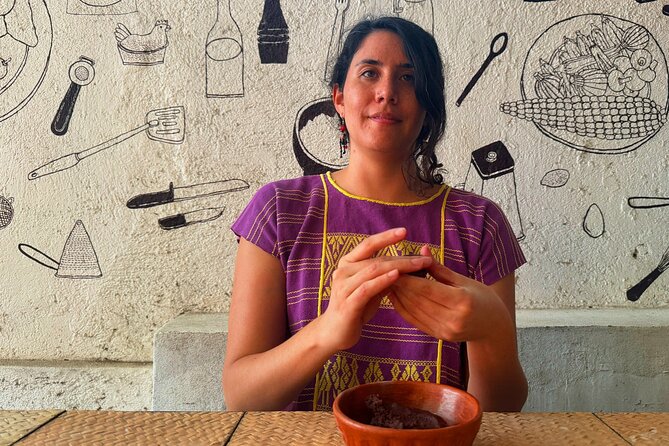
The maximum group size is 14 people. That is small enough for a shared class rather than a large demonstration, though it is not a private lesson.
A group of this size can work well for a hands-on activity. You should have the chance to follow along while the licensed guide explains the steps. The exact amount of individual help will depend on how many people attend and how the tasks are arranged.
Instruction is offered in English. That makes the class especially useful if you want to understand the explanation about cacao’s role in Mexico while also working with the ingredients.
Service animals are allowed, and the meeting point is near public transportation. Those details make the class easier to fit into a wider Oaxaca itinerary. The provided information does not give further accessibility details, so contact the provider directly if you need specific arrangements beyond service-animal access.
Is $40 a Fair Price?
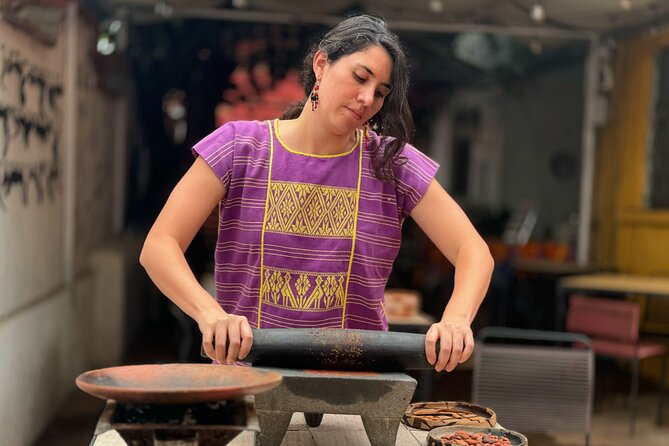
At $40 per person, the value depends on what you want from a food class. You receive a licensed guide, snacks, hands-on cacao work, a mole preparation, and a chocolate drink. For a compact cultural activity in central Oaxaca, that is a reasonable package.
The strongest value comes from participation. You are not paying only to watch someone make chocolate. You toast beans, grind them, and use the result in two different preparations. That makes the class more memorable than a basic tasting.
The price is less compelling if you expect a long lesson, a large meal, or several advanced recipes. The class lasts only about an hour, and the menu is focused. You are paying for a short introduction with food included, not a half-day culinary school.
I would call it good value for first-time visitors who want one practical taste of Oaxaca’s food culture. It is also a sensible pick for couples, families, and small groups who prefer a light activity over a lengthy cooking session.
Who Should Book This Chocolate Class?
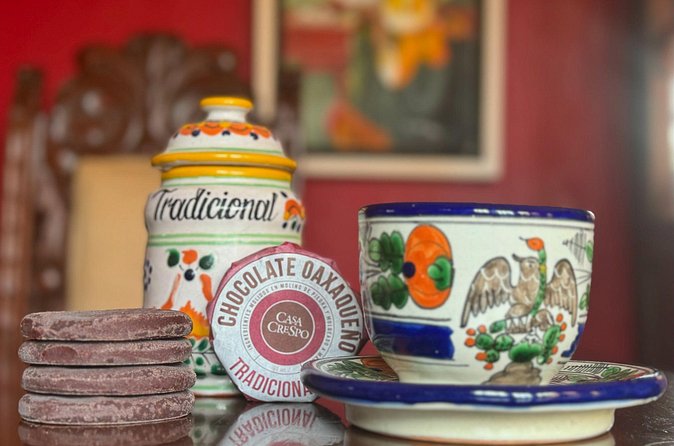
I would recommend it to you if you want to understand chocolate from the bean up, enjoy taking part in simple food preparation, or need an activity that fits between larger plans.
It also suits people who are curious about mole but unsure where to begin. You get to see chocolate used in a savory sauce rather than treating it only as dessert.
Families may appreciate the short format, though children’s suitability is not specifically stated. The class can also work for food-focused visitors who want context about Mexican ingredients without committing to a full-day course.
I would be more cautious if you need a guaranteed multi-course dinner, have a strict allergy concern, or want a detailed recipe workshop. The supplied menu gives only broad ingredients, and the cancellation terms are strict: the booking is non-refundable and cannot be changed for any reason.
My Booking Advice for Casa Crespo
I like this class because it connects three things in a neat sequence: cacao, mole, and hot chocolate. The work is active, the cultural explanation has a clear purpose, and the 3 p.m. start leaves the rest of your day open.
Book it if the one-hour format and $40 price match your plans. Before paying, make sure you are comfortable with the fixed booking terms and the focused menu. If you want an easy, English-language introduction to Mexican chocolate in central Oaxaca, this is a strong choice. If you want a long, recipe-heavy cooking school, choose something with more time.
FAQ
Where does the chocolate-making class begin?
The class begins at Casa Crespo, Reforma 808, Ruta Independencia, Centro, Oaxaca de Juárez, Oaxaca, Mexico.
What time does the class start?
The start time is 3 p.m.
How long does the experience last?
The class lasts approximately one hour.
Does the class end at the meeting point?
Yes. The activity ends back at Casa Crespo, the same place where it begins.
Is the class offered in English?
Yes. The experience is offered in English.
What will I make during the class?
You will toast and grind cacao beans, make chocolate bars, prepare a simple mole with dry chiles, chocolate, and bread, and make hot chocolate with water or milk.
Is food included?
Yes. Snacks are included, along with the mole and hot chocolate listed in the menu.
How many people can join the class?
The maximum group size is 14 people.
Is the booking refundable or changeable?
No. The experience is non-refundable and cannot be changed for any reason.
More One-Hour Experiences in Mexico
- Madrid: 1-Hour Segway Tour with Chocolate and Churros
★ 4.9 · 65 reviews - Brussels: 1h-Bean-to-Bar Chocolate Making Workshop
★ 4.8 · 26 reviews
Newest chocolate tours around Mexico
- Tulum: Chocolate & Honey Sanctuary Experience with Lunch★ 4.2 · 34 reviews
- Tulum: Chocolate & Honey Sanctuary Experience with Cenote★ 3.5 · 6 reviews
- Cultural Adventure: Artisanal Chocolates, Coffee and Doll Making★ 5.0 · 2 reviews
- Sayulita Magical Town Tour: Local food, and chocolate.★ 5.0 · 18 reviews
- Tarot Reading with Coffee & Chocolate or Smoothie★ 5.0 · 17 reviews
- Chocolate Macarons Workshop in Puerto Vallarta★ 5.0 · 5 reviews
- Private Make Your Own Chocolate Experience in Puerto Vallarta★ 5.0 · 8 reviews
- Amazing Walk through the Zapotec Mountains with Hot Chocolate★ 5.0 · 4 reviews
Chocolate Making Workshops, compared.
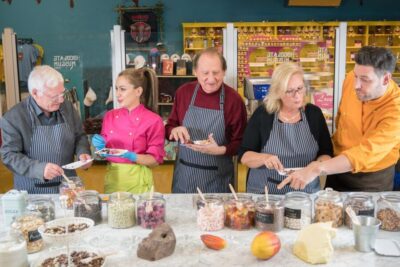
Chocolate Workshop in Chocolate Museum w/ Tasting
Read our review →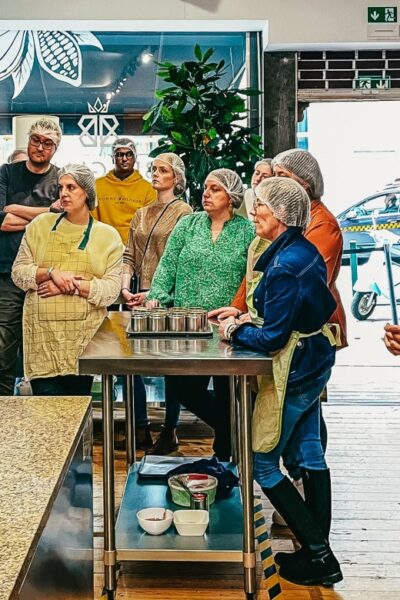
Belgian Chocolate Making Workshop with Tastings
Read our review →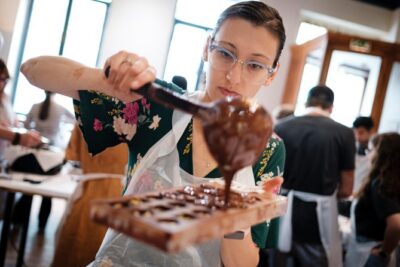
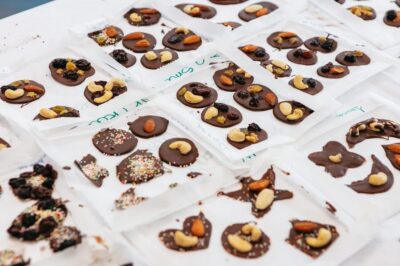
Belgian Praline and Mendiants Chocolate Workshop
Read our review →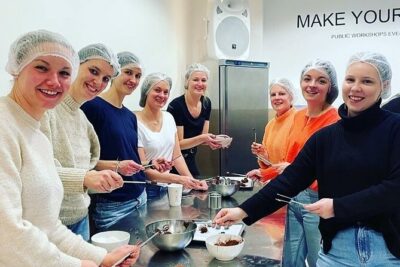
1.5h Belgian Chocolate Workshop in Brussels (bean to bar)
Read our review →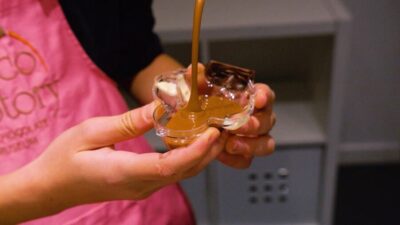
45-minute Chocolate Making Workshop at Choco-Story
Read our review →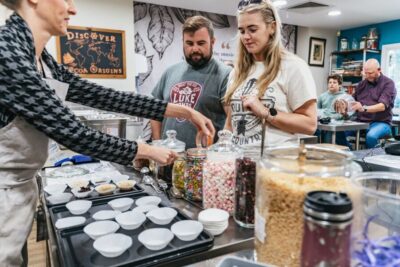
Chocolate Bar Making Workshop at York Cocoa Works
Read our review →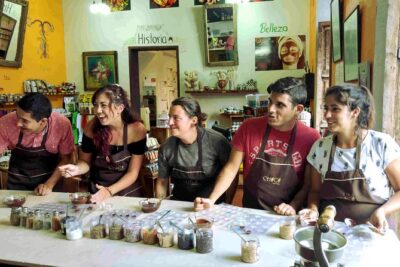
Bean to Bar Chocolate Workshop in Puerto Vallarta
Read our review →Browse the lists this tour appears in