
Review · HISTORICAL TOURS
Chocolate history workshop Ghent
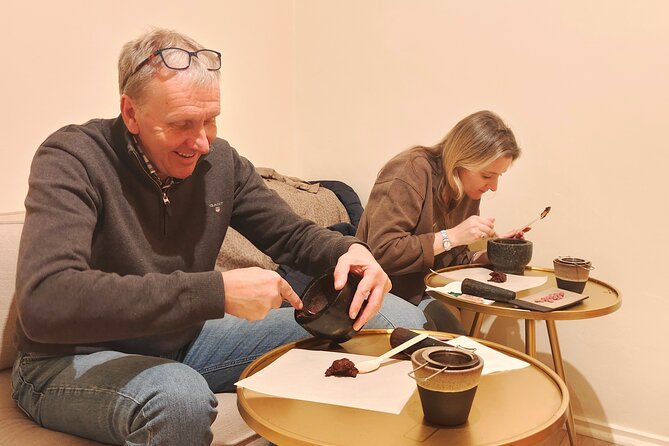
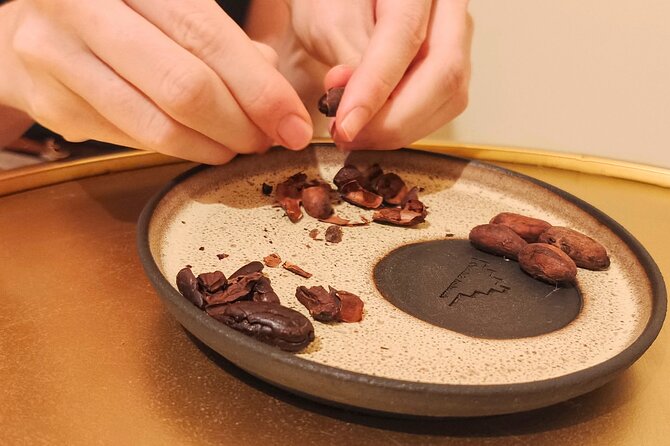
Chocolate here begins with a cacao bean, not a glossy shop display. In a 16th-century house near Ghent’s Castle of the Counts, you grind specialty cacao, shape your own bar, recreate an old hot chocolate, and taste chocolate as it changed from an ancient drink into the Belgian treats you know today.
I like the hands-on bean grinding, which shows you how much work sits behind a simple chocolate bar. I also like the tasting journey, especially the chance to try a 5,000-year-old chocolate drink and compare four bonbons from Belgian makers. The small group of six gives the chocolate expert room to answer questions.
The main consideration is that this is not a technical chocolate-making class. You will not learn tempering, melting, truffle work, or bonbon shaping. Grinding also calls for normal hand and wrist strength, and the shop is kept cool, around 18°C or lower.
Key points at a glance
- Start with cacao beans: Grind cacao yourself and turn it into a chocolate bar with sugar and technique.
- Travel through 5,000 years: The English-language talk links cacao to the Mayas, Aztecs, Martha Washington, Marie-Antoinette, and the first bonbon.
- Recreate a 17th-century drink: Adjust the chocolate, sugar, spices, and chili to your taste.
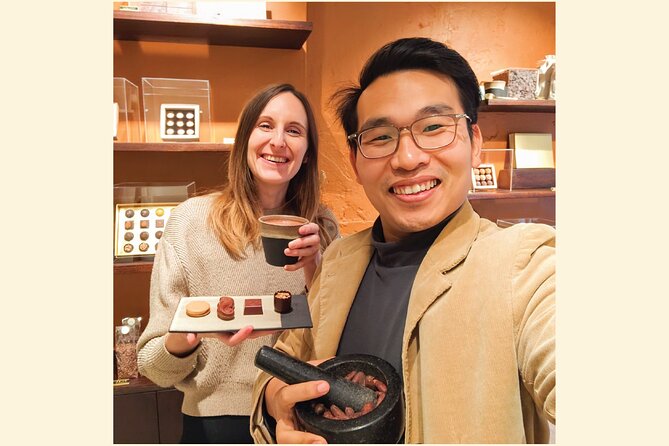
- Taste across Belgian chocolate: Finish with four bonbons from different Belgian chocolatiers, from classic to modern.
- Meet in an old Ghent house: Find Chocolade Ambassade near Gravensteen, in the tallest traditional Flemish stairs house.
- Plan it around sightseeing: Graslei, Korenlei, Patershol, the Castle of the Counts, and boat tours are all within about five minutes on foot.
A chocolate workshop beside Gravensteen
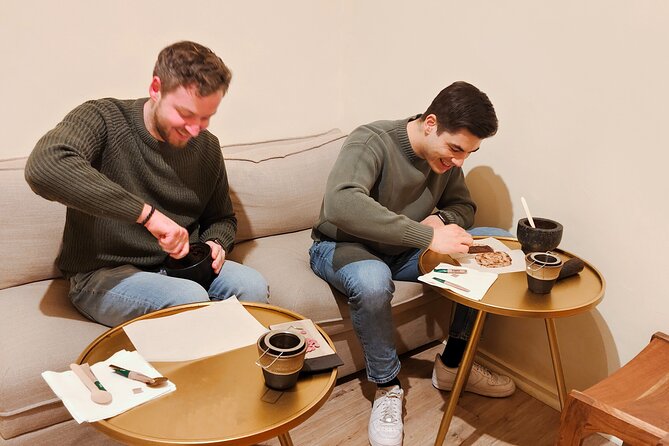
The setting gives this activity a useful sense of place before the tasting even starts. Chocolade Ambassade sits just around the corner from Gravensteen, Ghent’s Castle of the Counts, in one of the city’s oldest houses. The building dates from the 16th century, and the meeting point is easy to identify: look for the tallest traditional Flemish stairs house.
That location makes the workshop easy to fit into a day of sightseeing. You can visit the castle first, stop for chocolate, then walk toward Patershol or the Graslei and Korenlei. A boat tour also lies within roughly five minutes of the shop.
The workshop lasts 90 minutes. That is long enough for a proper tasting and a hands-on activity, but short enough to fit between major sights. I would avoid placing it immediately before a tightly timed reservation, since the session contains several stages and you will want time to finish your bar and ask questions.
The group is limited to six participants. That matters here. Grinding cacao and adjusting a recipe work better when the instructor can watch what you are doing rather than speak to a large room. The only listed teaching language is English.
More History Tours in Ghent:
- Chocolate history workshop Ghent
★ 5.0 · 34 reviews - Brussels: Historical Tour with Chocolate & Waffle Tasting
★ 4.8 · 1,206 reviews - Brussels: Historical Walking Tour with Chocolate & Waffle Tasting
★ 5.0 · 1,165 reviews
From cacao bean to homemade bar
The session opens with a short explanation of how chocolate is made from cacao. Then you begin the central activity: grinding cacao beans yourself.
This is the part that gives the workshop its strongest sense of purpose. A finished Belgian chocolate bar hides its starting point. Working from cacao beans makes the process physical and clear. You get a feel for the effort required before the mixture becomes a smooth, partly liquid chocolate emulsion.
The process uses a specialty variety of cacao beans. You make the bar from the beans, along with sugar and the techniques shown during the session. It is not a factory-style demonstration where you watch someone else do the work. Your own hands are involved from the beginning.
The activity does require normal strength in your hands and wrists. If you have reduced strength from rheumatism, arthritis, or a similar condition, grinding may be difficult. This is worth taking seriously, since it is the one part of the experience that cannot be replaced by simply watching.
You should also wear comfortable clothing. A small amount of chocolate may land on your clothes while you grind the beans. The shop stays at about 18°C or lower to protect the chocolate, so bring a sweater or light jacket if you tend to feel cold.
At the end, you can taste the bar or take it home to share. Taking it with you makes a nice practical finish, especially if you are still full from the tasting. You also get a clear reminder of what you made, rather than leaving with only a few samples.
A 5,000-year story told through tastes
While you work, the chocolate expert explains the product’s long story. The talk moves from the Mayas and Aztecs to European courts and historical figures such as Martha Washington and Marie-Antoinette.
The best part of this format is that the history arrives with something to taste. You are not asked to remember a string of dates while sitting still. Historical drinks and cacao products help show how the role of chocolate changed over time.
You will hear about chocolate’s early use as a drink, the idea of bloodstained lips, and the invention of the bonbon in a pharmacy. Those details give the talk some character. The subject is not treated as a simple tale of Belgian candy. It covers the strange, social, and sometimes unsettling ways chocolate was used and understood.
The historical material also helps explain why modern chocolate tastes the way it does. A chocolate bar is not just cacao and sugar. Its texture, sweetness, spices, and serving style reflect changes in trade, fashion, technology, and taste. The workshop connects those changes to the products on the table.
The session works best if you enjoy stories and tasting together. If you are looking only for advanced production skills, the history section may take more time than you want. For most people, though, it provides the context that turns a series of samples into a clear progression.
Recreating a 17th-century hot chocolate
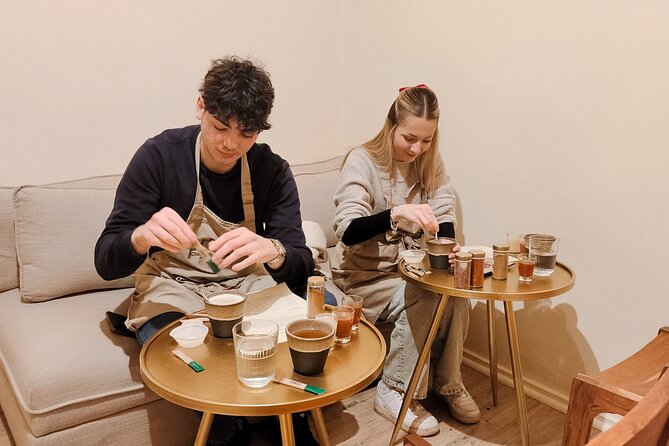
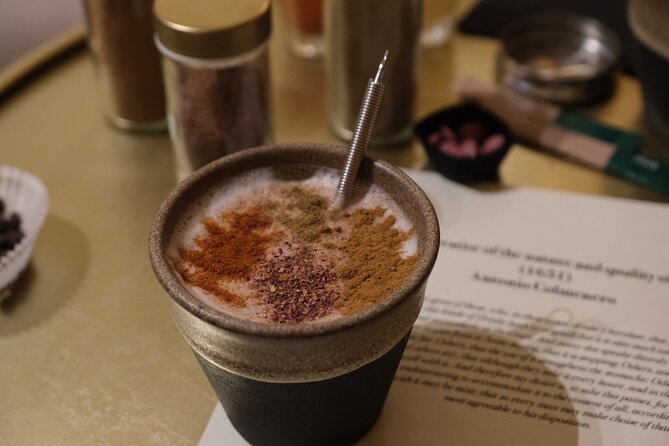
Once your own bar has been shaped, you make a hot chocolate based on a 17th-century recipe. This is more involved than ordering a sweet drink in a café. You choose how much chocolate, sugar, and spice to add.
Chili is part of the experiment, and the warning is worth following. It is more powerful than it may seem. Start cautiously, then add more if you want a sharper drink. The ability to adjust the recipe gives you a better sense of how personal and varied old chocolate drinks could be.
This stage also gives you a chance to compare your taste with the historical recipe. Modern hot chocolate is often expected to be smooth and sweet. Earlier versions could be spiced and less predictable. The recipe lets you see how much the drink depends on balance rather than on chocolate alone.
I consider this one of the most useful parts for anyone who normally thinks of chocolate as a solid treat. It shows that chocolate has long been a drink, a spice, a luxury, and a social product. You are not just told this. You make a version yourself.
More Chocolate Tours in Ghent:
- Ghent: Belgian Chocolate Walking Tour with Tastings
★ 4.9 · 259 reviews - Brussels: Bruges & Ghent Tour w/ Cruise & Chocolate Tasting
★ 4.2 · 144 reviews - Ghent: Famous Belgian Chocolate Walking Tour with Tastings
★ 5.0 · 131 reviews - A Taste of Ghent: Beer & Chocolate with storytelling by a local
★ 5.0 · 77 reviews
Four Belgian bonbons, from classic to modern
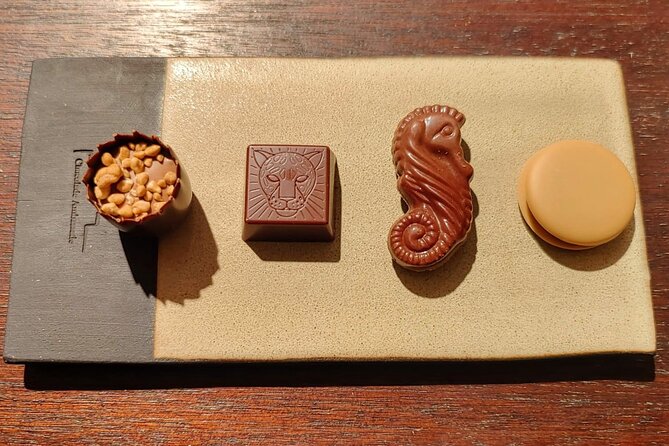
The final tasting focuses on four chocolate bonbons from different top Belgian chocolatiers. The selection ranges from traditional flavors to more modern styles.
You will also taste classic Belgian chocolate delicacies, including the well-known seashell shapes. These are familiar to many people who have bought Belgian chocolate before, but trying them alongside other bonbons gives you a point of comparison.
This is not a lesson in professional bonbon production. The organizers are clear that you will not practice tempering, melting, or shaping truffles and filled chocolates. Instead, the tasting helps you compare finished work from different makers.
That distinction is important when you decide if the price suits you. You are paying for a guided tasting, a history lesson, your own cacao bar, and the hot chocolate activity. You are not paying for a full pastry course with advanced equipment and production methods.
The tasting can also help if you want to buy chocolate later in Ghent but do not know where to start. Since the workshop takes place in a chocolate shop, you can browse and ask for suggestions based on the flavors you liked. Shopping is optional, with no obligation to buy.
Why the $81 price can make sense
At $81 per person, this is not a cheap chocolate snack. The value depends on how much you want from the experience.
If you simply want to eat Belgian chocolate, you can spend far less in Ghent. A shop visit will give you more choice and may let you buy several bars or bonbons for the same money. This workshop makes sense when you want the story, the hands-on work, and the chance to taste products in a guided order.
The small group strengthens the value. With only six participants, the instructor can explain the grinding process, discuss the cacao, and help you adjust the hot chocolate. That personal attention would be harder to provide in a large class.
You also receive several distinct elements:
- A chocolate bar made from cacao beans
- Belgian artisanal chocolates from different makers
- A hot chocolate based on the historical recipe
- Various cacao products and historical drinks
- Water and explanations from the chocolate expert
The workshop has earned a perfect 5.0 rating from 11 reviews, with repeated praise for the balance of facts, tasting, and making. The most consistent strength is the presentation. People describe the host as enthusiastic, friendly, and engaging, and they especially like the way the information is broken up by practical tasks and samples.
One detailed impression focuses on the change from a bean, sugar, and technique into a partly liquid chocolate mixture. That is exactly the sort of small physical detail that makes the $81 easier to justify. You leave with a better idea of what chocolate production involves, not just a bag of sweets.
Who will enjoy this most
This workshop suits adults and children aged 12 and older who enjoy food with a story. It works well for couples, families with older children, and small groups looking for an activity between Ghent’s major sights.
It is also a good match for serious dark chocolate fans. You control the sweetness of your own bar and hot chocolate, and the session includes different cacao products rather than one uniformly sweet tasting.
Families should note the minimum age. Children under 12 cannot take part. The hand grinding also means that the activity is not passive entertainment. Everyone should be ready to use their hands and pay attention to the instructions.
I would choose this for someone curious about origins, flavor, and food traditions. I would not choose it for someone who wants a professional chocolate course, a large amount of chocolate to take home, or a lesson devoted to tempering and bonbon design.
The cool shop temperature is another small but real factor. Bring a light layer if you are sensitive to cold. You may also want to wear clothes that can tolerate a little chocolate dust or splatter.
The best time to fit it into Ghent
The central location makes timing flexible. A session after visiting Gravensteen is the obvious choice, since the castle is just around the corner. You can then continue on foot to Patershol, the medieval quarter known for its streets and restaurants, or toward the waterfront at Graslei and Korenlei.
You could also use the workshop as a mid-day change of pace. Ghent sightseeing involves plenty of walking, and 90 minutes indoors gives your feet a break without turning the day into a long sit-down meal.
Afterward, the chocolate and hot drink may leave you well supplied with energy for more sightseeing. Keep in mind that you will sample several products, so anyone sensitive to rich food may prefer not to schedule a large dessert immediately afterward.
The activity includes free cancellation up to 24 hours before the start time, and you can reserve while paying later. Those terms are useful if your Ghent schedule is still shifting, though the key practical step is to check the available starting times before building the rest of your day.
Should you book the chocolate history workshop?
Book it if you want more than a tasting. The strongest parts are the chance to grind cacao yourself, the 17th-century hot chocolate recipe, and the clear historical thread linking ancient cacao drinks to modern Belgian bonbons.
At $81, it is best viewed as a compact food lesson with plenty of samples, not as a bargain confectionery class. You should also be comfortable using your wrists, wearing warm casual clothes, and accepting that tempering and truffle-making are not included.
For a first visit to Ghent, the location is excellent and the 90-minute length is easy to fit around Gravensteen and the old center. If you enjoy chocolate, food history, and small-group activities, I would book it. If you only want to buy Belgian sweets or learn professional techniques, spend the money elsewhere.
FAQ
How long does the chocolate workshop last?
The activity lasts 90 minutes. Starting times vary, so check availability when booking.
Where is the meeting point?
Meet at Chocolade Ambassade, just around the corner from the Castle of the Counts in Ghent. Look for the tallest traditional Flemish stairs house.
Is the workshop taught in English?
Yes. The instructor provides explanations in English.
Do I make chocolate from cacao beans?
Yes. You grind cacao beans yourself and use them to make your own chocolate bar.
Will I learn to temper chocolate or make truffles?
No. The workshop is not focused on technical chocolate-making methods such as tempering, melting, or shaping truffles and bonbons.
Is the activity suitable for children?
Children under 12 cannot participate. The grinding activity also requires normal strength in the hands and wrists.
Newest chocolate tours around Ghent
- Private Chocolate Experience in Ghent★ 5.0 · 31 reviews
- Chocolate and Jenever (Belgian Gin)Tasting in Ghent★ 5.0 · 2 reviews
- Charlie’s Private Chocolate Tour (Ghent)★ 5.0 · 34 reviews
- Discover authentic Ghent with historian & taste the best chocolate★ 5.0 · 30 reviews
- Ghent Chocolate Tasting and Sightseeing Tour★ 5.0 · 21 reviews
- Chocolate history workshop Ghent★ 5.0 · 34 reviews
- Private Chocolate Tasting Experience in Ghent★ 4.6 · 7 reviews
- Ghent: Guided City Tour with Chocolate Tastings★ 4.8 · 36 reviews
Historical Tours, compared.
Historical Tour with Chocolate & Waffle Tasting
Read our review →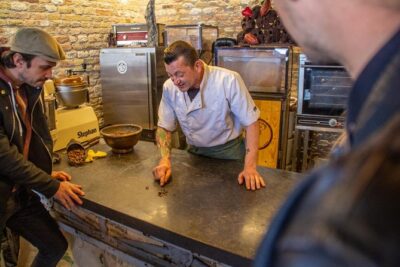
Barcelona & Chocolate Amatller History and Culture + Activity and Tasting
Read our review →
Waterfall, Rainforest, Chocolate Tour & Historical Sites
Read our review →
Tapas and history tour ending with churros with chocolate
Read our review →
York Historical Gems Tour & A Taste of York Chocolate
Read our review →
Waterfall, #1 On The Road to Hana, With Chocolate tour Historical
Read our review →
Browse the lists this tour appears in