
Review · MEXICO CHOCOLATE TOURS
✨Make chocolate to take home Oaxacan style ☕️✨
Oaxaca’s chocolate tradition becomes wonderfully hands-on in this small workshop. You learn where cacao comes from, taste different chocolate styles, grind ingredients, and make your own pieces under the eye of a working chocolatier. Roberto and Tomas are named as especially warm, patient instructors, with lessons shaped by family techniques and professional experience.
I like two things right away: you take home 150 grams of chocolate you designed, and the class treats chocolate as both food and culture, not just a sugary craft project. The small group of six also gives you room to ask questions. The main consideration is the price, $64 per person, which is fair for a guided workshop but more than a quick market tasting.
Key points to know before you book
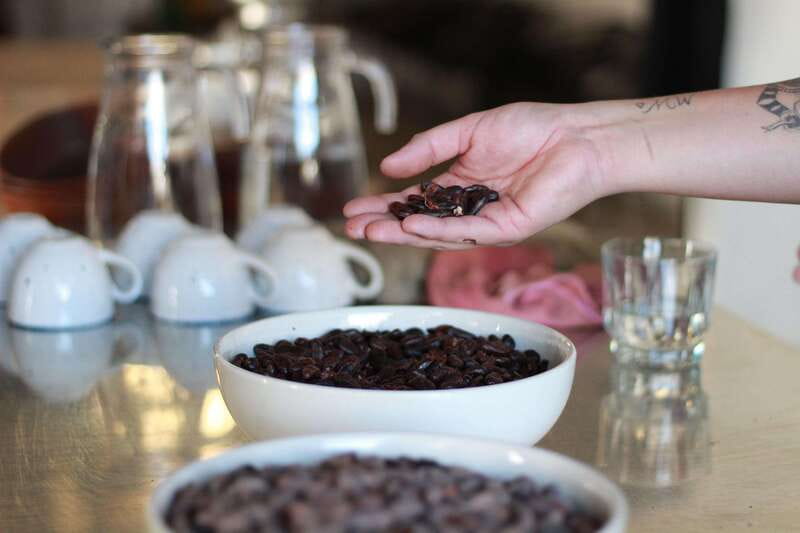
- A three-generation workshop: Family methods, including techniques learned from a grandmother, connect the class to Oaxaca’s chocolate traditions.
- A real hands-on session: You grind, mix, mold, taste, and create chocolates rather than simply watching a demonstration.
- Choose your language: Instruction is available in English or Spanish, with Roberto and Tomas among the instructors praised for clear, friendly teaching.
- A useful souvenir: Your 150 grams of finished chocolate comes home with you, ready to share or save.
- Small and accessible: The group is limited to six, and the space welcomes wheelchair users, strollers, and guide animals.
- A full 2.5 hours: The schedule gives enough time for background, making, tasting, and questions without feeling like a rushed stop.
Starting at Teolab, the workshop behind the big dog
You meet at Teolab, a workshop space that houses the chocolate operation. Look for the word FILOTEO outside and the large dog on the facade. Those details matter in Oaxaca, where a memorable doorway can be easier to spot than a formal street number.
The setting is part of the appeal. This is not a generic cooking room designed only for tourists. It is presented as a working laboratory and chocolate shop, where the focus is on craft, ingredients, and the people who make the food.
The welcome includes bottled water, though the operation also provides access to water and aims to avoid unnecessary plastic bottles. You can request coffee or tea when you arrive, and snacks are included. These are modest touches, but they help the two-and-a-half-hour session feel comfortable, especially if you have come straight from a morning of walking around Oaxaca.
The group size is limited to six people. I consider that one of the strongest practical features. Chocolate making involves heat, tools, molds, and plenty of questions, so a small class gives the instructor a better chance to watch each person’s work.
More Chocolate Tours in Mexico:
- Finca 18 Puerto Vallarta Tequila Tour + Chocolate Pairing
★ 5.0 · 393 reviews - Bean to Bar Chocolate Workshop in Puerto Vallarta
★ 5.0 · 381 reviews - Chocolate Tour in Vallarta
★ 5.0 · 226 reviews
The opening lesson: cacao, chocolate, and Oaxacan flavor
The class begins with an introduction to the origin of chocolate and the different types you will work with. You learn how cacao becomes chocolate and how varieties differ in flavor and texture.
That opening lesson gives the practical work some meaning. Instead of treating chocolate as one fixed product, the class shows you that its character changes according to the cacao, the preparation, and the ingredients added along the way.
The teaching also reaches beyond the finished bar. The workshop links flavor with sustainability and the future of cacao production. The details provided for the class do not promise a long lecture on farming, so you should expect a useful introduction rather than a university course. Still, the connection is important in Oaxaca, where food traditions are closely tied to local identity and family knowledge.
The strongest teaching seems to come through conversation. Roberto is described as willing to answer questions and offer suggestions for food and activities in Oaxaca. Tomas is praised for his passion, patience, and personal connection to the trade. Thomas is also identified by one participant as an instructor who explains techniques learned from his grandmother and through professional work.
The names vary in the supplied information, so your instructor may be Roberto, Tomas, or Thomas depending on the date and staffing. The consistent point is that the class is led by a chocolatier, not a host reading a script.
Grinding, heating, and molding your own chocolate
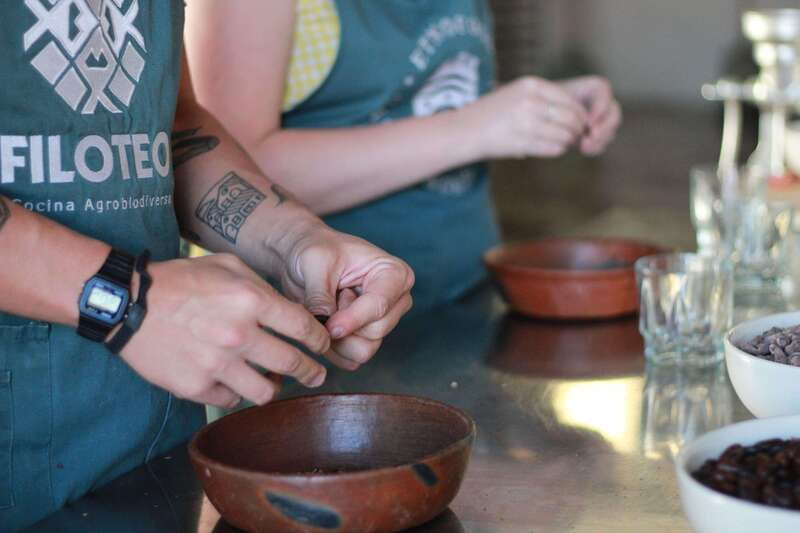
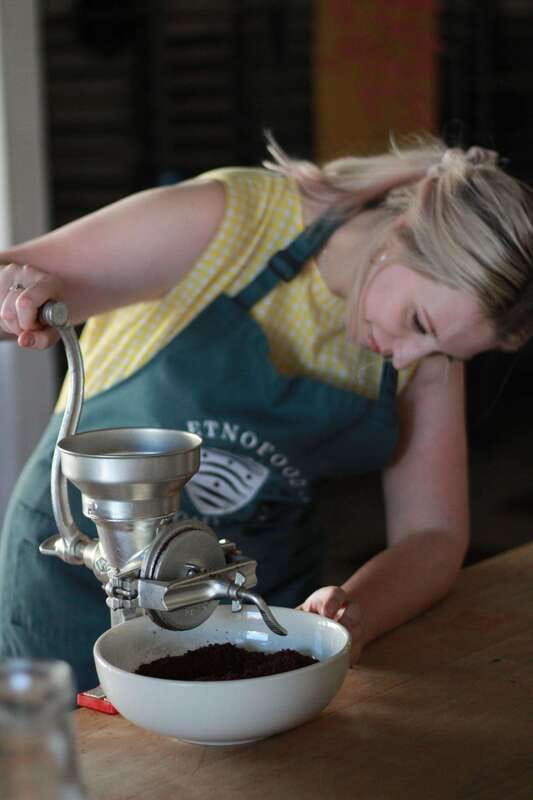
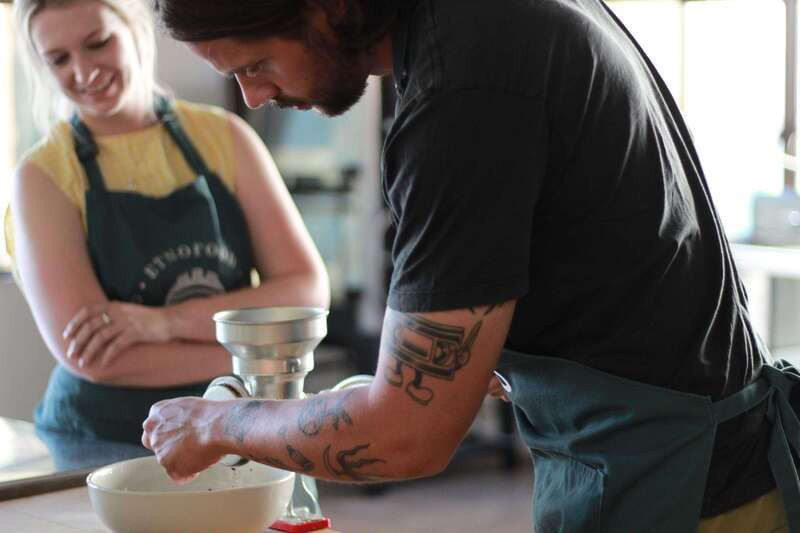
The class then moves from explanation to work. You select and handle ingredients, use grinders and stoves, and learn the molding process. Aprons, molds, grinders, and cooking equipment are provided, so you do not need to bring specialist tools.
This is where the experience earns its place on an Oaxaca itinerary. You are not simply handed a finished sweet and told where it came from. You take part in the stages that shape the final result, and the instructor can correct your technique as you go.
The making process also uses more than one sense. You feel the ingredients, notice changes in texture, smell the chocolate, and taste along the way. The class description makes tasting part of the lesson, while the strongest personal accounts point to the pleasure of working with the chocolate as much as eating it.
Do not expect every piece to look factory-perfect. That is part of the charm, and the class is about learning and making something personal. If you enjoy neat, polished sweets, the molds give you structure. If you prefer a little freedom, you can make choices within the process and create something that feels like your own.
The instructor’s role is important here. A patient guide can explain why a mixture behaves as it does, show you how to work with the mold, and keep the session moving when several people are making different choices. The praise for Roberto and Tomas repeatedly focuses on patience, humor, warmth, and clear instruction. Those traits matter more than a flashy presentation.
Tasting the results while they are fresh
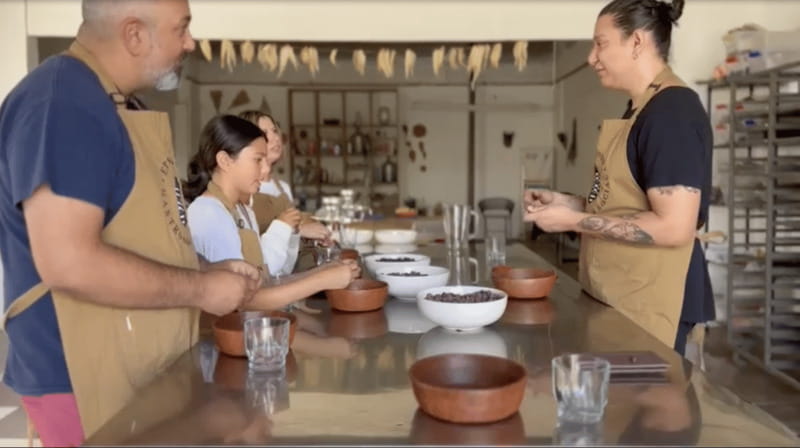
After the practical work comes the most anticipated part: tasting what you made. You sample the chocolates you created and may also taste different chocolate types introduced earlier in the class.
This tasting is more useful than simply eating dessert at the end. You can compare flavors with a better sense of what went into them. The opening discussion about cacao varieties and chocolate styles gives you a vocabulary for noticing differences in sweetness, texture, and character.
Snacks and a drink are included, with coffee or tea available on request. Water is also provided. The workshop is therefore easy to fit into a morning or afternoon without needing to plan a separate refreshment stop.
The class should suit people who enjoy food experiences but do not want a formal cooking course. You get enough instruction to learn something real, but the mood is meant to stay social and enjoyable. Several instructors are described as funny, kind, and generous with their time, which suggests that questions and conversation are welcome.
The session also works well for a special occasion. One class became a private birthday experience, with Roberto guiding the work and bringing extra attention to the celebration. The supplied details do not promise a birthday package, so you should not book expecting special decorations or extras. Still, the format can suit a birthday or small family outing because the group is so limited.
Same city, a different tasting:
- Chocolate & Margarita Workshop
★ 5.0 · 207 reviews - Chocolate and truffles workshop
★ 5.0 · 157 reviews - San Jose del Cabo Art Walk, Beer Tasting &Chocolate Demonstration
★ 5.0 · 141 reviews - Artisanal Mezcal and Fine Chocolate Tasting
★ 5.0 · 132 reviews
Taking home 150 grams of your own work
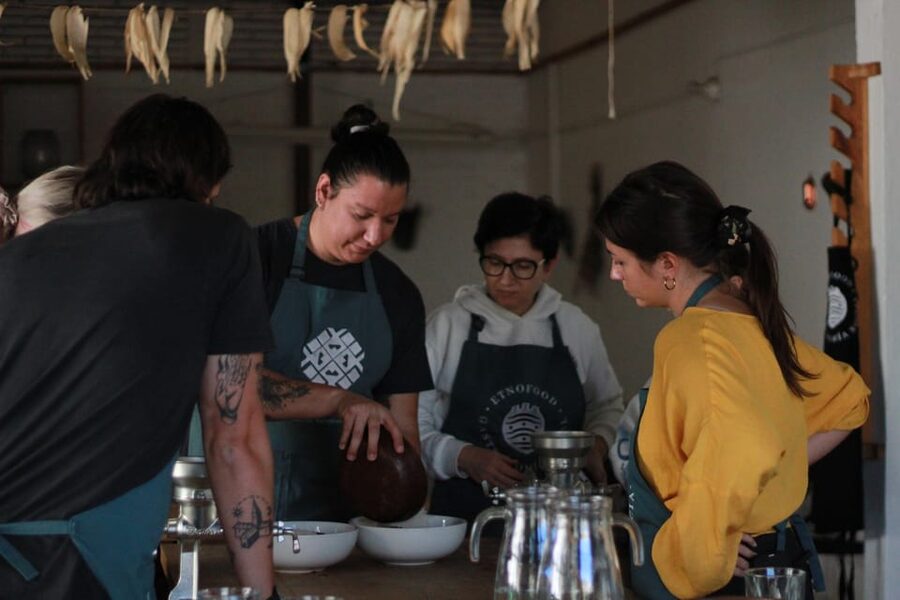
The final practical reward is 150 grams of chocolate designed by you. It is enough to share with friends and family, though anyone with a serious sweet tooth may decide to keep it for later.
I like this souvenir better than a standard packaged bar. It carries a memory of the class and gives you a story to tell when you serve it. The chocolate may not travel as easily as a durable craft item, so take care with heat and packing after the workshop. The supplied details do not state special packaging or storage instructions, so ask the instructor before leaving if you are continuing your trip.
The take-home portion also changes the value calculation. At $64, you are paying for the instruction, use of equipment, ingredients, tasting, refreshments, and a finished product. It is not the cheapest way to eat chocolate in Oaxaca, but it offers much more than a tasting flight or a shop purchase.
I would compare it with the kind of spending you might make on another small-group food activity. For the right person, the price is reasonable because the class occupies 2.5 hours and includes a personal souvenir. If you only want to sample local sweets, you can spend less elsewhere. If you want to understand the process and make something yourself, the workshop makes a stronger case.
Why the small group and language options matter
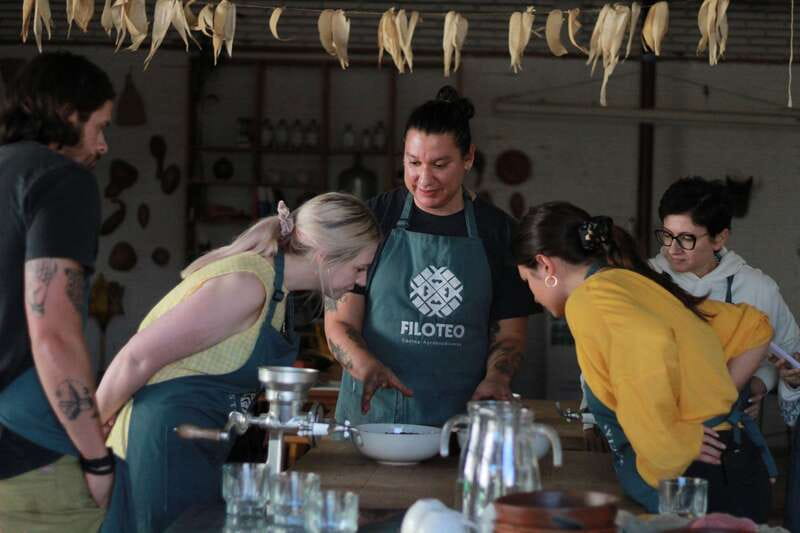
A six-person limit keeps the class personal without making it feel private by default. You can ask about cacao, production, flavor, or Oaxaca food recommendations without trying to catch an instructor’s attention across a crowded room.
Instruction is available in English and Spanish. That is useful for international visitors, but Spanish speakers should also see this as a chance to discuss food traditions in the language most natural to them.
The reviews supplied for the activity give special attention to the instructors’ ability to answer questions and explain techniques. I would treat that as a key reason to book. Chocolate making has enough small steps that a good teacher makes the difference between a pleasant craft class and a confusing one.
The workshop is listed as wheelchair accessible, including transport and surfaces, and it is also accessible for baby strollers. Guide animals are allowed, and the meeting point is near public transportation. Babies must sit on an adult’s lap. These details make the class easier to plan for mixed-age groups, although you should still contact the provider if you need a particular seating arrangement or other assistance.
Alcohol and drugs are not allowed. That is standard for a food workshop and especially sensible around stoves and equipment.
Who will enjoy this Oaxaca chocolate class
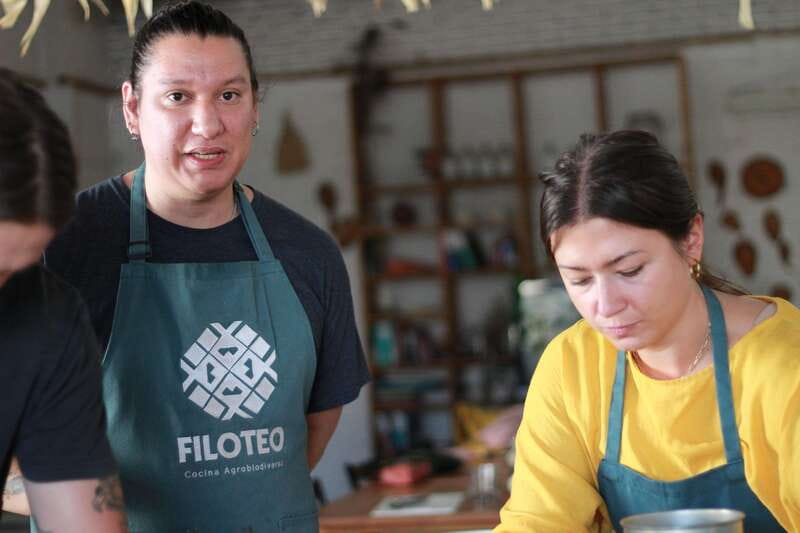
I would recommend the experience to you if you like learning by doing. It suits couples, friends, families with older children, solo visitors who enjoy small groups, and anyone who wants an edible souvenir with a personal story.
It is also a good choice for food-focused visitors who want more context than a restaurant meal can provide. The workshop connects cacao production, family teaching, professional technique, flavor, and sustainability in one compact session.
You may want to skip it if your schedule is packed and you only have time for a quick attraction. The class lasts 2.5 hours, and the value depends on your willingness to take part. It is also not ideal if you dislike sweet foods, hands-on tasks, or a structured workshop setting.
The activity is not presented as a full tour of cacao farms or a broad survey of Oaxacan cuisine. You should book it for chocolate making, not for transportation around the state or a general food tour.
Booking value, timing, and flexibility
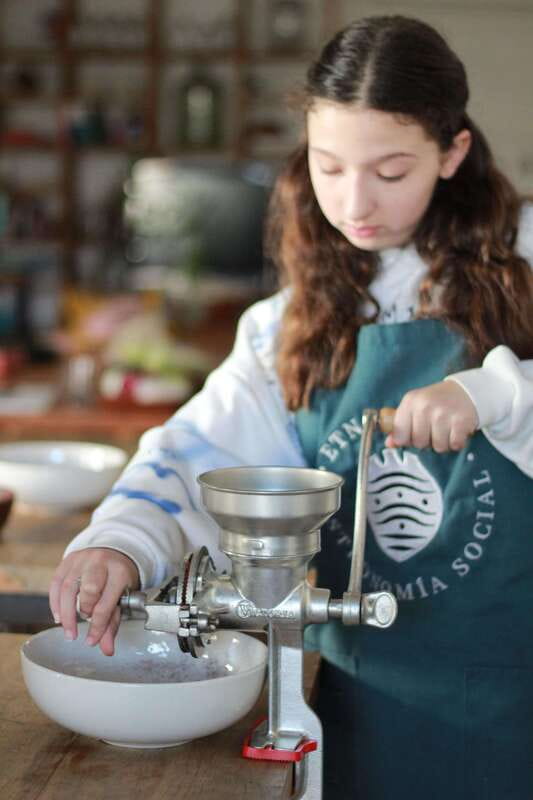
At $64 per person, the experience sits in the middle range for a specialized Oaxaca activity. The strongest value comes from the combination of a small group, expert instruction, ingredients, equipment, tasting, refreshments, and 150 grams to take home.
The schedule is 2.5 hours, with starting times based on availability. I would allow extra time around the appointment, since you will want to find Teolab and may wish to ask questions before leaving. The word FILOTEO and the large dog on the facade are your most useful visual markers.
You can cancel up to 24 hours ahead for a full refund, and the reserve-now, pay-later option keeps your plans flexible. Those policies are useful in Oaxaca, where weather, day trips, and changing plans can affect a short stay.
The class has a five-star rating from 23 reviews, with repeated praise for the instructors’ warmth, passion, patience, and ability to explain chocolate clearly. I would put more weight on that consistent pattern than on the star number alone. The best sign is that the positive comments focus on the actual teaching and hands-on work.
Should you book this chocolate workshop?
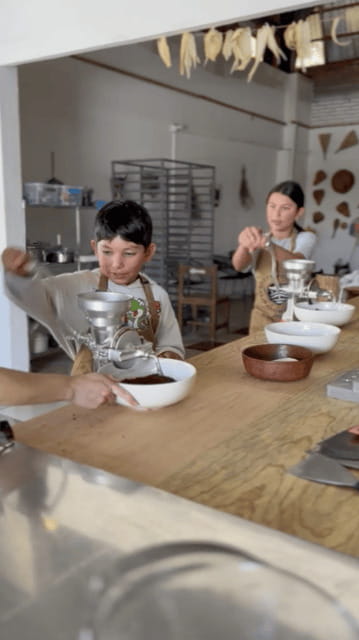
Book it if you want to make something, taste several chocolate styles, and leave Oaxaca with 150 grams of your own creation. The combination of family techniques, a small group, English or Spanish instruction, and practical work makes it more memorable than a simple chocolate stop.
I would especially choose it for a relaxed half-day activity, a birthday, or a food-centered itinerary. If you only want a quick taste or prefer to spend your money on a larger tour, the $64 price may feel high. For everyone else, the class offers a friendly and useful way to understand one of Oaxaca’s most important foods, one mold at a time.
FAQ
How long does the chocolate-making class last?
The experience lasts 2 hours and 30 minutes.
How much does the activity cost?
The price is $64 per person.
What languages are available?
The class is offered in English and Spanish.
How much chocolate can I take home?
Each participant takes home 150 grams of chocolate designed during the workshop.
What is included in the experience?
The class includes chocolate or tea, coffee or tea on request, bottled water, access to water, snacks, chocolates made during the session, aprons, grinders, stoves, and molds.
Is the workshop wheelchair accessible?
Yes. The activity is listed as wheelchair accessible, including transport and surfaces. It is also accessible for baby strollers, and guide animals are allowed.
Newest chocolate tours around Mexico
- Tulum: Chocolate & Honey Sanctuary Experience with Lunch★ 4.2 · 34 reviews
- Tulum: Chocolate & Honey Sanctuary Experience with Cenote★ 3.5 · 6 reviews
- Cultural Adventure: Artisanal Chocolates, Coffee and Doll Making★ 5.0 · 2 reviews
- Sayulita Magical Town Tour: Local food, and chocolate.★ 5.0 · 18 reviews
- Tarot Reading with Coffee & Chocolate or Smoothie★ 5.0 · 17 reviews
- Chocolate Macarons Workshop in Puerto Vallarta★ 5.0 · 5 reviews
- Private Make Your Own Chocolate Experience in Puerto Vallarta★ 5.0 · 8 reviews
- Amazing Walk through the Zapotec Mountains with Hot Chocolate★ 5.0 · 4 reviews
Mexico Chocolate Tours, compared.
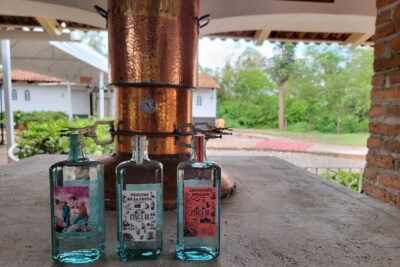
Finca 18 Puerto Vallarta Tequila Tour + Chocolate Pairing
Read our review →
Bean to Bar Chocolate Workshop in Puerto Vallarta
Read our review →
San Jose del Cabo Art Walk, Beer Tasting &Chocolate Demonstration
Read our review →
Browse the lists this tour appears in