
Review · PORTO CHOCOLATE TOURS
Porto ‘Best of the Best’ Port Tasting and Artisan Chocolates
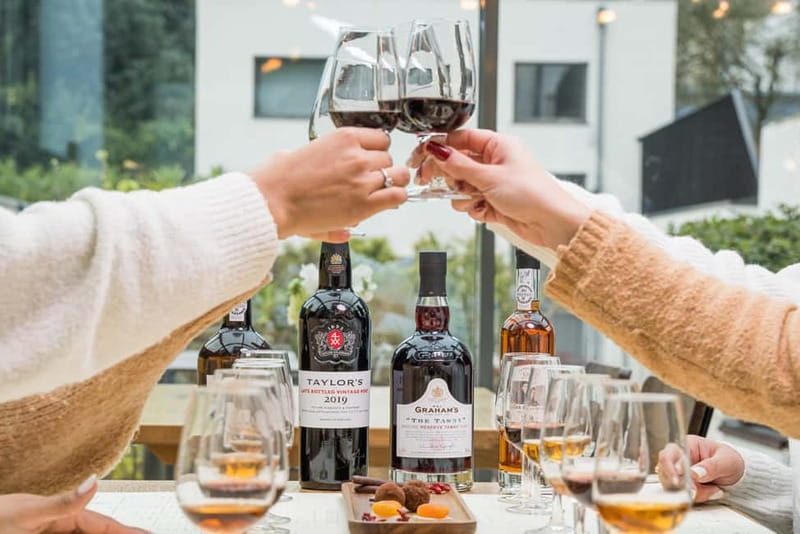
Instead of spending a full afternoon moving between Vila Nova de Gaia cellars, this one-hour tasting brings several famous Port names to one table. You’ll taste four 40 ml pours, hear how each style differs, and pair the wines with artisan chocolates in the orangerie or garden of Boutique Maison Canto De Luz.
I like the producer comparison and the smart chocolate pairings. I also like the compact format: at $33, you can fit it between sightseeing stops without giving up half a day. The main caution is that the session may feel rushed, and the advertised four styles do not perfectly match the current sample menu, which lists two White Ports rather than a clearly named Ruby Port.
Key points at a glance
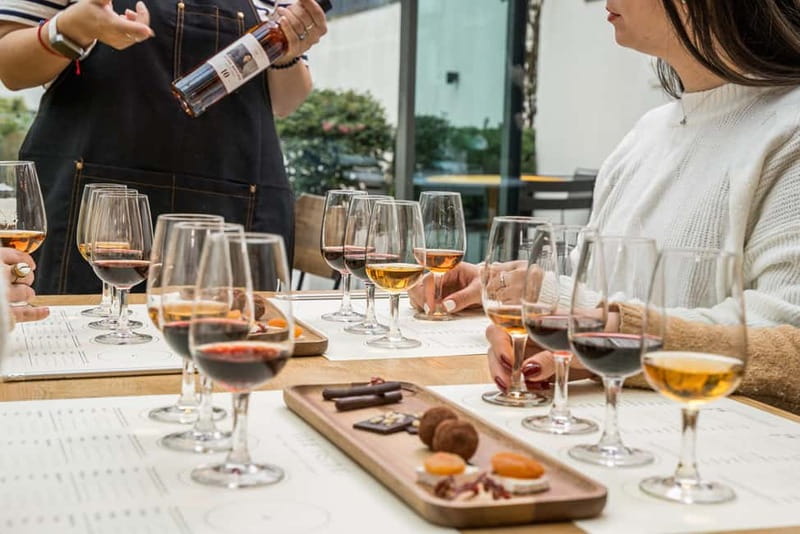
- Four 40 ml tastings: Compare Port by style, including White, Tawny, LBV, and the advertised Ruby category.
- Major Portuguese producers: The pours can include Sandeman, Graham’s, Taylor’s, and Ferreira.
- Chocolate and cheese pairings: Expect combinations such as raspberry truffle, almond dark chocolate, dried apricot, and Brie.
- A useful time saver: You sample several houses under one roof rather than arranging separate cellar visits.
- A calm central setting: The tasting takes place at Boutique Maison Canto De Luz on Rua do Almada, in an orangerie or nearby garden.
- One important check: Seasonal pairings and Port selections can change, so confirm the current lineup if a Ruby Port matters to you.
Four Port styles, one short lesson
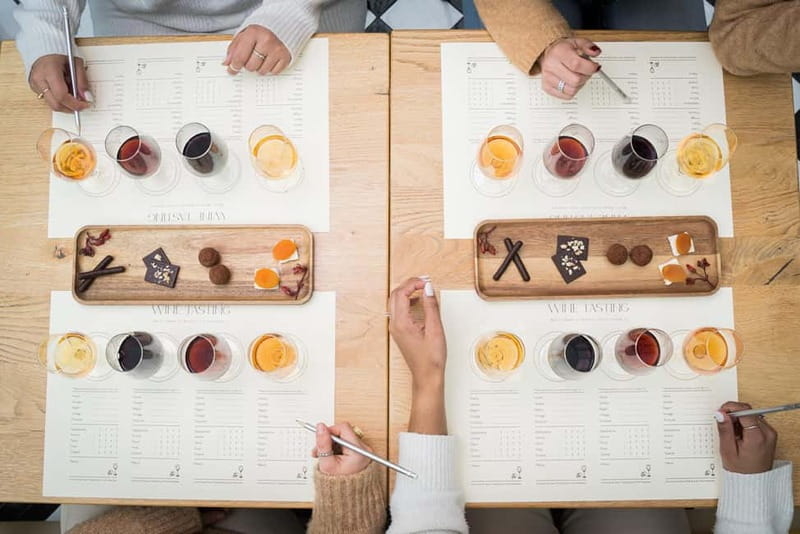
Port is often treated as one drink, but this tasting makes the useful point that it comes in several distinct forms. You will not simply receive four glasses and a plate of sweets. The session is designed to show how color, age, sweetness, fruit character, and texture change from one style to the next.
The format is straightforward. You receive four 40 ml pours, with information about the wines, their producers, and their place in Port culture. That is enough wine to compare carefully without turning a short daytime activity into an afternoon lost to alcohol.
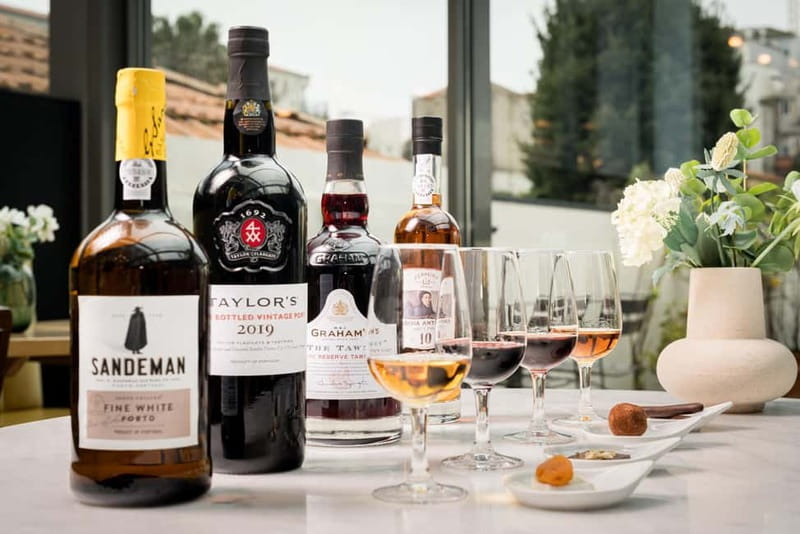
The four styles listed for the experience are White, Ruby, Tawny, and Late Bottled Vintage, usually shortened to LBV. The current sample menu names Sandeman Fine White, Graham’s Mature Reserve Tawny, Taylor’s Late Bottled Vintage, and Ferreira Dona Antonia White. Since the menu includes two White Ports, I would ask at the start which pour represents the Ruby style and whether the selection has changed for the season.
That small mismatch is worth noting, but it does not ruin the idea. It simply means you should treat the menu as a guide rather than a fixed promise. Port producers and pairings change with the seasons, and the staff can explain the selection you actually receive.
More Chocolate Tours in the world:
- Lindt Home of Chocolate Museum Entry Ticket
★ 4.7 · 9,329 reviews - Choco-Story Brussels: Chocolate Museum Entrance with Tasting
★ 4.3 · 4,883 reviews - Zurich: City Tour, Cruise, and Lindt Home of Chocolate Visit
★ 4.5 · 4,624 reviews
Sandeman and Ferreira: two White Ports to compare
White Port is often the surprise for people who know only the dark, sweet styles. The tasting gives it particular attention with two named examples: Sandeman Fine White Port and Ferreira Dona Antonia White Port.
The point of serving both is comparison. Even within one broad style, the two wines can show different balances of fruit, sweetness, weight, and finish. The session explains their provenance and background, giving you a better basis for deciding what you like instead of relying on the label or producer name alone.
The Sandeman White is paired with Brie and dried apricot. That is a useful combination because the soft cheese can make the wine feel rounder, while the apricot echoes its fruit notes. The Ferreira White comes with oranges covered in dark chocolate, a sharper and more striking match. Citrus and dark chocolate give you a different way to notice the wine’s sweetness and acidity.
I like this part of the tasting because it turns a technical lesson into something you can test immediately. Taste the Port alone, try the food, then taste the Port again. You can judge for yourself how the pairing changes the finish.
Graham’s Tawny with raspberry truffle
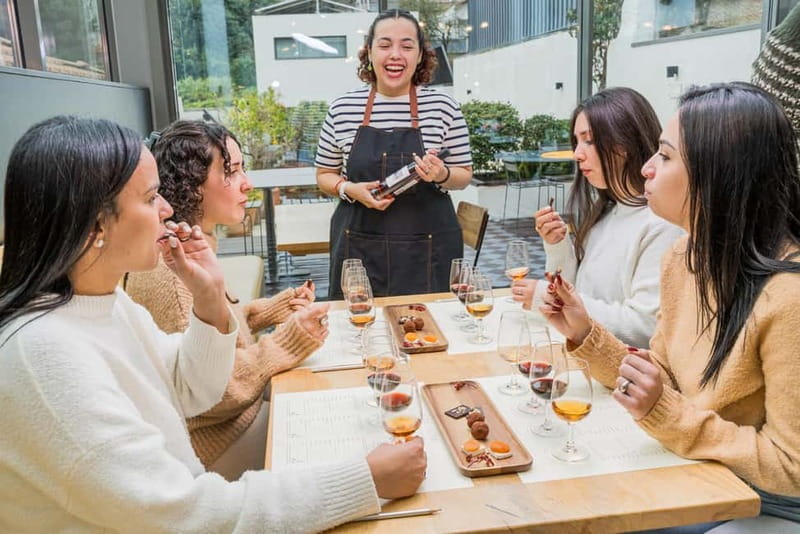
The Graham’s Mature Reserve Tawny is paired with an Ecuadorian truffle filled with raspberry ganache. Tawny Port is generally associated with time spent in wood, where its color and flavors shift away from young berry fruit toward nuttier, softer, more developed notes.
The raspberry filling makes the pairing easy to understand. It brings fruit back into the conversation without making the wine taste like a simple berry drink. You can pay attention to the contrast between the mature character of the Tawny and the bright, sweet center of the truffle.
This is likely one of the more approachable pours for someone new to Port. If you find Ruby Port too youthful or LBV too forceful, Tawny can offer a gentler route into the subject. The optional upgrade adds a 20-year Quinta do Vallado Tawny for an extra charge, which may appeal to serious wine drinkers who want to compare a more mature example.
I would not treat that upgrade as essential for a first tasting. The standard session already gives you a useful range, and the extra bottle makes the most sense if you already care about aged Tawny or want a special splurge.
Taylor’s LBV and the chocolate pairing
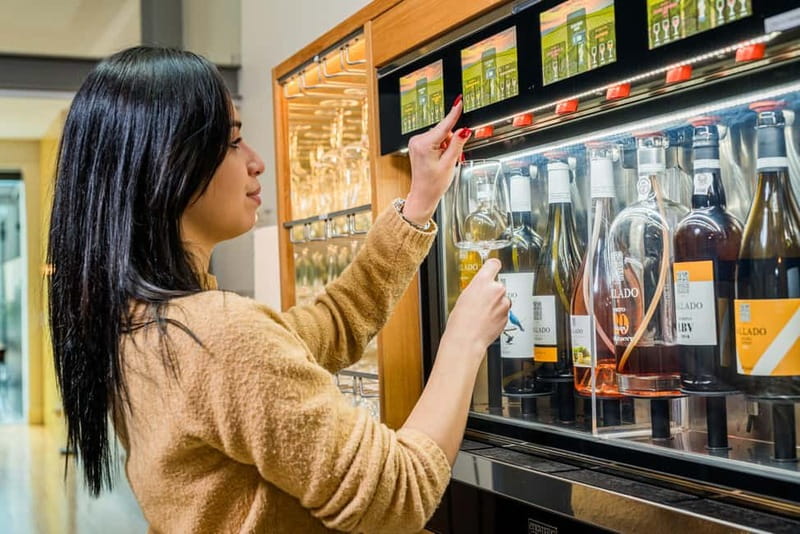
Late Bottled Vintage Port is the more concentrated part of the tasting. Taylor’s LBV is paired with Ecuadorian almond dark chocolate, a sensible match for a full, sweet red Port with a firm chocolate partner.
LBV is made from a single vintage and held in wood longer than Vintage Port before bottling. In practical terms, that makes it a good way to try a vintage-style Port without committing to the price, planning, or cellaring that can come with a classic Vintage Port.
The almond chocolate adds texture as well as sweetness. Try a small sip before the chocolate, then another sip afterward. You may notice that the dark chocolate brings out the wine’s deeper fruit and makes the finish seem longer.
The menu does not clearly identify a Ruby Port by producer, even though Ruby is one of the four styles promoted for comparison. If Ruby is the style you most want to understand, ask for clarification before the tasting gets underway. That is a simple question and can prevent disappointment.
Same city, a different tasting:
- The Chocolatarium Chocolate Tour Experience in Edinburgh
★ 5.0 · 4,322 reviews - Award-Winning Geneva Chocolate &Old Town Tour with Boat Ride (3h)
★ 5.0 · 3,721 reviews - Melbourne: Yarra Valley Wine, Gin, Whisky and Chocolate Tour
★ 5.0 · 3,667 reviews - 4×4 Dominican Adventure with Chocolate and Coffee Tasting
★ 5.0 · 2,920 reviews
Why the one-hour format works
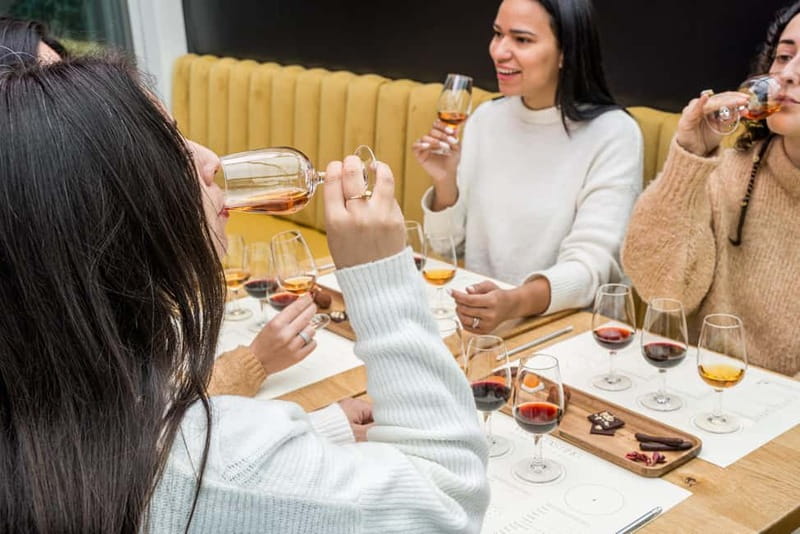
Port houses in Porto and Vila Nova de Gaia reward time. You can visit several cellars, but each stop takes planning, walking, and often a separate admission fee. This tasting compresses the comparison into one appointment.
At $33 per person, the value depends on your goal. If you want a broad introduction to well-known producers, the price is fair. Four pours, food pairings, a guided explanation, and a central location give you more than a single glass at a bar, while avoiding the cost and time of several cellar tours.
The tradeoff is depth. One hour is enough to learn the basics and identify your favorite style. It is not enough for a long technical discussion of vineyard sites, production methods, or the full range of each producer’s wines.
A reported session that lasted only 30 minutes shows why timing matters. The advertised duration is one hour, but I would allow a little flexibility in your schedule and politely speak up if the tasting moves too quickly. You are paying for explanation as well as liquid, so it is reasonable to ask questions.
The orangerie at Canto De Luz

The meeting point is Boutique Maison Canto De Luz, on the old town’s cobbled Rua do Almada. The experience uses the property’s charming orangerie or, when suitable, its sunlit garden.
The setting is part of the appeal. A dedicated room or garden can feel more personal than a large commercial tasting room, and the surroundings fit the relaxed pace promised by the activity. You get a seated tasting with small pairings rather than a quick counter pour.
There is one practical warning. The orangerie may also function near the hotel reception area, and noise can be an issue. During one session, a dishwasher was being emptied at the same time, making the presentation harder to hear. If the room is noisy, ask if the adjacent terrace is available. The terrace is specifically mentioned as an alternative, and it may offer a better setting when weather permits.
This is not a cellar tour. You will not be walking through storage rooms or seeing barrel rows. Instead, you are getting a convenient old-town meeting point and a table-based lesson focused on tasting.
The staff and language options
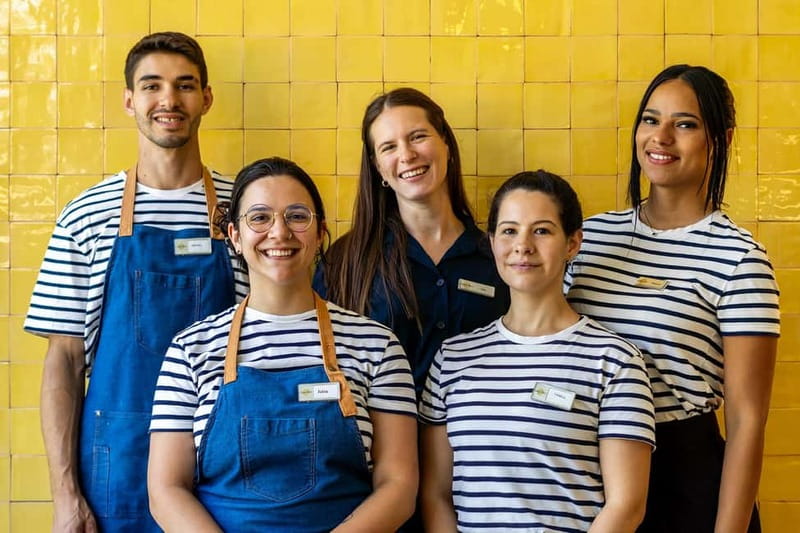
Instruction is offered in English, Portuguese, and Spanish. That makes the activity practical for mixed-language groups, though you should check the language available at your chosen start time if that matters to you.
The staff’s approach appears warm and informal. The session is intended to be fun rather than stiff, and the explanation covers Port’s place in Porto’s culture along with the details in your glass.
I especially value that the experience explains provenance and history rather than presenting famous labels with no context. You learn why the producers matter, how the styles differ, and how food changes the taste.
Still, the amount you get from the hour depends on the pace. Ask questions early, especially about sweetness, aging, serving suggestions, and the difference between Ruby and LBV. If you wait until the last few minutes, the short format may leave little room for discussion.
What the chocolate pairings add
The pairings are not just decoration. They give you a second way to assess each Port.
The listed menu includes:
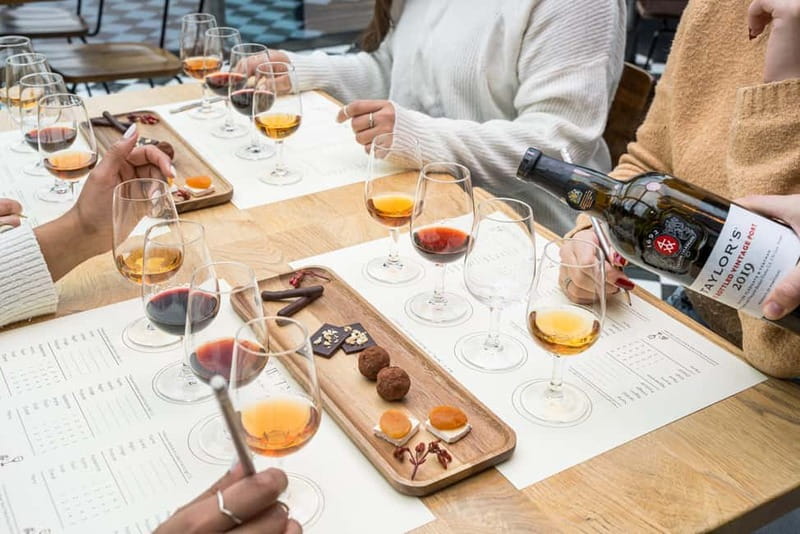
- Sandeman Fine White Port with Brie and dried apricot
- Graham’s Mature Reserve Tawny with Ecuadorian raspberry truffle
- Taylor’s LBV with Ecuadorian almond dark chocolate
- Ferreira Dona Antonia White Port with orange and dark chocolate
This is a generous range of flavors for a one-hour tasting. Soft cheese, dried fruit, raspberry, almond, citrus, and dark chocolate each pull the wine in a different direction.
The chocolate is artisan-made by local producers, but ingredients can vary. Tell the staff about allergies or dietary restrictions before the tasting begins. The activity is not suitable for children under 18 or pregnant women, and the chocolate may contain changing ingredients.
Additional drinks and tapas are available at extra cost. I would keep the main tasting focused first, then decide if you want to order more. The included portions are meant for comparison, not for replacing a meal.
Who will get the most from this tasting
I would choose this for a first visit to Porto when you want a clear introduction to Port without dedicating an entire day to wine tourism. It also suits couples and small groups who enjoy sweets, wine, and a relaxed sit-down experience.
It works well before dinner because the duration is short. The central Rua do Almada location may also fit neatly into an old-town walking day, though transport to and from the tasting is not included.
Experienced Port drinkers can still enjoy it, especially if they take the 20-year Tawny upgrade. But anyone seeking a detailed cellar visit, barrel tour, or technical master class should look elsewhere. This is a comparison tasting, not a full wine course.
The experience is wheelchair accessible. Optional pickup and return can be arranged for an extra fixed cost within Porto’s metropolitan area, which may help if you prefer not to organize your own transport.
Booking advice, timing, and value
The standard price is $33 per person. I see good value if the session runs close to the full hour and the four pours match the promised range. The chocolate, cheese, explanation, and access to several notable producers all help justify the cost.
I would book with three questions in mind:
- Is the current tasting four distinct styles, including a Ruby Port?
- Will the tasting be held in the orangerie or garden?
- Is the optional 20-year Tawny worth adding for your interests?
The activity allows free cancellation up to 24 hours in advance, and you can reserve now and pay later. That is useful if your Porto schedule is still shifting.
Should you book the Port tasting?
Book it if you want to compare famous Port producers in one relaxed hour, especially if you enjoy chocolate pairings and do not want to arrange several cellar visits. The strongest features are the four-pour format, the named producers, and the friendly explanation in an attractive central setting.
Skip it if you want a long cellar tour, a full meal, or a guaranteed Ruby Port in the current lineup. If the one-hour lesson is delivered at a rushed pace, the experience loses some value. Ask about the exact pours and request the garden or terrace if the reception area is noisy.
For most first-time Port drinkers, I would consider it a practical introduction. Just confirm the seasonal menu, arrive ready to ask questions, and remember that the aim is comparison, not quantity.
FAQ
How long does the Port tasting last?
The scheduled duration is one hour. One session was reported as lasting about 30 minutes, so you may want to allow some flexibility and ask questions if the pace feels too fast.
How many Port wines are included?
Four 40 ml tasting glasses are included. The advertised styles are White, Ruby, Tawny, and Late Bottled Vintage, although the current sample menu names two White Ports, one Tawny, and one LBV.
Which Port producers may be included?
The tasting features Ports from producers such as Sandeman, Graham’s, Taylor’s, and Ferreira. The exact wines can change with the season.
What food pairings are included?
The sample pairings include Brie with dried apricot, an Ecuadorian raspberry truffle, Ecuadorian almond dark chocolate, and orange with dark chocolate. Pairings may change.
Where does the tasting take place?
The meeting point is Boutique Maison Canto De Luz on Rua do Almada in Porto’s old town. The tasting takes place in the property’s orangerie or nearby garden.
Is transport included?
No. Transport to and from the tasting is not included. Pickup and return within Porto’s metropolitan area can be arranged for an additional fixed cost.
Can I attend if I have an allergy or dietary restriction?
You should inform the staff before the tasting begins because the artisan chocolates may contain varying ingredients. The activity is not suitable for pregnant women or children under 18.
Newest chocolate tours around the world
- Zurich: Chocolate Tasting and Walking Tour with a Local★ 4.2 · 13 reviews
- Lindt Chocolate Museum with Cruise Transfer from Zurich★ 4.6 · 7 reviews
- Zurich Open-top Tour and Chocolate and Cheese Countryside★ 3.5 · 11 reviews
- York: Introduction to Chocolate Making Experience★ 4.9 · 10 reviews
- Zagreb: Lake Bled and Ljubljana Day Tour with Chocolate Gift★ 5.0 · 26 reviews
- Zaandijk-Near Zaanse Schans Chocolate making demo & tasting★ 4.8 · 13 reviews
- Private Wine and Chocolate Tasting Experience★ 4.4 · 3 reviews
- Yarra Valley: Wine and Chocolate tasting tour.★ 5.0 · 5 reviews
Porto Chocolate Tours, compared.
Cálem Cellar with Chocolate, Cheese, and Wine Tasting
Read our review →
Chocolate Museum – Unwrap the Secrets of Chocolate
Read our review →
Porto Best of the Best Port Tasting with Artisan Chocolates
Read our review →
Chocolate Museum – Chocolate’s Delicious Journey + Tasting
Read our review →
Browse the lists this tour appears in