
Review · CHOCOLATE MAKING WORKSHOPS
York: Introduction to Chocolate Making Experience
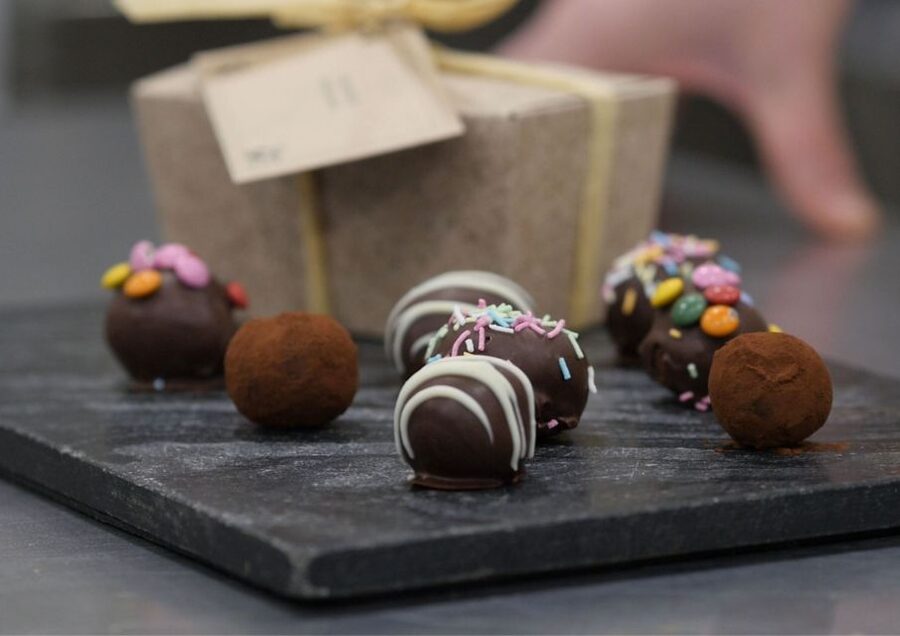
Making chocolate well is less about stirring melted bars and more about control. At York Cocoa Works, you learn to turn chocolate into ganache, temper it properly, coat truffles, and wrap the finished sweets. It is a hands-on class, not just a tasting.
I like the 300g of chocolates to take home and the recipes that let you repeat the work in your own kitchen. I also like the clear link to York’s chocolate trade through the talk about cocoa beans and how chocolate is made. The main caution is timing: one participant found the class finished after about 1.5 hours rather than the advertised 2.5, so ask about the expected schedule when you arrive.
Key points at a glance
- Make real truffles from scratch: Prepare ganache, work with tempered chocolate, and finish your own chocolates.
- Take home about 300g: Your finished sweets are wrapped for the journey, with recipes included.
- Learn a useful kitchen skill: Tempering chocolate is the technical heart of the class and can be used for other chocolate treats.
- Convenient central location: York Cocoa House is near the Castle, Clifford’s Tower, and the Viking Centre.
- Good for beginners: The workshop is designed as an introduction for budding chocolatiers and cake makers.
- Plan for a variable pace: The advertised duration is 2.5 hours, but one report describes a shorter session.
A hands-on chocolate class near Clifford’s Tower
This experience begins at York Cocoa House, just along from the Castle and Clifford’s Tower and behind the Viking Centre. That location makes it easy to add the class to a day of sightseeing in central York. You can visit the chocolate workshop, then continue on foot to the nearby historic sights without arranging extra transport.
The setting is also useful for a short food-focused break. You are not being taken out into the countryside or to a distant factory. You arrive at a working chocolate venue in the city centre and spend the session at the bench, learning by doing.
The instructor teaches in English. The class has been described as interactive, with clear demonstrations and plenty of practical help. That matters for chocolate, since the texture can change quickly if you work too slowly, heat it too much, or handle it at the wrong stage.
You should expect a friendly introduction to the subject rather than an advanced professional course. The aim is to give you a sound start: understand the ingredients, follow the method, and leave with enough confidence to try again at home.
More Chocolate Making Workshops in the UK:
- York: Chocolate Bar Making Workshop at York Cocoa Works
★ 4.7 · 401 reviews - Chocolate Bar Making Workshop – York Cocoa Works
★ 4.5 · 170 reviews - Make Your own Amazing Chocolate in Notting Hill
★ 4.5 · 14 reviews
Understanding cocoa before making truffles
The workshop includes facts about chocolate and how it is made from the cocoa bean. This short background gives the practical work some context. You learn that the finished sweet in front of you begins with a raw agricultural product, then passes through several stages before it reaches the kitchen.
The cocoa discussion is especially useful if you are new to chocolate making. You do not need a technical background to follow it, and it helps explain why chocolate behaves differently from an ordinary cake mixture or icing.
This section is not the main event, so you should not book the class expecting a full factory visit. One suggestion has been to add a factory tour, but that is not part of the experience described here. The focus stays on the workshop itself.
I like this balance. You get enough background to understand what you are doing, then move fairly quickly to the chocolate. If your main interest is chocolate production on a large scale, you may find the visit limited. If you want to make truffles with your own hands, the cocoa introduction sets the scene without taking over the session.
Turning chocolate into smooth ganache
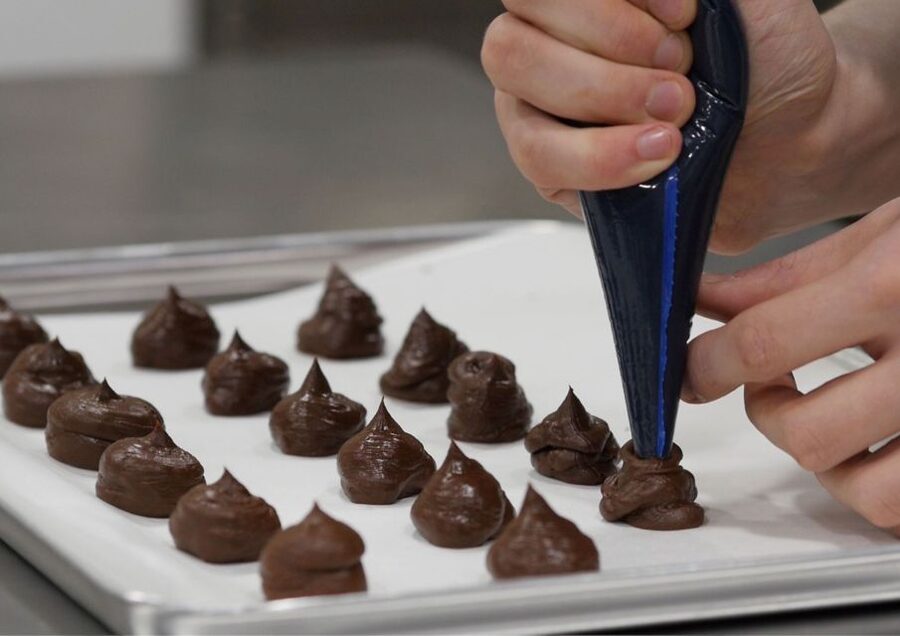
The first major practical skill is making a simple ganache. Ganache is the soft chocolate mixture used as the centre of many traditional truffles. The class shows you how to work with the chocolate and create a smooth mixture that can later be shaped and coated.
This is where the workshop becomes more useful than a standard chocolate tasting. You are not simply sampling finished products. You are learning the basic method behind them, with the instructor demonstrating each stage and helping you copy it.
For a beginner, ganache is a good place to start because it teaches several habits at once. You need to combine the ingredients carefully, watch the texture, and understand when the mixture is ready to handle. Those are skills you can use again for truffles and other chocolate desserts.
The class is also suitable for someone who already bakes but wants better control of chocolate. Cake makers often use chocolate for fillings, decorations, coatings, and toppings. Learning how ganache works can make those jobs less hit and miss.
The exact flavours and fillings are not specified, so you should not book expecting a particular menu. The promised focus is on traditional chocolate truffles and the core method behind them.
Tempering chocolate, the technical part
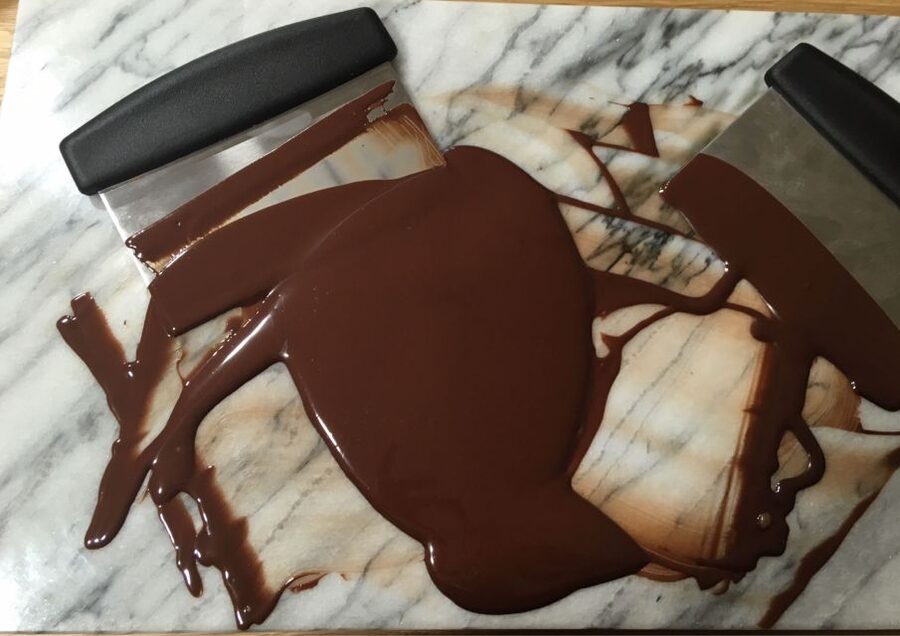
Tempering is the most important technical lesson in the workshop. It involves preparing chocolate so it sets with a smooth finish, a pleasant snap, and a more polished appearance. It is also the part most likely to frustrate a beginner at home, which makes guided instruction useful.
You prepare tempered chocolate for making the truffles. The instructor demonstrates the process and helps you work with it. This turns a tricky kitchen technique into something you can see and practise rather than merely read about.
Tempering requires attention. Chocolate needs to be handled at the right stages, and the texture can change if the temperature is wrong. The class gives you a chance to learn the process with equipment and ingredients already supplied, rather than wasting a batch at home while trying to work it out alone.
I would treat this as the main value of the session. The finished truffles are the reward, but the technique is what stays useful. Once you understand the basic method, you can apply it to other chocolate coatings and decorations.
Do not expect to become a professional chocolatier in one afternoon. You will learn the foundation, not every possible type of chocolate work. The class is best viewed as a practical first step, especially if you like baking and want a clearer understanding of how chocolate behaves.
More Chocolate Tours in the UK:
- The Chocolatarium Chocolate Tour Experience in Edinburgh
★ 5.0 · 4,322 reviews - York’s Chocolate Story: Guided Tour
★ 4.7 · 624 reviews - Mayfair Chocolate Tour
★ 5.0 · 443 reviews - Glasgow: Glengoyne Distillery Tour with Whisky & Chocolate
★ 4.9 · 299 reviews
Shaping, coating, and finishing your truffles
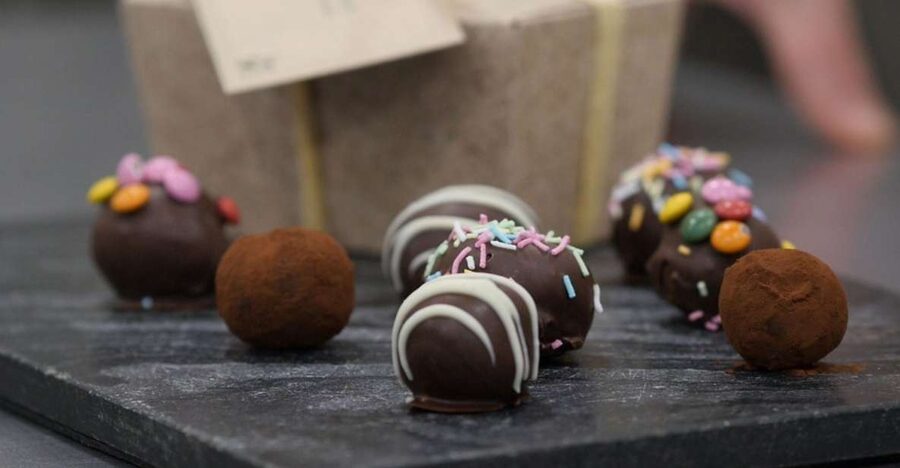
After preparing the ganache and chocolate, you work toward the finished truffles. The appeal here is the simple progression: ingredients first, technique next, then a box of sweets that you made yourself.
The class is designed to be interactive. The instructor demonstrates the method, then guides you as you make your own chocolate-covered truffles. That format suits beginners because you can see the correct action before trying it, and you have a chance to correct mistakes during the session.
Your results may not look identical to the instructor’s. That is normal for a first chocolate class, and it is part of the charm. The goal is not a factory-perfect box. It is to learn how to make a good truffle and understand the steps well enough to repeat them.
The finished chocolate is not just handed over in a paper bag. You also learn to wrap your creations attractively. Packaging is a small part of the session, but it makes the result feel more complete and helps protect the chocolates on the way home.
You take home approximately 300g of your own chocolate creations. That is enough to share, though you may prefer to keep the best ones for yourself. The amount also gives you a tangible return on the class, rather than leaving with only notes and a brief taste.
What you take home besides chocolate
The strongest practical feature is the combination of finished sweets and recipes. You leave with roughly 300g of handmade chocolates, plus instructions for making them again at home.
The recipes matter because chocolate making is easy to forget once the excitement of the class fades. Written guidance gives you a reference for the ingredients and method. You also receive hints and tips intended to make home chocolate work easier.
There is an important difference between taking home a box of chocolates and taking home a skill. The box is enjoyable that day. The recipes and tempering lesson can be useful months later, especially if you already bake or plan to practise for special occasions.
York Cocoa Works also offers chocolate ingredients for purchase after the workshop, with a 10 percent discount for participants. This is handy if you want to try the recipes soon while the method is fresh in your mind. The ingredients are not part of the workshop price, so treat the discount as an optional extra rather than a hidden inclusion.
Chocolate refreshments are also available to buy at the Chocolate Cafe before or after the workshop. They are not included. If you want a drink or additional chocolate, budget for that separately.
Is $84 good value for 2.5 hours?
At $84 per person, this is not a cheap confectionery demonstration. The value depends on how much you want to participate. If you want a central York activity where you make truffles, practise tempering, receive ingredients and equipment, wrap the results, and take home recipes and about 300g of chocolate, the price is reasonable for a specialist class.
You are paying for instruction as well as materials. All chocolate-making ingredients, equipment, and packaging are included, so you do not need to buy tools before arriving. That makes the class more attractive for a beginner who wants to test the hobby before setting up a home kitchen.
The price is less convincing if you mainly want to eat chocolate or watch a demonstration. A cafe visit will cost less, and this is not a full factory tour. You should choose it for the practical lesson and the chance to make your own truffles.
The duration needs a little caution. The scheduled length is 2.5 hours, but one participant reported that the session lasted about 1.5 hours and felt rushed. That is the only clear concern about value in the available feedback, and it is worth raising before the class begins. If the workshop finishes early, the price may feel high for the time provided.
Most of the other feedback points to an informative, fun, and well-run class. The instructor is repeatedly praised for clear demonstrations, helpful guidance, and an engaging teaching style. That positive pattern supports the price, provided your session receives the full advertised time.
Who will enjoy this workshop most?
This is a good fit for a first-time chocolate maker. You receive a guided introduction rather than being expected to know how to temper chocolate or form ganache. The class also suits a baker who wants to add handmade truffles, coatings, or chocolate decorations to their skills.
Couples, friends, and families with an interest in food may enjoy the shared activity. It gives you something to do together, but the work remains personal because each participant makes and wraps their own creations.
It can also suit a visitor looking for a break from York’s museums and historic buildings. The central meeting point makes it easy to fit into a sightseeing day, and the practical format gives you a souvenir you can eat or share later.
I would be more cautious about booking if your main goal is an in-depth tour of chocolate production. There is information about cocoa beans and how chocolate is made, but the focus is the truffle-making class. You should also think twice if you want a long, slow workshop with plenty of spare time, given the report of an early finish.
The activity is wheelchair accessible. Special dietary requirements should be shared at least 48 hours before the booking, along with your order number and the necessary details, by emailing [email protected]. That advance notice is important if the team needs to prepare for your needs.
Practical planning for your York day
Allow time to find York Cocoa House near Clifford’s Tower and the Viking Centre. The meeting point is central, but York’s compact streets can still take a little time to navigate, especially if you are coming from another attraction.
Check the available starting times when booking. The experience lasts 2.5 hours as scheduled, so it can occupy a sizeable part of your afternoon. I would avoid placing a timed museum entry immediately afterward, particularly because the actual pace may vary.
You can cancel up to 24 hours in advance for a full refund, and the reserve-now, pay-later option keeps your plans flexible. Those terms are useful if your York itinerary is still taking shape.
The class is conducted in English. All ingredients, equipment, and packaging for the workshop are supplied. Chocolate cafe refreshments and extra chocolate ingredients cost more, although participants receive 10 percent off chocolate ingredients bought after the class.
Should you book the York chocolate workshop?
Book it if you want to make something rather than simply taste something. The strongest reasons are the practical tempering lesson, the traditional truffle method, the recipes, and the 300g of chocolate you take home.
I would recommend it most to beginners, keen home bakers, and anyone looking for a hands-on activity close to York’s main sights. The instructor-led format helps you get past the tricky parts, and the work is useful enough to repeat at home.
Skip it if you want a factory tour, a broad tasting session, or a guaranteed full 2.5 hours of leisurely instruction. Ask about the day’s planned schedule before you begin, then enjoy the class for what it is: a compact introduction to making and finishing your own chocolate truffles.
FAQ
Where does the chocolate-making experience take place?
It takes place at York Cocoa House in York, North Yorkshire. The venue is just along from the Castle and Clifford’s Tower, behind the Viking Centre.
How long does the workshop last?
The scheduled duration is 2.5 hours. One participant reported a session lasting about 1.5 hours, so it is sensible to confirm the expected timing when you arrive.
What will I make during the class?
You will learn to make traditional chocolate truffles, prepare ganache, and work with tempered chocolate to create chocolate-covered truffles.
How much chocolate can I take home?
Each participant takes home approximately 300g of their own chocolate creations.
Are ingredients and equipment included?
Yes. The chocolate-making ingredients, equipment, and packaging needed for the truffle workshop are included.
Are cafe refreshments included?
No. Chocolate refreshments are available to purchase at the Chocolate Cafe before or after the workshop, but they are not included in the activity price.
Is the workshop suitable for wheelchair users?
Yes. The activity is wheelchair accessible.
How should I share dietary requirements?
Send your special dietary requirements to [email protected] at least 48 hours before the booking. Include your order number and the necessary information for everyone in your party.
Newest chocolate tours around the UK
- Class – Introduction to Chocolate Making at York Cocoa Works★ 4.5 · 6 reviews
- 3 Hour Chocolate Making Experience in The Mayford business centre★ 5.0 · 4 reviews
- Tequila Tasting, with Chocolate & Cocktails Pairing Night★ 5.0 · 4 reviews
- Melt Chocolate’s Magical Master Class★ 4.5 · 10 reviews
- Chocolate Tasting tour★ 4.5 · 3 reviews
- Hands-On Churros & Chocolate Class on a London Houseboat★ 3.5 · 2 reviews
- Cacao Ceremony and Sound Healing★ 5.0 · 2 reviews
- Glengoyne Distillery Tour with Whisky and Chocolate Tasting★ 5.0 · 24 reviews
Chocolate Making Workshops, compared.
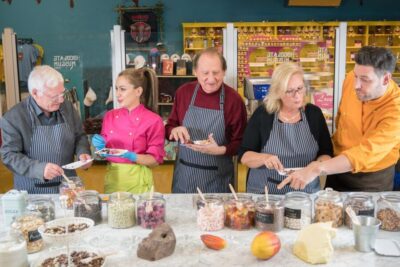
Chocolate Workshop in Chocolate Museum w/ Tasting
Read our review →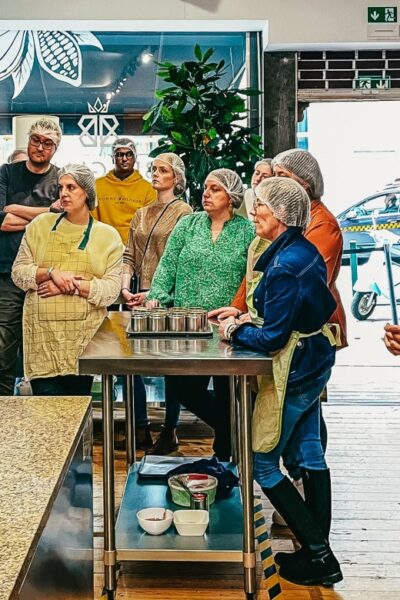
Belgian Chocolate Making Workshop with Tastings
Read our review →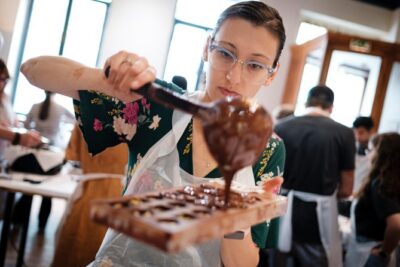
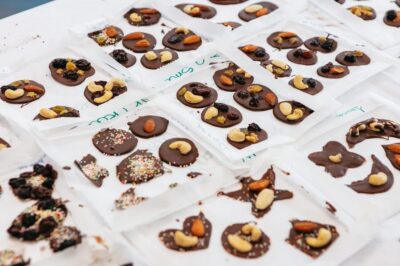
Belgian Praline and Mendiants Chocolate Workshop
Read our review →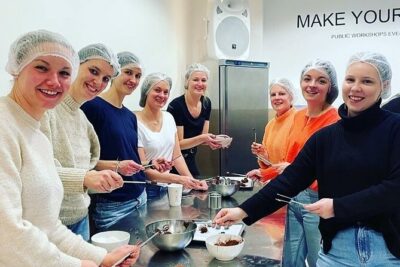
1.5h Belgian Chocolate Workshop in Brussels (bean to bar)
Read our review →
45-minute Chocolate Making Workshop at Choco-Story
Read our review →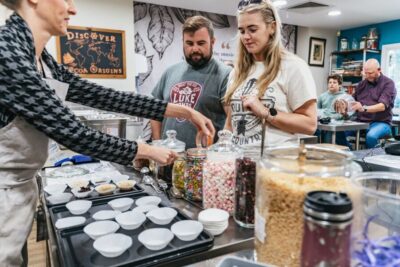
Chocolate Bar Making Workshop at York Cocoa Works
Read our review →
Bean to Bar Chocolate Workshop in Puerto Vallarta
Read our review →Browse the lists this tour appears in