
Review · CHOCOLATE MAKING WORKSHOPS
Santa Barbara: Chocolate Bar and Art Box Making Workshop
The best part of this Santa Barbara activity is that you do not simply taste chocolate. You make your own bar, choose its toppings, and package it in a wooden box you decorate yourself. The workshop takes place inside Menchaca Chocolates, a small micro-batch factory tucked into a halfway-underground corner of El Mercado.
I like the generous choice of 30 inclusions and the easygoing art time, which gives you something to do while the chocolate hardens. I also like the chance to learn about single-origin cacao and sample Menchaca’s chocolate and cacao husk tea. The main consideration is time: if you want to paint and detail the box carefully, allow close to two hours rather than one.
Key points to know before you book
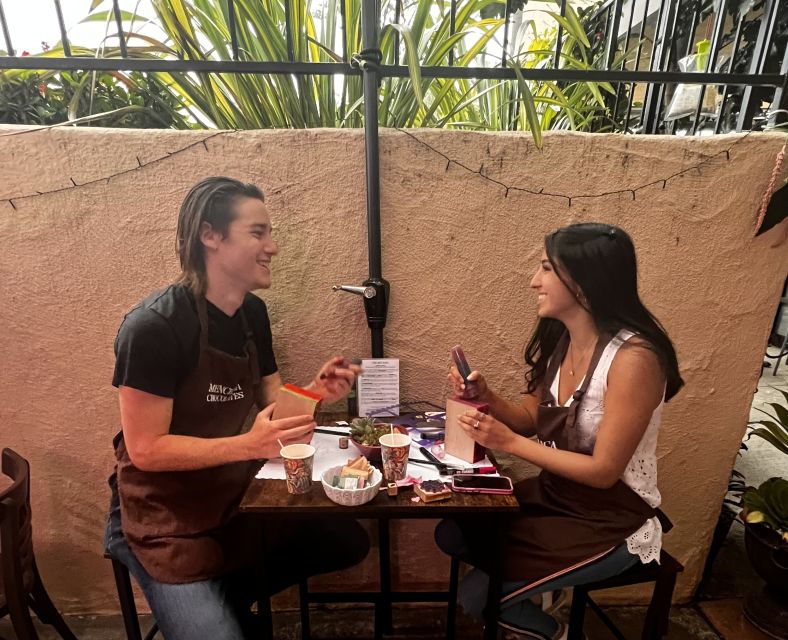
- Make the chocolate yourself: You choose a mold, chocolate type, and toppings, then work through the basic tempering process.
- Pick from three chocolate styles: Options include 60 percent dark, oat milk, and flavored white chocolate in strawberry, mango, or lemon.
- Decorate a useful keepsake: Your wooden box can be painted, stained, stenciled, stamped, and finished with stickers, transfers, or washi tape.
- Work inside a real micro-batch factory: The workshop takes place in Menchaca Chocolates, not a generic cooking classroom.
- Good for mixed-age groups: Children must be at least 7, but the activity has also worked for teenagers, parents, and grandparents.
- Plan for a relaxed pace: The official duration is one to two hours, and careful box decorating can take the full two hours.
Finding Menchaca Chocolates inside El Mercado
Your meeting point is Menchaca Chocolates in Santa Barbara. The shop sits in El Mercado, in a corner that is halfway underground. That setting matters because the activity feels more like a visit to a working chocolate shop than a polished tourist attraction built only for classes.
You will enter the shop, hang your belongings, put on a smock, and move toward the factory area. The setup includes smocks, tongs, chocolate molds, and outdoor seating. An English-speaking instructor leads the session, with Pete and his team associated with the hands-on experience.
The room is practical rather than formal. You are there to work, taste, and create. That makes this a nice change from a standard food stop where you buy a finished product and leave in ten minutes.
The workshop takes place rain or shine. Since the activity includes outdoor seating, it is sensible to dress for the day and keep your schedule flexible enough for a little time at the worktable.
More Chocolate Making Workshops in the USA:
- Nashville’s Goo Goo Chocolate Tasting & Candy Making Class
★ 5.0 · 247 reviews - Make your own Chocolate Bars & Chocolate Box
★ 4.5 · 38 reviews - Vienna: Chocolate Workshop in Chocolate Museum w/ Tasting
★ 4.5 · 1,802 reviews
Learning the chocolate before making it
The session begins with a chocolate talk and tasting led by the chocolate maker. You learn about flavor profiles from single-origin cacao beans gathered from different parts of the world. That short introduction gives you a better sense of why chocolate can taste different from one batch to another.
You also get samples of Menchaca’s chocolates and a small cup of cacao husk tea. These tastings are included, so you can try the shop’s style before choosing what you want to make.
The activity presents chocolate as a craft product made in small batches. That is useful context for anyone who usually thinks only in terms of milk chocolate versus dark chocolate. You get a basic look at cacao, flavor, and texture without signing up for a long technical class.
Do not expect a full professional chocolatier course. The point is to learn enough to make a bar successfully and understand the steps involved. If you enjoy food workshops that mix a little explanation with hands-on work, the balance should suit you.
Choosing your chocolate, mold, and toppings
After the introduction, you choose from a range of chocolate bar molds. The mold determines the basic shape and size of your bar, so this is the first place where your finished chocolate begins to look personal.
You then choose your chocolate. The listed choices are:
- 60 percent dark chocolate
- Oat milk chocolate
- Flavored white chocolate in strawberry, mango, or lemon
The exact combination available can depend on the option you select when booking. If you prefer darker chocolate, the 60 percent bar gives you that cocoa-forward starting point. Oat milk offers a nontraditional milk-style option, while the flavored white chocolate brings a sweeter fruit note.
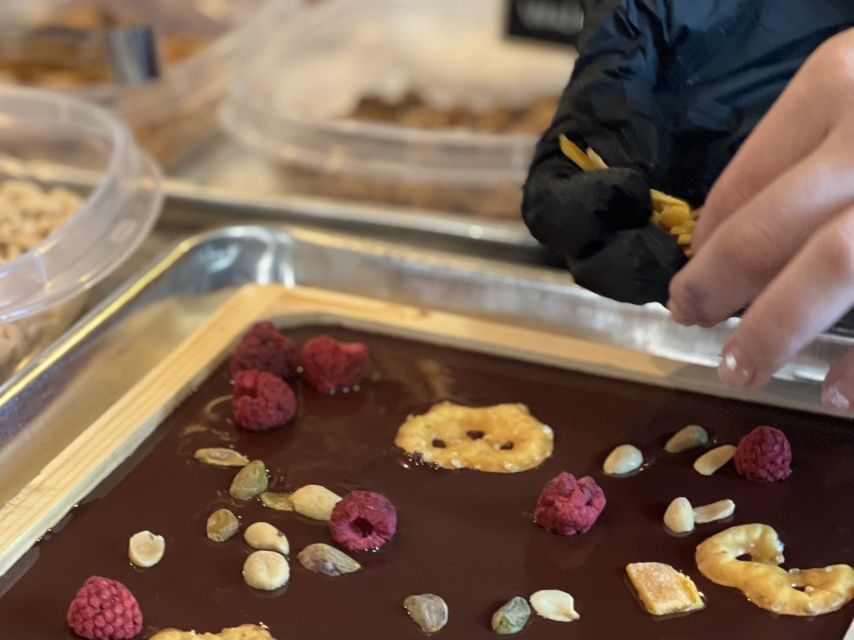
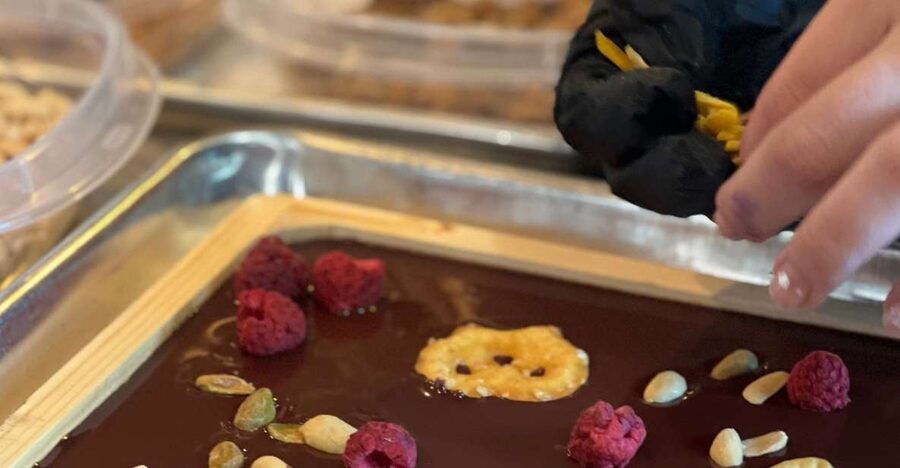
The real fun is the topping station, with 30 inclusions to choose from. You can build a simple bar with one or two additions, or mix several textures and flavors. Since the ingredients are your choice, this part works well for families and couples who want to make different bars rather than follow one fixed recipe.
You use tongs and molds as you assemble the bar. The activity is hands-on, but you are not left to guess what to do. The chocolate maker explains the process and helps you work through the key steps.
Tempering chocolate without turning it into a science exam
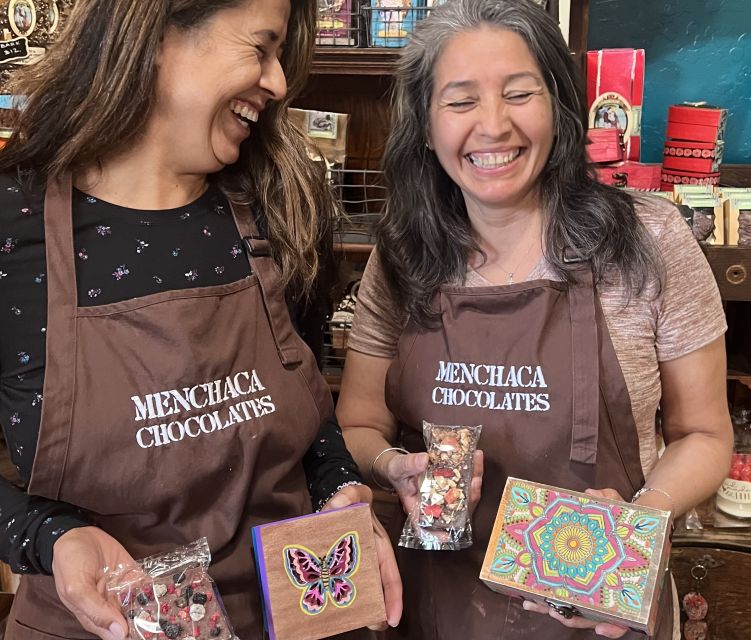
Tempering is part of the workshop. In simple terms, it helps chocolate set with a smoother finish and a pleasant snap. You will learn the basic method as part of making your own bar.
This is one of the more valuable parts of the activity because it explains why chocolate handling matters. You are not just pouring melted chocolate into a mold and hoping for the best. You get a taste of the process used in a craft chocolate setting, scaled down for a short class.
The workshop is not presented as a demanding technical lesson, and that is probably a good thing for a family outing. You can learn the main idea without spending an entire afternoon on temperatures and formulas.
Still, parents should keep an eye on younger children around chocolate and tools. The minimum age is 7, and that limit makes sense for an activity involving careful handling and a few process steps.
More Chocolate Tours in the USA:
- Lahaina: Maui Ku’ia Estate Guided Cacao Farm Tour and Tasting
★ 5.0 · 1,103 reviews - Princeville Botanical Gardens Tour and Chocolate Tasting Ticket
★ 5.0 · 774 reviews - Kauai Chocolate Farm Tasting Tour
★ 5.0 · 666 reviews - Award Winning Farm Tour: Coffee, Chocolate and Unique Gifts
★ 5.0 · 484 reviews
The art box is half the experience
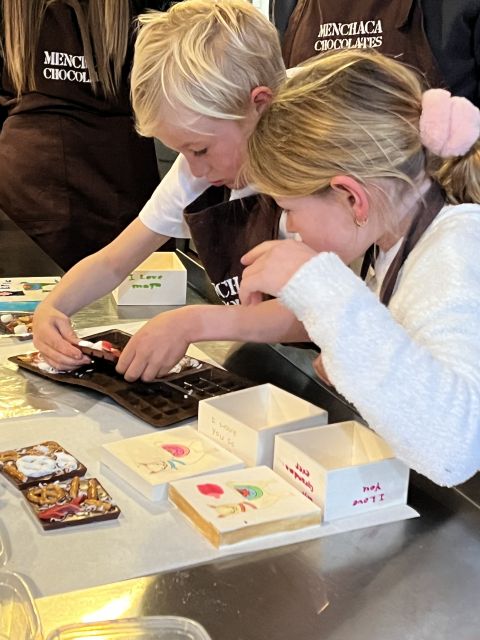
Once your chocolate is prepared, you choose the size of a wooden box. The box becomes both packaging and a small art project. You can paint or stain it, then add stencils, stamps, stickers, transfers, and washi tape.
This second half gives the workshop its strongest creative angle. The chocolate needs time to harden, so instead of standing around, you have a separate project to work on. You can make the box neat and simple, cover it with color, or build a more personal design.
The art table is supplied with materials, and you can add personal touches to the box as you work. This makes the activity more than a quick edible souvenir. You leave with something that can hold the chocolate and can continue to be useful after the bar is gone.
The art portion also changes the pace. Chocolate making is focused and fairly structured. Box decorating is slower and more open-ended. That combination helps explain why some visits take about an hour while others run close to two.
For families, this is where the activity earns its keep. A teenager may enjoy designing a box with a bold pattern, while a parent or grandparent may prefer a careful painted finish. One family visit included teenage boys who became absorbed in creating their boxes, and another included a 4-year-old enjoying the personalization. The official minimum age remains 7, so younger children are not eligible to take part in the workshop itself.
Removing, wrapping, and taking home your bar
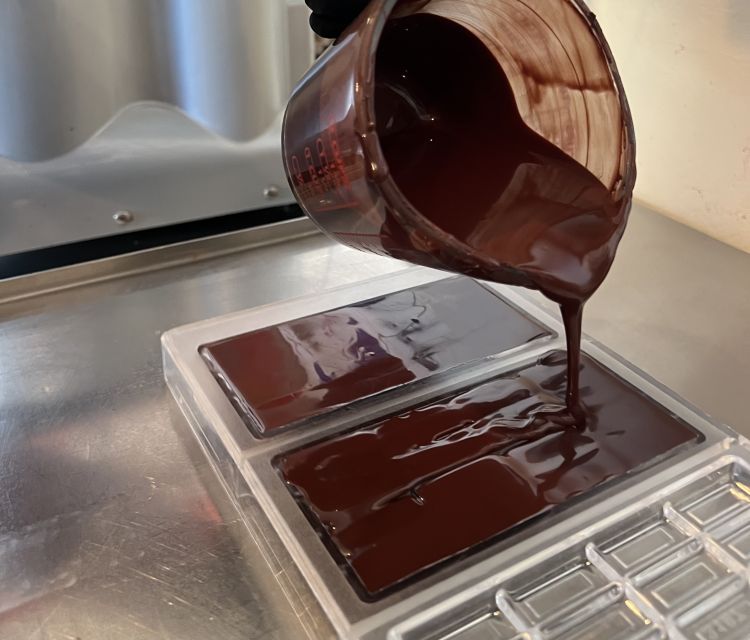
When the chocolate has hardened, you remove it from the mold. You then wrap it in foil or biodegradable cello bags and place it in the wooden box you decorated.
That final step gives the activity a satisfying finish. You are not leaving with a half-completed project or a sample handed to you at the door. You have made the bar, prepared the packaging, and created a box for it.
The finished chocolate is also easy to carry compared with many food souvenirs. The box protects the bar and gives it a more personal feel. Keep in mind that the chocolate is still a food item, so treat it with ordinary care in warm weather.
You can buy additional Menchaca Chocolates from the shop, but those purchases are not included in the workshop price. Seasonal specialty drinks are also extra.
Is $60 a fair price?
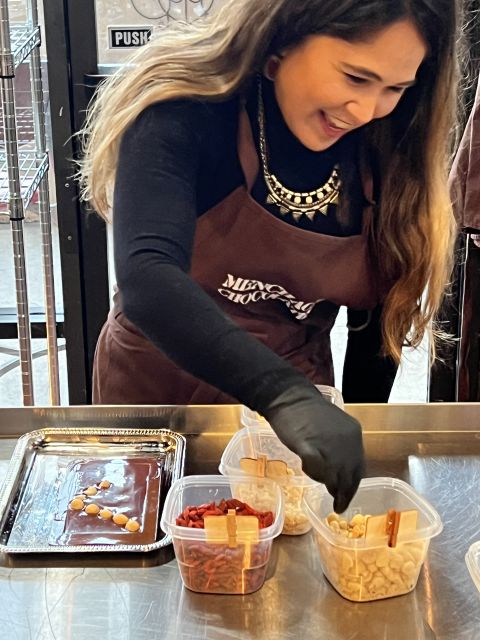
The workshop costs $60 per person. That is not the cheapest way to eat chocolate in Santa Barbara, but it covers more than a tasting.
Your price includes the chocolate talk, samples, cacao husk tea, chocolate for your bar, a choice of 30 toppings, the wooden box, art supplies, smocks, molds, and the hands-on instruction. You also receive a finished chocolate bar and a decorated container.
I see the value most clearly if you treat this as a creative activity rather than a food purchase. A simple chocolate bar from a shop would cost far less. The $60 pays for the guided process, the materials, the time at the art table, and the chance to make something with your own choices.
For a date, family outing, or small celebration, the price is easier to justify. It gives you a shared project and a keepsake, not just a snack. If you are mainly looking for a quick chocolate tasting, this is more time and money than you need.
The activity also works well for mixed interests. One person can focus on cacao and tempering while another spends more time painting the box. That flexibility improves the value for groups who do not all want the same kind of experience.
Who will enjoy this workshop most?
I would recommend it to couples looking for a relaxed date activity, families with children aged 7 and older, and anyone who likes making things with their hands. It is especially good for a group that wants a break from sightseeing without simply sitting down for a meal.
Teenagers may enjoy it more than you expect. The box gives them room to make independent choices, and the chocolate part offers an immediate reward. Parents can take part without needing advanced cooking skills.
The activity also suits visitors who want to learn a little about craft chocolate but do not want a long class. The single-origin cacao discussion, tasting, and tempering lesson add substance without taking over the session.
I would be less likely to choose it for someone who wants a formal factory tour, a detailed pastry lesson, or a fast stop under an hour. The workshop is casual and creative. Its appeal comes from making and decorating, not from seeing a large production line.
The experience is wheelchair accessible. The instruction is in English, and the activity is intended to run for one to two hours.
Booking tips for a smoother visit
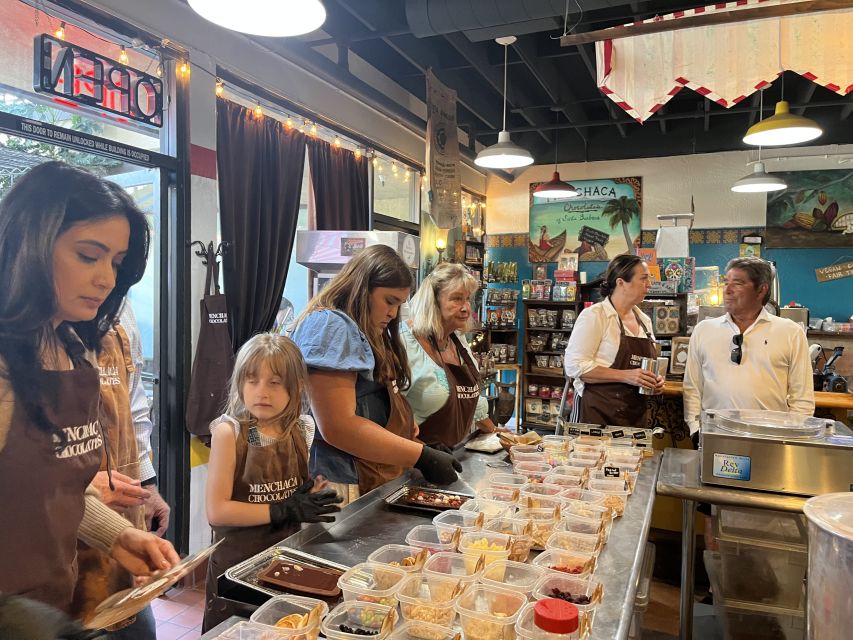
Set aside two hours if you care about the box design. You can finish sooner, but the art portion invites you to take your time.
Think about your chocolate preference before you arrive. The main choices are 60 percent dark, oat milk, and flavored white chocolate with strawberry, mango, or lemon. If your group includes several people, choosing different styles makes the tasting more interesting.
This is also a good activity to place in the middle of a Santa Barbara day. It does not require a full-day commitment, and the indoor factory setting means it operates in rain or shine.
You can cancel up to 24 hours before the activity for a full refund, and the reserve-now, pay-later option keeps your schedule more flexible. Check the available start times when booking because the session does not have one fixed daily time listed.
Should you book the Menchaca chocolate workshop?
Book it if you want a hands-on Santa Barbara activity with an edible result and a small piece of personal art. The strongest parts are the wide topping choice, the real craft chocolate setting, and the wooden box project that fills the waiting time.
Think twice if you only want to sample chocolate or if $60 feels high for a food activity. You are paying for instruction, supplies, creative time, and the finished box, not just the chocolate.
For families, couples, and creative food lovers, I would choose it. Give yourself the full two hours, let everyone make a different design, and treat the chocolate bar as only half the souvenir.
FAQ
Where does the chocolate workshop take place?
It takes place at Menchaca Chocolates in El Mercado, Santa Barbara. The shop is in a corner that is halfway underground.
How long does the activity last?
The workshop lasts one to two hours. Allow closer to two hours if you want to spend time decorating the wooden box.
How much does the workshop cost?
The price is $60 per person.
What types of chocolate can I choose?
The choices include 60 percent dark chocolate, oat milk chocolate, and flavored white chocolate. The white chocolate flavors are strawberry, mango, and lemon.
How many toppings are available?
You can choose from 30 inclusions to add to your chocolate bar.
What is included in the price?
The price includes the chocolate talk, samples of Menchaca’s Chocolates, a cacao husk tea taster cup, chocolate, toppings, molds, tongs, a smock, a wooden box, art supplies, and outdoor seating.
Can children take part?
Children under 7 are not permitted to take part. Children aged 7 and older can join the workshop.
Is the workshop wheelchair accessible?
Yes, the activity is wheelchair accessible.
What happens if it rains?
The workshop runs rain or shine.
Newest chocolate tours around the USA
- Waterfall, Chocolate Tour, Rainforest, Royal Historical★ 4.6 · 16 reviews
- Vegas: Taste, Explore & Shop Chocolate Tour★ 3.4 · 16 reviews
- Santa Fe Chocolate Tasting and History Exploration Tour★ 5.0 · 6 reviews
- Churches & Chocolate Cart Tour★ 5.0 · 4 reviews
- Make your own Chocolate Bars & Chocolate Box★ 4.5 · 38 reviews
- Santa Barbara’s Ultimate Wine and Chocolate Walking Tour★ 5.0 · 19 reviews
- Savannah History plus Coffee and Chocolate Walking Tour★ 5.0 · 28 reviews
- San Francisco’s Essential Chocolate Chip Cookie Workshop★ 5.0 · 31 reviews
Chocolate Making Workshops, compared.
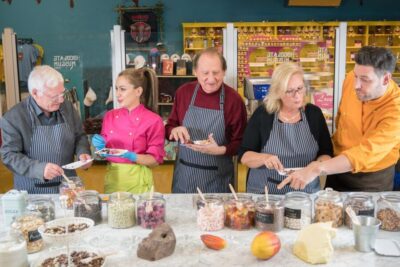
Chocolate Workshop in Chocolate Museum w/ Tasting
Read our review →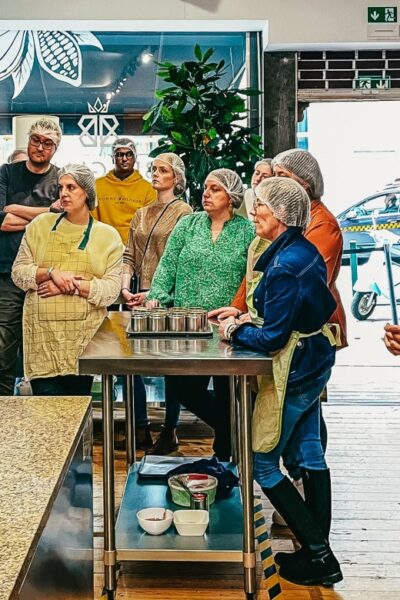
Belgian Chocolate Making Workshop with Tastings
Read our review →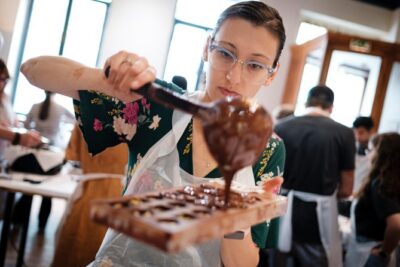
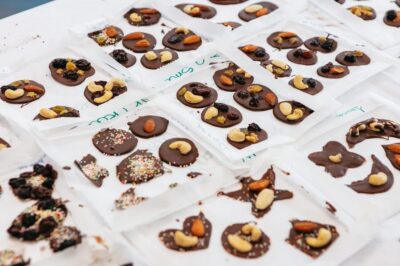
Belgian Praline and Mendiants Chocolate Workshop
Read our review →
1.5h Belgian Chocolate Workshop in Brussels (bean to bar)
Read our review →
45-minute Chocolate Making Workshop at Choco-Story
Read our review →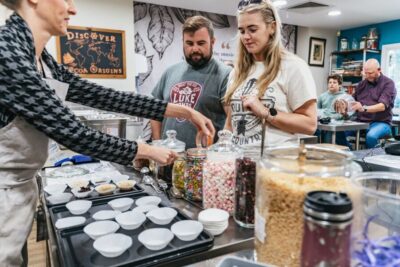
Chocolate Bar Making Workshop at York Cocoa Works
Read our review →
Bean to Bar Chocolate Workshop in Puerto Vallarta
Read our review →Browse the lists this tour appears in