
Review · CHOCOLATE TASTINGS
The Turin Chocolate Tasting Experience
Turin’s chocolate story begins with a drink, not a candy bar. At Caffè Elena, you’ll taste bicerin, a layered blend of coffee, chocolate, and cream served in the old café tradition, then move into giandujotti, cremini, and serious dark chocolate. The city’s royal past gives the tasting a useful sense of place rather than a string of unrelated samples.
I like two things right away: the tour connects food with Turin’s streets, and it treats chocolate as a craft worth understanding. Fabio has earned praise for his clear explanations, while Frederick has guided families with young children. The main consideration is hazelnuts: they are central to gianduja, so this is not a suitable outing for anyone with a hazelnut allergy or intolerance.
Key points to know before booking
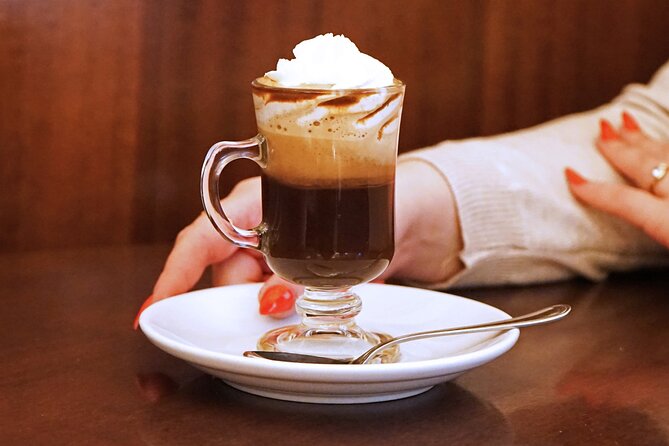
- Bicerin starts the tour: You’ll taste Turin’s traditional coffee-and-chocolate drink at Caffè Elena, or receive a Marocchino or local ice cream alternative.
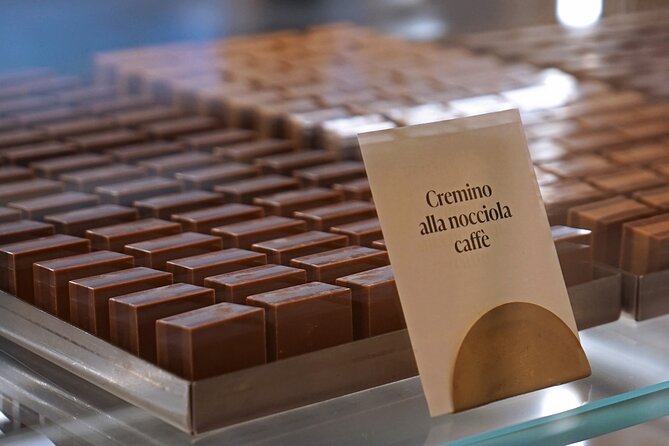
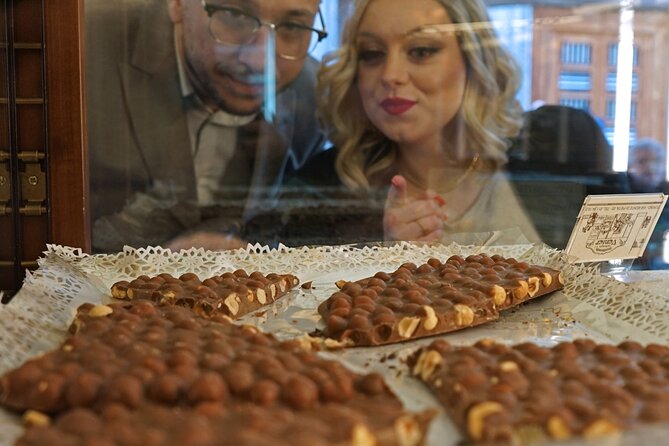
- Gianduja is the local specialty: Expect giandujotto, cremino, and other chocolates made with finely ground Piedmont hazelnuts.
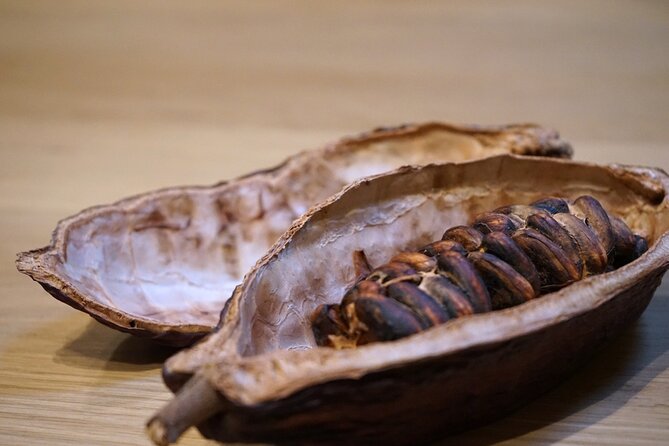
- Bean-to-bar chocolate gets real attention: The workshop focuses on organic dark chocolate made with carefully selected cocoa.
- Barolo Chinato changes the pace: This aromatized wine from the Barolo area is served as a chocolate pairing.
- The walking is gentle but useful: Piazza Vittorio Veneto, the Gran Madre church, porticoes, and lesser-known corners connect the tasting to Turin’s character.
- Small groups keep it personal: A maximum of 10 participants makes it easier to ask questions and adjust tastings to your preferences.
Why Turin is such a good chocolate city
Turin is not simply a place where chocolate shops happen to sell local sweets. Chocolate became part of the city’s identity through the royal court and noble families, who helped make elaborate coffee and chocolate customs fashionable.
The shortage and high price of cocoa in the 19th century also pushed local confectioners toward an ingenious solution. They blended chocolate with finely ground hazelnuts from Piedmont, creating gianduja. That mixture became the base for the famous giandujotto and many later forms of Turin chocolate.
I find this context useful because it explains what you are tasting. Gianduja is not just a softer, nuttier chocolate. It reflects local farming, old café culture, and a practical response to expensive imported cocoa.
The experience also makes room for modern chocolate making. You’ll taste organic, bean-to-bar products and dark chocolate made with cocoa from a small share of global production. The point is not only to identify sweet flavors. You’ll learn how cocoa quality and production methods affect the final bar.
More Chocolate Tastings in Italy
- The Turin Chocolate & Wine Tasting Experience
★ 4.7 · 87 reviews - Fine Chocolate Tasting in Turin
★ 4.8 · 71 reviews - The Turin Chocolate & Wine Tasting Experience
★ 5.0 · 62 reviews
Caffè Elena and the first cup of bicerin
Meet your guide under the porticoes in front of Caffè Elena at Piazza Vittorio Veneto 5/B. This is a practical meeting point in a well-known square, but give yourself enough time to find the exact spot. One participant arrived late after getting lost, and the guide was able to help, but a punctual start is still best for a short tour.
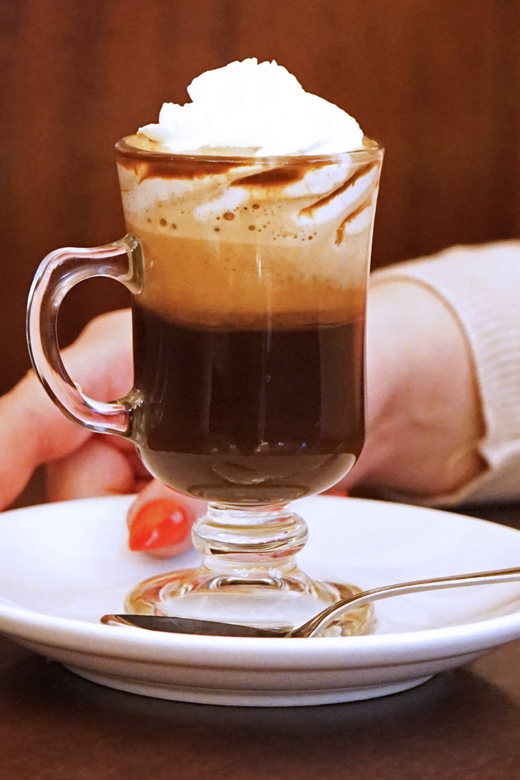
The first tasting lasts about 20 minutes. Your main choice is bicerin, Turin’s traditional drink, served in the old café style. It combines coffee, chocolate, and cream in distinct layers, so you can taste the elements separately before blending them with each sip.
If you prefer, the drink may be replaced with a Marocchino or a typical local ice cream. The alternatives make the opening course more flexible, but bicerin is the choice I would make if you have never tasted it. It is one of the most specifically Turin things on the menu.
Caffè Elena provides the right setting. Turin’s porticoed cafés are part of the city’s social history, and beginning here gives the tour a sense of occasion without requiring a formal meal. One useful point: the bicerin at Stratta was singled out as a highlight in one account, so the precise café arrangement may vary. Follow your guide’s direction on the day.
A short walk through Turin’s central sights
After the café, you’ll walk toward Piazza Vittorio Veneto and the Chiesa Parrocchiale della Gran Madre di Dio. The sightseeing portion is brief, with stops of roughly five minutes, so do not book this expecting a full architectural tour.
That brevity works in the tour’s favor. You get enough city context to understand where Turin’s café and chocolate traditions developed, then return to the food. The guide may point out photo spots, lesser-known corners, and places you might otherwise pass without noticing.
Much of the walking takes place beneath Turin’s porticoes. That matters on a rainy day, since the tour can continue in wet weather with some shelter overhead. You should still wear comfortable shoes and bring weather protection, but the route is not designed around a long exposed walk.
The Gran Madre stop adds a visual break between tastings. It also keeps the outing from feeling like a shop-to-shop sugar crawl. You’ll see a little of Turin, hear some background about the city’s role in Italian identity, and then move on to the main workshop.
The chocolate workshop and bean-to-bar tasting
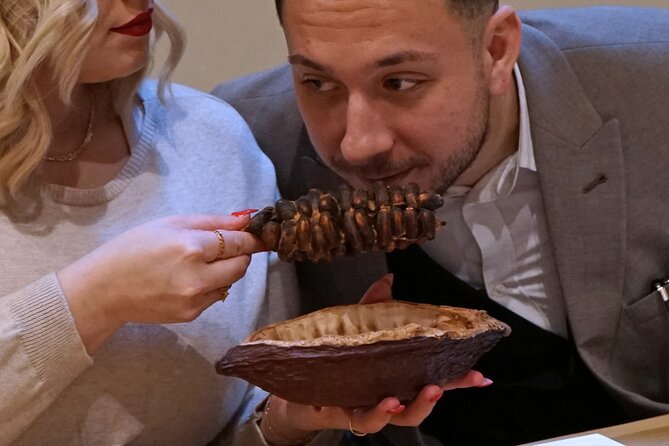
The final portion lasts about 45 minutes and takes place in a bistrot-style setting, listed as Bistrot Turin. Experience details also identify the chocolate venue as Chocolate7, a small boutique chocolatier associated with the workshop. This is where the tour shifts from café tradition to chocolate education.
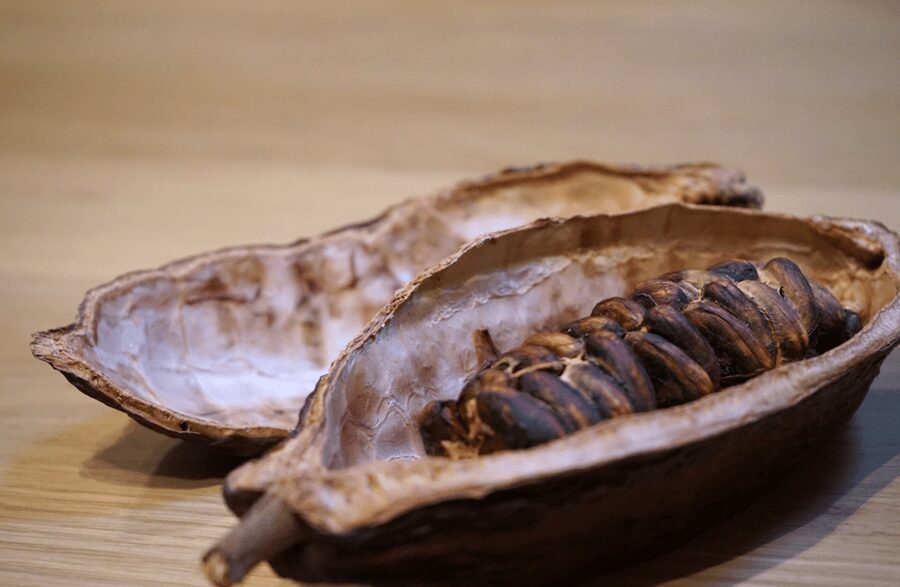
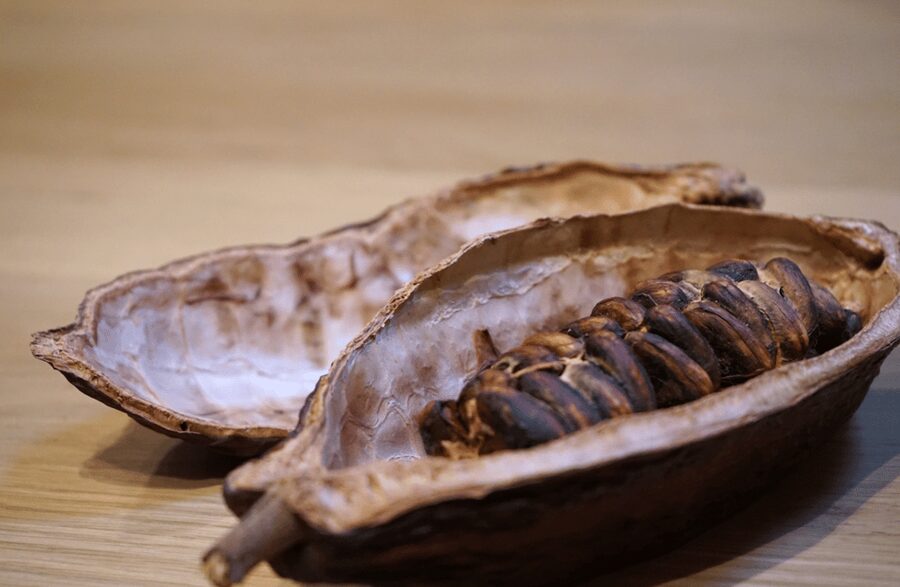
The guide introduces dark chocolate made from fine cocoa and explains the bean-to-bar process. That phrase matters. It means the maker controls more of the process from cocoa bean to finished bar, rather than simply buying finished industrial chocolate and adding flavorings.
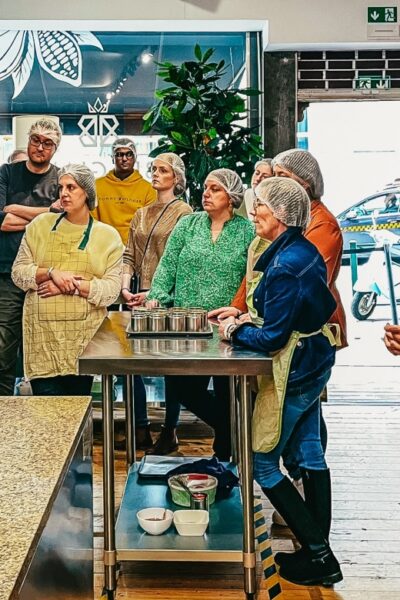
You’ll taste six different chocolates overall, including gianduja and dark bean-to-bar examples. The selection may be adjusted to your preferences, which is useful if you prefer bitter dark chocolate, softer milk chocolate, or nutty flavors. One of the strongest features of this tour is the chance to ask questions as you taste instead of receiving a long lecture before the food appears.
The dark chocolate section may appeal most to serious chocolate fans. The experience focuses on cocoa quality, organic products, and the relatively small portion of the world’s cocoa production considered finest for this kind of chocolate. You should not expect every sample to be sweet and easy. Some bars may be more intense, earthy, or bitter, which is exactly the point of the comparison.
The workshop setting is air-conditioned in summer. That is a small but practical detail, especially after walking through the city in warm weather.
More Chocolate Tastings in the world:
- Brussels: Belgian Chocolate Making Workshop with Tastings
★ 4.7 · 1,629 reviews - Bruges: Choco-Story Chocolate Museum Guided Tour w/Tastings
★ 4.2 · 1,379 reviews - Paris French Sweets Tasting Tour with Pastries and Chocolates
★ 4.5 · 947 reviews - Brussels Walking and Tasting Tour (Beers,Chocolates&Fries/Waffle)
★ 5.0 · 929 reviews
Giandujotto, cremino, and the Piedmont flavor
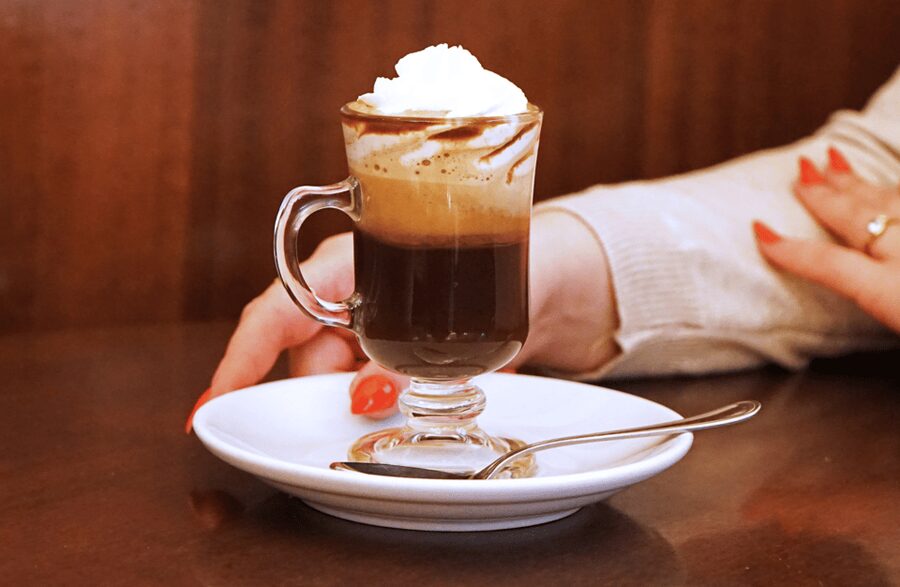
The traditional tasting brings the focus back to Turin. Giandujotto is the familiar boat-shaped or wrapped gianduja sweet made by blending chocolate with finely ground hazelnuts. Cremino is softer and layered, often giving you a different texture and a more gradual hazelnut flavor.
Your guide explains how gianduja developed in Turin when cocoa was scarce and expensive. This is the part of the tour that gives the sweets a local reason for existing. You are not just trying a collection of Italian chocolates. You are seeing how Piedmont’s hazelnuts changed the direction of Turin confectionery.
Hazelnuts are also the main limitation. Anyone allergic or intolerant to hazelnuts should skip this tour. The guide can provide lactose-free alternatives, but that does not solve the hazelnut issue because nuts are central to the tasting.
If you are bringing children, the format can work well for families. The tour is short, the stops are varied, and children over age three who do not want to participate in the tasting can be booked in the infant slot at no charge. The guide Frederick has handled a family group with young children, but keep in mind that the experience is still built around tasting and discussion rather than games.
Why Barolo Chinato belongs with chocolate
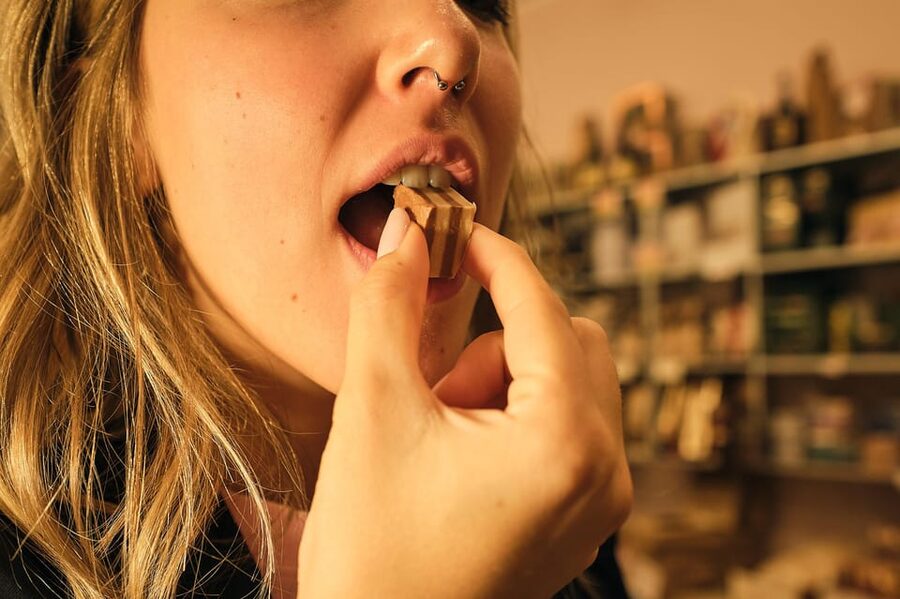
The wine pairing is Barolo Chinato, an aromatized wine produced in the Barolo area of Piedmont. It is served with the chocolate at the workshop and adds a more grown-up note to the tasting.
This pairing is valuable because it changes how you taste the sweets. Wine can bring out spice, bitterness, or fruit notes that are easy to miss when you eat chocolate on its own. You do not need to be a wine expert. The guide explains the pairing in plain terms and lets you decide which combinations work best for your palate.
If you do not drink alcohol, check with the guide at the start about the tasting arrangement. The supplied details confirm lactose-free alternatives, but they do not promise a nonalcoholic replacement for Barolo Chinato.
Guide style and group size
The tour is offered in English or Italian, with a maximum of 10 participants. That small size is important here. A chocolate lesson loses some of its charm if you cannot hear the explanation or ask about each sample.
Fabio is the guide most often identified with the experience. His explanations cover both chocolate making and Turin’s history, and his friendly approach suits people who want more than a formal food lecture. Frederick has also led the tour, including for a family with young children.
The tone can vary with the guide and the group. One account described a mixed wine-and-chocolate group, and another group left early to catch a train. If you have a firm departure time, tell the guide at the beginning and allow the full 90 minutes unless you have arranged otherwise.
The most praised part of the guiding is the combination of food knowledge and personal attention. The guide explains recipes, ingredients, and unusual details, then adjusts the tasting to your likes when possible. That makes the experience more useful than simply receiving six chocolates in a box.
Is $51 a fair price?
At $51 per person, this is not the cheapest way to eat chocolate in Turin. You could buy a giandujotto, order a café drink, and browse a chocolate shop for much less.
The value comes from the combination. The price includes more than an hour with a local food expert, the opening coffee drink or alternative, six chocolate tastings, traditional gianduja, bean-to-bar dark chocolate, and Barolo Chinato. It also includes a short introduction to Turin’s squares, church, porticoes, and café culture.
I consider the price reasonable if you want explanation and comparison, not just dessert. It is especially useful early in a Turin visit, when the guide can help you recognize local specialties for the rest of your stay.
The value is weaker if you dislike dark chocolate, do not drink wine, or mainly want a large quantity of sweets. This is a guided tasting, not an unlimited chocolate buffet, even though one account described generous sampling at the boutique stop.
Who should book this tasting?
I would choose this experience for couples, small groups of friends, and families with children old enough to enjoy a short walking tour. It suits anyone who feels overloaded by museum and church tours but still wants to understand Turin through its food.
It is also a good choice for chocolate fans who want to compare traditional gianduja with modern bean-to-bar chocolate. The contrast between hazelnut-heavy local sweets and intense dark bars gives the tasting a clear structure.
You may want to skip it if you have a serious hazelnut allergy, dislike chocolate, or need a fully accessible route that has been confirmed in advance. The tour involves walking between stops, and the available information does not provide detailed accessibility specifications.
Book with room for a light meal beforehand, but do not arrive stuffed. You will taste enough chocolate, coffee, and wine that a full stomach will make the experience less enjoyable. A small breakfast or early lunch is the better plan.
Practical details that matter
The tour lasts 1.5 hours and begins at Caffè Elena in Piazza Vittorio Veneto. It ends at Bistrot Turin after the workshop-style tasting.
Cancellation is free up to 24 hours before the start, and you can reserve now and pay later. Starting times vary, so check availability for your chosen date.
Rain does not automatically cancel the outing because much of the walk uses Turin’s porticoes. The final workshop venue is air-conditioned during summer.
Tips are not included. If the guide has provided a personal, informative experience, carry a little cash or use the payment method accepted locally.
Should you book the Turin Chocolate Tasting Experience?
Book it if you want Turin’s chocolate tradition explained in context. The bicerin, giandujotto, cremino, bean-to-bar chocolate, and Barolo Chinato form a well-shaped tasting rather than a random sugar stop.
I especially like the balance between old and new: a historic café drink first, then modern cocoa education at the workshop. Fabio’s food and city explanations have been a strong part of the experience, and the small group size gives you a fair chance to ask questions.
Skip it if hazelnuts are a problem, if you want a full city tour, or if you would rather spend $51 buying chocolate on your own. For most visitors who enjoy sweets and want a more informed taste of Turin, this is a useful and pleasurable 90 minutes.
FAQ
Where does the Turin Chocolate Tasting Experience begin?
Meet the guide under the porticoes in front of Caffè Elena at Piazza Vittorio Veneto 5/B in Turin.
How long does the chocolate tour last?
The experience lasts 1.5 hours, including the café tasting, short city walk, and workshop-style chocolate tasting.
Which languages are available?
The tour is offered in English and Italian.
How many people can join the tour?
The group is limited to 10 participants.
Is bicerin included?
Yes. One cup of bicerin or Marocchino is included, with a typical Turin ice cream offered as an alternative.
Can people with lactose intolerance join?
Yes. Lactose-free alternatives are available. Tell the guide at the beginning of the tour.
Is the tour suitable for people with hazelnut allergies?
No. The experience is not suitable for people allergic or intolerant to hazelnuts because gianduja and several traditional chocolates contain them.
Newest chocolate tours around the world
- Bohol Chocolate Making and Farm Tour★ 5.0 · 2 reviews
- Bordeaux: Chocolate and Pastry Food Tasting Tour★ 4.9 · 40 reviews
- Big Island Hawaii: Craft Chocolate Tasting and Farm Tour★ 5.0 · 14 reviews
- Bogotá: Candelaria Tour with Cacao and Coffee Workshop★ 5.0 · 3 reviews
- Barossa: Enjoy Wine, Lunch, Brewery, Chocolate & Wildlife★ 4.5 · 26 reviews
- Chocolatier for a day: raw bean to bar chocolate in Modica★ 5.0 · 33 reviews
- Bern: Gruyères Cheese and Cailler Chocolate Tasting Tour★ 4.7 · 3 reviews
- Barcelona: Delicious Chocolate walking tour★ 5.0 · 2 reviews
Chocolate Tastings, compared.
Belgian Chocolate Making Workshop with Tastings
Read our review →
Choco-Story Chocolate Museum Guided Tour w/Tastings
Read our review →
Paris French Sweets Tasting Tour with Pastries and Chocolates
Read our review →
Brussels Walking and Tasting Tour (Beers,Chocolates&Fries/Waffle)
Read our review →
Princeville Botanical Gardens Tour and Chocolate Tasting Ticket
Read our review →
Brussels and Bruges Tour & Optional Chocolate Tasting
Read our review →
Browse the lists this tour appears in