
Review · CACAO FARM TOURS
Big Island Hawaii: Craft Chocolate Tasting and Farm Tour
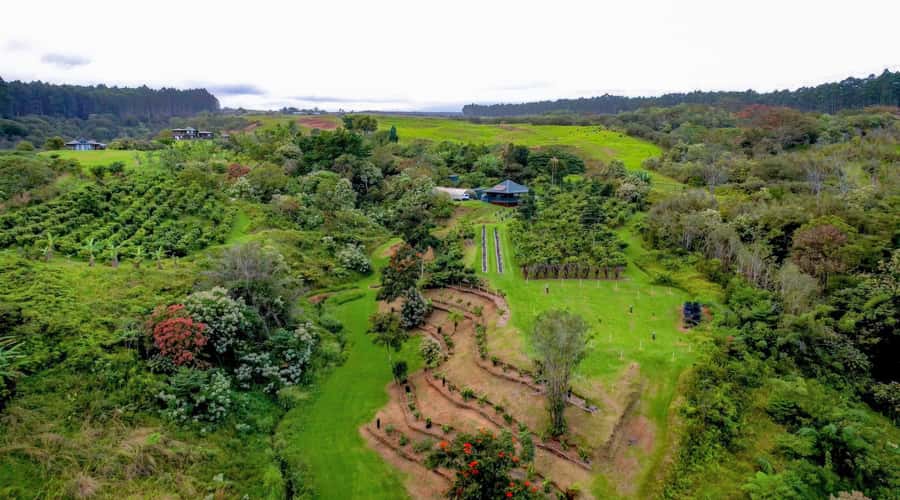
Chocolate tasting here starts well before the first bar reaches your plate. At Honolii Orchards, you walk among cacao trees, see where the fruit grows, and follow the beans into the fermentation room before sitting down to compare at least 10 single-origin Hawaiian chocolates. The farm is only five minutes from Hilo, yet the drive up Puia Road quickly feels far removed from town.
I like two things especially. First, the tasting has a clear sense of place: each bar comes from a different Hawaiian farm, so you can compare how soil, weather, and cacao genetics affect flavor. Second, the guides explain the less glamorous work, including cultivation and fermentation, rather than treating chocolate as a finished product that simply appears in a wrapper. The main consideration is the price, $130 per person, which makes this a special-interest outing rather than a casual stop for a quick sample.
- Ten or more Hawaiian bars: Compare single-origin chocolate from farms across the islands.
- A real farm visit: Walk through Honolii Cacao Orchards and see cacao growing in its working setting.
- Fermentation explained: Learn why post-harvest processing can make or break the final chocolate.
- Fresh cacao treats: Try cacao juice, roasted beans, cacao tea, chocolate-covered macadamias, and seasonal fruit.
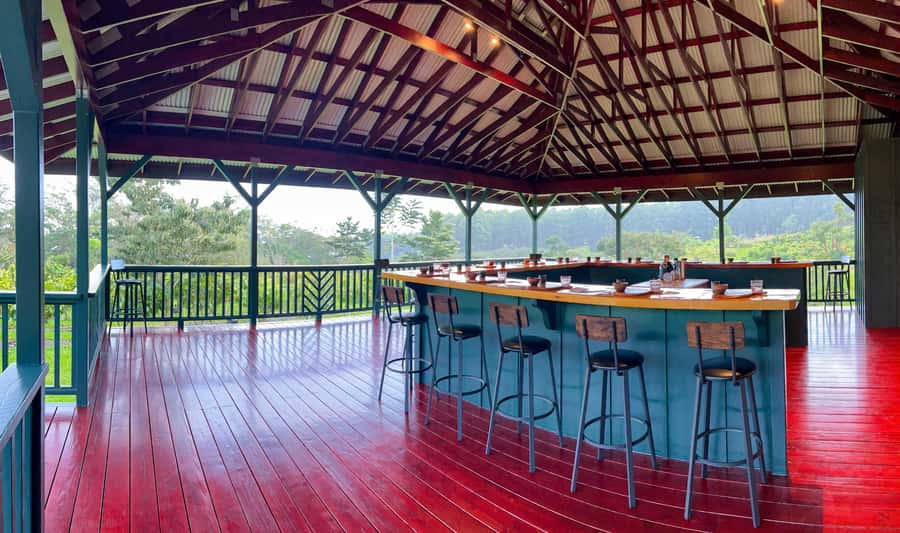
- Views from the tasting room: Look over the orchard, valley, and ocean from the farm’s comfortable indoor setting.
- Best for curious adults and older children: The experience lasts 210 minutes and is not suitable for children under nine.
A Working Cacao Farm Five Minutes from Hilo
Honolii Orchards sits at 1533 Puia Road in Paukaa, just outside Hilo. The route takes you off Mamalahoa Highway, through Paukaa Town, and up a narrow rural road for about 1.7 miles. The farm describes the drive as five to ten minutes from the turnoff, and that short climb is part of the experience. You pass historic agricultural country associated with breadfruit, sugarcane, macadamia, and cattle.
The final approach deserves a little attention. Puia Road may appear as Woa Road on some signs or map references, so use the provided Google Maps pin rather than relying on roadside labels. The entrance has a green gate and a large vinyl sign. Follow Google Maps, and ignore private-road signs along the way as instructed by the farm.
I would not plan this as an easy last-minute ride-share stop. One booking party had trouble getting an Uber driver to locate the farm afterward. If you do not have a car, make your return plan before arriving. This is a rural property, not a downtown tasting room with cars passing every few minutes.
The farm’s setting helps explain the cost. You are not simply paying for a flight of chocolate. The three-and-a-half-hour visit combines a guided agricultural walk, a fermentation-room visit, a class on chocolate history, a hosted tasting, and time in a scenic private setting. That is a good value for someone who wants the subject treated seriously, but less so if you only want a few sweets.
Starting in the Orchard Canopy
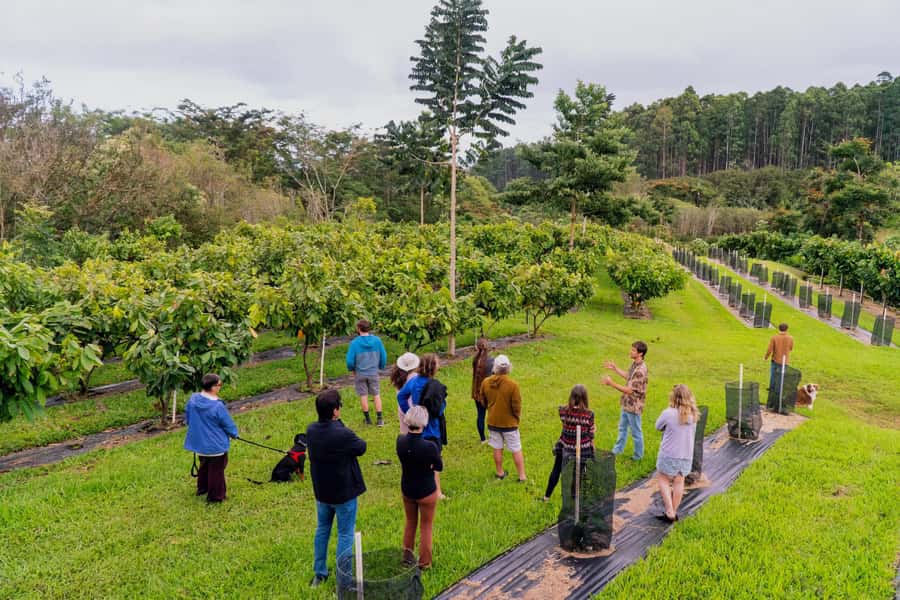
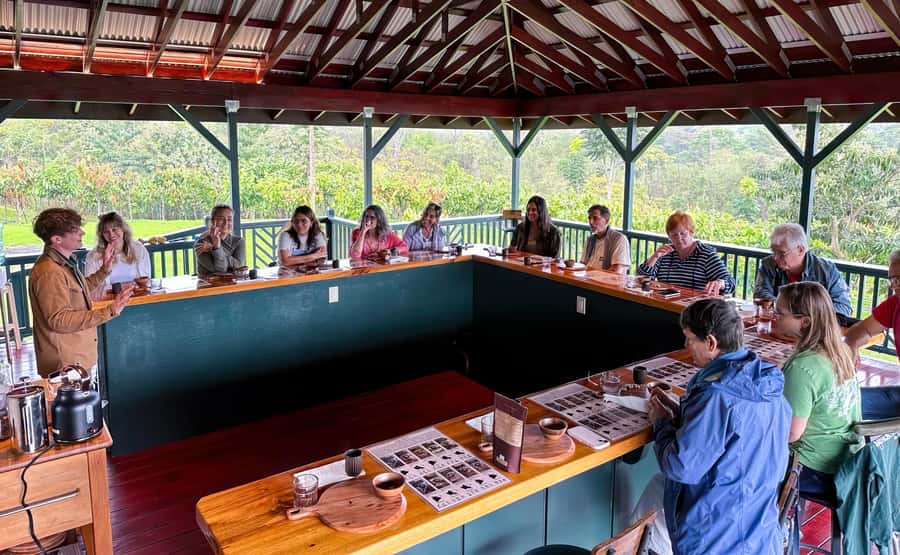
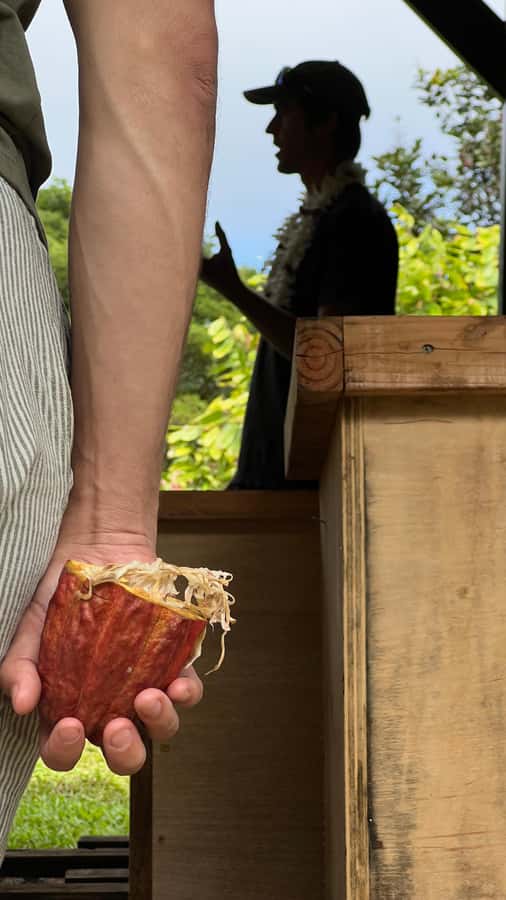
The visit begins in the tasting room, where you can settle in with a welcome refreshment and get acquainted with the hosts. From there, the guide takes you outside into the orchard. The focus is cacao, but the wider setting matters too. This part of the Big Island has an agricultural past shaped by sugarcane, and the tour connects today’s craft chocolate work with that older farming economy.
You learn how cacao trees are cultivated and how their pods are harvested. The useful point is that cacao is not just a tropical backdrop for a vacation photograph. It is a crop that demands careful timing and attention from tree to finished bean.
The walk also gives you a better sense of scale. A chocolate bar can look simple on a store shelf, but it represents many decisions made at the farm level. Genetics, growing conditions, harvest timing, and post-harvest handling all influence what you eventually taste.
Ask questions as you go. The format is designed for curiosity, and the guides can explain the work in accessible language. One useful quality of the presentation is that technical ideas are explained without assuming you already understand agriculture or chocolate production. That makes the tour suitable for a serious beginner, not just someone already collecting single-origin bars.
Mobility is worth considering. You walk through an orchard and spend time standing during parts of the visit. If standing for long periods or walking on a farm is difficult for you, contact the farm in advance.
More Chocolate Tastings in the USA
- Princeville Botanical Gardens Tour and Chocolate Tasting Ticket
★ 5.0 · 774 reviews - Kauai Chocolate Farm Tasting Tour
★ 5.0 · 666 reviews - Nashville’s Goo Goo Chocolate Tasting & Candy Making Class
★ 5.0 · 247 reviews
Why Fermentation Matters More Than Most People Realize
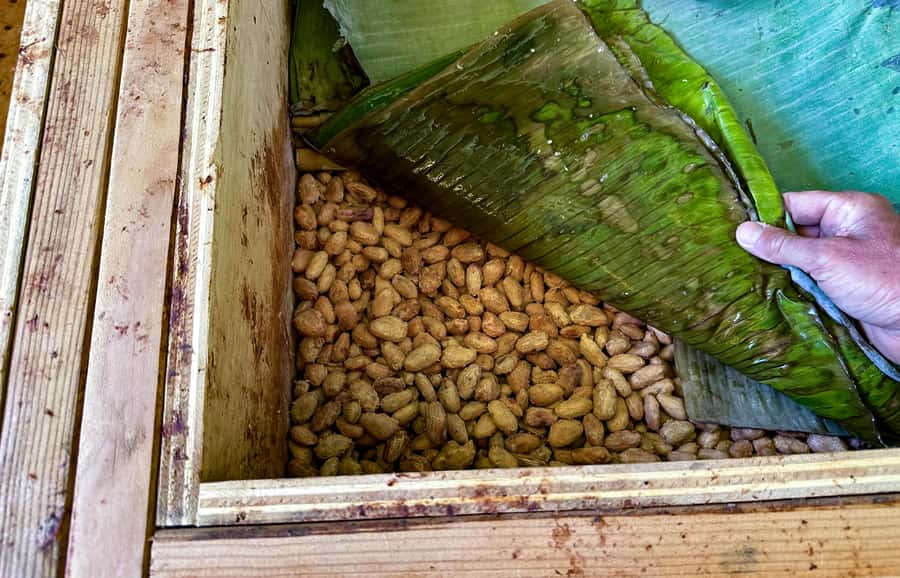
The fermentation-room visit is the part that separates this outing from a standard chocolate tasting. Cacao beans do not taste like a finished chocolate bar when they come fresh from a pod. Fermentation is a critical step after harvest, and it affects the aromas and flavors that later develop during drying and chocolate making.
At Honolii Orchards, the guide explains the science behind this process and shows how the farm handles it. You get a look at the point where agricultural practice and food production meet. That matters because the quality of a bar is not determined only by the cacao variety or the recipe. Handling after harvest can change the result dramatically.
I find this section especially useful because it gives you a way to judge chocolate more thoughtfully. If a bar tastes fruity, earthy, nutty, floral, or sharply acidic, you begin to understand that those notes may reflect much more than added flavoring. They can come from the bean, the place where it grew, and the way it was processed.
The farm’s emphasis on science is another plus. You are not asked to accept vague language about artisan quality. Instead, the presentation connects farming choices with the final taste. That makes the later tasting more than a pleasant snack break.
Chocolate from Ancient Mesoamerica to Hawaii
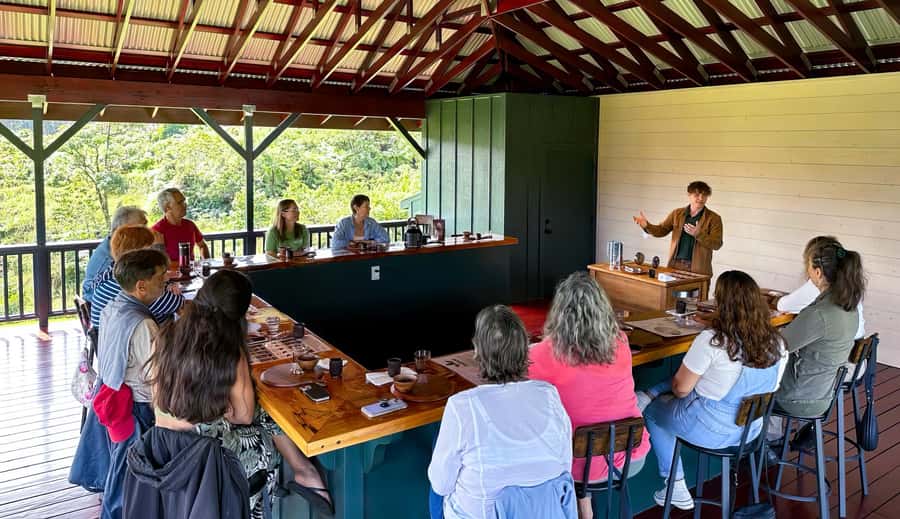
Back in the tasting room, the tour shifts from agriculture to history. You follow chocolate from its origins in ancient Mesoamerica to the modern craft chocolate movement. This gives the tasting a useful frame, especially if you have only known chocolate as a mass-produced candy or dessert.
The comparison between craft and mass-produced chocolate is practical. Large-scale chocolate is made for consistency and broad appeal. Craft chocolate places more attention on the origin of the cacao, the handling of the beans, and the distinct character of each batch.
That does not mean every craft bar will be your favorite. In fact, one of the useful lessons is that the bars can vary widely. Some may taste familiar and approachable, while others may be more acidic, bitter, earthy, or unusual. The point is not to declare one style correct. It is to figure out what you enjoy.
The guides, including Wren and Jude, bring different strengths to the visit. Wren is described as especially passionate about cacao production and the work Honolii Orchards is doing to improve farming and chocolate making. Jude handles the hosting side of the tasting, keeping the samples and drinks moving with a calm, welcoming touch. Their enthusiasm is central to the experience, but the tone remains educational rather than sales-driven.
Tasting Ten or More Single-Origin Bars
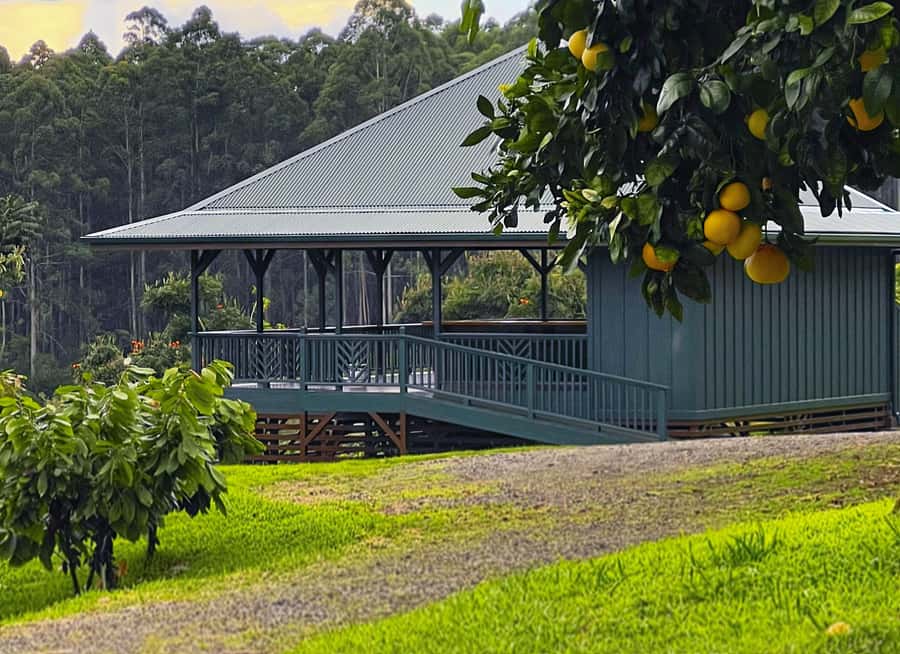
The main tasting includes at least 10 single-origin craft chocolate bars sourced from farms around the Hawaiian Archipelago. The exact number can vary. Some tasting parties received 11 or even 15 samples, so you may taste more than the advertised minimum.
Single-origin means the chocolate is tied to a particular farm or source rather than being blended into a generic product. This lets you compare the character of different Hawaiian growing areas. The tasting works best if you slow down and pay attention instead of treating each square as another sweet bite.
You might notice changes in texture, sweetness, bitterness, acidity, fruitiness, or roast character. You may also find that the most expensive-looking or unusual bar is not your favorite. That is part of the fun. The goal is to train your palate and identify your own preferences, not to pass a test.
The setting helps. The tasting room sits above the orchard canopy and has broad ocean and valley views. You can take your time between samples, look outside, and discuss what you are noticing. This is a much better environment for comparison than a crowded shop where samples are handed over at speed.
The extra foods make the tasting more varied. You can try fresh cacao juice, roasted cacao beans, cacao tea, chocolate-covered macadamias, and seasonal fruit or other farm-fresh treats. Fresh cacao juice is particularly useful for understanding the fruit before it becomes chocolate. Roasted cacao beans show a more direct link between the raw agricultural product and the flavors in the bar.
A chocolate drink is also served during the experience. One tasting party found it memorable enough to want more, but your own response will depend on how much you like strong cacao flavors. The farm also sells chocolate tea, brewing chocolate, and the bars you sample, though those purchases are not included in the tour price.
More Cacao Farm Tours in the USA:
- Lahaina: Maui Ku’ia Estate Guided Cacao Farm Tour and Tasting
★ 5.0 · 1,103 reviews - Award Winning Farm Tour: Coffee, Chocolate and Unique Gifts
★ 5.0 · 484 reviews - Lahaina: Maui Ku’ia Estate Guided Cacao Farm Tour & Tasting
★ 4.8 · 137 reviews - Boti Falls, Umbrella Rock, Aburi Gardens & Cocoa Farm Tour
★ 4.6 · 72 reviews
What $130 Buys You
At $130 per person, this is among the pricier food experiences around Hilo. The value depends on what you want from a farm visit.
If you are looking for a quick chocolate stop, the price is hard to justify. You could buy a bar or two for far less. But if you want a guided look at cacao farming, a fermentation-room visit, a history lesson, a scenic tasting-room setting, and a long tasting with fresh farm products, the cost becomes easier to understand.
The duration is 210 minutes, or three and a half hours. That is long enough for the guides to explain the process without rushing you from one station to the next. It also means you should not try to squeeze this between several tightly scheduled Hilo sights.
The experience has earned a perfect rating from 14 supplied reviews, with repeated praise for the guides, the educational content, and the range of chocolate. I would put the strongest emphasis on the teaching. People who arrived with only mild interest in chocolate found themselves wanting to learn more, which suggests the tour works because it explains the subject clearly rather than relying on novelty alone.
The purchase opportunity at the end is convenient, especially after you have identified your favorites. You are not buying blindly from a shelf. You can take home the bars, chocolate tea, or brewing chocolate that match your taste. Still, budget for those extras separately.
Who Should Book This Experience
I would recommend this tour to adults who enjoy food with a story behind it. It suits people interested in agriculture, fermentation, Hawaiian farming, and small-scale production as much as dedicated chocolate fans.
It is also a good choice for an older family group. Children under nine are not permitted, and the long educational sections may appeal more to older children and teens. If your child enjoys asking how food is made, the farm setting and hands-on subject should hold attention. If your group wants nonstop activity, three and a half hours may feel slow.
You should also book it if you are staying in or near Hilo and want something beyond the usual coastal sightseeing. The drive is short, but the farm’s position above the orchard gives you a different view of the area. You get rural roads, agricultural history, and ocean and valley scenery without committing to a full-day excursion.
This may not be the right pick for someone with severe mobility limits. The farm asks guests with mobility issues or trouble standing for extended periods to contact them ahead of time. Strollers, large bags, bikes, coolers, and handcarts are not allowed, and smoking, alcohol, and drugs are prohibited.
Practical Details Before You Go
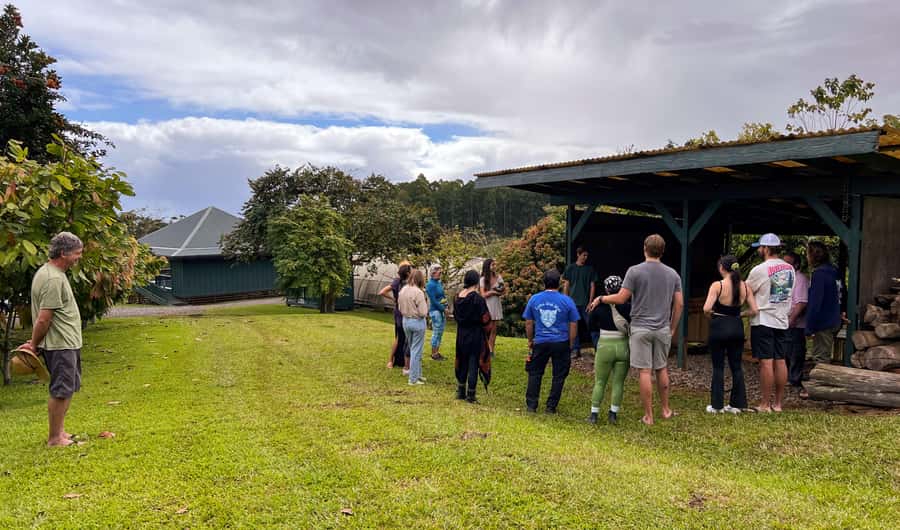
Plan on arriving by car if possible. Enter 1533 Puia Road into Google Maps, or use the supplied map pin. Follow the route through Paukaa, turn onto Puia Road beside the Paukaa Kingdom Hall of Jehovah’s Witnesses, and continue about 1.7 miles to the open green gate.
Do not assume every road sign will agree with the map. Puia Road is mislabeled as Woa Road in some places. This is one situation where checking the route before leaving Hilo can save frustration.
Wear something suitable for a farm walk and expect to stand during parts of the tour. Large luggage and oversize bags are not accepted, so leave beach gear and bulky cases at your accommodation or in your vehicle.
The tour is conducted in English. If English is your second language, the guides make an effort to explain scientific terms in plain language, which helps with a subject that can quickly become technical.
You can cancel up to 24 hours ahead for a full refund, and the reserve-now, pay-later option keeps your schedule flexible. Availability and starting times should be checked when booking.
Should You Book the Honolii Chocolate Tour?
Book it if you want to understand how Hawaiian cacao becomes craft chocolate, not just taste a few samples. The combination of orchard walk, fermentation lesson, history, scenic tasting room, and at least 10 bars gives you a complete three-and-a-half-hour experience.
Skip it if you want a cheap dessert stop, dislike educational tours, or have a packed Hilo schedule. The price is substantial, and the rural location makes transport planning important.
For the right audience, this is one of the Big Island’s most distinctive food outings. You leave with a better sense of how soil, climate, genetics, and careful processing shape flavor, plus a few favorite bars to take home.
FAQ
How long does the Honolii Orchards chocolate tour last?
The experience lasts 210 minutes, or about three and a half hours.
How much does the tour cost?
The listed price is $130 per person.
Where does the tour meet?
It meets at Honolii Orchards, 1533 Puia Road, Paukaa, Hawaii 96720. The farm recommends using the provided Google Maps pin for accurate directions.
How many chocolate bars will I taste?
The tasting includes at least 10 single-origin Hawaiian craft chocolate bars. The number may be higher on some visits.
What else is included besides chocolate?
You can sample fresh cacao juice, roasted cacao beans, cacao tea, chocolate-covered macadamias, seasonal fruit, and other farm-fresh treats.
Is the tour suitable for young children?
No. The experience is not suitable for children under nine years old.
Can I buy chocolate after the tour?
Yes. You can purchase the bars you tasted, along with chocolate tea and brewing chocolate. These purchases are not included in the tour price.
Newest chocolate tours around the USA
- Anchorage: Chocolate and Wine Tasting Tour★ 5.0 · 6 reviews
- Chocolate and Wine Pairing in Chantilly★ 5.0 · 21 reviews
- Nashville: Whiskey or Wine and Chocolate Pairing Experience★ 4.8 · 22 reviews
- Taos Artisan Walking Tour + Chocolate★ 5.0 · 47 reviews
- New Orleans VIP Sightseeing Flight with Champagne & Chocolates or Wine & Cheese★ 5.0 · 50 reviews
- Experience Rebecca Ruth Chocolate Tour & Museum★ 4.5 · 51 reviews
- Guided Chocolate Tour in Dallas★ 4.5 · 51 reviews
- 20 Minutes Chocolate & Candy Factory Tour in Jacksonville★ 4.5 · 55 reviews
Cacao Farm Tours, compared.
Maui Ku’ia Estate Guided Cacao Farm Tour and Tasting
Read our review →
Award Winning Farm Tour: Coffee, Chocolate and Unique Gifts
Read our review →
Boti Falls, Umbrella Rock, Aburi Gardens & Cocoa Farm Tour
Read our review →
Cuenca to Guayaquil one-way tour with Cajas Park and a Cacao Farm visit
Read our review →
Floating Market, Canal, Cacao Farm & Mekong’ Life
Read our review →
Experience Boti Waterfalls, Aburi Botanical Gardens & Tetteh Quarshie Cocoa Farm
Read our review →
Aburi Botanical Garden, Cocoa Farm, and Waterfall …
Read our review →Browse the lists this tour appears in