
Review · CACAO FARM TOURS
Cocoa farm and Chocolate making!
The best part of this Guayaquil outing is that you do not simply taste Ecuadorian chocolate, you make it from a cacao pod. You walk through a working farm, learn how flowers, nearby plants, and pollination affect flavor, then help turn local beans into your own chocolate.
I like the private transportation and flexible pace, especially if you are escaping Guayaquil for a quieter rural setting. I also like the family-run character of the farm, where guides such as Mario, Alison, Antonio, and Rody have made the visit personal and practical. One thing to consider: the advertised visit lasts about four to five hours, but lunch and the drive can make the day feel longer.
What makes this experience special
- From pod to chocolate: Harvest cacao and take part in the steps that turn beans into a finished treat.
- A real family farm: Meet the people who grow and process the cacao, rather than touring only a polished exhibit.
- Private transport: Ride round trip from Guayaquil in a private vehicle, with room for conversation and questions.
- More than cacao: The farm also features other fruit and plants, including guava, citrus, and bananas.
- A generous meal: The experience commonly includes a home-cooked three-course lunch served at the farm.
- A small-group feel: The maximum group size is 15, though private bookings can feel much more intimate.
Why cacao makes this a better farm visit
Chocolate is usually presented in its final, glossy form. Here, you see the awkward, earthy beginning: a cacao pod, sticky pulp, beans, drying, grinding, and the work needed before anything resembles a chocolate bar.
That change in perspective is the real value of the tour. You learn that chocolate does not begin in a factory or a shop. It begins with a fruit growing on a tree, and the final flavor depends on the cacao variety, the plants around it, and the care given at every stage.
The farm setting also gives the visit a welcome change of pace from central Guayaquil. The experience is built around trees, open air, flowering plants, and, according to the detailed accounts of the visit, a small river and rural family life. You are not just collecting facts. You are seeing how agriculture fits into everyday Ecuadorian culture.
More Cacao Farm Tours in the world:
- Lahaina: Maui Ku’ia Estate Guided Cacao Farm Tour and Tasting
★ 5.0 · 1,103 reviews - Award Winning Farm Tour: Coffee, Chocolate and Unique Gifts
★ 5.0 · 484 reviews - Lahaina: Maui Ku’ia Estate Guided Cacao Farm Tour & Tasting
★ 4.8 · 137 reviews
Leaving Guayaquil in a private vehicle
The tour begins at 10:00 a.m. and includes round-trip private transportation. That matters more than it might at first seem. You do not need to arrange a taxi, work out a complicated rural connection, or find your way back after lunch.
The drive is also part of the experience. Guides have used the journey to explain Ecuadorian life, farming, and the country’s cacao industry. Mario, in particular, has a family connection to cacao farming and has been praised for adding useful context on the way to the farm. Other guides named in accounts of the tour include Alison, Allyson, Antonio Escobar, Tony, Alberto, and Darwin.
Your assigned guide may vary, so do not book with the expectation of one particular person unless the operator confirms it. The good news is that the guide roster seems to include both strong local hosts and people with a close connection to the farm.
Private transport is especially helpful for families or couples. You can ask questions, settle into the ride, and avoid the stop-and-go feel of a large coach. The tradeoff is simple: at $155 per person, this is not a budget farm shuttle. You are paying for privacy, transport, guiding, and a hands-on activity rather than just admission to a plantation.
Walking through the cacao grove
At the farm, you walk among cacao trees and learn how the plant grows. This is not a quick photo stop. The tour is meant to show you the crop in its setting, including the stages of growth and the small details that affect the final taste.
The farm visit can include information about different cacao species, the tiny flowers, and the role of pollination. Nearby plants may influence the flavor produced by a tree, which gives you a useful lesson in why Ecuadorian chocolate can have such varied character.
You may also see other plants and fruit growing around the property. Past farm activities have included picking citrus, knocking guava from a tree, and tasting bananas with the finished chocolate. These details make the visit feel like a working agricultural property rather than a single-crop display.
The setting has a calm rural charm, but this is still a farm. Paths may be uneven, and conditions can be less polished than at a city attraction. Rainy-season visits can be especially muddy or wet. Wear shoes you can walk in, and bring protection from sun or rain. The supplied information does not list a special equipment requirement, but sensible outdoor clothing is a good idea.
Harvesting a cacao pod
One of the clearest highlights is harvesting a cacao pod. You get to see the fruit up close and help open it, rather than learning about it only through a guide’s explanation.
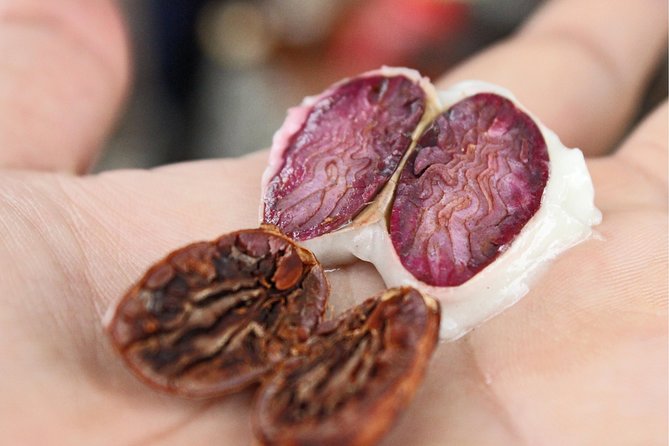
That hands-on step is useful because the pod looks quite different from the chocolate most people know. The beans sit inside the fruit with a pale, sweet pulp. The contrast between fresh cacao and finished chocolate helps explain why processing matters so much.
The tour is suitable for most people, and children can participate when accompanied by an adult. A child rate applies only when the child shares with two paying adults, so families should check the exact booking terms before paying. Service animals are allowed.
The activity is not described as physically demanding, but you should expect some walking and outdoor time. If you need a fully accessible route, ask before booking, since the available information does not provide detailed information about paths or surfaces.
More Chocolate Making Workshops in the world:
- Vienna: Chocolate Workshop in Chocolate Museum w/ Tasting
★ 4.5 · 1,802 reviews - Brussels: Belgian Chocolate Making Workshop with Tastings
★ 4.7 · 1,629 reviews - Brussels: 2.5-Hour Belgian Chocolate Making Workshop
★ 4.8 · 933 reviews - Belgian Chocolate Workshop in Bruges
★ 5.0 · 660 reviews
Making chocolate from scratch
This is where the outing earns its name. You take part in the process of turning the cacao into chocolate, moving from the harvested pod toward a finished bar or chocolate preparation.
The exact demonstration can vary by guide and farm host, but the experience has included practical steps such as working with the beans and making hot chocolate. Some participants have also made their own chocolate bars. Niffa has led demonstrations, while Jamil and Rody have helped explain the farm and production process.
The strongest part of this activity is participation. You are not watching someone do everything while you stand behind a table. The guides encourage you to handle the ingredients and take part in the process. That makes the tour a good choice if you like cooking demonstrations only when you can actually get involved.
You also come away with more respect for the labor behind a bar of chocolate. The finished product feels less anonymous after you have seen the fruit, worked with the beans, and followed the transformation step by step.
There is a small practical point here: if your idea of chocolate making means decorating elaborate confections, this may not be that kind of class. The focus is on cacao farming and the basic path from fruit to chocolate. It is educational, rustic, and tied to the farm rather than a pastry kitchen.
Lunch under the trees
Lunch is one of the most frequently praised parts of the day. The meal is described as a home-cooked three-course lunch, often served outdoors near the cacao trees and a small river or at the family’s home on the property.
This matters because it adds a human element to the farm visit. You are not being sent back to the city immediately after the activity. You have time to sit, eat, and meet the family connected to the farm.
The meal has included food prepared by family members, including Rody’s wife. The tone is informal and welcoming, with the feeling that you are sharing a family meal rather than eating in a standard tourist restaurant.
Because the formal tour information lists about four to five hours while several detailed accounts describe a longer day with lunch, confirm how much time is planned for your date. A generous meal, lingering conversation, and the drive can stretch the outing beyond the basic farm activity.
The family connection makes the visit personal
The farm is presented as a family-run operation, and that is central to its appeal. Rody, described as the owner’s son and a person who lives on the farm, has helped lead the walk and explain the chocolate process. Niffa has also been identified as a farm owner and host.
This gives the visit a direct connection to the people who care for the land. You can ask questions about the crops, the farm’s work, and the process in a way that feels more immediate than a scripted museum display.
The guides add a second layer. Mario has been praised for his understanding of cacao farming and Ecuadorian culture. Alison and Allyson have led slow, detailed visits. Antonio Escobar and Tony have been noted for explaining the farm and the country along the way. Darwin has handled the driving and contributed to the overall experience.
Because several names appear in the tour’s history, the exact combination of guide and farm host is not fixed. That is worth remembering, but it also suggests the experience is supported by a small local team rather than dependent on one person alone.
What the $155 price really buys
At $155 per person, this is a premium half-day excursion by Ecuador standards. The value depends on how you use it.
You are paying for private round-trip transportation, a personal guide, access to a working cacao farm, the harvesting activity, chocolate making, and, in the detailed farm experience, a substantial lunch. A private tour also gives you more room to set the pace and ask questions than a large group outing.
For a couple or family, that combination can be worthwhile. The tour replaces several separate arrangements: transport to the countryside, a farm visit, a cultural activity, and a meal. It is also a good fit if you have limited time in Guayaquil and want one organized outing rather than several small stops.
The price is harder to justify if you only want a quick taste of chocolate or a short plantation walk. You may find cheaper local activities, but they are unlikely to offer the same private transport and full farm-to-chocolate format.
The experience is usually booked about 21 days in advance. That does not mean you cannot find a last-minute place, but planning ahead is sensible, especially if your schedule is tied to a cruise, flight, or Galápagos trip.
Who should book this Guayaquil outing
I would choose this tour for families, couples, and small groups who enjoy food, agriculture, and local conversations. Children can take part, and the activity offers enough variety to hold the attention of different ages: trees, fruit, chocolate, lunch, and a change of scenery.
It also suits anyone with only one free day in Guayaquil. You get outside the city without giving up the ease of hotel pickup and private transport. The farm provides a more personal view of Ecuador than a standard sightseeing loop.
Chocolate fans will enjoy it, but you do not need to be a serious foodie. The strongest appeal is the combination of food and place. You learn where the ingredients come from, meet the family connected to the farm, and eat in the same rural setting.
I would hesitate if you dislike outdoor conditions, want a tightly timed schedule, or prefer a polished commercial attraction. This is a family farm, and its charm comes partly from its informal nature. The pace may be relaxed, and the ground may be less predictable than a city sidewalk.
The tour is capped at 15 people, but private bookings may be much smaller. One family experience had only two participants, which allowed the guide to adjust the pace and answer questions in detail.
Timing, cancellation, and practical planning
The stated start time is 10:00 a.m., with the main activity lasting about three hours and the overall experience estimated at four to five hours. Allow extra time if lunch is included or if the drive takes longer than expected.
Confirmation is normally received at booking. If you book within three days of the date, confirmation can take up to 48 hours and depends on availability. That is important if you are fitting the tour between a flight and a hotel checkout.
You can cancel for a full refund up to 24 hours before the start time. Cancellations or changes made less than 24 hours before the tour are not accepted for a refund, and the cut-off uses local time.
Should you book the cacao farm experience?
Book it if you want more than a chocolate tasting. The strongest reasons are the from-fruit-to-chocolate process, the private ride, the family-run farm, and the generous meal that often rounds out the visit.
I would especially recommend it for a first visit to Guayaquil, families with children, and anyone who values a personal guide over a large commercial attraction. Mario, Alison, Antonio, and the farm hosts have all brought different strengths to the experience, so ask who will lead your date if that matters to you.
Skip it if you want a cheap, quick activity or a highly polished factory tour. At $155, the cost is justified by the private format and the amount of time spent with the farm and its people. If that sounds like your kind of Ecuador experience, book ahead and leave room in your day for lunch, conversation, and a little rural mess.
FAQ
How long does the cacao farm and chocolate-making experience last?
The overall experience is listed as approximately four to five hours. The farm activity itself is described as about three hours, though lunch and transportation may make the outing longer.
What time does the tour start?
The stated start time is 10:00 a.m.
Is transportation included?
Yes. The experience includes round-trip private transportation.
Will I get to make chocolate myself?
Yes. The activity includes harvesting a cacao pod and taking part in making chocolate from local cacao beans.
Is the tour suitable for children?
Children can participate when accompanied by an adult. A child rate applies only when sharing with two paying adults.
What is the cancellation policy?
You can cancel at least 24 hours before the start time for a full refund. Cancellations or changes made less than 24 hours before the start time are not accepted for a refund.
Newest chocolate tours around the world
- Chocolate and Wine Pairing in Chantilly★ 5.0 · 21 reviews
- Cacao and Coffee Tour★ 4.5 · 24 reviews
- Minca: Hidden Waterfall + Coffee and Cocoa Workshop★ 4.9 · 6 reviews
- Nashville: Whiskey or Wine and Chocolate Pairing Experience★ 4.8 · 22 reviews
- 2h immersive tasting in Beaujolais – Wine and Chocolate Accord★ 5.0 · 5 reviews
- Cocoa & Artisan Chocolate Route with an Historical Tour in Puerto Plata City★ 4.0 · 9 reviews
- Puerto Plata: City Tour with Rum, Chocolate and Cigars★ 5.0 · 2 reviews
- Puerto Plata City Tour with the Mount Isabel, Rum & Chocolate★ 5.0 · 34 reviews
Cacao Farm Tours, compared.
Maui Ku’ia Estate Guided Cacao Farm Tour and Tasting
Read our review →
Award Winning Farm Tour: Coffee, Chocolate and Unique Gifts
Read our review →
Boti Falls, Umbrella Rock, Aburi Gardens & Cocoa Farm Tour
Read our review →
Cuenca to Guayaquil one-way tour with Cajas Park and a Cacao Farm visit
Read our review →
Floating Market, Canal, Cacao Farm & Mekong’ Life
Read our review →
Experience Boti Waterfalls, Aburi Botanical Gardens & Tetteh Quarshie Cocoa Farm
Read our review →Browse the lists this tour appears in