
Review · OAXACA CHOCOLATE TOURS
Cacao, Chocolate Experience in Oaxaca for Small Groups
Oaxaca’s chocolate story makes more sense when you taste it in stages. This two-hour session moves from pure cocoa with no sugar through nibs, powders, bars, drinks, and regional preparations, so you can notice how fermentation, roasting, milk, water, and sweetness change the flavor.
I like the small group cap of six, which gives the session a calm, personal feel. I also like the mix of cultural history and hands-on tasting, including a cocoa toast, a drink you can adjust, and products made with alternative sugars. The main caution is value: at $80.65 per person, this is a serious price for a tasting, and one person found the talk too long and the final snack too light.
Key points at a glance
- Taste 15 to 20 presentations: Try cacao in bean, nib, powder, bar, drink, and other forms.
- Learn Oaxaca’s cacao story: The session covers local varieties, farming, traceability, culture, fermentation, and refining.
- Small groups help: The maximum is six people, with time for questions and individual guidance.
- English instruction: Guides such as Lucy, Martin, Azo, Elvia, Ruth, and Diego have led English-language sessions.
- A gentle family option: Children have taken part, tasted cacao, mixed ingredients, and made chocolate drinks.
- Central meeting point: The workshop begins and ends at 5 de Mayo 210 in Oaxaca’s Centro.
What the two-hour cacao session is really about
This is not simply a plate of truffles followed by a quick explanation. The point is comparison. You taste cacao at several stages and in several preparations, then start to see why one chocolate tastes bitter, another fruity, and another soft and sweet.
The tasting ranges from pure cocoa with 0 percent sugar to more traditional chocolate. You may try natural cacao, cacao associated with the region, nibs, powder, bars, and drinks made with water or milk. Some preparations are served hot, some cold, and some use alternative sugars.
That range is the best reason to book this rather than buying a bar at a shop. A finished chocolate can hide the work and ingredients behind it. Here, you follow the change from cacao to something familiar in a cup or bar.
You should not expect a factory visit or a trip to a cacao farm. The session takes place in a beautiful studio or shop setting, and the focus stays on tasting, explanation, and preparation. One critical point described the talk as long and the snack as too small, so this suits you best if you enjoy learning while you eat.
More Chocolate Tours in Mexico:
- Finca 18 Puerto Vallarta Tequila Tour + Chocolate Pairing
★ 5.0 · 393 reviews - Bean to Bar Chocolate Workshop in Puerto Vallarta
★ 5.0 · 381 reviews - Chocolate Tour in Vallarta
★ 5.0 · 226 reviews
The opening tasting: from unsweetened cocoa to regional chocolate
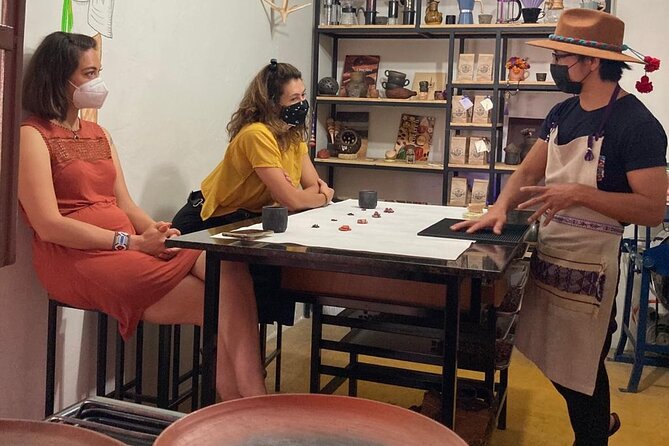
The first part sets up the tasting by giving you a basic sense of cocoa without much sugar to soften it. Pure cocoa can be sharp and bitter, but that is useful here. It gives your palate a reference point before sweeter chocolate enters the picture.
You then work through different cocoa percentages and processes. The guide explains what changes as the bean is fermented, refined, sweetened, mixed with milk, or prepared as a drink. The tasting is designed to help you distinguish those differences rather than simply declare one sample the winner.
That makes the session useful even if you already love chocolate. You may learn why a drinking chocolate has a heavier feel than a bar, or why a cacao nib gives a different experience from cocoa powder. You also get a chance to ask questions instead of following a fixed speech with no room to respond.
The exact sequence can vary. Different sessions have included cacao nibs, beans, powder, bars, and hot and cold drinks. The strongest part of the format is the sheer variety, but that also means you should arrive ready for some bitter and earthy flavors, not only sweet ones.
Oaxaca’s cacao culture, told at the table
Cacao is tied to food, trade, farming, and ceremony across Mexico. This session uses the tasting to explain part of that connection in Oaxaca, including the traceability and culture of local cacao.
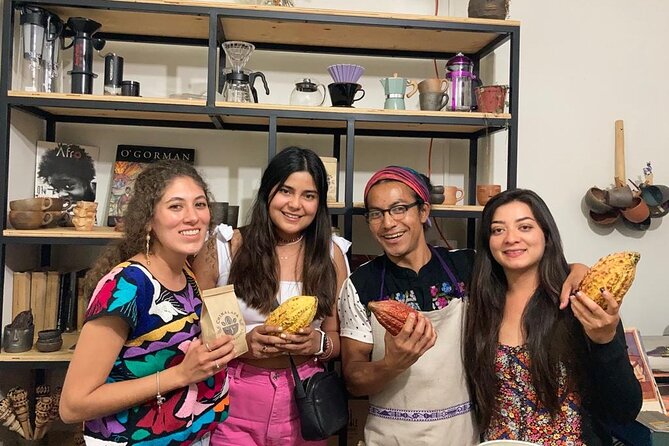
You hear about cacao varieties and the path from the plant to the finished product. The explanations have covered fermentation and refining, as well as the history of cacao in the area. That context matters because it keeps the tasting from becoming a generic chocolate class that could happen anywhere.
Some guides also connect the discussion to local farms and regional cacao. The focus is not a broad lecture on all of Mexico, but a look at how cacao is grown, processed, and used in Oaxaca. If you care about where food comes from, this is one of the more worthwhile parts of the session.
The quality of the presentation depends partly on your guide. Lucy has been praised for her history and patient answers. Martin has led detailed tastings and helped participants practice Spanish. Azo, also identified as Azomalli, has explained cultural history, varieties, and production in clear English. Elvia has covered fermentation and refining, while Ruth has worked especially well with children. Diego has led sessions on nibs, bars, and drinking chocolate.
Making and adjusting your own chocolate drink
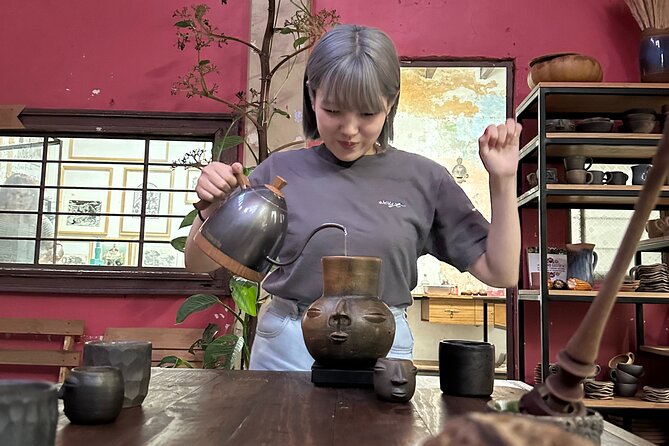
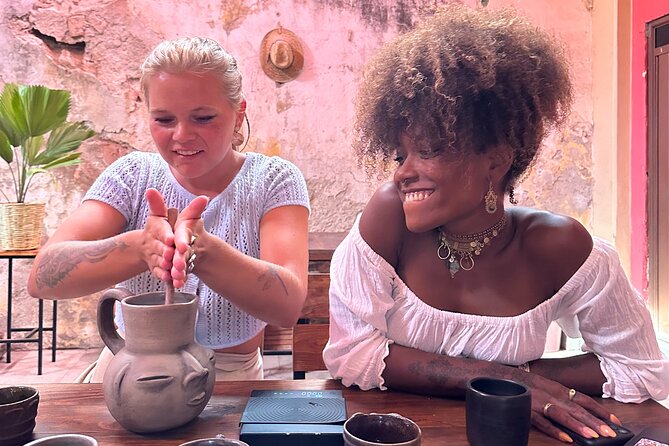
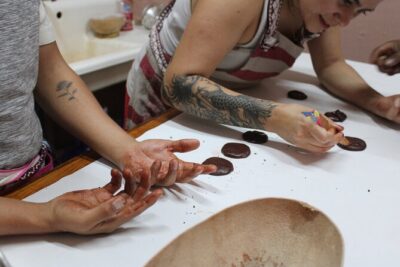
The drink portion adds a useful hands-on element. You do not only taste a finished cup. You get the chance to prepare or adjust a chocolate drink to your preference, with examples including hot chocolate made with water or milk.
This is a small task, but it helps you understand Oaxaca’s drinking-chocolate tradition. You can notice how the liquid changes the body and taste, and how sweetness affects the cacao. Some sessions have included hot and cold versions, giving you another direct comparison.
Families may find this part especially appealing. Children have mixed ingredients, tasted different forms of cacao, and taken part in making chocolate. A five-year-old reportedly enjoyed the activity enough to ask about returning, while older children have also been engaged by the practical side.
Still, this is not a full cooking class in the sense of preparing a complete meal. The emphasis is on tasting and mixing, with instruction along the way. If you want to make molded chocolates from start to finish, check the separate private class mentioned in the activity information instead.
Same city, a different tasting:
- Chocolate & Margarita Workshop
★ 5.0 · 207 reviews - Chocolate and truffles workshop
★ 5.0 · 157 reviews - San Jose del Cabo Art Walk, Beer Tasting &Chocolate Demonstration
★ 5.0 · 141 reviews - Artisanal Mezcal and Fine Chocolate Tasting
★ 5.0 · 132 reviews
The cocoa toast and final house drink
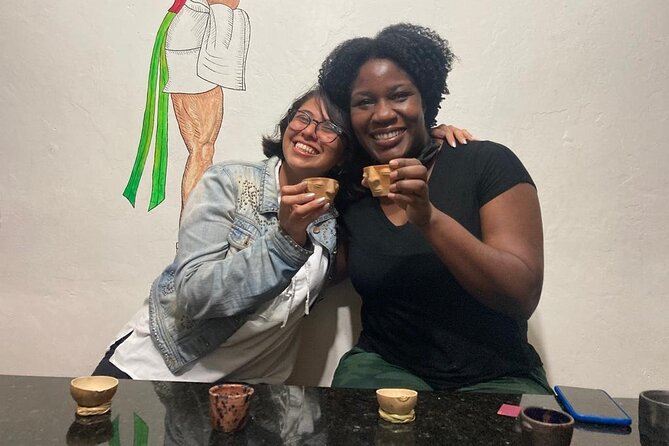
The listed main snack is a cocoa toast made with sourdough bread and organic ingredients. It gives you a short break from the tasting and adds a savory or bread-based note to a session that otherwise leans sweet, bitter, and earthy.
The snack is a welcome pause, but it is not a full lunch. One person felt the final food was not substantial enough for the price. I would eat a normal meal before arriving if you are hungry, especially since the session lasts about two hours and includes many samples rather than a large serving.
The ending includes a house drink made with cacao. Individual sessions have also included special touches such as toast with strawberries and an Oaxacan-style affogato. Since those details are not guaranteed, treat them as possible variations rather than part of the promised menu.
The real value of the food is contrast. Sourdough, fruit, milk, water, sugar, and cacao show how widely the ingredient can be used. You finish with a better sense of cacao as a food, not just as candy.
Why the six-person limit matters
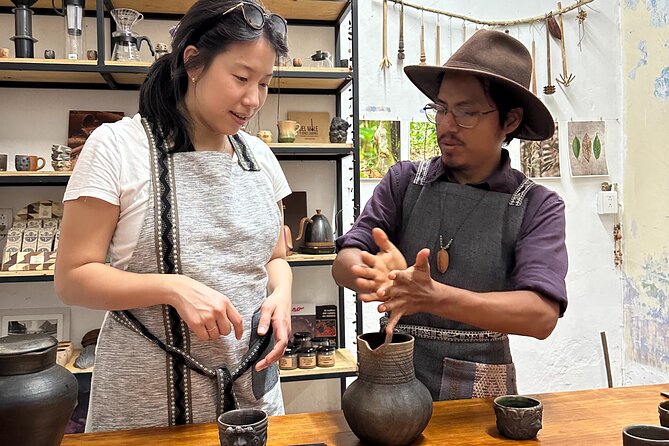
The maximum group size is six. That is small enough for a guide to answer questions, watch the tasting pace, and give each person room to participate.
Solo visitors may get an unusually personal session if few places are sold. One solo participant had the experience alone, which effectively turned it into a private lesson. You should not assume that will happen, but the small cap makes a quieter format possible.
Couples and friends get a more social setting without the feel of a large class. Families can ask for help with children, and people who are new to cacao can speak up without having to compete with a crowd.
The small group also explains part of the price. You are paying for a guided tasting with many samples and direct conversation, not only for the amount of chocolate placed in front of you. That is fair value if you want instruction and personal attention. It is less appealing if you mainly want to eat as much chocolate as possible.
English, family needs, and dietary considerations
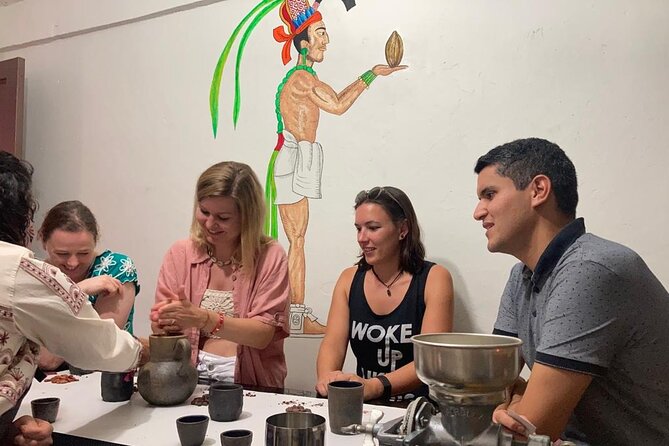
The experience is offered in English, and the guides named above have conducted sessions in clear English. That matters because the subject includes unfamiliar terms such as fermentation, refining, cacao varieties, and traceability. You should be able to follow the explanations and ask questions.
The activity is described as suitable for families and vegans. That does not mean every tasting is automatically vegan. Some drinks may use milk, and the sample menu includes a sourdough toast rather than a complete dietary breakdown. If you are vegan or have an allergy, ask the provider about the specific ingredients before booking.
Service animals are allowed. The meeting point is near public transportation, and the activity returns to the starting point. No transport is provided as part of the session, so you need to make your own way to 5 de Mayo 210 in the Centro area.
Children can enjoy the mixing and tasting, but the session still includes history and explanation. Ruth and other guides have been praised for patience with younger participants. For a child who only wants a quick sweet treat, two hours of tasting and discussion may feel long.
Meeting point, timing, and planning your day
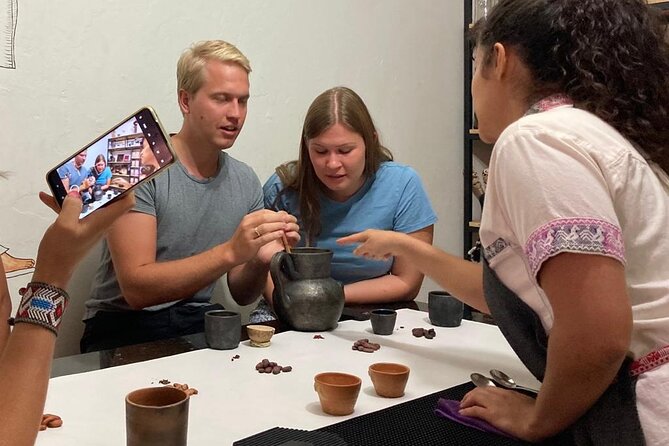
The address is 5 de Mayo 210, on the Ruta Independencia, in Centro, Oaxaca de Juárez. The activity ends at the same place, which makes it easy to continue into central Oaxaca afterward.
Plan to arrive with enough time to find the address. The supplied information does not include hotel pickup, so you should not expect door-to-door transport. The mobile ticket is convenient, and confirmation is provided when you book.
The session lasts about two hours. I would place it between larger sightseeing plans rather than immediately before a restaurant reservation, since the start and finish can vary slightly with questions and the pace of the group.
This is also a good late-afternoon or evening-style activity if you want something indoors and focused. The space has been described as attractive and peaceful, with pottery and cacao products available to purchase. Buying is optional, but it can be useful if you want to take home a regional product or a less common item such as chili cacao powder.
Is $80.65 a fair price?
At $80.65 per person, this is not a bargain tasting. The price makes more sense when you count the 15 to 20 presentations, the guide’s time, the cultural explanation, the drink preparation, the snack, and the small group limit.
I would compare it with a standard chocolate shop visit. A shop may let you buy more chocolate for less money, but it will not necessarily explain cacao varieties, fermentation, refining, or the difference between water-based and milk-based drinks. This activity sells access to a guided lesson, not just food.
The price is easier to justify if you are curious about Oaxacan food culture, prefer small groups, or want an activity that works for a couple, family, or solo visit. It is harder to justify if you dislike long explanations, expect a large meal, or mainly want premium chocolate to take home.
The 98 percent recommendation rate and 4.9 rating indicate very strong satisfaction, but you should still pay attention to the one recurring practical concern in the supplied material: the session can feel talk-heavy to someone who wants constant movement, and the snack is modest.
Cancellation and booking details
You can cancel at least 24 hours before the local start time for a full refund. Cancellations or changes made within 24 hours are not refunded or accepted.
The activity is often booked about 16 days ahead. That is useful planning advice for a six-person experience, especially if your Oaxaca dates are fixed. The tour offers group discounts, but the supplied information does not specify the discount amount.
Who should book this cacao experience?
I would choose this for you if chocolate is only part of your interest and you also want food history, local culture, and a guided tasting. It is especially well suited to couples, solo visitors, families with children, and small groups of friends.
You will get the most from it if you are willing to taste unsweetened cacao and discuss what you notice. The experience rewards curiosity more than a sweet tooth alone.
I would skip it if you want a fast stop, a substantial dessert, or a production tour outside the city. I would also think twice if $80.65 feels high for two hours of tasting, since the final snack is light and the class stays in one place.
Should you book Chimalapa Cacao?
Book it if you want to understand how cacao changes from bean to drink and appreciate the cultural side of Oaxaca’s chocolate. The six-person limit, English instruction, wide tasting range, and hands-on drink preparation give it more substance than a simple chocolate sample.
Before booking, eat a light meal, allow two hours without rushing, and ask about ingredients if you are vegan or have food restrictions. If that sounds like your kind of afternoon, this is a thoughtful, personal way to spend time with one of Oaxaca’s most important foods.
FAQ
How long does the cacao experience last?
The session lasts approximately two hours.
Where does the activity start and finish?
It starts at 5 de Mayo 210, Ruta Independencia, Centro, 68000 Oaxaca de Juárez, Oaxaca, Mexico. It ends back at the same meeting point.
How many people can join the group?
The activity has a maximum of six participants.
Is the experience offered in English?
Yes. The activity is offered in English.
What will I taste?
You may taste 15 to 20 presentations of cacao and chocolate, including natural cacao, regional cacao, nibs, powder, bars, drinks, and preparations with different sugar levels.
Is the experience suitable for children and vegans?
The activity is described as suitable for families and vegans. Ask the provider about the exact ingredients in each tasting if you have dietary restrictions.
What is the cancellation policy?
You can cancel at least 24 hours before the local start time for a full refund. Cancellations or changes made less than 24 hours before the start are not accepted and are not refunded.
Newest chocolate tours around Mexico
- Art Workshops and Chocolate Shops Tour in Oaxaca★ 5.0 · 4 reviews
- Magic Teotihuacan and Chocolate★ 5.0 · 4 reviews
- Cacao Chronicles: A Mexican Chocolate Tasting★ 5.0 · 14 reviews
- Bean to Beverage: Roast and grind cacao into chocolate★ 5.0 · 7 reviews
- Oaxaca: Chocolate and Ancestral Drinks Tour★ 4.5 · 13 reviews
- Chocolate Tasting & mayan Presentation★ 4.5 · 20 reviews
- Cozumel: Chocolate Workshop at The Mayan Cacao Company★ 4.8 · 41 reviews
- Private Tour Uxmal Ruins and Chocolate Museum plus Cenote★ 5.0 · 43 reviews
Oaxaca Chocolate Tours, compared.

Make Your Own Chocolate with Oaxacan Tradition Private Class
Read our review →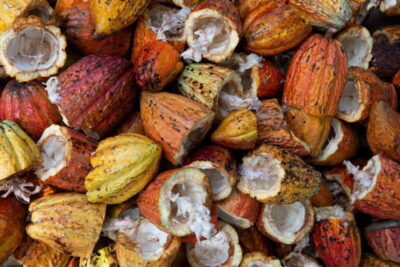
Browse the lists this tour appears in