
Review · CACAO FARM TOURS
Cacao Plantation and Chocolate Factory Tour- Classic
The best part of this experience is that it follows cacao from planting to finished chocolate bar. You see the pod, handle the beans, learn why the Dominican Republic suits fine cacao, and then enter La Esmeralda Chocolate Factory to make a bar of your own.
I like the honest farm-to-food chain and the hands-on chocolate making. I also like that lunch is part of the price, with a Dominican buffet and hot chocolate rather than a quick snack. One thing to watch is the timing: the details describe anything from about two and a half to three and a half hours, and transport can add much more time, especially if you are staying far from San Francisco de Macorís.
Key points to know before you book
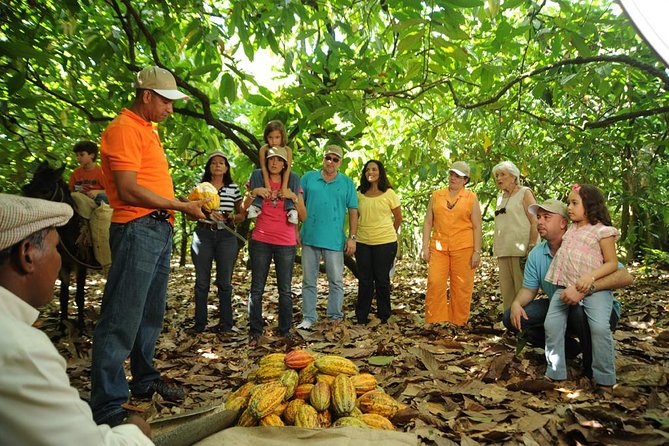
- Cacao from seed to bean: You learn sowing, pod cutting, grain extraction, fermentation, and drying in one visit.
- A real factory stop: La Esmeralda shows how processed cacao becomes a chocolate bar, then lets you make one.
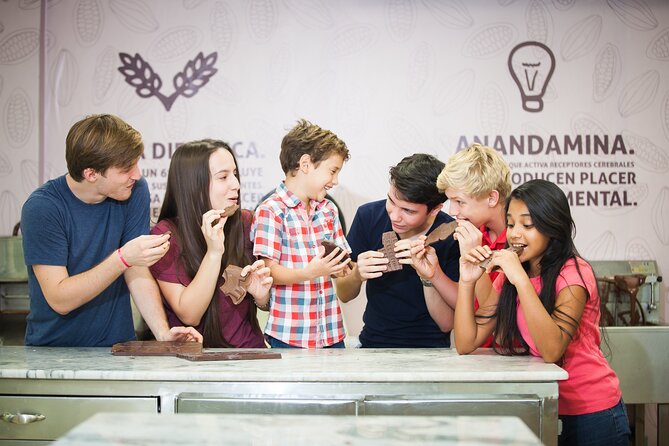
- Guided tasting: A chocolate expert explains how to use sight, smell, taste, and texture.
- Lunch is included: Expect a traditional Dominican buffet and a cup of local hot chocolate.
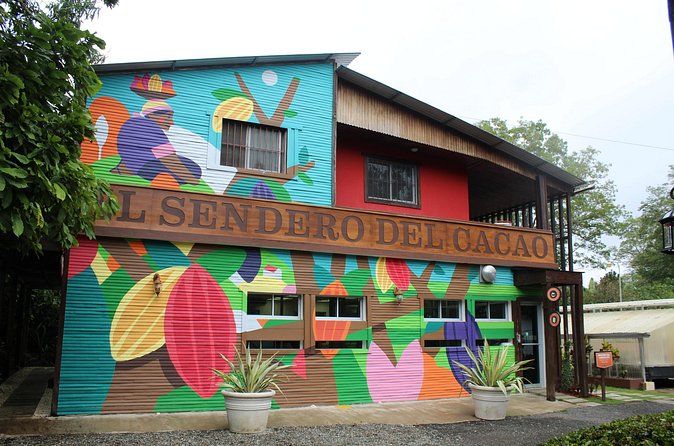
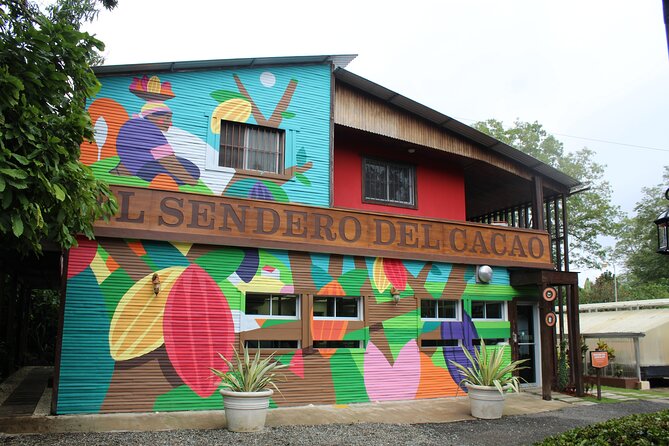
- Transport needs checking: Transportation is available if chosen, but the meeting point is at El Sendero del Cacao in Las Pajas.
- Dress rules are unusually strict: Smart dress is required, with no jeans, sportswear, joggers, or sneakers.
Why this cacao tour is more than a chocolate tasting
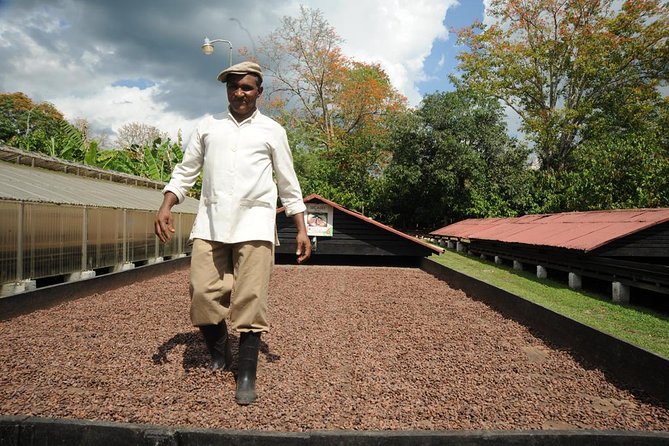
Chocolate tours can be little more than samples and a gift shop. This one gives you a fuller chain of events. You start with the living plant, see the work after harvest, then follow the beans into a factory where they become something you can eat.
That order matters. Once you have seen a cacao pod and learned what happens to its beans, a finished chocolate bar makes more sense. You are not only tasting a sweet; you are tasting the result of planting, harvesting, fermentation, drying, and factory work.
The setting is El Sendero del Cacao, near San Francisco de Macorís in the Dominican Republic. The tour begins at 10:30 a.m. and ends back at the meeting point. The listed price is $60 per person, with a local guide, buffet lunch, hot chocolate, and the core plantation and factory visit included.
I see this as a good value if you want food, agriculture, and a cultural activity in one outing. It is less attractive if your only goal is to buy chocolate or take a short tasting. You are paying for the demonstration, guide, lunch, and time on the property, not just for a box of sweets.
More Cacao Farm Tours in the Dominican Republic:
- Cacao Plantation and Chocolate Factory Tour- Chocolate Lovers
★ 5.0 · 15 reviews - Lahaina: Maui Ku’ia Estate Guided Cacao Farm Tour and Tasting
★ 5.0 · 1,103 reviews - Award Winning Farm Tour: Coffee, Chocolate and Unique Gifts
★ 5.0 · 484 reviews
Starting with the cacao plant at El Sendero del Cacao
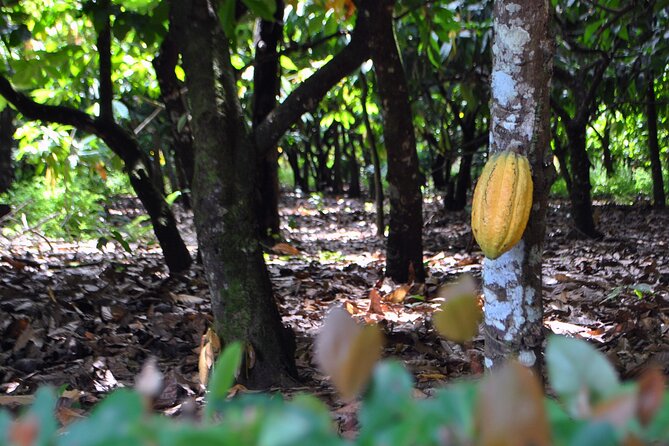
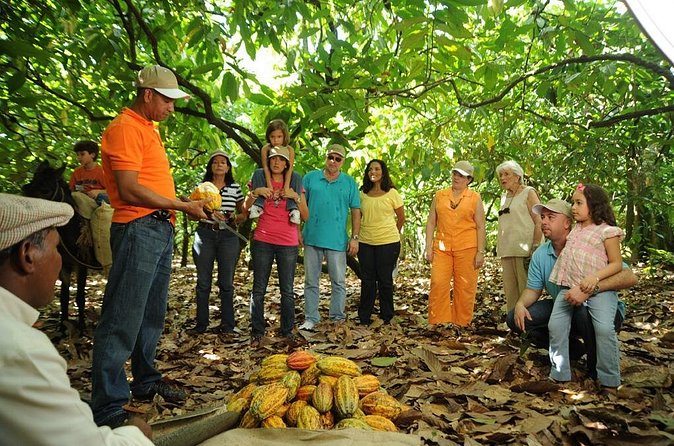
The first section covers the cacao plant itself. You learn how to sow a cacao plant, which gives the visit a useful starting point. Instead of meeting cacao only after it has been processed, you see the crop as an agricultural product first.
The guide then explains harvesting. This includes cutting open a cacao pod and extracting the grains. Fresh cacao fruit can taste different from the chocolate most people know, and getting to try it is one of the small details that makes the plantation stop worthwhile.
The process does not end when the beans leave the pod. You also learn about fermentation and drying, two post-harvest stages that shape the quality of the cacao before it reaches the factory. For anyone curious about why one chocolate tastes better than another, this is probably the most useful part of the tour.
The plantation section also connects cacao to the Dominican ecosystem. You learn why the island has suitable conditions for growing fine cacao. The tour does not treat the crop as an isolated product, but links it to the soil, climate, and growing conditions that help shape the final chocolate.
Expect some walking and time outdoors, so a moderate level of physical fitness is recommended. The provided details do not promise a long hike, but this is not a seated tasting from start to finish.
Following the beans into La Esmeralda Chocolate Factory
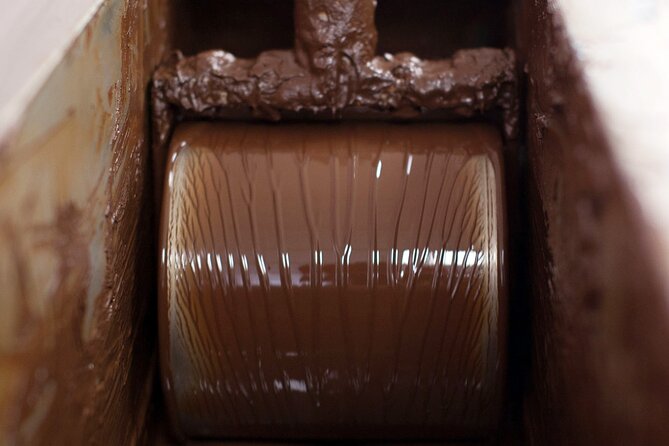
After the plantation, you enter La Esmeralda Chocolate Factory. Here the focus shifts from growing and processing cacao to producing a chocolate bar.
You see the steps involved in creating high-quality chocolate, then get to make your own. That hands-on section is a strong reason to choose this tour over a standard factory visit. You are not simply watching someone else work, you take part in the final stage.
The tour gives you a clear sense of scale. On the plantation, cacao is a crop that needs time and care. At the factory, it becomes a controlled food-making process. Seeing both sides helps explain why good chocolate costs more than a basic candy bar.
The factory activity should suit families and first-time chocolate visitors, though children must stay with an adult. A guide named Joyce has been specifically praised for making the chocolate-making session enjoyable, so if she is leading your group, expect a friendly and active part of the day. Guides may be multilingual, but the exact language arrangement is not guaranteed.
Learning how to taste chocolate properly
The chocolate tasting is led by a chocolate expert. Rather than handing you samples with no explanation, the session teaches you to use all your senses.
You can expect attention to appearance, aroma, flavor, and texture. That sounds simple, but it changes the way you taste. You may notice how the chocolate smells before you eat it, how quickly it melts, and how the flavor develops rather than judging it only by sweetness.
The tour information does not list the exact types or number of chocolates served, so do not book expecting a fixed tasting menu. The useful promise is the guided approach, not a particular set of flavors.
I like this part because it gives you something to take home beyond your own bar. Afterward, you have a better way to compare Dominican chocolate with other chocolate you may try during the rest of your trip.
More Chocolate Factory Tours in the Dominican Republic:
- Puerto Plata: City Tour with Rum and Chocolate Factories
★ 4.6 · 57 reviews - Guided Shopping Tour – Rum tasting, chocolate factory, Cigar factory
★ 4.5 · 6 reviews - Shopping Tour Punta Cana Larimar Chocolate Cigar Factory souvenir
★ 3.5 · 3 reviews - Lindt Home of Chocolate Museum Entry Ticket
★ 4.7 · 9,329 reviews
A Dominican buffet with hot chocolate
Lunch is included and served buffet-style. The meal is described as traditional Dominican food, and it comes with a cup of local hot chocolate.
That makes the midday meal part of the experience rather than an afterthought. You get a chance to sit down after the plantation and factory activities, eat something substantial, and try chocolate in a warm drink as well as in solid form.
The food received positive comments, but the details do not provide a menu. If you need a vegetarian meal, request the vegetarian option when booking. Do not wait until the day of the tour, since the provider asks you to advise them in advance.
The hot chocolate is a particularly fitting touch. It connects the plantation visit to a familiar drink while showing cacao in a form that is not the same as a tasting square or finished bar.
How much time to allow for the experience
The timing needs careful reading. The tour summary gives an approximate duration of two hours and 30 minutes, the main description says three and a half hours, and the plantation itinerary lists three hours.
For practical planning, I would reserve at least half a day around the activity. The stated start time is 10:30 a.m., and the tour returns to the meeting point, but transport from your hotel may make the day much longer.
One specific experience involved about two hours of driving there and back. That is not stated as a fixed journey for every booking, but it is a useful warning if you are staying well away from Las Pajas. Ask about pickup time, driving duration, and the language spoken by the driver before you confirm transportation.
A driver who does not speak your language may make the ride less useful if you want explanations about sights along the road. The tour itself may have a multilingual guide, but that does not necessarily mean the transfer driver will speak your preferred language.
Transportation and meeting point details
The meeting point is El Sendero del Cacao, Las Pajas, San Francisco de Macorís 31000, Dominican Republic. The activity ends at the same meeting point.
Transportation is included only if you choose that option. This is an important price and planning detail. If you arrange your own way there, the $60 price covers the tour components, but you must handle the journey to Las Pajas yourself.
If you choose transportation, confirm the pickup details rather than assuming hotel service is automatic. The information provided does not list a universal pickup area, pickup time, or transfer price for every departure.
The group can be as large as 300 people. That is a high maximum, though the actual number on your date may be smaller. A large group could mean more waiting during demonstrations or a less personal tasting, while a smaller departure should feel easier for questions and hands-on work.
What to wear and how demanding it is
The dress code is smart, and the restrictions are specific. Jeans, sportswear, joggers, and sneakers are not permitted.
That rule is stricter than most plantation or food tours, so plan your clothing before you leave your hotel. The supplied information does not give a reason for the policy, and it does not list a required type of shoe beyond excluding sneakers. It is wise to ask the provider if you are unsure about an outfit.
You should also be ready for a moderate level of physical activity. The tour includes the plantation, outdoor learning, factory movement, and standing during demonstrations. It is not described as strenuous, but it is not designed as a fully accessible seated program.
Children are welcome when accompanied by an adult. The mix of fresh cacao, factory machinery, tasting, and chocolate making should work well for families, but adults remain responsible for supervision.
The price, group size, and overall value
At $60 per person, the tour sits in a reasonable range for a half-day food experience that includes a guide, lunch, hot chocolate, tasting, and chocolate making.
The value is strongest if you use every part of it. The plantation explains the crop, the factory shows production, the tasting adds technique, and lunch gives you a full meal. Taken separately, those pieces might feel modest. Together, they create a clear story about Dominican cacao.
The value is weaker if you face a long paid transfer and have limited time. A lengthy drive can turn a three-hour activity into most of a day, and the price does not necessarily include every transportation arrangement unless you choose that option.
The group limit of 300 also matters. If you prefer quiet, highly personal tours, ask how many people are expected on your date. If you are comfortable with a larger organized outing, the broad group capacity may not bother you.
Who will enjoy this tour most
I would recommend it to anyone who wants to understand Dominican chocolate instead of simply tasting it. It is especially suitable for people interested in local food, farming, family activities, and the practical work behind a familiar product.
It also works well for a first visit to the Dominican Republic because it connects food with place. You learn why cacao grows here, how it is handled after harvest, and how it becomes a local product.
You may want to skip it if you dislike organized demonstrations, have very little spare time, or cannot meet the dress requirements. It may also be a poor fit if you expect a small artisan workshop with a short drive and a tightly scheduled tasting menu.
The tour received a 4.9 rating from 25 reviews, with 100 percent recommending it. That is a small sample, so I would treat it as a strong signal of satisfaction rather than a guarantee that every departure will be perfect.
Small details that can affect your day
The free cancellation policy allows a full refund when you cancel at least 24 hours before the start time. Changes or cancellations inside that window are not accepted for a refund, and the provider can offer a new date or full refund if the minimum number of people is not reached.
Confirmation is provided at booking. Since the experience may operate with a multilingual guide, note your preferred language when making arrangements, especially if the language of instruction matters to you.
I would also save the meeting point and check the transport plan the day before. One return transfer included an unscheduled stop, which made the ride longer than expected. That may not happen to you, but it is fair to ask if the transfer will go directly back to your hotel or meeting point.
Should you book the Cacao Plantation and Chocolate Factory Tour?
Book it if you want a hands-on Dominican food experience with real agricultural context. The strongest features are the step-by-step cacao lesson, the chance to make your own chocolate, the guided tasting, and the included buffet lunch with hot chocolate.
Before paying, confirm three things: the exact duration, the transportation arrangement, and the clothing you plan to wear. If those details work for you, $60 is a fair price for a well-rounded outing. If you are far from San Francisco de Macorís, calculate the road time first. The cacao experience may be excellent, but a long transfer can determine whether the day feels enjoyable or tiring.
FAQ
How much does the Cacao Plantation and Chocolate Factory Tour cost?
The tour costs $60 per person.
How long does the tour last?
The supplied details give different approximate durations, ranging from two hours and 30 minutes to three and a half hours. The plantation itinerary lists about three hours. Allow extra time if you use transportation.
What time does the tour start?
The tour starts at 10:30 a.m.
Where does the tour begin?
It begins at El Sendero del Cacao, Las Pajas, San Francisco de Macorís 31000, Dominican Republic.
Does the tour include lunch?
Yes. A Dominican buffet lunch and a cup of local hot chocolate are included.
Can I make my own chocolate?
Yes. At La Esmeralda Chocolate Factory, you can make your own chocolate bar after learning how chocolate is produced.
Is transportation included?
Transportation is available if you choose that option. The tour ends back at the meeting point.
What should I wear?
Smart clothing is required. Jeans, sportswear, joggers, and sneakers are not permitted.
Newest chocolate tours around the Dominican Republic
- Punta Cana Buggy with Chocolate, Coffee & Cave Swim★ 4.5 · 21 reviews
- Extreme Jungle Buggy Ride with Coffee and Chocolate Tasting★ 5.0 · 10 reviews
- Buggy Off-Roading with Chocolate and Coffee Tasting in Punta Cana★ 5.0 · 16 reviews
- ATV Ride with Coffee, Chocolate Tasting and Cenote in Punta Cana★ 5.0 · 13 reviews
- Guided Shopping Tour – Rum tasting, chocolate factory, Cigar factory★ 4.5 · 6 reviews
- Buggy Ride with Cenote Coffee and Chocolate Tasting★ 5.0 · 2 reviews
- Guided Shopping Tour to Bella Mare Store (Cigars, Chocolate, Rum and Souvenirs)★ 3.5 · 24 reviews
- Discover Dominican Treasures: Rum, Cigars, Coffee & Chocolate★ 3.0 · 5 reviews
Cacao Farm Tours, compared.
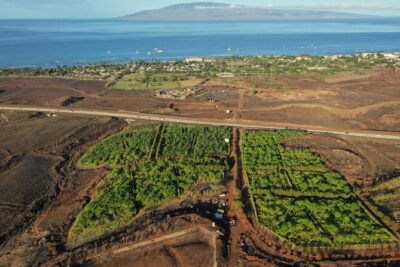
Maui Ku’ia Estate Guided Cacao Farm Tour and Tasting
Read our review →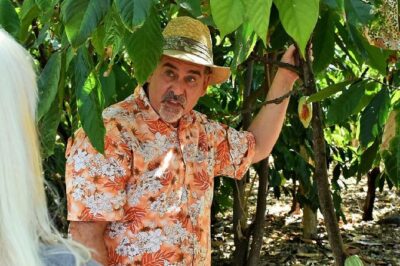
Award Winning Farm Tour: Coffee, Chocolate and Unique Gifts
Read our review →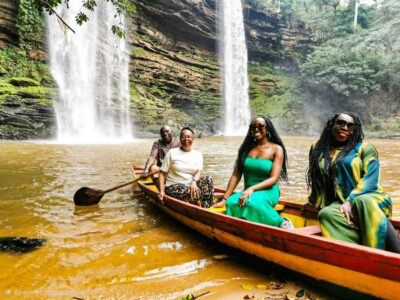
Boti Falls, Umbrella Rock, Aburi Gardens & Cocoa Farm Tour
Read our review →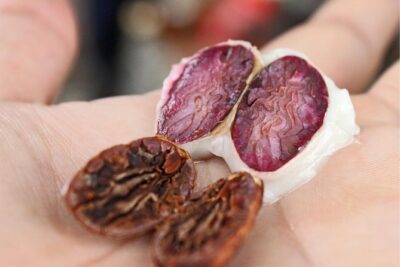
Cuenca to Guayaquil one-way tour with Cajas Park and a Cacao Farm visit
Read our review →
Floating Market, Canal, Cacao Farm & Mekong’ Life
Read our review →
Experience Boti Waterfalls, Aburi Botanical Gardens & Tetteh Quarshie Cocoa Farm
Read our review →
Browse the lists this tour appears in