
Review · COSTA RICA CHOCOLATE TOURS
Chocolate Experience by Bribri Indigenous Culture
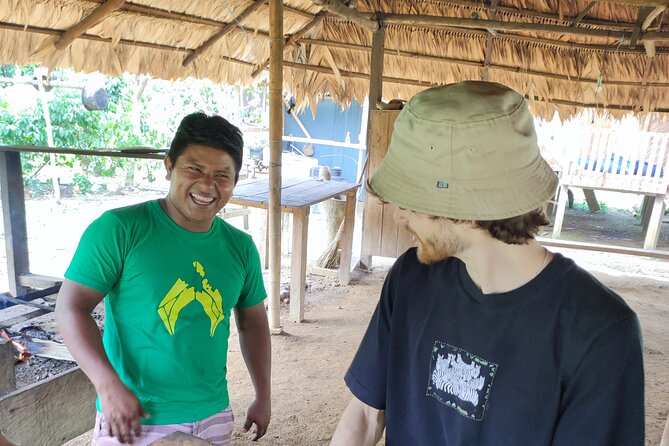
The best part of this Limón excursion is that chocolate is only the doorway. You enter a Bribri community, meet people connected to the land, learn how cacao becomes a drink and candy, and hear about a way of life rarely presented in a large tour group. Guides such as Ariel and Tamara add a personal connection because they know the community and its traditions.
I like two things in particular: the hands-on chocolate making gives you something useful to do, and the waterfall adds a cool, physical finish after the cultural visit. You can also learn about Bribri language, medicinal plants, family life, and cosmology rather than receiving a short talk built around souvenirs.
The main consideration is the walking. The route to the cacao-growing area includes a short hike, and the uphill return can feel hard. Bring sturdy shoes, insect repellent, water, and a swimsuit, and expect a genuine outdoor outing rather than a polished museum visit.
Key points to know before you go
- Meet a living Bribri community: The visit focuses on daily life, language, beliefs, plants, and family connections.
- Make chocolate by hand: You follow the cacao process and prepare your own chocolate pieces.
- Guides with local ties: Ariel and Tamara are named guides who can explain the community and terrain from personal experience.
- A real walk is involved: The path to the cacao farm can be demanding on the way back.
- Finish at Cataratas Bribri Talamanca: Swim in the natural pool and cool off under the waterfall.
- Small-group format: A maximum of nine people keeps the visit more personal than a large bus excursion.
Why this is more than a chocolate tasting
Many chocolate tours begin and end with a plantation demonstration. This one uses cacao to introduce you to Bribri culture. That difference matters. You are not simply watching beans being roasted, ground, and mixed. You are also learning why the crop matters within a community whose language, beliefs, plants, and customs remain part of daily life.
The guide explains the Bribri way of living, including the advantages and limits of being far from larger towns. That can mean a slower and more direct relationship with the surrounding forest, but it can also mean fewer services and more effort when moving around. The tour presents both sides, which gives the visit more value than a one-sided cultural display.
I especially like that the day includes questions and conversation. You can ask about Bribri language, the community, medicinal plants, and the Bribri view of the world. The experience is strongest if you arrive curious and willing to listen, not just eager for a few chocolate samples.
The small maximum of nine people helps here. A group of this size is much better suited to a family visit and hands-on work than a crowded coach tour. It also gives the guide a chance to adjust the pace, answer individual questions, and explain what you are seeing along the way.
More Chocolate Tours in the world:
- Lindt Home of Chocolate Museum Entry Ticket
★ 4.7 · 9,329 reviews - Choco-Story Brussels: Chocolate Museum Entrance with Tasting
★ 4.3 · 4,883 reviews - Zurich: City Tour, Cruise, and Lindt Home of Chocolate Visit
★ 4.5 · 4,624 reviews
Meeting Ariel or Tamara in Bribri territory
Your local guide meets you at the agreed starting point, with pickup offered for the experience. The exact transport details depend on your booking, so confirm the pickup area and timing before setting out. The full outing takes about five to six hours, with roughly three hours devoted to the Bribri visit and about 45 minutes at the waterfall, plus travel and transitions.
Ariel is described as friendly, funny, and good at explaining the culture in a clear way. Tamara is noted for her understanding of the community and terrain, and for adjusting the pace to suit a small group. The provider may assign either guide, so do not book based on a promise of one specific person unless that is confirmed.
The trip begins with context about the Bribri people and their way of life. That background helps you understand the visit instead of treating it as a quick stop for photos. You may hear about the Bribri language, community structure, philosophies, and the practical realities of living away from urban centers.
This setting also gives the guide room to point out plants, herbs, fruits, and other parts of the local ecosystem. The emphasis is not simply on naming species. You learn how certain plants are used and why local knowledge of them remains useful.
Walking through the cacao process
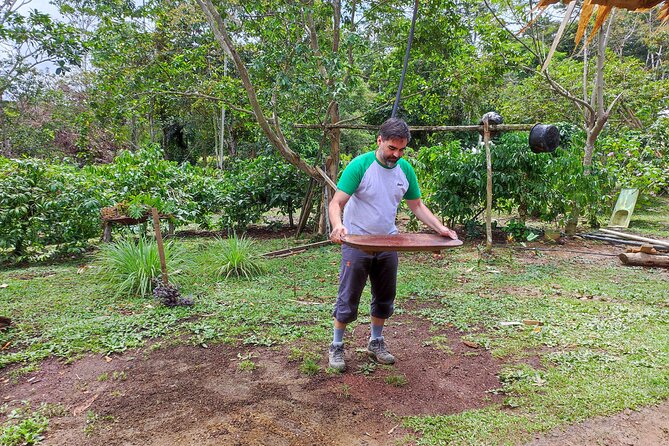
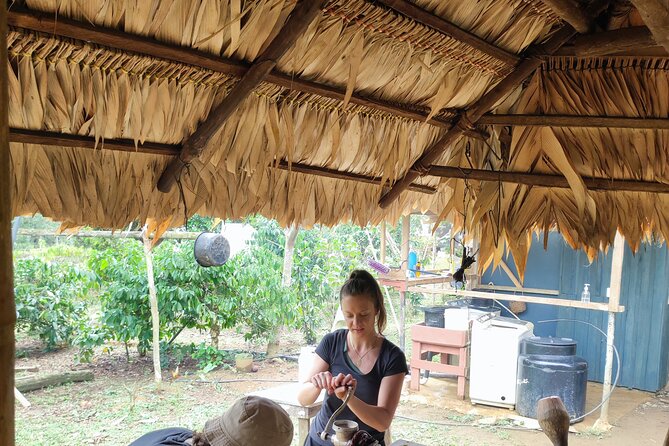
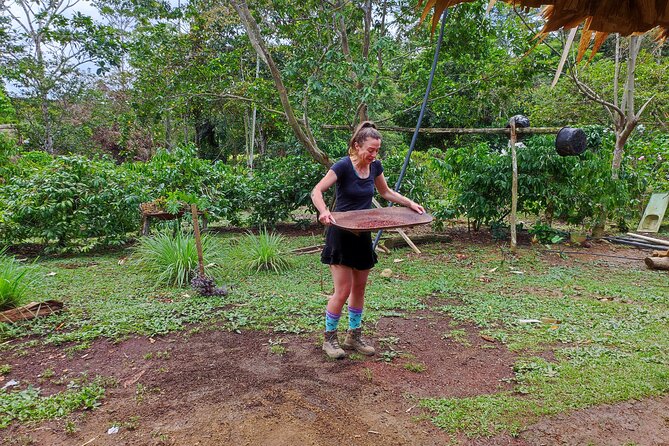
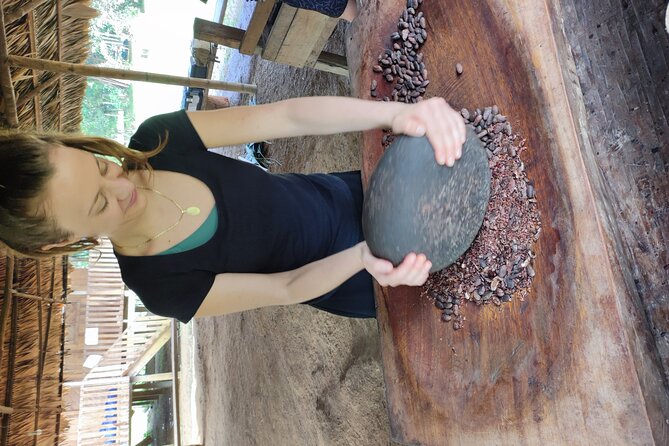
The chocolate portion is the heart of the outing, but it is not a passive demonstration. You learn the steps that take cacao from seed to chocolate, then get to help make your own pieces. That hands-on work gives children and adults a better sense of the time and labor behind something that normally arrives in a neat wrapper.
Expect a simple, practical lesson rather than a professional confectionery class. The point is to understand the process and take part in it. You may handle the cacao and follow the stages explained by the guide and family members, with opportunities to ask questions as you go.
A detailed account of the day described walking down toward the cacao-growing area, learning about plants along the way, and then returning uphill. That route is part of what makes the visit feel connected to real production, but it also creates the clearest physical challenge of the day.
Take the warning about the walk seriously. One person may call it a short hike, while another finds the climb back difficult. Good walking shoes are a sensible choice, and sandals are a poor match if the path is uneven or wet. Insect repellent, drinking water, and clothing suited to heat and humidity will make the day easier.
You may also have time to see how traditional materials are used. One detailed account included learning how leaves are wrapped for roofing. This is not presented as a guaranteed separate activity in the formal schedule, so treat it as a possible part of the broader cultural visit rather than a promised feature.
A family visit with room for real conversation
The most personal part of the experience is the time spent with the Bribri family and community members. You are not only hearing a guide speak from a distance. You have a chance to meet people connected to the home and farm, ask questions, and see parts of everyday life.
That personal setting can be rewarding, but it also calls for good manners. Listen carefully, ask before photographing people or homes, and remember that you are entering a living community rather than a staged attraction. If you bring children, explain this before the visit so they understand that the people they meet are hosts, not performers.
Families can find plenty to do here. Children may enjoy the chocolate-making steps and the outdoor walk, while older children and teenagers can ask more detailed questions about culture, plants, and the environment. The experience has worked for families with young children, but the walking and heat still require patience.
Some days may include food or a shared meal, as one detailed account described a lovely lunch with the family. Because the supplied schedule does not list lunch as a fixed inclusion, ask the provider what is planned for your date. Do not arrive assuming a meal is guaranteed.
The visit may feel more intimate than a standard tour. That is a strength for people who want human contact and a weakness for anyone who prefers a tightly scripted program. You should expect conversation, pauses, questions, and a pace shaped partly by the community and weather.
Same city, a different tasting:
- The Chocolatarium Chocolate Tour Experience in Edinburgh
★ 5.0 · 4,322 reviews - Award-Winning Geneva Chocolate &Old Town Tour with Boat Ride (3h)
★ 5.0 · 3,721 reviews - Melbourne: Yarra Valley Wine, Gin, Whisky and Chocolate Tour
★ 5.0 · 3,667 reviews - 4×4 Dominican Adventure with Chocolate and Coffee Tasting
★ 5.0 · 2,920 reviews
Learning about Bribri beliefs and medicinal plants
The cultural teaching goes beyond food. The guide explains Bribri cosmology, or the community’s understanding of the world, along with language and traditional knowledge. These subjects give the chocolate lesson a wider meaning because cacao becomes part of a culture rather than an isolated product.
The plant discussion is another strong feature. You may learn how herbs and other plants are used for traditional medicinal purposes, as well as which plants have practical value. Treat this as cultural education, not medical advice. Do not pick or use plants on your own unless the guide gives clear permission and instructions.
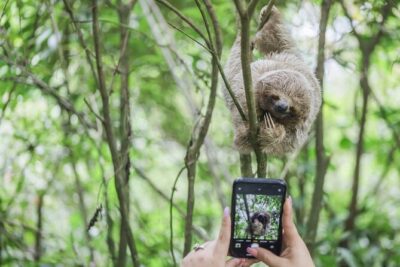
You may see wildlife during the walk. One account described spotting a sloth, but wildlife sightings are never guaranteed. The better reason to pay attention is that the guide can explain what grows around you and how people use the land.
This is also where the tour earns much of its price. At $95 per person, you are paying for several connected elements: local guiding, cultural interpretation, transportation or pickup where provided, a hands-on cacao activity, access to a community visit, and the waterfall stop. That is a fair value if you want a small, personal day rather than a quick chocolate tasting.
It is less attractive value if chocolate alone is your goal. You can find simpler food-focused activities for less money in many destinations. The price makes more sense when you care about the Bribri story, local contact, a nature walk, and a swimming stop all in one half-day outing.
Cooling off at Cataratas Bribri Talamanca
After the community visit, the tour ends at Cataratas Bribri Talamanca. You can swim in the waterfall’s natural pool and stand under the falling water for a refreshing shower. After a warm walk, this is a well-chosen finish.
The waterfall stop lasts about 45 minutes. That is enough time for a swim and photos, but not a long beach-style break. Bring a swimsuit and consider carrying a dry change of clothes for the ride afterward.
The waterfall is also a useful balance to the cultural portion. The first part asks you to listen, observe, and work through the cacao process. The final stop lets you move, cool down, and enjoy the setting without another formal lesson.
Use normal care around natural water. The provided information confirms swimming is part of the activity, but it does not give details about water depth, current, changing facilities, or lifeguards. If you are not a confident swimmer, ask your guide about conditions when you arrive.
Timing, group size, and practical comfort
The experience lasts approximately five to six hours. The Bribri portion is listed at three hours, and the waterfall at 45 minutes, so the remaining time is used for pickup, driving, walking between activities, and transitions. Do not schedule a tight connection immediately afterward.
Pickup is offered, and the ticket is mobile, which makes arrival simple once your pickup details are confirmed. Confirmation is normally sent at booking. If you book within eight hours of departure, confirmation may take longer and depends on availability.
The group maximum is nine people. That limit is important because the cultural part works best when you can hear the guide and speak with the family. A small group also makes the chocolate activity easier to manage.
Most people can take part, and service animals are allowed. Still, the outdoor route means you should judge your own comfort with walking, heat, uneven ground, and an uphill return. The information does not promise wheelchair access or a flat route, so ask the provider directly if mobility is a concern.
The booking is normally non-refundable and cannot be changed for any reason. If poor weather forces cancellation, you should be offered another date or a full refund. The same applies if the minimum number of participants is not reached, with the option of a different date or experience. That weather policy is useful in a rainy part of Costa Rica, but the general cancellation terms are strict.
What to pack for a better day
Keep your packing simple and practical:
- Sturdy walking shoes with a good grip
- Swimsuit and a dry change of clothes
- Insect repellent
- Drinking water
- Sun protection
- A phone or camera in a waterproof pouch
- A small gift only if you genuinely want to offer one, and ask your guide first
You do not need fancy gear. You do need to be ready for a warm walk, a hands-on food activity, and water at the end. Leave expensive items behind if you do not have a secure place to store them.
Who should book this Bribri chocolate experience?
I would choose this outing if you want culture to be the main event and chocolate to be the enjoyable thread running through it. It suits food lovers, families, curious students, and anyone who prefers local conversation to a large commercial attraction.
It is also a good fit if you want several kinds of activity in one day: a community visit, a nature walk, chocolate making, plant education, and swimming. The guides can make the experience especially worthwhile for people who ask questions and take an interest in the people they meet.
I would think twice if you dislike walking, cannot handle an uphill return, or want a polished attraction with fixed times and predictable facilities. The route can be tiring, and the community setting may feel informal. You should also avoid booking it as a rushed add-on before an important evening plan.
Should you book it?
Book this tour if you want a personal introduction to Bribri culture and are happy to work a little for it. The chocolate is fun, but the real value comes from meeting a community, learning about plants and beliefs, and seeing how cacao fits into daily life.
Skip it if your only goal is a short tasting or if outdoor walking is a serious problem. At $95, the price is justified by the small group, local guides, cultural visit, hands-on activity, and waterfall stop. Pack properly, leave room in your schedule, and you get a thoughtful half-day experience rather than just another sweet sample.
FAQ
How long does the Chocolate Experience by Bribri Indigenous Culture last?
The experience lasts approximately five to six hours. About three hours are allocated to the Bribri visit, and around 45 minutes are allocated to the waterfall, with the remaining time used for transport and transitions.
How much does the experience cost?
The listed price is $95 per person.
Is pickup available?
Yes. Pickup is offered, but you should confirm the available pickup area and meeting details when booking.
How many people can join the tour?
The maximum group size is nine people.
Can I swim at the waterfall?
Yes. Swimming in the natural pool at Cataratas Bribri Talamanca is part of the experience, and you can cool off under the waterfall.
Do I need to be fit for the tour?
Most people can participate, but the experience includes walking and a short hike to the cacao-growing area. The uphill return can be difficult, so sturdy shoes and a reasonable comfort with outdoor walking are important.
What happens if bad weather cancels the experience?
If poor weather causes a cancellation, you will be offered a different date or a full refund. If the minimum number of participants is not reached, you will also be offered a different date or experience, or a full refund.
Newest chocolate tours around the world
- Chocolate and Wine Pairing in Chantilly★ 5.0 · 21 reviews
- Nashville: Whiskey or Wine and Chocolate Pairing Experience★ 4.8 · 22 reviews
- 2h immersive tasting in Beaujolais – Wine and Chocolate Accord★ 5.0 · 5 reviews
- Cocoa & Artisan Chocolate Route with an Historical Tour in Puerto Plata City★ 4.0 · 9 reviews
- Puerto Plata: City Tour with Rum, Chocolate and Cigars★ 5.0 · 2 reviews
- Puerto Plata City Tour with the Mount Isabel, Rum & Chocolate★ 5.0 · 34 reviews
- St Lucia Treasures – (Chocolates Rum and Rafting)★ 5.0 · 27 reviews
- Chocolate Tasting in Venice★ 5.0 · 7 reviews
Costa Rica Chocolate Tours, compared.
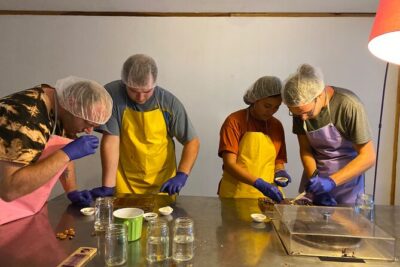
Chocolate Making and Tasting at a Local Factory in San José
Read our review →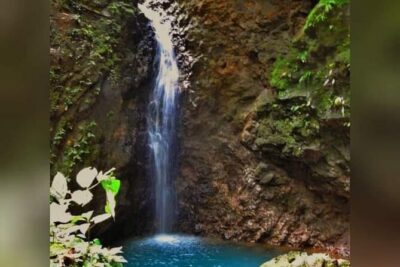

Puerto Viejo hands on chocolate making class. From bean to bar, get chocolatey!
Read our review →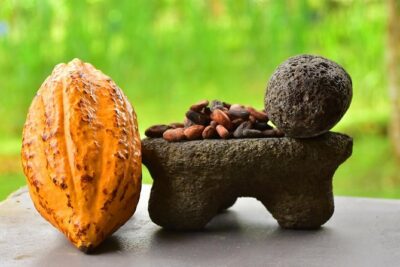
Chocolate Experience in Jaco Beach and Los Suenos
Read our review →
Coffee & Chocolate Tour+Sloths Park & Llanos de Cortez Waterfall
Read our review →Browse the lists this tour appears in