
Review · CHOCOLATE WALKING TOURS
Chocolate-making experience & Colonial Zone walking tour
The most unusual part of this Santo Domingo outing is the pairing of Colonial Zone history with cacao production. You begin among the city’s major landmarks, then shift from old stone streets to the farm-to-chocolate process before ending in the cool caves and clear ponds of Three Eyes National Park.
I like the private format, since your guide can shape the walking portion around your group. I also like the mix of learning and tasting: the holographic theater gives chocolate history a lively start, while the cacao plantation shows how the product begins in the field.
The main consideration is time. Three to four hours is enough for an introduction, not a slow, detailed study of Santo Domingo. The $180 price is also easier to justify for a small private group than for one or two people traveling on a tight budget.
Key things to know before booking
- Chocolate begins with a holographic show: Figures connected to the chocolate world appear to explain their stories before the plantation visit.
- The cacao stop is more than a tasting: You see and feel a real cacao plantation and follow the process from farm toward finished chocolate.
- Three Eyes adds a change of pace: Expect about 30 minutes among caves and clear ponds inside a striking city park.
- Private transport saves time: An air-conditioned vehicle, transfers, bottled water, and snacks are included.
- The tour suits families: The chocolate subject, visual presentation, and short cave visit give children several different things to focus on.
- The price depends on group size: At $180 per person, the private setup offers better value when shared by several people.
A smart pairing in Santo Domingo
Many city tours stay within the Colonial Zone. This one links three different sides of the Dominican capital: early colonial history, cacao production, and a natural cave park. That variety is the core appeal.
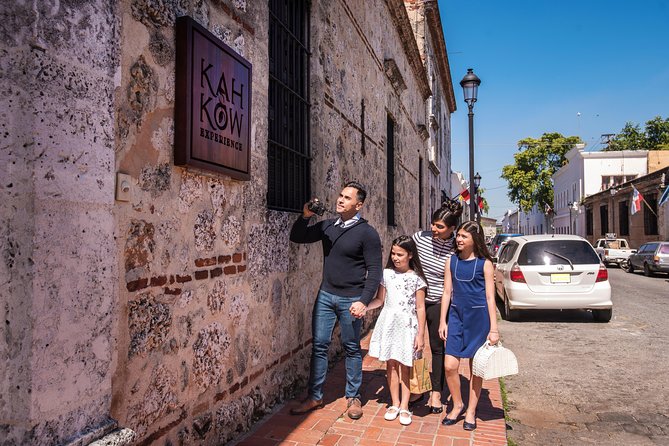
You start at or near the Catedral Primada de las Américas on Calle Isabel La Católica. From there, the tour moves through the Zona Colonial with a personal guide. The supplied plan describes the area as the site of the first settlement in the New World, so the historical focus is broad and introductory rather than a detailed study of every building.
After the city walk, the subject shifts to chocolate. You visit a cacao plantation, described here as a cacaotal, and see the stages involved in turning cacao into chocolate. A final stop at Three Eyes National Park brings caves and crystal ponds into the same half-day.
I would think of this as a sampler. It gives you several strong subjects in one outing, but it does not leave much room for long museum visits, extended shopping, or an unhurried walk through every Colonial Zone street.
More Chocolate Walking Tours in the Dominican Republic:
- Brussels: Historical Walking Tour with Chocolate & Waffle Tasting
★ 5.0 · 1,165 reviews - Brussels Walking and Tasting Tour (Beers,Chocolates&Fries/Waffle)
★ 5.0 · 929 reviews - Brussels Chocolate Walking Tour and Workshop
★ 4.5 · 885 reviews
Walking through the Colonial Zone
The Colonial Zone gives the tour its historical frame. Beginning near the cathedral is practical because it places you in one of Santo Domingo’s central historic areas from the start. Your guide leads the walk and explains the culture and history tied to the first European settlement in the Americas.
That personal guide matters. A private walk can be adjusted for your group’s pace, attention span, and questions. Families may appreciate shorter explanations and more movement, while adults interested in architecture or colonial history can ask for more context as they go.
The information provided does not name individual guides, so you should not book this expecting a particular person. What is clear is that the experience is private, with only your group participating. That is a real advantage over a large group tour, especially in narrow streets or when children need a break.
The tradeoff is that the walking portion is combined with two other stops. You will get an introduction to the area, but the advertised time does not promise a full architectural survey or entry into a long list of historic interiors. If the Colonial Zone is your main reason for visiting Santo Domingo, you may want a separate walking tour with more time.
The chocolate story starts in a theater
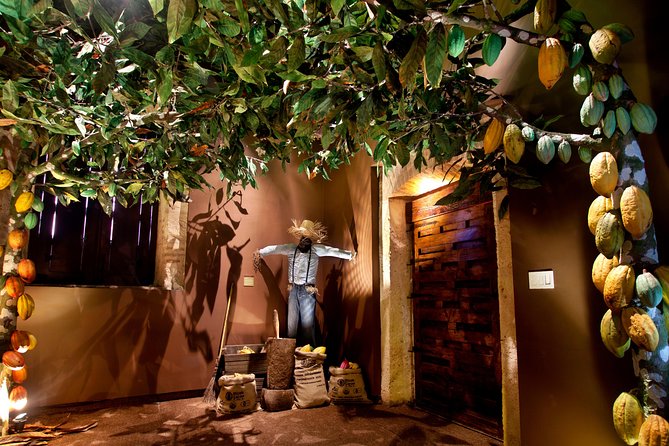
The chocolate section opens with a holographic theater. Different personalities from the world of chocolate appear to tell their stories, giving the presentation a visual hook before the plantation visit.
This is a useful choice for families and for anyone who finds a standard lecture too dry. It also gives the experience a clear beginning: first hear the story, then see the source material in a cacao-growing setting.
The theater is not the same as making chocolate with your own hands. The supplied details describe a presentation, a plantation visit, explanations, and tasting, but they do not promise that each participant will mold or cook a chocolate bar. Keep that distinction in mind if you want a formal hands-on workshop.
Still, the format helps connect the finished sweet in front of you with the agricultural work behind it. The second review supplied for this experience gives special attention to the explanation of the process from farm to store, the machinery that mixes the chocolate, and the chance to taste the finished product. Those are the parts I would pay closest attention to.
Seeing cacao at the plantation
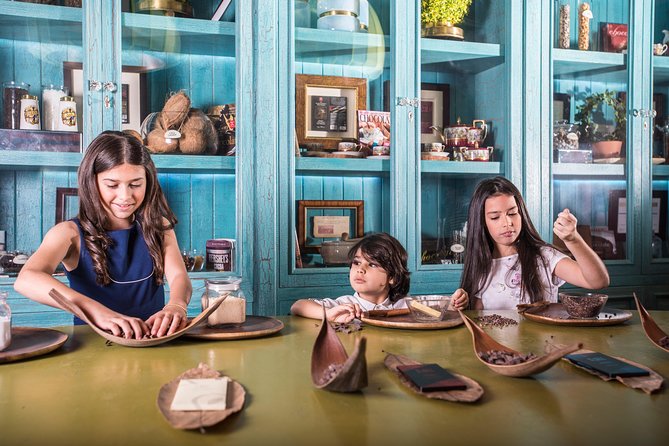
At the cacao plantation, you can see and feel the setting where cacao begins. The experience is designed to show the full path toward chocolate, with an explanation of the stages and equipment involved.
This stop gives the tour its most distinctive subject. Santo Domingo’s historic streets are essential to the city, but cacao adds a direct link to Dominican agriculture and food culture. You are not only looking at a finished chocolate product. You are being shown the raw material and the steps that follow.
The supplied details do not specify the plantation’s size, the exact varieties of cacao, or the length of each demonstration. It is best to expect an educational visit rather than a full farm stay or an extended production course.
You should also allow for the possibility that the ground at a plantation may feel less even than a paved city street, though the tour states that most people can participate. Wear practical shoes and choose clothing suited to a warm outdoor stop. That is general good sense for the combination of city walking and a cacao-growing site, not a promise about specific farm conditions.
The included snacks and bottled water are useful here. A half-day outing that combines walking, transport, and outdoor viewing is easier when you do not need to stop to buy refreshments. The chocolate tasting is the main food feature, but the package does not describe a full meal.
More Chocolate Tours in the Dominican Republic:
- 4×4 Dominican Adventure with Chocolate and Coffee Tasting
★ 5.0 · 2,920 reviews - 4×4 ATV Experience, Water Cave, Chocolate and Coffee Tasting
★ 5.0 · 1,430 reviews - Buggy Adventure Tour with Chocolate and Coffee in Punta Cana
★ 5.0 · 953 reviews - Buggy Ride Into the jungle with cave coffee & chocolate tasting
★ 5.0 · 465 reviews
What the chocolate tasting adds
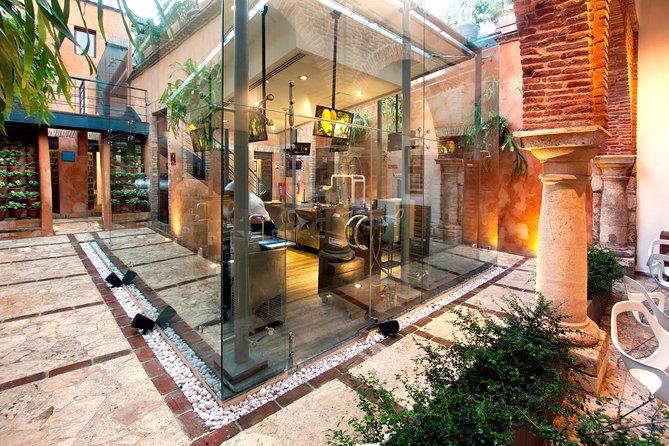
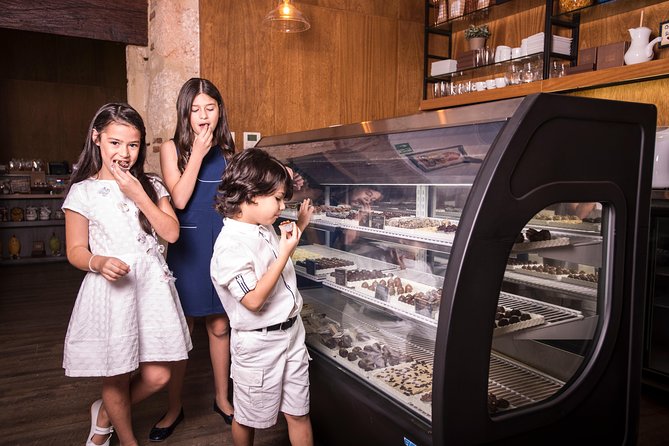
The tasting gives you a chance to connect the explanation with the final product. The supplied comments praise the chance to taste excellent chocolate and to see the machines that make and mix it. That makes the visit appealing to people who care about flavor as well as process.
I would not book this solely as a gourmet tasting menu. The focus is on how chocolate is made, from cacao to finished product. The food element supports the lesson rather than replacing it.
The first supplied comment also mentions Dominican coffee, cocoa, rum cocktails, seafood, roast meats, and tropical fruit, but that description is not clearly about this specific tour. It should not be used to assume that a meal, rum tasting, or coffee service is included. The confirmed food inclusions are snacks, bottled water, and chocolate tasting-related refreshments as part of the cacao visit.
Printed pictures are available for purchase, but they are not included. That is a small extra cost to remember if you want a formal souvenir from the day.
Three Eyes National Park in 30 minutes
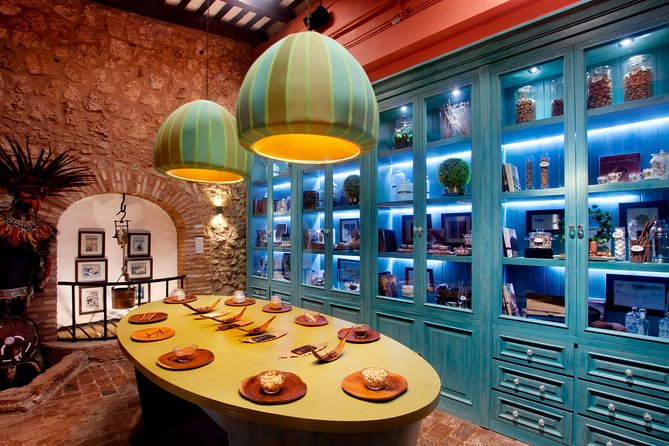
The final stop is Three Eyes National Park, a short visit of about 30 minutes. The park is described as one of the city’s more unusual natural places, with caves and clear ponds.
This stop changes the mood nicely. After colonial buildings and chocolate machinery, you move into a darker, cooler setting shaped by rock and water. The caves give the final part of the tour a strong visual contrast with the open streets earlier in the day.
Thirty minutes is enough for a focused look, but not a long park visit. You should expect a brief introduction and time to see the caves and ponds, rather than a broad exploration of every corner. If this park is high on your list, you may want to confirm the exact route and walking conditions before booking.
The tour information says admission is included. It does not state that boat rides, extra activities, or special photography services are included, so do not assume additional experiences beyond the park visit.
Why the private vehicle matters
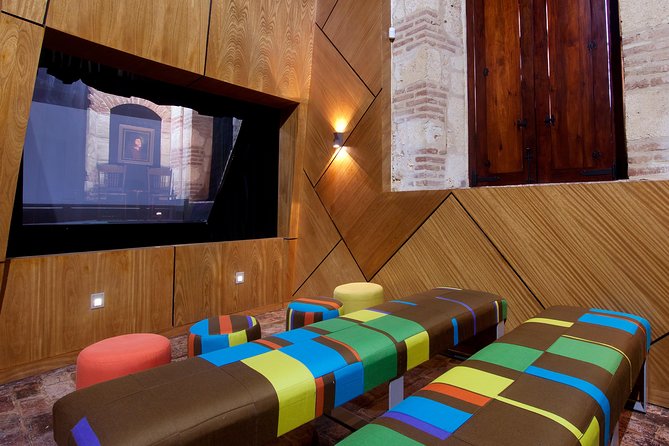
Pickup is offered from a Santo Domingo hotel or address, and transport is provided in an air-conditioned vehicle. The listed meeting point is at Catedral Primada de las Américas, and the activity ends back at that meeting point.
There is a small wording issue here: pickup is offered, but the stated start and end point is the cathedral. Confirm the pickup arrangement when you book, especially if you are staying outside the central area. You want to know if the vehicle collects you directly or if you need to reach the cathedral first.
Private transport is valuable because the itinerary has three distinct settings. Moving between the Colonial Zone, the cacao stop, and Three Eyes by a shared vehicle could add waiting and uncertainty. Your own vehicle keeps the outing together and gives the guide more control over the schedule.
The vehicle is air-conditioned, a useful comfort in a warm city. Bottled water is included, but you should still bring sun protection and any personal drinks or medication you need. The information does not give a vehicle size, so larger groups should confirm seating before paying.
Is $180 per person a fair price?
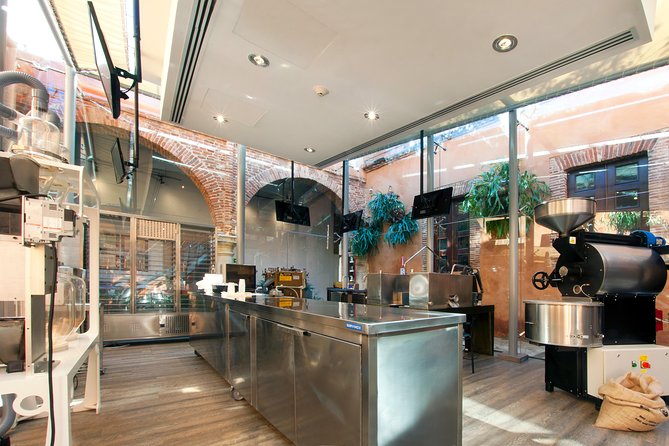
At $180 per person, this is not a low-cost city walk. You are paying for a private guide, private participation, air-conditioned transport, admission to the listed attractions, snacks, water, and a three-part program.
The value improves if you are traveling as a family or a small group that wants a guide focused only on you. A private tour can save the effort of arranging separate transport to the cacao site and Three Eyes. It also lets your group move at a more comfortable pace.
For one person or a couple who mainly want the Colonial Zone, the price is harder to defend. You could spend less on a simple walking tour and visit fewer attractions. You might also prefer a longer, more focused chocolate workshop if the cacao side is your main goal.
Group discounts are offered, but the amount is not stated. Ask about the discount before booking rather than assuming it will reduce the price substantially. Since the activity is booked an average of 12 days ahead, it is sensible to reserve early if your schedule is fixed.
Who will enjoy this half-day outing?
This experience makes the most sense for families with children, chocolate fans, and first-time visitors who want several Santo Domingo highlights in one booking. The holographic theater gives the day a strong visual element, while the plantation and tasting add something children can see, touch, and taste.
It also suits anyone who prefers a private guide to a large group. You can ask questions, pause when needed, and keep the historical commentary at the level your group wants.
You may want another option if you want a long Colonial Zone history lesson, a full meal, or a serious chocolate-making class where you personally create several products. The available details do not promise those things.
Most people can participate, and service animals are allowed. The experience is near public transportation, though transport is also supplied. If anyone in your group has specific mobility needs, ask for current details about the walking route, plantation access, and cave paths before booking. General participation guidance is helpful, but it does not describe every surface or step.
Timing, weather, and cancellation
Plan on three to four hours, including the Colonial Zone, cacao visit, transport, and Three Eyes National Park. The stated stop times are about three hours for the first combined portion and 30 minutes at the park, so the exact schedule may depend on pickup and driving time.
Confirmation is sent when you book. The activity requires good weather, and it also requires a minimum number of participants. If poor weather cancels the tour, you can choose another date or receive a full refund. The same choices apply if the minimum number is not reached.
You can cancel for a full refund up to 24 hours before the start time. Changes or cancellations made within 24 hours are not accepted and are not refunded. Cutoff times use local time in the Dominican Republic, so check the clock carefully if you are arranging this from another time zone.
Should you book it?
Book this tour if you want a private, well-packed introduction to Santo Domingo that combines colonial landmarks, cacao, chocolate, and caves. The strongest reasons are the unusual range of stops, the personal guide, and the clear farm-to-finished-product story.
Think twice if you are watching every dollar or if one subject matters far more to you than the others. At $180 per person, the tour works best when shared by a group and when you value included transport and a private schedule.
For families and first-time visitors, I see the appeal. You get history without spending the whole day in lectures, food without committing to a long meal, and a natural stop that breaks up the city sightseeing.
FAQ
How long does the tour last?
The experience lasts approximately three to four hours.
What places are included?
The tour includes the Zona Colonial, a cacao plantation and chocolate-making visit, and Three Eyes National Park.
Is transportation included?
Yes. An air-conditioned vehicle and transfers are included.
Is hotel pickup available?
Pickup is offered from a Santo Domingo hotel or address. The listed meeting point is Catedral Primada de las Américas, so confirm the exact pickup arrangement when booking.
Is this a private tour?
Yes. Only your group participates in the activity.
What food and drinks are included?
Bottled water and snacks are included. The chocolate visit includes an opportunity to taste chocolate.
Are admission fees included?
Admission is included for the Colonial Zone and the Three Eyes National Park portion as described in the tour details.
Is the tour suitable for children?
Yes. The experience is presented as suitable for families with children, with a holographic theater, cacao visit, chocolate tasting, and cave stop.
Are service animals allowed?
Yes. Service animals are allowed.
Can I cancel for a refund?
Yes. You can cancel at least 24 hours before the start time for a full refund. Cancellations within 24 hours are not refunded.
What happens if weather cancels the tour?
You will be offered a different date or a full refund if poor weather causes the tour to be canceled.
Newest chocolate tours around the Dominican Republic
- Punta Cana Buggy with Chocolate, Coffee & Cave Swim★ 4.5 · 21 reviews
- Extreme Jungle Buggy Ride with Coffee and Chocolate Tasting★ 5.0 · 10 reviews
- Buggy Off-Roading with Chocolate and Coffee Tasting in Punta Cana★ 5.0 · 16 reviews
- ATV Ride with Coffee, Chocolate Tasting and Cenote in Punta Cana★ 5.0 · 13 reviews
- Guided Shopping Tour – Rum tasting, chocolate factory, Cigar factory★ 4.5 · 6 reviews
- Buggy Ride with Cenote Coffee and Chocolate Tasting★ 5.0 · 2 reviews
- Guided Shopping Tour to Bella Mare Store (Cigars, Chocolate, Rum and Souvenirs)★ 3.5 · 24 reviews
- Discover Dominican Treasures: Rum, Cigars, Coffee & Chocolate★ 3.0 · 5 reviews
Chocolate Walking Tours, compared.
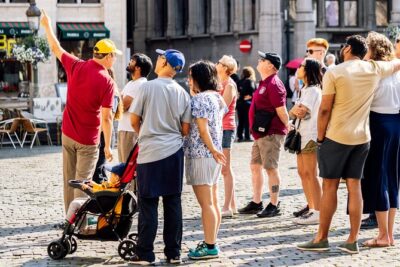
Historical Walking Tour with Chocolate & Waffle Tasting
Read our review →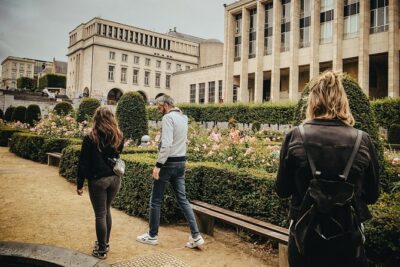
Brussels Walking and Tasting Tour (Beers,Chocolates&Fries/Waffle)
Read our review →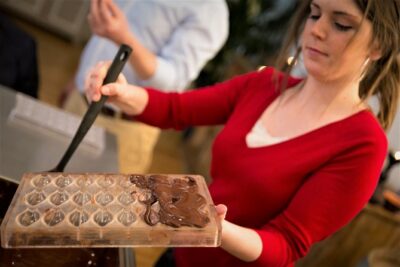



Guided Walking Tour and Chocolate Museum Ticket
Read our review →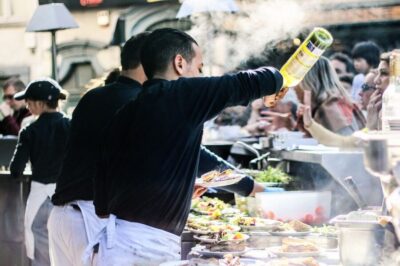
Walking Food Tour with Chocolate, Beer, & Waffles
Read our review →
Melbourne Lanes & Arcades Chocolate and Dessert Walking Tour
Read our review →Browse the lists this tour appears in