
Review · CHOCOLATE MAKING WORKSHOPS
Cozumel: Chocolate Workshop at The Mayan Cacao Company
Cacao was far more than a sweet treat to the ancient Maya. It was a sacred food and mark of prestige, used in ceremonies, social life, and religious rituals. This 90-minute workshop lets you handle the same type of cacao seeds, grind them on a traditional pre-Hispanic metate, and turn them into a chocolate bar you can take with you.
I like two things right away: the workshop connects food with Mayan culture, and it gives you real work to do rather than leaving you to watch a demonstration. Guides such as Paty, Roberto, and Eduardo are especially good at making the history lively. The main drawback is practical: the workshop is not wheelchair accessible, and it is not suitable for anyone with chocolate or nut allergies.
Key points to know before you book
- Grind cacao on a traditional metate: You take part in the old-style preparation instead of simply hearing about it.
- Make your own chocolate bar: Simple ingredients and provided tools turn the lesson into a hands-on souvenir.
- Taste 13 artisanal chocolates: The tasting adds variety and gives you time to explore different chocolate styles.
- Learn how cacao shaped Mayan life: The lesson covers cacao as a sacred food, status symbol, social centerpiece, and ritual offering.
- Guides bring personality to the class: Paty, Roberto, Eduardo, and Leti have all led engaging sessions in English or Spanish.
- Plan for a short, fixed visit: The activity lasts 1.5 hours, costs $40 per person, and does not include transportation, meals, or drinks.
Why cacao matters in Mayan culture
The best part of this Cozumel experience is that chocolate is not treated as just a snack. The workshop begins with the place cacao held in pre-modern Mayan society, where it served as a sacred food, a sign of prestige, a social drink, and part of religious ceremonies.
That context gives the hands-on work more meaning. When you grind the cacao seeds, you are not simply preparing a modern candy bar. You are working with an ingredient tied to Mayan rituals and offerings to the gods.
I appreciate this approach because it gives you something to remember beyond the flavor. You leave with a clearer sense of why cacao mattered before chocolate became a mass-produced sweet sold around the world.
The historical portion is also a good fit for families. A child may not remember every cultural detail, but the story becomes easier to follow when it leads directly to grinding, mixing, tasting, and making something by hand. One family found that a young child could take part and felt especially proud of the chocolate she made.
More Chocolate Making Workshops in Mexico
- Bean to Bar Chocolate Workshop in Puerto Vallarta
★ 5.0 · 381 reviews - Chocolate Workshop
★ 5.0 · 92 reviews - Make Your Own Chocolate with Oaxacan Tradition Private Class
★ 5.0 · 45 reviews
Entering The Mayan Cacao Company
You meet at The Mayan Cacao Company in Quintana Roo, Mexico. There is no hotel pickup or drop-off included, so you need to arrange your own way to the site and arrive 15 minutes before the activity begins.
That early arrival matters. The workshop is only 90 minutes, and arriving late can cut into the opening explanation or the practical portion. Check the available start times when booking, then allow enough time to reach the meeting point without rushing.
Wear comfortable clothes. You will be handling cacao and working with the ingredients and tools provided, so this is not the moment for fussy clothing. Bring cash as well, since it is specifically recommended for the visit.
The experience includes entrance to The Mayan Cacao Company, the workshop materials, and the chocolate tasting. Food and drinks beyond the included tasting are not part of the price, so budget separately if you want additional refreshments or a purchase from the boutique.
The opening lesson: cacao as food, status, and ritual
Your guide begins by explaining how cacao figured into Mayan life. The lesson covers its role as a sacred food, a sign of social standing, a centerpiece for gatherings, and a cultural touchstone.
This is where the quality of the guide makes a real difference. Paty has been praised for giving clear explanations and helping participants with the grinding work. Roberto is especially good at keeping the session interactive and taking time with questions. Eduardo has worked well with families, while Leti has made the history approachable for children.
The teaching style is not presented as a formal lecture. It is built around audience participation, questions, and the objects in front of you. That keeps the information connected to the activity instead of making you sit through a long block of facts.
If you enjoy food history, this section will likely be the most rewarding part of the visit. If you mainly want to make candy, the introduction may feel longer than expected, but it is still useful because it explains why the ingredients and tools matter.
Grinding cacao on a pre-Hispanic metate
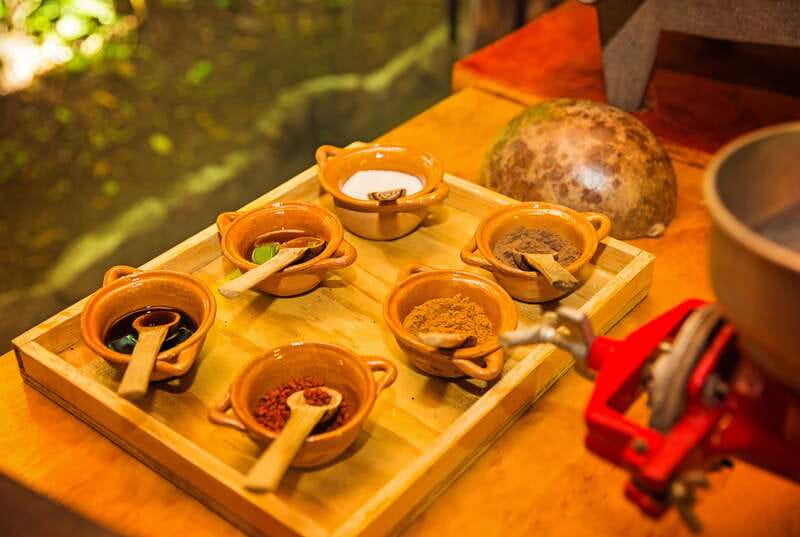
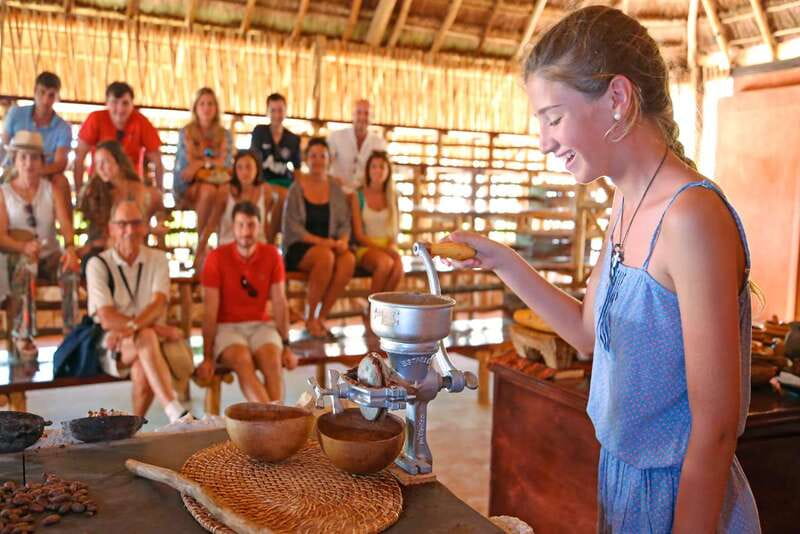
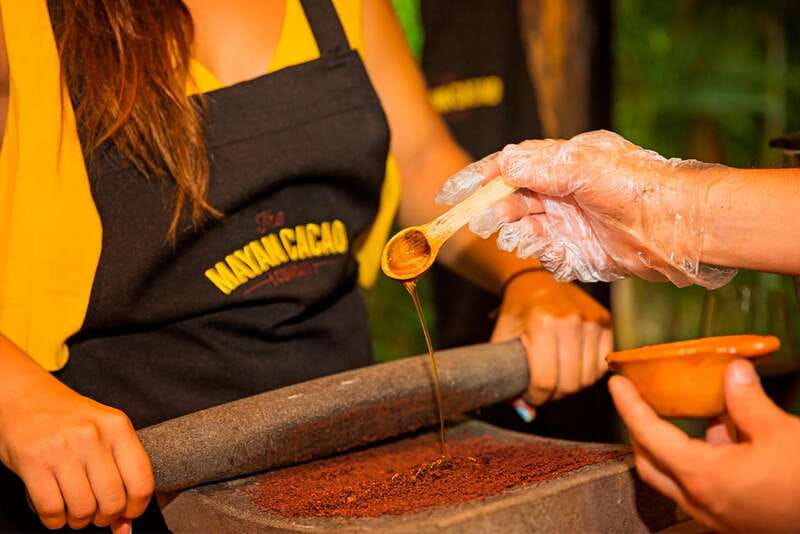
The workshop then moves from history to action. You use cacao seeds like those associated with Mayan rituals and ceremonies, grinding them on a traditional pre-Hispanic metate.
A metate is a stone grinding tool, and using one gives you a direct sense of the labor behind the finished product. This is not the same as pressing a button on a kitchen appliance. You need to work the seeds by hand, and your guide can help if the grinding proves awkward.
That assistance is worth noting for families and anyone with limited hand strength. Paty has been singled out for helping participants through this step, so you should not feel embarrassed about asking for guidance. The activity is designed for participation, not for testing who can grind the fastest.
The metate session is also one of the most authentic parts of the workshop. It shows how traditional preparation depends on simple tools and physical work. You get a small taste of the process without pretending that a short class can reproduce the full scale of historical cacao production.
Same city, a different tasting:
- Finca 18 Puerto Vallarta Tequila Tour + Chocolate Pairing
★ 5.0 · 393 reviews - Chocolate Tour in Vallarta
★ 5.0 · 226 reviews - Chocolate & Margarita Workshop
★ 5.0 · 207 reviews - Chocolate and truffles workshop
★ 5.0 · 157 reviews
Mixing ingredients and making your chocolate bar
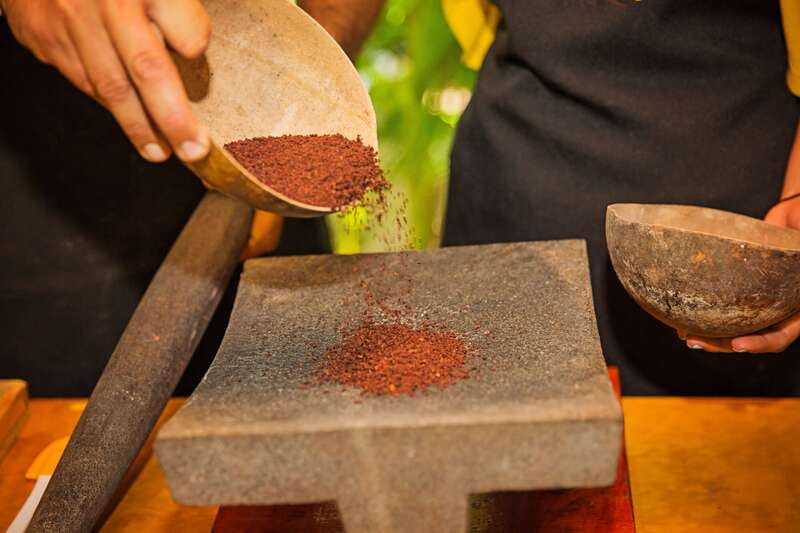
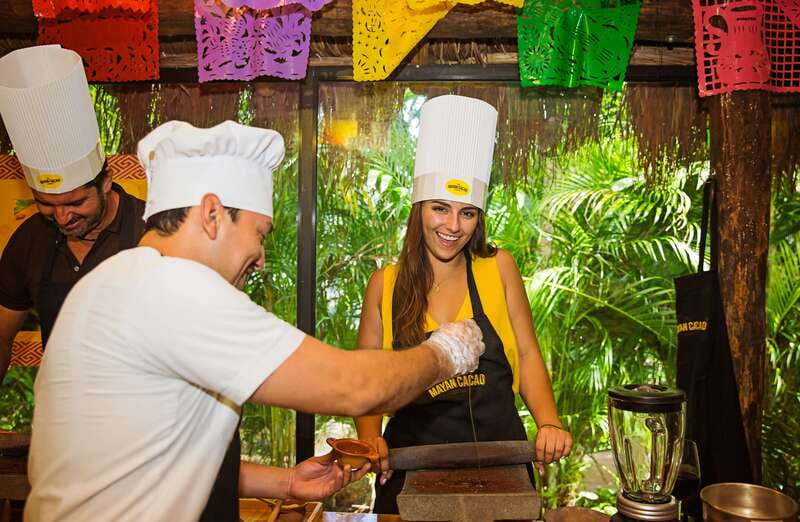
Once the cacao has been ground, you mix it with simple ingredients and shape your own handmade chocolate bar. The ingredients and tools are included, so you do not need to bring supplies.
This is the point where the workshop becomes personal. Everyone handles the same basic process, but your finished bar becomes your own take-home souvenir. It is more memorable than a packaged chocolate purchased on the way out because you took part in making it.
The activity works particularly well for families with children around the school-age range. One child was able to complete the process and felt that the chocolate she made tasted especially good. That is a useful sign for parents: the workshop is not only aimed at serious food enthusiasts.
Still, you should keep expectations sensible. This is a short cultural workshop, not a professional chocolate-making course. You will learn the traditional method in broad terms and make one bar, but you will not receive an advanced lesson in tempering, commercial production, or detailed confectionery technique.
Tasting 13 artisanal chocolates
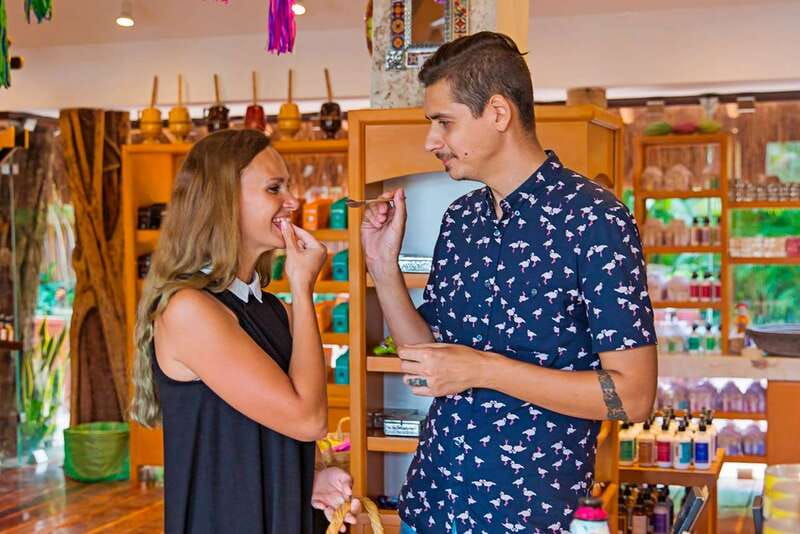
After making your bar, you visit the chocolate boutique and taste 13 artisanal chocolates. The tasting gives the visit a pleasant finish and lets you compare several preparations rather than judging the experience on your own handmade bar alone.
Thirteen samples is a generous number for a 90-minute activity. It also changes the pace. The first portion is about culture and process, the middle is hands-on, and the final portion is focused on flavor and browsing.
Chocolate lovers will appreciate this section most. It gives you a chance to notice differences between the samples and decide what you might want to buy. The workshop description does not specify every flavor, so you should not book expecting a particular tasting menu.
You can also try the chocolate smoothie mentioned by one family who attended with a child. It is not listed as part of the included activity, so treat it as an optional purchase rather than part of the workshop price.
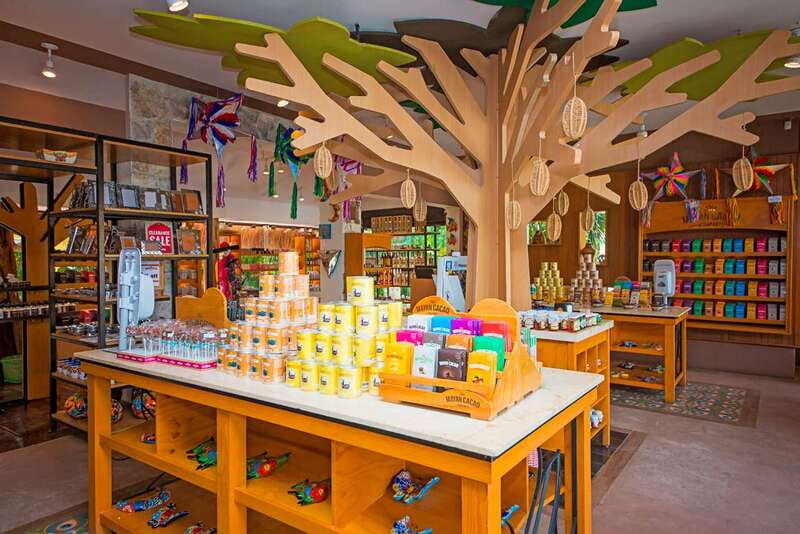
The boutique is a useful stop even if you do not plan to buy anything. It gives you time to look at the finished products and connect the traditional process with the modern chocolate sold today.
What the guides add to the experience
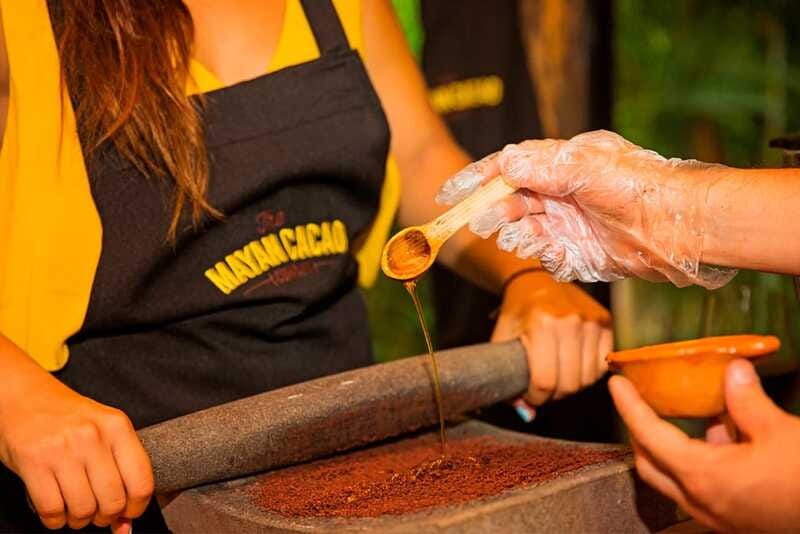
The guides are one of the strongest reasons to choose this activity over a simple chocolate tasting. Paty, Roberto, Eduardo, and Leti have each led sessions that combine explanation with humor and active participation.
Paty is a good name to look for if you want a guide who will slow down for questions and offer practical help during the grinding. Roberto has a lively style and has been described as a kind of Mexican Willy Wonka, which gives you a fair idea of the playful tone he can bring to the class.
Eduardo is a strong fit for families. His explanations have worked well with younger children, and he has made the process easy to follow. Leti has also been praised for keeping children engaged while explaining the story of the cacao bean.
Of course, you cannot choose your guide with certainty unless the operator confirms it. The useful point is that the experience depends on conversation and demonstration, not only on the setting. You should expect instruction in English or Spanish and plenty of chances to ask questions.
Is $40 a fair price?
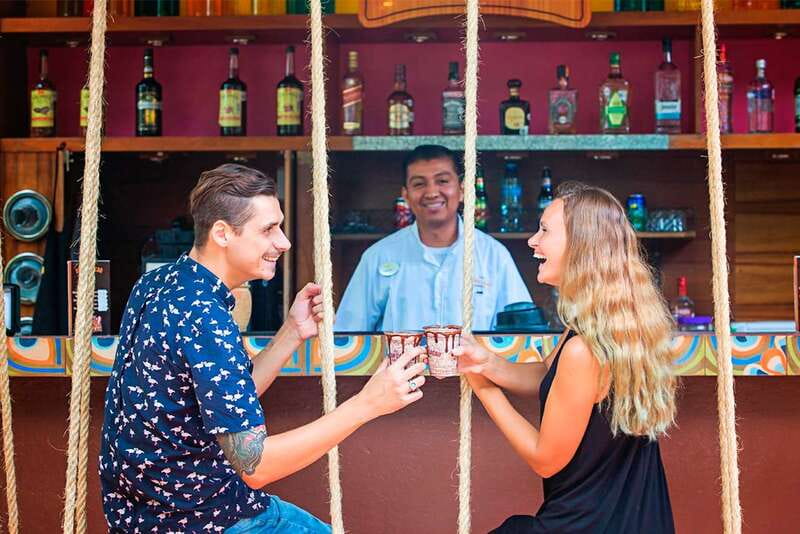
At $40 per person, the value depends on what you want from your time in Cozumel. The price includes admission, the guided cultural lesson, ingredients and tools for your chocolate bar, and the 13-chocolate tasting.
That is a fair package if you value a hands-on activity and want more than a quick sample. You receive a cultural explanation, a practical demonstration, a take-home creation, and a substantial tasting in 1.5 hours.
The value is weaker if you are looking only for a large meal, a long factory tour, or a detailed professional chocolate course. Food and drinks are not included, and transportation is your responsibility. Those extra costs can matter, especially if you are planning several paid activities in the same day.
I would see the workshop as a compact cultural stop rather than a full-day excursion. It fits well into a schedule that leaves room for other Cozumel plans, provided your transport arrangements allow you to reach the meeting point on time.
Who should book this workshop?
This activity suits several kinds of visitors:
- Families with children: The process is active, and making a bar gives younger participants a clear goal.
- Chocolate fans: You receive 13 tastings and get to browse the boutique afterward.
- Food-history enthusiasts: The workshop links cacao to Mayan ceremony, prestige, and daily social life.
- Cruise visitors with limited time: The 1.5-hour duration is short enough to fit into a planned day, though you must arrange transportation yourself.
- Couples and small groups: A guide can spend more time answering questions when the group is small.
- Visitors who prefer cultural activities: You learn through doing instead of only looking at exhibits.
It is not a good choice for anyone with chocolate or nut allergies. The workshop is also not wheelchair accessible, so contact the provider before booking if mobility access is important to you.
Practical details that affect your decision
The experience is offered in English and Spanish. You should arrive 15 minutes early, wear comfortable clothes, and bring cash. The meeting point is The Mayan Cacao Company, and no hotel transportation is included.
The duration is 1.5 hours. Starting times vary, so check availability before you commit to the rest of your day. If your schedule changes, you can cancel up to 24 hours in advance for a full refund, and the reserve-now, pay-later option lets you hold a place without paying immediately.
Those flexible booking terms are useful if your Cozumel plans depend on weather, port timing, or a changing shore schedule. Still, the activity itself has a fixed length, so do not book a starting time that leaves only a narrow window before your next commitment.
Should you book it?
I would book this workshop if you want a short, friendly Cozumel activity that combines Mayan culture with something you can taste and make yourself. The metate grinding, handmade bar, and 13-sample tasting give the $40 price real substance.
Book it especially if you are traveling with children or if a good guide can make an experience for you. Paty, Roberto, Eduardo, and Leti have each brought warmth and humor to the lesson, and that personal instruction is a major part of the appeal.
Skip it if you have a chocolate or nut allergy, need wheelchair access, or want a full meal or advanced chocolate course. For everyone else, this is a practical and enjoyable way to spend 90 minutes learning why cacao mattered to the Maya and why it still matters to Mexican food culture.
FAQ
Where does the chocolate workshop take place?
The workshop takes place at The Mayan Cacao Company in Quintana Roo, Mexico.
How long does the activity last?
The workshop lasts 1.5 hours.
How much does the workshop cost?
The price is $40 per person.
What is included in the price?
The price includes entrance to The Mayan Cacao Company, the chocolate tasting, and the ingredients and tools needed to make your chocolate bar.
Is transportation included?
No. Hotel pickup and drop-off are not included, so you need to arrange your own transportation to the meeting point.
What languages are available?
The workshop is offered in English and Spanish.
What should I bring?
Wear comfortable clothes and bring cash. You should also arrive 15 minutes before the activity begins.
Is the workshop suitable for people with allergies or mobility needs?
The workshop is not recommended for people with chocolate or nut allergies, and it is not wheelchair accessible.
Newest chocolate tours around Mexico
- Magic Teotihuacan and Chocolate★ 5.0 · 4 reviews
- Cacao Chronicles: A Mexican Chocolate Tasting★ 5.0 · 14 reviews
- Bean to Beverage: Roast and grind cacao into chocolate★ 5.0 · 7 reviews
- Oaxaca: Chocolate and Ancestral Drinks Tour★ 4.5 · 13 reviews
- Chocolate Tasting & mayan Presentation★ 4.5 · 20 reviews
- Private Tour Uxmal Ruins and Chocolate Museum plus Cenote★ 5.0 · 43 reviews
- Make Your Own Chocolate with Oaxacan Tradition Private Class★ 5.0 · 45 reviews
- San Miguel de Allende: Chocolate Tasting and Walking Tour★ 4.9 · 45 reviews
Chocolate Making Workshops, compared.
Chocolate Workshop in Chocolate Museum w/ Tasting
Read our review →
Belgian Chocolate Making Workshop with Tastings
Read our review →
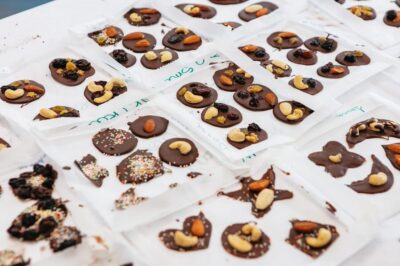
Belgian Praline and Mendiants Chocolate Workshop
Read our review →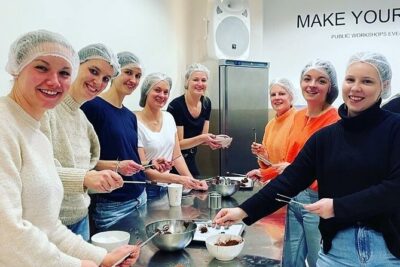
1.5h Belgian Chocolate Workshop in Brussels (bean to bar)
Read our review →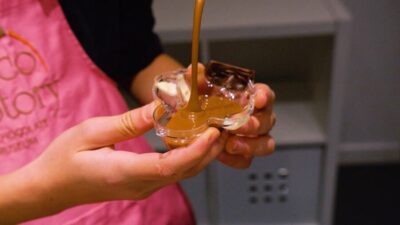
45-minute Chocolate Making Workshop at Choco-Story
Read our review →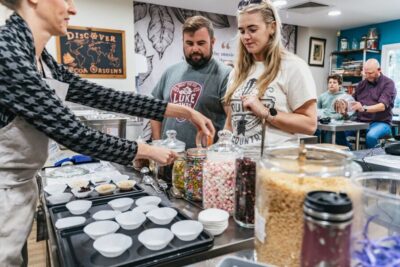
Chocolate Bar Making Workshop at York Cocoa Works
Read our review →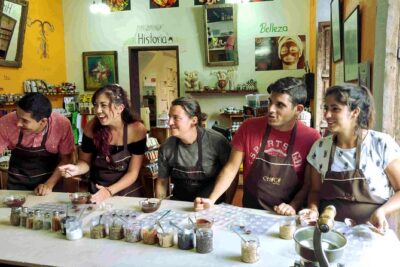
Bean to Bar Chocolate Workshop in Puerto Vallarta
Read our review →Browse the lists this tour appears in