
Review · CHOCOLATE FACTORY TOURS
The Turin Chocolate Factory Guided Tour & Tasting
Turin’s chocolate story becomes much more interesting when you see the work behind the famous gianduiotto, not just buy one from a shop window. At this small production laboratory in Moncalieri, you follow cocoa beans from roasting to tempering, extrusion, and hand-finishing, then taste the results. I like the clear connection between local Piedmont hazelnuts and the finished chocolate.
I also like the small group size, capped at 15 people, and the family-run welcome associated with Alessandro, who is described as warm and happy to answer questions. The main thing to consider is the short one-hour format. It gives you a focused introduction, not a long factory visit or a full chocolate-making workshop.
Key points to know before booking
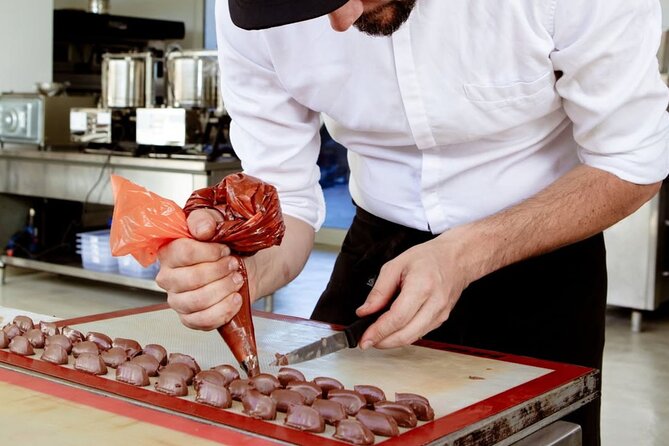
- See the full chocolate process: The visit covers roasting cocoa beans, tempering chocolate, extrusion, and handcrafted finishing.
- Taste more than one style: You sample gianduiotti, three single-origin chocolates with different cocoa percentages, and a spreadable gianduja cream.
- Connect chocolate with Piedmont: The signature bonbon uses IGP hazelnuts from Piemonte, one of the area’s defining ingredients.
- Keep the visit personal: The group limit is 15 people, useful in a working laboratory where space may be limited.
- Plan for Moncalieri: The meeting point is Str. Vivero, 75b, near public transportation, outside central Turin.
- Leave time for shopping: Extra chocolate is not included, but you can buy gifts directly from the laboratory.
Why this small laboratory visit matters
Turin is one of Italy’s great chocolate cities, but the best way to understand that reputation is not simply to eat a polished bonbon. You need to see the steps that make it distinct. This tour takes you into an authentic artisanal chocolate laboratory, where production is explained from the cocoa bean onward.
That word, laboratory, is useful here. This is not described as a large industrial factory with moving walkways and rows of visitors. You are visiting a working chocolate-making space, where the emphasis is on methods, ingredients, and handcrafting. That makes the hour feel more like a close look at a local producer than a standard sightseeing stop.
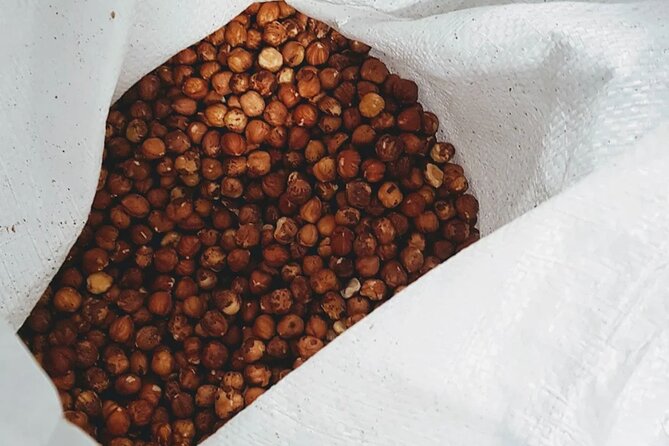
The focus is the gianduiotto, Turin’s classic chocolate bonbon. Its soft, rich character comes from chocolate blended with hazelnuts, and this version uses IGP hazelnuts from Piedmont. The regional ingredient gives the tour a strong sense of place. You are not tasting a generic chocolate product with an Italian label. You are learning why a particular local nut matters to a Turin specialty.
I also like that the visit does not stop at the finished bonbon. You see how cocoa beans are roasted, then learn how the chocolate is handled through tempering and extrusion. Those terms can sound technical, but they explain why chocolate has the right texture, shine, and firmness. The tour gives you a better eye for quality the next time you walk into a chocolate shop.
More Chocolate Factory Tours in Italy:
- Milan: Enrico Rizzi Chocolate Factory Tour with Tasting
★ 4.4 · 38 reviews - Guided tour of the Artisan Chocolate Factory in Tuscany
★ 4.5 · 13 reviews - The Turin Chocolate Factory Guided Tour & Tasting
★ 4.2 · 8 reviews
Starting at Str. Vivero 75b in Moncalieri
The tour begins and ends at Str. Vivero, 75b, in Moncalieri, with the full address listed as 10024 Moncalieri, Turin province. It is near public transportation, which helps if you do not plan to drive. Still, this is not a central Turin meeting point, so you should allow enough time to reach it.
The location shapes the experience. You are leaving the main sightseeing streets and going to the place where the chocolate is actually made. That extra movement may be less convenient than visiting a shop in central Turin, but it is also what makes the visit feel more connected to production.
The activity lasts about one hour. Since the tour returns to the same meeting point, you do not need to arrange a separate end location or wonder where the final tasting takes place. The compact schedule also makes it easier to fit around other plans in the Turin area.
The group can include up to 15 people. That is not the same as a private visit, but it is small enough to keep the presentation manageable. In a working laboratory, a smaller group should also make it easier to see the equipment and ask questions. The tour is offered in English, which makes the technical steps accessible if you do not speak Italian.
From cocoa beans to tempered chocolate
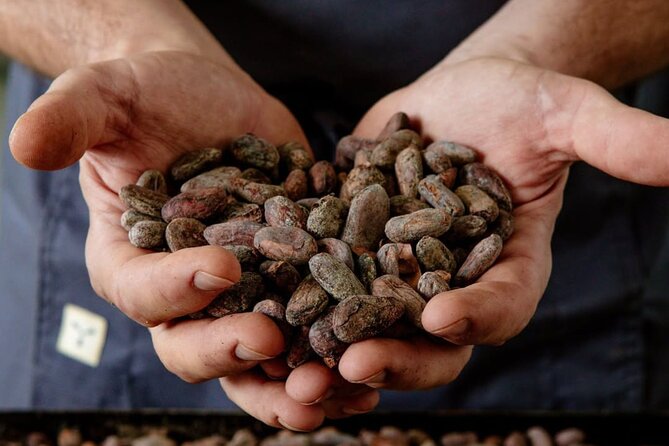
The first major part of the visit explains how cocoa becomes chocolate. You begin with the roasting of cocoa beans, an important stage that develops aroma and flavor. The experience is designed to show the entire route rather than present chocolate as a finished product that appears by magic.
You then learn about the techniques used to make high-quality chocolate. The tour refers to fine and prized cocoa varietals, along with chocolates made from different origins and cocoa percentages. That combination gives you useful context for the tasting later. You can compare chocolate based not only on sweetness, but also on where the cocoa comes from and how much cocoa it contains.
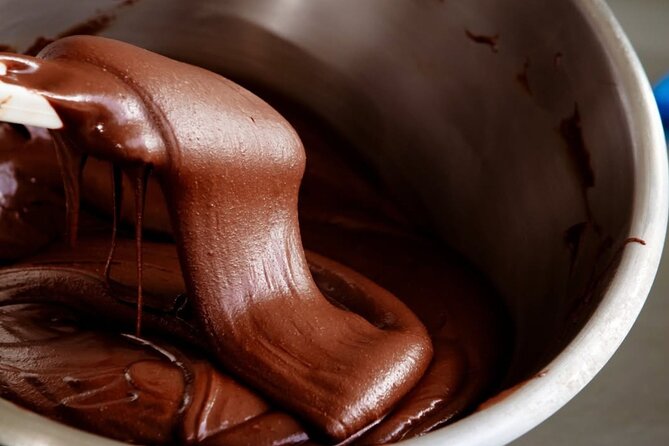
Tempering is another important step. Chocolate must be heated and cooled with care so it sets properly and has a smooth texture. The tour explains this process as part of the craft, helping you understand why a well-made bonbon can snap, melt, and feel different from an ordinary candy.
The laboratory also uses extrusion in the production of its gianduiotto. This gives you a view of how the chocolate mixture is shaped before it is finished by hand. The point is not simply to watch machinery work. You see how equipment and human skill share the job, with the final bonbons still described as handcrafted.
That mix of technical information and handwork is one of the strongest parts of the experience. If you already know a bit about chocolate, you may enjoy the production details. If you are new to the subject, the sequence gives you a simple framework: roast the beans, develop the chocolate, temper it carefully, shape it, and finish the product.
The gianduiotto and Piedmont’s hazelnuts
The signature tasting centers on the gianduiotto. This bonbon is closely tied to Turin, and the use of IGP hazelnuts from Piemonte makes the regional connection clear. You are not only sampling a local sweet. You are tasting how Piedmont’s hazelnut tradition works with cocoa.
The gianduiotto is carefully tempered, extruded, and handcrafted. Those details matter because the bonbon is the practical result of the techniques explained during the visit. You learn the process, then taste the finished item while the information is still fresh.
I would pay attention to the texture here. The point of the experience is not to rush through a large pile of sweets. It is to notice how the chocolate and hazelnut elements work together, and how the production methods affect the mouthfeel. Since the tasting includes several other samples, you can compare the gianduiotto with more direct expressions of cocoa.
This part should suit anyone who wants a Turin food experience with local character. It also works well for visitors who enjoy learning how regional products are made. Families, couples, and chocolate fans can all take something from it, though children who expect a large candy sampling may find the educational focus more important than the quantity.
More Chocolate Tours in Italy:
- Turin: Visit to the Chocolate and Gianduja Museum, Choco-Story Torino
★ 4.6 · 221 reviews - The Turin Chocolate & Wine Tasting Experience
★ 4.7 · 87 reviews - Turin Sweet & Chocolate Walking Food Tour by Do Eat Better
★ 4.5 · 86 reviews - The Turin Chocolate Tasting Experience
★ 4.7 · 83 reviews
Three single-origin chocolates and a spoonful of cream
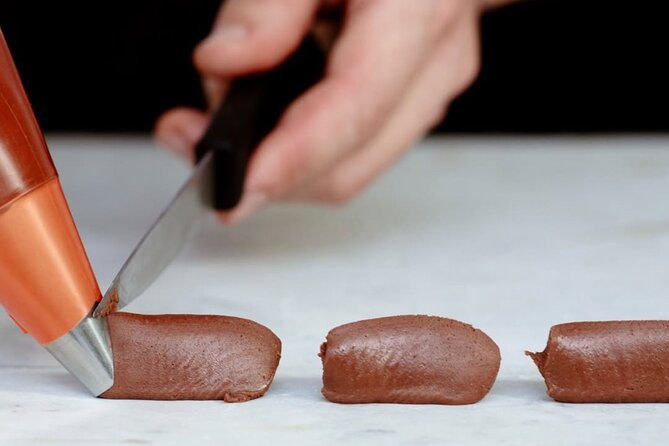
The tasting goes beyond the house gianduiotto. You sample three single-origin chocolates with different cocoa percentages. That gives you a useful side-by-side comparison, even within a short tour.
A single-origin chocolate is made with cocoa associated with one origin rather than a broad blend. The different cocoa percentages also affect the balance between cocoa intensity and sweetness. The tour does not promise a formal tasting lesson, so you should not expect a long technical class, but the selection gives you a chance to notice differences for yourself.
Try each sample slowly. Look for changes in bitterness, sweetness, aroma, and finish. You do not need expert vocabulary. The practical benefit is that you leave with a clearer sense of what you like, whether that means a softer, sweeter chocolate or a stronger cocoa profile.
You also taste one of the laboratory’s spreadable creams, described as a gianduja cream. This adds a different texture to the tasting. Instead of comparing solid chocolate alone, you can see how the same broad hazelnut and cocoa idea works as a smooth spread.
The tasting is included in the tour price, along with the laboratory visit and explanation of the production process. Extra chocolate purchases cost more. That distinction is worth noting because the shop opportunity can tempt you into spending beyond the original ticket price, especially if you want gifts.
How the $46.13 price holds up
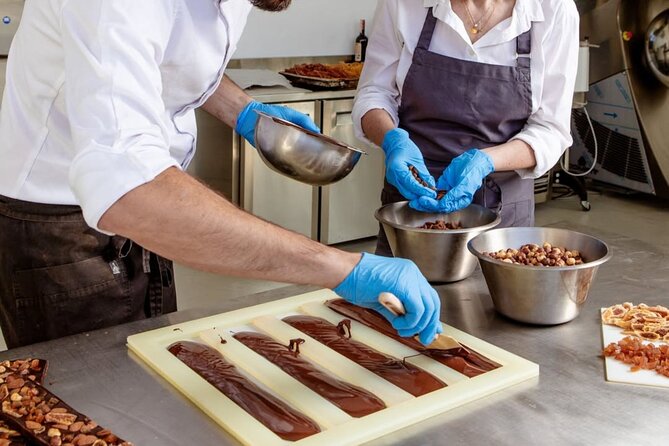
At $46.13 per person, this is not the cheapest way to taste chocolate in Turin. You are paying for a guided visit to a working artisanal laboratory, a small-group format, an English explanation, and a tasting that includes several kinds of chocolate and cream.
The value depends on what you want. If you only want a gianduiotto or a jar of spread, a shop purchase will cost far less. If you want to understand how the products are made and see the production setting, the price is easier to justify. The one-hour duration keeps the commitment small, but it also limits how much material can be covered.
I see the strongest value in the combination of access and comparison. You are not paying only for samples. You are seeing roasting, tempering, extrusion, and handcrafting, then tasting the results. The three single-origin chocolates add another layer that a simple shop visit would not provide.
This is a good choice for a short food-focused activity, especially if you have already planned other Turin sights and want one stop with a clear local link. It is less suitable if you expect a large tasting menu, a hands-on class, or a long production tour.
The family-run welcome and guide interaction
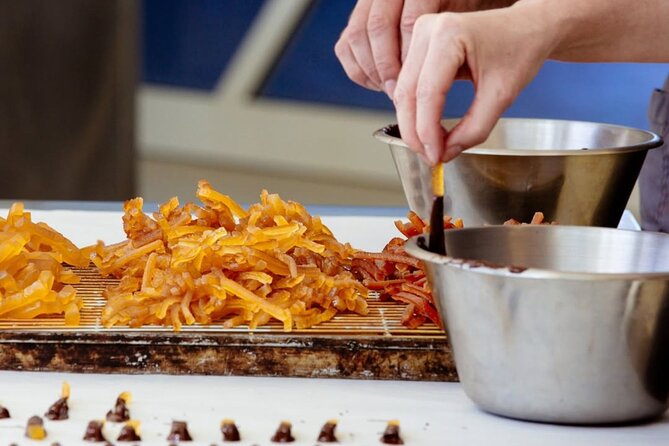
The human side of the experience matters in a small laboratory. Alessandro is specifically associated with a welcoming approach, and the visit is designed to leave room for questions. That is useful because chocolate production has several steps that can seem alike if someone simply lists them quickly.
A guide who explains the reasons behind the methods can help you connect the equipment to the finished bonbon. You should feel free to ask about roasting, cocoa origins, percentages, tempering, or the use of Piedmont hazelnuts. The tour is short, so questions make the visit more useful than simply standing through a presentation.
The family-run character is another appealing detail. It suggests a personal business where the people making or presenting the chocolate remain close to the product. That does not guarantee a private experience, but it gives the visit a warmer tone than a large commercial attraction.
The group limit of 15 supports this style. If everyone attends, you will still be part of a shared group, but the size should allow the guide to respond to questions without the room becoming unwieldy. The available information does not promise a private demonstration, so book this for a friendly small-group explanation, not a one-to-one lesson.
Who will get the most from this tour
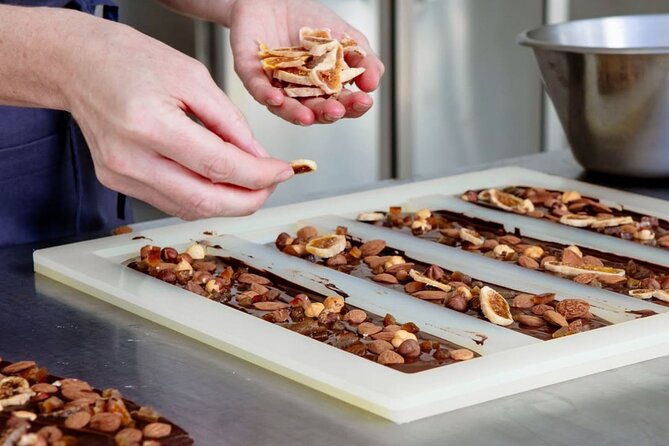
I would recommend the experience to:
- Chocolate lovers who want to understand production, not just taste the final product.
- Food-focused visitors looking for a local Piedmont connection.
- Couples and families who prefer a short activity with a built-in tasting.
- English-speaking visitors who want a guided explanation.
- Shoppers looking for edible gifts made directly at the source.
- Anyone curious about the difference between cocoa origins and percentages.
I would think twice if your main goal is a hands-on workshop. The information describes a guided visit and tasting, not a class where you make your own chocolates. I would also consider the location and duration carefully if you are staying in central Turin and have a tightly packed schedule.
Children can participate because most visitors can take part, but the activity is clearly built around explanation and tasting. Young chocolate fans may enjoy the samples, while older children and adults are more likely to appreciate the production details.
The tour is also a good fit for a rainy-day plan or a break from museums, though the supplied details do not describe the laboratory’s indoor layout beyond its function as a chocolate production space. Keep your expectations focused on the process, guide, and tasting.
Buying chocolate at the end
The visit includes an opportunity to purchase products directly from the laboratory. This is a useful advantage if you want to bring home gianduiotti, chocolate, or gianduja cream from the place where you saw them being made.
Extra chocolate is not included in the $46.13 ticket. Treat the shop as an optional add-on rather than part of the tasting entitlement. If you plan to buy gifts, check how much you want to carry before the visit, since the available details do not specify product sizes, prices, or packaging.
Buying at the end also gives the tasting a practical purpose. You can decide which style you liked best after comparing the gianduiotto, the three single-origin samples, and the spreadable cream. That is more useful than choosing a souvenir before you know what the producer makes.
Booking, timing, and cancellation
You receive confirmation when you book, and the activity accepts a mobile ticket. The tour is offered in English and has a maximum of 15 participants. Most people can participate, and the meeting point is near public transportation.
The tour starts and ends at Str. Vivero, 75b. Because the experience lasts about one hour, check your route to Moncalieri before booking and avoid scheduling another activity too tightly afterward.
Free cancellation is available if you cancel at least 24 hours before the start time. Cancellations made less than 24 hours before the start are not refunded, and changes inside that period are not accepted. The cut-off follows local time.
The experience requires a minimum number of participants. If that minimum is not reached and the activity is canceled, you are offered another date or experience, or a full refund.
Should you book the Turin chocolate tour?
Book it if you want a short, focused look at artisanal chocolate with a real Piedmont ingredient at its center. The strongest reasons are the full process explanation, the small group cap, the English guide, and the tasting range from gianduiotto to single-origin chocolate and gianduja cream.
Skip it if you only want inexpensive sweets, a hands-on class, or a long factory spectacle. The one-hour visit is compact, and the $46.13 price makes sense mainly when you value the production story as much as the tasting.
For most food-focused visitors with time to reach Moncalieri, this is a thoughtful Turin add-on. You get a better understanding of why the city is linked with chocolate, and you can leave with gifts made at the source.
FAQ
Where does the Turin chocolate tour begin?
The tour begins at Str. Vivero, 75b, 10024 Moncalieri, Turin, Italy.
Where does the activity end?
The activity ends back at the same meeting point at Str. Vivero, 75b.
How long does the chocolate tour last?
The experience lasts approximately one hour.
What language is the tour offered in?
The tour is offered in English.
How many people can join the tour?
The maximum group size is 15 people.
What chocolate-making steps are explained?
The visit covers roasting cocoa beans, tempering chocolate, extrusion, and the handcrafted production of gianduiotti.
What is included in the tasting?
The tasting includes handcrafted gianduiotti, three single-origin chocolate samples with different cocoa percentages, and a spreadable gianduja cream.
Are extra chocolates included in the price?
No. Extra chocolate is not included, but you can purchase products directly from the laboratory.
Is public transportation available near the meeting point?
Yes. The meeting point is near public transportation.
Can I cancel for a full refund?
Yes, if you cancel at least 24 hours before the experience start time. Cancellations made less than 24 hours before the start are not refunded.
Newest chocolate tours around Italy
- Willy Wonka in Turin – A chocolate adventure★ 3.7 · 6 reviews
- Venchi Duomo: Chocolate Tasting Experience in Florence★ 4.3 · 4 reviews
- Venchi Pantheon: Chocolate Tasting Experience in Rome★ 5.0 · 2 reviews
- Turin: 45-Minute Chocolate Workshop at Choco-Story★ 4.7 · 25 reviews
- Turin’s Sweet Delights: A Chocolate Walking Tour★ 4.9 · 26 reviews
- Venchi Rialto: Chocolate Tasting Experience in Venice★ 5.0 · 5 reviews
- The Turin Chocolate Tasting Experience★ 4.5 · 31 reviews
- Fine Chocolate Tasting in Turin★ 5.0 · 26 reviews
Chocolate Factory Tours, compared.

City Tour, Cruise, and Lindt Home of Chocolate Visit
Read our review →
Zurich Sights: Cruise, Lindt Chocolate and optional FIFA Ticket
Read our review →
Full-Day Tour: Concord Waterfall, Chocolate Factory, Rum Distillery, Grand Etang
Read our review →
Half-Day Concord Waterfall and Chocolate Factory Tour
Read our review →
Orlando: Factory Adventure Tour in Chocolate Kingdom
Read our review →
Rhine Falls, Chocolate & Cheese Factory Day Trip
Read our review →Browse the lists this tour appears in