
Review · CHOCOLATE WALKING TOURS
Turin Sweet & Chocolate Walking Food Tour by Do Eat Better
Turin’s sweetest tradition is not just chocolate bars. It is the whole café ritual: a gold-wrapped gianduiotto, a layered Bicerin, a refined pastry, and a final scoop of gelato enjoyed while walking through grand city squares. This small-group food walk gives you a tidy introduction to that side of Turin in about two and a half hours.
I like the clear progression from chocolate to pastry, coffee drink, Piedmontese candy, and gelato. I also like the size, capped at 12 people, which gives you a better chance to ask questions and keep up with the guide. Carolina and Marta have both been singled out for making the tastings lively and accessible to children and adults.
The main thing to watch is the word sweets. This is heavily a chocolate-focused tour, with the Bicerin and gelato adding variety. If you expect a broad survey of savory food or a long parade of independent pastry shops, this may feel narrow.
Key points at a glance
- Five sweet stops in central Turin: The route links Giardino Sambuy, Largo Vittorio Emanuele II, Piazza San Carlo, Piazza Castello, and Piazza C.L.N.
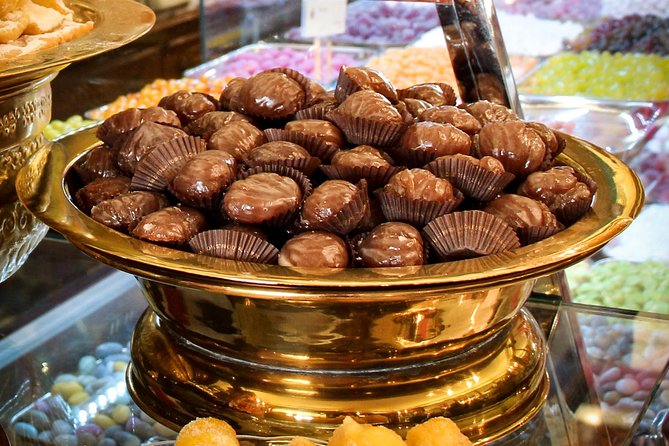
- Turin’s signature Bicerin: You taste the espresso, drinking chocolate, and cream or milk layered in a glass.
- Two classic Piedmontese chocolates: The tasting includes either a gianduiotto or a cremino.
- A group capped at 12: The limited size suits anyone who wants a more personal walk.
- A guide-led introduction to Turin’s café culture: Guides such as Carolina and Marta connect the sweets with local customs and city life.
- A sensible first-day activity: The route helps you get familiar with central Turin while sampling its best-known desserts.
Why Turin and chocolate belong together
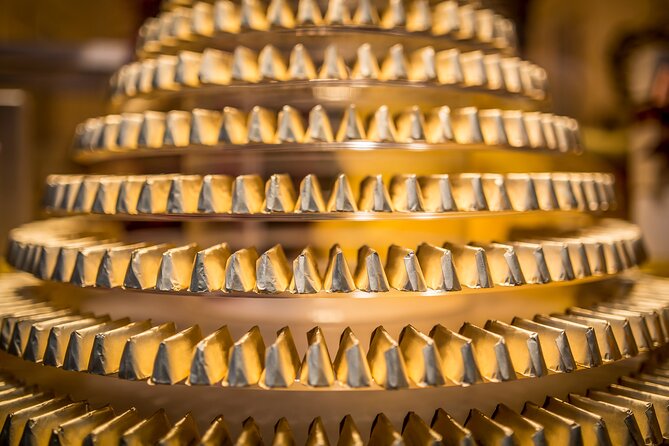
Turin became Italy’s great chocolate city through its connection with Piedmontese hazelnuts, cocoa, and courtly café culture. The most famous result is the gianduiotto, a small, soft chocolate shaped like an ingot. It was first created in Turin in 1852 and is usually wrapped in gold foil, making it as attractive in a gift box as it is satisfying after a meal.
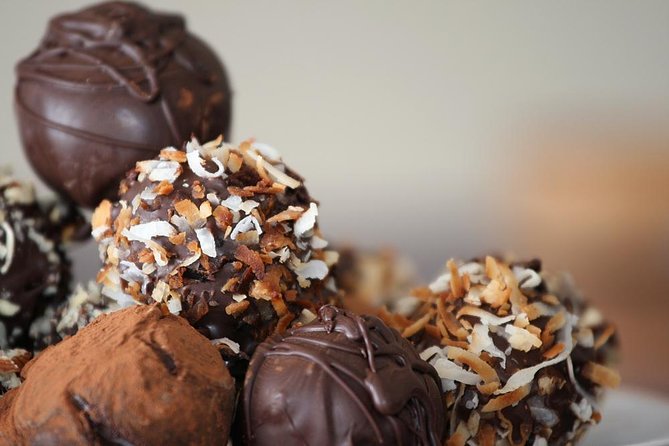
The city’s chocolate identity goes beyond one candy. You may taste smooth milk chocolate, darker cocoa flavors, hazelnut-based gianduja, and the layered cremino. These sweets are useful clues to Turin itself: polished, traditional, and closely tied to its historic cafés.
I like that this tour gives you several forms of chocolate instead of asking you to judge one shop or one recipe. You can compare textures and flavors as you go. The trade-off is that the exact brands and individual products may vary, so you should not book expecting a fixed list of named confections at every stop.
More Chocolate Walking Tours in the world:
- Brussels: Historical Walking Tour with Chocolate & Waffle Tasting
★ 5.0 · 1,165 reviews - Brussels Walking and Tasting Tour (Beers,Chocolates&Fries/Waffle)
★ 5.0 · 929 reviews - Brussels Chocolate Walking Tour and Workshop
★ 4.5 · 885 reviews
Starting near Santa Cristina and Giardino Sambuy
The meeting point is at Santa Cristina on Piazza San Carlo, one of Turin’s grand central squares. The published route begins with a chocolate tasting near Giardino Sambuy, and the walk later finishes on Via Po near the Mole Antonelliana.
The first tasting is meant to set the tone. You sample local chocolates made with traditional Piedmontese methods and high-quality ingredients. The selection may move from creamy, gentle pieces to stronger cocoa flavors, giving you a quick sense of the range before the tour turns to pastries and drinks.
This opening stop is especially useful if you have just arrived in Turin and do not yet know the difference between the city’s most common chocolate styles. I would take small bites and pay attention to texture. With several tastings ahead, you will enjoy the later stops more if you avoid treating the first one like a race.
The tour is offered in English, but the guide may also speak Italian during the experience. That should not be a problem for most people, though it is worth knowing if you need every explanation delivered only in English.
Pastries near Largo Vittorio Emanuele II
The second stop shifts from chocolate to local pastry. You taste classic Turin sweets linked with old cafés and the city’s refined confectionery tradition. The information provided does not promise a fixed pastry menu, so the exact selection can change.
This is the part of the route that needs the most realistic expectations. One experience described the tour as mostly chocolate, with gelato at the end, and specifically noted that no pastry was served. The stated menu does include a general pastry tasting, but you should treat this stop as a possible selection rather than a guaranteed parade of cream cakes and baked specialties.
If you are curious, ask the guide what each item is and why it matters locally. One past experience found that the guide offered little explanation until prompted, while other guides, including Carolina, were praised for linking the food to the city and the region. A simple question can turn a quick sample into a much better lesson.
Bicerin at San Carlo
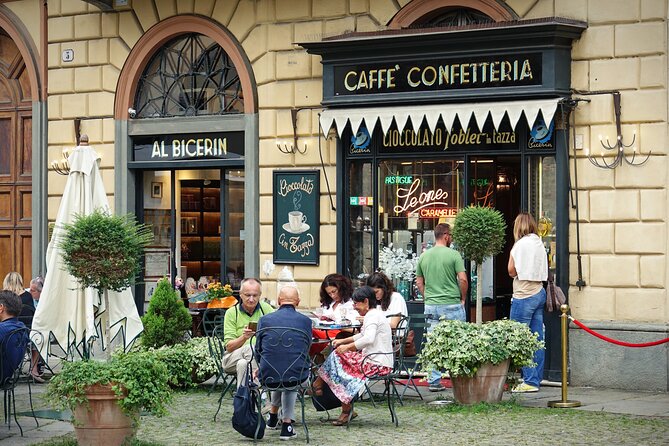
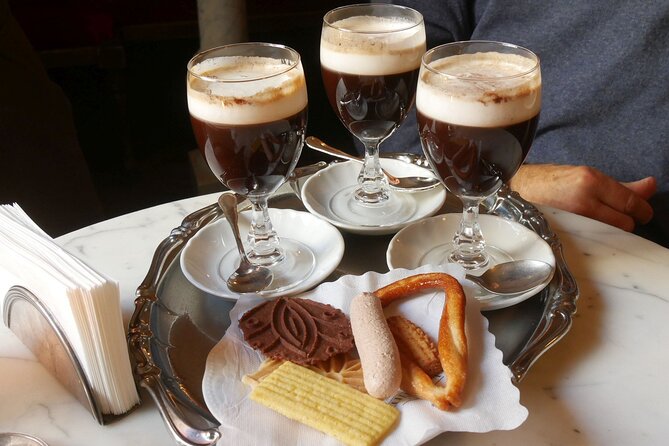
Near Chiesa di San Carlo Borromeo, the tour pauses for Turin’s most distinctive café drink: Bicerin. It combines espresso, thick drinking chocolate, and whole milk or cream in visible layers inside a glass.
Bicerin is not simply a hot chocolate with coffee added. The pleasure comes from the contrast between the bitter coffee, sweet chocolate, and creamy top. It has been served in Turin since the 18th century and became part of the city’s café culture. Alexandre Dumas praised it in his letters, another clue to how long this drink has held a place in Turin’s public life.
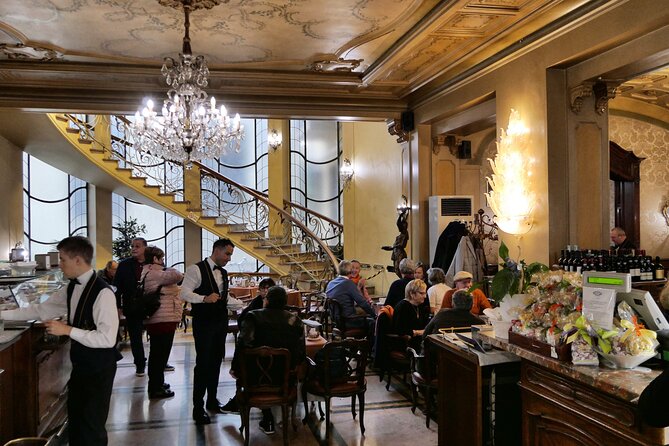
This stop gives the tour some needed balance. After several solid sweets, a warm coffee drink changes the pace. It is also one of the best moments to ask about local café customs and how Turin’s traditional drinks differ from the coffee drinks you may know at home.
The Bicerin is served in a glass, so you can see its layers. Do not expect a large beverage. It is a concentrated tasting, not a full breakfast. If you do not drink coffee, confirm your options with the guide before booking, since the listed drink is built around espresso.
More Chocolate and Food Tours in the world:
- A Morning in Paris Food Tour: Croissants, Baguettes & Chocolate
★ 5.0 · 556 reviews - Saint-Germain: Gourmet Chocolate & Pastry Walking Food Tour
★ 4.8 · 495 reviews - Vancouver Food Tour with 6 Tastings of Sushi, Chocolate, and more
★ 5.0 · 419 reviews - Paris Chocolate, Macaron & Pastry Food Tour: 10 Gourmet Tastings
★ 5.0 · 339 reviews
Cremino or gianduiotto at Piazza Castello
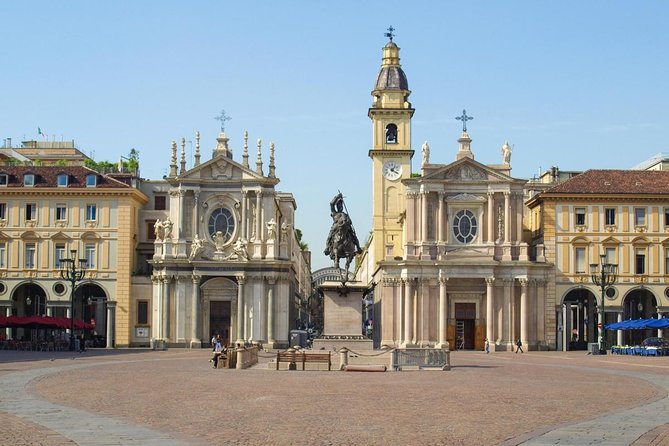
At Piazza Castello, you return to the heart of Turin’s chocolate story. The tasting includes either a cremino or a gianduiotto.
A cremino has three layers. The outer layers are smooth gianduja, while the center may be flavored with coffee, hazelnut paste, lemon, or another ingredient. Its appeal is soft and layered, with a filling that changes the taste as you work through the piece.
The gianduiotto is simpler in shape but just as important to Turin. Its small ingot form and creamy texture come from the blend of Piedmont hazelnuts, cocoa, and sugar. The gold wrapper is part of its identity, and the taste is more than ordinary milk chocolate because the hazelnut gives it a rounded, nutty quality.
I like this stop because it gives you a clear choice between two famous local styles. If the guide explains the difference well, you leave knowing what to look for in Turin’s chocolate shops. The less certain point is that the menu says either cremino or gianduiotto, not both, so you may not receive a side-by-side comparison.
Piazza Castello also makes a good setting for the explanation. The square places the sweets in the middle of Turin’s grand civic center rather than in an anonymous tasting room. You are eating while moving through the city, which is one of the better reasons to choose a walking tour over a seated chocolate class.
Gelato in Piazza C.L.N.
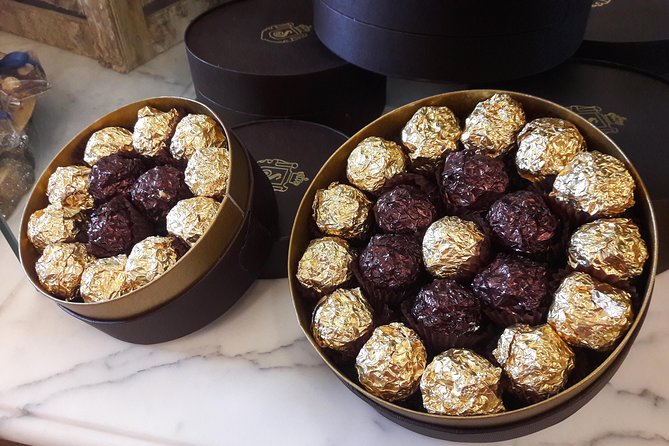
The final tasting takes place in Piazza C.L.N., an elegant square surrounded by historic buildings and cafés. Here you finish with artisanal gelato made through traditional methods and with high-quality ingredients.
Gelato is a sensible ending after the denser chocolate samples. It is cold, soft, and easy to enjoy outdoors. Since the tour finishes on Via Po near the Mole Antonelliana, you can continue sightseeing after the last taste instead of retracing your steps to the starting point.
Do not confuse this stop with a full gelato crawl. You receive a tasting, not a survey of every flavor in Turin. The value is in ending the route with a familiar Italian treat after you have tried more specific Piedmontese specialties.
The square also helps the experience feel like a city walk rather than a string of shop visits. You get a sense of how Turin’s cafés, public spaces, and food traditions fit together. That broader view is one reason the tour can work well near the start of a Turin stay.
What the guide adds to the experience
The guide matters here more than the food list. A quiet guide who simply points out the next sample will leave you with chocolate but not much understanding. A strong guide can explain why Turin is linked with hazelnut chocolate, how Bicerin is assembled, and what makes a cremino different from a gianduiotto.
Carolina has received especially warm praise for combining city history with descriptions of how the sweets are made. She was also described as good with both children and adults, and as helpful with restaurant suggestions for the rest of a visit. Marta has been praised for being friendly, well informed, and accommodating during a small group of eight.
Those names do not mean you are guaranteed a particular guide. They do tell you what to hope for: a host who treats the tastings as conversation rather than a handout. If your guide is less forthcoming, ask direct questions about ingredients, local importance, and what each shop is known for.
The group limit of 12 is a real advantage. You avoid the feel of a large bus tour, and it is easier to hear explanations in a café or shop. A small group also makes it simpler to stay together during the walk.
Is $62.75 a fair price?
At $62.75 per person, this is not the cheapest way to buy chocolate in Turin. You could visit a café and buy a gianduiotto or gelato for far less. The price makes more sense when you count the guide, the sequence of tastings, the city walk, and the help choosing what to try.
I see the strongest value for first-time visitors. You get a two-and-a-half-hour orientation through central Turin, plus enough samples to identify the sweets you may want to buy later. The tour can also save you from spending your limited time guessing which historic cafés or chocolate counters are worth entering.
The value drops if you already know Turin’s confectionery scene or want a substantial meal. This is a tasting experience, not lunch. The included food is sweet, and the amount at each stop is designed for sampling rather than filling you up.
The tour includes snacks, water, coffee or tea, and an English-speaking local guide. It covers at least four tasting stops, with the route described through five locations. Because the exact food selection may vary, consider the price payment for access and guidance, not a guaranteed inventory of every item listed.
Timing, walking, and practical details
The tour lasts about two hours and 30 minutes. You move between central locations, so you need a moderate level of fitness and comfortable shoes. It is not presented as a strenuous hike, but you should be ready to walk and remain with the group between tastings.
The start is at Santa Cristina, Piazza San Carlo, and the end is on Via Po near the Mole Antonelliana. That ending is useful for continuing a day of sightseeing around the Mole or central Turin. The route is near public transportation, and the experience is available as a mobile ticket.
Service animals are allowed. Severe or life-threatening food allergies are a serious limitation, since the operator does not permit people with those allergies to take part for safety reasons. If you have a dietary concern that is not life-threatening, contact the provider before booking. One gluten-free participant was accommodated, but that does not guarantee every dietary request can be handled.
You can cancel for a full refund up to 24 hours before the start time. Changes made less than 24 hours before the tour are not accepted, so do not wait until the last day if your plans are uncertain. The experience also requires a minimum number of participants, and if that minimum is not met, you are offered another date or a full refund.
Who should book this sweet walk?
I would choose this tour if you like food with a story, want a gentle introduction to Turin, and prefer a guide to point out the local specialties. It suits couples, families, and solo visitors who enjoy a small group. The mix of chocolate, coffee, pastry, and gelato keeps the route from becoming five identical tastings.
It is also a good choice for anyone who finds Italian café customs confusing. The Bicerin alone gives you something distinctive to try, while the gianduiotto and cremino provide names you can recognize when shopping later.
I would hesitate if you want savory food, a full meal, or a detailed pastry course. I would also ask about the day’s exact stops if pastries are your main reason for booking. The experience is built around Turin’s sweet side, and chocolate is clearly its center of gravity.
Should you book the Turin Sweet and Chocolate Walking Tour?
Book it if you want a compact, guided introduction to Turin’s chocolate culture rather than a meal. The best parts are the small group, central walking route, Bicerin tasting, and chance to try signature sweets such as gianduiotti and cremini without planning every stop yourself.
Go with realistic expectations. You may receive a pastry tasting, but the experience can feel mostly chocolate-focused, and the exact samples may change. For a first visit, $62.75 is reasonable if you value context and convenience. For an experienced Turin visitor, buying your own sweets and choosing a favorite café may offer better value.
FAQ
How long does the Turin Sweet and Chocolate Walking Tour last?
The experience lasts approximately two hours and 30 minutes.
Where does the tour start?
The meeting point is Santa Cristina at Piazza San Carlo, 10123 Turin.
Where does the tour end?
The tour ends on Via Po, 10124 Turin, near the Mole Antonelliana.
What food and drinks are included?
The tastings include local chocolate, general sweets or pastries, Bicerin, either a gianduiotto or cremino, and gelato. Water, coffee or tea are also included.
Is the tour offered in English?
Yes. It is offered in English, though the guide may speak both English and Italian during the experience.
How many people can join the tour?
The group has a maximum of 12 participants.
Can I cancel for a full refund?
Yes. You must cancel at least 24 hours before the experience start time for a full refund. Cancellations or changes made less than 24 hours before the start are not accepted.
Newest chocolate tours around the world
- Bohol Chocolate Making and Farm Tour★ 5.0 · 2 reviews
- Big Island Hawaii: Craft Chocolate Tasting and Farm Tour★ 5.0 · 14 reviews
- Bogotá: Candelaria Tour with Cacao and Coffee Workshop★ 5.0 · 3 reviews
- Bordeaux: Chocolate and Pastry Food Tasting Tour★ 4.9 · 40 reviews
- Barossa: Enjoy Wine, Lunch, Brewery, Chocolate & Wildlife★ 4.5 · 26 reviews
- Chocolatier for a day: raw bean to bar chocolate in Modica★ 5.0 · 33 reviews
- Bern: Gruyères Cheese and Cailler Chocolate Tasting Tour★ 4.7 · 3 reviews
- Barcelona: Delicious Chocolate walking tour★ 5.0 · 2 reviews
Chocolate Walking Tours, compared.
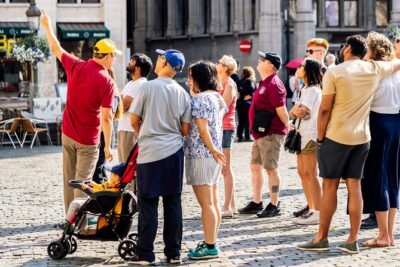
Historical Walking Tour with Chocolate & Waffle Tasting
Read our review →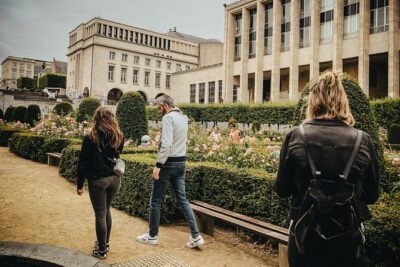
Brussels Walking and Tasting Tour (Beers,Chocolates&Fries/Waffle)
Read our review →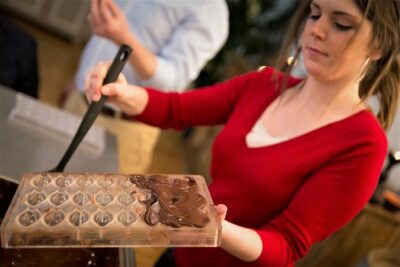
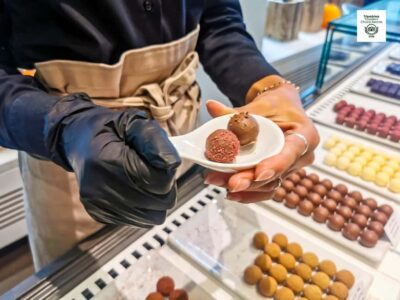
Guided Walking Tour and Chocolate Museum Ticket
Read our review →
Walking Food Tour with Chocolate, Beer, & Waffles
Read our review →
Melbourne Lanes & Arcades Chocolate and Dessert Walking Tour
Read our review →Browse the lists this tour appears in