
Review · PASTRY AND CHOCOLATE TOURS
Croissants and pains au chocolat with a pastry chef in Paris
The best thing about this Paris class is that you do not just watch a pastry chef work. You handle the dough yourself, learning how butter, folding, resting, shaping, and baking turn simple ingredients into flaky croissants and pains au chocolat. Joannie teaches in her home near Boulevard Voltaire, giving the class a relaxed feel rather than a formal schoolroom.
I like the small group of six, which gives you real time at the worktable, and I like that the recipe and practical tips arrive after class so you can try again at home. The class also includes pastries to eat, a hot drink, and local Paris food advice. One consideration: at $126.98 per person, this is not a cheap breakfast, and it is not suitable for gluten-free or lactose-free diets.
Key points to know before booking
- A hands-on pastry lesson: You work through dough, lamination, fermentation, shaping, and baking rather than simply watching.
- Joannie leads the class: She teaches in English, French, and Italian, and also gives suggestions for patisseries, restaurants, and nearby Paris activities.
- Six people maximum: The small class lets each person take part, which matters when several family members want to bake.
- A home in the 11th arrondissement: The meeting point is 115 Boulevard Voltaire, near public transportation, in an old Parisian building.
- Useful for your next breakfast: You eat freshly baked pastries during the session and take some home, with the recipe sent afterward.
- Important limits: Children under 10 are not accepted, and the home has a cat, so this is not a good fit for anyone with a cat allergy or a strong fear of cats.
Why this Paris pastry class feels different
Many food activities in Paris give you a taste and a story. This one gives you a task. Croissants look simple in a bakery case, but the dough demands care. You need to mix it properly, work with butter at the right stage, fold without crushing the layers, and give the dough time to rest and ferment.
Joannie breaks that process into manageable steps. She also uses dough at different stages, allowing a two-and-a-half-hour class to show a process that normally takes much longer. That is a practical teaching choice. You see what the dough looks like before and after each important stage, instead of waiting around for fermentation.
You are not expected to walk in as a baker. The class suits first-timers, families, teenagers, and anyone who has tried making pastries at home and ended up with something more like a dinner roll. Joannie demonstrates each stage, then gives you a chance to repeat it.
The setting adds something too. You meet in her home, in an older Parisian building, rather than in a large commercial kitchen. That creates a warm, personal atmosphere, but it also means you should expect a home environment. Her cat is part of the setting, and the class information specifically warns people with cat allergies or a fear of cats.
More Pastry and Chocolate Tours in France
- Paris French Sweets Tasting Tour with Pastries and Chocolates
★ 4.5 · 947 reviews - Saint-Germain: Gourmet Chocolate & Pastry Walking Food Tour
★ 4.8 · 495 reviews - Paris Chocolate, Macaron & Pastry Food Tour: 10 Gourmet Tastings
★ 5.0 · 339 reviews
Meeting Joannie at 115 Boulevard Voltaire
The class begins at 115 Boulevard Voltaire in Paris, near public transportation, and ends at the same address. The location makes this easy to fit into a day in the city, especially if you want a break from museums, monuments, and long walks.
Give yourself enough time to find the building. This is a residential address rather than a famous attraction, and entering an old Parisian building can feel less obvious than walking into a shop or restaurant. Your confirmation arrives when you book, so keep the address and meeting details handy.
The home setting is one of the main reasons this experience feels personal. You can ask questions as you work, and the small group helps keep the lesson social without becoming unwieldy. A group of six is large enough for friendly conversation, but small enough that each person can participate.
The class is offered in English, French, and Italian. If you are booking for a mixed-language group, confirm the language you want when arranging the session. The advertised version is offered in English, but the instructor can conduct the activities in the other two languages as well.
From dough to laminated layers
The lesson begins with the foundation: the dough. You learn how the ingredients are brought together and what to watch for as the dough develops. This may sound basic, but it is where many home attempts go wrong. If the dough is too warm, too tough, or poorly rested, the finished pastry suffers.
Next comes lamination, the key technique behind flaky croissants. Butter is folded into the dough, and the dough is rolled and folded to create layers. Joannie shows you how to handle it without tearing the dough or letting the butter disappear into it.
This is the part of the class that makes the price easier to understand. You are not simply given a recipe with vague instructions such as fold several times and chill. You watch the texture change and learn what the dough should feel like. Those details are hard to pick up from a printed recipe alone.
The class also covers fermentation. This stage takes patience, and it explains why a good croissant cannot be rushed from mixing bowl to oven. By showing prepared dough at different points, Joannie helps you understand the timing without turning your Paris morning into a waiting exercise.
Shaping croissants and pains au chocolat
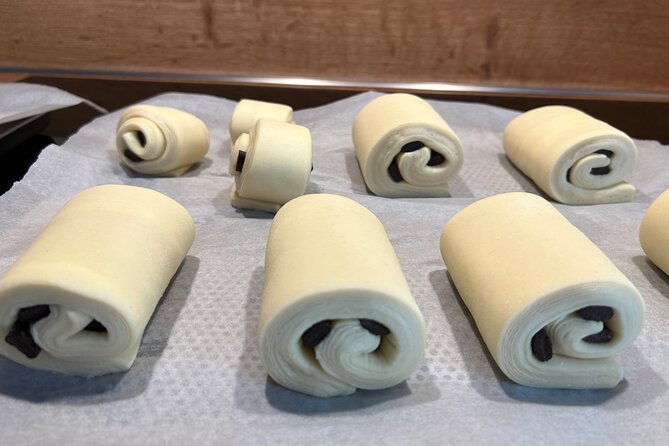
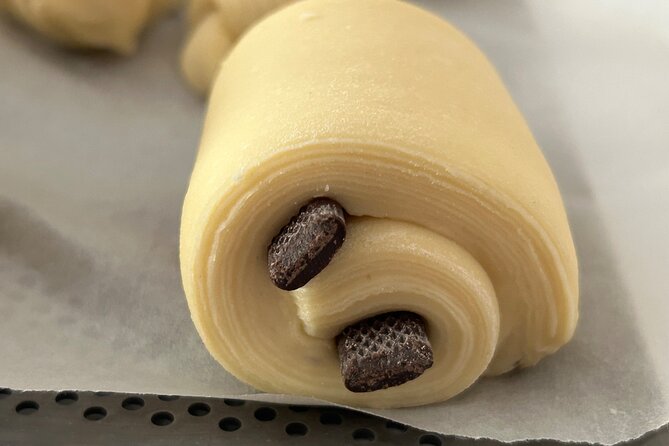
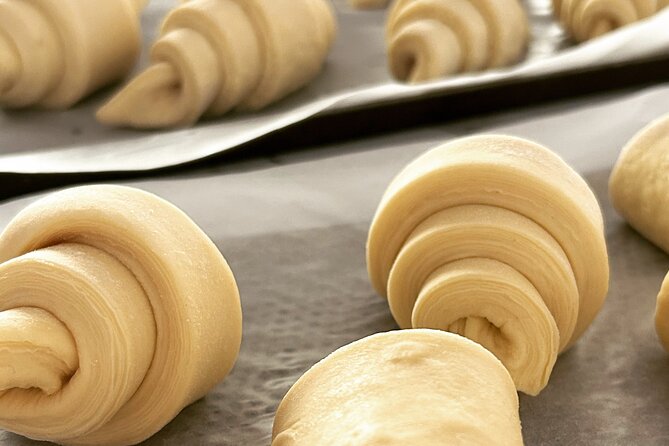
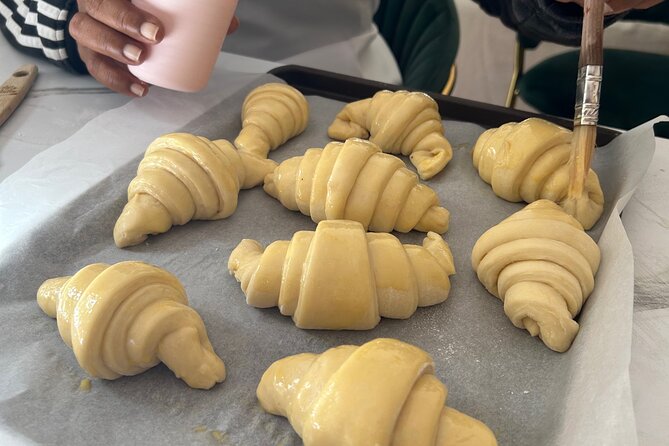
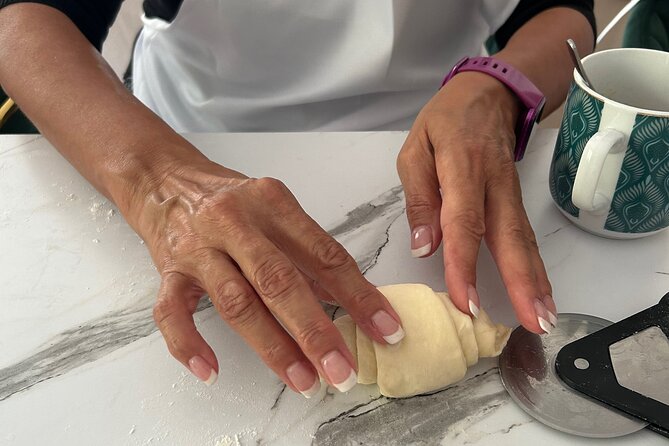
Once the dough is ready, you move to shaping. Croissants and pains au chocolat use the same general dough but take different forms. Croissants are rolled into their familiar curved shape, while pains au chocolat are folded around chocolate.
Shaping is a good stage for families and couples because it is active and visible. You can see the pastries taking form, and small differences in rolling or folding become part of the learning. Joannie explains how to handle the dough and offers help when a piece does not cooperate.
The class is especially useful if you want to bake with children or teenagers who do not have the patience for a long lecture. The work changes from one step to the next, and the finished pastries provide a clear reward. Still, pay attention to the age rule: the experience is not available for children under 10.
Teenagers tend to fit the format well, and families with older children can share the work. The class also suits adults traveling together who want a slower morning and a shared activity rather than another scheduled sightseeing stop.
More Pastry and Chocolate Tours in Paris
- Saint-Germain The Original Chocolate Tasting Tour with Pastries and Macaron
★ 4.5 · 215 reviews - Paris: Montmartre Chocolate & Pastries Tour with 8+ Tastings
★ 4.7 · 131 reviews - Paris: Pastries and Chocolate Walking Food Tour
★ 4.8 · 57 reviews - Le Marais: Pastry and Chocolate Food Tour
★ 4.5 · 52 reviews
Baking, tasting, and taking pastries with you
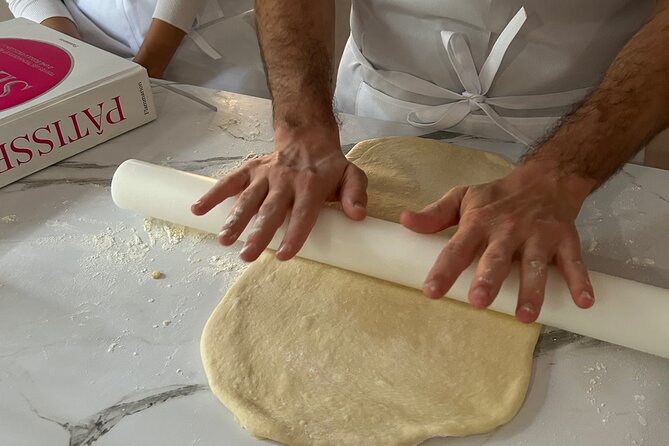
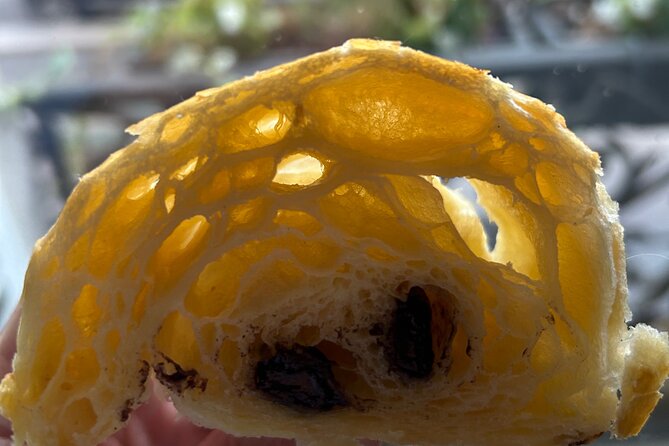
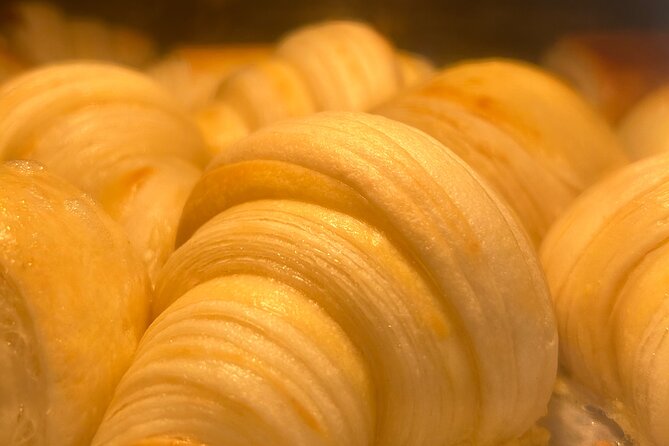
The final stage is baking. You see how the shaped dough changes in the oven, and then you get to eat the results. The pastries are served with a hot beverage, and Joannie also prepares a surprise French pastry for the group.
The class is not just about producing something attractive for a photograph. You taste the croissants and pains au chocolat while they are fresh, then take some of the baked goods with you. Several participants describe leaving with a good supply of pastries, sometimes enough to snack on through the rest of the day.
That suggests a useful planning tip: book this early in your Paris stay if you can. You may leave with breakfast or snacks for later, and the recipe gives you a way to repeat the experience after returning home. If you book it near the end of your trip, the take-home food may be less useful unless you plan to eat it right away.
The exact amount you take home may depend on the group and how the pastries are divided. One account noted that the pastries were placed into three bags for five people rather than one bag per person. If individual bags matter to you, ask about the packing arrangement before the class ends.
There is also a small service detail worth noting. The experience includes a hot beverage, but one person reported not being offered tea or coffee. The broader description does promise one, so this may have been an oversight or a difference in how the session was run. If your morning drink matters, confirm it with Joannie at the start.
Local food advice beyond the kitchen
Joannie does more than teach pastry technique. During the class, she discusses your Paris plans and suggests local patisseries and restaurants. That can be valuable because the best food advice is often tied to your route, budget, and interests.
You can ask where to find a good pastry near the areas you plan to visit, or where to eat after a museum day. You may also get suggestions for family-friendly activities nearby. The conversation makes the class feel connected to the rest of your trip rather than sealed off from it.
Do not treat this as a formal Paris sightseeing tour. You will not be taken around the city, and the activity remains focused on baking. But the chance to talk with a local host gives you a useful informal layer of advice while your dough rests.
What the $126.98 price includes
At $126.98 per person, this is a premium activity. You could buy several croissants in Paris for far less. The value depends on what you want from the morning.
If you only want to eat a French pastry, skip the class and visit a bakery. If you want to learn a skill, work with a pastry chef, share a small-group activity, receive the recipe afterward, and take pastries with you, the price is easier to defend.
The small group matters here. A six-person limit means you are not standing at the back of a large demonstration. You get to roll, fold, shape, and ask questions. The home setting also avoids the feel of a large tourist production, although some people may prefer a professional culinary school.
Families should calculate the total carefully. A family of four pays more than $500 before any other Paris costs. That can still be worthwhile for a special occasion, especially if everyone takes part, but it is not a casual add-on for every budget.
I would compare it with the cost of other hands-on cooking activities, not with the price of breakfast. The lasting value is the technique. If you truly plan to make croissants at home, the lesson can become a useful souvenir rather than a one-time meal.
Who should book this experience
This class is a strong choice for:
- Couples looking for a relaxed morning activity
- Families with children aged 10 and older
- Teenagers who enjoy practical activities
- Friends who want a shared food experience
- Home bakers who want help with lamination and fermentation
- Anyone taking a break from crowded Paris attractions
It is less suitable for people with dietary restrictions involving gluten or dairy. It is also a poor match if you dislike cats, have a cat allergy, or want a polished commercial kitchen.
You should also enjoy a social format. The group is small, but you will be baking alongside other people, sharing a home setting, and dividing some of the finished pastries. If you want a private lesson, the stated maximum of six does not promise exclusive use.
Timing, cancellation, and practical planning
The activity lasts about two and a half hours. That is long enough to feel substantial but short enough to fit around other plans. I would avoid booking a major timed attraction immediately afterward. Baking has a natural rhythm, and you will enjoy it more if you are not watching the clock.
The class is popular enough that it is often booked about 54 days ahead. If your Paris dates are fixed, reserve early, especially for a family or a particular morning.
Free cancellation is available up to 24 hours before the start time. Canceling or changing the booking less than 24 hours ahead does not qualify for a refund, so keep your schedule firm once the deadline passes.
Bring your booking confirmation and wear clothes you can work comfortably in. The provided information does not specify an apron or special equipment, so do not assume every personal item is supplied. The important thing is to arrive ready to handle dough and stay for the full lesson.
Should you book Joannie’s croissant class?
Book it if you want more than a Paris food tasting. The strongest reasons are real hands-on work, a six-person limit, clear instruction from Joannie, and a recipe you can use after the trip. The relaxed home setting and local restaurant advice add a personal touch that a standard bakery visit cannot provide.
Skip it if you need gluten-free or lactose-free food, dislike cats, or are mainly looking for an inexpensive breakfast. The price is high for pastry alone, and the home setting may not suit everyone.
For families, couples, and curious home bakers, this is one of the better ways to spend a slower Paris morning. Schedule it early in your stay, enjoy the pastries during the day, and save the recipe for your first baking attempt back home.
FAQ
Where does the croissant class meet?
It meets at 115 Boulevard Voltaire, 75011 Paris, France. The activity ends back at the same meeting point.
How long does the experience last?
The class lasts approximately two hours and 30 minutes.
What pastries will I learn to make?
You will learn to make croissants and pains au chocolat, from the dough through lamination, fermentation, shaping, and baking.
Is the class available in English?
Yes. The activity is offered in English, French, and Italian.
Can children join the class?
Children under 10 are not accepted. Older children and teenagers can take part, with the class suited to participants who want a hands-on activity.
Is the class suitable for dietary restrictions or cat allergies?
It is not recommended for people following gluten-free or lactose-free diets. It is also not recommended for anyone allergic to cats or afraid of them because Joannie has a cat in her home.
Newest chocolate tours around Paris
- Paris Marché d’Aligre Walking Tour with Chocolate and Cheese Tasting★ 3.5 · 24 reviews
- Paris Chocolate and Pastry Private Tour With Secret Food Tours★ 5.0 · 44 reviews
- Paris: Choux Pastry and Chocolate Éclair Making Class★ 4.9 · 50 reviews
- Paris : 45 min Chocolate Workshop at Choco-Story Paris★ 4.0 · 51 reviews
- Le Marais: Pastry and Chocolate Food Tour★ 4.5 · 52 reviews
- Paris: Pure Chocolate Walking Tour★ 4.7 · 52 reviews
- Paris: Pastries and Chocolate Walking Food Tour★ 4.8 · 57 reviews
- Paris Cooking Class: Chocolate Éclairs and Cream Puffs★ 5.0 · 87 reviews
Pastry and Chocolate Tours, compared.
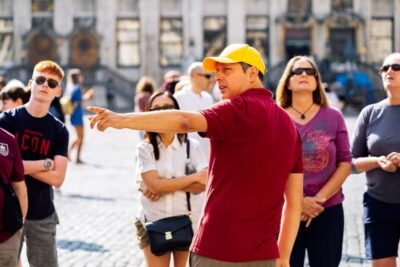
Historical Tour with Chocolate & Waffle Tasting
Read our review →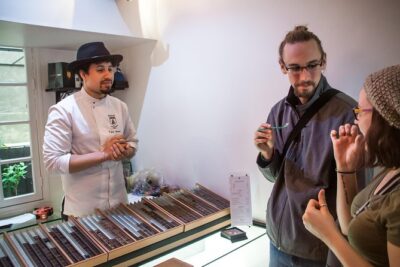
Paris French Sweets Tasting Tour with Pastries and Chocolates
Read our review →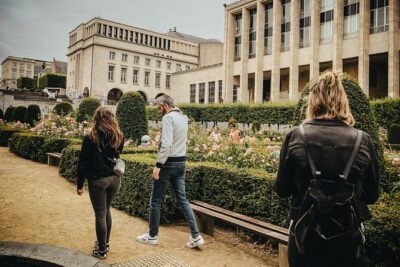
Brussels Walking and Tasting Tour (Beers,Chocolates&Fries/Waffle)
Read our review →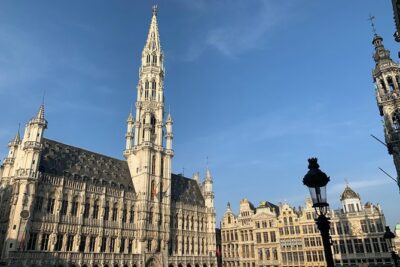
Brussels Chocolate Beer Waffle and Belgian Whiskey All-in-One (Small Group) Tour
Read our review →

Paris Chocolate, Macaron & Pastry Food Tour: 10 Gourmet Tastings
Read our review →
Walking Food Tour with Chocolate, Beer, & Waffles
Read our review →
Melbourne Lanes & Arcades Chocolate and Dessert Walking Tour
Read our review →Browse the lists this tour appears in