
Review · CHOCOLATE MAKING WORKSHOPS
Molded Bonbons Chocolate making class in Paris (collective)
Making chocolate in Paris sounds like the sort of souvenir you can eat on the train home. At Edwart Chocolatier, you make half-dome bonbons with dark chocolate ganache and hazelnut praline, then taste several of the shop’s own creations upstairs.
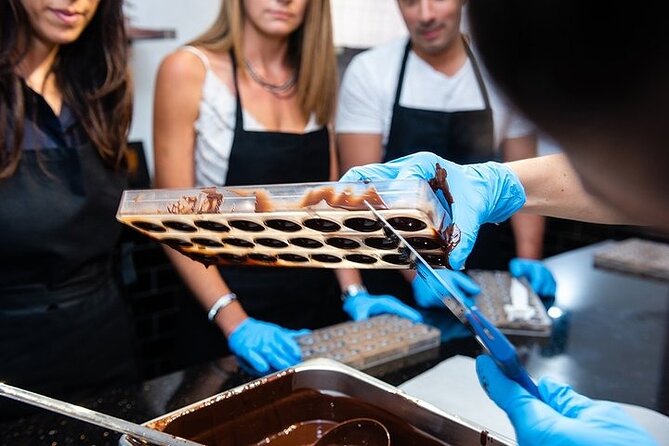
I like the small group of no more than eight and the fact that you work with a trained chocolatier rather than simply watching a demonstration. I also like the tasting while your chocolates set, especially since the class is welcoming to families and beginners.
The main caution is expectation. This is a short, friendly introduction, not a full professional tempering course. The chocolate may already be tempered, and the hands-on work can be simpler than the polished photos suggest.
Key points to know before booking
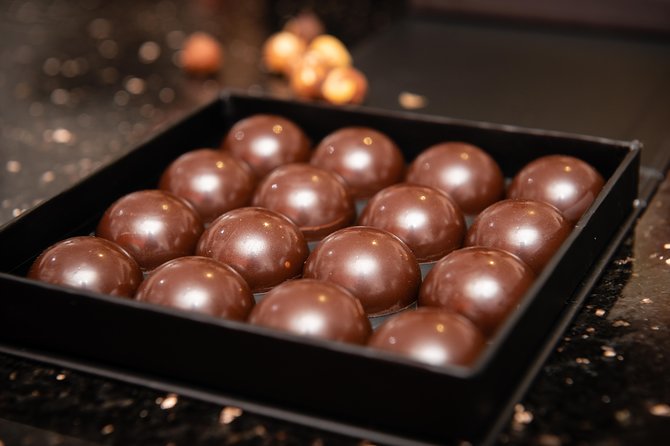
- You make two-layer demi-sphère bonbons with dark ganache and hazelnut praline prepared from scratch by you and your group.
- The class lasts about 90 minutes, though one session was reported to run closer to an hour.
- The group is capped at eight people, giving you a better chance to handle the ingredients and ask questions.
- A tasting takes place upstairs while your chocolates set, including Edwart specialties such as Japanese buckwheat chocolate.
- Children must be at least 14, and the recipe contains both hazelnuts and dairy.
- English is offered, but the class may be led in another language with translation support.
What you actually make at Edwart Chocolatier
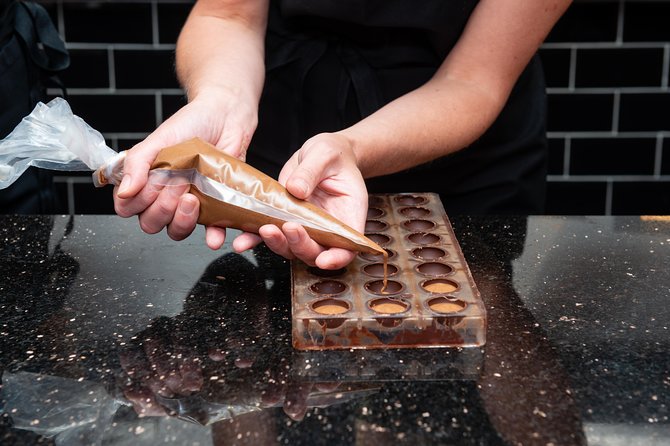
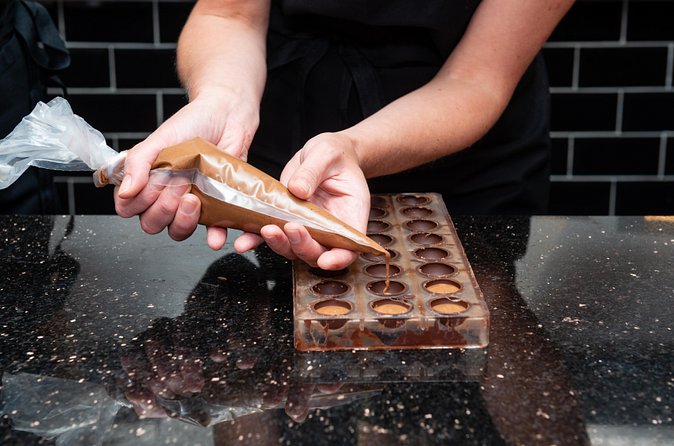
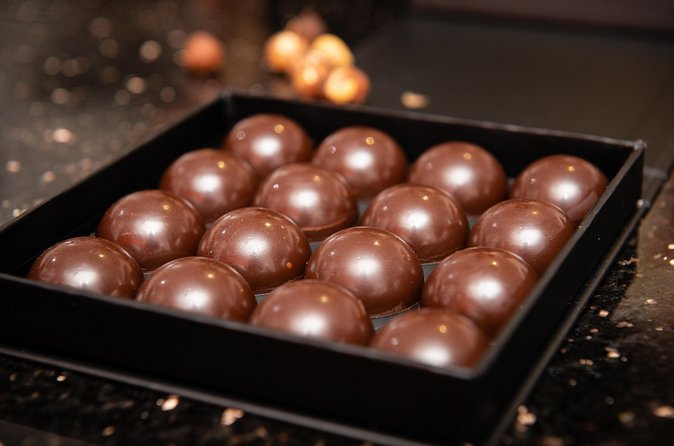
The central project is a pair of chocolate layers formed into elegant demi-sphère, or half-dome, bonbons. Inside goes a dark chocolate ganache and a hazelnut praline. You are not simply decorating a finished sweet. The filling is prepared from scratch by you and the other people in the group.
That said, the class is best understood as a guided confectionery workshop, not a professional pastry lesson. You will get to see and handle key ingredients, but the session does not promise a full study of chocolate science. In particular, tempering may already be done for you.
This distinction matters. If you want a relaxed Paris activity where you produce something attractive and edible, the format works well. If your goal is to master tempering curves, mold preparation, crystal formation, and advanced ganache ratios, you may find the lesson too light.
The presentation is part of the fun. Your finished chocolates are meant to look polished and giftable, with a sparkling finish that feels more special than a plain truffle. You take the sweets with you, so the souvenir is something you made rather than something pulled from a boutique shelf.
More Chocolate Making Workshops in Paris:
- Paris: 45-minute Chocolate Making Workshop at Choco-Story
★ 4.4 · 444 reviews - Paris : 45 min Chocolate Workshop at Choco-Story Paris
★ 4.0 · 51 reviews - Paris: Choux Pastry and Chocolate Éclair Making Class
★ 4.9 · 50 reviews
Downstairs chocolate work, upstairs tasting
The workshop takes place in the production area downstairs. This gives the class a useful connection to the shop’s working chocolate operation, even though the available information does not promise a full factory tour.
Once the chocolates need time to set, you go upstairs for a tasting of Edwart’s signature products. This break keeps the class from becoming a long wait beside a worktable. It also lets you compare your own creations with finished chocolates made by the house.
One especially well-liked tasting item is the Japanese buckwheat chocolate. That detail is useful because it suggests the tasting is not limited to the same dark chocolate used in your bonbons. You may get a few different flavor ideas, though the exact tasting selection can change.
The tasting also adds value to the price. You are paying for instruction, ingredients, a hands-on activity, and a chance to sample the chocolatier’s wider range. There is no stated pressure to buy products afterward, which makes the tasting feel more like part of the class than a sales stop.
A small class with room for personal help
The maximum group size is eight. That is still large enough for a lively class, but small enough that the instructor should be able to watch your work and answer questions.
The best sessions seem to depend heavily on the person leading the class. Elise is described as engaging with children and adults, and she helped make one family session both playful and useful. Krishna also received praise for patience and clear explanations, with English translation helping during a class conducted in French.
That range gives you a practical point to consider. The experience is offered in English, but it may be operated by a multilingual guide. If detailed instruction matters to you, confirm the language arrangement when your booking is accepted. The class can still work with translation, but technical explanations are easier when you and the instructor share a language.
There have also been sessions where the instructor seemed distracted. One person found the work area crowded with six people, even though the maximum is eight. That does not mean every class feels cramped, but you should not expect the generous counter space of a professional cooking school.
A family activity with an age limit
The class is marketed as beginner-friendly and works particularly well for families with teenagers. The age rule is firm: children under 14 cannot participate.
That limit may surprise families visiting Paris with younger children. The activity involves chocolate production, utensils, and ingredients, so it is not designed as a drop-in children’s event. If everyone in your group is old enough, the shared process gives you something more engaging than a standard shop visit.
The level is also suitable for adults who do not bake often. You do not need to arrive with professional pastry skills. The instructor guides the process, and the work is structured around a clear final product.
Experienced home bakers may still enjoy the ingredients and the tasting, but they should set their expectations properly. One session involved shaping a prepared praline mixture into balls, dipping them in chocolate, and choosing a coating. That format felt basic to someone expecting advanced techniques.
The supplied description for this class focuses on molded demi-sphère bonbons, ganache, and praline. Since schedules can change and multiple booking outlets are used, check that your confirmed session matches that format. This is especially important if the molded chocolates are the main reason you are booking.
More Chocolate Tours in Paris:
- Paris: Entrance Ticket to the Chocolate Museum
★ 4.1 · 1,105 reviews - Paris French Sweets Tasting Tour with Pastries and Chocolates
★ 4.5 · 947 reviews - Paris: Brussels and Bruges Tour & Optional Chocolate Tasting
★ 4.6 · 643 reviews - A Morning in Paris Food Tour: Croissants, Baguettes & Chocolate
★ 5.0 · 556 reviews
How the one-and-a-half-hour schedule works
The scheduled start time is 1:30 p.m. at Edwart Chocolatier, 244 Rue de Rivoli, 75001 Paris. The activity ends back at the same meeting point.
The stated duration is approximately one hour and 30 minutes. In practice, at least one session lasted closer to an hour, so leave a little flexibility but do not build a major evening plan around a long workshop. The tasting and setting time are part of the experience, yet the hands-on portion itself may move quickly.
A typical flow should include:
- Meeting the chocolatier and learning the basic process
- Preparing the ganache and hazelnut praline with the group
- Forming or filling the demi-sphère bonbons
- Finishing the chocolates and allowing them to set
- Tasting Edwart products upstairs
- Collecting your handmade sweets before leaving
The schedule is compact enough to fit into a day of sightseeing. It works nicely as a midafternoon stop after visiting central Paris, but the class is not described as a flexible drop-in activity. Your booking must be accepted, and confirmation is sent within 48 hours subject to availability.
Because schedules change often, do not assume that a request alone guarantees a place. Make sure you receive confirmation before arranging the rest of your day.
What the $118.82 price buys you
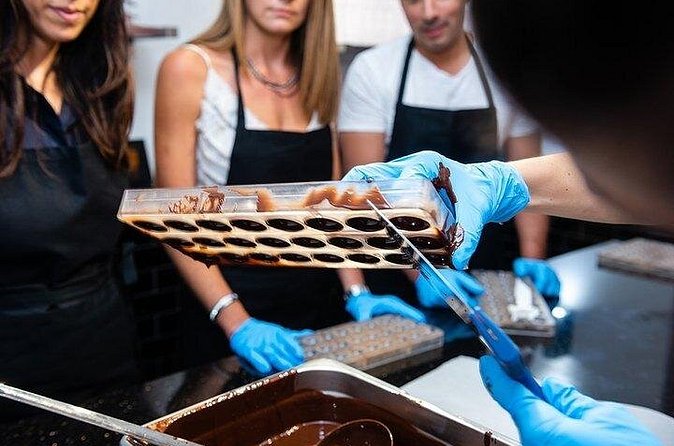
At $118.82 per person, this is not an inexpensive chocolate tasting. The value comes from combining a lesson, ingredients, a small group, a tasting, and a take-home result in one appointment.
I would judge the price fairly if you want an activity rather than just a box of sweets. A Paris chocolate shop visit may cost much less, but it will not give you the chance to prepare ganache and praline or work under a chocolatier’s direction. The class also gives you a physical souvenir that carries a personal story.
The value is weaker if you are mainly looking for advanced technique. The class does not clearly promise hands-on tempering, and the chocolate may be pre-tempered. Some people found the work too simple for the cost, especially when they expected to create molded pralines and ganaches using professional methods.
Put plainly, you are buying a pleasant guided introduction, not a certificate-level pastry course. Families, couples, and first-time chocolate makers are likely to get more from it than experienced confectioners seeking new technical skills.
The 4.7 rating and 90 percent recommendation figure suggest that the format generally works well, but the small number of published ratings also means you should weigh the specific limitations. The instructor and exact session format matter a great deal.
The flavor of the tasting matters
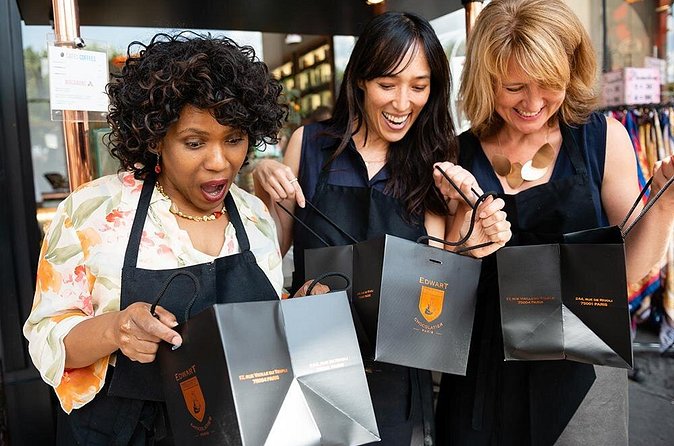
The upstairs tasting is more than a filler while your chocolates set. It gives you a chance to learn what Edwart does beyond the recipe in front of you.
The Japanese buckwheat chocolate received particular praise for its unusual flavor. That sort of sample is useful in Paris, where many chocolate shops focus only on familiar combinations. It lets you try a product that may not be part of your normal chocolate routine.
Still, do not assume the tasting menu is fixed. The supplied details identify Edwart signature products but do not list a complete selection or promise a specific number of samples. The buckwheat chocolate is a good possibility, not a guarantee for every date.
The tasting also provides a welcome pause. Chocolate work can become messy and repetitive when you are focused on filling molds or shaping pieces. Sitting down with finished products helps you notice the difference between a home-style result and a professional shop recipe.
Location and practical planning
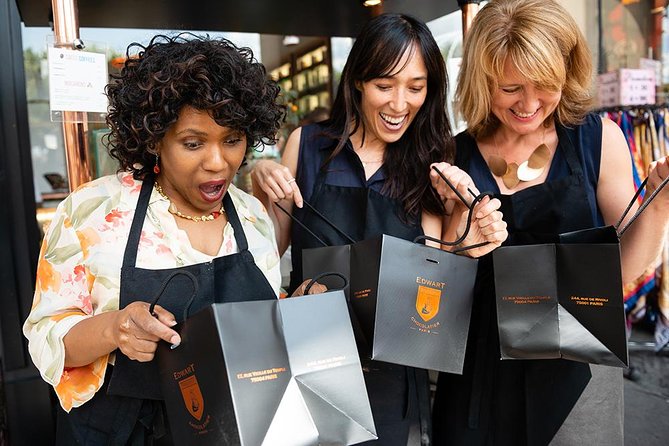
The meeting point is Edwart Chocolatier at 244 Rue de Rivoli in Paris’s 1st arrondissement. The site is near public transportation, making it easy to add to a day in central Paris.
You should arrive with the meeting point saved on your phone, particularly since the activity uses a mobile ticket. The address is on a major central street, but Paris shops can be easy to miss when you are watching traffic, signs, and pedestrians.
The experience is listed in English, yet a multilingual guide may lead it. Krishna’s class was conducted in French with helpful English translation, so language support can work well when the instructor is patient. Still, if you want every technical detail explained in English, ask for confirmation before you commit to a date.
The recipe includes hazelnuts and dairy. This is not a minor footnote. Anyone with an allergy should check whether the class can safely accommodate them before booking, since the main bonbon recipe itself uses both ingredients.
Free cancellation is available up to 24 hours before the local start time. After that point, changes and refunds are not accepted. The activity also requires a minimum number of participants, so if the provider cancels for that reason, you are offered another date or a full refund.
Who should book this chocolate class?
I would recommend it most strongly to:
- Families with children aged 14 or older
- Couples who want a hands-on Paris activity
- First-time chocolate makers
- People who enjoy tasting unusual chocolate flavors
- Visitors who want an edible souvenir made during their trip
You may want to skip it if your main aim is professional chocolate technique. The class may not include practical tempering, and the molded work can vary by session. A serious home chocolatier could find the lesson too basic, especially at this price.
It is also not the right choice for a younger family. The under-14 rule means children who might enjoy simple chocolate decorating cannot join the workshop.
Should you book the Edwart bonbon workshop?
Book this class if you want a short, sociable Paris experience with a real product to take home. The small group, approachable instruction, tasting, and polished demi-sphère bonbons give you more than a standard confectionery purchase.
Before paying, confirm three things: that your booking is accepted, that the session will be taught in a language you can follow, and that the activity will use the molded bonbon format you expect. If those points line up, the class should suit beginners and families well.
Skip it if you are paying $118.82 mainly to learn tempering or advanced mold work. For that purpose, the experience may leave you wanting more. For an enjoyable introduction to Paris chocolate making, though, Edwart offers a pleasant hour and a half with a sweet souvenir at the end.
FAQ
Where does the chocolate-making class begin?
The class begins at Edwart Chocolatier, 244 Rue de Rivoli, 75001 Paris, France. It ends back at the same meeting point.
What time does the class start?
The listed start time is 1:30 p.m.
How long does the experience last?
The scheduled duration is approximately one hour and 30 minutes. One session was reported to last about an hour, so the exact timing may vary.
Can children participate?
Children under 14 years old cannot participate. The class is intended for participants aged 14 and older.
Does the recipe contain allergens?
Yes. The recipe involves hazelnuts and dairy.
Is the class offered in English?
English is offered, but the class may be operated by a multilingual guide. One session was conducted in French with English translation, so confirm the language arrangement when your booking is accepted.
Newest chocolate tours around Paris
- Private Wine and Chocolate Tasting Experience★ 4.4 · 3 reviews
- Paris Sweet & Chocolate Family Treasure Hunt★ 5.0 · 37 reviews
- Private Wine and Chocolate Tasting in Paris★ 4.5 · 4 reviews
- Private Family Chocolate Making Class in Paris★ 5.0 · 16 reviews
- Pure Chocolate Tour in Paris★ 5.0 · 20 reviews
- Paris Saint-Germain Private Tasting Tour with Chocolate plus Pastries & Macaron★ 5.0 · 10 reviews
- Private Dark Chocolate Tasting Tour in Paris★ 5.0 · 4 reviews
- Paris Small-Group Montmartre Chocolate & Pastry Walking Tour★ 5.0 · 15 reviews
Chocolate Making Workshops, compared.
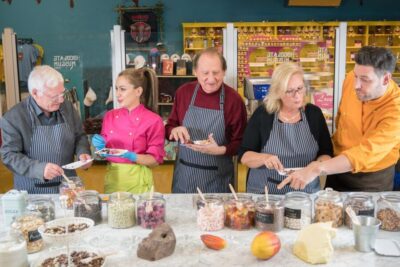
Chocolate Workshop in Chocolate Museum w/ Tasting
Read our review →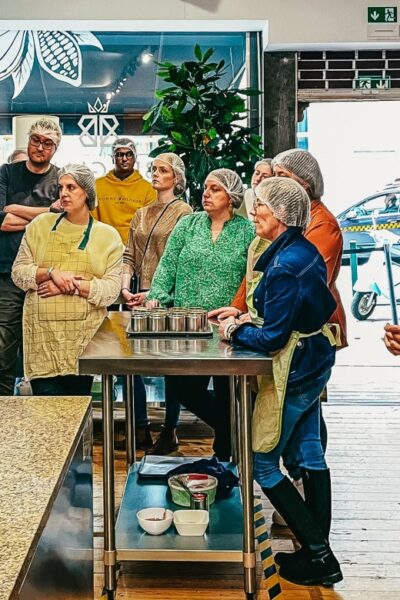
Belgian Chocolate Making Workshop with Tastings
Read our review →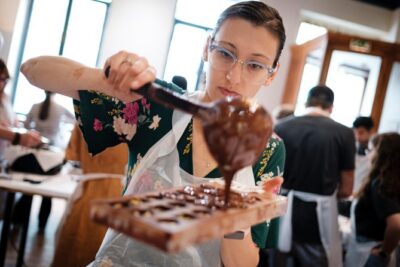
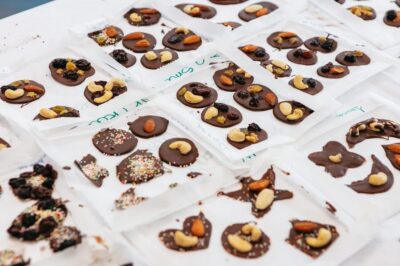
Belgian Praline and Mendiants Chocolate Workshop
Read our review →
1.5h Belgian Chocolate Workshop in Brussels (bean to bar)
Read our review →
45-minute Chocolate Making Workshop at Choco-Story
Read our review →
Chocolate Bar Making Workshop at York Cocoa Works
Read our review →
Bean to Bar Chocolate Workshop in Puerto Vallarta
Read our review →Browse the lists this tour appears in