
Review · CHOCOLATE MUSEUMS
Paris: Entrance Ticket to the Chocolate Museum
Paris has museums for paintings, wars, perfume, and even sewer systems. This one is for chocolate, and it takes the subject seriously. At Le Musée Gourmand du Chocolat, you follow cacao through 4,000 years of history, from ancient ceremonies to glossy modern sweets, with samples along the way.
I like the clear story and the hands-on finish. You learn why cacao mattered to the Olmecs, Maya, and Aztecs, then see how modern methods produce that smooth outer coat. I also like the family focus: the children’s treasure hunt gives younger visitors a job beyond tagging along behind adults. The main drawback is value. At $21 per person, the museum may feel expensive if you hurry through it, and some visits take less than an hour.
Key points at a glance
- Chocolate begins as ritual, not candy: The exhibits explain cacao’s place in Olmec, Maya, and Aztec ceremonies.
- Taste the difference between regions: Samples include chocolate from Costa Rica, Peru, Vanuatu, and other cacao-growing areas.
- See the craft behind the shine: A virtual demonstration with two Meilleurs Ouvriers de France explains how chocolate is finished.
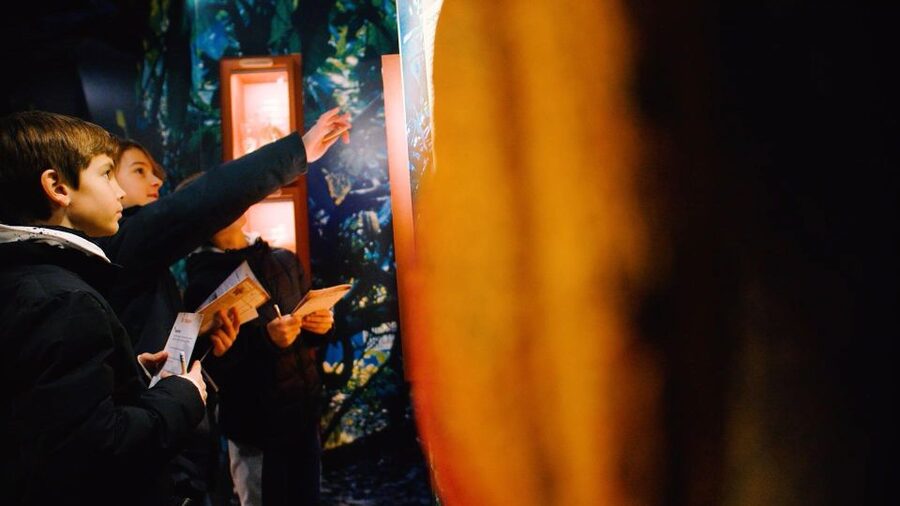
- Families have a real reason to stop: Children can follow a treasure hunt and receive a prize at the end.
- Plan time for reading: The visit is self-guided, with panels in English, French, and Spanish.
- Watch the final bill: An audioguide costs €3 per person, and hot chocolate may also cost extra.
Starting at 28 Boulevard de Bonne Nouvelle
The museum is at 28 Boulevard de Bonne Nouvelle in Paris’s 10th arrondissement. You enter for a self-guided visit, so there is no fixed tour group to join and no guide pacing you from room to room.
That freedom is useful. You can move quickly through familiar material, then slow down at displays that catch your attention. It also means the quality of your visit depends on how much you read and watch. This is not a quick attraction where every fact is delivered aloud.
The museum covers about 850 square meters, or 2,789 square feet. It is large enough to tell a long story, but still compact by Paris museum standards. That makes it a practical stop between other sights rather than an all-day commitment.
Large bags and luggage are not allowed. Keep that in mind if you are changing hotels or carrying shopping bags across the city. The last admission is at 4:30 PM, so do not leave this stop until the end of a packed sightseeing day.
More Chocolate Museums in France
- Paris: 45-minute Chocolate Making Workshop at Choco-Story
★ 4.4 · 444 reviews - Choco-Story Paris – The Chocolate Museum
★ 4.0 · 183 reviews - Paris : 45 min Chocolate Workshop at Choco-Story Paris
★ 4.0 · 51 reviews
Cacao before the candy bar
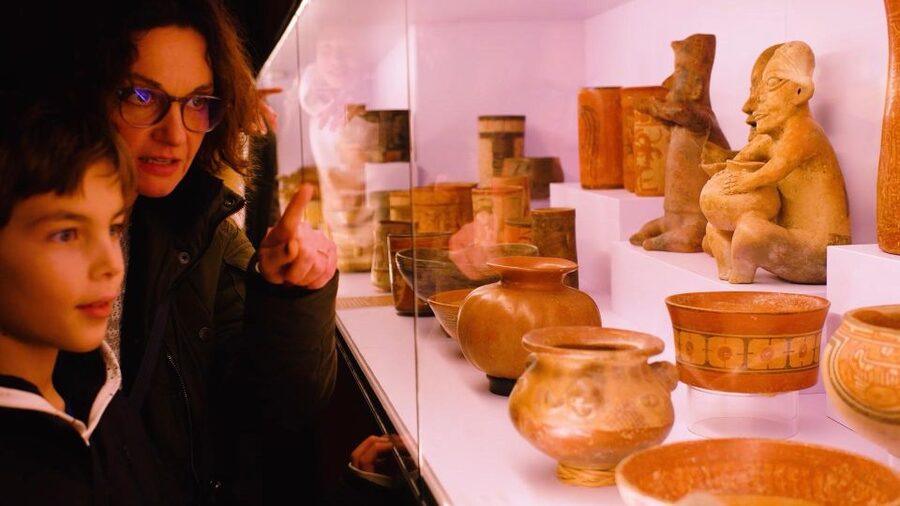
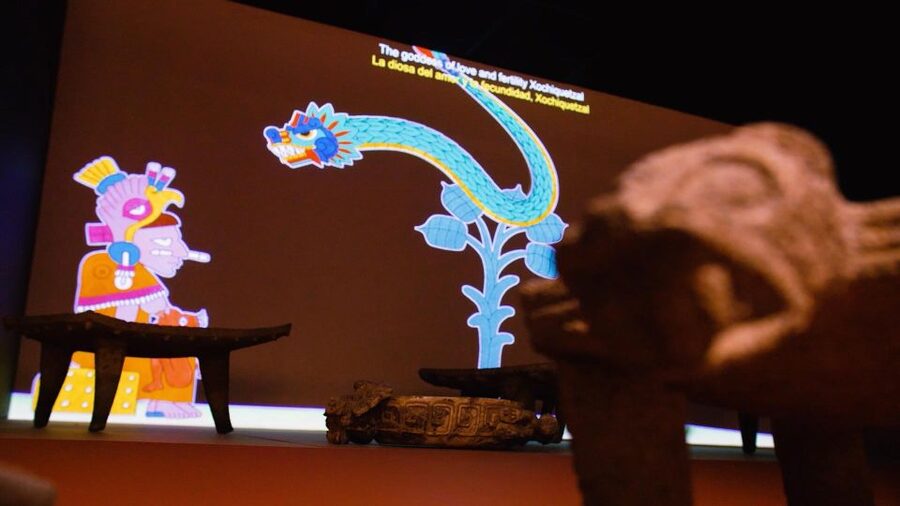
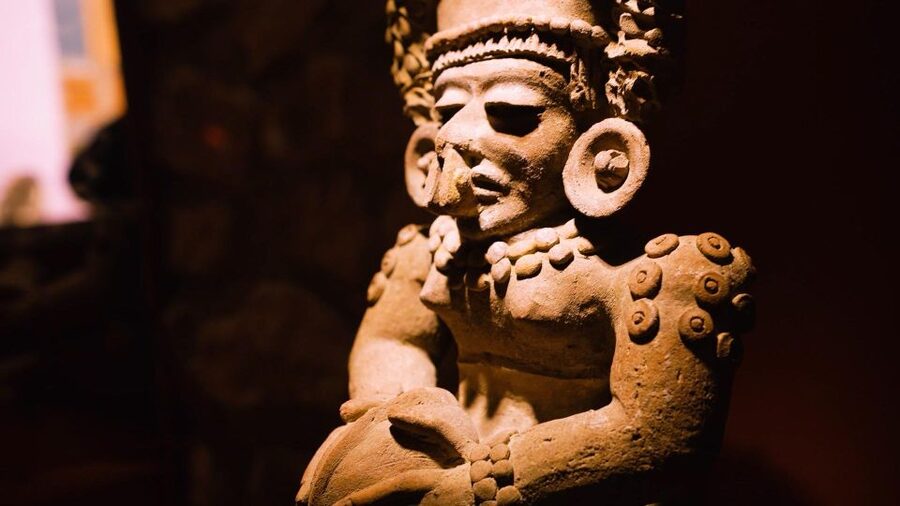
The first part of the visit reaches back more than 4,000 years. You learn about the Olmecs, followed by the Maya and Aztecs, and see how cacao was tied to social and religious life.
This is one of the museum’s strongest features because it corrects a common modern idea. Chocolate did not begin as a sweet treat in a bright wrapper. Cacao was used in drinks and held a place in mystical rituals and ancient ceremonies. The museum helps you see the bean as a cultural object before it became an industrial product.
The displays also give context for the way chocolate tasted in its early forms. Modern visitors often expect sugar and milk. The early story is more complicated, and that contrast makes the later development of European chocolate easier to understand.
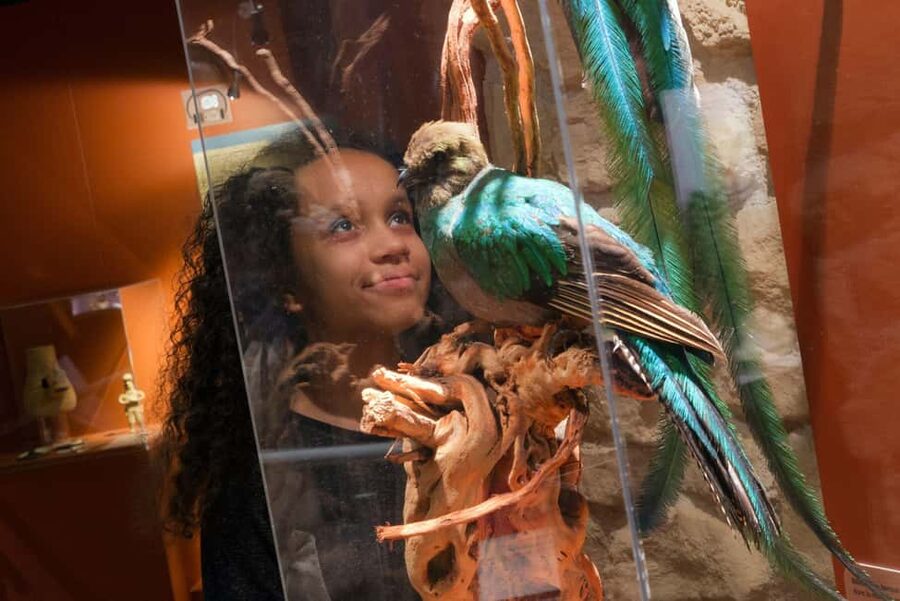
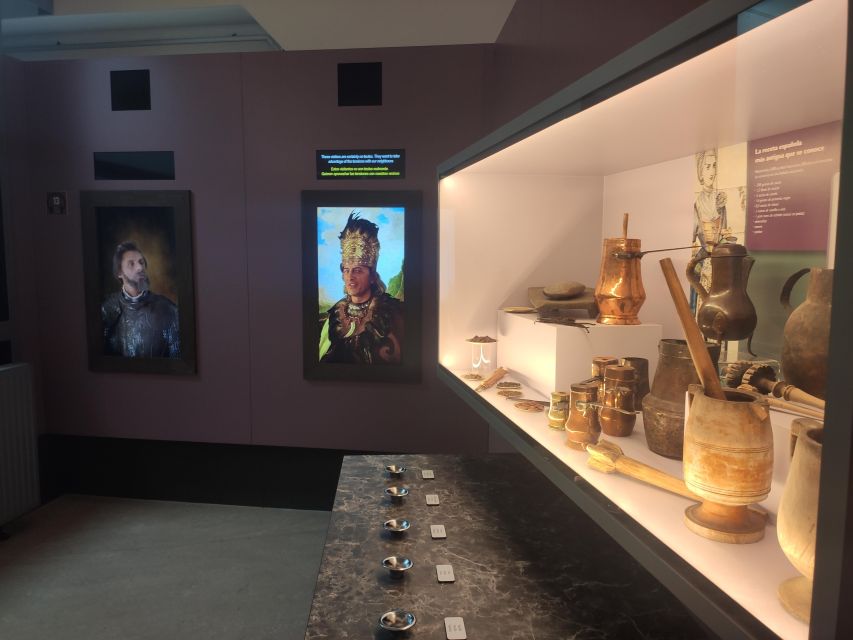
The museum presents objects connected with chocolate use and production, including utensils, containers, and other artifacts. One especially appealing part for many visitors is the collection of decorative chocolate-related objects. If you enjoy design and food history, these displays add something beyond the basic origin story.
Columbus, Montezuma, and chocolate’s trip to Europe
The next section follows cacao toward Europe in the 1500s. The story includes the Aztec emperor Montezuma and Christopher Columbus, who was the first European described here as tasting the drink called tchocoatl.
Columbus did not like it and paid little attention to chocolate. That small detail is memorable because it shows how easily history can turn on personal taste. If he had been more impressed, the European story of chocolate might have taken a different path.
The museum then shows how chocolate gained a foothold in Europe despite that unpromising first encounter. The focus is not only on famous names. It is also on how preparation and production changed, making chocolate more appealing and easier to distribute.
I like this section because it connects a familiar food to trade, technology, and changing tastes. You are not simply looking at old objects. You are following the chain of decisions that transformed cacao from a ceremonial drink into a product now sold around the world.
More than 1,000 objects, with plenty to read
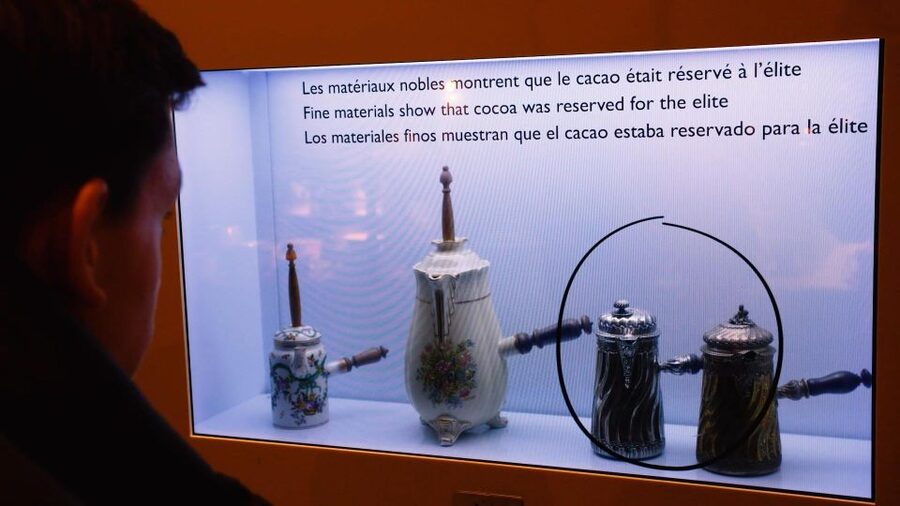
The museum has more than 1,000 chocolate-related artifacts. That number sounds huge, but the visit is not a warehouse of random pieces. The displays are arranged to support the story of cacao, chocolate making, and chocolate culture.
Panels are written in English, French, and Spanish. That makes the self-guided format manageable for many international visitors. Still, you should allow time to read if you want to get the most from the $21 admission.
The museum can be completed quickly if you focus only on the largest displays. One reported visit took less than 30 minutes, while another lasted about three hours. The difference is easy to explain: this is a flexible museum, and your pace depends on how closely you study the panels, watch the demonstrations, and pause for tastings.
I would budget at least an hour, then add time if you are visiting with children or want to inspect the objects carefully. You can make the visit short, but rushing will reduce the educational value.
More Chocolate Museums in Paris:
- Lindt Home of Chocolate Museum Entry Ticket
★ 4.7 · 9,329 reviews - Choco-Story Brussels: Chocolate Museum Entrance with Tasting
★ 4.3 · 4,883 reviews - Cologne: Chocolate Museum Entrance Ticket
★ 4.4 · 2,790 reviews - Vienna: Chocolate Workshop in Chocolate Museum w/ Tasting
★ 4.5 · 1,802 reviews
The demonstration reveals the glossy finish
A central part of the experience is the virtual demonstration featuring two Meilleurs Ouvriers de France. This title recognizes high-level French craftsmanship, so the presentation gives you a look at technique rather than just a promotional video.
The demonstration explains the secret behind the smooth, shiny outer coat on chocolate treats. That finish is one of those everyday details most people take for granted. Once you see the process, a polished chocolate bonbon looks less like a simple sweet and more like a carefully controlled piece of food craft.
The supplied information describes the demonstration as virtual, while some visit details refer to a chocolate-making demonstration and a chef presentation. The practical point is the same: check the current demonstration schedule when you arrive, especially if this is a main reason for your visit.
One important caution is that access can be affected by crowding or school groups. A visit may not always allow you to see the demonstration clearly or at the preferred time. If you arrive during a busy period, ask at the welcome desk about the next showing.
Tasting chocolate from Costa Rica to Vanuatu
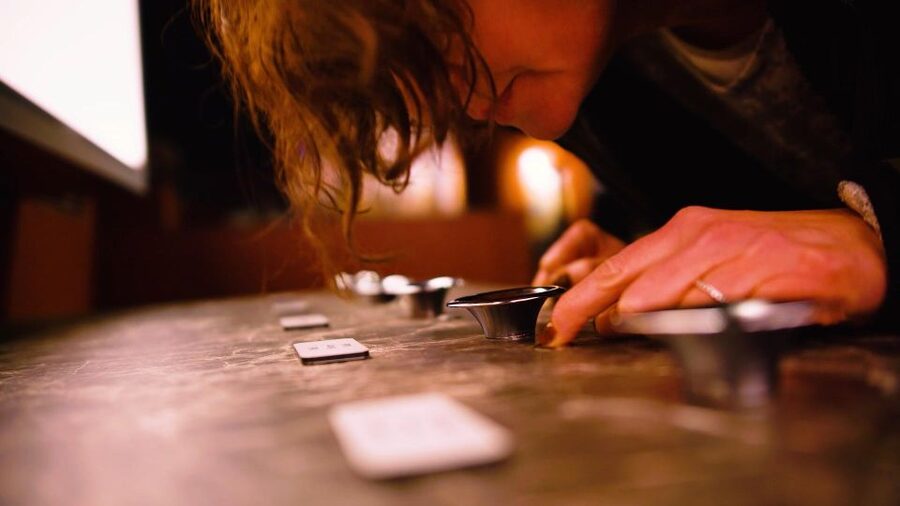
The tasting element is what changes this from a standard history museum into a food experience. Samples are included, and the museum presents chocolate from several regions.
You might taste the milky smoothness associated with Costa Rican chocolate, the fruity quality of Peruvian chocolate, and the sweet aromas linked with cacao from Vanuatu. The point is not to declare one country the winner. It is to notice how origin affects aroma, texture, and aftertaste.
You also learn about the transformation from cacao bean to finished chocolate. That makes the tastings more useful. Instead of simply eating sample after sample, you can connect what you taste with the growing region and production method described in the displays.
The museum also includes tastings of a praliné and a ganache chocolate. These are useful comparisons. A praliné brings a nutty, sweet texture, while ganache shows how a smooth chocolate filling can be made. Samples may be served during the displays and demonstrations, so pacing matters. If you eat everything quickly, the later tastings may lose some of their effect.
Several people have enjoyed the hot chocolate served toward the end of the visit. Treat this as a possible extra rather than assuming it is part of the admission. The activity includes chocolate samples, but hot chocolate has been reported as an additional €3 per cup. Ask before ordering so the cost is clear.
A strong Paris stop for children
The museum works especially well for families because children have something specific to do. The treasure hunt leads them through the displays, and an activity booklet can keep younger visitors focused on details adults might otherwise pass.
A prize at the end adds a simple reward. Children around five to eleven have been particularly well served by the booklet and scavenger hunt, though older children and teenagers can also find the chocolate-making process interesting.
This is not a loud, ride-filled attraction. Children still need to read, look, and follow instructions. That is good news if you want an educational stop, but less useful if your children have no interest in food or museum displays.
The tasting stations help. A child who has lost interest in a panel may pay attention when the next sample appears. Parents should still watch the pace, since the museum’s educational value depends on moving through the story rather than racing straight to the chocolate.
The audioguide can improve the visit
The museum is self-guided, but an audioguide is available at the welcome desk for €3 per person. It is offered in French, English, German, Dutch, Spanish, Italian, and Portuguese.
I would consider paying for it if you enjoy listening more than reading. One visitor found the audio particularly worthwhile, and it can give the artifacts more context while you move through the rooms.
If you are comfortable with English, French, or Spanish, the wall panels may be enough. The extra charge is modest, but it changes the value calculation when admission already costs $21. Families may also prefer to skip the audio and use the children’s activity booklet instead.
How much time should you allow?
The official duration is listed as one day, which means the ticket is valid for that day rather than defining a strict guided-tour length. In practice, visits vary widely.
Use these rough plans:
- Quick stop: About 30 to 45 minutes for a look at the main displays and a few tastings.
- Standard visit: Around one to two hours for the history, artifacts, demonstrations, and samples.
- Family visit: Up to three hours if children complete the treasure hunt and you take your time.
The museum can make a good rainy-day plan or a break from larger Paris sights. It is also an easy choice when your group has mixed interests. Someone who usually dislikes museums may find the tasting and craft sections more approachable than a traditional art collection.
Is $21 a fair price?
At $21 per person, the admission is not cheap for a small specialist museum. The value depends on how you use it.
The price makes more sense if you watch the demonstration, read the historical sections, compare the samples, and spend time with the artifacts. Families may also find the treasure hunt helps justify the cost because it turns the visit into a shared activity rather than a quick walk through display cases.
The price feels less attractive if you stay for only 30 minutes or expect a full chocolate-making workshop. This ticket includes admission, chocolate samples, a virtual demonstration with two Meilleurs Ouvriers de France, and the children’s treasure hunt. It does not automatically include every possible extra, such as the audioguide or hot chocolate.
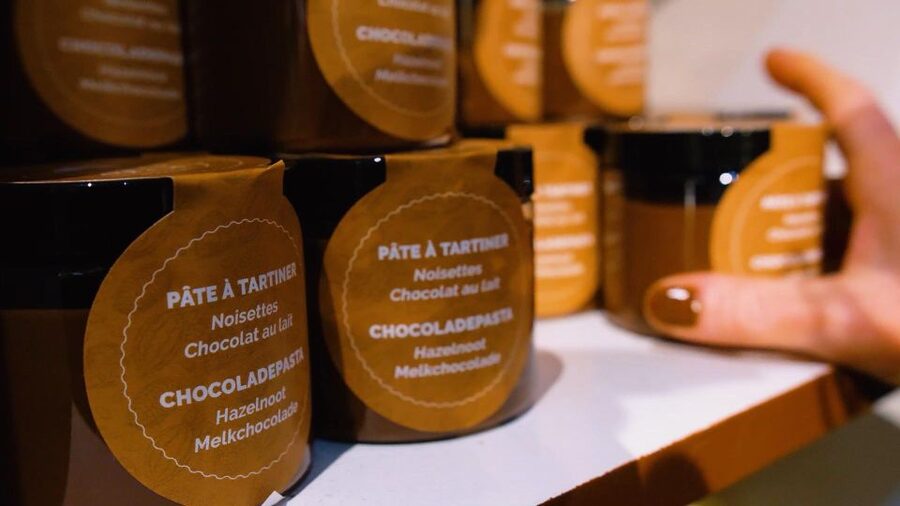
The museum shop can add to the visit. It sells books, souvenirs, chocolate products, and unusual items such as chocolate molds. Set a spending limit before you enter if you are traveling with children or have a weakness for edible souvenirs.
Access, cancellation, and practical details
The museum is wheelchair accessible. The visit is self-guided, and the descriptive panels are in English, French, and Spanish.
You can cancel up to 24 hours in advance for a full refund, and a reserve-now, pay-later option is available. These choices are useful if your Paris schedule is still shifting.
Bring as little as possible. Large bags and luggage are not allowed, and there is no advantage to arriving with a heavy load for a visit built around reading and tasting.
Should you book the Chocolate Museum Paris?
I recommend it if you enjoy food history, want a family-friendly indoor activity, or need a lighter break between major Paris sights. The strongest reasons to go are the ancient cacao story, the regional tastings, and the way the treasure hunt gives children a role.
I would skip it if you want a long hands-on workshop or a large museum with elaborate sets and attractions. The visit is self-guided, and some people will finish quickly. At $21, plan to read the displays, watch the demonstration, and make full use of the tastings.
For the best value, arrive well before the 4:30 PM last admission, consider the €3 audioguide if you prefer listening, and ask about hot chocolate and demonstration times before you begin. If those details fit your interests, this is a pleasant and informative way to see Paris through one of its most tempting foods.
FAQ
Where is the Chocolate Museum Paris located?
Le Musée Gourmand du Chocolat is at 28 Boulevard de Bonne Nouvelle, 75010 Paris, in the Ile-de-France region.
How much does admission cost?
The listed price is $21 per person.
How long is the museum ticket valid?
The ticket is valid for one day. The actual visit can be much shorter, with time depending on how closely you read the displays and take part in the tastings and demonstrations.
Is the visit guided?
No. This is a self-guided visit. An audioguide is available at the welcome desk for €3 per person.
Which languages are available for the audioguide?
The audioguide is available in French, English, German, Dutch, Spanish, Italian, and Portuguese.
What languages are used on the museum panels?
The descriptive panels are in English, French, and Spanish.
Are chocolate tastings included?
Yes. Chocolate samples are included with admission. Hot chocolate may cost an additional €3 per cup.
Is the museum suitable for children?
Yes. Children can take part in a treasure hunt, and an activity booklet is available. The museum is also wheelchair accessible.
Newest chocolate tours around Paris
- Paris Marché d’Aligre Walking Tour with Chocolate and Cheese Tasting★ 3.5 · 24 reviews
- Paris Chocolate and Pastry Private Tour With Secret Food Tours★ 5.0 · 44 reviews
- Paris: Choux Pastry and Chocolate Éclair Making Class★ 4.9 · 50 reviews
- Paris : 45 min Chocolate Workshop at Choco-Story Paris★ 4.0 · 51 reviews
- Paris: Pure Chocolate Walking Tour★ 4.7 · 52 reviews
- Le Marais: Pastry and Chocolate Food Tour★ 4.5 · 52 reviews
- Paris: Pastries and Chocolate Walking Food Tour★ 4.8 · 57 reviews
- Paris Cooking Class: Chocolate Éclairs and Cream Puffs★ 5.0 · 87 reviews
Chocolate Museums, compared.
Choco-Story Brussels: Chocolate Museum Entrance with Tasting
Read our review →
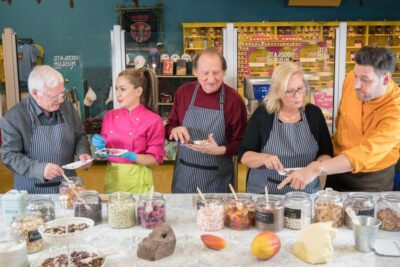
Chocolate Workshop in Chocolate Museum w/ Tasting
Read our review →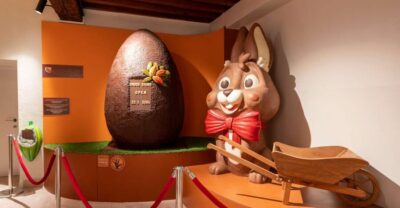
Choco-Story Chocolate Museum Guided Tour w/Tastings
Read our review →
Guided Walking Tour and Chocolate Museum Ticket
Read our review →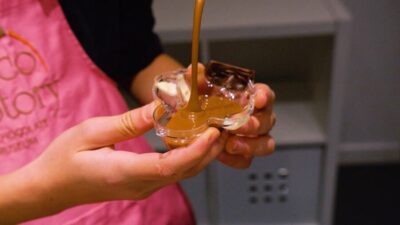
45-minute Chocolate Making Workshop at Choco-Story
Read our review →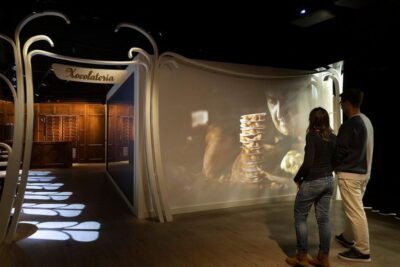
Browse the lists this tour appears in