
Review · CHOCOLATE MUSEUMS
Cologne: Chocolate Museum Entrance Ticket
The most tempting part of Cologne’s Chocolate Museum is also the most useful: you do not just look at finished sweets. You see cocoa growing in a tropical house, learn how Central American cultures used it, then watch modern machines turn beans and ingredients into chocolate. The 3-meter-high fountain, holding 200 kilograms of warm chocolate, gives the visit a wonderfully direct reward.
I like the clear journey from cocoa plant to praline, and I like that the museum works for adults, children, and teenagers without talking down to any of them. The café is another strong point, with chocolate cake, waffles, fondue, coffee, and hot chocolate. The main drawback is that the museum can feel warm, the toilets are limited, and a busy weekend may weaken the promised skip-the-line benefit.
Key points at a glance
- A cocoa story covering 5,000 years: Learn about cocoa in pre-Columbian Central America, European chocolate culture, and industrial production.
- A real working factory: Watch machines roast, process, mold, and finish chocolate products behind glass.
- Tasting is part of the route: Small chocolate samples appear along the way, with the fountain offering a memorable wafer dip.
- A good family activity: Children and teenagers have interactive displays, machines, samples, and the option to make a custom bar for an extra fee.
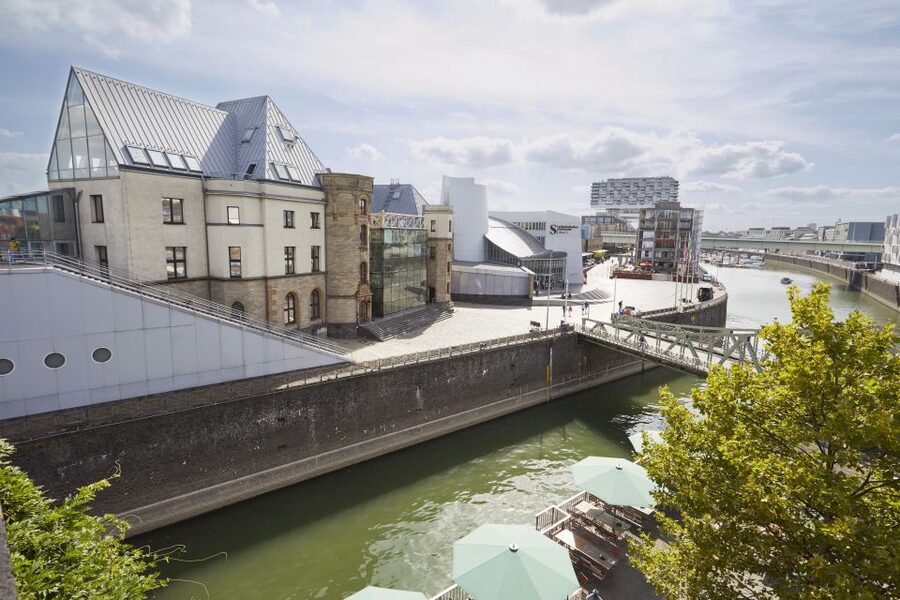
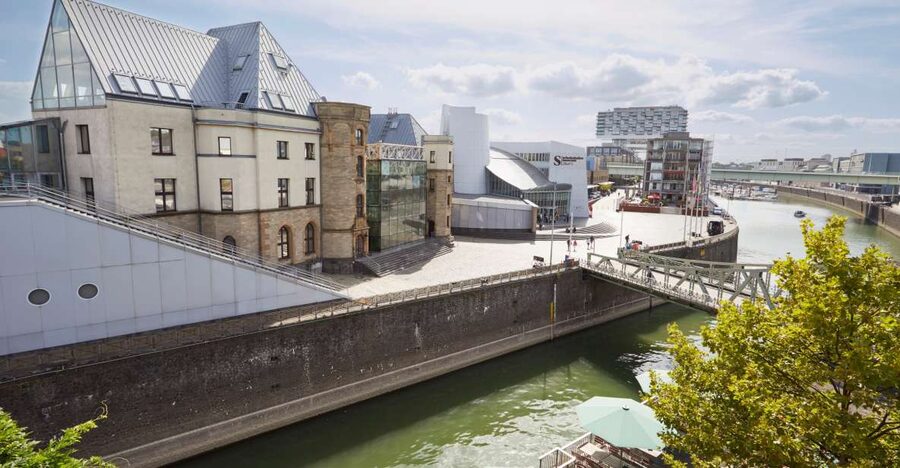
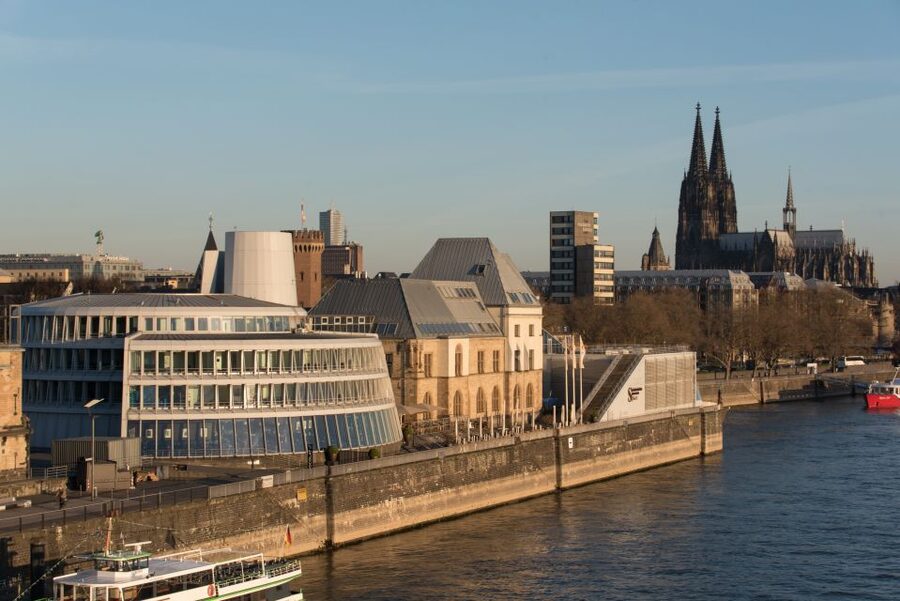
- A Rhine-side setting: The museum sits beside the river, making it easy to pair with a walk through Cologne.
- Self-guided and flexible: Allow about 1 to 2.5 hours, depending on how much you read, taste, and stop at the café.
What the Cologne Chocolate Museum actually offers
At about $19 per person, this is not a quick candy shop with a few posters attached. It is a full museum visit built around chocolate, with art, trade, agriculture, technology, and food all sharing the same route.
You enter with a mobile ticket by scanning it at the museum entrance. An information booklet is included, but there is no guided tour in the standard ticket. That matters if you prefer a host to explain the displays. If you enjoy moving at your own speed, the self-guided format lets you linger over the sections that interest you and pass quickly through anything less engaging.
Most people should plan on 1 to 2 hours. If you read closely, stop for tastings, visit the café, or create your own chocolate bar, you can easily stay 2.5 hours. The ticket is valid for one day, so you are not being pushed through on a fixed schedule.
The museum is wheelchair accessible, and pushchairs can be used. Children under 12 must be with a paying adult. You should also keep an eye on the clock: last admission is one hour before closing, while the production areas shut around 30 minutes before the museum itself.
More Chocolate Museums in the world:
- Lindt Home of Chocolate Museum Entry Ticket
★ 4.7 · 9,329 reviews - Choco-Story Brussels: Chocolate Museum Entrance with Tasting
★ 4.3 · 4,883 reviews - Vienna: Chocolate Workshop in Chocolate Museum w/ Tasting
★ 4.5 · 1,802 reviews
Start with a tropical cocoa tree
The first section gives the museum its strongest sense of place. You enter a walk-in tropical house where cocoa trees grow in a warm, plant-filled setting. It is a small but effective reminder that chocolate begins as an agricultural product, not as a neat bar in a supermarket wrapper.
This section explains cocoa’s natural setting and gives you basic information about the plant and its fruit. For children, the live greenery makes the subject easier to grasp. For adults, it provides needed context before the museum moves on to trade, processing, and machinery.
Do not rush this room. The museum’s later displays make more sense once you understand that every bar begins with a crop shaped by climate, farming, and transport. The tropical house also breaks up the indoor display route with something living and tactile.
Follow cocoa through 5,000 years of culture
From the plant, the route moves into the long human story of cocoa. Displays cover pre-Columbian cultures in Central America, where cocoa had social, ceremonial, and economic importance. This section gives you a better idea of how different chocolate was before European industrial production turned it into a mass-market sweet.
The museum then moves into European chocolate culture, including an important collection of Baroque porcelain and silver. These objects show how chocolate became tied to presentation, status, and fashionable drinking habits. The display is useful because it treats chocolate as more than a snack. It was also a product connected to trade, wealth, design, and social customs.
I especially like this part for adults who might otherwise assume the museum is aimed only at children. The subject becomes a lesson in cultural exchange and commerce. You learn how an ingredient from Central America was absorbed into European tastes and turned into something very different.
The information is spread across displays, so reading time varies. If you want every label, do not schedule this as a quick 45-minute stop. If your family has younger children, you can keep the historical sections moving and spend more time at the machines and tasting points.
Watch old machines explain industrial chocolate
The next stage brings the story into the age of industrialisation. Old machines show how chocolate production changed when factories began handling larger quantities. These displays give the museum a useful mechanical character, especially if you enjoy seeing how ordinary products are made.
The museum does not stop at static machinery. In the glass chocolate factory, you can watch modern production from cocoa bean to finished confection. The production area covers about 43,055 square feet, giving you plenty to see as you follow the steps.
You might see the movement from roasting and processing through molding and finishing. One of the most satisfying features is the order of the route. You are not looking at unrelated machines. The process unfolds in front of you, so the final praline feels connected to the plant and raw ingredients shown earlier.
This is also the section most likely to keep older children and teenagers interested. The machines move, the chocolate is visible, and the production has an obvious end result. Several families have found that children who might lose patience with museum labels stay engaged here.
A practical note: the factory areas close about 30 minutes before the museum. If production is your main reason for visiting, arrive early enough to see the machines running. Entering near last admission could leave you with the displays but not the full factory experience.
More Attraction Tickets in the world:
- Paris: Entrance Ticket to the Chocolate Museum
★ 4.1 · 1,105 reviews - Zurich Sights: Cruise, Lindt Chocolate and optional FIFA Ticket
★ 4.0 · 1,028 reviews - Princeville Botanical Gardens Tour and Chocolate Tasting Ticket
★ 5.0 · 774 reviews - Dresden: Guided Walking Tour and Chocolate Museum Ticket
★ 4.5 · 479 reviews
The chocolate fountain is not just for looking
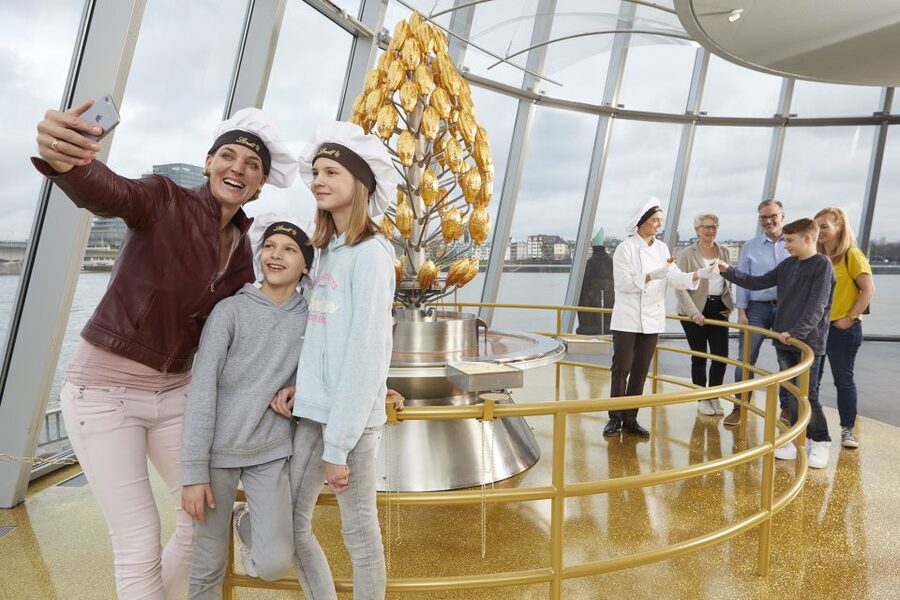
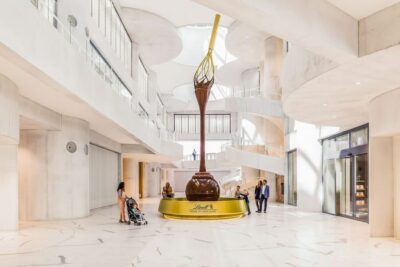
At the center of the visit is a 3-meter-high chocolate fountain, where about 200 kilograms of chocolate continually bubble upward. A staff member provides wafers for dipping, and tasting is expressly encouraged.
This is the museum’s most memorable stop, but it can also create a queue when the building is busy. The tasting is a small portion rather than an unlimited dessert, so think of it as a vivid sample built into the exhibition, not a substitute for lunch.
The smell of chocolate follows you through much of the building. That can be delightful, though on a warm day the combination of heat and sweet aromas may become tiring. One visitor specifically found the museum too hot during a summer visit and had to leave sooner than planned. If you are sensitive to warm indoor spaces, a cooler time of day may be more comfortable.
How many tastings should you expect?
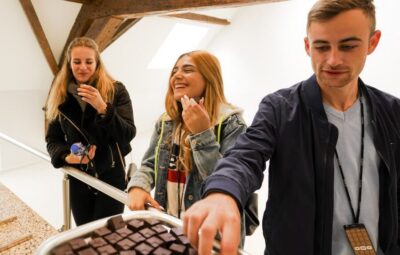
The exact number can vary, but the route includes several small chocolate samples. One visit included six pieces, while other stops involved wafers dipped at the fountain and additional little treats along the way.
The samples are a real part of the ticket’s value. You are not paying nearly $19 just to read about cocoa. You get to connect the information with taste, which helps make the production process memorable.
Still, keep expectations sensible. The samples are tasting portions, not a box of chocolates. If you have a serious sweet tooth, save room for the café or plan to buy something in the shop.
The atelier adds a hands-on option
The chocolate atelier shows how chocolate products can be made by hand, not just on an industrial line. This gives you a useful contrast between factory production and individual work by a chocolatier.
There is also an option to create your own chocolate bar at an extra cost. You choose the additions, then watch the bar being made. This has been a particular hit with children and teenagers, and it makes a good souvenir because you leave with something you helped design.
The custom-bar activity is not included in the $19 entrance price, so ask about the current cost before committing. It is best treated as an optional add-on, not a hidden requirement for enjoying the museum.
For families, this is one of the strongest reasons to allow extra time. A child who finishes the displays quickly may be happy to spend longer designing a bar. Adults can enjoy the production line while younger visitors focus on the creative side.
Save time for the café and shop
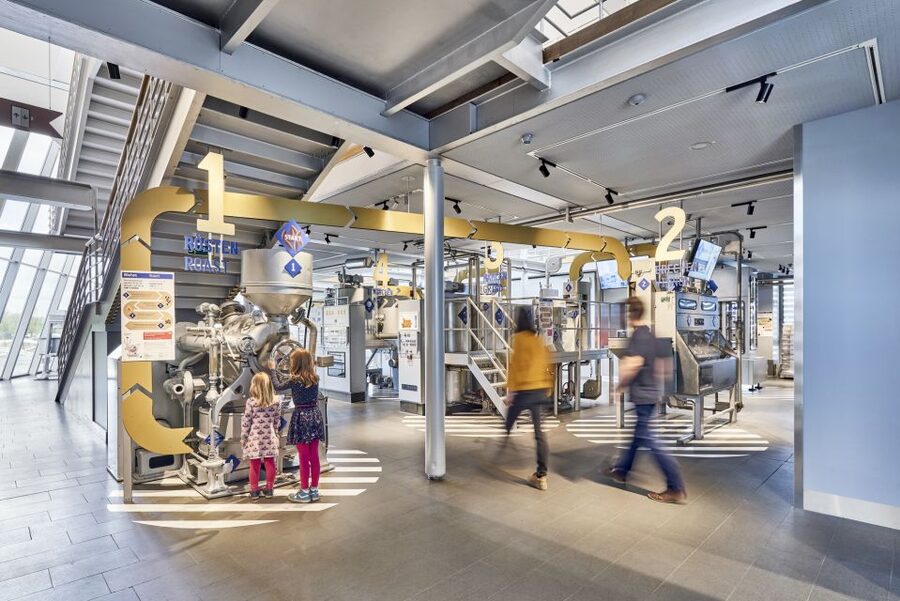
The museum café deserves more than a passing mention. It serves chocolate-focused desserts and drinks, and the food is described as reasonably priced by several visitors. Popular choices include chocolate cake, waffles, fondue for two, soufflé, espresso, coffee, and hot chocolate.
Portions can be generous. One warning worth taking seriously: a waffle may be large enough that ordering it alongside a fondue leaves you with far more dessert than expected. I would choose one substantial sweet per person unless you are sharing.
The café gives you a place to rest after the displays, especially if you have been reading closely or visiting with children. It also turns the museum into a longer outing rather than a short indoor stop.
The shop has plenty of gift options, from chocolate products to items suitable for friends and family. Prices may not always be lower than what you pay at home, particularly for branded products. Buy something because you like it, not because the shop is guaranteed to offer a bargain.
How to plan your visit beside the Rhine
The museum’s riverside setting is a genuine advantage. Once you finish, you can walk along the Rhine or continue into central Cologne. The location also gives you a pleasant change of scene after the warm, sweet-smelling interior.
Going early is smart, especially on weekends and during school holidays. The museum may be calm around opening time and much busier later. A mobile ticket lets you scan at the entrance, and it can help you avoid a ticket-counter queue. But do not assume it will always mean walking straight into an empty building. On a busy weekend, people with online tickets may still be waiting to enter.
The meeting point is simple: go directly to the museum entrance and scan your mobile ticket. The ticket is for admission rather than a guided tour, so you do not need to search for a guide or join a named group.
Because the visit is self-guided, you control the pace. I would allow at least 90 minutes for a relaxed visit, then add café time. A fast reader focused on the machinery might finish in about an hour, while a family that reads the displays and makes custom bars can stay much longer.
Is the $19 ticket good value?
For $19, the ticket offers more than a single viewing room. You get the tropical house, historical displays, Baroque objects, old machines, working production areas, the chocolate fountain, tastings, and an information booklet.
The strongest value comes if you use the museum as a two-hour or half-day activity. If you rush through in 45 minutes, the price may feel less attractive. If you enjoy the café, watch the production line, and take time with the history, the cost compares well with other paid Cologne attractions.
The free samples also matter. They are not a meal, but they make the admission feel less like a conventional museum charge. Families receive good value because the subject appeals across age groups, while couples and solo visitors can choose how much history or machinery they want to explore.
The ticket does not include a guided tour, private explanation, or paid chocolate-making activity. If those are essential to you, budget extra or ask at the main counter about available demonstrations. One visitor received a chocolate tasting demonstration after asking, but that should not be treated as guaranteed with every ticket.
Who will enjoy this most?
I would recommend the museum to families with children old enough to read some displays, teenagers who enjoy machines or food production, couples looking for a light indoor activity, and adults who want more cultural context than a standard sweets shop provides.
It is also a useful rainy-day choice. The route combines things to see, read, smell, taste, and watch, so it does not depend on one type of attention.
You might enjoy it less if you dislike indoor attractions, have little interest in food production, or want a formal guided experience. The museum is self-guided, and some historical displays require reading. The building can also feel warm, and limited toilets may be inconvenient during a long family visit.
Wheelchair users and people with pushchairs can use the museum, which makes it a practical choice for mixed-age groups. Children under 12 need a paying adult, and every child should be supervised around the fountain and production areas.
Should you book the Cologne Chocolate Museum?
Yes, if you want a family-friendly Cologne activity that mixes culture, machines, tasting, and a good café stop. The best reasons to book are the working factory, the live cocoa plant, the broad historical route, and the chance to sample chocolate as you go.
Book earlier in the day if you want a calmer visit and a better chance of seeing production before the factory areas close. Allow 1 to 2.5 hours, add time for the café, and treat the custom chocolate bar as an optional extra.
I would skip it only if you want a short, quiet museum with no food focus or if you are expecting a fully guided tour. For most people, especially families and chocolate fans, the $19 admission gives you plenty to see and enough tasting to make the visit feel like a proper Cologne outing.
FAQ
How long does a visit to the Cologne Chocolate Museum take?
Most people can see the museum in about 1 to 2 hours. If you read the displays carefully, use the café, or make a custom chocolate bar, plan for up to 2.5 hours.
Is a guided tour included?
No. The ticket includes museum admission and an information booklet, but not a guided tour.
Can I taste chocolate inside the museum?
Yes. Chocolate samples are offered along the route, and you can taste chocolate from the 3-meter-high fountain using wafers. Tasting is encouraged.
Is the museum suitable for children?
Yes. The displays, machines, samples, and custom chocolate-bar option suit children and teenagers. Children under 12 must be accompanied by a paying adult.
Is the museum wheelchair accessible?
Yes. The museum is wheelchair accessible, and pushchairs can also be used.
When do the production facilities close?
The production facilities close approximately 30 minutes before the museum closes. Last entry to the museum is one hour before closing.
Newest chocolate tours around the world
- Chocolate and Wine Pairing in Chantilly★ 5.0 · 21 reviews
- Cacao and Coffee Tour★ 4.5 · 24 reviews
- Minca: Hidden Waterfall + Coffee and Cocoa Workshop★ 4.9 · 6 reviews
- Nashville: Whiskey or Wine and Chocolate Pairing Experience★ 4.8 · 22 reviews
- 2h immersive tasting in Beaujolais – Wine and Chocolate Accord★ 5.0 · 5 reviews
- Cocoa & Artisan Chocolate Route with an Historical Tour in Puerto Plata City★ 4.0 · 9 reviews
- Puerto Plata: City Tour with Rum, Chocolate and Cigars★ 5.0 · 2 reviews
- Puerto Plata City Tour with the Mount Isabel, Rum & Chocolate★ 5.0 · 34 reviews
Chocolate Museums, compared.
Choco-Story Brussels: Chocolate Museum Entrance with Tasting
Read our review →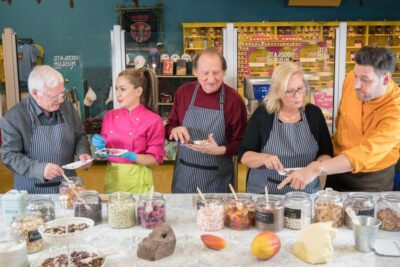
Chocolate Workshop in Chocolate Museum w/ Tasting
Read our review →
Choco-Story Chocolate Museum Guided Tour w/Tastings
Read our review →
Guided Walking Tour and Chocolate Museum Ticket
Read our review →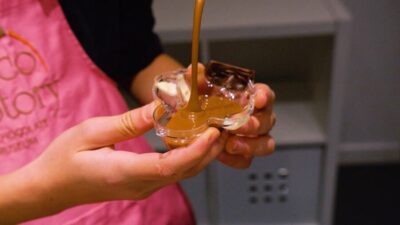
45-minute Chocolate Making Workshop at Choco-Story
Read our review →
Browse the lists this tour appears in