
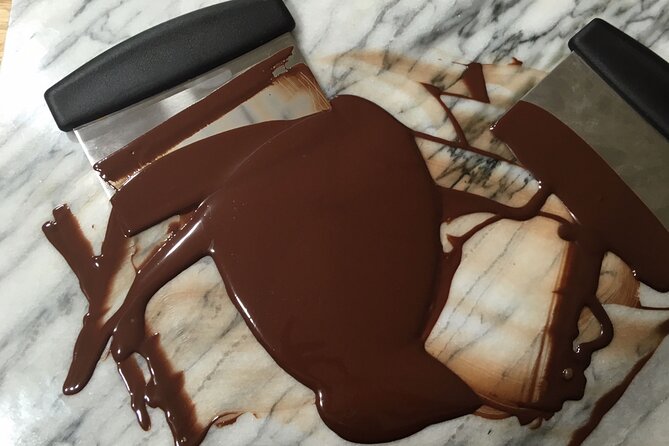
Review · CHOCOLATE MAKING WORKSHOPS
Class – Introduction to Chocolate Making at York Cocoa Works
The best part of this York workshop is that you do not just watch chocolate being made. You work with it yourself, from a simple ganache to tempered chocolate and finished truffles. I like the hands-on format and the fact that you take home about 300 grams of what you make.
I also like the useful follow-through: recipes, practical tips, and packaging are included, so the class can help you repeat the process at home. The main caution is simple but important: check your date carefully, since one booking was accepted for a Thursday when no class was scheduled.
Key points at a glance
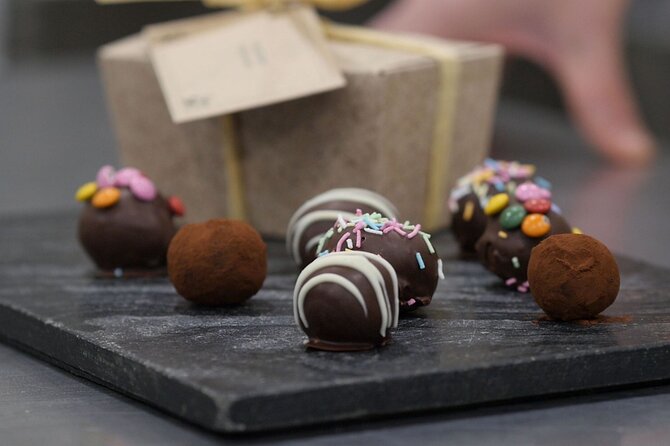
- Make roughly 300 grams of chocolate: Your truffles and other creations are yours to wrap and take home.
- Learn the basic chocolate process: The workshop covers cocoa’s origins, chocolate production, ganache, and tempering.
- Practice a real chocolatier skill: Tempering teaches you how to prepare chocolate for a smooth, finished result.
- York’s chocolate story is part of the class: Sampling and local context give the practical work a sense of place.
- Small group, about 12 people: The limited size should give you a better chance to follow the demonstrations and work at your station.
- Everything practical is supplied: Ingredients, equipment, recipes, and packaging are included, while cafe drinks cost extra.
What the 2.5-hour York Cocoa Works class is really about
York Cocoa Works sits at The Cocoa Works, 10 Castlegate, York YO1 9RN. The class begins at 10:00 am and finishes back at the same location. Since the workshop lasts about two and a half hours, it fits neatly into a morning before lunch or an afternoon of sightseeing.
This is an introduction rather than an advanced pastry course. That makes it a good starting point if you are curious about chocolate, enjoy baking, or want a practical activity that does not require previous experience. You will not simply receive a box of finished sweets. You will handle the ingredients, learn the basic techniques, and leave with the results of your own work.
The class is offered in English. A mobile ticket is accepted, and the meeting point is near public transportation, so you should not need a complicated plan to reach it. Still, leave enough time to find 10 Castlegate and arrive ready for a prompt 10:00 am start.
More Chocolate Making Workshops in the UK:
- York: Chocolate Bar Making Workshop at York Cocoa Works
★ 4.7 · 401 reviews - Chocolate Bar Making Workshop – York Cocoa Works
★ 4.5 · 170 reviews - Make Your own Amazing Chocolate in Notting Hill
★ 4.5 · 14 reviews
From cocoa bean to chocolate bar
The workshop begins with the larger story: where cocoa comes from and how it is turned into chocolate. That background matters because it gives you a better sense of what you are working with. Chocolate is not just a sweet ingredient poured into a mold. It comes from cocoa, and its texture and behavior depend on how it has been processed and handled.
You will also hear about York’s long connection with chocolate while sampling different chocolates. This local angle helps keep the session tied to the city rather than making it feel like a generic cooking class that could happen anywhere.
The tasting element should be useful as well as enjoyable. Comparing chocolates gives you a chance to notice differences before you begin making your own. The supplied information does not specify the number or type of samples, so you should think of this as a guided introduction rather than a formal tasting course.
I like this opening because it connects three things: the ingredient, the city, and the finished sweet. For a first class, that is a sensible order. You learn what chocolate is before being asked to control it.
Making traditional chocolate truffles
The main project is traditional chocolate truffles. You will prepare a simple ganache, the smooth mixture that forms the soft center of many truffles. This is one of the most useful techniques in the class because it can be adapted for homemade chocolates and other desserts.
The point is not just to follow a recipe once. You will learn how the chocolate works and receive recipes and tips to use at home. That makes the take-home material more valuable than a souvenir alone. You can enjoy the sweets later, then try the method again in your own kitchen.
The class supplies the chocolate-making ingredients and equipment, so you do not need to arrive with specialist tools. Packaging is included too. Once your truffles are ready, you will wrap them to take home rather than placing them in a loose container or leaving them behind.
The finished quantity is approximately 300 grams per participant. That is enough to share, although you may decide that sharing is an ambitious plan after spending the morning making them. The exact number of individual truffles is not specified, since it will depend on how you shape and portion your creations.
Tempering chocolate, the skill worth learning
Tempering is the more technical part of the workshop. It prepares chocolate so you can work with it to create a smooth, attractive finished product. For a beginner, this is probably the class’s most useful skill because tempering can be the difference between chocolate that looks polished and chocolate that sets with a dull or uneven finish.
You will prepare tempered chocolate for making truffles. The class is designed to explain the process in an accessible way, not to assume that you already understand professional chocolate work. You should leave with a better idea of how chocolate behaves and why temperature control matters.
The supplied details do not promise that you will make a wide range of advanced chocolate designs. The emphasis is on basic techniques and truffles. That is a strength if you want a clear first step, but it may feel limited if you already make chocolate professionally or have taken several confectionery classes.
For most beginners, I would consider tempering a fair reason to choose this class over a simple chocolate tasting. You get a skill that can be repeated at home, not just a pleasant morning of sampling.
More Chocolate Tours in the UK:
- The Chocolatarium Chocolate Tour Experience in Edinburgh
★ 5.0 · 4,322 reviews - York’s Chocolate Story: Guided Tour
★ 4.7 · 624 reviews - Mayfair Chocolate Tour
★ 5.0 · 443 reviews - Glasgow: Glengoyne Distillery Tour with Whisky & Chocolate
★ 4.9 · 299 reviews
Packaging your creations at the end
The final stage is practical and satisfying. You will package your own chocolates to take home, with roughly 300 grams of handmade creations per person. This gives the activity a proper finish and makes it easy to transport your work after the class.
Recipes are included, along with hints and tips for making chocolates at home. That is especially helpful if you want to repeat the experience later. You will have something tangible to eat, but also a written reminder of what you did.
The class does not list coffee, tea, or other refreshments as part of the price. Chocolate refreshments are available to buy at the Chocolate Cafe before or after the workshop. Plan on paying separately if you want a drink or an extra cafe treat.
This separation is worth noting when you compare prices. The class includes the core workshop supplies and packaging, but it is not an all-inclusive food-and-drink experience.
Is $67.88 good value?
The listed price is $67.88 per person. I would judge the value by looking at what you actually receive rather than comparing it with the price of a box of chocolates.
Your fee covers about two and a half hours of instruction, all chocolate-making ingredients, equipment, packaging, tasting as part of the class, recipes, and approximately 300 grams of your own finished chocolate. You are also paying for a small-group activity capped at 12 people, which should make the practical work easier to follow than a large demonstration.
If you only want to eat chocolate, this is not the cheapest way to do that. A cafe visit or chocolate purchase will cost less. But if you want to learn a repeatable technique and take home your own work, the price is more reasonable.
The value is strongest for someone who enjoys cooking activities and will actually use the recipes later. It is also a good choice for a special outing, provided you care more about making something than collecting a polished, professionally made box.
Remember that drinks are extra. That will not change the overall cost dramatically, but it is useful to know before you arrive.
The group size and the pace
The maximum group size is 12 people. That is small enough to make the practical parts manageable, while still giving the class some shared energy. You will likely work alongside other participants, but the activity is centered on your own chocolate creations.
A group of this size also matters when the instructor is explaining tempering. You need to see what is being done and understand the sequence before trying it yourself. The supplied information does not name the instructors, so you should not book this expecting a particular guide.
The class lasts about 2 hours and 30 minutes. That is long enough for an introduction, tasting, preparation, shaping, tempering, and packaging without turning the morning into a full-day commitment. It also means you should avoid scheduling something that requires you to leave early.
The experience ends where it begins at 10 Castlegate. This makes the logistics easy: no second meeting point, transfer, or separate collection arrangement is involved.
Who should book this chocolate class?
I would recommend it most strongly to:
- First-time chocolate makers
- Home bakers who want to understand chocolate better
- People looking for a hands-on York activity
- Couples, friends, or small groups who enjoy making food together
- Visitors who want a souvenir they produced themselves
- Anyone interested in York’s chocolate connections
It also suits someone who prefers a structured activity to a standard sightseeing tour. You get a clear project, a set duration, and something to bring home.
The class may be less suitable if you have advanced chocolate-making experience. Since it is explicitly an introduction, the pace and techniques may cover familiar ground for a trained chocolatier. It may also disappoint you if you expect a large range of complex sweets, since the focus is traditional truffles, ganache, and basic tempering.
Families should check the booking terms directly before assuming young children can participate. The supplied information does not state a minimum age.
Allergy and food considerations
Cream and butter are used in the workshop. If you have a milk allergy, contact the York Cocoa Works team at least 48 hours before the class.
That advance notice matters. Do not wait until you arrive and hope the recipe can be changed. The available information only specifically highlights milk allergies, so you should contact the provider about any other food allergy or dietary concern before booking.
The class includes chocolate tastings and chocolate-making ingredients. If you have a serious allergy, ask exactly what alternatives are possible and whether shared equipment affects your ability to take part.
Booking dates need a careful check
Free cancellation is available up to 24 hours before the experience start time. If you cancel less than 24 hours before the 10:00 am start, you will not receive a refund, and changes made inside that period are not accepted.
There is one practical warning I would take seriously. A booking was made for a Thursday, but the participant arrived to find that classes were not held on Thursdays. The booking system had apparently accepted the date, and follow-up contact did not receive a quick response.
The safest approach is to check the available class date and day before finalizing your plans. If the date looks unusual, confirm it with York Cocoa Works before arranging other activities around the workshop. This is especially important if you are visiting York for only a short time.
Booking confirmation is normally sent at the time of booking. If you book within one day of the activity, confirmation may arrive later and remains subject to availability.
The setting in York
The workshop takes place at York Cocoa Works, 10 Castlegate, York YO1 9RN. Its central York location makes it easy to pair with other city activities, though the supplied details do not promise a tour of the wider building or a separate factory visit.
That distinction is useful. You are booking an indoor chocolate-making class with York context, not a broad city tour or a guaranteed behind-the-scenes production visit.
You can use nearby public transportation to reach the meeting point. The experience begins and ends there, so you can continue sightseeing afterward without returning to a distant pickup area.
I like the location for a simple reason: the chocolate story is connected to York itself. You are not only learning a kitchen technique in an anonymous classroom. You are doing it in a city known for chocolate, with local background included in the session.
My verdict on the York Cocoa Works workshop
Book this class if you want to make your own truffles, learn the basics of ganache and tempering, and take home a useful quantity of chocolate. The included equipment, ingredients, packaging, recipes, and small group make the $67.88 price easier to justify than a simple tasting.
Skip it if you already have strong chocolate-making skills or only want a quick sweet treat. Also check the date carefully, contact the team about milk allergies at least 48 hours ahead, and remember that cafe drinks cost extra.
For a first step into chocolate making, this is a practical York experience with a clear payoff: you learn the process, make the sweets, wrap them, and leave with about 300 grams to enjoy later.
FAQ
Where does the chocolate-making class take place?
It takes place at York Cocoa Works, The Cocoa Works, 10 Castlegate, York YO1 9RN, UK.
What time does the workshop start?
The start time is 10:00 am.
How long does the experience last?
The workshop lasts approximately 2 hours and 30 minutes.
What will I make during the class?
You will learn to make traditional chocolate truffles, including a simple ganache and tempered chocolate.
How much chocolate can I take home?
Each participant takes home approximately 300 grams of their own chocolate creations.
Are ingredients and equipment included?
Yes. Chocolate-making ingredients, equipment, and packaging are included.
Are recipes provided?
Yes. You will receive recipes along with hints and tips for making chocolates at home.
Are drinks included in the price?
No. Coffee, tea, and other chocolate refreshments are available to purchase separately at the Chocolate Cafe before or after the workshop.
Can I cancel for a full refund?
Yes, if you cancel at least 24 hours before the experience start time. Cancellations made less than 24 hours before the start are not refunded.
Newest chocolate tours around the UK
- York: Introduction to Chocolate Making Experience★ 4.9 · 10 reviews
- 3 Hour Chocolate Making Experience in The Mayford business centre★ 5.0 · 4 reviews
- Tequila Tasting, with Chocolate & Cocktails Pairing Night★ 5.0 · 4 reviews
- Melt Chocolate’s Magical Master Class★ 4.5 · 10 reviews
- Chocolate Tasting tour★ 4.5 · 3 reviews
- Hands-On Churros & Chocolate Class on a London Houseboat★ 3.5 · 2 reviews
- Cacao Ceremony and Sound Healing★ 5.0 · 2 reviews
- Glengoyne Distillery Tour with Whisky and Chocolate Tasting★ 5.0 · 24 reviews
Chocolate Making Workshops, compared.
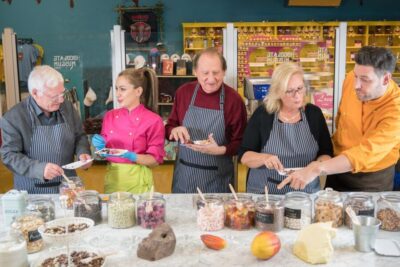
Chocolate Workshop in Chocolate Museum w/ Tasting
Read our review →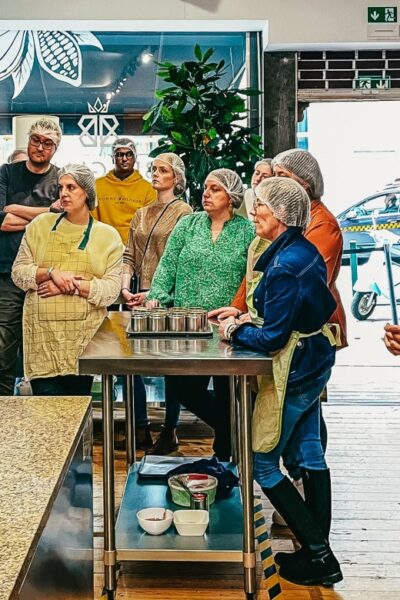
Belgian Chocolate Making Workshop with Tastings
Read our review →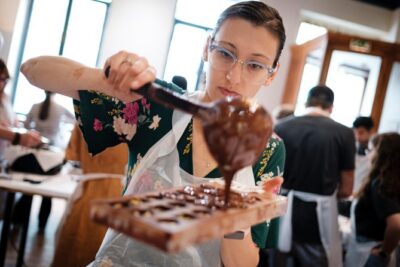
Belgian Praline and Mendiants Chocolate Workshop
Read our review →
1.5h Belgian Chocolate Workshop in Brussels (bean to bar)
Read our review →
45-minute Chocolate Making Workshop at Choco-Story
Read our review →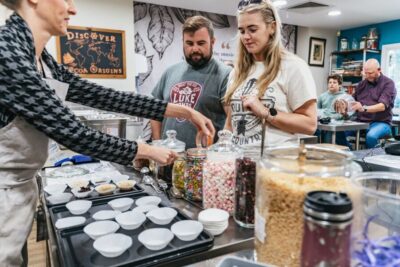
Chocolate Bar Making Workshop at York Cocoa Works
Read our review →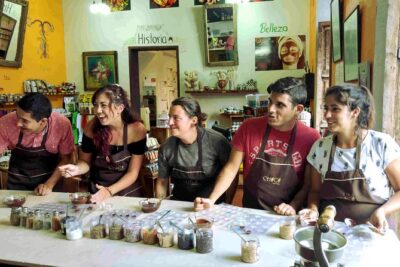
Bean to Bar Chocolate Workshop in Puerto Vallarta
Read our review →Browse the lists this tour appears in