
Review · WINE AND CHOCOLATE TOURS
Trio Chocolaté – Tour en français – Champagne Passy-Grigny
The best part of this short tour is its clear look at how Champagne moves from old village presses to modern production tanks. At Champagne Dom Caudron in Passy-Grigny, you see both ends of the process before sitting down to match three champagnes with three chocolates.
I like the strong local story, rooted in Aimé Caudron and the winemakers of this Marne Valley village. I also like the tidy format: 45 minutes gives you useful context and a proper tasting without taking half your day.
The main catch is simple: the tour is in French. The winery is kept at about 12°C, so bring a jacket, and the tasting is not suitable for pregnant women.
Key points to know before you book
- A 1929 village story: Learn how priest Aimé Caudron brought Passy-Grigny’s winemakers together.
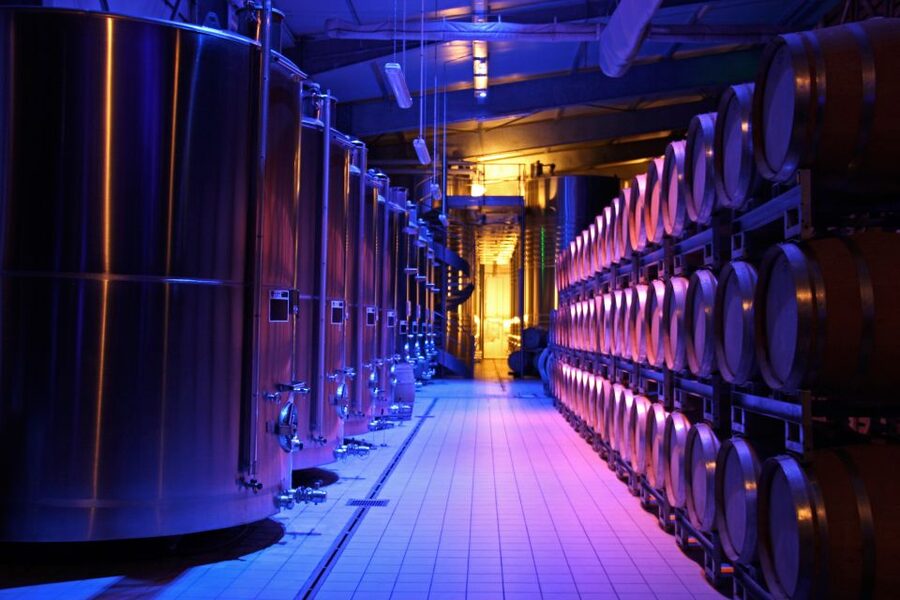
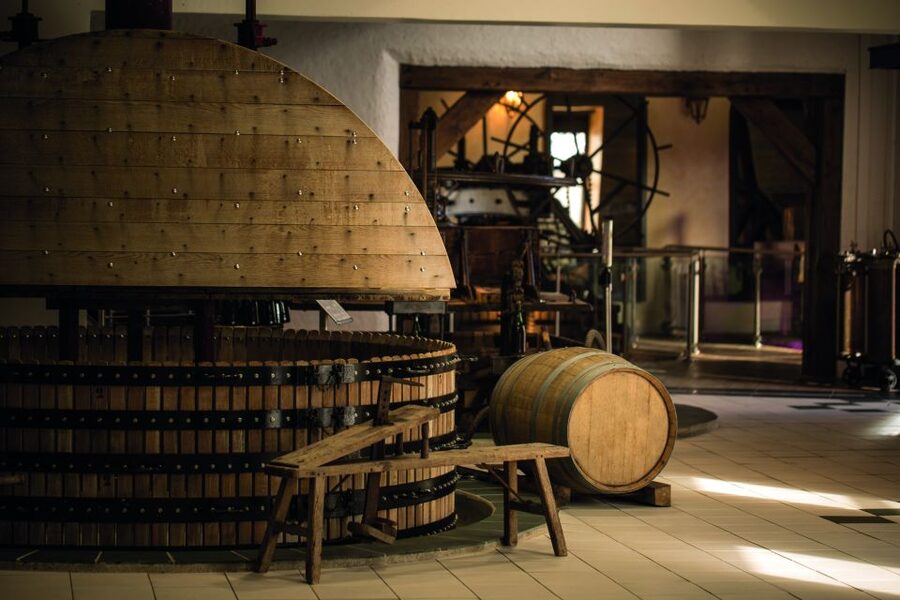
- Old and new equipment: See the first press used by a local vine grower alongside the present-day vat house.
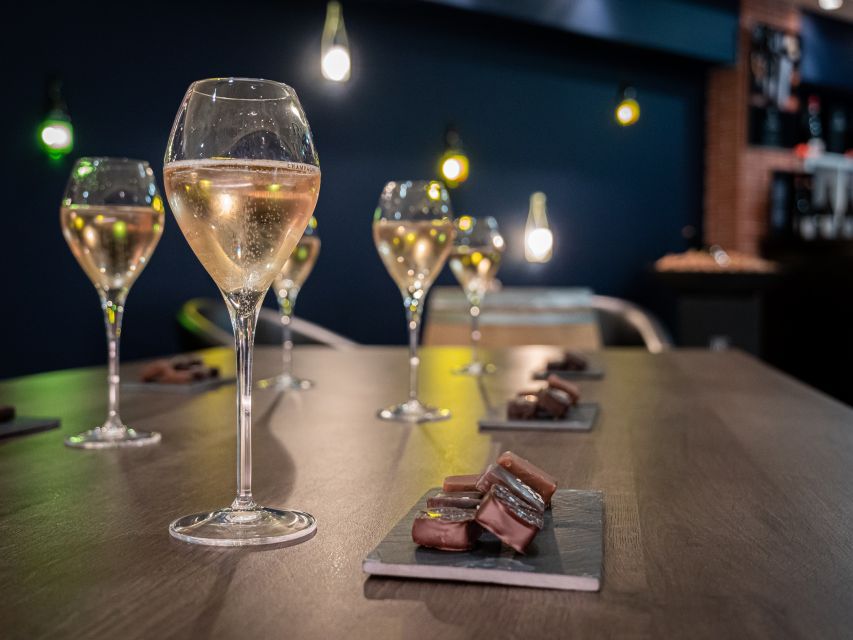
- Three Champagne pairings: Taste three different champagnes with three chocolates chosen for the experience.
- A short 45-minute visit: This works well when you want a focused introduction rather than a long winery program.
- French-speaking guide: The explanations are described as clear, friendly, and enthusiastic, but you should be comfortable following French.
- Cool cellar conditions: The winery is kept at 12°C, so a jacket is practical even in warm weather.
Passy-Grigny and the Aimé Caudron story
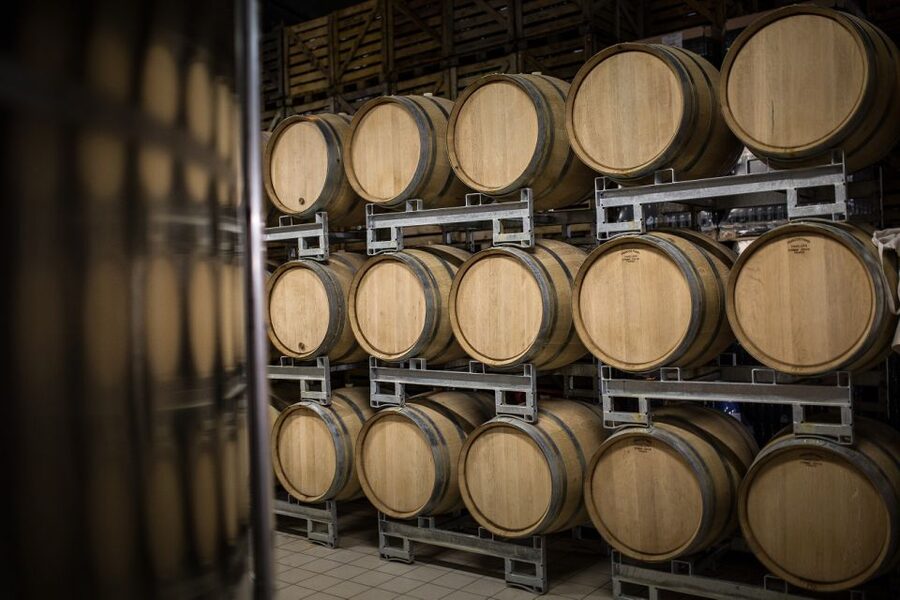
This experience begins in Passy-Grigny, a village in the Marne Valley of France’s Grand Est region. The setting matters because this is not a generic Champagne presentation placed anywhere in the country. The tour connects the drink in your glass to one particular village and its growers.
The local story centers on Aimé Caudron, a priest with a practical idea. In 1929, he gathered the village’s winemakers and helped create the foundation for what became Champagne Dom Caudron. His work is tied closely to the Meunier grape, a key part of the house’s identity and an important grape in Champagne production.
I like this sort of background because it gives the tasting a human scale. You are not only hearing about a famous regional drink. You are hearing how a small community organized around its vineyards and built a Champagne house over time.
The exact production details covered during the visit depend on the guide, but the stated focus includes the grape varieties used in Champagne. That makes this a useful starting point if you know Champagne mainly by brand names. You will begin to understand that the final blend depends on the grapes, the pressing, and the work that follows.
More Wine and Chocolate Tours in France
- Passy-Grigny: Chocolate and Champagne Tasting Tour
★ 4.8 · 284 reviews - Libourne: Winery Tour with Wine and Chocolate Tasting
★ 4.9 · 74 reviews - tasting workshop of 6 to 8 wines with charcuterie chocolate cheese
★ 5.0 · 48 reviews
From the first press to the modern vat house
The tour’s visual centerpiece is the contrast between old and new equipment. You can see the first press connected with the Passy-Grigny vine growers, then compare it with the current modern vat house.
That contrast gives the production story some shape. Older pressing equipment helps you picture the physical work behind the harvest. The modern vat house shows how the same basic goal is handled with contemporary equipment and more controlled methods.
You should not expect a long technical master class in 45 minutes. The short schedule is better suited to a broad explanation of the stages than to a detailed study of every machine or fermentation decision. Still, seeing the equipment makes the information easier to grasp than hearing a list of terms in a tasting room.
The tour is designed for beginners and people who already know Champagne. If you are new to wine, the explanation of grapes and production should give you a solid framework. If you already understand the basics, the village history, the old press, and the Meunier connection provide a more local angle.
The tour does not present Champagne as a single uniform drink. By pointing out different grape varieties, it gives you a reason to pay attention to changes in flavor and style during the tasting that follows.
Why the Meunier grape matters here
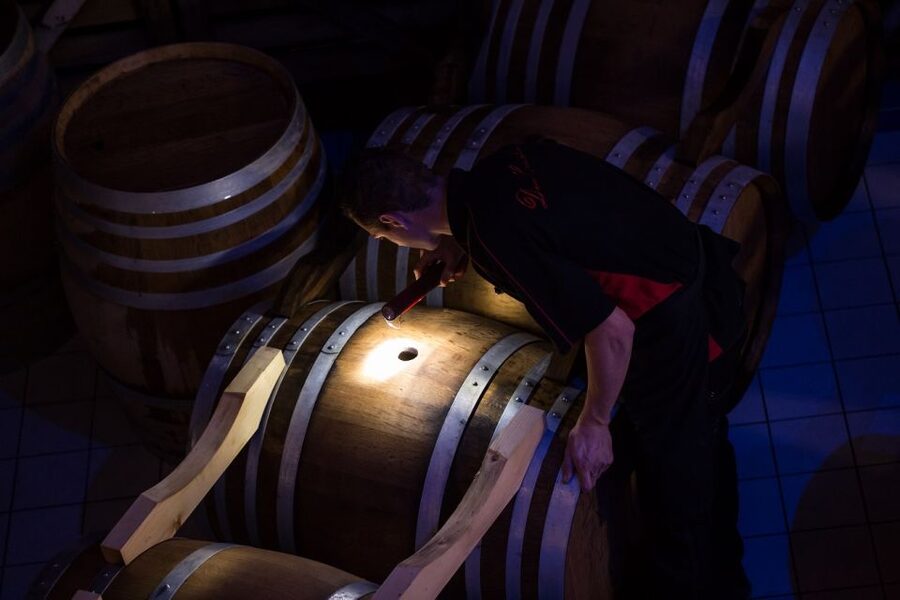
The Meunier grape is central to the story of this house. The village’s 1929 gathering under Aimé Caudron helped shape the identity of Champagne Dom Caudron, and the experience presents Meunier as a major part of that local tradition.
You will not leave with every technical detail about the grape, since the tour lasts only 45 minutes. But you should come away with a better sense of why grape choice matters and why one Champagne house may emphasize a different character from another.
This is also where the tour feels more useful than a simple tasting. A glass can be pleasant on its own, but context gives you something to look for. When you taste three champagnes later, you can think about the grapes and production methods rather than judging each one only by sweetness or bubbles.
The information is delivered in French, which is worth taking seriously before booking. The available feedback describes the explanations as very clear and the guide as friendly and enthusiastic. That is encouraging if your French is good enough for a guided visit, but it does not turn the experience into an English-language tour.
The three Champagne and chocolate pairings
The final part is the reward: three different champagnes paired with three different chocolates. This is not just a Champagne tasting with a small sweet on the side. The pairing is built into the experience, giving you three chances to compare the drink and food together.
Chocolate can change how Champagne tastes. Its sweetness and texture may make a wine seem sharper, softer, fruitier, or more rounded. With three pairings, you can notice how one Champagne behaves differently from another when matched with a particular chocolate.
The tasting also gives the short tour a satisfying finish. You first hear about the village, grapes, presses, and vat house. Then you put that information to work with the glasses in front of you.
The supplied details do not name the three champagnes or chocolates, so you should not book this expecting a fixed list of specific cuvées. The useful point is the structure: three wines and three chocolates, with the French-speaking guide explaining the combinations.
I would treat this as an introduction rather than a large-scale tasting. At $31 per person, the value comes from the combination of a guided production visit and three pairings. If you only want to sample Champagne, you may find a simpler tasting more direct. If you want both context and a snack-sized comparison, this format makes good sense.
Same city, a different tasting:
- Paris: Entrance Ticket to the Chocolate Museum
★ 4.1 · 1,105 reviews - Paris French Sweets Tasting Tour with Pastries and Chocolates
★ 4.5 · 947 reviews - A Morning in Paris Food Tour: Croissants, Baguettes & Chocolate
★ 5.0 · 556 reviews - Saint-Germain: Gourmet Chocolate & Pastry Walking Food Tour
★ 4.8 · 495 reviews
What the 45-minute schedule means
Forty-five minutes is long enough to cover the main story, but short enough to fit around other plans in the Marne Valley. You can learn the basics without committing to a half-day winery program.
The compact format also keeps the focus sharp. You see the old and new presses, hear about the grape varieties and the house’s history, then move to the three tastings. There is little room for unrelated material, which suits you if you prefer a clean introduction.
The trade-off is depth. You should not expect an extended walk through every part of the estate or a long technical discussion of Champagne production. The available information does not promise vineyard transport, a meal, or a large number of samples. What you get is a focused visit with a clear beginning, middle, and end.
Starting times vary, so check availability when planning your day. Since the visit is short, it can work well before or after another activity in the region. Just allow enough time to arrive in Passy-Grigny without turning the appointment into a rushed stop.
Practical comfort and access
The winery is kept at about 12°C. That is cool enough to feel uncomfortable if you arrive in summer clothing, so bring a jacket or warm layer. This is a small point, but it can make a major difference during a short cellar visit.
The experience is wheelchair accessible, which makes it suitable for many people with limited mobility. The available details do not describe the exact surfaces, route, or restroom arrangements, so you may want to confirm any specific access needs before booking.
The visit is not suitable for pregnant women because Champagne is included in the tasting. The provided information does not describe a non-alcoholic alternative, so you should not assume one is available.
French is the only stated tour language. You do not need specialist wine vocabulary to benefit, but you should be ready to follow explanations in French. The guide’s clear and enthusiastic approach is a plus, especially when discussing production terms, but the language limitation remains the biggest practical consideration.
How the $31 price holds up
At $31 per person, the cost is reasonable if you want more than a glass of Champagne. The price covers the guided tour, the chocolate tasting, and the Champagne tasting. That means you are paying for both the production story and the three-part pairing.
The value is strongest for a first visit to the region or for anyone who wants a short introduction to how Champagne is made. You see historical and modern equipment, learn about grape varieties, hear the local Dom Caudron story, and taste three champagnes.
The price may feel less attractive if you are looking for a long cellar visit, a large flight of wines, or a full meal. Those features are not included in the information provided. This is a compact, organized experience, not an all-day wine program.
I also like that you can reserve now and pay later, which helps if your route through Grand Est is still shifting. Free cancellation is available up to 24 hours in advance for a full refund. Those terms reduce the risk of booking a short activity around a changing sightseeing schedule.
Who will enjoy this Champagne experience
I would recommend it most to you if you fit one or more of these descriptions:
- You want an introduction to Champagne production without spending several hours at a winery.
- You enjoy learning how older equipment relates to modern wine production.
- You like food and drink pairings, especially chocolate with sparkling wine.
- You are interested in the local story of Passy-Grigny and Aimé Caudron.
- You can follow a guided explanation in French.
- You want an accessible visit with a clear schedule.
It is less suitable if you need an English-language tour, cannot drink alcohol, or want a long and highly technical winery visit. Pregnant women should not book this tasting, and anyone sensitive to cool indoor conditions should bring a warm layer.
The strongest feature is the balance between explanation and tasting. The guide does not simply pour three glasses and send you on your way. You first get a reason to care about the grapes, the presses, and the house’s origins. Then the chocolate pairings give you a pleasant way to compare what you have learned.
Should you book Trio Chocolaté?
Book it if you want a short, local, French-language introduction to Champagne with a memorable tasting finish. The old press, modern vat house, Meunier connection, and Aimé Caudron story give the visit more substance than a quick drink at a bar.
Skip it if the French language will block your understanding or if you want a full winery day with extensive tastings. For the right audience, though, $31 buys a well-shaped 45-minute experience: clear production explanations, three champagnes, and three chocolates in the village where the Dom Caudron story began.
FAQ
Where does the Trio Chocolaté tour take place?
The tour takes place at Champagne Dom Caudron in Passy-Grigny, in the Marne Valley of France’s Grand Est region.
How long does the tour last?
The experience lasts 45 minutes.
What language is the tour in?
The guided tour is in French. French is the only language specified for the experience.
What is included in the price?
The price includes the guided tour, a Champagne tasting, and a chocolate tasting.
How many champagnes and chocolates do you taste?
You taste three different champagnes paired with three different chocolates.
Is the experience wheelchair accessible?
Yes, the experience is wheelchair accessible.
Should I bring a jacket?
Yes. The winery is kept at about 12°C, so a jacket is recommended.
Is the tasting suitable for pregnant women?
No. The experience is not suitable for pregnant women because Champagne is included.
Can I cancel the booking?
Yes. You can cancel up to 24 hours in advance for a full refund. You can also reserve now and pay later.
Newest chocolate tours around France
- Private Wine and Chocolate Tasting Experience★ 4.4 · 3 reviews
- Wine and chocolat tasting at Chablis.★ 4.9 · 5 reviews
- Wine and Chocolate experience★ 4.6 · 3 reviews
- Paris Sweet & Chocolate Family Treasure Hunt★ 5.0 · 37 reviews
- Molded Bonbons Chocolate making class in Paris (collective)★ 4.5 · 20 reviews
- Private Wine and Chocolate Tasting in Paris★ 4.5 · 4 reviews
- Private Family Chocolate Making Class in Paris★ 5.0 · 16 reviews
- Pure Chocolate Tour in Paris★ 5.0 · 20 reviews
Wine and Chocolate Tours, compared.
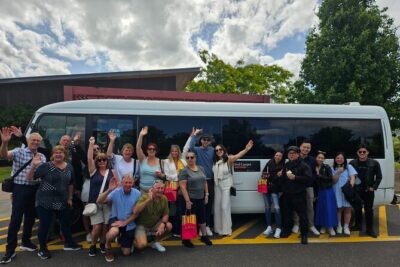
Yarra Valley Wine, Gin, Whisky and Chocolate Tour
Read our review →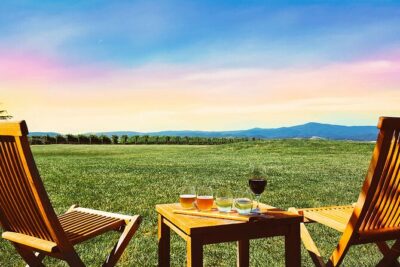
Epic Yarra Valley Wine Tour + Lunch, Chocolate & Gin/Beer Option
Read our review →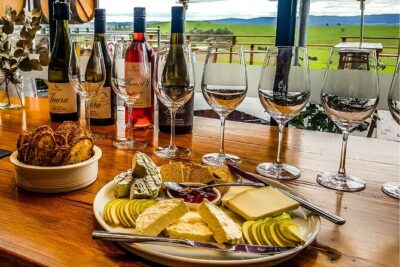
Amazing Yarra Valley Wine Tour + Chocolate, Farm Fresh, Gin
Read our review →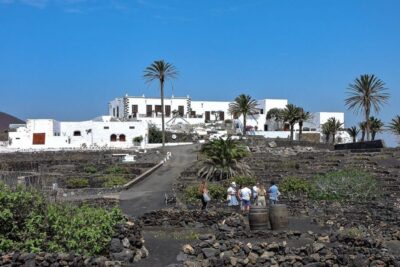
Lanzarote: Vineyard Tour with Wine and Chocolate Tasting
Read our review →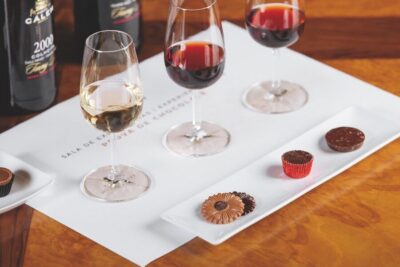
Cálem Cellar with Chocolate, Cheese, and Wine Tasting
Read our review →
Passy-Grigny: Chocolate and Champagne Tasting Tour
Read our review →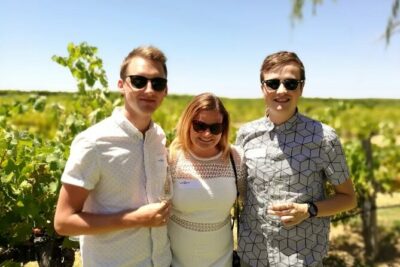
Swan Valley Tour from Perth: Wine, Beer and Chocolate Tastings
Read our review →
Hunter Valley Wine Tour from the Hunter with Wine Craft Beer Cheese Chocolate
Read our review →Browse the lists this tour appears in