
Review · CHOCOLATE MAKING WORKSHOPS
Chocolate workshop; gastronomic experience of cocoa.
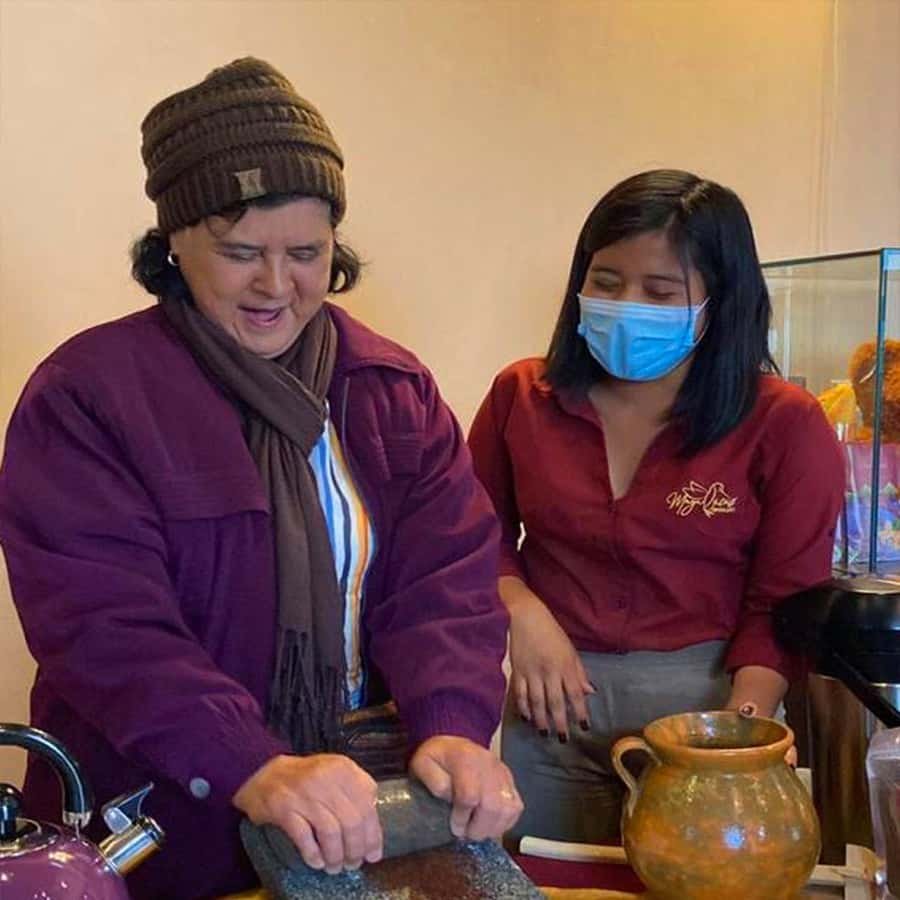
The best part of this Antigua workshop is that you do not simply taste finished chocolate. You handle the beans, roast them, remove the shells, grind the cacao, and shape your own bar. That hands-on chain makes the ingredient easier to understand, and it gives you a small edible souvenir with a real connection to Guatemala.
I like the five-senses tasting, which lets you notice how aroma and flavor change through each stage. I also like that the price includes materials, tastings, and your finished bar, rather than adding costs at the end. The main consideration is language: instruction is in Spanish, though Ingrid has patiently helped non-Spanish-speaking families and Google Translate worked well for one English-speaking couple.
Key points to know before you book
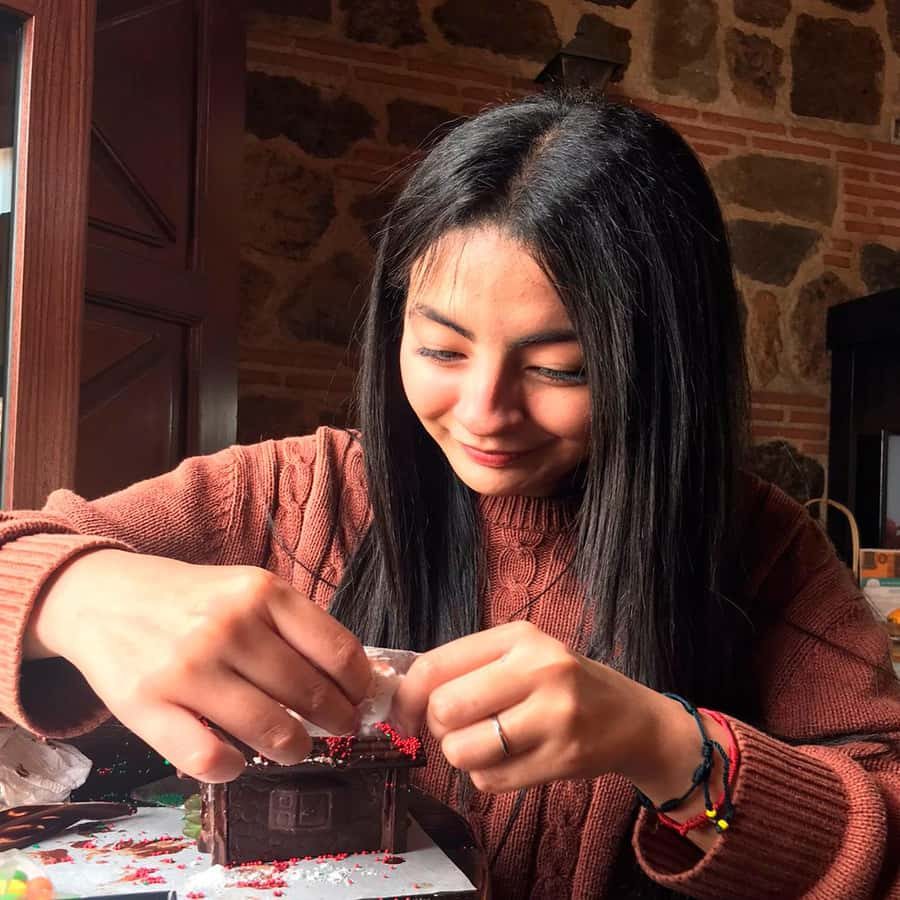
- You make chocolate from bean to bar: Sort, roast, shell, grind, and mold the cacao yourself.
- The Mayan story comes first: The workshop explains the origin, importance, and uses of cacao in Mayan times.
- The tasting follows the process: You sample Guatemalan aroma cacao as its smell and flavor develop.
- Your chocolate bar is included: Materials, tastings, and the bar you prepare are covered in the $32 price.
- The class lasts about 1.5 hours: It fits neatly into a morning or afternoon in Antigua.
- Spanish is the teaching language: Translation support may be possible, but confirm your needs before booking.
A chocolate lesson one step at a time
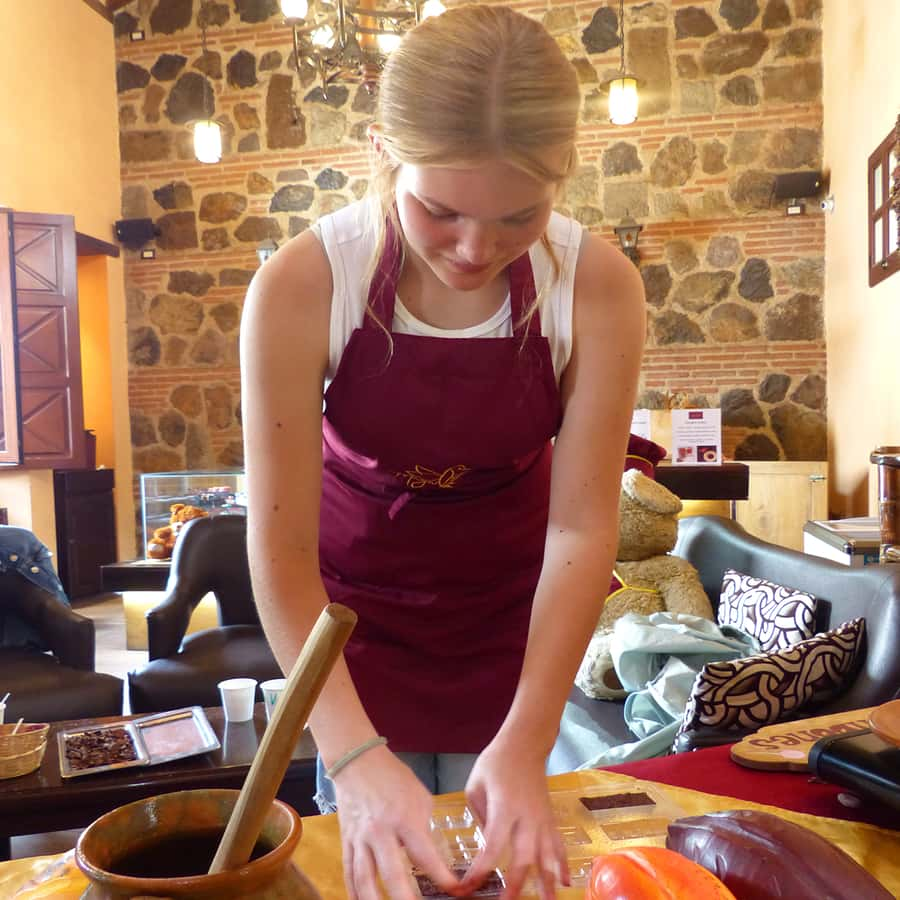
At Maya Cacao Chocolates, the experience begins with context rather than a mixing bowl. You learn about cacao during the time of the Mayans, including its origin, importance, and uses. This matters because chocolate can seem like a modern sweet until you see the long chain of work behind it.
The workshop then turns practical. You use your sight, smell, touch, taste, and hearing as you work through the different cacao stages. It is a simple idea, but a good one. Instead of treating flavor as something only your tongue can detect, the class asks you to notice the whole ingredient.
You will learn to sort the beans before roasting them. Then you roast and shell them, removing the outer covering so the usable cacao remains. Finally, you grind the beans and form the chocolate bar you take home.
That sequence gives you a clear sense of the labor involved. It also keeps the class from becoming a passive demonstration. You are not just watching an instructor prepare chocolate while you wait for samples. You take part in the main tasks.
More Chocolate Making Workshops in the world:
- Vienna: Chocolate Workshop in Chocolate Museum w/ Tasting
★ 4.5 · 1,802 reviews - Brussels: Belgian Chocolate Making Workshop with Tastings
★ 4.7 · 1,629 reviews - Brussels: 2.5-Hour Belgian Chocolate Making Workshop
★ 4.8 · 933 reviews
What the Mayan cacao introduction adds
The opening lesson is short, but it gives the tasting more meaning. Cacao was important in Mayan life, and learning about its older uses helps you see it as more than a dessert ingredient.
You do not need a specialist interest in archaeology or food history to enjoy this part. The value is practical: after the introduction, you have a better reason to pay attention to the bean before it becomes a bar.
The class presents cacao as a product with a process and a past. That is useful for anyone comparing this workshop with a standard chocolate-making class. Here, the chocolate is tied directly to Guatemala and to the cultural role of cacao.
Why the five-senses tasting works
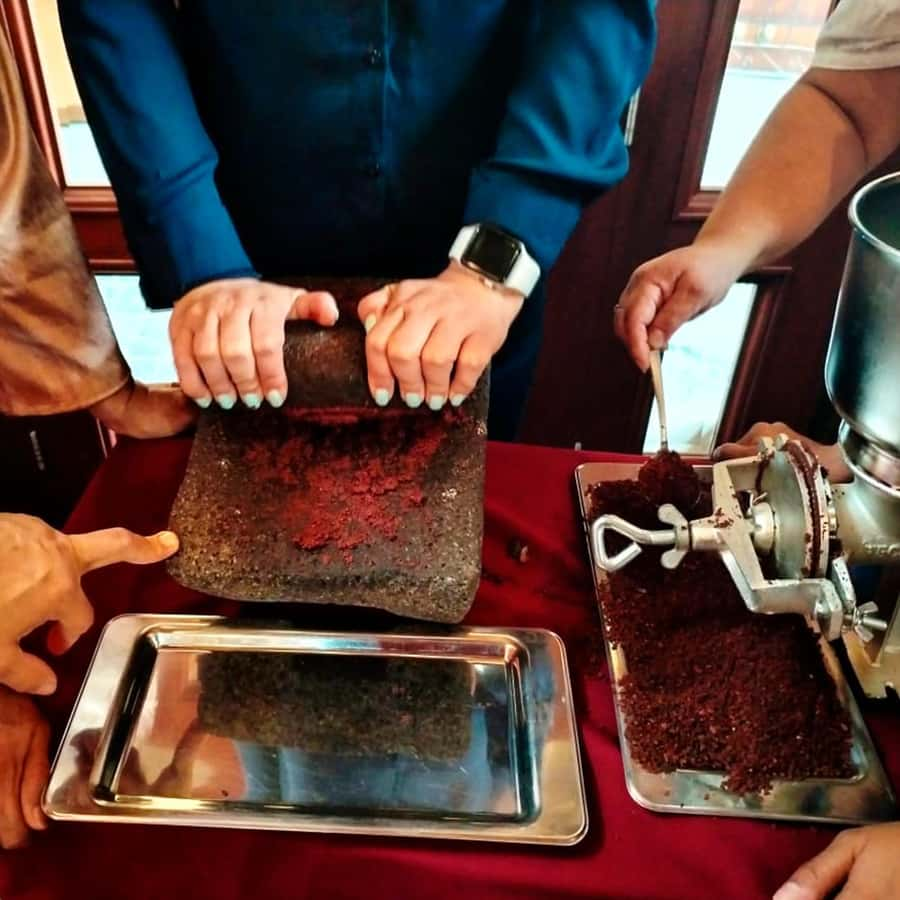
The tasting is built around Guatemalan aroma cocoa at different stages. You can expect to smell and taste the ingredient as it changes from bean to roasted cacao and then toward chocolate.
This is one of the strongest parts of the experience because it gives you a way to compare stages instead of judging only the finished product. Roasting affects aroma. Shelling changes what remains in the mixture. Grinding turns a rough ingredient into something smoother and closer to the chocolate you recognize.
I like this approach because it slows you down. You are encouraged to notice the smell before tasting, then pay attention to how the flavor feels on your palate. The experience is playful, but it is also a useful introduction to how chocolate is made.
The description promises a heart-racing chocolate moment, but the more important benefit is simpler: you get to understand the ingredient with your senses. If you already enjoy chocolate, this adds detail to something familiar. If you are bringing children old enough for the class, it gives them a task-based way to learn.
Roasting, shelling, and grinding your own cacao
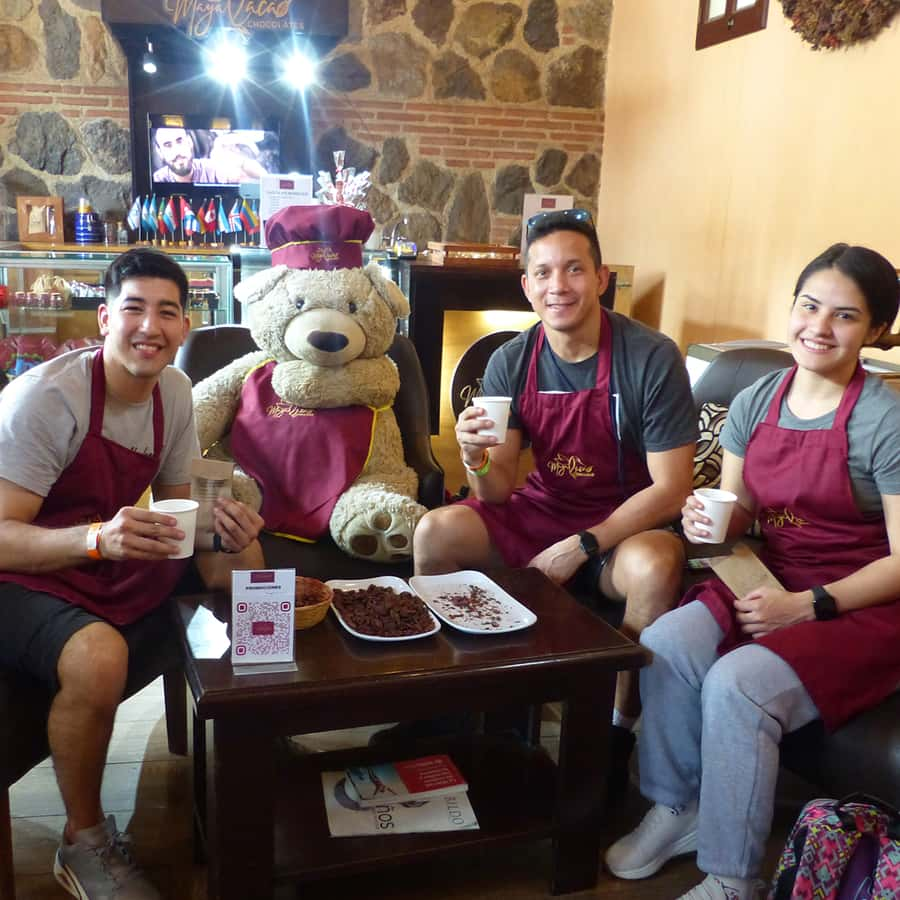
The hands-on work is the reason to choose this activity over a basic tasting. You sort the beans, roast them, shell them, grind them, and form the bar.
Roasting is a key turning point. It brings out the aroma that makes cacao recognizable, and it lets you see how heat changes the raw ingredient. Shelling is more physical and methodical. You remove the outer layer before working with the cacao itself.
Grinding is the most satisfying stage for many people because the texture begins to change in front of you. You move from beans to a chocolate mixture, then shape that mixture into your own bar.
The workshop does not promise a large production session, and the total class time is about 1.5 hours. That is a sensible length for a compact food activity. You get enough time to work through the steps without giving up an entire day of sightseeing in Antigua.
The finished bar is not just a sample handed to you by the shop. It is the result of your own work. That makes it a better souvenir than a packaged bar, even if the shape is not perfect.
More Chocolate Tours in the world:
- Lindt Home of Chocolate Museum Entry Ticket
★ 4.7 · 9,329 reviews - Choco-Story Brussels: Chocolate Museum Entrance with Tasting
★ 4.3 · 4,883 reviews - Zurich: City Tour, Cruise, and Lindt Home of Chocolate Visit
★ 4.5 · 4,624 reviews - The Chocolatarium Chocolate Tour Experience in Edinburgh
★ 5.0 · 4,322 reviews
The instructors and the language question
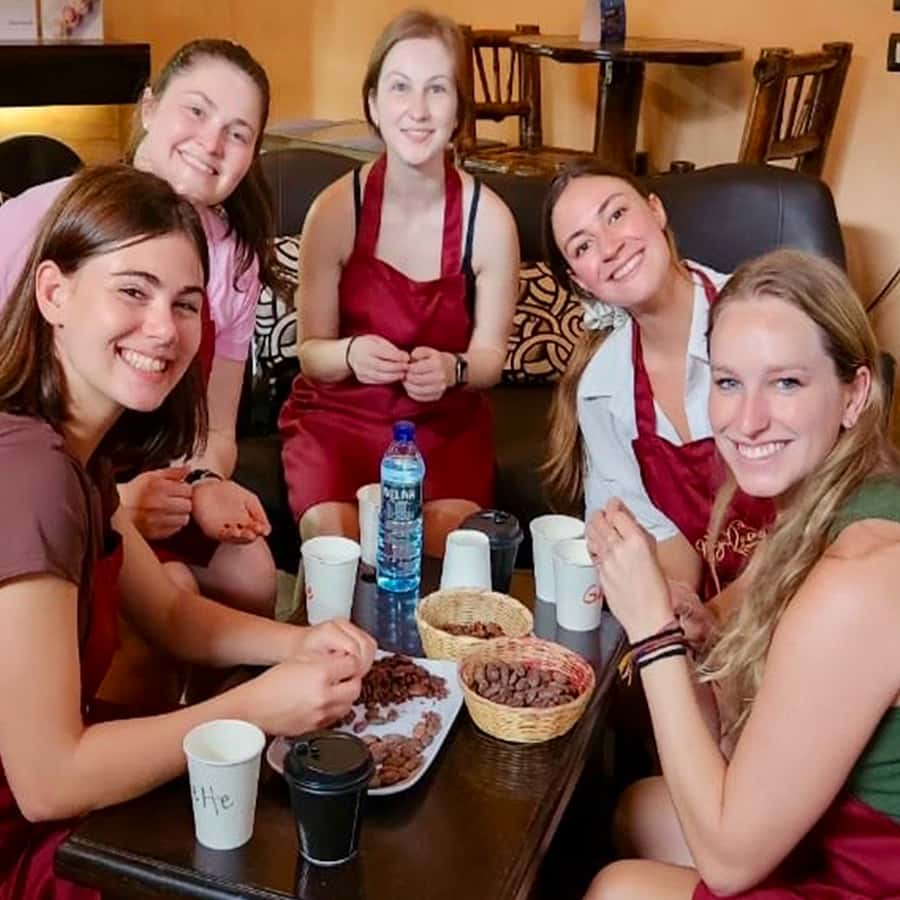
The teaching language is Spanish. That is the clearest limitation for English-speaking visitors, so plan around it rather than assuming the class will be bilingual.
At the same time, language need not automatically rule it out. Ingrid helped a family whose members did not speak Spanish by using patience, interaction, and translation help. Andrea also guided an English-speaking couple through the process with Google Translate and written information.
That tells you the workshop can be workable for some non-Spanish speakers, especially when you are comfortable with a few translated instructions and hands-on learning. Still, the available information does not promise an English-language instructor. If detailed explanations are important to you, contact Maya Cacao Chocolates before booking.
Several instructors are associated with the class. Ingrid is noted for being patient and interactive. Andrea explained each stage from sorting through molding. Bea is described as friendly and willing to expand her explanations when needed. The exact instructor may depend on the day.
For Spanish speakers, the language issue disappears, and you can focus fully on the cultural explanation and the chocolate work.
Finding the mustard-colored house in Antigua
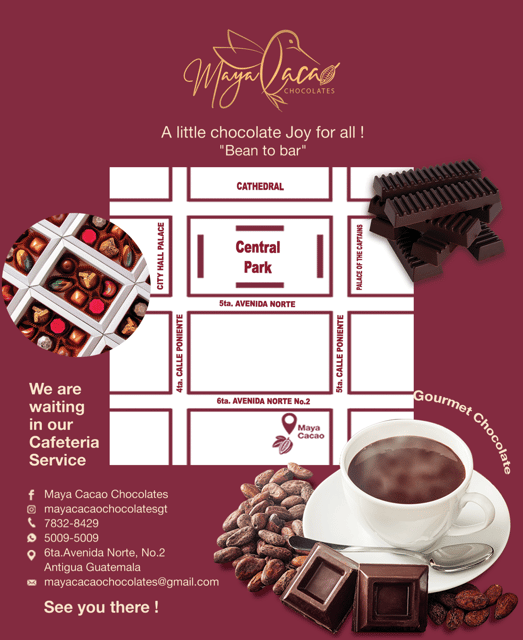
The meeting point is at 6a Avenida Norte 6, one block from Parque Central. Look for a mustard-colored house on 6ta Avenida Norte. A teddy bear at the door welcomes you and helps identify the entrance.
That landmark is useful, but directions deserve care. The meeting point is central, yet one participant specifically found the arrival instructions in need of improvement. I would save the address and allow a few extra minutes to locate the correct door.
The central location makes the workshop easy to pair with time around Parque Central and the nearby streets of Antigua. No transport is listed as part of the activity, so plan to reach the address on your own.
The class is a private group experience. That can make the hands-on work more comfortable because the activity is not described as a large public demonstration. It also means the session may suit families or small parties who want to work at their own pace.
What the $32 price includes
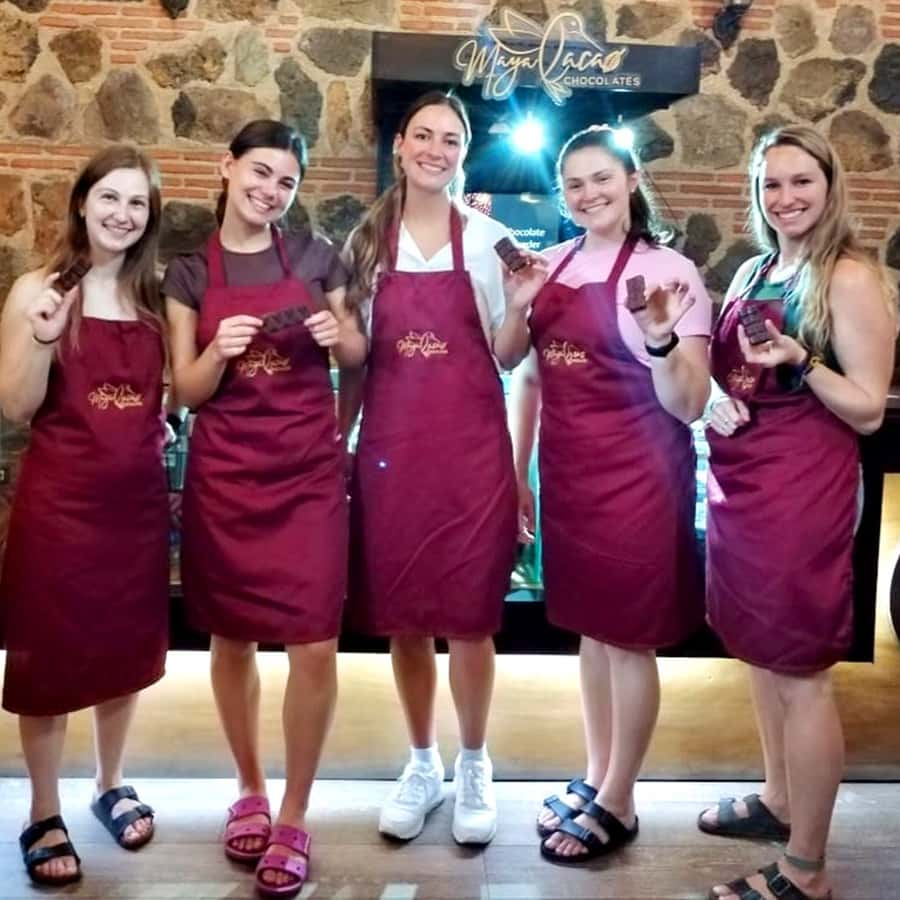
The cost is $32 per person. For that price, you receive the workshop, materials, tastings, and the chocolate bar you make.
I see reasonable value here because the fee covers both instruction and the consumable parts of the activity. You are paying for a cultural introduction, a guided food lesson, multiple tasting stages, and a take-home item.
The bar itself is not the only measure of value. Buying a chocolate bar would cost less, but it would not show you how the cacao is sorted, roasted, shelled, and ground. If you prefer activities that teach you something while giving you a souvenir, this price is easier to justify.
There is also a 5% discount on the entire store. The discount may be useful if you want to buy additional chocolate after the class, but the information does not specify which products are available or how much they cost.
Who will enjoy this workshop most
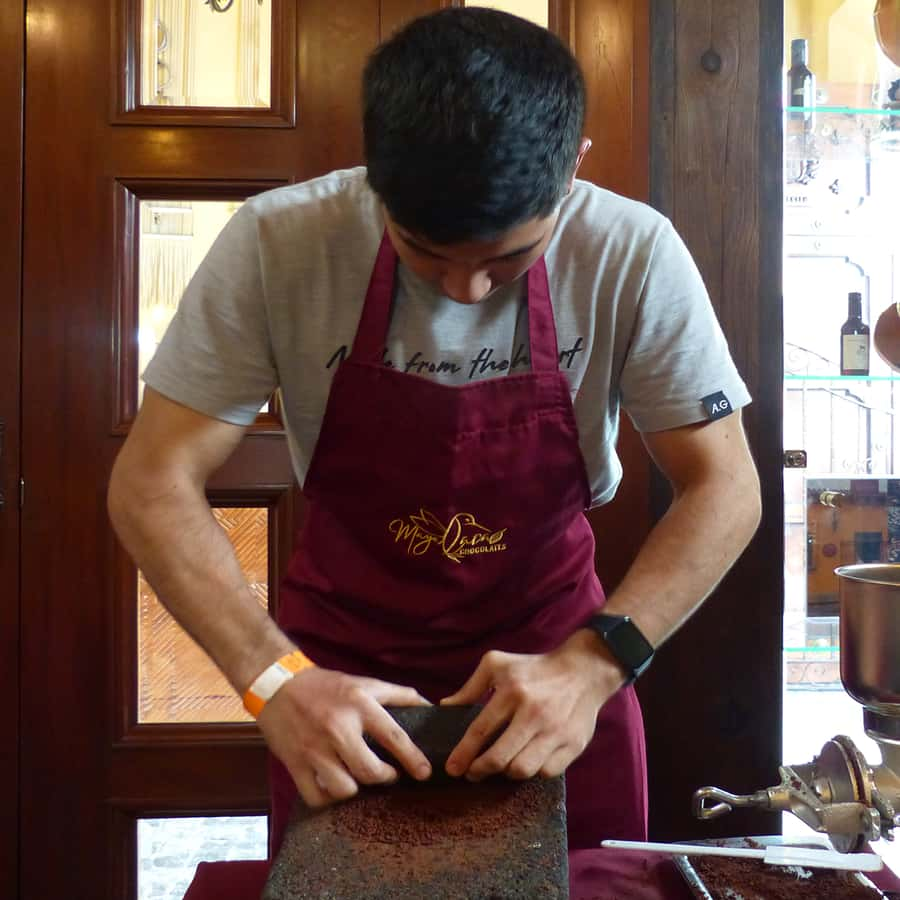
This is a good match for food lovers who want more than a quick tasting. It also suits families with children aged seven and above, since the work is physical and sensory rather than lecture-heavy.
The activity is not suitable for children under seven. Keep that rule in mind when planning a family day in Antigua.
I would also recommend it to visitors who want a short activity between other plans. The class lasts about 1.5 hours, so it does not take over your day. The one-day validity means you select an available starting time rather than treating it as an all-day outing.
Spanish speakers will get the most from the explanations. English speakers can still manage with translation tools and written support, but I would not book this expecting a fully English-led lesson.
The experience is wheelchair accessible, which removes one common concern for visitors who need step-free access. The provided information does not give further details about the entrance or work surfaces, so ask ahead if you need specific accessibility arrangements.
Small drawbacks worth weighing
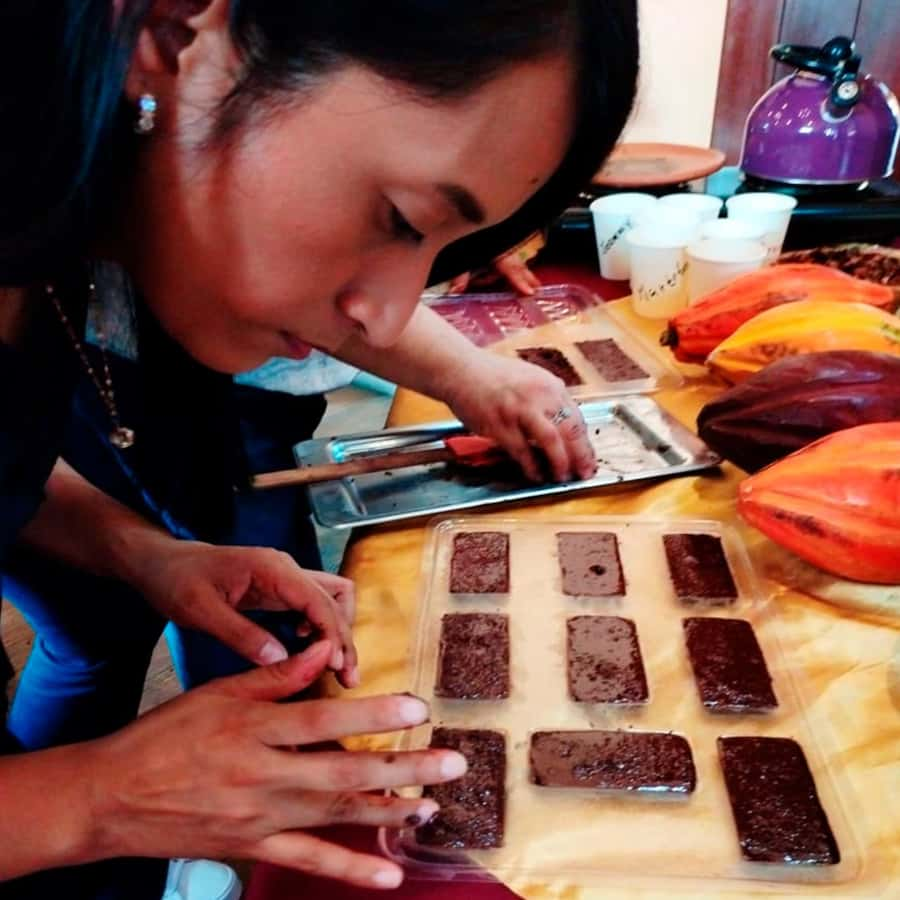
The first drawback is the Spanish-only instruction. Translation helped some non-Spanish speakers, but that support may vary with the instructor and group. You should be comfortable with a little improvisation if you do not speak Spanish.
The second is the meeting point. It is near Parque Central and has a clear mustard-colored house and teddy bear marker, but the directions have caused some confusion. Save the exact address and arrive early.
The third is the limited length. One and a half hours is enough for a focused workshop, not an extended cacao course. If you want detailed lessons on farming, fermentation, or commercial production, those subjects are not listed as part of the activity.
Those limits do not weaken the main idea. They simply help you book it for the right reason: a compact, hands-on chocolate session with a Mayan cacao introduction.
Booking flexibility and practical planning
You can cancel up to 24 hours ahead for a full refund. You can also reserve now and pay later, which helps if your Antigua schedule is still changing.
The experience is available on selected starting times, so check availability for your chosen date. It is valid for one day, not a multi-day pass.
The group type is private, and the activity is offered in Spanish. Bring a phone if you may need translation help. Google Translate was useful for at least one couple, and written information helped explain the steps.
I would also leave room in your schedule after the class if you want to use the 5% shop discount. The discount applies to the entire store, not only to a single chocolate item.
Should you book the Maya Cacao workshop?
Book it if you want to work with Guatemalan cacao rather than simply eat chocolate. The strongest reasons are the bean-to-bar process, the five-senses tasting, the Mayan context, and the bar you prepare yourself.
It is especially suitable for Spanish speakers, families with children seven and older, couples, and anyone looking for a short private activity near Parque Central. English speakers can enjoy it too, but should expect to use translation support rather than receive guaranteed English instruction.
Skip it if you need a fully English-language class or want a long technical course about cacao farming and production. For a $32, 1.5-hour experience, though, it offers a clear connection between Guatemalan cacao, local culture, and your own hands. That is a fair trade for a chocolate bar you can honestly call your own.
FAQ
Where does the chocolate workshop take place?
It takes place at 6a Avenida Norte 6 in Antigua Guatemala, in Guatemala’s Sacatepéquez Department.
How do I find the meeting point?
The meeting point is one block from Parque Central on 6ta Avenida Norte. Look for a mustard-colored house with a teddy bear at the door.
How long does the workshop last?
The workshop lasts about 1.5 hours.
What will I do during the class?
You learn about cacao in Mayan times, then sort, roast, shell, and grind cacao before forming your own chocolate bar.
Is the chocolate bar included?
Yes. Materials, tastings, and the chocolate bar you make are included.
How much does the experience cost?
The price is $32 per person.
What language is the workshop in?
The instructor teaches in Spanish.
Can people who do not speak Spanish join?
Yes, non-Spanish speakers have used Google Translate and written information, and Ingrid has helped families with translation. English instruction is not guaranteed.
Is the workshop suitable for children?
Children under seven are not permitted. The experience may suit older children, especially those interested in hands-on food activities.
Is the activity wheelchair accessible?
Yes, the activity is listed as wheelchair accessible.
Can I cancel the booking?
You can cancel up to 24 hours in advance for a full refund.
Can I reserve without paying immediately?
Yes. You can reserve now and pay later, which keeps your plans flexible.
Newest chocolate tours around the world
- Lindt Chocolate Museum with Cruise Transfer from Zurich★ 4.6 · 7 reviews
- Zurich Open-top Tour and Chocolate and Cheese Countryside★ 3.5 · 11 reviews
- Zurich: Chocolate Tasting and Walking Tour with a Local★ 4.2 · 13 reviews
- York: Introduction to Chocolate Making Experience★ 4.9 · 10 reviews
- Zagreb: Lake Bled and Ljubljana Day Tour with Chocolate Gift★ 5.0 · 26 reviews
- Zaandijk-Near Zaanse Schans Chocolate making demo & tasting★ 4.8 · 13 reviews
- Private Wine and Chocolate Tasting Experience★ 4.4 · 3 reviews
- Yarra Valley: Wine and Chocolate tasting tour.★ 5.0 · 5 reviews
Chocolate Making Workshops, compared.
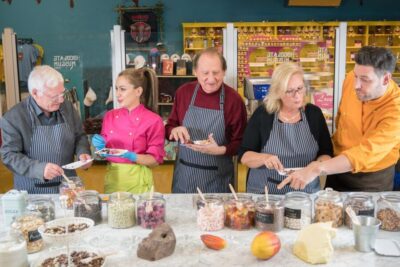
Chocolate Workshop in Chocolate Museum w/ Tasting
Read our review →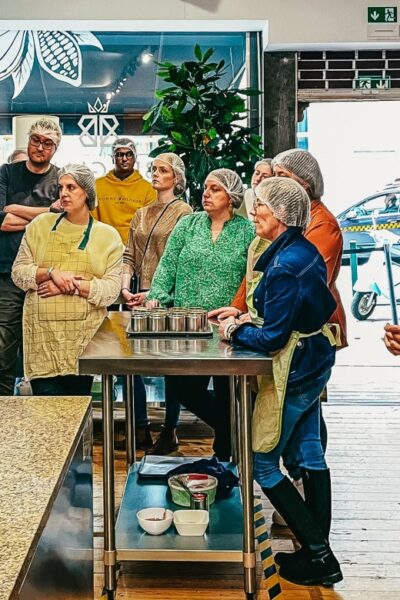
Belgian Chocolate Making Workshop with Tastings
Read our review →
Belgian Praline and Mendiants Chocolate Workshop
Read our review →
1.5h Belgian Chocolate Workshop in Brussels (bean to bar)
Read our review →
45-minute Chocolate Making Workshop at Choco-Story
Read our review →
Chocolate Bar Making Workshop at York Cocoa Works
Read our review →
Bean to Bar Chocolate Workshop in Puerto Vallarta
Read our review →Browse the lists this tour appears in