
Review · CACAO FARM TOURS
Guayaquil to Cuenca one-way tour with Cajas Park and a Cacao Farm visit
The best part of this Guayaquil to Cuenca transfer is that the road becomes the day’s main event. Instead of trading a coastal city for a mountain city in one dull hop, you stop at a family cacao farm, sample fruit, eat lunch with Andean views, and hike in Cajas National Park.
I like the close look at fresh cacao pulp and small-scale chocolate making, and I like that the Cajas stop is flexible enough for a proper walk rather than a quick roadside photo. The main catch is altitude: Cajas reaches roughly 11,000 feet, and cold wind can make a planned hike feel harder than expected.
Key points to know before you go
- Fresh cacao comes first: Taste the sweet pulp around the beans and see how cacao begins its journey toward chocolate.
- Cajas is more than a viewpoint: The stop at Laguna La Toreadora includes time to walk through high moorland and Polylepis forest.
- The guide makes the difference: Wilson, Javier, and Louis have been praised for patient explanations, good English, and useful Cuenca advice.
- This is a one-way sightseeing transfer: You finish at your Cuenca hotel or chosen address, not back in Guayaquil.
- Bring layers for 11,000 feet: Cajas can be cold and windy even when Guayaquil feels warm.
- The $73.99 price buys more than a seat: Transportation, guiding, hotel pickup and drop-off, and the sightseeing stops are built into the day. A $3 cacao farm fee is extra.
Why this road trip beats a plain bus ride
The trip from Guayaquil to Cuenca is not just a change of cities. It is a change in Ecuador’s climate, crops, and scenery. You leave the warmer lowlands, pass through agricultural country, and climb into the southern Andes.
A standard bus can cost less. One review specifically noted that a public bus was comfortable and safe at about $8 per person, but also described it as uninteresting. That is the tradeoff in a nutshell. The bus gets you there. This tour gives the journey a purpose.
At $73.99 per person, the value depends on how you view the transfer. If you only need the cheapest ride, it is not the bargain choice. If you want transportation, a bilingual guide-driver, lunch when selected, several local stops, and delivery to your Cuenca accommodation, the price is easier to justify.
For groups of one to five, the bilingual guide also drives. Larger groups receive both a driver and a bilingual guide. That setup matters because a guide who is driving may offer commentary in a practical, stop-and-go way rather than giving a long talk while the vehicle is moving.
The experience lasts about six to eight hours. That is a long day, but it is also a full travel day with sightseeing included. You should not book it expecting a quick transfer.
More Cacao Farm Tours in the world:
- Lahaina: Maui Ku’ia Estate Guided Cacao Farm Tour and Tasting
★ 5.0 · 1,103 reviews - Award Winning Farm Tour: Coffee, Chocolate and Unique Gifts
★ 5.0 · 484 reviews - Lahaina: Maui Ku’ia Estate Guided Cacao Farm Tour & Tasting
★ 4.8 · 137 reviews
Cacao Loma: tasting the fruit before chocolate
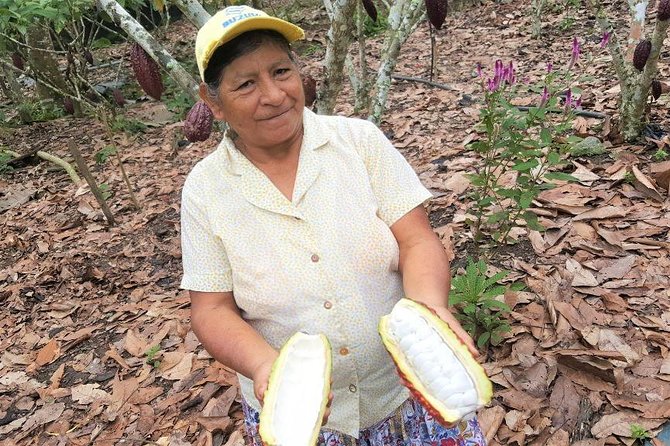
The first stop takes you to Cacao Loma, a local family farm where cacao is the main crop. You may also see breadfruit, coffee, passionfruit, pineapple, and other plants growing on the property.
The most memorable part is tasting the fresh cacao pulp around the beans. Most people know chocolate as a finished product, not as a fruit. The pulp is sweet and soft, while the beans themselves are the raw material that later becomes chocolate.
You also get an introduction to craft chocolate making. The guide explains cacao’s role in Ecuadorian life, local customs, and the basic steps between pod and chocolate. The visit is short, about 30 minutes, so keep your expectations realistic. This is a personal farm visit and demonstration, not a full factory tour with a long production line.
The $3 cacao farm fee is not included. It is a small extra charge, but you should add it to your budget. Lunch is also included only if you select the option that includes it, so check the booking choice carefully.
The farm visit may not always look exactly the same. One account describes the guide arranging a visit with a nearby farmer when the usual farm owner was not available. That flexibility can lead to a very personal encounter, but it also means you should think of the stop as a local agricultural visit rather than a fixed museum-style attraction.
Tamarindo fruit market and the taste of Ecuador
The next stop, Puente de las frutas de Tamarindo, lasts about 15 minutes. It is brief, but it adds something the cacao farm cannot: a taste of daily food culture.
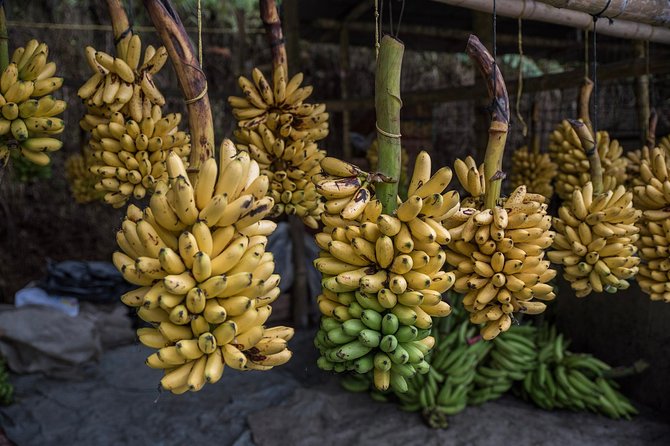
You can sample local fruit if you wish. Options named for the stop include bananas, mandarins, coconut, dragon fruit, and passionfruit. The useful lesson here is that fruit eaten close to where it grows can taste very different from fruit that has spent days in storage or transit.
Your guide can help identify the fruits and explain how they fit into local life. This is a good stop for curious eaters, though it is not long enough to function as a full market visit. If you want to buy something, keep the timing in mind and ask the guide what is practical.
The market also breaks up the drive. After a morning in the vehicle, even a short stop to walk around, look at produce, and taste something fresh can make the rest of the journey easier.
Lunch with trout and mountain views
The restaurant stop lasts about an hour. Trout is the specialty, but vegetarian and vegan choices are available. Tell the tour operator about dietary needs when booking, and remind the guide at the start of the day if necessary.
This meal is valuable for two reasons. First, it gives you a proper break during a long transfer. Second, it puts you in a mountain setting before the road climbs higher toward Cajas.
The restaurant is described as local rather than formal. That suits the trip. You are not stopping at a polished tourist complex. You are taking a practical meal break with views of the Andes and food suited to the region.
If lunch is included in your selected option, it improves the overall value of the tour. If you choose an option without lunch, confirm how the meal is handled so you are not surprised by the arrangement.
More Chocolate Tours in the world:
- Lindt Home of Chocolate Museum Entry Ticket
★ 4.7 · 9,329 reviews - Choco-Story Brussels: Chocolate Museum Entrance with Tasting
★ 4.3 · 4,883 reviews - Zurich: City Tour, Cruise, and Lindt Home of Chocolate Visit
★ 4.5 · 4,624 reviews - The Chocolatarium Chocolate Tour Experience in Edinburgh
★ 5.0 · 4,322 reviews
Laguna La Toreadora and the high country of Cajas
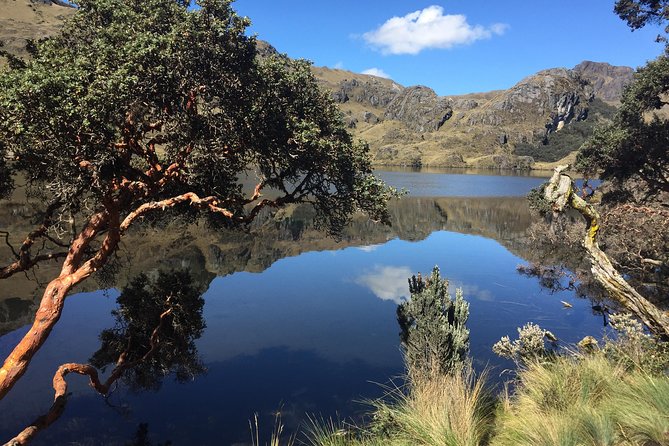
Cajas National Park is the day’s big scenery stop. The park protects a high-altitude lake system and supplies much of Cuenca’s water. At Laguna La Toreadora, the tour makes room for a hike suited to your fitness level.
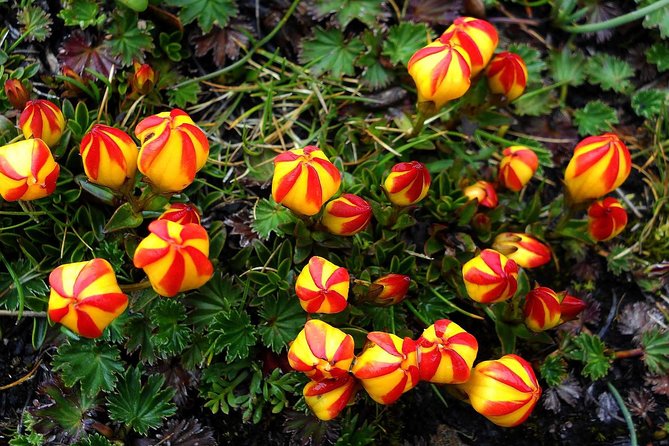
The setting changes quickly as you climb. The warm, productive lowlands give way to open moorland, dark water, unusual high-altitude plants, and native Polylepis forest. Polylepis trees are especially interesting because they grow at heights where many visitors expect only grass and rock.
You are not confined to a single lookout. The plan allows time to walk, and one account describes hiking for about an hour along an Inca trail from one point to another, with the guide meeting the group at the end. That kind of route can feel more rewarding than walking in a small circle near a parking area.
The hike is not a technical mountain trek, but altitude changes the equation. A reviewer who had planned to spend time near the pass chose not to stay long because of cold weather and elevation. That is good advice for everyone. Move at your own pace, drink water, and do not treat the hike as a test of willpower.
Wind is common in the park, so pack a warm layer even if Guayaquil is hot when you leave. A waterproof outer layer is also sensible, though the supplied information does not promise any particular weather conditions.
The guide can adjust the walk to your fitness. That is one of the tour’s strong points. You get the chance to explore without being forced into a long hike that does not suit you. Still, you should be comfortable walking outdoors and handling uneven ground.
The guides shape the whole experience
The guide is especially important on a transfer like this because the day includes four different kinds of stops. You want someone who can explain farming at the cacao visit, point out local foods, make the mountain route feel meaningful, and keep the day moving.
Wilson has been praised for being friendly, patient, and helpful during the hike. He also explained the full plan at the start of the day, which is exactly what you want when a six to eight hour transfer includes several stops.
Javier, the company founder, brings experience in Ecuadorian history, plants, animals, and local culture. He has also helped visitors with Spanish and offered recommendations for Cuenca. Louis Gonzales has been described as patient and well informed, with strong English and a gift for explaining the country during the drive.
These personal details matter more than a long list of included features. A good guide can turn a cacao pod into a lesson about farming and turn a cold mountain pass into a meaningful look at Ecuador’s water supply and highland ecology.
The guide’s language ability is also worth noting. The tour is bilingual, but the exact experience depends on who is assigned and on the group. For one to five passengers, the same person serves as driver and guide, so conversation may pause while attention shifts to the road.
Comfort, timing, and the one-way setup
The vehicle is described as comfortable, safe, and professionally handled. The tour includes transportation, a licensed guide-driver, and hotel pickup and drop-off. Pickup begins at Avenida 12 SE 1206 in Guayaquil, with the operator also offering pickup details for the trip.
At the Cuenca end, you can be dropped at your hotel or another location of your choice within the city. That makes the tour useful if you are moving hotels or continuing your visit from a particular address.
This is a one-way service from Guayaquil to Cuenca, or in the opposite direction. Do not book it if you need a return to your starting point on the same day.
The tour requires at least two people to operate as a shared service, though the activity itself is private to your group. The information also notes that it is near public transportation and that most people can take part. Exact walking conditions, however, still depend on your comfort with altitude and outdoor paths.
You need to provide each participant’s passport name, number, and nationality at booking. Dietary requirements should also be given in advance.
Who should book this transfer?
I would choose this tour if you want to make a travel day count. It suits visitors who have limited time in Ecuador, want to see Cajas without arranging a separate Cuenca excursion, or prefer a guided road journey to an airport or bus terminal.
It is a particularly good fit for:
- First-time visitors who want context along the route
- People interested in food, farming, and cacao
- Couples, families, or small groups seeking a private experience
- Hikers who want a short, flexible walk in Cajas
- Visitors who value hotel-to-hotel transport
- Anyone who wants practical Cuenca advice before arriving
I would think twice if your top priority is the lowest possible transport cost, a quick arrival, or a low-altitude day. The drive is long, and the Cajas portion can be cold and physically demanding.
You should also be comfortable with a flexible local experience. The cacao visit may involve a nearby farmer rather than a fixed commercial attraction. That can be a strength if you want direct contact with local agriculture, but it may disappoint anyone expecting a polished chocolate museum.
Is $73.99 good value?
At $73.99 per person, this is not simply a car service. You are paying for the driver-guide, route planning, stops, Cajas access, hotel drop-off, and the chance to see places you would otherwise pass from a bus window.
The value improves when lunch is selected and when you would otherwise pay for separate transportation and a Cajas visit after reaching Cuenca. It is also stronger for a small private group that wants flexibility.
Remember the extras. The cacao farm charges $3 per person, and lunch depends on the selected option. Free cancellation is available until 24 hours before the start time, but changes or cancellations inside that period are not accepted.
Should you book it?
Book this tour if you see the road from Guayaquil to Cuenca as part of your Ecuador trip, not as dead time between two hotels. The cacao tasting, fruit stop, Andean meal, and Cajas hike give the day real variety, while guides such as Wilson, Javier, and Louis add useful local explanation.
Skip it if you want the cheapest ride or if high altitude and cold weather are a serious concern. For everyone else, this is a smart way to connect the coast and the Andes while adding experiences that would be difficult to fit into a plain transfer.
FAQ
How long does the Guayaquil to Cuenca tour take?
The trip takes approximately six to eight hours, depending on the route, stops, and conditions during the day.
Is this a one-way tour?
Yes. It operates as a one-way trip from Guayaquil to Cuenca, or in the opposite direction.
Where does the tour end in Cuenca?
You can be dropped at any hotel or location of your choice within Cuenca.
Is hotel pickup included?
Hotel pickup and drop-off are included. The listed Guayaquil meeting point is Avenida 12 SE 1206.
Is lunch included?
Lunch is included only when you select the option that includes it. The meal stop offers trout along with vegetarian and vegan choices.
Is the cacao farm fee included?
No. The cacao farm fee is $3 per person.
What happens at the cacao farm?
You visit a local family farm, learn about cacao growing and processing, taste fresh cacao pulp around the beans, and see a craft chocolate demonstration.
Can I hike in Cajas National Park?
Yes. The tour includes a hike near Laguna La Toreadora, adjusted to your fitness level.
Is Cajas National Park cold?
The supplied information notes that the park can be cold and windy, particularly near the high pass at roughly 11,000 feet. Warm clothing is recommended.
How many people are needed for the tour to operate?
A minimum of two people is required for shared tours. For one to five passengers, the bilingual guide also drives. Groups larger than five receive both a driver and a bilingual guide.
Newest chocolate tours around the world
- Bohol Chocolate Making and Farm Tour★ 5.0 · 2 reviews
- Big Island Hawaii: Craft Chocolate Tasting and Farm Tour★ 5.0 · 14 reviews
- Bogotá: Candelaria Tour with Cacao and Coffee Workshop★ 5.0 · 3 reviews
- Bordeaux: Chocolate and Pastry Food Tasting Tour★ 4.9 · 40 reviews
- Bern: Gruyères Cheese and Cailler Chocolate Tasting Tour★ 4.7 · 3 reviews
- Barossa: Enjoy Wine, Lunch, Brewery, Chocolate & Wildlife★ 4.5 · 26 reviews
- Chocolatier for a day: raw bean to bar chocolate in Modica★ 5.0 · 33 reviews
- Barcelona: Delicious Chocolate walking tour★ 5.0 · 2 reviews
Cacao Farm Tours, compared.
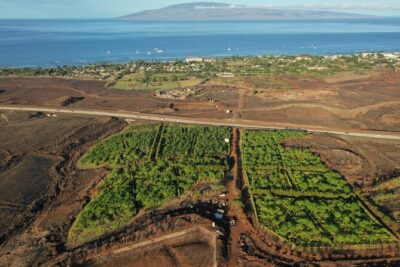
Maui Ku’ia Estate Guided Cacao Farm Tour and Tasting
Read our review →
Award Winning Farm Tour: Coffee, Chocolate and Unique Gifts
Read our review →
Boti Falls, Umbrella Rock, Aburi Gardens & Cocoa Farm Tour
Read our review →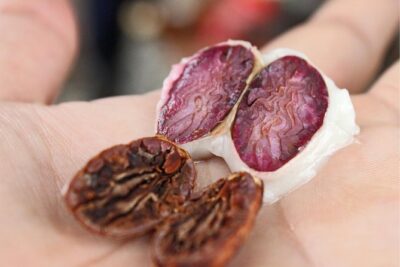
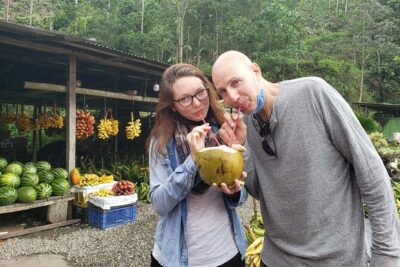
Cuenca to Guayaquil one-way tour with Cajas Park and a Cacao Farm visit
Read our review →
Floating Market, Canal, Cacao Farm & Mekong’ Life
Read our review →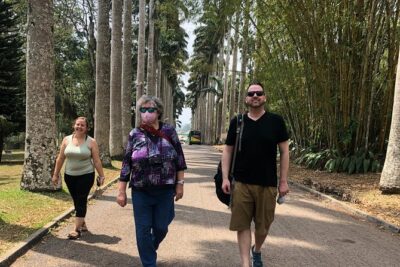
Experience Boti Waterfalls, Aburi Botanical Gardens & Tetteh Quarshie Cocoa Farm
Read our review →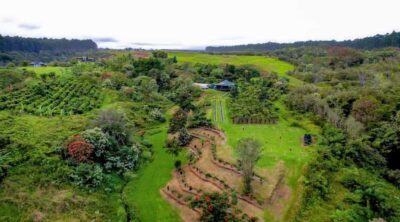
Big Island Hawaii: Craft Chocolate Tasting and Farm Tour
Read our review →Browse the lists this tour appears in