
Review · CHOCOLATE MAKING WORKSHOPS
Chocolate Workshop in Cusco with Premium Organic Cacao
Cusco’s best evening treat may be the one you make yourself. In this hands-on chocolate workshop, you work with organic Chuncho cacao from the Sacred Valley, prepare ganache and hot chocolate, and shape about 21 pralines plus 10 mendiants to take home.
I like the personal instruction, especially when the guide is as lively as David, Abelardo, or Randy. I also like the sunset view over Cusco, which turns a simple cooking class into a pleasant way to spend an evening.
The main limitation is worth knowing: this is a chocolate-making class, not a bean-to-bar lesson. You melt prepared chocolate and make fillings and toppings, but you do not roast or process cacao beans yourself.
Key Points to Know Before You Book
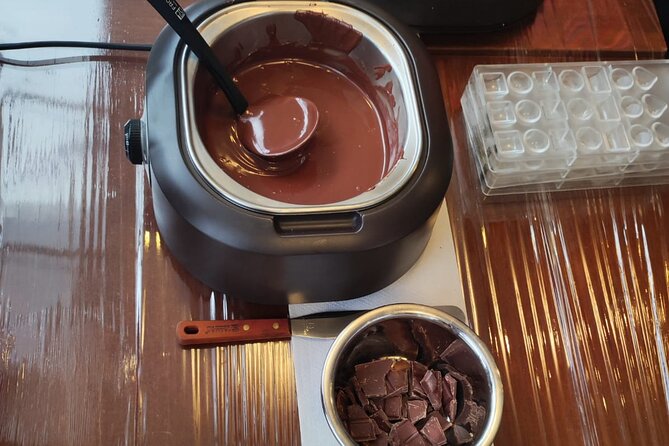
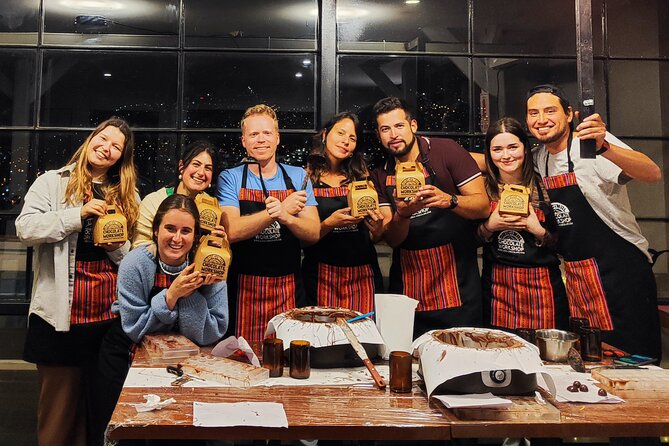
- You make a generous amount of chocolate: Expect around 21 pralines and 10 mendiants, packed in a personalized box.
- The cacao has a local connection: The class uses organic, artisanal Chuncho cacao from the Sacred Valley of the Incas.
- The 5:00 pm start adds atmosphere: The class can line up with evening light and views over Cusco.
- The instruction is active: You prepare ganache, hot chocolate, fillings, and finished bonbons rather than simply watching a demonstration.
- The group can include up to 15 people: That is small enough for personal guidance, though the level of attention may vary with group size.
- It suits older children: Children age 12 and up may join, and service animals are allowed.
Why This Cusco Chocolate Class Is More Than a Tasting
Chocolate is not just a sweet souvenir in Peru. Cacao has a long connection with the region, and this workshop gives you a short introduction to that story before the practical work begins.
You start with the background of chocolate and its place in local culture. The focus then shifts to Chuncho cacao, a prized variety associated with the Cusco area and the Sacred Valley. The class uses 100 percent organic, artisanal Chuncho cacao, giving the activity a clear local identity instead of treating chocolate as a generic imported product.
I appreciate that balance. You learn enough context to understand what you are working with, but the class does not spend the full evening in a lecture. The real point is to put on an apron, handle the chocolate, choose your fillings, and see what comes out.
The workshop also uses Belgian-style methods. That brings a European technique to a Peruvian ingredient, especially through the pralines, mendiants, and ganache. If you enjoy food experiences that connect local products with outside traditions, this combination is the heart of the class.
More Chocolate Making Workshops in the world:
- Vienna: Chocolate Workshop in Chocolate Museum w/ Tasting
★ 4.5 · 1,802 reviews - Brussels: Belgian Chocolate Making Workshop with Tastings
★ 4.7 · 1,629 reviews - Brussels: 2.5-Hour Belgian Chocolate Making Workshop
★ 4.8 · 933 reviews
Entering the Workshop on Pasñapakana Street
The meeting point is at C. Pasñapakana 133 in central Cusco. The activity begins at 5:00 pm and ends back at the same location after about two and a half hours.
That timing works well for an evening in Cusco. You can spend the afternoon sightseeing, return to your lodging for a rest, and then head to the workshop. If altitude is still bothering you, a seated cooking class is a gentler choice than another uphill walk or long outing.
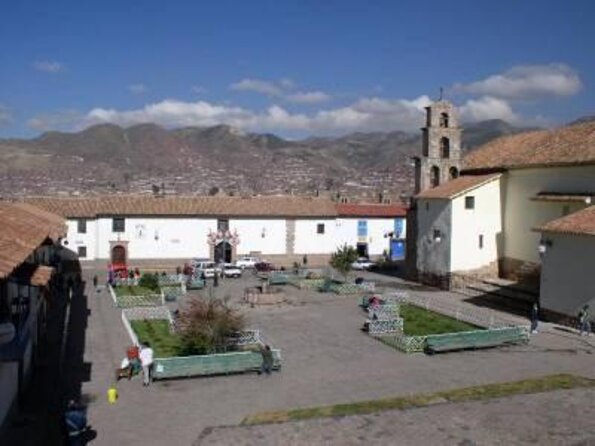
The setting is part of the appeal. The workshop has views over Cusco, and the evening timing may bring sunset light and then a view of the city after dark. Several guides and participants have highlighted the outlook, so I would try to arrive with enough time to get settled rather than rushing in at the last minute.
The exact route to the meeting point is not included in the activity details, but the location is near public transportation. That makes it more practical than an experience far outside town. You should still allow time for Cusco’s hills and uneven streets when planning your arrival.
Learning the Chocolate Process Without Making Cacao From Scratch
The class explains the chocolate process, but you should set your expectations correctly. This is not a full cacao farm or factory visit. You will not harvest pods, ferment beans, roast them, grind them, or turn raw cacao into chocolate from the beginning.
Instead, you work with prepared chocolate and learn how to turn it into finished sweets. One participant specifically noted that the class involves melting chocolate to make truffles and other pieces. That is not a flaw, but it matters if you hoped for a technical bean-to-bar course.
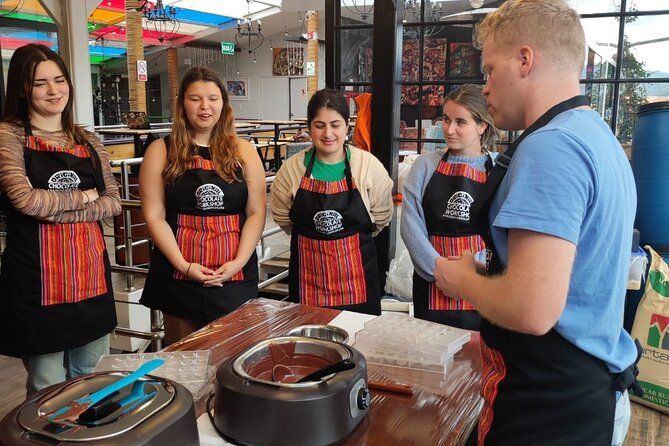
The advantage is that you spend more time making something you can actually eat and carry away. The process is accessible, social, and manageable within two and a half hours. You do not need professional kitchen skills, and the instructor guides you through each stage.
The class leader explains the work as you go. David has been described as funny and clear, while Abelardo has been praised for an engaging manner and Belgian training. Randy and Titch have also led sessions. Your assigned instructor may vary, but the teaching is designed to be personal rather than formal or distant.
Making Pralines, Mendiants, and Ganache
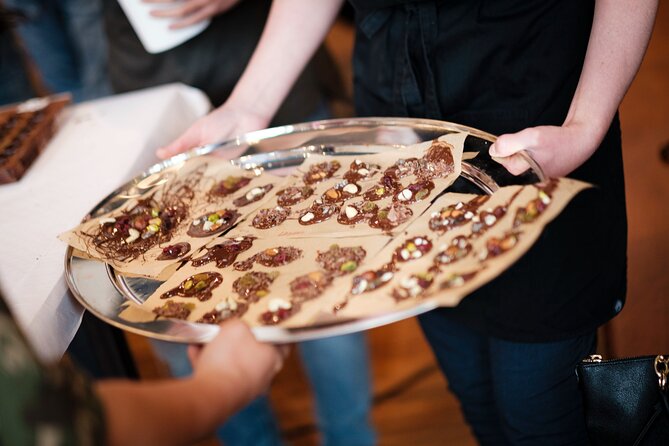
The main activity is making your own pralines and mendiants in Belgian style. You can expect to produce around 21 pralines and 10 mendiants, a substantial amount for a short class.
Pralines are filled chocolate pieces, while mendiants are generally flatter chocolate discs finished with toppings. The exact look of your pieces will depend on how carefully you work and how you decorate them. That is part of the fun. Handmade chocolate rarely looks like a factory product, and it does not need to.
You also learn to make ganache. This is one of the more useful skills in the session because it explains how a smooth chocolate filling comes together. The instructor leads you through the steps, then gives you a chance to use the mixture in your own sweets.
The topping choices are a strong feature. You can select from homemade local jams, local nuts, organic nuts, dried fruit, coconut flakes, and other available additions. This gives you room to mix familiar flavors with ingredients linked to the area.
I would think about your selections as you go rather than piling everything onto one piece. A few contrasting toppings will usually make a better box than using every option at once. The wide choice also makes the class work for different tastes, since you can favor nuts, fruit, jam, or coconut.
More Chocolate Tours in the world:
- Lindt Home of Chocolate Museum Entry Ticket
★ 4.7 · 9,329 reviews - Choco-Story Brussels: Chocolate Museum Entrance with Tasting
★ 4.3 · 4,883 reviews - Zurich: City Tour, Cruise, and Lindt Home of Chocolate Visit
★ 4.5 · 4,624 reviews - The Chocolatarium Chocolate Tour Experience in Edinburgh
★ 5.0 · 4,322 reviews
A Hot Chocolate You Prepare Yourself
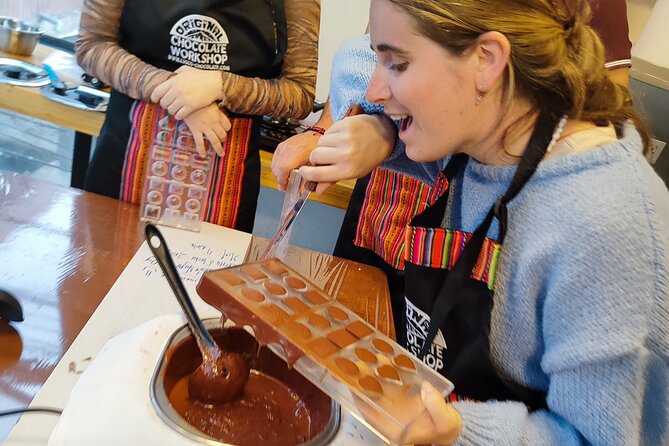
The class includes hot chocolate, but you do not simply receive a prepared cup. You learn how to make it yourself, using some of the remaining chocolate and ingredients from the session.
That adds a warm finish to the workshop. It also gives you a second way to understand the cacao. The pralines require careful shaping and decoration, while the drink shows how the same chocolate behaves in a softer, more familiar form.
Several instructors have been praised for making this part enjoyable. You should expect a rich, chocolate-forward drink rather than a quick sample. The exact recipe and preparation style are not specified, so do not book the class expecting a particular regional hot chocolate formula.
The drink is especially well timed for a 5:00 pm class. As the light fades over Cusco, you can pause from the practical work, enjoy your cup, and take in the view. That combination is one of the reasons this works well as an evening activity.
The Cusco View Changes the Mood
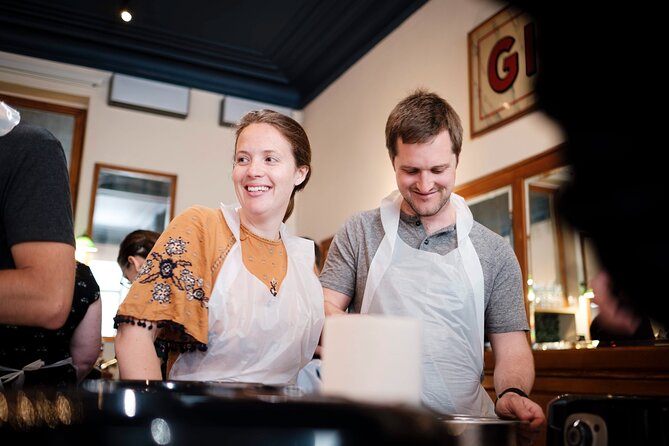
The view is not a minor detail here. The workshop takes place above or around the central city setting, with sightlines over Cusco. At the right time, you may see the city in evening light and later after dark.
That setting helps the class feel connected to place. You are not just making chocolate in an anonymous kitchen. You are working with cacao from the Cusco region while looking across the city where the workshop is held.
The view can also make this a good first or second-day activity. You can take a break from museums, ruins, and busy walking routes while still getting a sense of Cusco’s shape and atmosphere.
Keep expectations realistic. The view is an added feature, not a separate sightseeing stop with a formal viewing platform. Weather, light, and your position in the room can affect what you see. Still, the setting has repeatedly been one of the most praised parts of the experience.
How the Group Size Affects the Experience
The maximum group size is 15 people. That is small enough for a class rather than a large demonstration, and the format calls for personal guidance from the instructor.
A group of 15 can still feel active and social. You may work alongside couples, families, solo participants, or friends. The class has been used by all of these types of visitors, and chocolate is an easy activity for people who do not already share the same interests.
The amount of individual help can depend on how many people attend. A very small group may give you more time to ask questions and receive close corrections. A full class will have more energy but may require a little patience while the instructor moves around the room.
Ask your guide for Cusco tips before you leave. The workshop specifically encourages questions about what to do after the class, and the instructors can point you toward other activities or places to eat. One group paired the chocolate class with dinner afterward in the same broader area, which makes sense for a 5:00 pm activity that ends around 7:30.
Is $45 a Fair Price?
At $45 per person, this is not the cheapest dessert stop in Cusco. The value comes from the amount of chocolate you make, the instruction, the hot drink, the local cacao, and the setting.
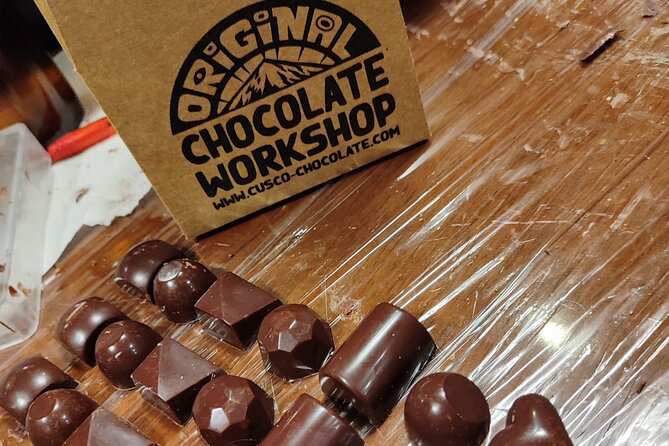
You receive roughly 31 finished pieces in total, including about 21 pralines and 10 mendiants. You also take home a personalized box, so the price includes both an activity and a sizable edible souvenir.
The class also fills time in a useful way. If you bought similar chocolates in a shop, you would not receive the history lesson, instruction, ganache practice, or view. If you joined a long cooking class, you might spend more and produce less that is easy to carry.
I would consider the price fair for couples, solo visitors, and families who want a structured evening activity. It is less appealing if your only goal is to buy inexpensive chocolate or if you are specifically looking for a serious professional pastry lesson.
Who Will Enjoy This Workshop Most
This experience suits you if you like food, small-group activities, and souvenirs with a personal story. It also works well when you want a break from ruins and walking tours.
Couples may enjoy the relaxed evening setting. Solo participants have a natural way to meet other people without needing to force conversation. Families with children age 12 and up can take part together, provided everyone is comfortable working with chocolate and following kitchen instructions.
It is also a smart option while acclimating to Cusco’s altitude. You remain in one place, work at a manageable pace, and avoid another physically demanding excursion. That does not mean the class is medical rest, of course, but it is far easier on the body than a high-altitude hike.
You may want to skip it if you dislike group classes, have no interest in making sweets, or expect to process cacao beans from start to finish. The class is practical and social, not a behind-the-scenes production tour.
Useful Planning Details for the 5:00 pm Start
The activity begins at 5:00 pm at C. Pasñapakana 133 and returns to the meeting point. It lasts about two and a half hours.
Several start times may be available when booking, although the scheduled details provided here list 5:00 pm. Check the time shown for your date rather than assuming every session follows the same schedule.
Confirmation is provided at booking. The workshop is near public transportation, and service animals are allowed. Children must be at least 12 years old.
The maximum group size is 15 people. The experience generally sells ahead of time, with bookings averaging 18 days before the date, so I would reserve before arriving in Cusco if this is important to your schedule.
You can cancel for a full refund up to 24 hours before the local start time. Changes or cancellations inside that window are not accepted for a refund. The workshop also requires a minimum number of participants, so if the provider cancels for that reason, you will be offered another date or experience, or a full refund.
Should You Book the Cusco Chocolate Workshop?
I would book this if you want a friendly, hands-on evening with a clear local ingredient, a good amount of chocolate to take away, and a view over Cusco. The organic Chuncho cacao, Belgian-style methods, personal instruction, and sunset timing make it more memorable than a simple tasting.
Go in knowing what it is. You will melt and shape prepared chocolate, make ganache, choose toppings, prepare hot chocolate, and create your own bonbons. You will not turn raw cacao beans into chocolate.
For most people, that is a sensible trade. The class is easy to fit into a Cusco itinerary, gentle during altitude adjustment, suitable for ages 12 and up, and practical for anyone who wants an edible souvenir. If those points match your plans, the $45 price buys both a pleasant evening and a box of sweets you made yourself.
FAQ
Where does the chocolate workshop begin?
The workshop begins at C. Pasñapakana 133, Cusco 08000, Peru, and ends back at the same meeting point.
What time does the workshop start?
The scheduled start time provided is 5:00 pm. The activity lasts about two and a half hours.
How much chocolate will I make?
You will make around 21 pralines and 10 mendiants. Your creations are placed in a personalized box for you to take home.
Is this a bean-to-bar cacao class?
No. You learn about chocolate and make finished sweets with prepared chocolate, but you do not process cacao beans from the raw stage.
Can children join the workshop?
Yes. The workshop is available to children age 12 and up, as well as adults.
Can I cancel for a full refund?
Yes. You can cancel at least 24 hours before the local start time for a full refund. Cancellations or changes made less than 24 hours before the start are not refunded or accepted.
Newest chocolate tours around the world
- Bohol Chocolate Making and Farm Tour★ 5.0 · 2 reviews
- Big Island Hawaii: Craft Chocolate Tasting and Farm Tour★ 5.0 · 14 reviews
- Bogotá: Candelaria Tour with Cacao and Coffee Workshop★ 5.0 · 3 reviews
- Bordeaux: Chocolate and Pastry Food Tasting Tour★ 4.9 · 40 reviews
- Barossa: Enjoy Wine, Lunch, Brewery, Chocolate & Wildlife★ 4.5 · 26 reviews
- Chocolatier for a day: raw bean to bar chocolate in Modica★ 5.0 · 33 reviews
- Bern: Gruyères Cheese and Cailler Chocolate Tasting Tour★ 4.7 · 3 reviews
- Barcelona: Delicious Chocolate walking tour★ 5.0 · 2 reviews
Chocolate Making Workshops, compared.
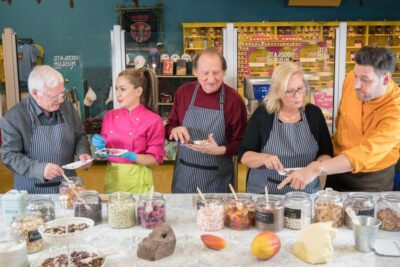
Chocolate Workshop in Chocolate Museum w/ Tasting
Read our review →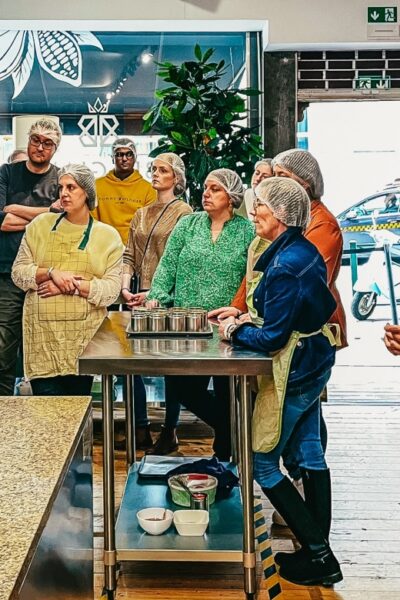
Belgian Chocolate Making Workshop with Tastings
Read our review →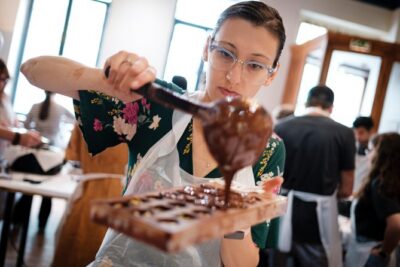
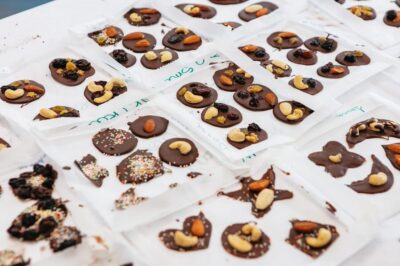
Belgian Praline and Mendiants Chocolate Workshop
Read our review →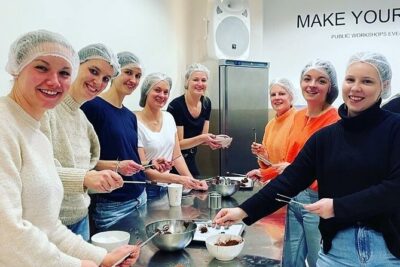
1.5h Belgian Chocolate Workshop in Brussels (bean to bar)
Read our review →
45-minute Chocolate Making Workshop at Choco-Story
Read our review →
Chocolate Bar Making Workshop at York Cocoa Works
Read our review →
Bean to Bar Chocolate Workshop in Puerto Vallarta
Read our review →Browse the lists this tour appears in