
Review · CHOCOLATE MAKING WORKSHOPS
Day Trip Churute Howler Monkey Observation and Chocolate Making
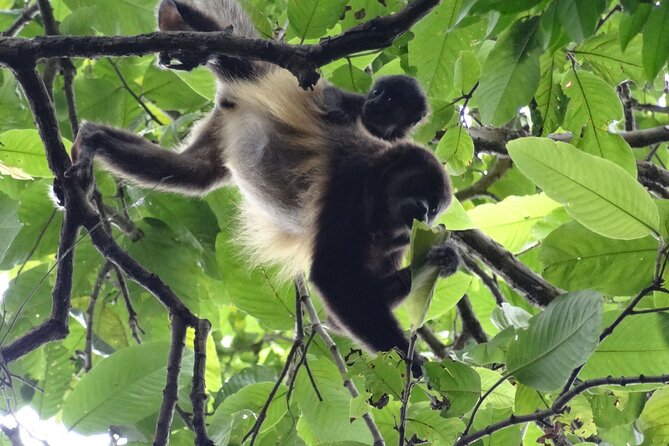
The best part of this Guayaquil day trip is the combination of wildlife and working farm life. You begin in Churute Ecological Reserve, looking for howler monkeys and other animals, then shift from forest to cacao plants, roasting beans and making chocolate by hand.
I like the personal scale of the private tour, especially with guides such as Simon and Yamil, who can adjust the day to your interests. I also like the meal at the cacao farm, where lunch, coffee, fruit, and chocolate help turn a sightseeing stop into a real taste of rural Ecuador.
The main drawback is the outdoor setting. Heat, mosquitoes, and long drives are part of the deal, and seeing howler monkeys is never guaranteed. Bring serious insect protection and a little patience.
Key points to know before booking
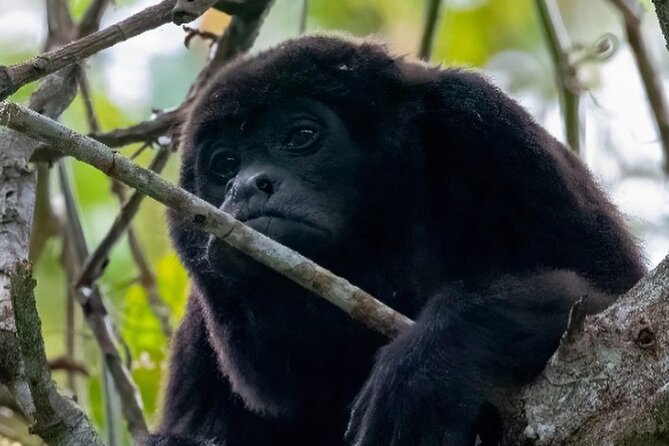
- Howler monkeys in Churute: The reserve protects 54 mammal species, along with 221 bird species, amphibians, and reptiles.
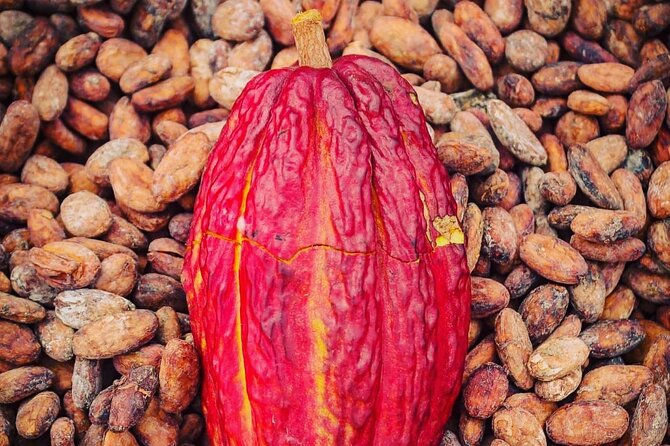
- Chocolate from bean to bar: You can see cacao grown, roasted, ground, and turned into hot chocolate and a personalized chocolate bar.
- A proper Ecuadorian lunch: The farm meal may include several courses, local fruit, homemade coffee, and other farm products.
- Private transportation: A private, air-conditioned vehicle and hotel pickup and drop-off make the long rural journey easier.
- Outdoor conditions matter: Mosquitoes can be heavy, and the forest walk can feel hot even when the trail itself is not especially difficult.
A private country day beyond Guayaquil
This excursion costs $276 per person and lasts about seven hours. That is not a small price for a day trip, but you are paying for a private vehicle, a guide and driver, hotel transportation, lunch, bottled water, and two very different activities.
The value depends on how you like to travel. If you want a cheap ride to a single attraction, this is too expensive. If you want a flexible day with local food, wildlife, a farm visit, and hands-on chocolate making, the price is easier to justify.
A private tour also changes the rhythm of the day. You are not tied to a large group, and you can ask questions as you go. Simon has been praised for his strong English and broad knowledge of the area, while Yamil is involved in communication, transportation, and guiding. Other guides, including Daniel, may lead part of the day depending on the arrangement.
The experience is commonly booked well ahead, with an average booking lead time of 43 days. That suggests planning early if your Guayaquil dates are fixed.
More Chocolate Making Workshops in the world:
- Vienna: Chocolate Workshop in Chocolate Museum w/ Tasting
★ 4.5 · 1,802 reviews - Brussels: Belgian Chocolate Making Workshop with Tastings
★ 4.7 · 1,629 reviews - Brussels: 2.5-Hour Belgian Chocolate Making Workshop
★ 4.8 · 933 reviews
Finding wildlife in Churute Ecological Reserve
Churute is the first major stop, with about four hours set aside for the reserve and the nearby cacao experience. The protected area is home to 54 mammal species, 221 bird species, eight amphibian species, and 12 types of reptiles. Those numbers give you a sense of the reserve’s range, but they do not promise a checklist of sightings.
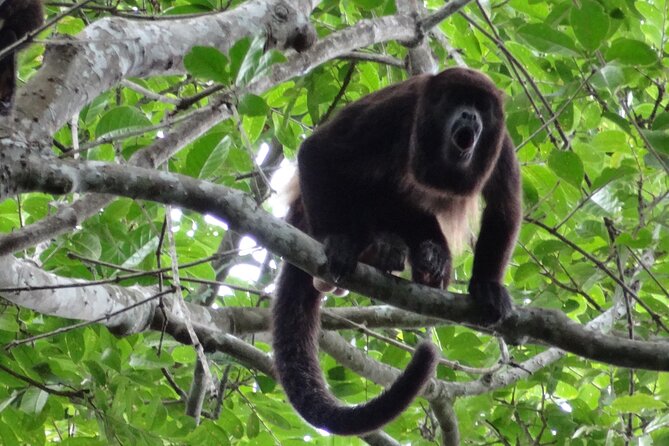
The main target is the howler monkey. You may hear them before you see them, and even a good day can produce only a few animals high in the trees. Some visitors have seen several monkeys and taken good photographs, while others found the wildlife thinner than expected.
That uncertainty is normal in a forest. If you need guaranteed close-up animal encounters, this is not the right activity. If you enjoy scanning branches, listening for calls, and learning how a guide reads the area, the walk has real appeal even when the monkeys keep their distance.
The reserve also offers a change in scenery as you move away from Guayaquil. The trip may pass through tropical vegetation before the setting shifts toward forest and mangrove areas. One route described in the experience included encounters with red crabs and warnings to watch for snakes in the trees. These sightings are not guaranteed, but they show the range of creatures you may encounter.
The trail is not described as highly difficult, yet you should have a reasonable level of fitness and no physical impediment that would make outdoor walking unsafe. One person found a walking stick useful once or twice, and another described a longer alternative hike at Cerro Blanco as strenuous when poor weather changed the plan.
Heat and mosquitoes are part of the forest
The practical advice here is simple: prepare for insects before you leave Guayaquil. Use strong repellent, wear long pants and long sleeves, bring a hat, and consider a mosquito net worn under the hat. Guides may help apply repellent, but you should still bring your own protection.
Mosquitoes have been a serious nuisance on this trip for some people, even when they covered up and used repellent. That is not a minor footnote. If you react badly to bites, this may be the deciding factor against booking.
The heat is another concern. The forest walk may not be technically hard, but tropical conditions can make an easy trail tiring. Bottled water is included, and you should still drink often. A hat and light clothing that covers your skin will help more than shorts and a sleeveless shirt.
The upside is that the conditions are part of the setting you came to see. You are not visiting a climate-controlled wildlife center. You are walking through an active tropical reserve, with all the inconvenience that brings.
A family cacao farm with real hands-on work
The cacao portion is the most distinctive part of the day. At Hacienda Cacao y Mango, you learn how cacao is grown, harvested, processed, and made into chocolate. This is not just a tasting counter with a few samples.
The visit begins with the place of cacao in different cultures, then moves into the plantation. You can see the plants and learn how the crop is handled. One especially useful detail is that the farm grows more than cacao. Fruit trees help support the crop and add flavor to the final chocolate, and you may taste different fruits while walking through the property.
The farm is described as free of pesticides and herbicides, with natural methods used in their place. That gives the visit a practical farming angle rather than making it only about sweets. You see how the household and farm work together, and how local food production depends on more than one crop.
The process continues with cacao beans that have been fermented and dried. You may taste the fresh pulp around the beans, watch or take part in roasting, and grind the beans in a traditional way. The open-air method connects the polished chocolate in a shop with the basic work needed to produce it.
You also get to compare older and newer methods of preparation. The beans become hot chocolate, and you make your own artisanal chocolate bar. The bar can be personalized to your taste, which gives you a physical reminder of the activity rather than just a few samples consumed on the spot.
This is the part of the tour most likely to appeal to children and food lovers. A 10-year-old and a 67-year-old both enjoyed the experience, and the practical steps make the lesson easy to follow across generations.
Same city, a different tasting:
- Lindt Home of Chocolate Museum Entry Ticket
★ 4.7 · 9,329 reviews - Choco-Story Brussels: Chocolate Museum Entrance with Tasting
★ 4.3 · 4,883 reviews - Zurich: City Tour, Cruise, and Lindt Home of Chocolate Visit
★ 4.5 · 4,624 reviews - The Chocolatarium Chocolate Tour Experience in Edinburgh
★ 5.0 · 4,322 reviews
Lunch is part of the cultural experience
Lunch is included, and it is served at or near the family cacao farm. The meal is described as typical Ecuadorian cooking, prepared with local ingredients and served in a farm-to-table setting.
Expect more than a quick sandwich between stops. A three-course meal has been served, followed by homemade coffee. The farm may also offer fruit, cocoa pulp and juice, fried bananas, cookies, chocolate, and other local treats during the visit.
The exact menu can change, so do not book this expecting a specific dish. What you can count on is that lunch is treated as part of the visit, not merely fuel for the next stop.
I see this as one of the strongest reasons to choose this trip over a simple nature transfer. You are given time to sit, eat, ask questions, and connect the cacao work with everyday rural life. The meal also breaks up the heat and walking.
Alcoholic drinks are not included, though they may be available to buy. Bottled water is included.
The drive is useful, but not short
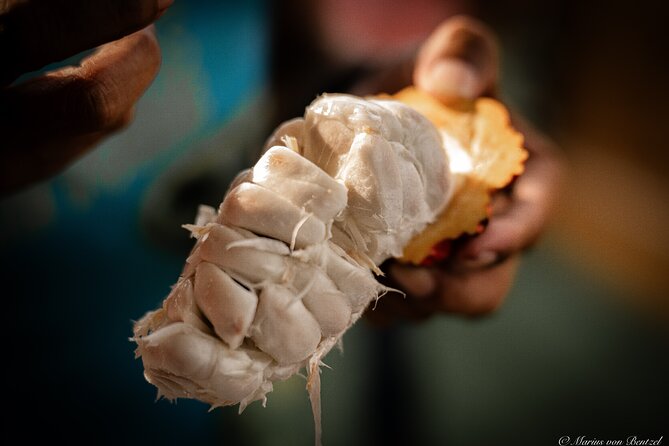
A seven-hour tour includes a fair amount of driving. The reserve and farm are outside Guayaquil, so you should expect rural roads and extended time in the vehicle.
The private, air-conditioned car is a major comfort. You are not sharing a crowded bus with strangers, and the guide can use the drive to explain the region, local farming, wildlife, and city life. Simon’s English has been described as excellent, and Yamil is also reported to speak enough English for clear communication.
Still, conversation does not eliminate travel time. If you dislike long drives, this day may feel stretched. If you see the drive as part of the transition from city to countryside, it becomes more worthwhile.
Pickup and drop-off at your hotel are included in the tour details, while the listed meeting point is Viasam Day Trips at Dr. Leopoldo Benitez Vinueza, Mz 1, V97, Guayaquil. Confirm the exact pickup arrangement before departure, particularly if you are staying outside the normal hotel service area.
Weather changes can alter the plan
The activity requires good weather. If conditions make the planned route unsafe or impractical, you may be offered another date or a full refund.
That flexibility matters because tropical rain can affect roads and access. On one occasion, flooding made a planned kayaking area inaccessible, and the day changed to cacao farming and a hike at Cerro Blanco. The substitute became a worthwhile nature outing, but it was also more strenuous and did not include a full lunch in the same way.
This is useful to keep in mind: the guide may adapt the day rather than simply cancel at the first sign of poor conditions. But an alternate route may change the walking time, food arrangements, and wildlife focus.
The tour also requires a minimum number of participants, even though the activity itself is private for your group. If that minimum is not met, you are offered another date, another experience, or a full refund.
Who will enjoy this Guayaquil day trip?
This is a strong match for couples, families, friends, and solo visitors who want a private day outside the city. It works especially well for people who enjoy nature but also want food and cultural contact rather than a pure hiking trip.
Families should note that children must be accompanied by an adult. Most people can participate if they are in good condition and do not have a physical limitation that would make the walking difficult.
You should book it if these details appeal to you:
- You want to see a working cacao farm, not just buy chocolate.
- You are happy with a chance-based wildlife walk.
- You can handle heat, insects, and time in a vehicle.
- You value a private guide who can answer questions and adjust the pace.
- You enjoy a substantial local meal as part of the outing.
You may want a different activity if you need guaranteed monkey sightings, strongly dislike mosquitoes, or prefer a short transfer and a tightly scheduled attraction.
Is the $276 price fair?
At $276 per person, the cost is high compared with a basic group excursion. The price makes more sense when you add the included services: private air-conditioned transportation, hotel pickup and return, guide and driver, bottled water, lunch, reserve access, farm access, chocolate tastings, and hands-on preparation.
You are also paying for local coordination. The guides arrange access to a family farm and help you understand the links between fruit, cacao, food, and rural life. That personal connection is difficult to reproduce by visiting a shop on your own.
The value is weaker if the howler monkeys are your only reason for going. Sightings vary, and several hours in the reserve may produce fewer animals than you hoped. The farm visit is the more dependable centerpiece.
Free cancellation is available up to 24 hours before the start time. Changes or cancellations inside that window are not accepted for a refund.
Should you book it?
I would choose this tour for a first visit to Guayaquil when I wanted one full day that mixed wildlife, local food, and Ecuadorian cacao. The chocolate process, generous meal, and personal guiding give the day more substance than a quick stop at a plantation.
Book it with realistic expectations. Churute is hot and buggy, monkeys may stay high in the trees, and the drive takes time. Pack repellent, long clothing, water-friendly patience, and an open mind. If that sounds like a fair trade for a private look at rural Ecuador, this is a worthwhile splurge.
FAQ
How long does the tour last?
The experience lasts approximately seven hours.
Where does the tour take place?
It begins in Guayaquil and visits Churute Ecological Reserve and Hacienda Cacao y Mango.
Is transportation included?
Yes. Hotel pickup and drop-off, private transportation, and an air-conditioned vehicle are included. The listed meeting point is Viasam Day Trips in Guayaquil.
Is this a private tour?
Yes. Only your group participates in the private activity.
Are meals included?
Yes. Lunch is included, along with bottled water. Alcoholic drinks are not included but may be available to purchase.
Will I definitely see howler monkeys?
No. Churute is home to howler monkeys, but sightings vary. Some outings see several, while others see only a few.
What happens at the cacao farm?
You learn about cacao farming and its cultural importance, visit the plantation, taste chocolate and local products, roast and grind cacao, make hot chocolate, and prepare your own artisanal chocolate bar.
Is the walking difficult?
The reserve walk is described as manageable but can be hot. You should be in good condition and have no physical impediment. Alternative routes may be more strenuous.
What is the cancellation policy?
You can cancel at least 24 hours before the start time for a full refund. Cancellations or changes made less than 24 hours before the experience are not accepted. If bad weather or the minimum number of participants causes cancellation, you will be offered another date, another experience, or a full refund.
More One-Day Trips in the world
- Zurich: Rhine Falls, Chocolate & Cheese Factory Day Trip
★ 4.5 · 212 reviews - Gruyère Cheese and Chocolate Tasting Day Trip from Geneva
★ 5.0 · 99 reviews
Newest chocolate tours around the world
- Bohol Chocolate Making and Farm Tour★ 5.0 · 2 reviews
- Bordeaux: Chocolate and Pastry Food Tasting Tour★ 4.9 · 40 reviews
- Big Island Hawaii: Craft Chocolate Tasting and Farm Tour★ 5.0 · 14 reviews
- Bogotá: Candelaria Tour with Cacao and Coffee Workshop★ 5.0 · 3 reviews
- Barossa: Enjoy Wine, Lunch, Brewery, Chocolate & Wildlife★ 4.5 · 26 reviews
- Chocolatier for a day: raw bean to bar chocolate in Modica★ 5.0 · 33 reviews
- Bern: Gruyères Cheese and Cailler Chocolate Tasting Tour★ 4.7 · 3 reviews
- Barcelona: Delicious Chocolate walking tour★ 5.0 · 2 reviews
Chocolate Making Workshops, compared.
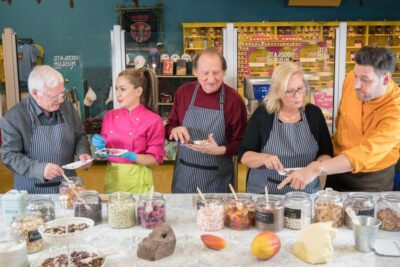
Chocolate Workshop in Chocolate Museum w/ Tasting
Read our review →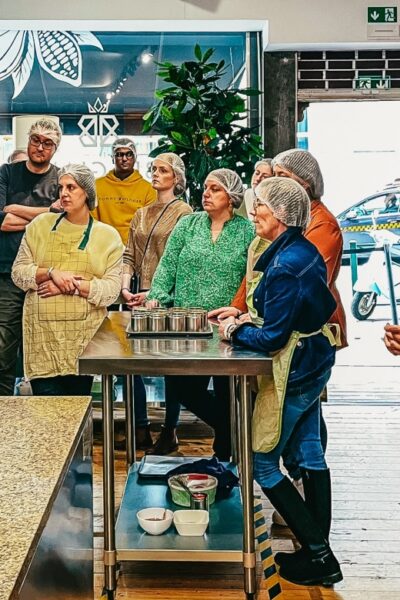
Belgian Chocolate Making Workshop with Tastings
Read our review →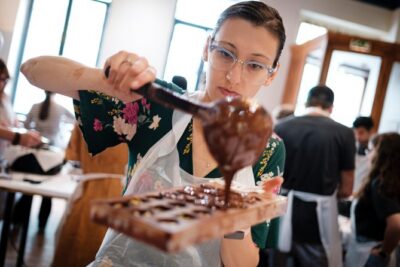
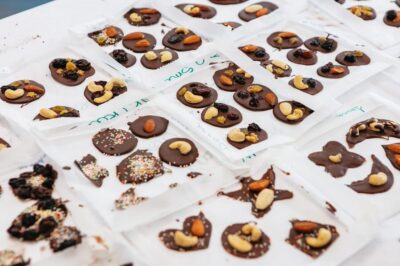
Belgian Praline and Mendiants Chocolate Workshop
Read our review →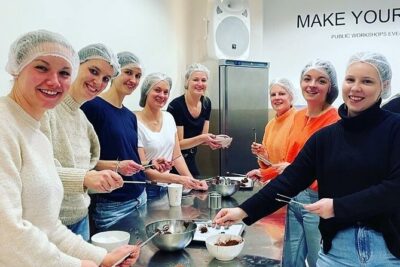
1.5h Belgian Chocolate Workshop in Brussels (bean to bar)
Read our review →
45-minute Chocolate Making Workshop at Choco-Story
Read our review →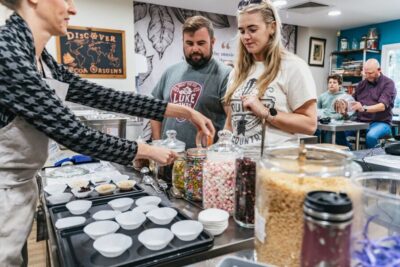
Chocolate Bar Making Workshop at York Cocoa Works
Read our review →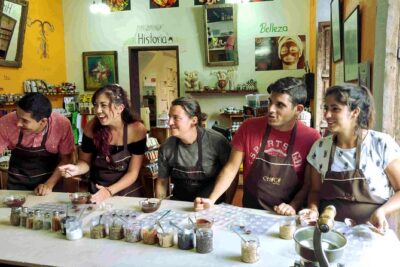
Bean to Bar Chocolate Workshop in Puerto Vallarta
Read our review →Browse the lists this tour appears in