
Review · ITALY CHOCOLATE TOURS
Guided tasting of the “Best Chocolate of Modica”
Modica chocolate is unlike the smooth, silky bar most people know. It is made with raw chocolate and sugar, worked at low temperatures so the crystals remain visible and the texture stays firm and slightly grainy. This Sabadì visit takes you from the workshop to an aging cellar, then through a tasting of chocolates refined with tobacco, tea, flowers, herbs, and spices.
I like the chance to compare ordinary Modica chocolate with aged and flavored versions, and I like that the tasting focuses on how to taste rather than simply handing you samples. The organic, vegan, and gluten-free recipes also make this an easy stop for many special diets.
The main caution is value. At $31, you are paying for a guided explanation and cellar visit, not a large box of chocolate. One sharp criticism of the experience says the shop offers free samples without the full tour, so decide how much you want the context before booking.
Key points to know before you book
- The cellar is the unusual part: You visit a chocolate aging cellar presented as the first of its kind in the world and taste aged chocolates there.
- The texture is intentionally different: Modica chocolate stays compact and shiny, with a less creamy, less crumbly finish than many other bars.
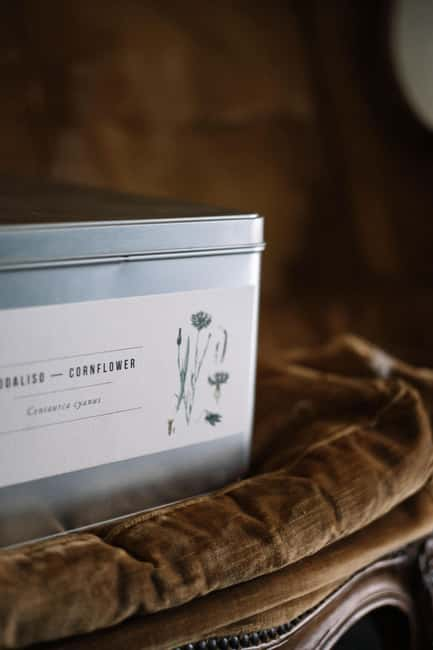
- The tasting goes beyond cocoa: Sabadì refines chocolate with tobacco, tea, flowers, herbs, and spices.
- The visit lasts about one hour: A 45-minute guided portion is followed by the return to the starting point.
- The price pays for explanation and access: At $31 per person, the tour makes more sense for curious chocolate lovers than for anyone simply wanting free samples.
- Check the meeting address: The activity information gives both 103 and 105 Corso San Giorgio, so confirm the exact door before arriving.
Why Modica chocolate tastes different
The first thing to understand is that Modica chocolate is not trying to copy Swiss or Belgian chocolate. The bar is made using a method that keeps the chocolate raw, or minimally heated, and leaves the sugar crystals more noticeable.
That gives you a firm, grainy bite instead of a smooth melt. The bar should look shiny and remain compact. Sabadì makes a point of saying that its chocolate does not crumble like other Modica chocolate, which matters if you want a neat souvenir to carry home.
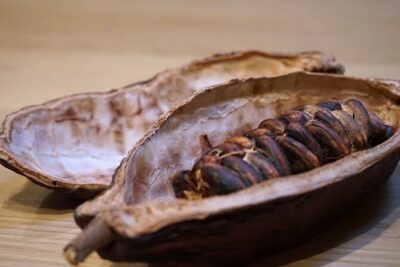
The technical explanation is part of the visit. You learn what raw chocolate is, how its characteristics differ from more heavily refined chocolate, and why texture and appearance change from one method to another.
I find this useful because the tasting becomes a comparison rather than a sugar stop. You can pay attention to the snap, the way the sugar breaks down, the aroma, and the finish. You do not need specialist vocabulary. You simply need to notice that this is a different style of chocolate.
Sabadì also presents its chocolate as organic, vegan, and gluten-free. That does not mean every possible pairing or product in the shop follows the same formula, so ask if you have a serious allergy. Still, the main chocolate offering suits many people who normally have to check labels carefully.
More Chocolate Tours in Italy:
- Turin: Visit to the Chocolate and Gianduja Museum, Choco-Story Torino
★ 4.6 · 221 reviews - The Turin Chocolate & Wine Tasting Experience
★ 4.7 · 87 reviews - Turin Sweet & Chocolate Walking Food Tour by Do Eat Better
★ 4.5 · 86 reviews
Starting at Corso San Giorgio
The activity begins on Corso San Giorgio in Modica. The information gives 105 Corso San Giorgio as the meeting point, while another part lists 103 as the starting and ending address. I would verify the exact entrance with the operator before setting out, especially if you are arriving on a tight schedule.
The tour returns to the same place, which keeps the logistics simple. You do not need transport between the workshop and cellar. The one-hour length also makes this easy to fit around a walk through Modica.
There is no need to reserve an entire afternoon. You can pair the visit with the town’s churches, streets, and other food stops. Chocolate bars are available to buy, but purchases are optional, so you can treat the tour as a lesson and decide later what deserves space in your suitcase.
The guide speaks Italian, English, Spanish, or French. Some material may be presented in its original language, so if your language skills are limited, pay close attention during the tasting explanation and ask for clarification when needed.
The 45-minute guided visit
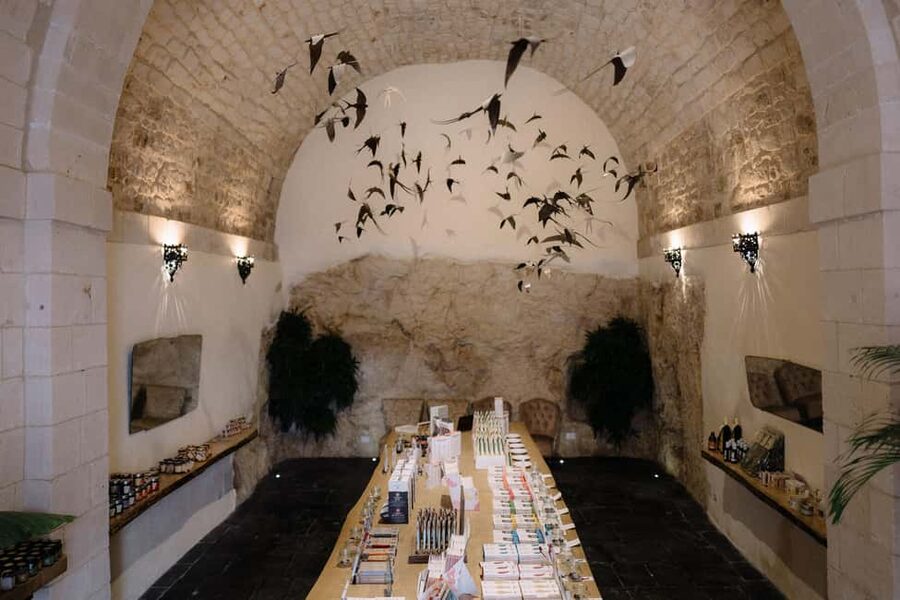
The guided portion lasts about 45 minutes. It covers the workshop, the chocolate collections in the showroom, the technical side of raw chocolate, and the method used to taste it.
Do not picture a long factory tour with every stage of production laid out in front of you. The description promises a visit to the workshop, but it does not promise a full live demonstration of chocolate being made. One critical account specifically found that the actual making process was not shown.
That distinction matters. If you want to watch workers temper, mold, wrap, and package bars, this may leave you wanting more. If you want an explanation of Modica chocolate and access to areas tied to the product, the visit may be enough.
The historical section is also worth keeping in proportion. The tour includes historical background, but one disappointed participant felt this was not explained in enough detail. I would treat the history as a short part of a tasting-focused visit, not as a full lesson on Sicilian food traditions.
The strongest part of the guided visit is likely the tasting method. You learn how to assess the chocolate rather than rushing from one flavor to the next. That can change the experience from a quick sample into a useful comparison of texture, scent, sweetness, and added ingredients.
Entering the chocolate aging cellar
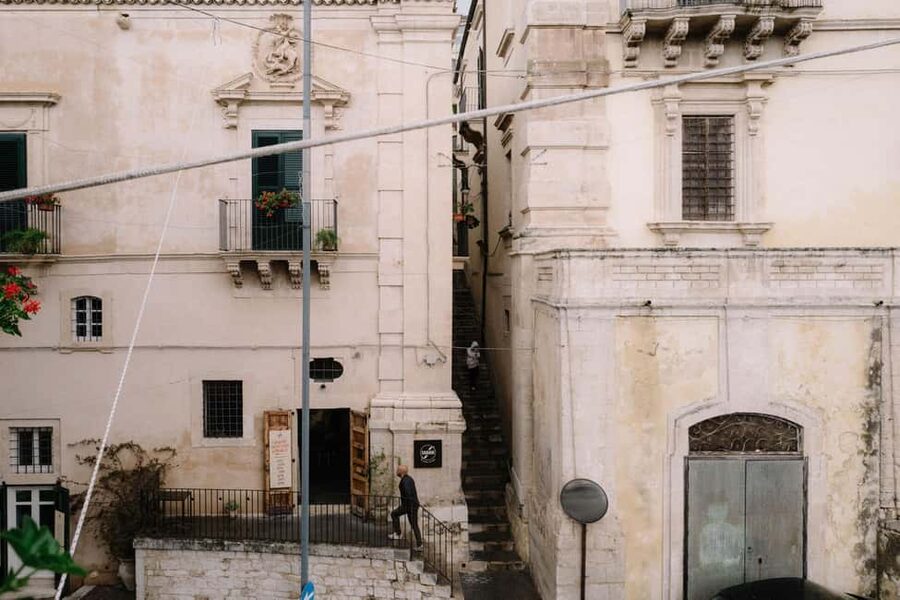
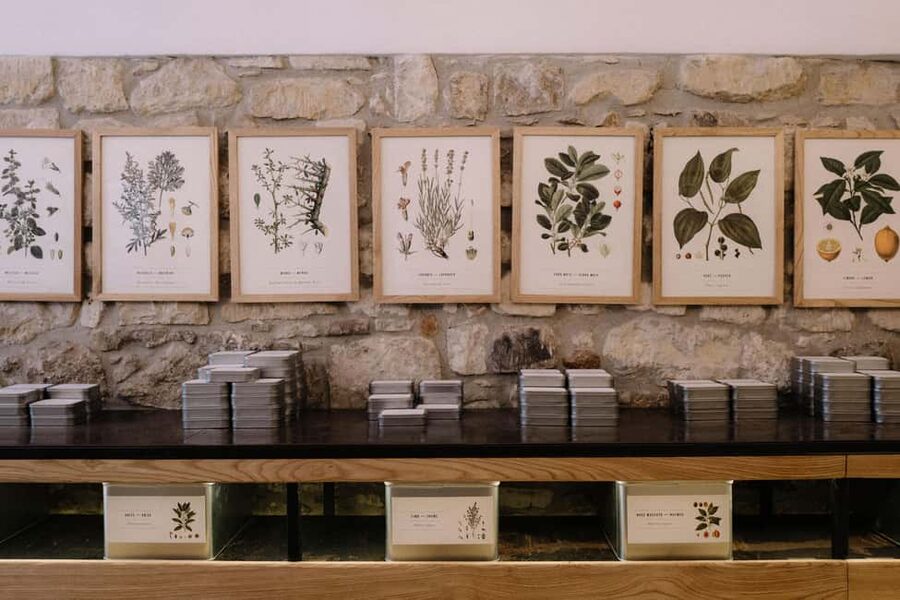
The aging cellar gives this experience its clearest point of difference. Sabadì presents it as the world’s first chocolate aging cellar, and the tour includes both a visit and a tasting of aged chocolates.
Aging chocolate is a good subject for a guided explanation because the idea is not obvious. You can see how the maker treats chocolate as a food that changes with time, not just a finished bar that leaves the kitchen immediately. The cellar also gives the tour a physical destination beyond the showroom.
The supplied details do not say how long each chocolate ages, what temperature the cellar uses, or how the aged bars compare with fresh ones. Do not expect those specifics unless the guide provides them on the day. The worthwhile comparison is the tasting itself: you can ask what changes in aroma, texture, and finish after aging.
This is also where the $31 price needs careful thought. If the cellar is genuinely important to you, the tour offers access and an explanation you cannot get from simply picking up a bar. If you mainly want to sample flavors, the cellar may not justify the added cost.
The cellar visit is included, but the wording does not promise a private or extended session. The complete guided experience lasts about an hour, so expect a concise introduction rather than a long technical study.
Same city, a different tasting:
- The Turin Chocolate Tasting Experience
★ 4.7 · 83 reviews - Chocolate & Sweets of Turin: La Dolce Vita Torino | Semi-Private
★ 5.0 · 71 reviews - Fine Chocolate Tasting in Turin
★ 4.8 · 71 reviews - The Turin Chocolate & Wine Tasting Experience
★ 5.0 · 62 reviews
Tasting classic and refined chocolates
The tasting includes Modica chocolate and refined chocolates. Here, refined means flavored or developed with extra ingredients, not simply polished into a smoother style.
Sabadì lists unusual additions such as tobacco, tea, flowers, herbs, and spices. That range gives you a reason to taste slowly. A bar with tea may have a different aroma from one with a spice, while floral or herbal notes can change the finish without making the chocolate sweeter.
The exact flavors served are not listed, and you should not assume every collection will be available at every sitting. The guide presents the collections in the showroom, then helps you approach the tasting. That setup gives you a chance to understand the range before deciding what to buy.
The chocolate itself is organic, vegan, and gluten-free according to the activity details. Those labels are useful, but they do not replace checking for cross-contact if you have a medical allergy. The information confirms the principal chocolate characteristics, not a full allergen policy for every item or drink.
Alcohol pairings are optional rather than a core part of the package. The activity allows you to pair the chocolates with alcoholic drinks, and one account of a visit described two small vermouth pours. Because the formal inclusions focus on chocolate, ask what is included before you count on vermouth or another drink.
The best approach is to taste the plain chocolate first, then move to the more unusual versions. Otherwise, strong herbs or spices can overpower the simpler bars.
What the showroom adds
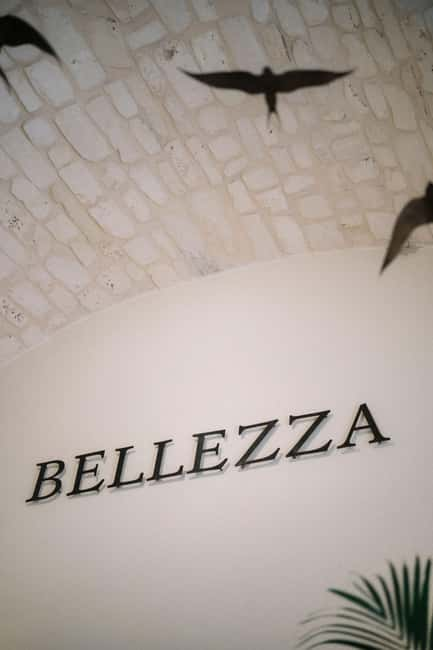
The showroom presentation helps connect the tasting to the products you can buy. You see the chocolate collections, learn how the bars differ, and can make a more informed choice instead of grabbing the first attractive wrapper.
This is also the point where the maker’s quality claims become practical. Sabadì says its chocolate has been awarded Best Modica Chocolate for 13 consecutive years. That is a strong marketing claim, but the tour gives you a chance to judge the bar yourself.
Look for the qualities the maker emphasizes: a shiny surface, a compact shape, and a texture that does not fall apart easily. Those details matter if you plan to carry bars home or give them as gifts.
You can buy bars after the tasting, but you do not have to. The critical assessment of this activity argued that free samples in the shop might be enough for some people, with the tour adding only the explanation and cellar access. That is a fair distinction. If you want product discovery at the lowest cost, visit the shop. If you want to understand the method and taste aged chocolate, book the guided visit.
Is $31 a fair price?
At $31 per person, this is not a bargain chocolate sample. You could spend a similar amount on several bars, and the tour does not include a stated take-home gift or a large chocolate selection.
I think the price works best for three kinds of visitors. First, it suits people who enjoy food production and want to understand why Modica chocolate has its own texture. Second, it suits shoppers who would rather taste several styles before buying. Third, it suits anyone especially curious about the aging cellar.
The price is harder to defend if you are already passing the store and only want to try flavors. Free sampling may cover that basic need. The tour must provide enough explanation, cellar access, and tasting variety to make the extra payment worthwhile.
The 13-year award claim may reassure you that the company takes its product seriously, but awards alone should not decide the purchase. The real value is in the combination of technical context, unusual flavor work, and aged chocolate.
Who will enjoy this most
I would recommend this to food-focused visitors, chocolate fans, and anyone interested in how a local specialty differs from familiar versions. The one-hour format is short enough for a busy day, and the multilingual guides make it accessible to a broad audience.
It may also suit people seeking vegan or gluten-free sweets, provided they confirm details for any additional products and drinks. The organic claim adds another useful point for shoppers who care about ingredients.
Families may like the tasting, but the information does not describe a special children’s format. If your group only wants a quick sweet treat, the full tour may feel too slow or too costly.
I would be cautious about booking if your main goal is a factory demonstration. The workshop visit is included, but the available details do not promise that you will watch chocolate being produced. You may see the setting and learn about the method without observing every production step.
Booking and timing tips
The activity lasts one hour, with a guided section of roughly 45 minutes and a return to the same Corso San Giorgio location. Check the available starting times before you book so you can fit it around meals, sightseeing, and any other scheduled visit.
You can cancel up to 24 hours in advance for a full refund. You can also reserve now and pay later, which is useful if your route through Sicily is still changing.
Arrive at the address given for the meeting point, 105 Corso San Giorgio, but confirm the discrepancy with the listed number 103. This is a small detail, yet it can prevent a frustrating search in a busy town center.
Choose your language when booking or checking availability. Italian, English, Spanish, and French are offered, although some material may remain in its original language.
Should you book the Sabadì chocolate visit?
Book it if you want more than a free sample. The aging cellar, the explanation of raw Modica chocolate, and the tasting of chocolates flavored with tea, tobacco, flowers, herbs, and spices give the experience a clear purpose.
Skip it if you only want to buy bars or taste a few flavors at the lowest possible cost. At $31, the tour depends on your interest in the story, method, and cellar rather than the quantity of chocolate you take home.
My practical call is this: chocolate enthusiasts should book, especially if the cellar and aged chocolate sound appealing. Casual snackers should visit the shop first, ask what samples are available, and decide if the added explanation is worth the price.
FAQ
Where does the chocolate tour meet?
The meeting point is listed as 105 Corso San Giorgio in Modica. Another part of the activity information gives 103 Corso San Giorgio as the starting and ending location, so confirm the exact address before arrival.
How long does the experience last?
The complete activity lasts one hour. The guided tour itself is listed as lasting about 45 minutes.
What does the tour include?
It includes a guided visit to the workshop and chocolate aging cellar, an explanation of raw Modica chocolate, a presentation of the showroom collections, guidance on tasting chocolate, and tastings of chocolate and refined chocolates.
Is the chocolate tasting included in the price?
Yes. Chocolate tasting and tasting of refined chocolates are included.
Can I taste aged chocolate?
Yes. The tour includes a visit to the aging cellar and a tasting of aged chocolates.
What languages are offered?
The live guide is available in Italian, English, Spanish, and French. Some content may be shown in its original language.
Are chocolate bars included to take home?
No. Buying chocolate bars is optional, so take-home bars are not listed as an included part of the activity.
Are alcoholic drinks included?
Alcoholic pairings are optional. The included services list chocolate tastings but does not promise a specific alcoholic drink.
Can I cancel the booking?
Yes. You can cancel up to 24 hours in advance for a full refund. You can also reserve now and pay later.
Newest chocolate tours around Italy
- Willy Wonka in Turin – A chocolate adventure★ 3.7 · 6 reviews
- Venchi Duomo: Chocolate Tasting Experience in Florence★ 4.3 · 4 reviews
- Venchi Pantheon: Chocolate Tasting Experience in Rome★ 5.0 · 2 reviews
- Turin: 45-Minute Chocolate Workshop at Choco-Story★ 4.7 · 25 reviews
- Turin’s Sweet Delights: A Chocolate Walking Tour★ 4.9 · 26 reviews
- Venchi Rialto: Chocolate Tasting Experience in Venice★ 5.0 · 5 reviews
- The Turin Chocolate Tasting Experience★ 4.5 · 31 reviews
- Fine Chocolate Tasting in Turin★ 5.0 · 26 reviews
Italy Chocolate Tours, compared.
Visit to the Chocolate and Gianduja Museum, Choco-Story Torino
Read our review →

Turin Sweet & Chocolate Walking Food Tour by Do Eat Better
Read our review →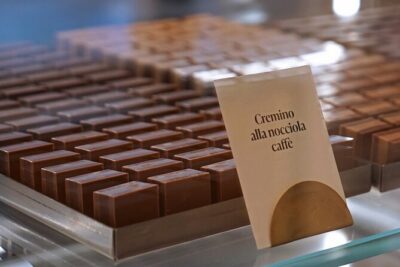
Chocolate & Sweets of Turin: La Dolce Vita Torino | Semi-Private
Read our review →
Enrico Rizzi Chocolate Factory Tour with Tasting
Read our review →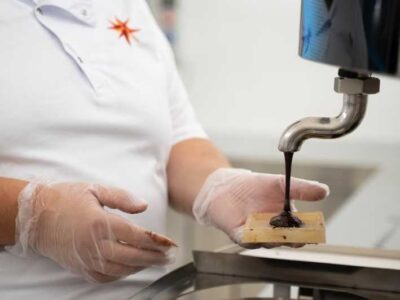
Chocolatier for a day: raw bean to bar chocolate in Modica
Read our review →Browse the lists this tour appears in