
Review · PASTRY AND CHOCOLATE TOURS
Marseille French Pastries and Chocolate Tour
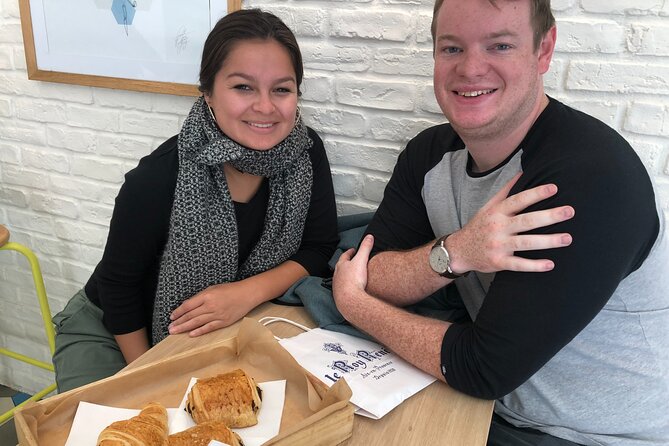
Marseille’s sweet side comes into focus on this two-hour walk through the historic center. You’ll move from gourmet shops to relaxed cafés, tasting family-made chocolate, a traditional navette biscuit, a buttery croissant, choux, and other surprises along the way. I like the small-group setting and the way food opens the door to Provençal customs, local stories, and everyday Marseille life.
I also like the personal touch from Elizabeth, the local guide named in the tour details and guest feedback. She brings in French phrases, explains the meaning of the navette at Candlemas, and has even introduced visitors to pétanque. The main consideration is mobility: this is a walking tour on city streets and is not suitable for people with mobility impairments.
Key points at a glance
- Taste a true Marseille specialty: Try the dry, fragrant navette and learn why it is tied to Candlemas.
- Meet Elizabeth: The local guide adds history, French phrases, and a friendly personal touch.
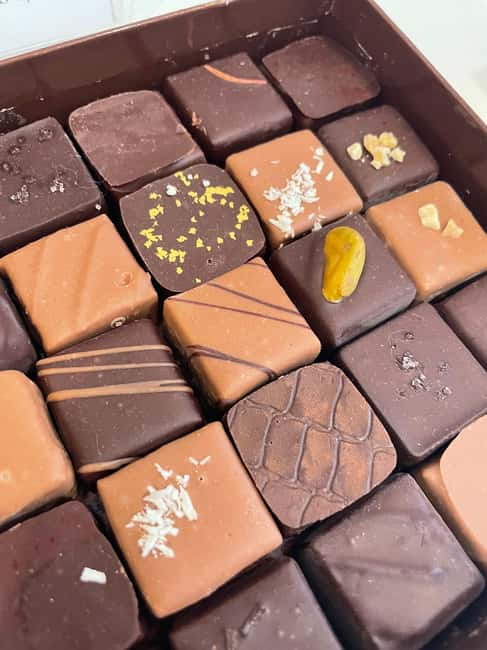
- Enjoy family-made chocolate: Learn about cocoa beans while tasting chocolate from a French family business.
- Sample more than one pastry: The route includes a buttery croissant, choux, baked goods, desserts, and other treats.
- Walk the historic center: Food stops are combined with stories about Marseille and Provençal traditions.
- Keep the plan flexible: The tour lasts two hours, runs rain or shine, and allows cancellation up to 24 hours before departure for a full refund.
Marseille through its pastry shops
A food walk can give you a faster feel for a city than a long list of monuments. Here, Marseille’s center becomes a trail of sweet shops, cafés, and local customs. You are not simply handed a pastry and sent on your way. Each tasting comes with an explanation of what it is, why it matters, and how it fits into life in southern France.
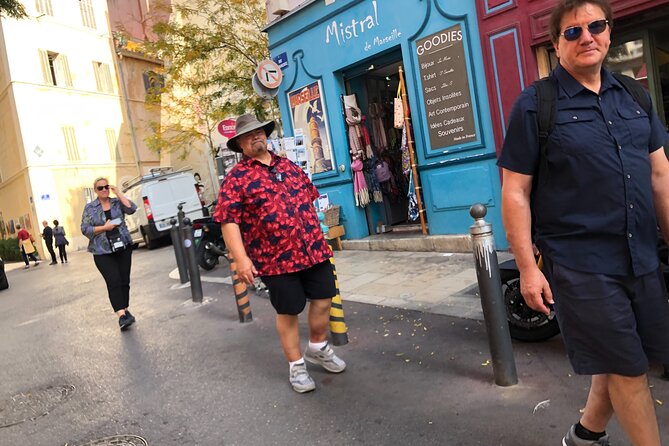
That approach suits Marseille. The city has a strong local character, and the food here is not just a copy of Parisian café culture. The tour connects French pastry with Provençal tradition and the city’s own habits. You’ll walk, listen, taste, and get a few practical stories that help the streets make more sense.
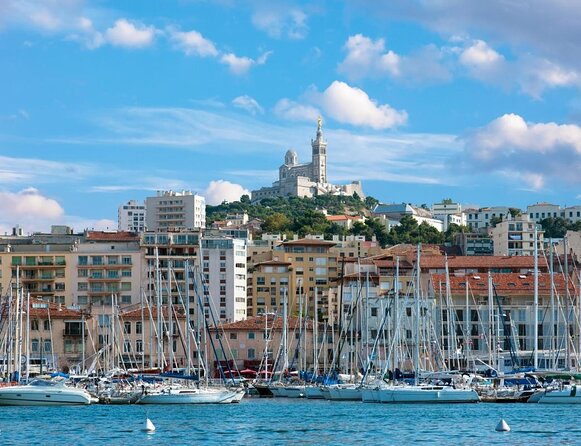
The route begins in front of the Burger King at 19 Quai des Belges. That is a very easy meeting point to identify, though it is not itself part of the food experience. From there, the guide leads you into the 1st arrondissement and the historic center before returning to the same starting place.
The route is split into two guided portions of about one hour each. The supplied information does not name every shop or give a fixed list of stops, so the exact order may vary. That is worth knowing if you are hoping for a particular bakery. The strength here is the combination of several tastings and local explanation rather than one famous shop.
More Pastry and Chocolate Tours in France
- Paris French Sweets Tasting Tour with Pastries and Chocolates
★ 4.5 · 947 reviews - Saint-Germain: Gourmet Chocolate & Pastry Walking Food Tour
★ 4.8 · 495 reviews - Paris Chocolate, Macaron & Pastry Food Tour: 10 Gourmet Tastings
★ 5.0 · 339 reviews
The first hour: finding Marseille’s local sweet spots
The opening hour introduces the city center and its specialty food stores. You’ll visit local spots selected for their connection to Marseille’s food culture, with time to taste and ask questions. The pace is designed for a small group, so it should feel more like walking with a local than following a large procession through town.
Elizabeth is central to the experience. Her role is not limited to pointing out pastries. She explains Provençal traditions and offers background on Marseille itself, including historical events. One account of the tour specifically recalls learning about parts of the city’s past during the Second World War, showing that the walk can reach beyond food when the streets provide a natural opening.
You’ll also get some French language and cultural touches. Elizabeth has introduced French phrases during the walk, and one group finished with a lesson in pétanque. That game is a particularly nice addition because it connects the food tour to a familiar part of social life in France. It is not listed as a guaranteed stop on every departure, so treat it as a possible extra rather than a promised feature.
The small-group format matters here. With only a few people, you can ask why a pastry is made a certain way or how a local custom developed. You are also less likely to feel rushed while eating. The tradeoff is that the tour may not suit anyone wanting a private itinerary or a long, formal lecture about Marseille.
Chocolate from a French family business
Chocolate is one of the tour’s main subjects. You’ll learn about cocoa beans and taste French chocolate made by a family business. The details provided do not identify the business or specify the number of chocolate samples, so do not book this expecting a full chocolate workshop or a technical lesson in confectionery.
The value is in the context. You get to think about chocolate as a crafted food rather than a generic souvenir. A guide can explain what you are tasting, connect it to French food habits, and point out the difference between a family-made product and a mass-market bar.
This stop should appeal to anyone who enjoys learning through comparison. If you are already a serious chocolate expert, the lesson may feel light. For most visitors, though, the tasting gives a useful introduction without taking over the entire walk. The tour continues through several kinds of pastry, so chocolate is part of a broader food story.
The word family business also matters. The tour presents a direct connection to local makers, which gives the tasting a more personal feel than buying a wrapped bar at a large shop. You’ll want to ask the guide questions while you are there, especially since the listed details do not promise a take-home box or a recipe demonstration.
The navette, Marseille’s traditional biscuit
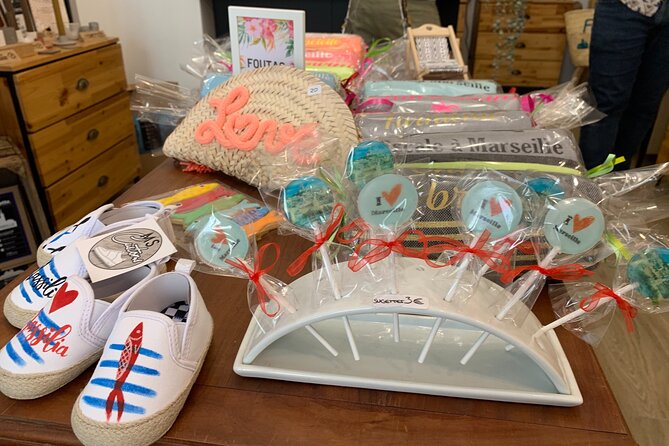
The navette is the most specifically Marseille-focused food on the route. It is a traditional dry biscuit, and Elizabeth explains how it became an iconic sweet for people in the city, particularly around Candlemas.
That makes the navette more than a quick snack. Its dry texture and long-standing place in local custom give you something to remember after the softer pastries are gone. The tour connects the biscuit with a calendar tradition, so you learn not only what it tastes like but also when people especially associate it with the city.
If you prefer cream-filled pastries or delicate desserts, the navette may seem plain beside the croissant or choux. That is part of its interest. Food traditions are not always about the most luxurious bite. Sometimes a simple biscuit carries more local meaning than a fashionable dessert.
I would pay close attention during this stop. The navette is the kind of food you might otherwise pass over in a shop window. Once you know its connection to Marseille and Candlemas, it becomes a useful souvenir of place, not just another biscuit.
Same city, a different tasting:
- Paris: Entrance Ticket to the Chocolate Museum
★ 4.1 · 1,105 reviews - A Morning in Paris Food Tour: Croissants, Baguettes & Chocolate
★ 5.0 · 556 reviews - Paris: 45-minute Chocolate Making Workshop at Choco-Story
★ 4.4 · 444 reviews - Passy-Grigny: Chocolate and Champagne Tasting Tour
★ 4.8 · 284 reviews
Croissants, choux, and the wider tasting
Croissant lovers receive a proper highlight: a croissant au beurre, the buttery style closely associated with France. One visitor described the croissant as the best part of the tasting, while another singled out the choux as especially good. Those comments point to a tour that puts real attention on texture and freshness, though the exact bakery and preparation time are not specified.
You may also taste baked goods, desserts, and other pastries. The experience is designed around several small discoveries rather than one large meal. That makes it useful before lunch or dinner, but you should not treat it as a substitute for a full meal.
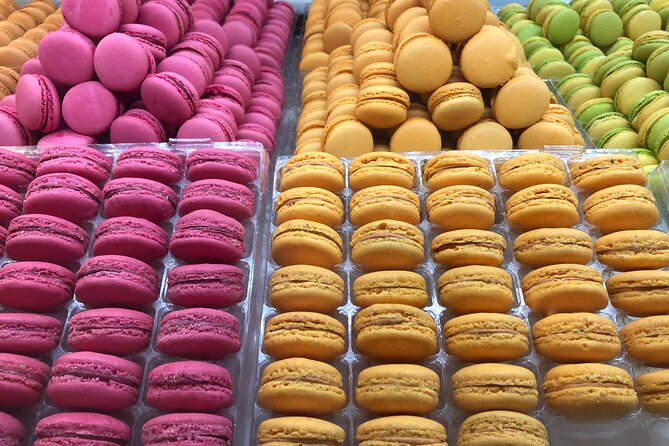
The range is important. A croissant gives you laminated pastry and butter. Choux brings a different texture and style. The navette offers a dry local biscuit, while chocolate adds a separate lesson in cocoa and confectionery. The variety keeps the two hours moving and gives you a better sense of what French sweets can include.
Portions and the exact number of stops are not stated, so appetites will vary. If you have a serious sweet tooth, this is good news. If you find several desserts in a row too much, eat lightly beforehand and pace yourself. You can always ask the guide about each sample instead of rushing to finish everything.
Stories that give the food a local setting
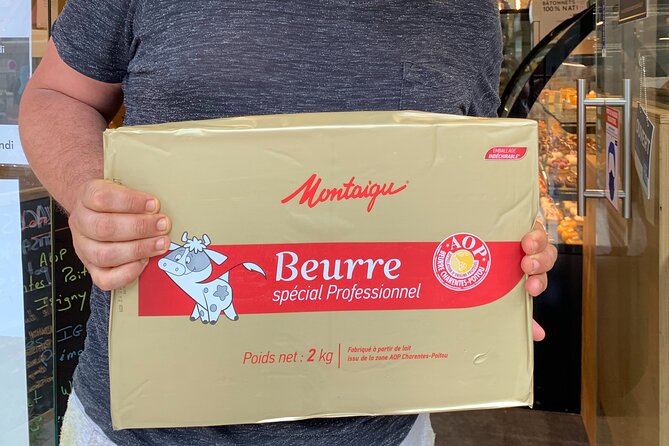
The tour’s cultural layer is one of its strongest features. Marseille is not presented only as a backdrop for eating. You hear about Provençal traditions, learn some French phrases, and get historical details connected with the city.
That balance helps prevent the walk from feeling like a pastry shopping trip. The food gives you an easy way into local life, while the guide’s stories add meaning to the streets. You may hear about events that are not part of a standard sightseeing route, including wartime history mentioned during one of the tours.
I like this format for a first day in Marseille. A food walk helps you get your bearings in the center, and the guide can give you a sense of local habits before you explore on your own. It also gives you ideas for what to buy later, which cafés to notice, and which regional specialties deserve another taste.
Still, expectations matter. This is a two-hour introduction, not a complete history tour or an expert pastry course. You’ll receive selected stories and explanations while moving between food stops. If you want a long museum-style account of Marseille, choose a dedicated history tour instead.
What the $112 price means
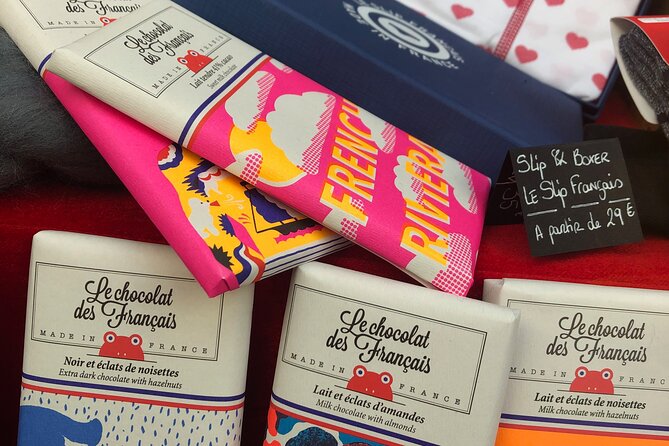
At $112 per person, this is not a bargain snack crawl. The price covers the local guide, the walking tour, and the pastries and chocolate tastings. It also buys the convenience of having someone choose the stops and explain the food as you go.
The value depends on how much you want from a guide. If you only want to buy a croissant and chocolate on your own, you can spend far less. If you want a local introduction, several tastings, cultural context, and a friendly small-group experience, the price becomes easier to justify.
A useful comparison is the time involved. Two hours gives you a focused introduction without taking half a day from Marseille sightseeing. You return to the starting point, so the tour does not leave you searching for your next destination. The route also combines food and walking, which may be more useful than a seated tasting alone.
The price does not include a stated meal, private group, hotel pickup, or guaranteed pétanque session. Keep that in mind when comparing it with other food tours. I would book this for the guide and local explanation as much as for the food itself.
Who should book this walk
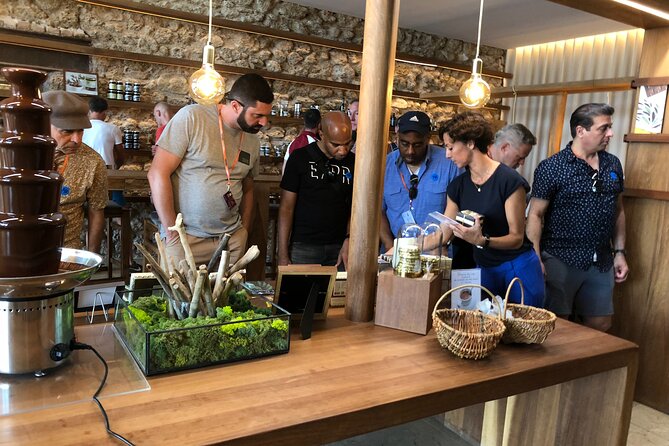
This tour fits you best if you enjoy trying several sweets, want a personal guide, and like learning small pieces of local culture along the way. It is especially suitable for couples, friends, and families who can manage two hours of walking and tasting.
It can work well with children, too. One family had three small children and found the guide able to handle the group. That does not guarantee that every child will enjoy every pastry, but the short duration and variety give families a fair chance of keeping everyone interested.
You should also consider it if you are visiting Marseille for a short time. The route gives you a quick introduction to the 1st arrondissement, local food shops, and city stories. It may be less suitable if you dislike sweet foods, need a seated experience, or have limited mobility.
The tour takes place rain or shine. Wear shoes suited to walking and bring a light rain layer when the forecast looks uncertain. Since the meeting point and return point are both at the Burger King on 19 Quai des Belges, you can plan the rest of your day around that central location.
Languages offered are English, French, and Spanish. That makes the tour accessible to a wider range of visitors, though you should select the language you need when checking available departures.
Practical booking advice
You can cancel up to 24 hours in advance for a full refund, and you can reserve now while paying later. That flexibility is useful in Marseille, where weather and changing sightseeing plans can affect a walking day.
Check the available start times before booking because the two-hour length is fixed but departure times are not stated here. If you want to use the tour as a morning introduction, confirm that a morning slot is available rather than assuming one.
The tour is guided in a small group, but the exact group limit is not supplied. The atmosphere is described as friendly and informal, so you can expect interaction rather than a silent line from shop to shop.
Should you book the Marseille pastry tour?
I would book it if you want a short, food-focused introduction to Marseille with a guide who adds history, language, and local customs. The navette gives the tour a clear Marseille identity, while the chocolate, croissant, choux, and other pastries keep the tasting varied.
I would skip it if your main goal is a full meal, a private food itinerary, or a detailed professional pastry class. At $112, you are paying for the guided experience and the local context, not just the amount of food.
For most visitors who enjoy sweets and can walk comfortably, this is a personable way to spend two hours in the city center. Go hungry enough to taste, but not so hungry that you expect lunch. And listen when Elizabeth explains the navette. That small biscuit may tell you more about Marseille than the flashiest dessert.
FAQ
How long does the Marseille pastry and chocolate tour last?
The tour lasts two hours, including the guided walk and tastings.
How much does the tour cost?
The listed price is $112 per person.
Where does the tour meet?
Meet in front of the Burger King at 19 Quai des Belges.
Where does the tour end?
The tour returns to the Burger King meeting point.
Which languages are available?
The live guide is available in English, French, and Spanish.
What food is included?
The experience includes pastries and chocolate tastings. Specific examples include French family-made chocolate, a traditional navette biscuit, a croissant au beurre, choux, and other sweet treats.
Does the tour operate in bad weather?
Yes. The tour takes place rain or shine.
Is the tour suitable for people with mobility impairments?
No. The tour is not suitable for people with mobility impairments.
Can I cancel for a refund?
Yes. You can cancel up to 24 hours in advance for a full refund.
Can I reserve now and pay later?
Yes. The reserve-now-and-pay-later option lets you hold a place without paying at the time of booking.
Newest chocolate tours around France
- Private Wine and Chocolate Tasting Experience★ 4.4 · 3 reviews
- Wine and chocolat tasting at Chablis.★ 4.9 · 5 reviews
- Wine and Chocolate experience★ 4.6 · 3 reviews
- Trio Chocolaté – Tour en français – Champagne Passy-Grigny★ 5.0 · 5 reviews
- Paris Sweet & Chocolate Family Treasure Hunt★ 5.0 · 37 reviews
- Molded Bonbons Chocolate making class in Paris (collective)★ 4.5 · 20 reviews
- Private Wine and Chocolate Tasting in Paris★ 4.5 · 4 reviews
- Private Family Chocolate Making Class in Paris★ 5.0 · 16 reviews
Pastry and Chocolate Tours, compared.
Historical Tour with Chocolate & Waffle Tasting
Read our review →
Paris French Sweets Tasting Tour with Pastries and Chocolates
Read our review →
Brussels Walking and Tasting Tour (Beers,Chocolates&Fries/Waffle)
Read our review →
Brussels Chocolate Beer Waffle and Belgian Whiskey All-in-One (Small Group) Tour
Read our review →
Paris Chocolate, Macaron & Pastry Food Tour: 10 Gourmet Tastings
Read our review →
Walking Food Tour with Chocolate, Beer, & Waffles
Read our review →
Melbourne Lanes & Arcades Chocolate and Dessert Walking Tour
Read our review →Browse the lists this tour appears in