
Review · CHOCOLATE TASTINGS
Monforte d’Alba: Wine and Chocolate Tasting Experience
The clever idea here is simple: five Piedmont wines meet five artisan chocolates in the old cellar of a working winery. Before you taste, you walk through the vineyards, see the farm museum, and learn how grapes move from hand-picking to bottling. It gives the tasting a useful sense of place instead of treating wine as a row of anonymous glasses.
I like the small six-person limit, which should leave room for questions, and I like the way chocolate is matched separately with each wine rather than served as one afterthought. Guides named Alessandro, Francesca, and Gabriella have led this experience, with particular praise for clear, friendly explanations. The main consideration is age: this is strictly for adults, and 90 minutes may feel brief if you want a long cellar tour or a full meal.
Key points at a glance
- Five local wines, including Barolo: You taste a broad sample of Piedmontese wine rather than just one headline bottle.
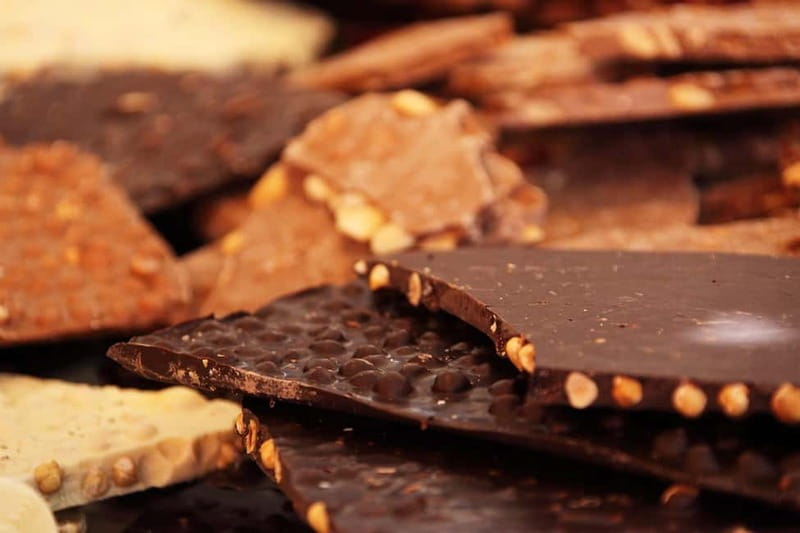
- A chocolate pairing for every wine: Each artisanal Piedmontese chocolate is selected to work with its wine.
- A walk through the vineyard first: The opening views help connect the glass in your hand with the Langhe soil and vines.
- A museum inside the estate: Period photographs and old tools explain the winery’s past in a compact, visual way.
- A six-person maximum: The small group suits anyone who wants direct access to the guide.
- A 90-minute format: It fits neatly into a day in Monforte d’Alba, but it is not a full winery-day outing.
Why the wine and chocolate pairing works
Piedmont is famous for serious wines and serious food. Here, the tasting puts two local strengths together, but the chocolate is not just a sweet snack between pours. Each piece is paired with one wine, allowing you to compare how sweetness, bitterness, texture, fruit, and oak can change what you notice in the glass.
That makes this a good choice if you are new to wine tasting. You do not need to arrive with a vocabulary of tannins and aromas. The guide explains the character of each product as you taste, and the chocolate gives you a clear point of comparison.
I also like the practical scale of the tasting. Five wines offer variety, while the 90-minute schedule keeps the experience focused. You should expect a guided tasting rather than a free-flowing drinking session. Water is included, and the experience includes the five wines and chocolate, but not a meal or other extras.
The pairing may appeal to experienced wine drinkers too, especially if you enjoy testing familiar assumptions. Chocolate can work beautifully with some wines and awkwardly with others. That contrast is part of the fun. The guide’s job is to explain why a particular combination works, and the most useful part may be the conversation around the pairings rather than the quantity poured.
More Chocolate Tastings in Italy
- The Turin Chocolate & Wine Tasting Experience
★ 4.7 · 87 reviews - The Turin Chocolate Tasting Experience
★ 4.7 · 83 reviews - Fine Chocolate Tasting in Turin
★ 4.8 · 71 reviews
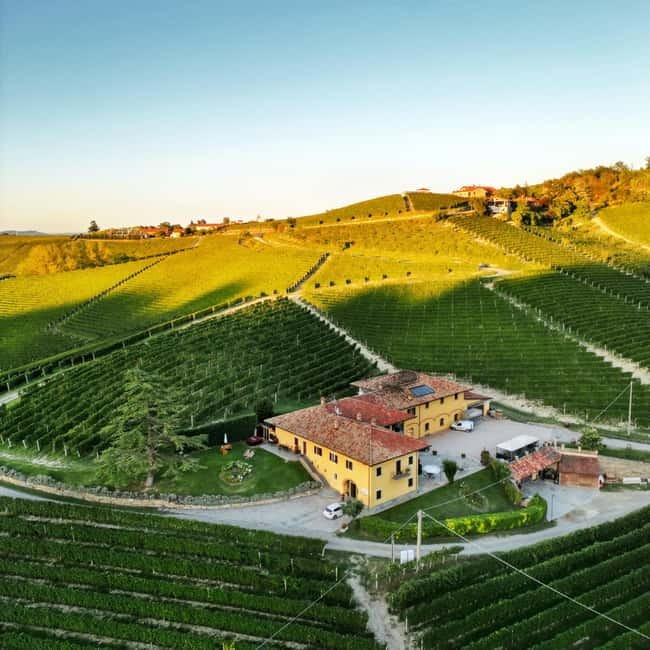
Starting among the Monforte d’Alba vines
The visit begins among the vineyard rows. This opening matters because it gives you a visual reference before you enter the winery. You can look over the surrounding Langhe views and see the setting that shapes the wines you are about to taste.
The Langhe is a UNESCO World Heritage Site, and the views are one of the strongest reasons to choose this experience in person rather than simply ordering a bottle at home. The vineyard walk is short, not a strenuous hike, and it sets a calm pace before the indoor portion begins.
You should allow a little extra attention to the setting here. The view is not just decorative scenery. It helps explain why a winery visit in Piedmont feels different from a tasting room in a city. Vines, farm buildings, and nearby hills form part of the story.
That said, the tour description does not give a walking distance or specify how long you remain outdoors. If you are planning around weather, bring suitable clothing. The experience moves from the rows into the estate, so the vineyard portion is only one part of the visit, but it is an important introduction.
The farm museum and the story behind the bottles
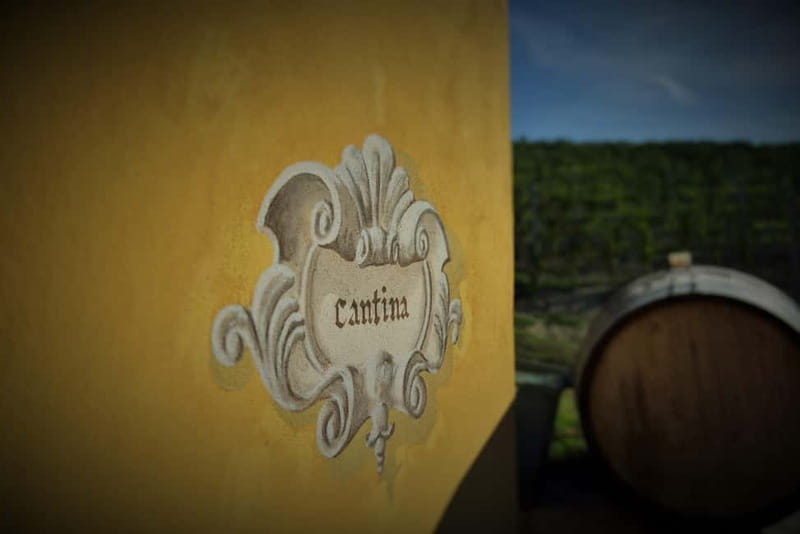
After the vineyard walk, you enter the estate museum. Its story is told through period images and old objects. This is a compact way to understand the farm’s past without turning the visit into a formal lecture.
I find this part valuable because it puts the bottles in a human setting. Wine can seem like a polished final product on a shop shelf. The photographs and artifacts help show the work, tools, and family continuity behind it.
The museum also gives your guide something concrete to explain. Instead of hearing general statements about tradition, you can connect the story to the actual farm and winery you are visiting. That makes the following cellar visit easier to understand.
The guide is a major part of the experience. Alessandro has been noted for combining the tasting with a clear account of the farm’s story. Francesca has been described as patient with questions and strong on detail, while Gabriella’s style has been praised for giving enough information without overloading the group. Since guide assignments can vary, you should not assume one particular person will lead your session, but the listed languages are Italian and English.
From hand-picked grapes to bottled wine
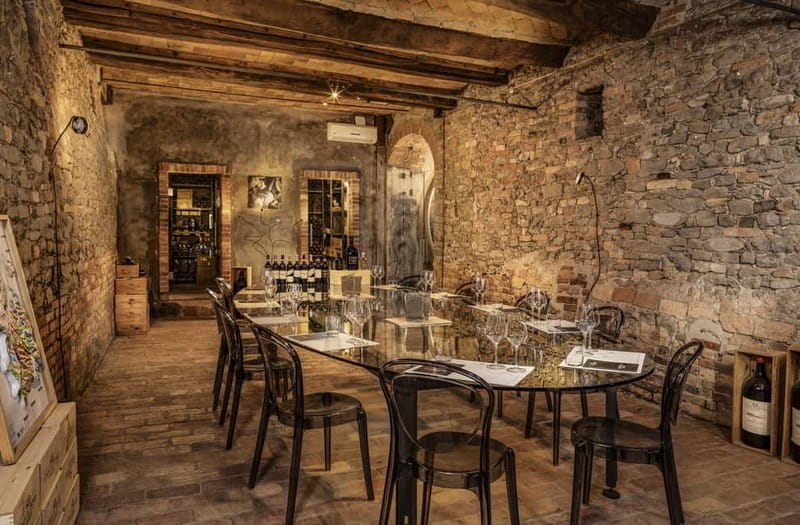
The next section explains traditional winemaking on the farm. You learn about the work that begins with hand-picking grapes in nearby vineyards and continues through production and bottling.
This is where the tour gains substance. A wine tasting is more useful when you understand what happened before the cork was removed. The guide explains the stages used at the farm and how the winery keeps its methods tied to a long local tradition.
You should not expect a technical winemaking course. The experience lasts only an hour and a half, and the focus is shared between the farm story, the cellar, and the paired tasting. Still, this overview should answer the basic questions many people have: how grapes are gathered, how the wine is made, and how it reaches the bottle.
One especially useful point is the emphasis on the physical work behind the wine. It is easy to think only about flavor. Learning how much effort goes into harvesting and production can make the final tasting feel more grounded and less like a luxury exercise.
If you ask questions, the group size works in your favor. With no more than six participants, the guide has a better chance of responding without rushing through a long queue of raised hands.
Same city, a different tasting:
- Turin: Visit to the Chocolate and Gianduja Museum, Choco-Story Torino
★ 4.6 · 221 reviews - Turin Sweet & Chocolate Walking Food Tour by Do Eat Better
★ 4.5 · 86 reviews - Chocolate & Sweets of Turin: La Dolce Vita Torino | Semi-Private
★ 5.0 · 71 reviews - The Turin Chocolate & Wine Tasting Experience
★ 5.0 · 62 reviews
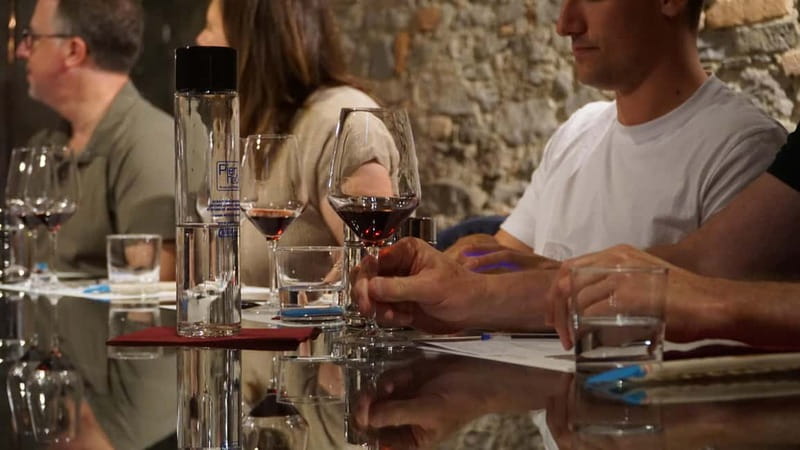
Five wines in the historic cellar
The tasting takes place in the historic cellar, now used as the tasting room. This gives the final part of the experience a strong sense of place. You are not simply seated in a generic bar with Piedmont labels on the wall. You are tasting inside the estate you have just seen.
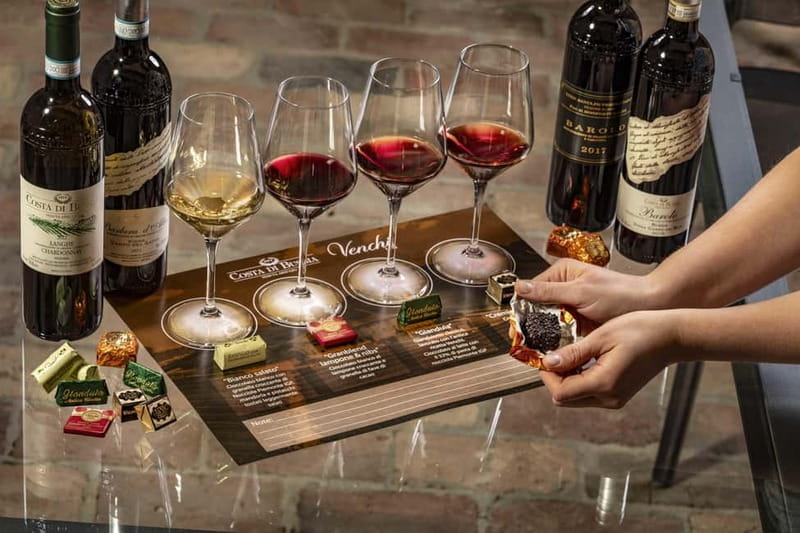
Five local wines are included, with a fine Barolo among them. The exact lineup is not specified, so you should not book this expecting particular vintages or grape varieties beyond the confirmed Barolo. The selection is intended to show the range and quality of the local production.
The guide leads you through each wine and explains its character. You can expect attention to aromas, flavors, and the way the chocolate changes the tasting. The aim is not to rush through five samples. It is to understand why each chocolate was selected for its wine.
Barolo gives the tasting a clear high point. It is one of Piedmont’s best-known wines, and including it means you receive an example of the region’s top-tier identity rather than a tasting made only of lesser-known bottles. Still, Barolo alone does not define the whole session. The value comes from seeing it alongside four other local wines.
Water is provided, which is a small but important detail during a tasting. Food is limited to chocolate, so plan to eat before or after if you need a proper lunch or dinner. This is a tasting experience, not a meal replacement.
What the chocolate adds to the tasting
The chocolate pairing is the tour’s most distinctive feature. Piedmont is well known for confectionery, and the artisan chocolates give the wines a second local partner.
Each wine has its own chocolate match. That format encourages you to taste in stages: first the wine, then the chocolate, then the wine again. You may notice a change in sweetness, acidity, fruit, or finish. Even if you are not usually interested in tasting notes, this simple comparison keeps you involved.
The pairings also help people with different levels of wine experience. A serious wine fan can think about balance and structure. A newcomer can use the chocolate as an easy way to notice what changes in the mouth.
Do keep your expectations sensible. The tour includes chocolate, not a full confectionery workshop. You will taste the products and hear about their qualities, but the supplied information does not promise chocolate-making demonstrations or a chance to create your own sweets.
Is $41 a fair price?
At $41 per person, the experience offers reasonable value if you want a compact winery visit with a guide, five wines, water, museum access, vineyard views, and five chocolate pairings.
The price makes more sense when you consider what is included. You are not paying only for five pours. You are also receiving a guided walk, an estate visit, an explanation of production methods, access to the historic cellar, and direct instruction in the pairings.
It is less compelling for someone who wants quantity over context. If your main goal is to drink as much wine as possible, a simple bar or restaurant may cost less. If you want a long vineyard excursion, a meal, or several hours of cellar time, you will need another type of tour.
For me, the strongest value comes from the small group. A six-person cap gives the session a personal scale, and the tasting format is carefully organized around the food pairing. That is a better use of $41 than a crowded, rushed tasting with little explanation.
Timing, language, and access
The experience lasts 1.5 hours, so it is easy to place before or after another activity in Monforte d’Alba. Starting times vary, and you need to check availability when choosing a date.
The live guide speaks Italian or English. Some content may be presented in its original language, so the experience is best for someone comfortable following a guided explanation in one of those languages.
The activity is wheelchair accessible. Hotel pickup and drop-off are not included, so you need to arrange your own way to the winery. The information provided does not specify transport from other Langhe villages, parking details, or the exact meeting point, so check those practical points before you finalize your plans.
Only adults 18 and older may participate. That rule is firm enough to make this unsuitable for families looking for a child-friendly vineyard visit.
Cancellation is flexible: you can cancel up to 24 hours before the start for a full refund. You can also reserve now and pay later, which helps if your Piedmont schedule is still shifting.
Who will enjoy this Monforte tasting most?
I would choose this for an adult couple, a small group of friends, or a solo visitor who wants a polished but local food-and-wine stop. It works especially well if you are staying in or near Monforte d’Alba and want to connect the village with the wider Langhe wine country.
It also suits people who enjoy learning through comparison. The wine and chocolate format gives you something to discuss, even if you are not a wine expert. The guide’s explanations are meant to make the products understandable, not to test your knowledge.
This is less suited to anyone who dislikes sweets, wants a full meal, or prefers a long technical cellar tour. It may also feel short if you have already visited several Piedmont wineries and are looking for a more elaborate production tour.
The guide can shape the experience. If you meet Alessandro, Francesca, Gabriella, or another member of the team, ask questions about the farm’s methods and the reason behind each chocolate match. The small group gives you a good chance to make the visit conversational rather than passive.
Should you book it?
Book this experience if you want a focused introduction to Piedmont wine, paired with local chocolate and framed by vineyard views, farm history, and a historic cellar. The five-wine lineup, Barolo inclusion, and six-person limit give it a strong balance of variety and personal attention.
Skip it if you need a meal, child-friendly activities, hotel transport, or a half-day winery excursion. For most adults spending time in Monforte d’Alba, though, $41 is a fair price for a well-shaped 90-minute experience that connects the work of the vineyard with what is in your glass.
FAQ
How long does the Monforte d’Alba wine and chocolate tasting last?
The experience lasts 1.5 hours, or 90 minutes.
How many wines are included?
You taste five local wines, including a fine Barolo.
Is chocolate included?
Yes. The experience includes artisanal Piedmontese chocolate, with a different chocolate paired with each wine.
Is water provided?
Yes. Drinks include the five local wines and water.
Is a winery tour included?
Yes. The experience includes a guided tour of the winery, the estate museum, and the historic cellar used as the tasting room.
What languages are available?
The live guide speaks Italian and English. Some content may be shown in its original language.
Can children join the experience?
No. Participants must be at least 18 years old.
Is the activity wheelchair accessible?
Yes, the activity is listed as wheelchair accessible. Hotel pickup and drop-off are not included.
More Wine and Chocolate Tours in Italy
- Wine & Chocolate Tour and Tasting in Alba area
★ 5.0 · 5 reviews - Melbourne: Yarra Valley Wine, Gin, Whisky and Chocolate Tour
★ 5.0 · 3,667 reviews - Epic Yarra Valley Wine Tour + Lunch, Chocolate & Gin/Beer Option
★ 5.0 · 1,819 reviews - Amazing Yarra Valley Wine Tour + Chocolate, Farm Fresh, Gin
★ 5.0 · 1,566 reviews
Newest chocolate tours around Italy
- Willy Wonka in Turin – A chocolate adventure★ 3.7 · 6 reviews
- Venchi Duomo: Chocolate Tasting Experience in Florence★ 4.3 · 4 reviews
- Venchi Pantheon: Chocolate Tasting Experience in Rome★ 5.0 · 2 reviews
- Turin: 45-Minute Chocolate Workshop at Choco-Story★ 4.7 · 25 reviews
- Turin’s Sweet Delights: A Chocolate Walking Tour★ 4.9 · 26 reviews
- Venchi Rialto: Chocolate Tasting Experience in Venice★ 5.0 · 5 reviews
- The Turin Chocolate Tasting Experience★ 4.5 · 31 reviews
- Fine Chocolate Tasting in Turin★ 5.0 · 26 reviews
Chocolate Tastings, compared.
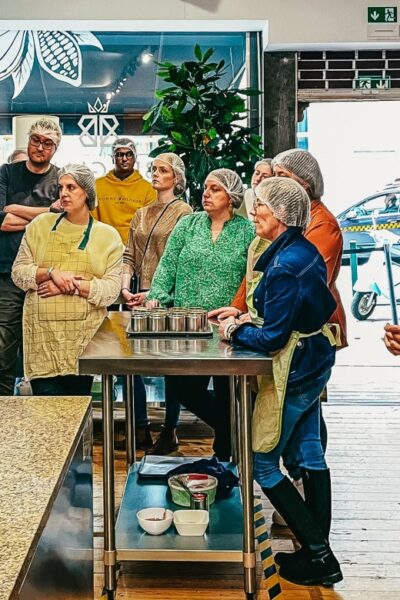
Belgian Chocolate Making Workshop with Tastings
Read our review →
Choco-Story Chocolate Museum Guided Tour w/Tastings
Read our review →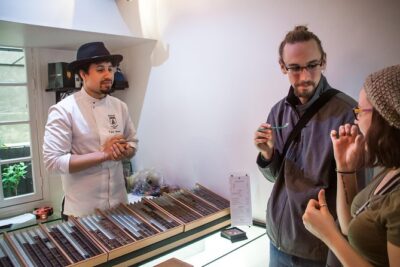
Paris French Sweets Tasting Tour with Pastries and Chocolates
Read our review →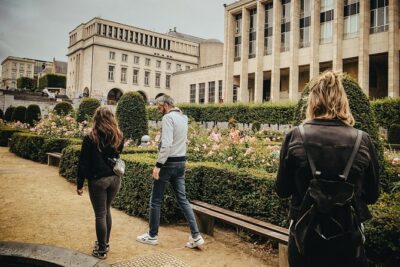
Brussels Walking and Tasting Tour (Beers,Chocolates&Fries/Waffle)
Read our review →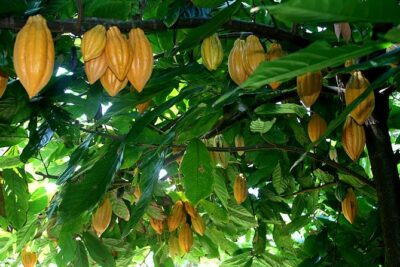
Princeville Botanical Gardens Tour and Chocolate Tasting Ticket
Read our review →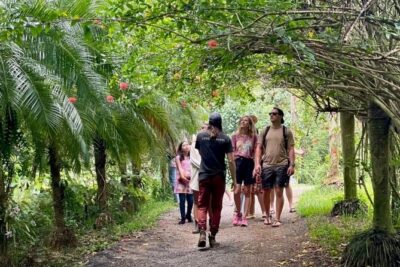
Brussels and Bruges Tour & Optional Chocolate Tasting
Read our review →
Browse the lists this tour appears in