
Review · CHOCOLATE TASTINGS
Noto and Modica: Private Tour with Artisan Chocolate Tasting
Modica’s chocolate is the tasty finale, but the real treat is seeing Noto and Modica together with a private guide who can explain why their Baroque architecture looks so dramatic. You’ll tour grand churches, aristocratic palaces, steep streets, and a traditional chocolate shop in one compact outing. I especially like the flexible pace and the chance to hear a local view of Sicilian culture from guides such as Oscar.
I also like that the tour covers the big sights, including Noto Cathedral and San Giorgio, without locking you into a fixed script. The main caution is time: three hours is brief for two cities, and transportation between Noto and Modica is not included unless you arrange it and pay extra.
Key points at a glance
- Two Baroque cities in one private outing: See Noto and Modica with a guide focused on your interests.
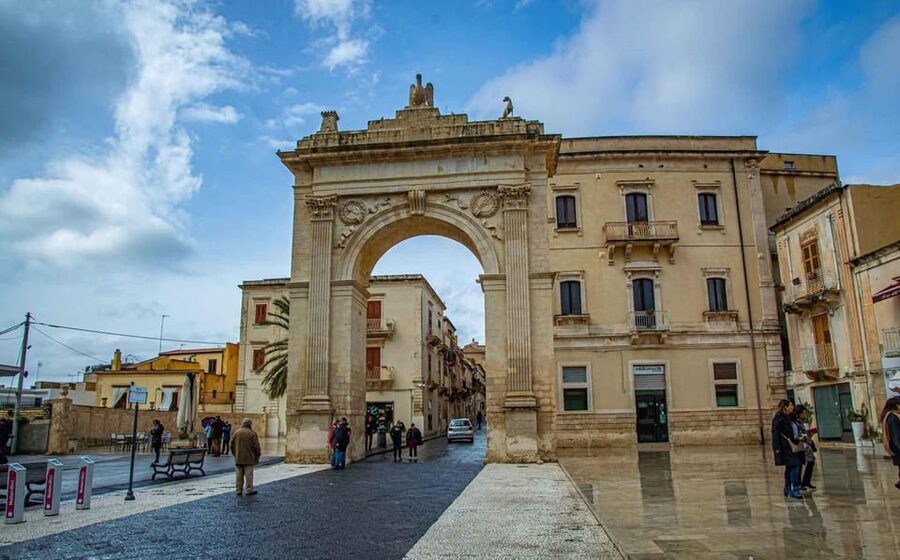
- Noto’s best-known sights: Walk from Porta Reale along Corso Vittorio Emanuele to the cathedral, Palazzo Nicolaci, Ducezio Palace, and San Carlo al Corso.
- Modica’s dramatic churches: Visit San Giorgio and San Pietro, both closely tied to the town’s steep, theatrical setting.
- A proper chocolate stop: Taste Modica chocolate made with a cold-processing method that leaves its famous grainy texture.
- Good use of a short visit: The tour gives you a clear first look at both towns, though it cannot provide a slow, detailed visit to every monument.
- Private and adaptable: You can request a preferred start time and ask the guide to give extra attention to architecture, stories, chocolate, or less familiar corners.
Why Noto and Modica work well together
Noto and Modica are both major examples of Sicilian Baroque, yet they offer different visual experiences. Noto is broad, orderly, and theatrical, with honey-colored buildings arranged along a handsome main street. Modica feels more vertical and folded into the hills, with churches, stairways, and buildings appearing at different levels.
That contrast makes the pairing worthwhile. In Noto, you can look down a grand avenue and read the city as a planned display of churches and noble homes. In Modica, you spend more time looking up, around corners, and along sloping streets.
A private guide helps connect the buildings to the people who commissioned them and to the local traditions that continue today. Oscar, one of the named guides associated with this experience, is described as friendly, well-informed, and happy to discuss Sicilian history and culture from a local point of view. That matters here. The architecture is impressive on its own, but the stories help you understand why these towns look the way they do.
More Chocolate Tastings in Italy
- The Turin Chocolate & Wine Tasting Experience
★ 4.7 · 87 reviews - The Turin Chocolate Tasting Experience
★ 4.7 · 83 reviews - Fine Chocolate Tasting in Turin
★ 4.8 · 71 reviews
Starting at Porta Reale in Noto
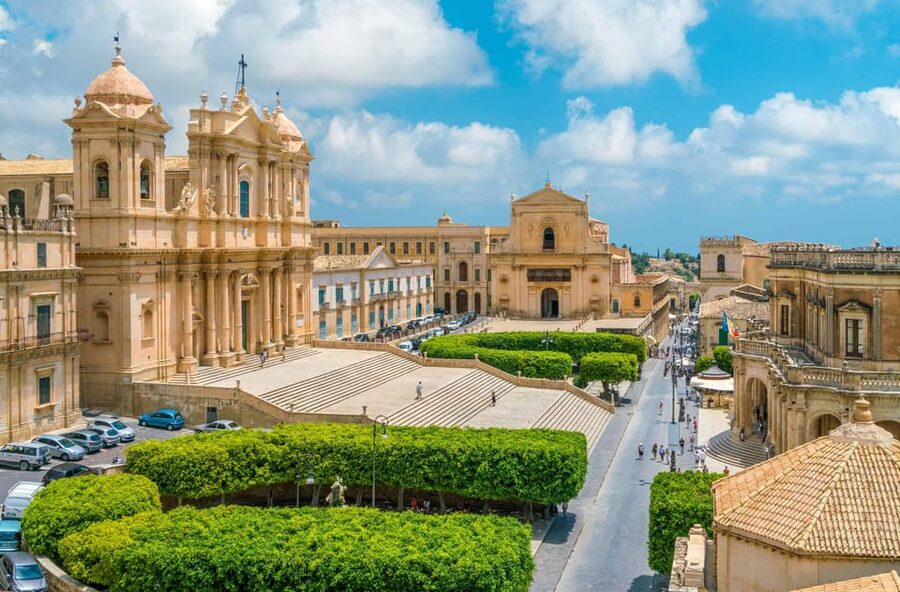
The usual meeting point is Porta Reale, the monumental gateway into Noto. It is an easy place to recognize and a sensible starting point because it puts you right at the edge of the main historic center.
From here, the tour becomes a walking introduction to Noto. You’ll move along Corso Vittorio Emanuele, the city’s principal street, where Baroque churches and palaces create a steady succession of decorated facades. This is a good place to let the guide set the scene before you begin focusing on individual buildings.
The private format is useful from the start. If you care about church interiors, your guide can give them more attention. If you prefer city views, architecture, or local customs, you can ask for that emphasis instead. You are not being moved through a large group at someone else’s pace.
Noto Cathedral and the city’s grand center
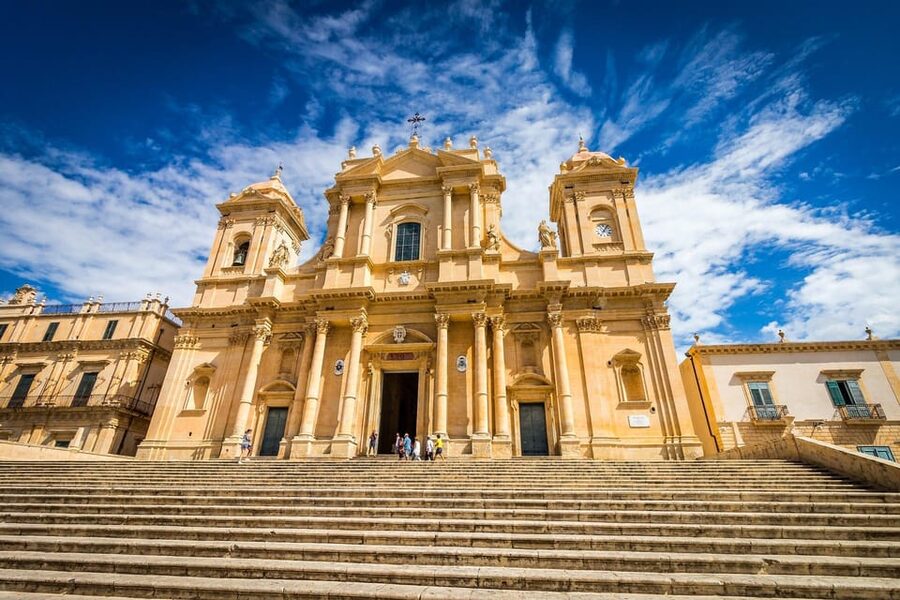
Noto Cathedral, also called the Cathedral of San Nicolò, is the city’s main landmark. Its broad facade and bright interior give you the classic Noto Baroque experience: formal, grand, and carefully composed.
The cathedral is also a good reminder that Noto is a city rebuilt and reshaped after a major earthquake in the late 17th century. The tour information does not promise a long specialist lecture, so expect an overview rather than an academic study. Still, a local guide can point out the parts that are easy to miss when you are simply taking photographs.
Nearby Ducezio Palace serves as Noto’s town hall. Its Hall of Mirrors is the showpiece, with lavish decoration that reflects the city’s former civic and aristocratic ambitions. This stop adds variety to the churches. Instead of looking only at religious art, you get a sense of how public power and wealth were presented.
The tour also includes Palazzo Nicolaci, one of Noto’s most memorable aristocratic buildings. Its balconies are famous for their ornate supports and expressive decoration. Look closely at the details beneath the railings. They are meant to be playful and theatrical, not restrained.
San Carlo al Corso provides another strong viewpoint. If access to the bell tower is available during your visit, the climb gives you a broad look across Noto’s rooftops and Baroque streets. This is one of the tour’s more useful photo stops because it lets you see how neatly the city’s main buildings fit together.
The sequence through Noto is compact but effective. You get the main street, the cathedral, civic architecture, an aristocratic palace, and a view from above. The tradeoff is that three hours must also include Modica, so you should not expect extended time inside every building.
Moving from Noto to Modica
Noto and Modica are separate towns, so you need transportation between them. Private transportation is available on request for an additional charge, but it is not included in the listed price.
This is the most important practical detail to settle before booking. Ask where the guide will meet you, how the transfer will work, and where the tour will finish. The usual starting point is Porta Reale in Noto, while the stated route finishes in Modica. Other meeting information says the activity ends back at the meeting point, so confirm the final drop-off rather than assuming it.
If you already have a car, clarify whether you should drive between the towns and where the guide will meet you in each place. If you do not have a car, arranging the extra transport in advance will make the three-hour schedule much easier.
Same city, a different tasting:
- Turin: Visit to the Chocolate and Gianduja Museum, Choco-Story Torino
★ 4.6 · 221 reviews - Turin Sweet & Chocolate Walking Food Tour by Do Eat Better
★ 4.5 · 86 reviews - Chocolate & Sweets of Turin: La Dolce Vita Torino | Semi-Private
★ 5.0 · 71 reviews - The Turin Chocolate & Wine Tasting Experience
★ 5.0 · 62 reviews
Modica’s churches and steep old center
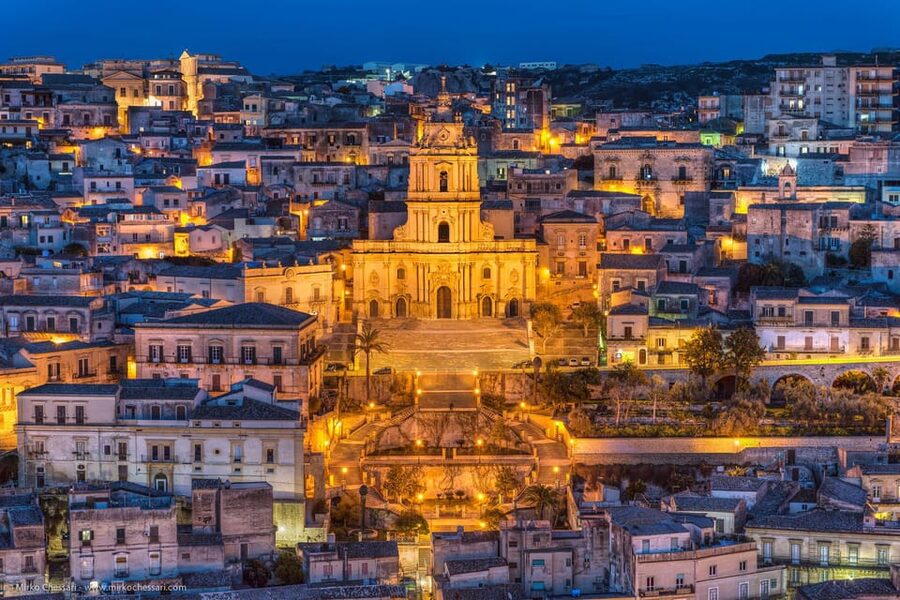
Modica changes the mood. The town is known for buildings arranged across steep terrain, and the walk can feel more demanding than Noto’s main avenue. The payoff is a more layered view, with streets, stairways, churches, and houses appearing at different heights.
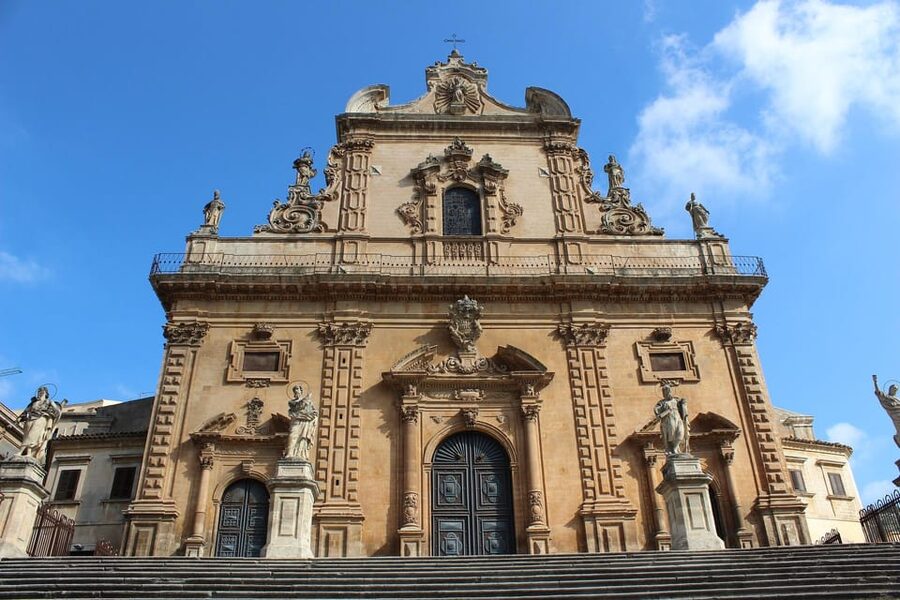
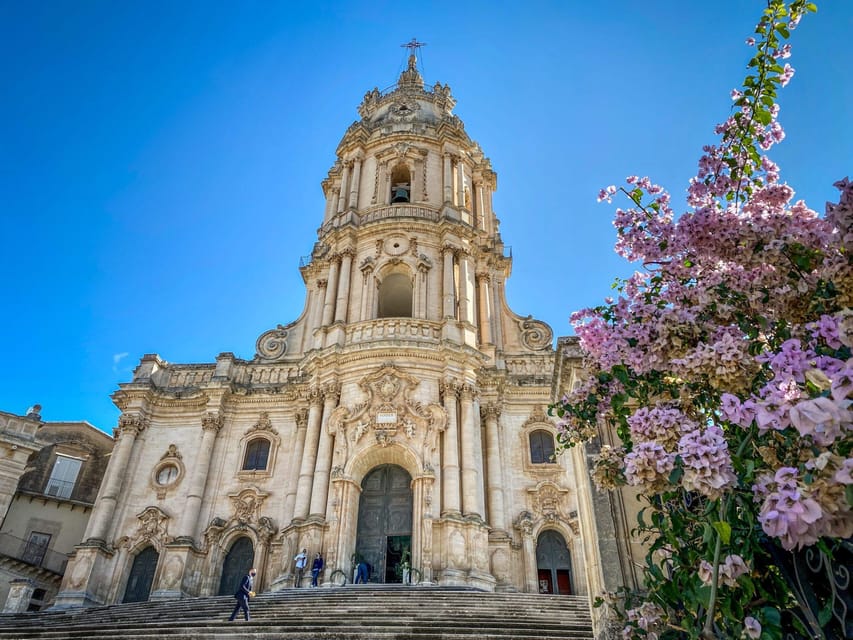
The Cathedral of San Giorgio is the major stop. Its grand staircase leads your eye upward, while the interior continues the Baroque style with decorative detail and strong vertical lines. It is one of the sights that makes Modica especially memorable, even on a short visit.
The Church of San Pietro offers another fine Baroque setting. Its staircase is decorated with statues of saints, creating a formal approach that is almost as important as the church itself. The interior gives you a different scale from San Giorgio, and the comparison helps you see the range of Modica’s religious architecture.
The historic center adds the informal side of the town. You’ll pass craft shops, older buildings, and smaller corners that do not appear on a standard list of monuments. Since the tour is private, you can ask to pause for photographs or spend a little more time in an area that catches your attention.
Be realistic about the walking. The route includes churches, photo stops, and streets in a town known for its slopes. The experience is advertised as wheelchair accessible, but the route includes steps and a possible bell-tower visit, so anyone with limited mobility should confirm the exact path and access arrangements before booking.
Modica chocolate, made the old-fashioned way
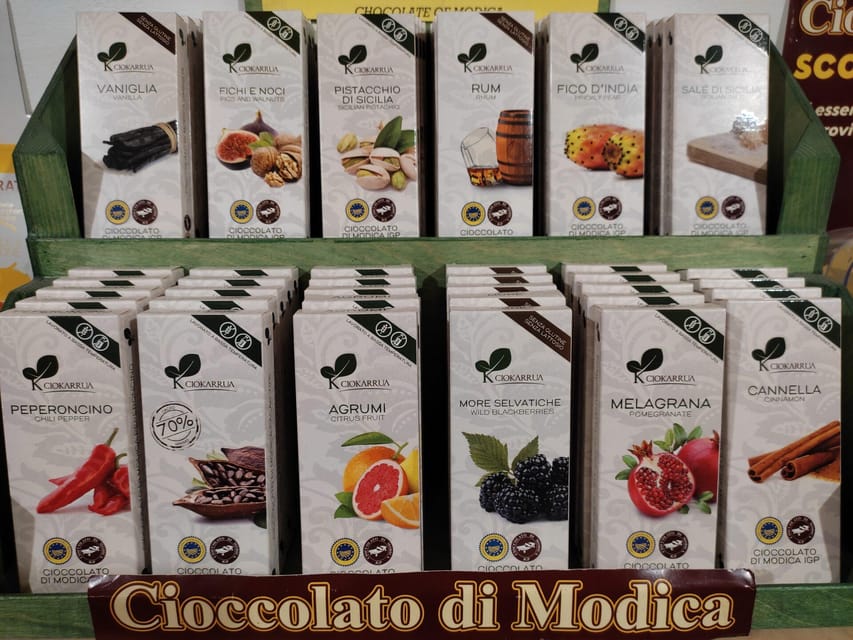
The tasting is more than a quick sample at the end. At a traditional chocolate shop, you’ll learn about Modica’s distinctive method and try several flavors.
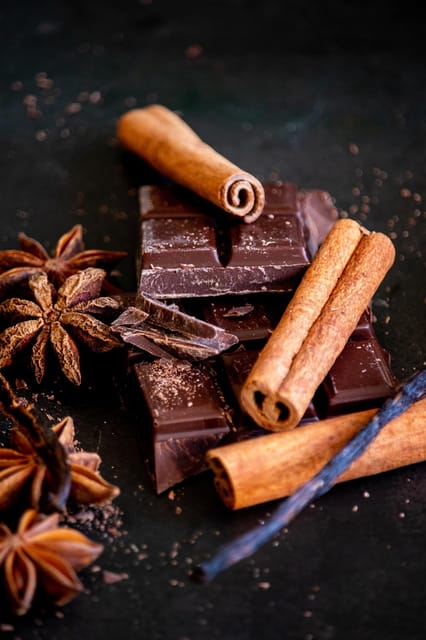
Modica chocolate is made using a cold-processing technique. Sugar crystals remain noticeable in the finished bar, giving it a dry, grainy texture that differs from the smooth chocolate common elsewhere. The method is linked to an old Aztec recipe and has become one of Modica’s signature food traditions.
The tasting may include combinations such as vanilla, citrus, and chili. Those flavors give you a useful comparison. Vanilla keeps things familiar, citrus adds a sharper Sicilian note, and chili brings heat that changes the way the chocolate finishes.
This stop is especially valuable if you enjoy food with a sense of place. You are not simply buying a souvenir bar. You are learning why the texture is different and how the production method shapes the taste. Additional meals and drinks are not included, but the artisan chocolate tasting is part of the tour.
I would save your appetite for this portion and treat it as a focused tasting rather than a full snack break. If you want to buy extra chocolate, that is a personal expense, so leave room in your budget for purchases.
What the private format changes
A private tour is most useful here because the two towns offer more sights than you can comfortably cover in three hours. You can ask the guide to focus on architecture, churches, local stories, food traditions, or photography instead of following a rigid group route.
You can also request a preferred start time. Mention your preference when booking, especially if you are coordinating the outing with other plans. A morning or afternoon start may change how much time you have for independent exploring afterward.
The guide can also adjust the balance between Noto and Modica. If Noto’s palaces matter most to you, say so. If the chocolate tradition and Modica churches are your priority, the route can reflect that. Customization does not create more time, but it helps keep the limited time from being spent on sights that do not interest you.
The personal element received the strongest praise from the available feedback. Oscar is described as kind, friendly, and able to answer questions about Sicilian culture. That kind of conversation is one of the better reasons to choose a private guide rather than simply walking through both towns with a map.
Is $192.58 per person good value?
At $192.58 per person, this is not a cheap sightseeing walk. You are paying for a private guide, a tailored route, and an artisan chocolate tasting. Transportation between Noto and Modica costs extra, which raises the final price if you need a private vehicle.
The value depends heavily on group size. For two or more people, the private format can make more sense because you are sharing the guide cost while keeping the flexible pace. For a solo visitor, the price is harder to justify unless having a private guide and arranged transfer is especially important.
You are also buying efficiency. In three hours, you get an orientation to two UNESCO-recognized Baroque cities, several major monuments, and a local food tradition. It is a good introduction, but not a full-day study of either town.
I see this as a strong choice for a first visit when you want context and a clear route. If you already know Noto and Modica well, or if you prefer to spend an hour inside each monument, the short duration may feel limiting.
Who should book this experience?
I would choose this tour if you want to see both towns but do not want to plan the route yourself. It suits couples, families, and small private groups who value questions, conversation, and a flexible pace.
It is also a good match for visitors interested in architecture and food in equal measure. You get the big Baroque sights, then a specific local product with a distinctive preparation method. That combination feels more connected to Sicily than a church-only tour.
You should think twice if transportation is a problem, if you want a slow day, or if you dislike moving quickly between major sights. The route is designed to give you an overview, not hours of quiet time in one place.
The tour is conducted in English, and cancellation is free up to 24 hours before the start. You can also reserve now and pay later, which helps if your schedule is still shifting. Those policies are useful, but the bigger planning question remains the transfer between towns.
Final verdict: a smart first look at southeastern Sicily
Book this tour if you want a private introduction to Noto and Modica, appreciate a guide who can discuss Sicilian life as well as monuments, and like the idea of finishing with unusual chocolate. The strongest parts are the flexible format, Oscar’s friendly local approach, and the contrast between Noto’s orderly Baroque center and Modica’s steep historic streets.
Skip it if you need a relaxed full-day visit or do not want to pay extra for transportation. Before confirming, settle the pickup and drop-off details and ask how the three hours will be divided.
For the right visitor, this is a well-packed first taste of two important Sicilian towns, with just enough chocolate to make the architecture easier to remember.
FAQ
How long does the private tour last?
The tour lasts three hours. Starting times can be checked when you choose a date, and the private format allows you to request a preferred start time.
Where does the tour begin?
The meeting point can be agreed on when booking. The usual starting point is Porta Reale, the recognizable monumental entrance to Noto.
Does the tour include transportation between Noto and Modica?
No. Transportation between the towns is not included in the listed price, but private transportation can be arranged on request for an additional cost.
What is included in the price?
The price includes a private English-speaking guide, the guided tour, and a tasting at an artisan chocolate shop in Modica. Meals, extra drinks, souvenirs, and other personal purchases are not included.
Is the tour wheelchair accessible?
The activity is listed as wheelchair accessible. Because the route includes historic churches, streets, and possible steps such as a bell-tower climb, confirm the exact route and access needs when booking.
Can I cancel the tour?
Yes. You can cancel up to 24 hours in advance for a full refund. You can also reserve now and pay later.
Newest chocolate tours around Italy
- Willy Wonka in Turin – A chocolate adventure★ 3.7 · 6 reviews
- Venchi Duomo: Chocolate Tasting Experience in Florence★ 4.3 · 4 reviews
- Venchi Pantheon: Chocolate Tasting Experience in Rome★ 5.0 · 2 reviews
- Turin: 45-Minute Chocolate Workshop at Choco-Story★ 4.7 · 25 reviews
- Turin’s Sweet Delights: A Chocolate Walking Tour★ 4.9 · 26 reviews
- Venchi Rialto: Chocolate Tasting Experience in Venice★ 5.0 · 5 reviews
- The Turin Chocolate Tasting Experience★ 4.5 · 31 reviews
- Fine Chocolate Tasting in Turin★ 5.0 · 26 reviews
Chocolate Tastings, compared.
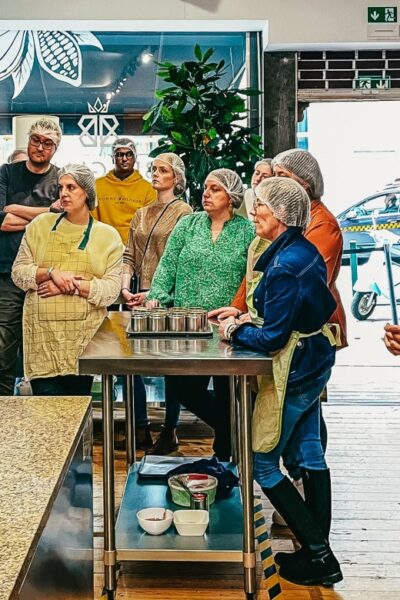
Belgian Chocolate Making Workshop with Tastings
Read our review →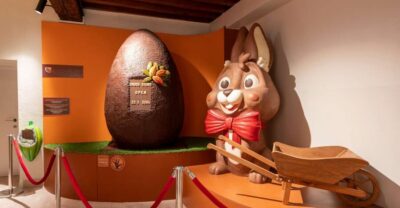
Choco-Story Chocolate Museum Guided Tour w/Tastings
Read our review →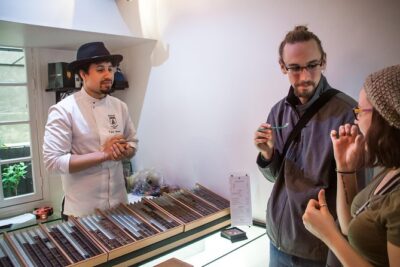
Paris French Sweets Tasting Tour with Pastries and Chocolates
Read our review →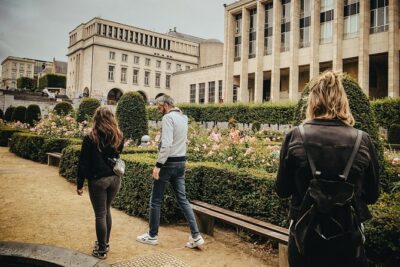
Brussels Walking and Tasting Tour (Beers,Chocolates&Fries/Waffle)
Read our review →
Princeville Botanical Gardens Tour and Chocolate Tasting Ticket
Read our review →
Brussels and Bruges Tour & Optional Chocolate Tasting
Read our review →
Browse the lists this tour appears in