
Review · BEAN-TO-BAR CHOCOLATE TOURS
Bean to Bar: Cocoa and Chocolate Workshop
The best part of this 105-minute chocolate workshop is that it shows you the work behind the finished treat. You see cacao roasted and separated, learn why Colombian varieties matter, then use chocolate yourself instead of simply sampling a few pieces.
I like the private format and the chance to taste chocolate ranging from 40 percent white chocolate to 100 percent pure cocoa. I also like that guide Alejandra explains the process with real enthusiasm and makes room for questions. The main drawback is simple: people with food allergies should not book, and Sunday visits may find the production area quiet.
- See the working chocolate area: Visit a fully equipped chocolaterie with machinery used in local production.
- Taste five chocolate styles: Compare white, milk, dark, pure cocoa, and blends with different percentages and origins.
- Follow cacao from bean to bar: Learn about roasting, separation, cacao varieties, harvest, and ecology.
- Make your own creation: Work with guidance to produce bonbons, truffles, or chocolate bars.
- Enjoy a private session: Your group receives the instructor’s attention in English or Spanish.
- Meet near Arsenal Street: Start at the pink, two-story building with wooden barrels outside, close to the convention center.
A Chocolate Workshop Instead of a Quick Tasting
Many chocolate activities give you a few samples and a short explanation. This one gives you a look at production and puts you at the worktable. That difference matters. You are not only learning what chocolate tastes like. You are learning why it tastes that way and what has to happen before it reaches a shop shelf.
The session takes place in a chocolaterie near the beginning of Arsenal Street in Bolívar. The meeting point is easy to identify: a two-story pink building with wooden barrels outside. The barrels promote free hugs, so you have a visual marker rather than a vague instruction to search for a storefront.
At the building, the host takes you to the exact room used for the activity. The workshop is private, which gives the class a more personal feel. You can ask questions without waiting for a large group to move on, and the instructor can give more attention to your chocolate-making work.
The listed price is $101 per person. That is not a casual snack purchase, so I would book it for the learning and hands-on work, not just for the amount of chocolate you eat. You are paying for a private class, access to a production area, instruction in English or Spanish, tastings, and the chance to make something yourself.
Inside the Pink Building Near Arsenal Street
The meeting point sits at the beginning of Arsenal Street, around the corner and across from the convention center. You should provide an email address and a phone number with the area code when booking, since the confirmation arrives by email and includes a calendar invitation.
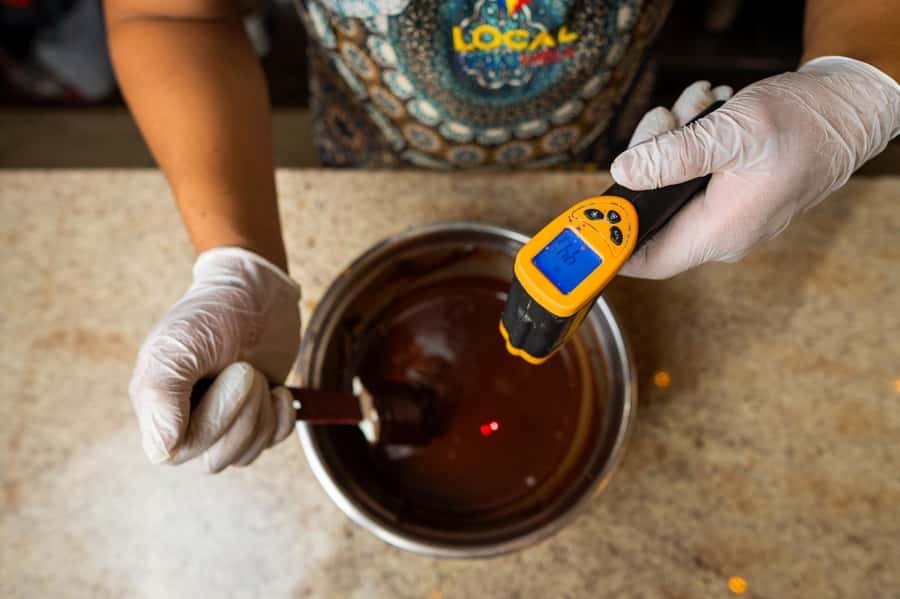
Once inside, expect to see a fully equipped chocolate production space. The activity description refers to modern machinery and local artisans, giving the workshop a more practical setting than a standard cooking demonstration. You can connect the equipment to the steps explained by your guide.
One useful detail comes from the Sunday format. Some chocolate-making stages may already be prepared before you arrive, especially when no one is actively working in the production area that day. That keeps the class moving, but it also means you may not watch every single stage from start to finish in real time.
I see this as a fair trade. The process is too long for a 105-minute class if every step had to happen while you waited. Prepared stages let you spend more time tasting, asking questions, and making chocolate instead of standing around for roasting or setting.
More Bean-to-Bar Chocolate Tours in Colombia:
- 1.5h Belgian Chocolate Workshop in Brussels (bean to bar)
★ 4.5 · 462 reviews - Bean to Bar Chocolate Workshop in Puerto Vallarta
★ 5.0 · 381 reviews - Bean to Bar Chocolate Workshop in Barcelona
★ 5.0 · 172 reviews
From Cacao Bean to Chocolate
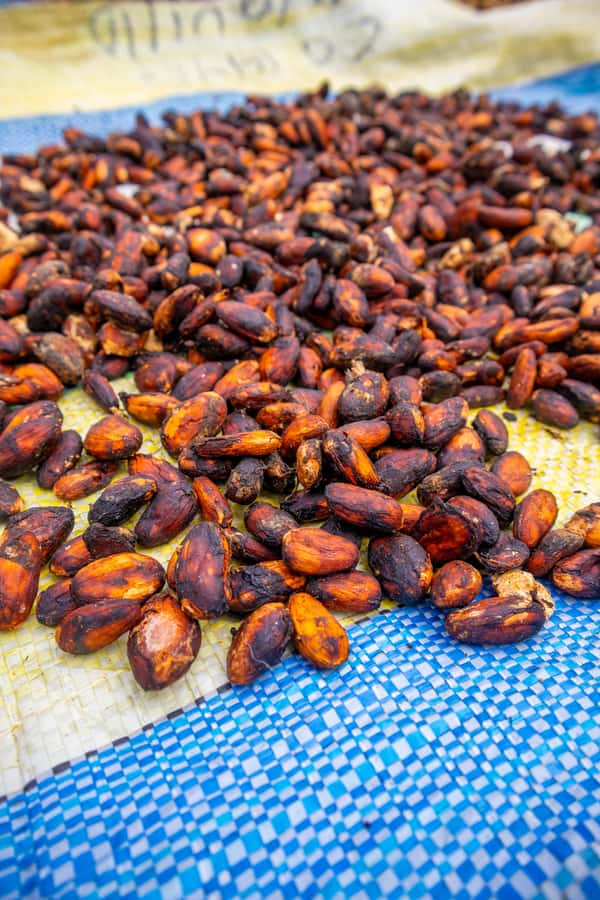
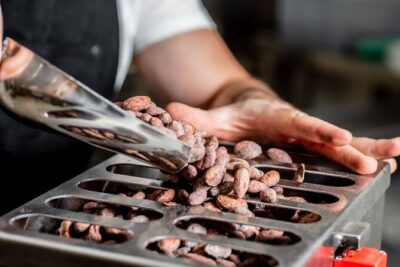
The first teaching section follows cacao through its main changes. You learn about the bean, harvest, ecology, roasting, and separation. These details give the tasting some meaning. A dark chocolate is not simply stronger than a milk chocolate, and a percentage printed on a label does not tell the whole story.
Roasting is an important moment because heat changes aroma and flavor. The class gives you a chance to see how this stage fits into the larger process. Separation also matters, since the cacao must be broken down and prepared before it can become the smooth chocolate used for bonbons, truffles, and bars.
The instructor also explains different cacao varieties at a national level. This is one of the more valuable parts of the class for visitors who want a better sense of Colombian food culture. You are not getting a broad lecture on every region of the country, but you are learning why the source and type of cacao affect the finished product.
Guide Alejandra is specifically noted for her energy and clear answers. That can make a big difference in a workshop. Chocolate production has plenty of technical terms, and a guide who welcomes questions helps turn a factory-style process into something you can follow.
Expect information, but not a formal academic lecture. The appeal is seeing, tasting, and making. If you want a detailed agricultural course, this session will feel short. If you want a solid introduction with hands-on work, the balance is better.
Tasting Chocolate From 40 to 100 Percent
The tasting includes several chocolates with different percentages and origins:
- White chocolate at 40 percent
- Milk chocolate at 46 percent
- Dark chocolate at 80 percent
- Pure cocoa at 100 percent
- Blended chocolate made from more than one style
This range lets you compare texture, sweetness, bitterness, and intensity. White chocolate is the gentle starting point, while 100 percent cocoa is a much sharper experience. The 80 percent dark chocolate gives you a middle ground for noticing how cacao flavor changes as sugar decreases.
The percentages are useful, but they are not a quality ranking. A higher number does not automatically mean a better bar. It means more cocoa content, usually with less sugar. Your own preference may land on milk chocolate, dark chocolate, or a blend.
The different origins add another layer. You can pay attention to how each sample smells and tastes rather than treating chocolate as one single flavor. Ask Alejandra to explain the differences as you go. A private class is the right setting for this kind of question.
I particularly like the inclusion of pure cocoa because it resets your expectations. It is not the sweet confection many people imagine when they hear the word chocolate. That sharp contrast helps you understand what sugar, milk, roasting, and blending contribute to the final product.
Making Bonbons, Truffles, or Bars
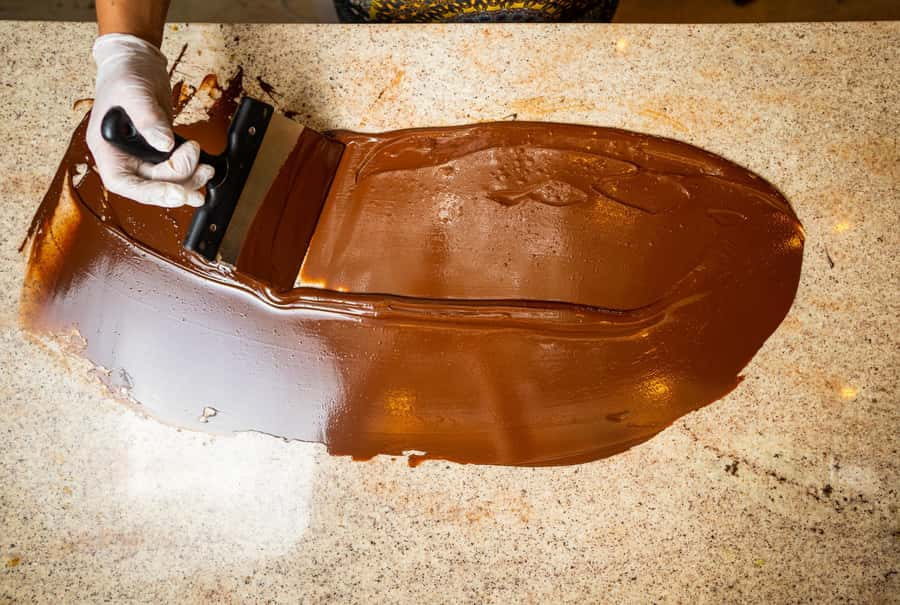
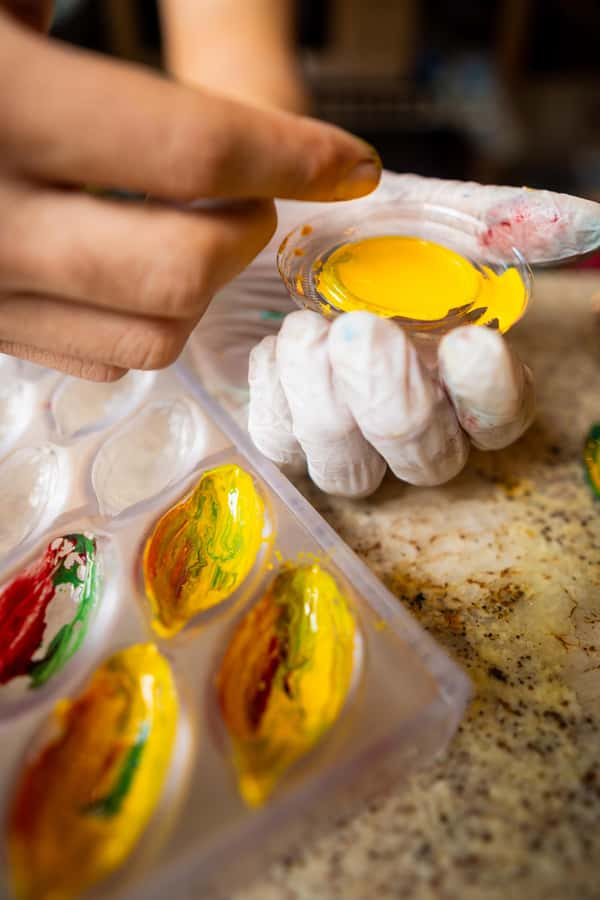
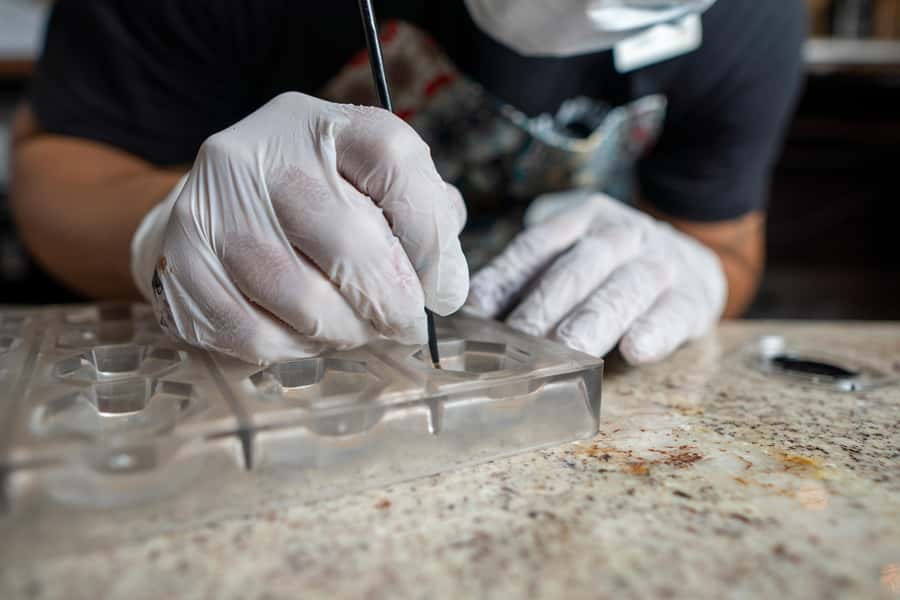
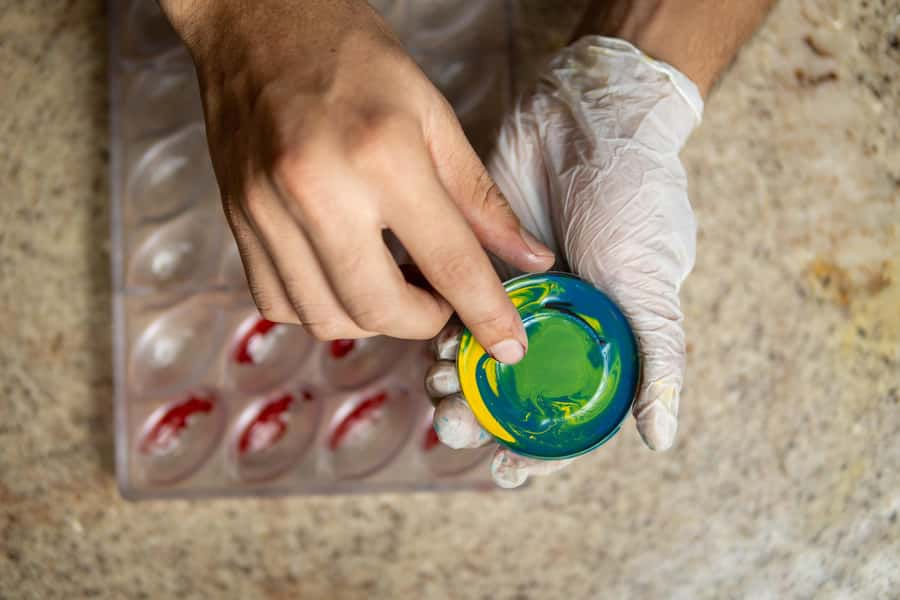
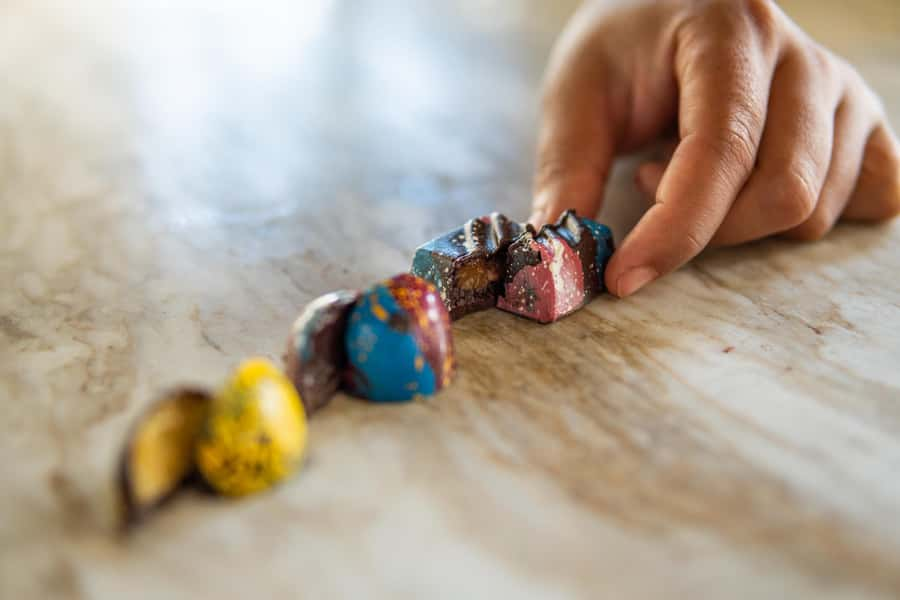
The hands-on section is the heart of the experience. Under the instructor’s direction, you can make bonbons, truffles, or chocolate bars. The exact choice may depend on the session and the work already prepared, but the point is that you are shaping and finishing chocolate rather than watching someone else do everything.
This is also where comfortable clothing matters. Chocolate can stain, so wear clothes you do not mind getting messy. You do not need to dress up for the workshop. An apron is part of the scene, but stain-friendly clothing is still the sensible choice.
The activity welcomes both beginners and people who already enjoy making sweets. A first-time chocolate maker can follow the instructor’s steps, while a more confident cook has room to play with shape and presentation. The description makes creativity part of the class, so you are encouraged to make choices instead of producing an identical item with no personal touch.
Do not expect a full professional pastry course in less than two hours. You will not master every technical detail of tempering, filling, molding, and storage in one visit. What you do get is a guided introduction and a better feel for the precision required.
That balance suits a holiday. You learn enough to appreciate the craft, make something with your hands, and leave with a story tied to Colombian cacao. The finished chocolate also gives the activity a personal souvenir, even if the real value is the process.
More Chocolate Making Workshops in Colombia:
- Vienna: Chocolate Workshop in Chocolate Museum w/ Tasting
★ 4.5 · 1,802 reviews - Brussels: Belgian Chocolate Making Workshop with Tastings
★ 4.7 · 1,629 reviews - Brussels: 2.5-Hour Belgian Chocolate Making Workshop
★ 4.8 · 933 reviews - Belgian Chocolate Workshop in Bruges
★ 5.0 · 660 reviews
Why the Private Format Helps
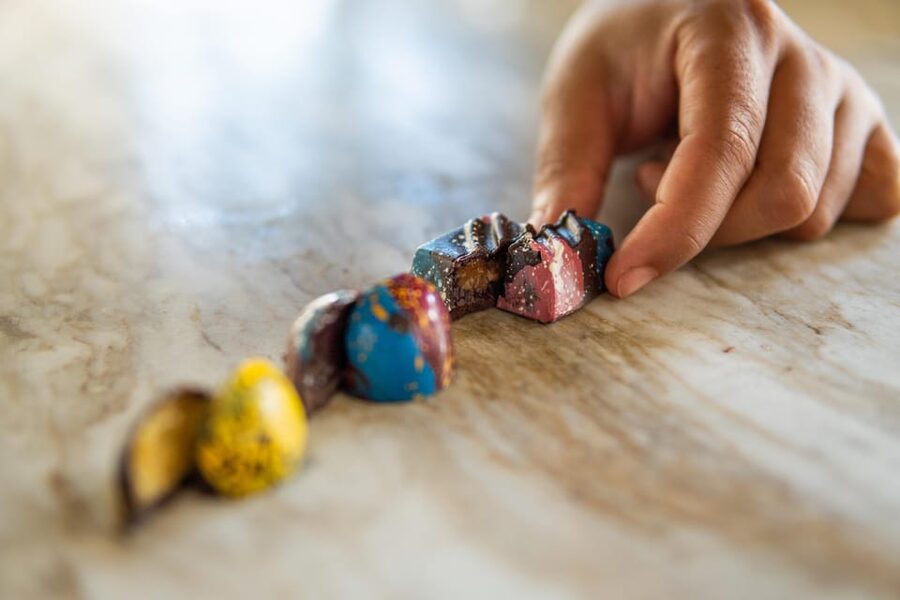
A private group changes the pace. In a large class, you may have to wait for equipment, share the instructor’s attention, or hold questions until the end. Here, the guide can focus on your group’s level and interests.
The private setting is especially useful during the tasting. You can spend more time comparing the 46 percent milk chocolate with the 80 percent dark chocolate, or ask about the reason for using different cacao origins. If you have never tasted pure cocoa, you can discuss the flavor instead of quietly trying to make sense of it.
It also helps during the creative part. A beginner may need extra guidance, while someone who has made chocolate before may want more freedom. The private format does not guarantee a custom menu, but it creates more room for conversation and adjustment than a crowded public class.
English and Spanish instruction are available. Confirm your preferred language when arranging the activity so the session fits your needs.
A Good Indoor Plan for Uncertain Weather
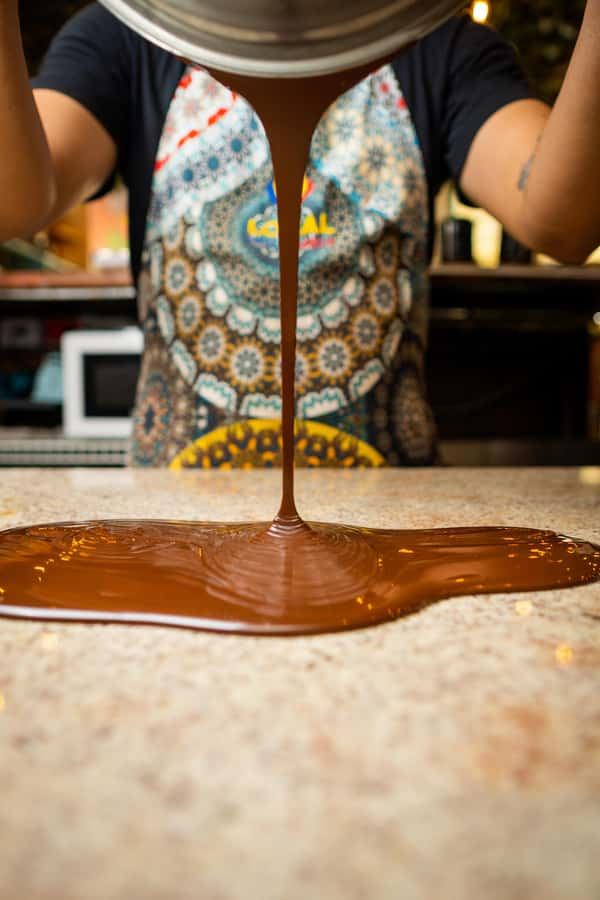
The workshop takes place indoors, making it a useful choice when hot weather or rain disrupts outdoor plans. One visitor chose it as an indoor activity when the weather was not cooperating and received a private class with access to the local production area.
That flexibility is practical in Bolívar, where weather can change your plans. You still get a cultural activity rather than spending an afternoon waiting for conditions to improve. The chocolate setting also feels connected to place, since the class focuses on local cacao and Colombian varieties instead of presenting a generic international candy lesson.
There is one small qualification. If you visit on a Sunday, no one may be actively working in the production area at that moment. You can still see the space and learn from prepared stages, but you should not book this expecting a constantly operating factory floor.
Who Will Get the Most From This Experience
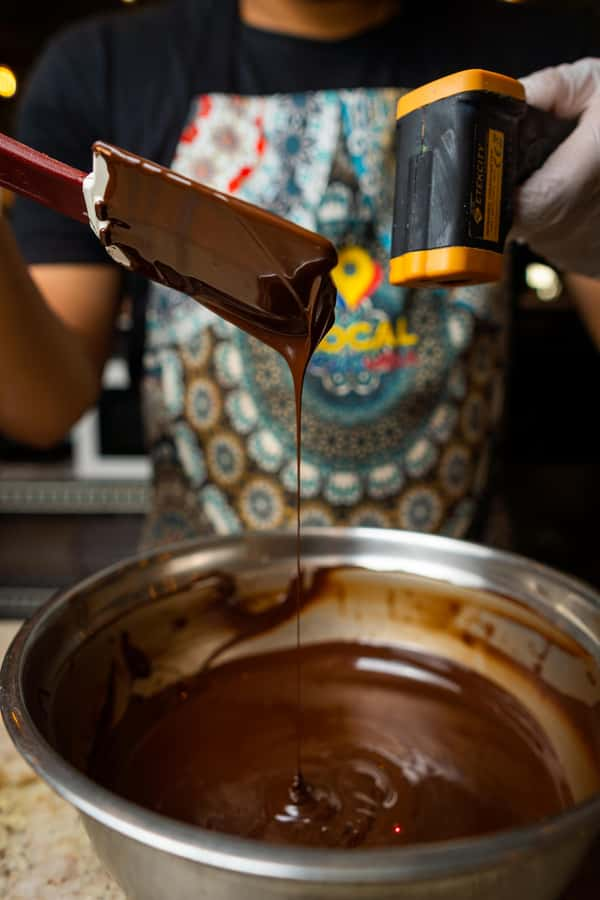
I would recommend this workshop to anyone who enjoys food with a story. It works especially well for couples, families with older children, and small private groups that like to ask questions and make things together.
It is also a good choice for visitors who want a local activity beyond the usual city sights. Chocolate connects agriculture, ecology, production, and pleasure in one compact session. You leave with a clearer idea of how Colombian cacao becomes the chocolate you eat.
People who only want a quick tasting may find the $101 price high. The value comes from the instruction and practical work, so you should want both. People with food allergies should not book, since the activity involves tasting and handling several chocolate products.
The 105-minute length is well judged for a holiday schedule. It is long enough to cover the process and make chocolate, but short enough to fit around other plans. Check available start times before committing, since the exact schedule can vary.
Booking Details Worth Noting
You can cancel up to 24 hours in advance for a full refund. The reserve-now, pay-later option also lets you hold a place without paying at the time of booking, which is useful when your Bolívar plans are still changing.
Bring the confirmation details and watch for the calendar invitation. Give a complete email address and phone number with area code so the host can send reminders and reach you if needed.
Wear comfortable clothing that can handle chocolate marks. The class is not suitable for people with food allergies, and the available teaching languages are English and Spanish.
Is This Chocolate Class Worth $101?
Book it if you want more than a sugar hit. The strongest reasons are the private setting, the clear bean-to-bar explanation, the broad tasting range, and the chance to make bonbons, truffles, or bars with guidance.
I would skip it if you dislike hands-on food activities, need strict allergy accommodations, or only want to buy a finished chocolate bar. I would also set realistic expectations for a Sunday visit, when some production steps may already be complete and the work area may not be active.
For the right person, this is a thoughtful way to spend an afternoon in Bolívar. Guide Alejandra’s energy, the local cacao focus, and the chance to create your own chocolate give the class more substance than a basic tasting. If you want an indoor experience that connects Colombian ingredients with a practical skill, I would book it.
FAQ
Where does the chocolate workshop meet?
Meet at the beginning of Arsenal Street, around the corner and across from the convention center. Look for a two-story pink building with wooden barrels outside promoting free hugs.
How long does the activity last?
The workshop lasts 105 minutes.
What does the workshop cost?
The price is $101 per person.
Which languages are available?
Instruction is available in English and Spanish.
Is the group private?
Yes. The activity is organized as a private group experience.
What kinds of chocolate will I taste?
The included tasting features white chocolate at 40 percent, milk chocolate at 46 percent, dark chocolate at 80 percent, pure cocoa at 100 percent, and blends of these styles. The chocolates can come from different origins.
Can I make chocolate during the class?
Yes. With guidance from the artisans, you can make bonbons, truffles, or chocolate bars.
Is the activity suitable for people with food allergies?
No. The activity is not suitable for people with food allergies.
What should I wear?
Wear comfortable clothing that can handle chocolate stains.
Can I cancel the booking?
Yes. You can cancel up to 24 hours in advance for a full refund. A reserve-now, pay-later option is also available.
Newest chocolate tours around Colombia
- Waterfalls, Animal Reserve and Chocolate: Mango Passage★ 5.0 · 2 reviews
- Cocoa Tour – San Rafael Antioquia from Medellín★ 5.0 · 2 reviews
- Medellín: Chocolate Tour & Exfoliation in beautiful river★ 5.0 · 3 reviews
- Chocolate tour near the Medellín★ 5.0 · 13 reviews
- Cartagena: The Legendary Colombian Rum and Chocolate Tasting★ 5.0 · 8 reviews
- Cartagena: Express Rum and Chocolate Tasting Experience★ 5.0 · 10 reviews
- Bogotá: Candelaria Tour with Cacao and Coffee Workshop★ 5.0 · 3 reviews
- Cacao and Coffee Tour★ 4.5 · 24 reviews
Bean-to-Bar Chocolate Tours, compared.
1.5h Belgian Chocolate Workshop in Brussels (bean to bar)
Read our review →
Bean to Bar Chocolate Workshop in Puerto Vallarta
Read our review →
Project Chocolat Bean to Bar Experience from Hotel Chocolat
Read our review →
Puerto Viejo hands on chocolate making class. From bean to bar, get chocolatey!
Read our review →
Chocolatier for a day: raw bean to bar chocolate in Modica
Read our review →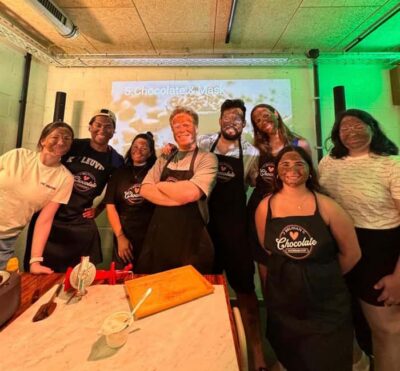
KAICAO bean to bar and design your chocolate experience
Read our review →Browse the lists this tour appears in