Review · CHOCOLATE MAKING WORKSHOPS
Paris: Choux Pastry and Chocolate Éclair Making Class
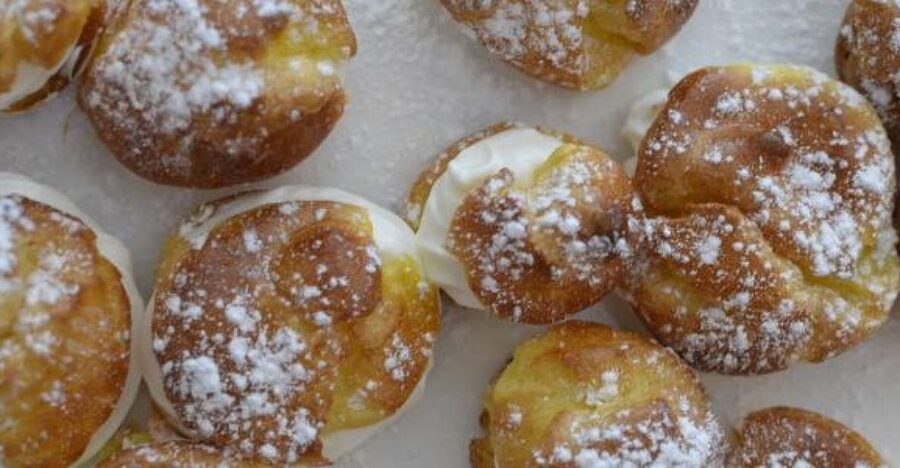
The best part of this Paris class is that you do not simply watch a pastry chef work. You make the basic dough, fillings, and decorations yourself, then use them to create chocolate éclairs and choux puffs. That makes the lesson useful long after your trip, since choux pastry is the base for many French sweets.
I like the small class size, which allows the instructor to give personal help with piping and timing. I also like the relaxed tea-table finish, where you taste your work while hearing playful stories about French culture and pâtisserie. The main consideration is the price: at $151 per person, this is a special activity rather than a cheap way to eat dessert. Children under 12 cannot enter the kitchen, and those aged 12 to 16 must attend with a participating adult.
Key points at a glance
- Make the pastry from scratch: Learn pâte à choux, crème pâtissière, and Chantilly through hands-on work.
- Practice piping: You apply the key French pastry technique while shaping éclairs and cream puffs.
- Small English-language class: Groups are limited to eight, with the stated class size usually between three and seven people.
- A real Paris setting: Le Foodist is at 59 rue Cardinal Lemoine in the Latin Quarter, a short walk from Notre-Dame.
- Tea and French stories: The class includes tea, coffee, or organic fruit juice, along with lighthearted cultural tales.
- Take your baking home: You receive a box of your own pastries, plus printed and electronic recipes in English.
Why this class is about more than making dessert
French pastry can look intimidating. The shells are crisp and hollow, the fillings are smooth, and the finished éclairs seem to belong behind glass in a polished pâtisserie. This class breaks the process into useful building blocks, so you can see how the parts fit together.
You work with pâte à choux, the cooked dough used for éclairs, cream puffs, and other classic pastries. You also prepare crème pâtissière and Chantilly. Once you understand those three elements, you have a solid starting point for many French desserts.
I like that the class focuses on technique rather than just decoration. The dough needs the right texture, the filling needs the right consistency, and the piping needs a steady hand. Those are the details that decide whether the pastry holds its shape or becomes flat and messy.
The class also includes some savory delicacies. The supplied information does not specify exactly which savory items are made, so you should think of them as an extra part of the lesson rather than a promised menu. The main focus remains chocolate éclairs and choux puffs.
More Pastry and Chocolate Tours in France
- Paris French Sweets Tasting Tour with Pastries and Chocolates
★ 4.5 · 947 reviews - Saint-Germain: Gourmet Chocolate & Pastry Walking Food Tour
★ 4.8 · 495 reviews - Paris Chocolate, Macaron & Pastry Food Tour: 10 Gourmet Tastings
★ 5.0 · 339 reviews
Arriving at Le Foodist in the Latin Quarter
The meeting point is Le Foodist, 59 rue Cardinal Lemoine, 75005 Paris. The venue is in the Latin Quarter, just steps from Notre-Dame de Paris, so the class fits well into a day spent around the Île de la Cité, the Left Bank, or the river.
This location matters because you are not sending half a day out of central Paris for a cooking activity. You can pair the class with nearby sightseeing before or after, though you should leave enough time to arrive calmly. A pastry class is not the place to hurry in with a museum ticket in one hand and a map in the other.
At the start, you receive a welcome refreshment and meet the other bakers. The small format is one of the strongest features here. The class is described as having between three and seven participants, with a limit of eight. That gives you a better chance to ask for help, watch the demonstrations closely, and get your piping technique corrected.
English is the teaching language. Instructors named in the supplied details include Stephane, Florence, Anne, and Stefan. The names vary by session, so you should not book expecting one particular chef unless the provider confirms it. The teaching style is described as clear, energetic, patient, and often funny.
The first two hours: dough, cream, and piping
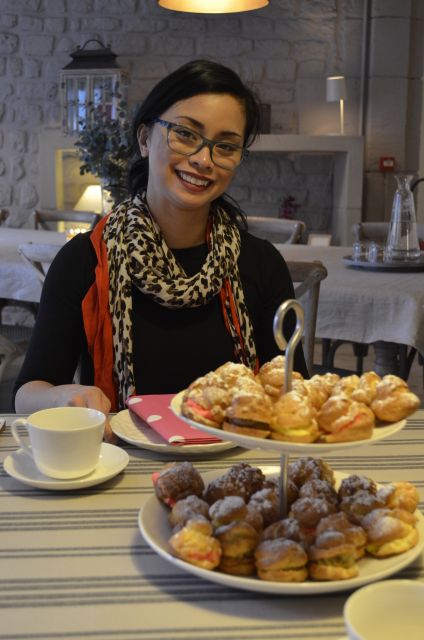
The hands-on baking portion lasts about two hours. You begin with the foundations of pâte à choux and learn why the dough behaves as it does. This is valuable for first-time bakers because the technique can seem mysterious if you only follow a recipe without understanding the signs to watch for.
You then work on crème pâtissière and Chantilly. These are not just fillings for the day. Crème pâtissière appears in many French pastries, while Chantilly adds a lighter, creamier finish. Learning both gives you two different ways to balance the firm pastry shell.
The instructor explains the steps and the reasons behind them. That point matters. A recipe tells you what to add, but a good lesson also shows you what the mixture should look and feel like along the way. One earlier participant specifically valued being told the why behind the process, which is the sort of advice that helps when you try the recipe in your own kitchen.
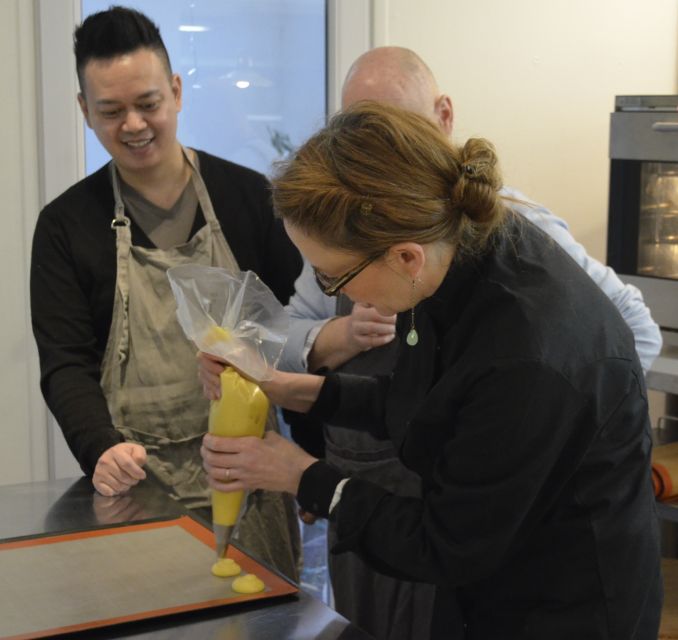
Next comes piping. You use a piping bag to shape the dough for éclairs and cream puffs. This is one of the most practical skills in the class, but it can also be the part that tests your patience. Your first shapes may not be perfectly even. That is normal, and the small group gives the instructor room to help.
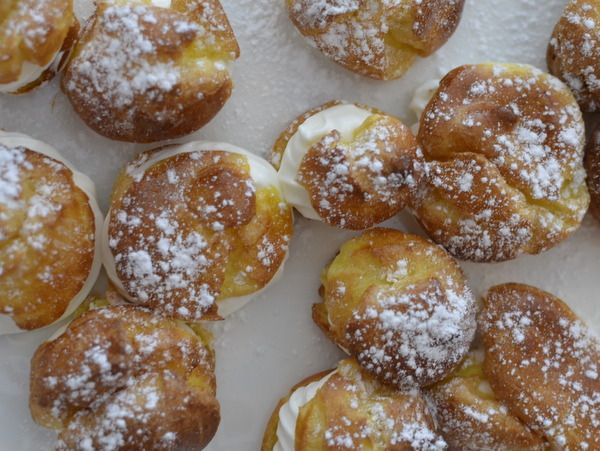
You also create chocolate éclairs and choux puffs, then work with variations of the pastry. One class included an old-fashioned swan shape, which adds a bit of classic French pastry flair. The swan is not specifically promised for every session, so consider it a possible variation rather than a guaranteed item.
Tea, coffee, and a little French pastry humor
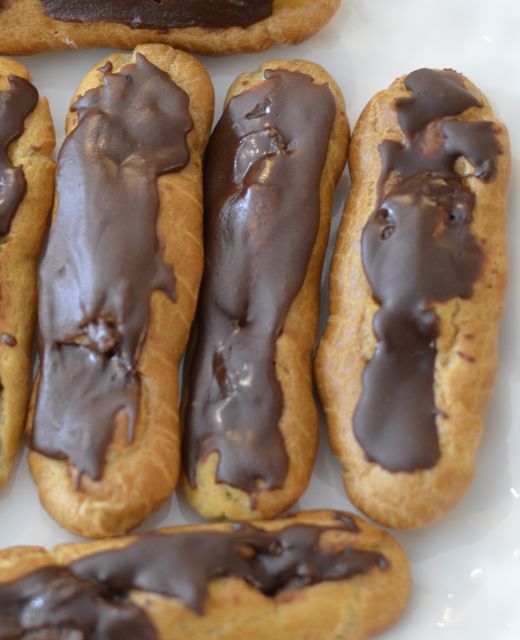
After the baking work, the mood shifts from kitchen lesson to informal tea time. You sit down with tea, coffee, or organic fruit juice and enjoy some of the pastries. This gives you a chance to taste the results while they are fresh, rather than rushing straight out the door.
A native Frenchman joins in with stories about French culture and pâtisserie. The tone is described as tongue in cheek, so this is not a formal lecture on culinary history. It is more of a friendly cultural layer added to the baking.
That balance is important. You are learning a skill, but you are also getting a small window into how pastries fit into French habits and social life. Tea time makes the class feel less like a production line and more like a shared afternoon.
The pastries are then packed in a box for you to take home. You can share them with friends or family, though the practical temptation is to keep a few for yourself over the next couple of days. The box also helps justify the class as more than a demonstration, since you leave with food you actually made.
More Pastry and Chocolate Tours in Paris
- Saint-Germain The Original Chocolate Tasting Tour with Pastries and Macaron
★ 4.5 · 215 reviews - Paris: Montmartre Chocolate & Pastries Tour with 8+ Tastings
★ 4.7 · 131 reviews - Croissants and pains au chocolat with a pastry chef in Paris
★ 5.0 · 123 reviews - Paris: Pastries and Chocolate Walking Food Tour
★ 4.8 · 57 reviews
What the instructors do well
The strongest praise centers on the teaching. Stephane is described as high-energy, easy to understand, and attentive to each participant. Florence is noted for teaching everything from scratch and adding useful culinary secrets along the way. Other sessions with Anne and Stefan were described as witty, patient, detailed, and fun.
That mix of traits is useful in a pastry class. Energy keeps the three hours moving, but patience matters when a participant is using a piping bag for the first time. Clear English instruction matters just as much, especially when several tasks happen at once.
The class also appears suitable for mixed ability levels. It can work for a first-time baker, a serious home cook, or a parent and teenager attending together. One mother and daughter used it as a shared Paris activity, while another participant attended with a friend and found it equally suitable for an individual booking.
You should still expect to participate actively. This is not a class where you sit back while the chef does the difficult parts. Your pastries may not look identical to the instructor’s, and that is part of the point. You are practicing a skill, not entering a pastry competition.
Is $151 a fair price?
At $151 per person, this class costs more than buying several éclairs at a Paris pâtisserie. If your only goal is to eat French pastry, the class is not the economical choice. You can find dessert more cheaply.
The value comes from the combination of instruction, ingredients, equipment, an apron, drinks, recipes, and the takeaway box. You receive both a three-hour activity and a technique you can use later. The electronic and hard-copy recipes in English are especially useful if you want to repeat the experience at home.
The small group also affects the price. Personal help is more likely when the class has only a handful of people, especially during piping and filling. If the class reaches its maximum of eight, it will still be small, but you may have slightly less individual time than in a three-person session.
I would see this as good value for someone who enjoys cooking, wants a structured food experience, or prefers an activity with something tangible to take home. It is less appealing if you are looking for a quick tasting, a low-cost snack, or a tour packed with sightseeing stops.
Who should book this experience?
This class suits couples, friends, solo visitors, and families with older children. It works particularly well for a parent and teenager, since participants aged 12 to 16 can attend when accompanied by a participating adult.
It is also a good choice for people who like learning by doing. You should book it if you want to understand the process behind French pastry, not just admire the finished result. The recipes and techniques make the class useful after your holiday.
Solo participants should feel comfortable booking. The class begins with a welcome refreshment and introductions, and the group format gives you a natural way to meet people without needing to arrange a private booking.
Families with younger children need to plan carefully. Children under 12 cannot enter the kitchen and cannot take part. Only participating customers may enter the kitchen, so a young child cannot simply come along to watch.
Practical details before you reserve
Allow three hours for the full experience. The active baking takes about two hours, with the remaining time covering the welcome, tasting, tea or coffee, cultural stories, and packing your pastries.
Wear something you can work comfortably in, though an apron and kitchen equipment are provided. Since the class involves hands-on preparation, you should expect to be standing and working with dough, creams, and piping tools.
The class is taught in English. That makes it a straightforward option for visitors who want detailed instruction without relying on translated recipe terms. You receive both printed and electronic recipes in English, which helps when you return home and try the process again.
Free cancellation is available up to 24 hours before the activity for a full refund. You can also reserve now and pay later, which is useful if your Paris schedule is still changing. Starting times vary, so check the available session when you book.
My verdict: book it if you want a skill, not just a snack
I would recommend this class to anyone who wants a hands-on Paris food experience with a clear focus. The combination of pâte à choux, crème pâtissière, Chantilly, piping, chocolate éclairs, and takeaway pastries gives you plenty to do during the three hours.
The price is the main hurdle, and the activity will not suit children under 12. But for adults, older teenagers with a participating adult, home bakers, and anyone seeking a social activity near Notre-Dame, it offers a good balance of instruction and fun.
Book it if the idea of making French pastry appeals to you more than simply buying it. If you want the least expensive dessert in Paris, skip the class and visit a pâtisserie. If you want to leave with recipes, new skills, and a box of éclairs you made yourself, Le Foodist is a strong choice.
FAQ
Where does the choux pastry class take place?
The class takes place at Le Foodist, 59 rue Cardinal Lemoine, 75005 Paris, in the Latin Quarter near Notre-Dame de Paris.
How long does the experience last?
The full experience lasts three hours. About two hours are devoted to hands-on baking, followed by tea, coffee or juice, stories, tasting, and packing your pastries.
What pastries will I make?
You will make chocolate éclairs and choux puffs. The class also covers pâte à choux, crème pâtissière, Chantilly, piping, and some pastry variations.
Is the class taught in English?
Yes. The listed teaching language is English, and the recipes are provided in English.
How many people are in the class?
The experience is a small-group activity limited to eight participants. The stated class size is generally between three and seven people.
Are recipes included?
Yes. You receive a hard copy and an electronic copy of all recipes in English.
Is kitchen equipment provided?
Yes. The class includes use of the cooking equipment and an apron.
Are drinks included?
Yes. The experience begins with a welcome refreshment, and the tea-time portion includes tea, coffee, or organic fruit juices.
Can children participate?
Children under 12 cannot enter the kitchen and cannot participate. Children aged 12 to 16 must be accompanied by a participating adult, and the adult must also be a participant.
Can I cancel the booking?
You can cancel up to 24 hours in advance for a full refund. The activity also offers a reserve-now, pay-later option.
More Chocolate Making Workshops in Paris
- Paris: 45-minute Chocolate Making Workshop at Choco-Story
★ 4.4 · 444 reviews - Paris : 45 min Chocolate Workshop at Choco-Story Paris
★ 4.0 · 51 reviews - Vienna: Chocolate Workshop in Chocolate Museum w/ Tasting
★ 4.5 · 1,802 reviews - Brussels: Belgian Chocolate Making Workshop with Tastings
★ 4.7 · 1,629 reviews
Newest chocolate tours around Paris
- Paris Marché d’Aligre Walking Tour with Chocolate and Cheese Tasting★ 3.5 · 24 reviews
- Paris Chocolate and Pastry Private Tour With Secret Food Tours★ 5.0 · 44 reviews
- Paris : 45 min Chocolate Workshop at Choco-Story Paris★ 4.0 · 51 reviews
- Le Marais: Pastry and Chocolate Food Tour★ 4.5 · 52 reviews
- Paris: Pure Chocolate Walking Tour★ 4.7 · 52 reviews
- Paris: Pastries and Chocolate Walking Food Tour★ 4.8 · 57 reviews
- Paris Cooking Class: Chocolate Éclairs and Cream Puffs★ 5.0 · 87 reviews
- Croissants and pains au chocolat with a pastry chef in Paris★ 5.0 · 123 reviews
Chocolate Making Workshops, compared.
Chocolate Workshop in Chocolate Museum w/ Tasting
Read our review →
Belgian Chocolate Making Workshop with Tastings
Read our review →
Belgian Praline and Mendiants Chocolate Workshop
Read our review →
1.5h Belgian Chocolate Workshop in Brussels (bean to bar)
Read our review →
45-minute Chocolate Making Workshop at Choco-Story
Read our review →
Chocolate Bar Making Workshop at York Cocoa Works
Read our review →