
Review · SPAIN CHOCOLATE TOURS
Ancestral Cocoa Tasting in Ronda – Tree to Cup Experience
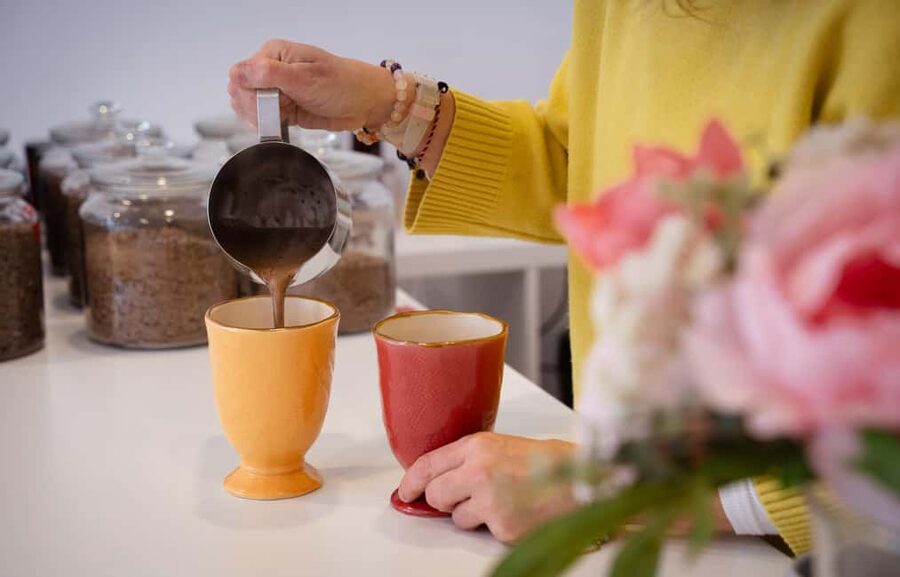
The unusual thing here is that you are not simply eating chocolate. At Sumay Cacao, Agostina guides you through cocoa in its ceremonial drink form, from fresh fruit and fermentation to roasting, grinding, and the final cup. You taste three pure cocoas from Peru and Ecuador, each with its own fruity, intense, or soft character.
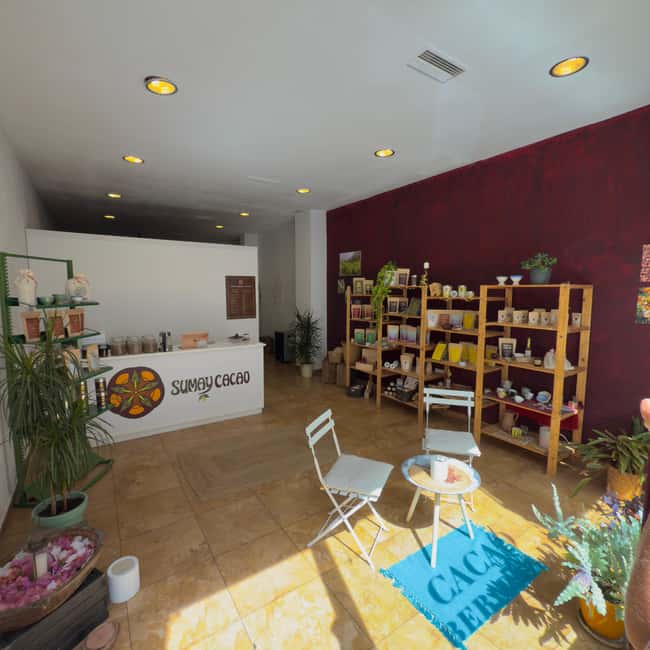
I like the clear look at the difference between cocoa and industrial chocolate, and I like the small, personal setting on Calle Pozo 9. Agostina’s friendly, outgoing manner is a big part of the experience. The main consideration is simple: this is a one-hour tasting, not a meal or hands-on chocolate workshop.
Key points
- Three pure cocoa drinks: Compare ceremonial cocoa from Peru and Ecuador, with different fruity, intense, and gentle flavors.
- A tree-to-cup lesson: Follow fermentation, roasting, grinding, and preparation in an easy-to-follow sequence.
- A personal guide: Agostina, founder of Sumay Cacao, leads the session in Spanish or English.
- A useful location: The shop is near La Alameda Park and only a few meters from La Merced Church.
- A take-home extra: One surprise drink is included so you can continue exploring cocoa after the tasting.
- A focused format: The session lasts about one hour and takes place indoors in a cozy space.
What the one-hour cocoa experience is really about
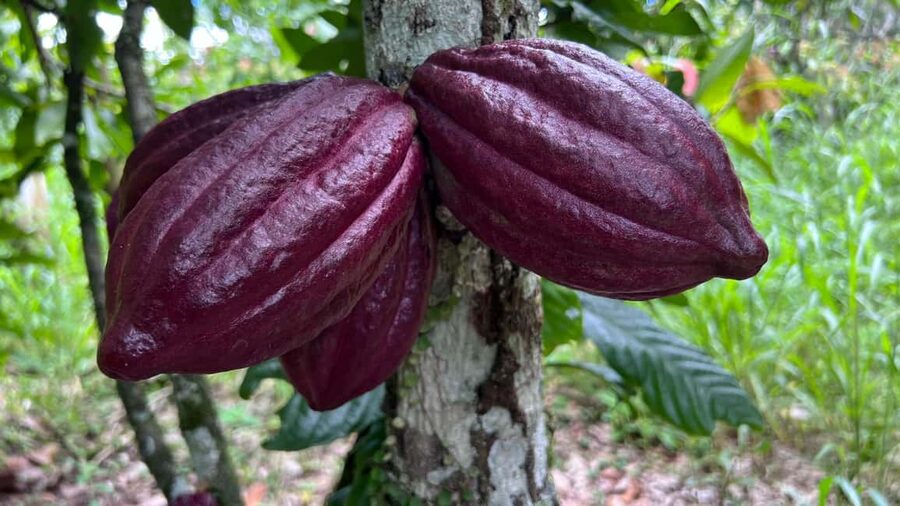
This experience gives you a different way to understand chocolate. Instead of beginning with a finished bar, you start with the cocoa fruit and follow its path toward a drink.
That change in focus matters. Most people know cocoa as a sweet flavor in desserts. Here, you learn that pure cocoa can be fruity, bitter, earthy, smooth, or deeply intense, depending on the variety and how it is handled. The session puts the raw material first and industrial chocolate second.
Agostina, the founder of Sumay Cacao, leads the tasting. Her enthusiasm and easy communication help keep the subject approachable. You do not need prior knowledge of cocoa, and the explanation is designed for curious beginners as much as for serious chocolate fans.
The setting is Sumay Cacao, at Calle Pozo 9, Bajo, in the center of Ronda. It is close to La Alameda Park and a few steps from La Merced Church, so it fits neatly into a walking day around town. You meet and finish at the shop, with no pickup or transfer included.
More Chocolate Tours in Spain:
- Lanzarote: Vineyard Tour with Wine and Chocolate Tasting
★ 4.7 · 383 reviews - Barcelona: Nougat and Chocolate Museum Tour with Tasting
★ 4.5 · 232 reviews - Barcelona & Chocolate Amatller History and Culture + Activity and Tasting
★ 4.9 · 173 reviews
Starting with the cocoa fruit
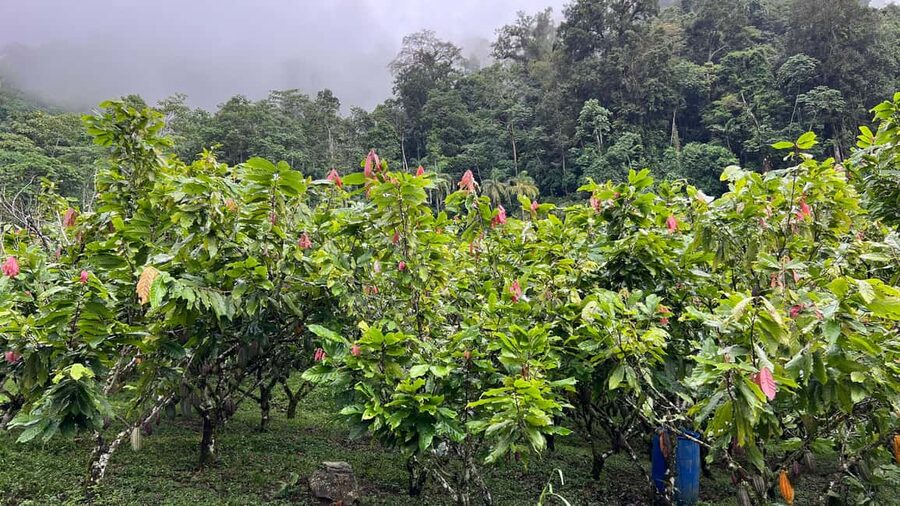
The first part follows cocoa at its source. You learn about the fresh fruit and what happens before the beans become a drink or chocolate.
Fermentation is an important step, and this is where the simple idea of cocoa begins to change. The session explains the process in a practical, step-by-step way, helping you see that cocoa is not simply harvested and ground. It needs careful treatment before its familiar aroma and flavor appear.
This is one of the strongest parts for anyone who likes to know how food is made. You are not just tasting a finished product. You are given the story of the ingredients and the work behind each cup.
The experience also connects cocoa with the communities that produce it. The three samples come from Peru and Ecuador, and the cocoa is described as sustainably grown and made with respect for the communities involved. That gives the tasting a wider purpose without turning it into a lecture.
You should expect an indoor explanation rather than a visit to a plantation or a working farm. Ronda is the setting, and the cocoa journey is explained through the products and the presentation at Sumay Cacao.
Roasting, grinding, and the change from cocoa to chocolate
After fermentation, the process moves toward roasting and grinding. You learn how gentle roasting helps develop aroma, then see how artisanal grinding changes the cocoa into a form that can be prepared as a drink.
This section is useful because it clears up a common confusion. Pure cocoa and industrial chocolate are not the same thing. Chocolate usually includes added ingredients and is often made for a sweeter, smoother taste. Ceremonial cocoa keeps the focus on the cocoa itself.
You also receive advice on how to enjoy cocoa at home. The guidance is not a separate cooking class, and you do not make your own batch during the activity. Still, it gives you a better sense of what you are tasting and how pure cocoa differs from the products found in ordinary sweet shops.
If you are hoping to handle equipment, roast beans, or create chocolate yourself, take note: this is not the hands-on workshop offered by some cocoa businesses. It is a guided tasting and explanation. For a one-hour session, that focused approach makes sense, but it is worth knowing before you book.
Three ceremonial cocoa drinks from Peru and Ecuador
The tasting includes three ceremonial cocoa drinks. Each one offers a different expression of the ingredient, with samples described as more fruity, more intense, or softer.
This comparison is the heart of the activity. One sample may catch your attention with a bright fruit note, while another may feel fuller and stronger. A gentler sample can show how much variation exists even when the ingredient remains pure cocoa.
The word ceremonial is important here. These are not ordinary hot chocolates loaded with sugar, cream, or flavoring. The drinks are prepared to let you notice the cocoa itself. That can be a pleasant surprise if you usually think of cocoa only as a dessert flavor.
At the same time, you should arrive with realistic expectations. This is not a full meal, and the drinks are not presented as a replacement for breakfast or lunch. Water is available throughout the experience, but food and other drinks outside the tasting are not included.
Ceremonial cocoa contains theobromine, a natural stimulant. If you are sensitive to stimulants, keep that in mind when choosing the time of day. You should also tell the team about any food allergies in advance.
Same city, a different tasting:
- Bean to Bar Chocolate Workshop in Barcelona
★ 5.0 · 172 reviews - Tapas and history tour ending with churros with chocolate
★ 5.0 · 119 reviews - Lanzarote: Sunset vineyard tour with wine and chocolate tasting
★ 4.8 · 97 reviews - Family Private Tour: Churros, Hot Chocolate & Games in Barcelona
★ 5.0 · 79 reviews
The surprise drink and what you take home
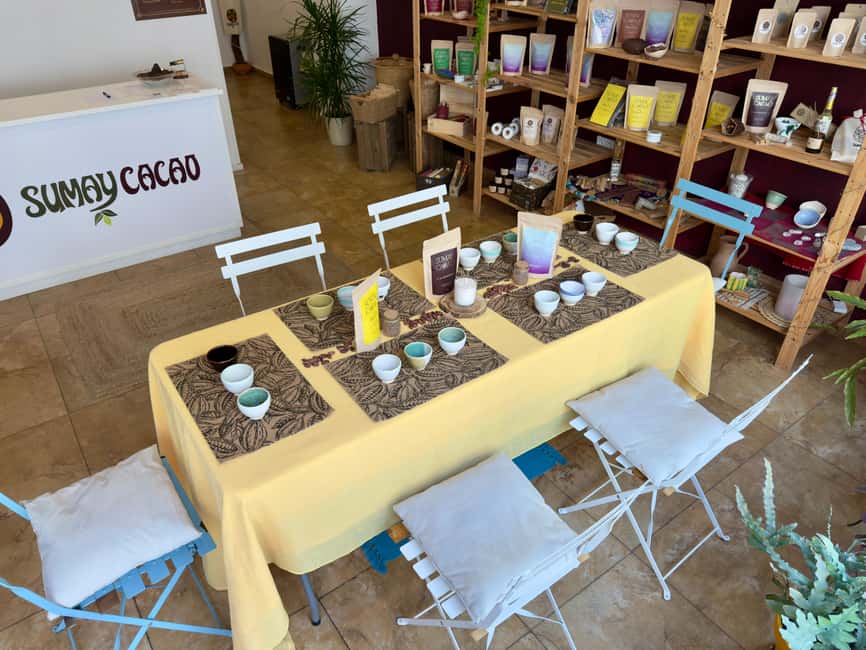
A special surprise drink is included as an extra. It gives you one more way to explore cocoa after the three main samples, and the drink can be taken home.
That small extra adds value to the session. The tasting already gives you a side-by-side comparison, but the take-home drink lets you continue thinking about the flavors later. It is not a bag of cocoa or a chocolate product, so do not expect a full edible souvenir.
The main included items are the three ceremonial cocoa drinks, the surprise drink, the explanations, expert guidance, and water. Cocoa or chocolate products to take away are not part of the package.
I like this arrangement because the experience stays focused. You pay for the tasting and the information rather than a large bundle of retail products. If you want cocoa to bring back to your accommodation, ask separately at the shop, since products for take-away are not included in the activity.
Why the Ronda location works well
The shop sits near La Alameda Park and La Merced Church, making it easy to combine with time in central Ronda. You can treat the tasting as a quiet break from sightseeing rather than a major excursion that requires transport.
Ronda is famous for its dramatic setting and historic streets, but a short indoor activity gives you a change of pace. The cocoa aroma and small setting offer a calmer hour, especially if you have been walking around town.
The experience is held indoors at Sumay Cacao, not at a farm or outdoor cocoa-growing site. That means it works in poor weather and does not require special clothing or physical effort. It also means you will not see cocoa trees or rural production firsthand.
The meeting point is Calle Pozo 9, Bajo, 29400 Ronda. Arrive five to ten minutes early so the session can begin on time. Since you meet and finish at the same address, the logistics are straightforward.
Is $29 a fair price?
At $29 per person, the value depends on what you want from a food experience. You receive four drinks in total, a one-hour guided presentation, a comparison of cocoa varieties, and advice for enjoying cocoa at home.
That is a reasonable price if you care about learning and tasting rather than simply consuming a sweet treat. The guide is not just pouring samples. Agostina explains the full process and puts the drinks into cultural and agricultural context.
The price is less compelling if you expect a substantial snack, a chocolate-making lesson, or a large take-home package. None of those are part of the experience. You are paying for a short, specialist tasting in an intimate shop.
For me, the best value is the direct comparison. Three varieties let you notice differences that are easy to miss when cocoa is mixed into a standard chocolate dessert. The extra drink adds a little more value, especially if you enjoy continuing the tasting at home.
Who will enjoy this most?
I would recommend this experience to adults and older children who are curious about food origins, traditional preparation, and less-sweet flavors. It is particularly well suited to chocolate lovers who want to understand the ingredient before it becomes a bar or dessert.
It also suits people looking for a local activity in Ronda that lasts only an hour. You can fit it between sightseeing stops without giving up half a day. The indoor setting makes it a practical choice when you want something calm and sheltered.
The minimum recommended age is 12, and children under 12 are not suitable for the activity. Quiet pets that do not bark are welcome, which may help some visitors planning a day out with a companion animal.
You do not need to speak Spanish. The session is available in Spanish or English, with a live guide. Some content is shown in its original language, so the experience may retain a small part of its source material rather than being fully translated in every detail.
What the experience does especially well
The strongest feature is Agostina herself. Her outgoing style and passion for cocoa help turn a technical subject into a conversation. You are not left with a dry list of facts about beans and roasting.
The second strength is the clear route from fruit to cup. You learn why fermentation matters, what roasting changes, how grinding works, and how the final drink differs from industrial chocolate. Each stage gives a reason to pay attention to the next sample.
The third strength is the sense of discovery. Ceremonial cocoa is not easy to find in ordinary cafés or shops, especially in a tasting that compares three varieties. You get a chance to try cocoa from Peru and Ecuador in a form that keeps its character visible.
The limitation is the short format. One hour is enough for an introduction and tasting, but not enough for a detailed look at farming, trade, or chocolate production on a larger scale. If you want a full workshop, book a different activity.
Practical details before you book
The activity costs $29 per person and lasts about one hour. It begins and ends at Sumay Cacao on Calle Pozo 9, near La Alameda Park and La Merced Church.
You can cancel up to 24 hours before the start time for a full refund. A reserve-now, pay-later option is available, which is useful if your Ronda schedule is still changing.
The venue is wheelchair accessible. The activity is indoors, and water is available during the tasting. Food outside the included drinks is not provided, so plan this as a tasting stop rather than a meal.
Tell Sumay Cacao about allergies before you arrive. Also consider theobromine, the natural stimulant in ceremonial cocoa, if you are sensitive to stimulating drinks.
Should you book the Sumay Cacao tasting?
Book it if you want a compact, personal food experience with real explanation behind it. The three cocoa varieties, Agostina’s warm presentation, and the tree-to-cup process give you more than a standard chocolate sample.
Skip it if you are looking for a full lunch, a chocolate-making class, or a farm visit. The session is short and focused, with no hands-on work or cocoa products included for take-away.
For most curious visitors spending time in central Ronda, I think the tasting is a smart one-hour addition. It is distinctive, easy to reach, and priced fairly for a guided comparison of ceremonial cocoa. Just arrive ready for pure cocoa rather than sweet hot chocolate.
FAQ
Where does the cocoa tasting take place?
The experience takes place indoors at Sumay Cacao, Calle Pozo 9, Bajo, 29400 Ronda, Málaga. The shop is near La Alameda Park and a few meters from La Merced Church.
How long does the experience last?
The tasting lasts about one hour.
What languages are available?
You can take the experience in Spanish or English with a live guide. Some content is shown in its original language.
Who leads the cocoa tasting?
Agostina, the founder of Sumay Cacao, leads the experience and explains the cocoa-making process.
How many cocoa drinks are included?
You receive three ceremonial cocoa drinks from Peru and Ecuador, plus a special surprise drink.
Is this a full meal?
No. This is a ceremonial cocoa tasting, not a full meal. Water is available throughout the activity.
Is this a hands-on chocolate workshop?
No. The experience explains the process from cocoa fruit to drink, but it does not include hands-on workshop activities.
Can I take anything home?
The special surprise drink is available to take home. Cocoa or chocolate products to take away are not included.
Is the activity suitable for children?
The activity is recommended for people aged 12 and older. Children under 12 are not suitable for the experience.
What should I know about the cocoa before booking?
Ceremonial cocoa contains theobromine, a natural stimulant. Tell Sumay Cacao about any food allergies in advance.
Newest chocolate tours around Spain
- Barcelona: Delicious Chocolate walking tour★ 5.0 · 2 reviews
- Barcelona: Casa Batlló, La Pedrera, & Chocolate Tasting Tour★ 5.0 · 6 reviews
- Alicante: Guadalest Castle and Chocolate Factory★ 4.9 · 26 reviews
- Alicante: Chocolate and Nougat Tasting★ 4.5 · 12 reviews
- Barcelona: Experience the Best Churros with Hot Chocolate★ 4.6 · 47 reviews
- Chocolate & Churros Cooking Class in Madrid★ 5.0 · 54 reviews
- Barcelona: Casa Amatller Guided Visit with Chocolate Gift★ 4.9 · 60 reviews
- Barcelona: Churros, Hot Chocolate, and Games Family Tour★ 4.8 · 66 reviews
Spain Chocolate Tours, compared.
Lanzarote: Vineyard Tour with Wine and Chocolate Tasting
Read our review →
Barcelona & Chocolate Amatller History and Culture + Activity and Tasting
Read our review →
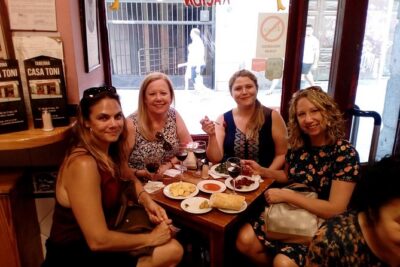
Tapas and history tour ending with churros with chocolate
Read our review →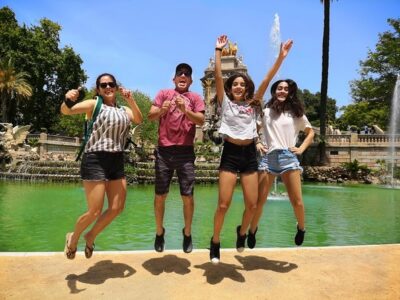
Family Private Tour: Churros, Hot Chocolate & Games in Barcelona
Read our review →
Semi-Private Tour: Old Town & Chocolate and Churros
Read our review →
Browse the lists this tour appears in