
Review · BEAN-TO-BAR CHOCOLATE TOURS
Puerto Vallarta: Bean to Bar Chocolate Workshop
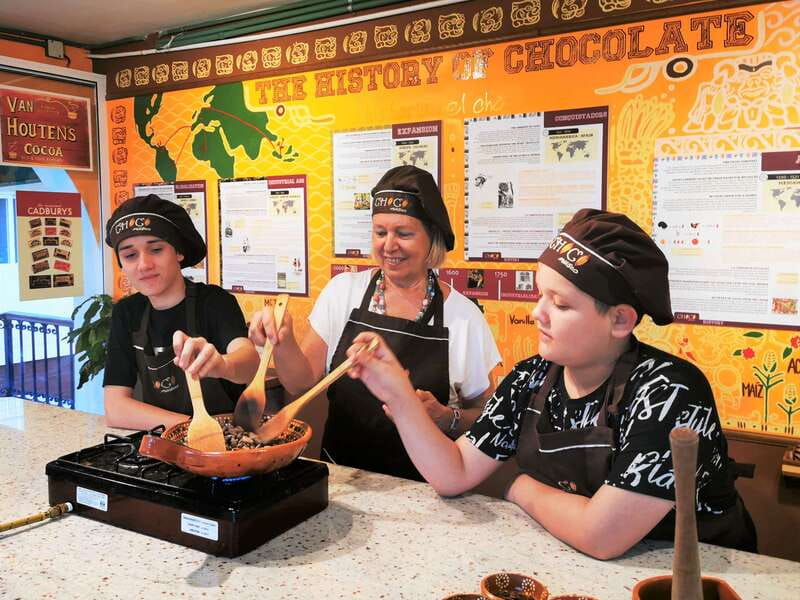
Puerto Vallarta’s Bean to Bar Chocolate Workshop turns a sweet treat into a hands-on lesson. You tour a chocolate museum, roast and grind cacao beans, prepare three traditional drinks, then make molded chocolates with toppings to take home. Guides including Rodrigo, Zoar, and Martin bring plenty of energy to the two-hour class.
I like the way the workshop connects chocolate to ancient civilizations instead of treating it as a simple cooking class. I also like the generous hands-on portion: you choose dark or milk chocolate, add your own extras, and leave with something you made. The main drawback is that transportation is not included, and the workshop is not suitable for wheelchair users.
Key points to know before you book
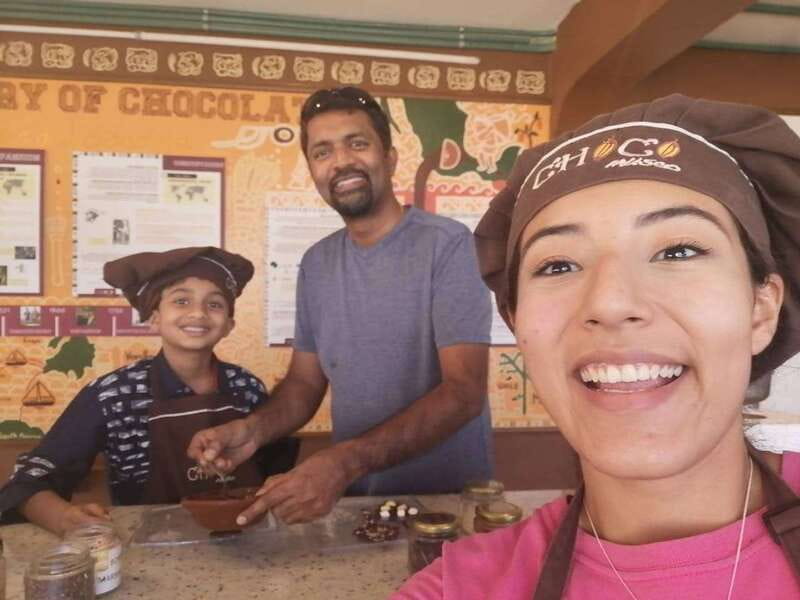
- Roast and grind cacao yourself: You take part in the early stages of chocolate making rather than only watching a demonstration.
- Three traditional drinks: The class includes preparations such as chocolate tea and a masa-based drink with a thicker texture.
- Make-and-take chocolate: You mold a generous supply of chocolates and add your own toppings.
- Small English-language group: The advertised limit is eight people, giving the instructor room to help with the practical steps.
- Good for mixed ages: Children old enough to follow directions can take part, and the activity has worked well for groups ranging from age 10 to 73.
- Dietary choices are possible: The workshop can accommodate vegan, vegetarian, gluten-free, and lactose-free needs.
Starting with cacao at ChocoMuseo Puerto Vallarta
The workshop begins inside ChocoMuseo Puerto Vallarta with a guided museum visit and an introduction to cacao. This opening matters because it gives you a reason to care about the bean before you start handling it.
You learn how cacao changed over time and why chocolate has such a strong place in Mexican food culture. The focus is not just on finished candy. You see the steps that take cacao from bean to drink and then to molded chocolate.
That context makes the practical work more rewarding. When you later roast and grind the beans, you understand that these are not random kitchen tasks. They are part of the basic process behind the chocolate in your cup or candy mold.
The museum portion also gives the guide a chance to set up the class. English is the teaching language, and guides such as Rodrigo, Zoar, and Martin have led the session. The tone is lively and interactive, with instructors using names, questions, and humor to keep the group involved.
If you are hoping for a quiet museum tour with lots of time to read every display, this may not be the right fit. The museum visit supports the workshop rather than replacing it. The best reason to book is the combination of cultural background and hands-on work.
More Chocolate Making Workshops in Mexico
- Bean to Bar Chocolate Workshop in Puerto Vallarta
★ 5.0 · 381 reviews - Chocolate Workshop
★ 5.0 · 92 reviews - Make Your Own Chocolate with Oaxacan Tradition Private Class
★ 5.0 · 45 reviews
Roasting and grinding the cocoa beans
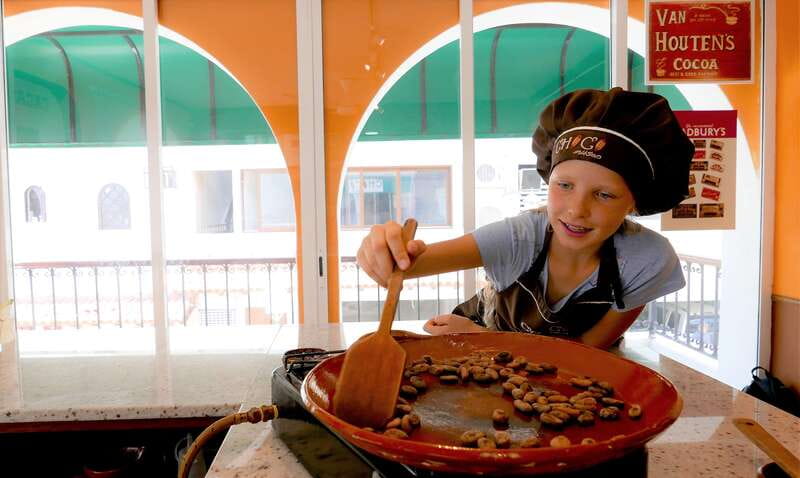
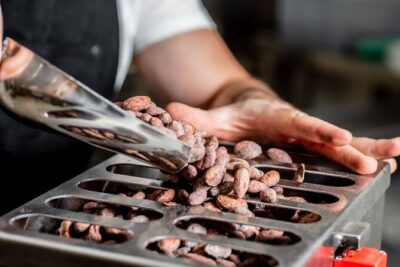
The most satisfying part of the workshop is getting involved before the chocolate becomes smooth and familiar. You roast cocoa beans, then grind them as the guide explains what is happening at each stage.
Roasting helps reveal the aroma and flavor of cacao. Grinding shows how much work sits behind a finished chocolate bar. You get a better sense of the ingredient itself, rather than meeting it only as a sweet product from a shop shelf.
This stage is especially useful for children and first-time chocolate makers because it gives them a task with a clear result. You are not simply tasting samples. You are changing the ingredient with your own hands.
The activity uses aprons and hats for the duration of the workshop. Wear comfortable clothes and shoes, since you will be working rather than sitting through a talk. You should also be ready for a little mess. The supplied information does not promise a full meal, so do not book this as a replacement for lunch.
The workshop keeps the work approachable. You do not need prior cooking experience. The instructor provides the ingredients and materials, and the class is designed around guided steps.
Three traditional drinks, including chocolate tea
The drinks portion adds a strong cultural element. You prepare three traditional chocolate drinks, then taste them during the session. This is more interesting than sampling one standard hot chocolate because it shows different ways cacao has been used.
Chocolate tea has been singled out as a favorite part of the experience. It offers a lighter, more unusual way to taste cacao, and it helps break the idea that chocolate must always be thick, sweet, and dessert-like.
One drink includes masa, giving it a thicker texture that may take some getting used to. I would approach this with curiosity rather than expecting a smooth café drink. Its texture is part of the lesson, and it reflects a traditional preparation instead of a modern chocolate-shop formula.
The drinks also help pace the class. You move from the museum and bean work into tasting, then on to making your own chocolates. That mix keeps the two hours active without making the workshop feel like one long recipe demonstration.
The class includes the three drinks you prepare, but the general booking information says food and drinks are not included. Read that wording carefully: it means you should not expect additional food or beverages beyond the workshop’s listed preparations.
Molding your own chocolate to take home
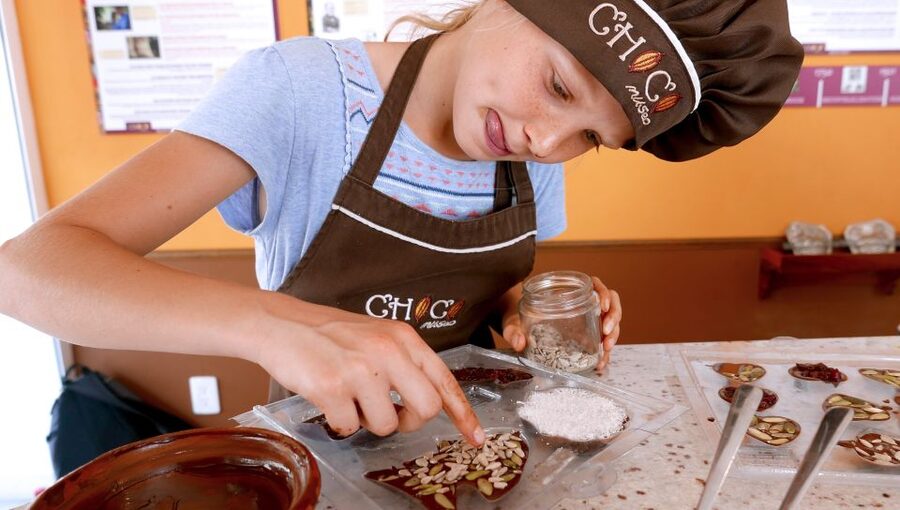
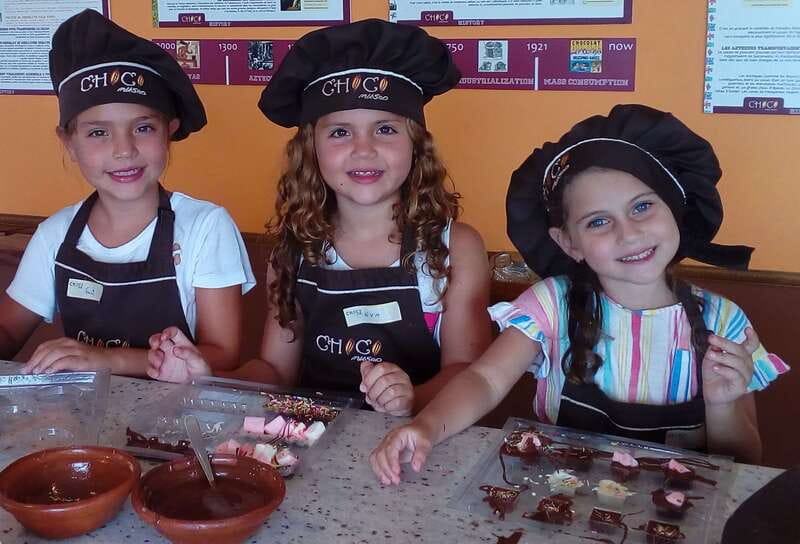
The final making session is where the experience becomes personal. You work with your choice of dark or milk chocolate, then add ingredients and toppings to create molded pieces.
The toppings are not a minor extra. They give you room to make chocolates that suit your taste, and they turn the class into a small creative project. You can make several pieces rather than a single token sample, then take your creations with you.
This take-home element improves the value of the workshop. At $62 per person, you are paying for instruction, cultural background, ingredients, materials, three drinks, protective clothing, and the chocolate you make. You also get a souvenir that has a story attached to it.
The finished chocolate may not travel perfectly in hot weather, so plan how you will carry it after the class. The supplied details do not state special storage or shipping arrangements, so ask at the venue if you need to keep it for several hours before returning to your hotel.
A shop downstairs sells additional chocolate products. You might find items such as chocolate-covered orange peels, along with other treats to take home. Shopping is not the central reason to book, but it gives you an easy way to continue the tasting after the workshop.
More Bean-to-Bar Chocolate Tours in Mexico:
- Artisanal Chocolate Bean to Bar Workshop in Cancún
★ 5.0 · 4 reviews - 1.5h Belgian Chocolate Workshop in Brussels (bean to bar)
★ 4.5 · 462 reviews - Bean to Bar Chocolate Workshop in Barcelona
★ 5.0 · 172 reviews - Project Chocolat Bean to Bar Experience from Hotel Chocolat
★ 4.5 · 107 reviews
Why the small group matters
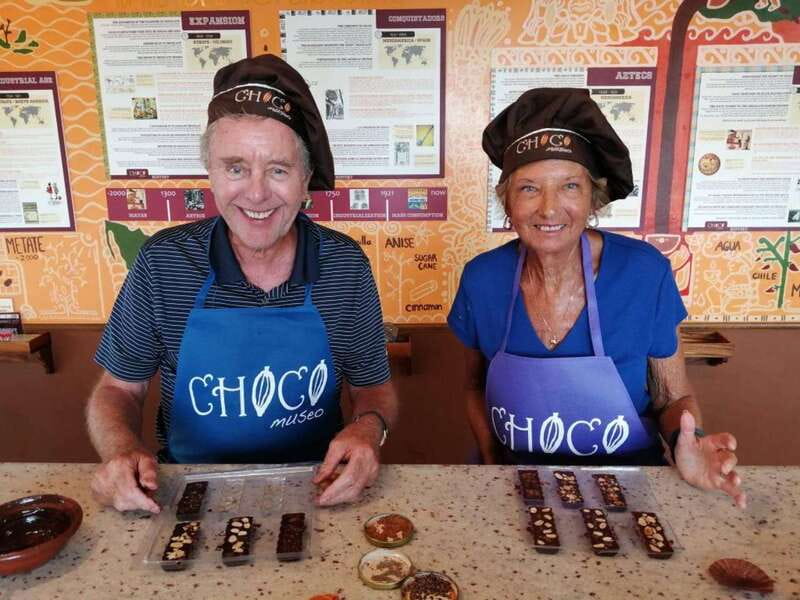
The class is advertised for a maximum of eight participants. That size should give you a better chance to ask questions, get help with the chocolate, and receive attention during the molding stage.
There is one practical wrinkle: a description of one session refers to a group of 10. Because group size can vary, check the current booking details if a very small class is important to you.
The format works well for families and mixed-age groups. One session included people from age 10 to 73, and children who are mature enough to follow directions can take part. Younger children may need close help with the practical steps, hot ingredients, or shared equipment, so use your own judgment.
The instructors are a major part of the experience. Rodrigo is described as interactive and enthusiastic, while Zoar kept a group ranging from children to older adults involved. Martin also led a lively session focused on the evolution of cacao. The guide’s personality can shape a hands-on class, and these names give you a sense of the teaching style to expect.
The activity is offered in English. If you need another language, the supplied information does not list one.
Price, timing, and practical fit
The workshop costs $62 per person and lasts two hours. I consider that a fair price if you value instruction and participation, not just a tasting.
You receive a museum tour, a cacao and chocolate specialist, three traditional drinks, ingredients, tools, toppings, an apron and hat, and the chocolate you make. Compared with a simple chocolate tasting, this offers far more to do and remember.
The value is less convincing if you mainly want a large amount of chocolate or a full meal. Food and drinks outside the three workshop preparations are not included, and transportation is not included. You need to make your own way to the meeting point and arrive on time.
Starting times vary, so check availability when booking. The activity runs for two hours, which makes it easy to fit into a day of sightseeing, but you should allow extra time for getting to the meeting point and browsing the shop afterward.
Free cancellation is available up to 24 hours in advance for a full refund. You can also reserve now and pay later, which helps if your Puerto Vallarta plans are still shifting.
The workshop can be adapted for vegan, vegetarian, gluten-free, and lactose-free participants. Mention your needs when arranging the activity so the staff can prepare properly. Accessibility is limited: the experience is not suitable for wheelchair users.
Who will enjoy this chocolate workshop most
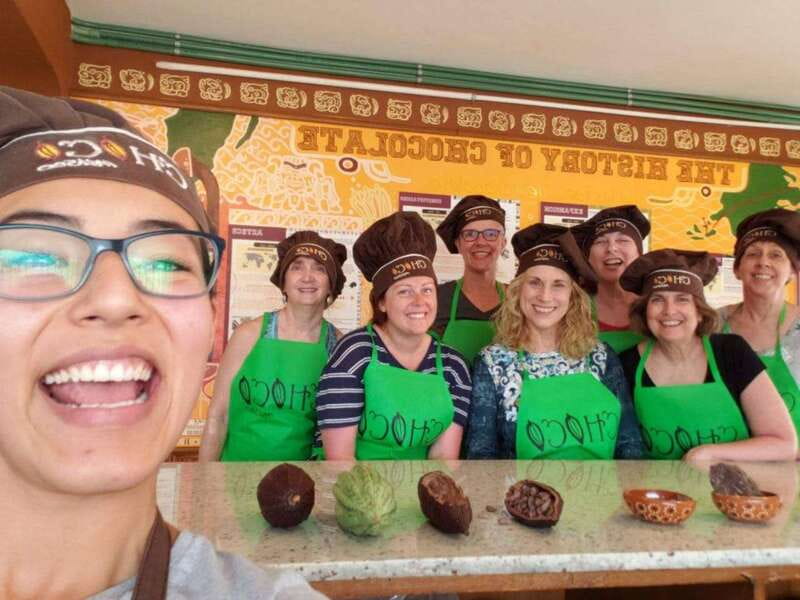
I would recommend this to anyone who wants more than a standard food tasting. It suits curious adults, families with older children, couples, and small groups looking for a break from beach time.
It is especially good for people who enjoy knowing how food is made. Roasting and grinding the cacao gives you a direct connection to the ingredient, while the museum section adds cultural context.
The class also works well for travelers who want a souvenir that is not mass-produced. Your chocolates may not look factory-perfect, but you choose the chocolate and additions yourself. That personal touch is the point.
You may want to skip it if you dislike sweet foods, have limited mobility, or need a fully independent activity with no group instruction. It is also not the best choice if you want a long, technical chocolate-making course. This is a friendly introduction with a cultural focus, not professional confectionery training.
Is the Puerto Vallarta chocolate workshop worth booking?
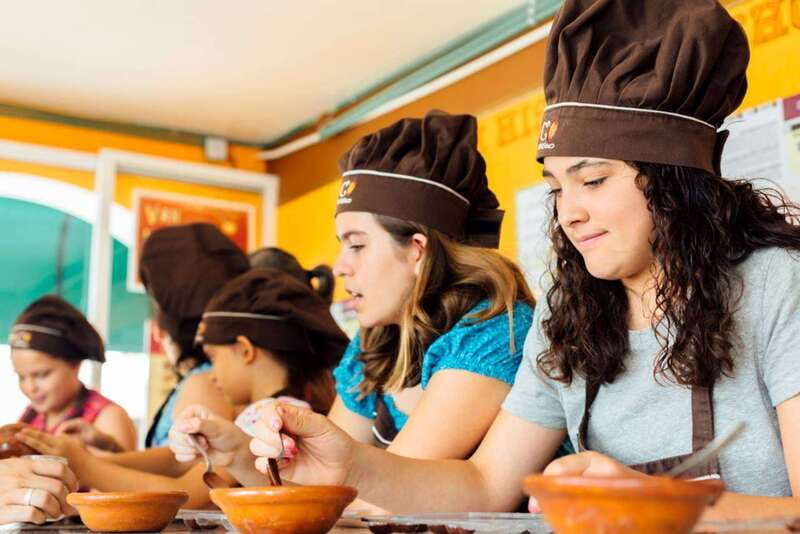
For $62, I think this is a strong choice if you want an active, two-hour cultural experience with something edible to take home. The best parts are the bean roasting and grinding, the three traditional drinks, and the freedom to create your own molded chocolates.
Book it if you enjoy learning by doing, can reach the meeting point on your own, and are comfortable in a small English-language group. Families should look at the age and temperament of their children, while anyone with dietary needs should confirm arrangements in advance.
Skip it if you want a full meal, hotel transportation, wheelchair access, or a quiet museum visit. Otherwise, this is a practical way to connect Puerto Vallarta with Mexican cacao culture, and the chocolate souvenir is a useful bonus rather than the whole point.
FAQ
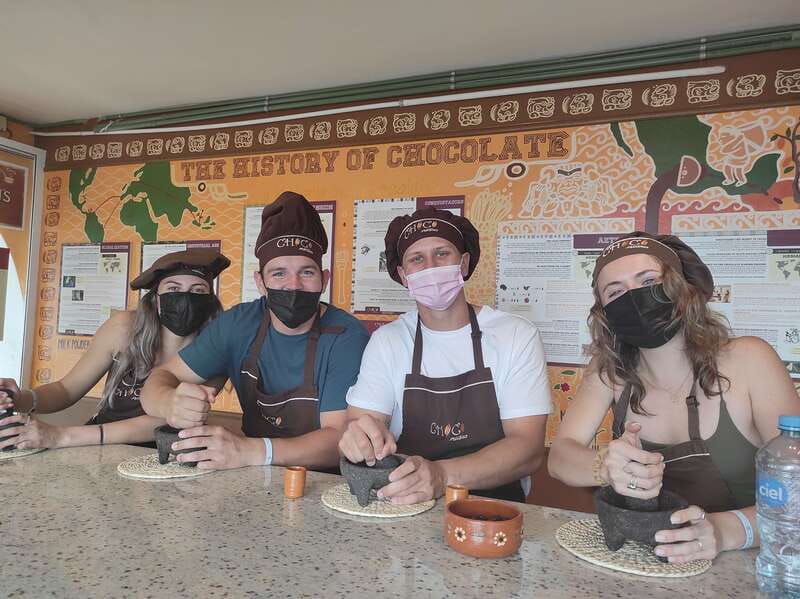
How long does the Bean to Bar Chocolate Workshop last?
The workshop lasts two hours. Check availability for the current starting times.
What language is the workshop offered in?
The activity is conducted in English.
What will I do during the workshop?
You tour the chocolate museum, learn about cacao and chocolate, roast and grind cocoa beans, prepare three traditional chocolate drinks, and make molded chocolates to take with you.
Are ingredients and equipment included?
Yes. Ingredients, materials, toppings, and the chocolate-making supplies are included. An apron and hat are provided for the duration of the workshop.
Can I join if I have dietary restrictions?
The activity can accommodate vegan, vegetarian, gluten-free, and lactose-free needs. Share your requirements when arranging the workshop.
Is the workshop accessible to wheelchair users?
No. The activity is not suitable for wheelchair users.
Newest chocolate tours around Mexico
- Tulum: Chocolate & Honey Sanctuary Experience with Lunch★ 4.2 · 34 reviews
- Tulum: Chocolate & Honey Sanctuary Experience with Cenote★ 3.5 · 6 reviews
- Cultural Adventure: Artisanal Chocolates, Coffee and Doll Making★ 5.0 · 2 reviews
- Sayulita Magical Town Tour: Local food, and chocolate.★ 5.0 · 18 reviews
- Tarot Reading with Coffee & Chocolate or Smoothie★ 5.0 · 17 reviews
- Private Make Your Own Chocolate Experience in Puerto Vallarta★ 5.0 · 8 reviews
- Chocolate Macarons Workshop in Puerto Vallarta★ 5.0 · 5 reviews
- Amazing Walk through the Zapotec Mountains with Hot Chocolate★ 5.0 · 4 reviews
Bean-to-Bar Chocolate Tours, compared.
1.5h Belgian Chocolate Workshop in Brussels (bean to bar)
Read our review →
Bean to Bar Chocolate Workshop in Puerto Vallarta
Read our review →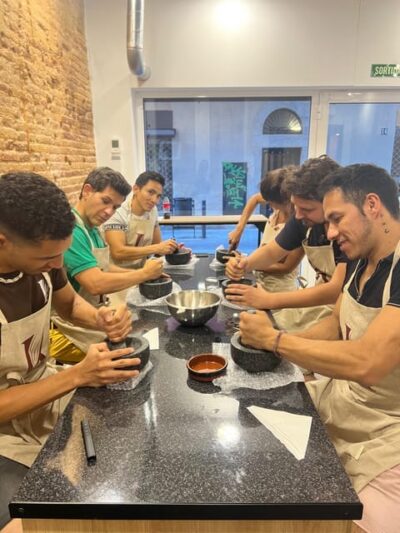
Project Chocolat Bean to Bar Experience from Hotel Chocolat
Read our review →
Puerto Viejo hands on chocolate making class. From bean to bar, get chocolatey!
Read our review →
Chocolatier for a day: raw bean to bar chocolate in Modica
Read our review →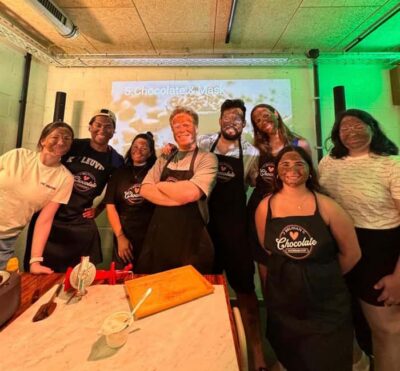
KAICAO bean to bar and design your chocolate experience
Read our review →Browse the lists this tour appears in