
Review · BEAN-TO-BAR CHOCOLATE TOURS
Chocolatier for a day: raw bean to bar chocolate in Modica
Modica’s chocolate tradition comes alive when you stop watching and start working. In this three-hour workshop, you select cacao beans, roast them, grind them with traditional stone equipment, taste the chocolate as it changes, and make a bar of your own. The bean-to-bar process is the main event, not a quick demonstration.
I like the hands-on format and the chance to taste cacao at each stage. I also like the personal touch from master chocolatiers Giuseppe and Vincenzo, who bring warmth and real care to the work. The main consideration is language: instruction is in Italian, and a foreign-language interpreter is not included.
Key points before you book
- You make a real bar from cacao beans: Select, roast, grind, refine, mold, and package your own chocolate.
- The tasting follows the full process: You sample cacao and chocolate as its flavor and texture change.
- Modica’s cold chocolate tradition gets proper attention: The workshop connects the method to the city’s distinctive chocolate culture.
- The group stays small: A maximum of 10 participants makes it easier to handle equipment and ask questions.
- Your $94 includes the working materials: Equipment, cacao, protective clothing, tastings, instruction, and final packaging are included.
- The workshop is in Italian: Arrange your own interpreter if you need instruction in another language.
Why this Modica chocolate workshop is different
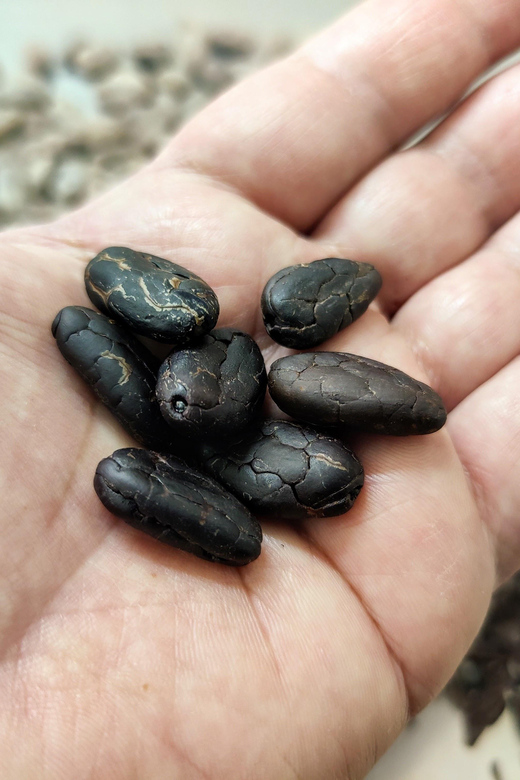
Many chocolate activities begin with a finished mixture and let you pour it into a mold. This one begins much earlier, with raw cacao beans. That change matters because you see how much work happens before chocolate looks and tastes familiar.
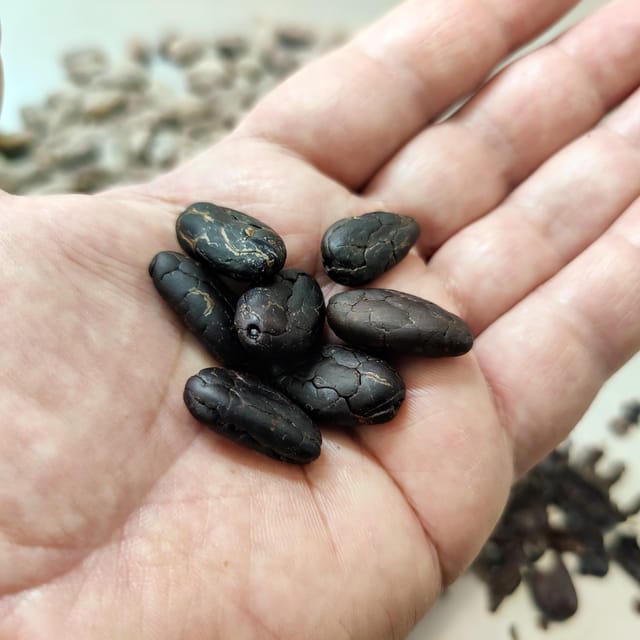
You handle the beans, notice their aromas during roasting, and follow their change into cacao mass through grinding. The process gives you a better feel for why chocolate can taste fruity, bitter, earthy, sweet, or strongly roasted. You are not simply told how chocolate is made. You take part in the stages that create its character.
The setting is an artisan laboratory in Modica, a city closely tied to Sicilian chocolate. The workshop focuses on the craft itself rather than on a long sightseeing program. If you want a practical food experience with a strong local connection, this is a useful way to spend part of a day.
I would not book this expecting a broad tour of Modica or a visit to several chocolate shops. The experience stays in the lab and concentrates on production. That focus is its strength, but it also means you should pair it with time in town if you want to explore Modica’s streets and sights.
More Bean-to-Bar Chocolate Tours in the world:
- 1.5h Belgian Chocolate Workshop in Brussels (bean to bar)
★ 4.5 · 462 reviews - Bean to Bar Chocolate Workshop in Puerto Vallarta
★ 5.0 · 381 reviews - Bean to Bar Chocolate Workshop in Barcelona
★ 5.0 · 172 reviews
Beginning with cacao origins and bean selection
The session starts with an introduction to cacao origins and varieties. This gives you a basic frame for the work ahead. Before roasting, you get to look at and select the beans rather than treating cacao as an anonymous ingredient.
That first step is more useful than it may sound. Bean selection helps explain why the final bar is not just about sugar and flavorings. The type and condition of the cacao affect aroma, bitterness, texture, and the feel of the finished chocolate.
The master chocolatier guides you through the selection. The group size, limited to 10 people, should help keep this from becoming a lecture at the back of a crowded room. You can take part directly and ask questions as the process moves along.
This is also where the workshop sets up its sensory approach. You will not wait until the final bar to taste something. Cacao and chocolate are sampled along the way, so you can compare raw, roasted, ground, and finished stages.
Roasting the beans and following the aroma
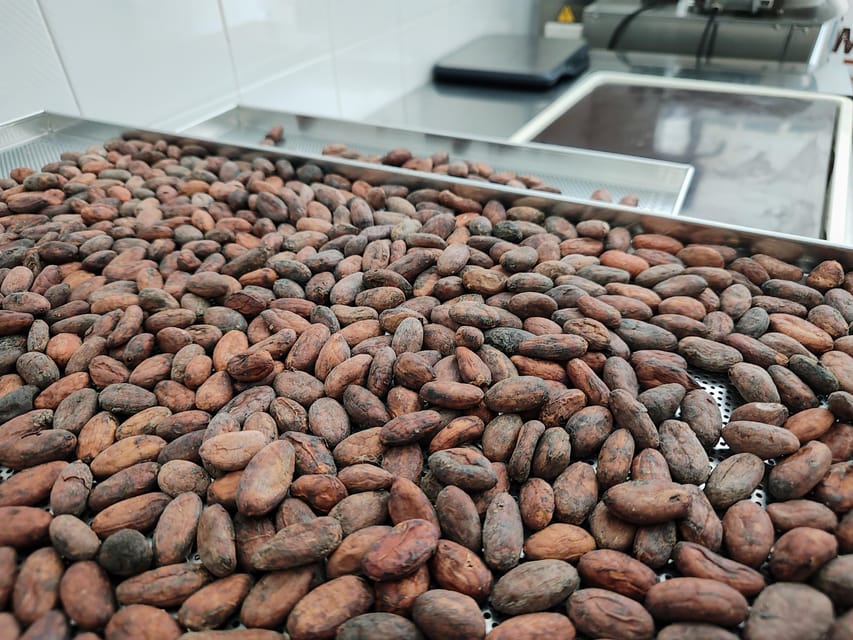
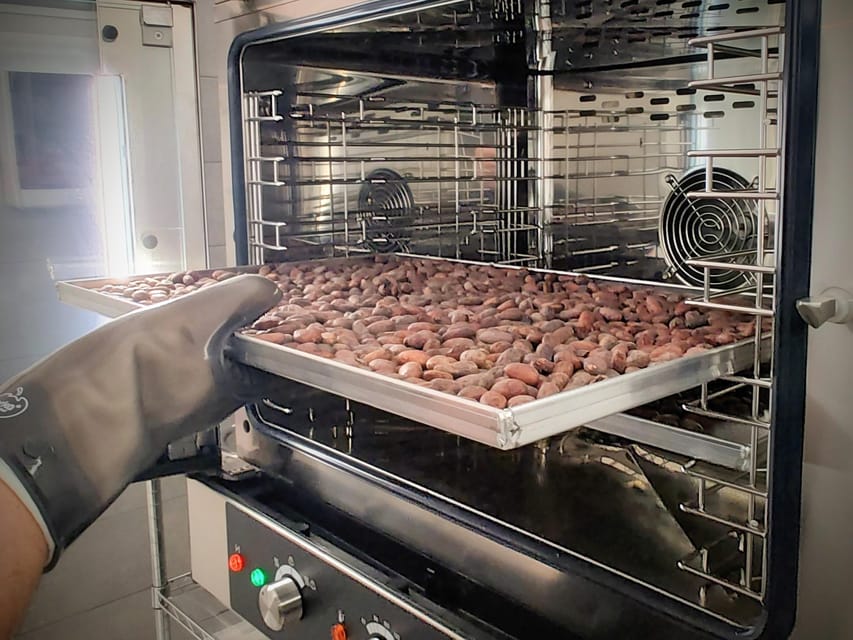
Roasting is where the beans begin to show a different personality. You breathe in their aromas as they develop and learn how heat changes the raw cacao. The workshop lets you connect the smell in the room with the flavor you later taste.
I like this part because it makes roasting feel less mysterious. You see that the chocolate in a finished bar is shaped by a series of choices, not by one magic step. The aroma also gives you a practical clue about the process, even if you have never worked with cacao before.
The exact roasting setup and timing are not specified, so you should expect guided participation rather than a professional production shift. This is a learning workshop, not an opportunity to make a large batch of chocolate for sale.
The protective clothing is supplied. You receive a disposable gown, cap, and gloves, which keeps the activity clean and makes it easier to work with the ingredients and equipment. Bring a hair tie, especially if you have long hair.
Grinding cacao with traditional stone equipment
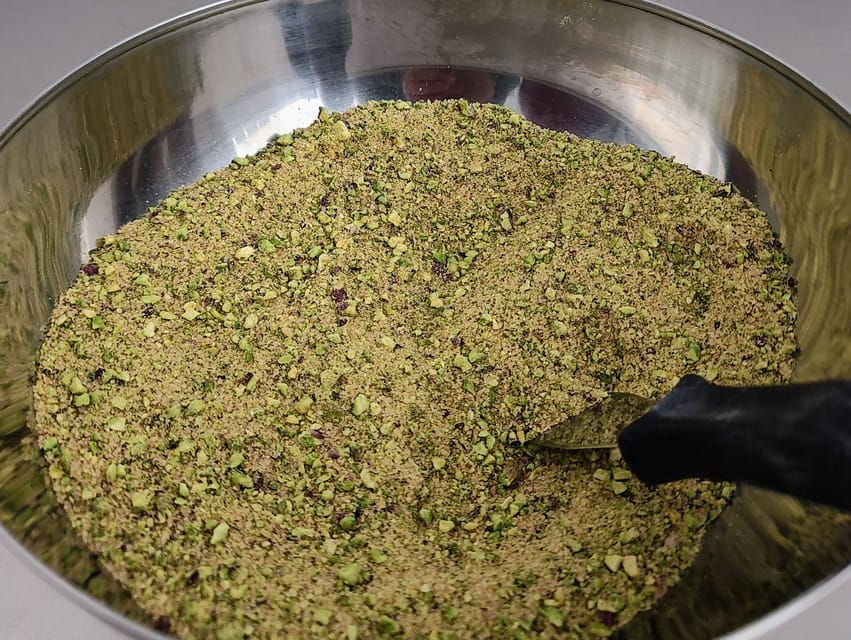
After roasting, the cacao is ground and refined. The workshop uses traditional stone grinding to show how the beans slowly become cacao mass. This is one of the most distinctive parts of the experience because it connects the modern craft lab with Modica’s old-style chocolate method.
You get to see the texture change as the beans are worked. The chocolate becomes less like a collection of roasted pieces and more like a usable chocolate base. That physical change helps explain why grinding and refining matter to the final mouthfeel.
The Modica connection is especially important here. The city is known for a traditional cold chocolate style, and the workshop explains that local approach as part of the process. The method gives the finished chocolate a character that differs from the very smooth, heavily conched style many people know from commercial bars.
Do not expect a factory-style demonstration with large machines and a polished production line. The appeal is the small-scale, artisan approach. You work close to the ingredients and equipment, with guidance from the chocolatier.
More Chocolate Making Workshops in the world:
- Vienna: Chocolate Workshop in Chocolate Museum w/ Tasting
★ 4.5 · 1,802 reviews - Brussels: Belgian Chocolate Making Workshop with Tastings
★ 4.7 · 1,629 reviews - Brussels: 2.5-Hour Belgian Chocolate Making Workshop
★ 4.8 · 933 reviews - Belgian Chocolate Workshop in Bruges
★ 5.0 · 660 reviews
Tasting chocolate at every stage
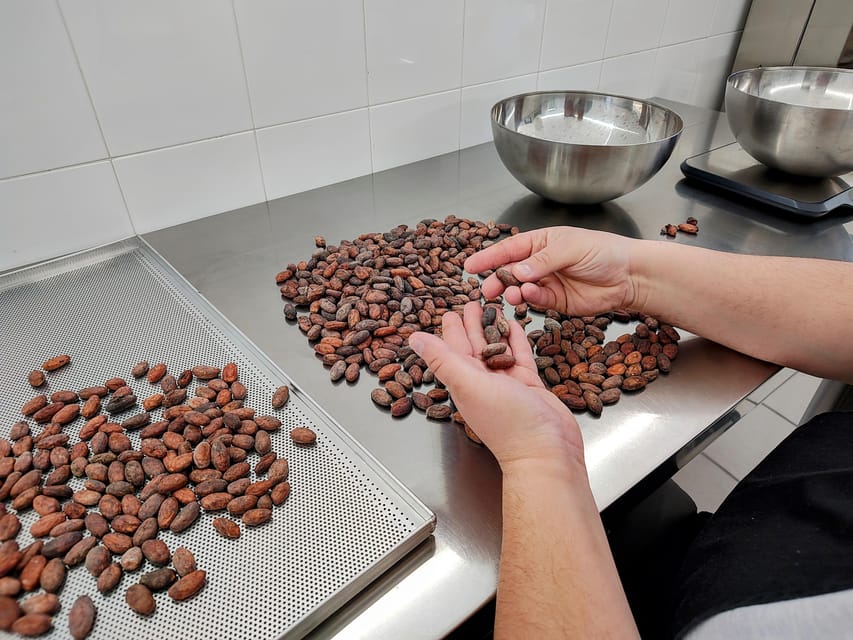
The tastings are not an extra snack added at the end. They are built into the lesson. You taste cacao and chocolate at different stages, which lets you compare the raw material with the result of roasting, grinding, and refining.
This is where the $94 price begins to make more sense for me. You are paying for three hours of instruction and participation, but also for a structured tasting lesson. The comparisons give purpose to each production step.
The experience can suit people who enjoy chocolate, but it also works for anyone interested in food production. You do not need to be a chocolate expert. The process gives you clear sensory markers: aroma, bitterness, texture, and the changing balance of ingredients.
Allergies and intolerances should be communicated before the workshop. The ingredients can be adapted where possible, but you should not wait until you arrive to explain a dietary concern. Food is not allowed during the activity, though the chocolate tastings and workshop materials are included.
Making your own bean-to-bar chocolate
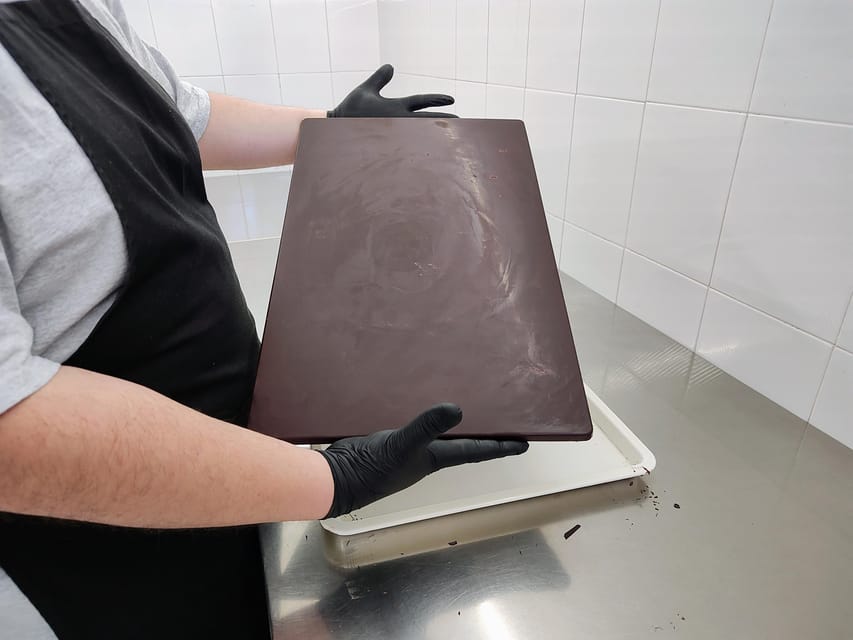
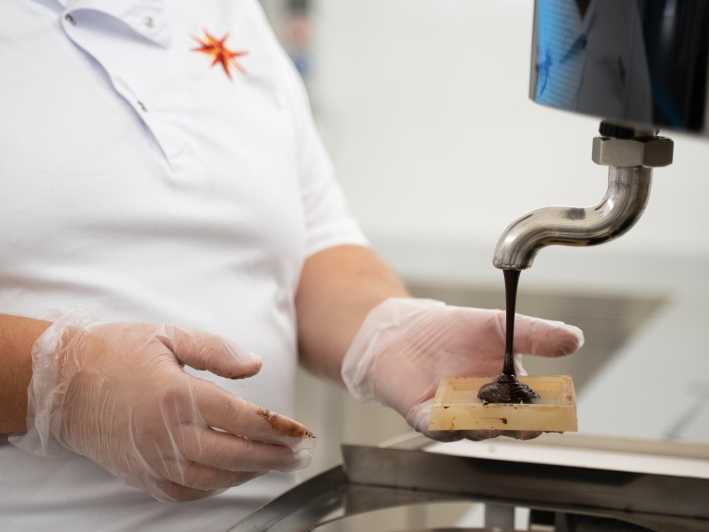
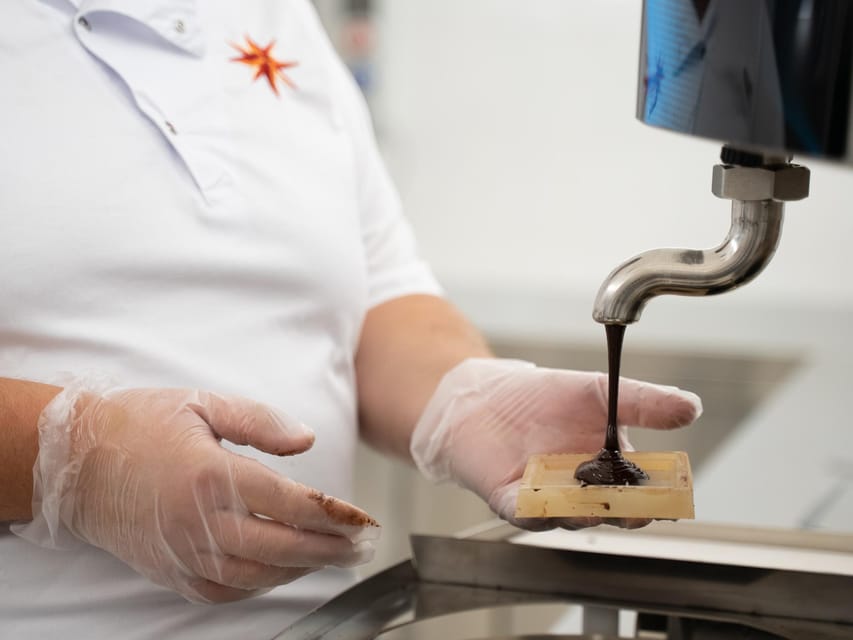
The final hands-on stage is creating your own chocolate bar. You choose the ingredients, shape the chocolate, and prepare it for packaging. This gives you more control than a standard tasting, where you only sample someone else’s finished product.
The personal choice is part of the fun. You can build a bar that reflects your own taste instead of receiving an identical piece to everyone else. The available ingredient choices are not listed in detail, so do not book with a specific flavor combination in mind.
You then package the bar yourself and take it home. That final step turns the workshop into a physical souvenir rather than a memory that disappears once you leave the lab. It also makes the activity appealing for families, couples, and small groups who want something they can keep.
A family with a six-year-old found the hands-on parts especially engaging, with the child able to touch, mix, and mold the chocolate. That suggests the format can work well for children who enjoy practical activities, though adults should still judge whether a three-hour food workshop suits their child’s attention span.
The people guiding the experience
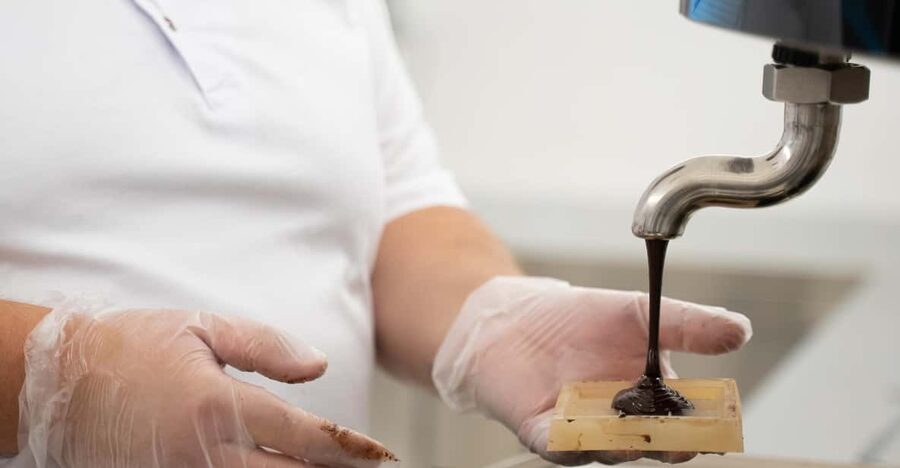
Giuseppe and Vincenzo are central to the feel of the workshop. Giuseppe is described as bringing strong technical knowledge and passion to the explanations, while Vincenzo is warm, welcoming, and particularly good with children. Their friendly approach helps keep the session personal rather than formal.
An Italian-speaking instructor leads the activity. If you understand Italian, you should be able to follow the explanations directly. If you do not, plan carefully because a foreign-language interpreter is not included.
An interpreter named Pietro assisted one previous group, but you should not assume an interpreter will be available for every session. Ask the provider before booking if language support is important to you.
The small-group limit of 10 is another practical advantage. Chocolate making involves equipment, ingredients, and several stages, so a smaller class should give you a better chance to see the work and take part. It also makes it easier to ask for help while selecting ingredients or forming your bar.
Is $94 per person good value?
At $94 per person, this is not a cheap chocolate tasting. It is priced as a three-hour guided workshop, and the value depends on whether you want participation or simply a few samples.
The fee includes the equipment, raw materials, protective gown, cap, gloves, introduction to cacao origins and varieties, bean selection, roasting, grinding, refining, guided tastings, creation of your bar, and final packaging. You are also paying for the time and direction of a master chocolatier.
I consider the price reasonable for someone who values a focused artisan activity. You leave with a handmade bar, but the stronger value is the process that produces it. If you only want to buy Modica chocolate, local shops may be a simpler and less expensive choice.
There are two costs to keep in mind. Transfers to and from the laboratory are not included, so you must make your own way there. An interpreter is also not included, which may add expense if you need language help.
The flexible booking terms reduce some risk. You can cancel up to 24 hours ahead for a full refund, and you can reserve now and pay later. Check the available start times because the activity lasts three hours and may affect the rest of your day in Modica.
Who will enjoy this best
I would recommend this for:
- Chocolate lovers who want to understand production, not just taste finished bars.
- Families with children who enjoy touching, mixing, and making things.
- Couples or friends looking for a shared activity with a take-home result.
- Food-focused visitors who enjoy meeting local craftspeople.
- Curious beginners who want a clear introduction to cacao and chocolate.
- Anyone already visiting Modica who wants a deeper connection to its chocolate tradition.
I would hesitate if you dislike strong cacao flavors, cannot take part in a three-hour workshop, or need instruction in English without arranging help. The activity is also less suitable if you want a broad sightseeing tour or a quick stop between other appointments.
The laboratory is wheelchair accessible, which makes the workshop easier to consider for visitors with mobility needs. You should still confirm any personal access requirements before booking, since the supplied information does not describe the layout or every piece of equipment.
Practical tips for a smooth session
Wear something you do not mind covering with a disposable gown, even though protective clothing is supplied. Tie back long hair, since a hair tie is specifically required.
Tell the provider about allergies or intolerances before arrival. Do not bring food or pets into the activity.
Plan your transport separately. The workshop does not include transfers, and the exact laboratory address and meeting instructions should be checked when you reserve.
If you need another language, contact the provider before booking. The activity is listed in Italian, and an interpreter is not part of the standard inclusion.
Leave enough room in your schedule for the full three hours. A chocolate workshop with roasting, grinding, tasting, molding, and packaging is not something to squeeze into a short gap.
Should you book the Modica chocolatier workshop?
I would book this if you want an authentic, hands-on food experience and you are happy to spend a full three hours working through the process. The strongest reasons are the bean-to-bar format, the repeated tastings, the traditional stone grinding, and the chance to leave with your own packaged bar.
The experience is especially appealing for families and chocolate fans who like learning by doing. Giuseppe and Vincenzo add a human touch, and the small group keeps the activity from feeling like a factory tour.
I would skip it if you only want a tasting, need English instruction without arranging an interpreter, or have no time for a workshop. For everyone else, $94 buys more than chocolate. It buys a close look at how Modica’s craft takes cacao from raw bean to finished bar.
FAQ
How long does the chocolate workshop last?
The experience lasts three hours.
How much does the workshop cost?
The price is $94 per person.
Where does the activity take place?
The workshop takes place in an artisan laboratory in Modica, Sicily.
Is the workshop conducted in English?
The instructor’s language is Italian. A foreign-language interpreter is not included.
What is included in the price?
The price includes equipment, raw materials, protective gowns, caps and gloves, an introduction to cacao origins and varieties, bean selection, roasting, grinding, refining, tastings, creation of a chocolate bar, packaging, and guidance from the master chocolatier.
Do I get to take chocolate home?
Yes. You create and package your own bean-to-bar chocolate bar to take home.
Is the activity suitable for wheelchair users?
Yes. The activity is listed as wheelchair accessible.
What should I bring to the workshop?
Bring a hair tie. You should also tell the provider about any allergies or intolerances before the activity. Pets and outside food are not allowed.
Newest chocolate tours around the world
- Bohol Chocolate Making and Farm Tour★ 5.0 · 2 reviews
- Big Island Hawaii: Craft Chocolate Tasting and Farm Tour★ 5.0 · 14 reviews
- Bogotá: Candelaria Tour with Cacao and Coffee Workshop★ 5.0 · 3 reviews
- Bordeaux: Chocolate and Pastry Food Tasting Tour★ 4.9 · 40 reviews
- Barossa: Enjoy Wine, Lunch, Brewery, Chocolate & Wildlife★ 4.5 · 26 reviews
- Bern: Gruyères Cheese and Cailler Chocolate Tasting Tour★ 4.7 · 3 reviews
- Barcelona: Delicious Chocolate walking tour★ 5.0 · 2 reviews
- Barcelona: Casa Batlló, La Pedrera, & Chocolate Tasting Tour★ 5.0 · 6 reviews
Bean-to-Bar Chocolate Tours, compared.
1.5h Belgian Chocolate Workshop in Brussels (bean to bar)
Read our review →
Bean to Bar Chocolate Workshop in Puerto Vallarta
Read our review →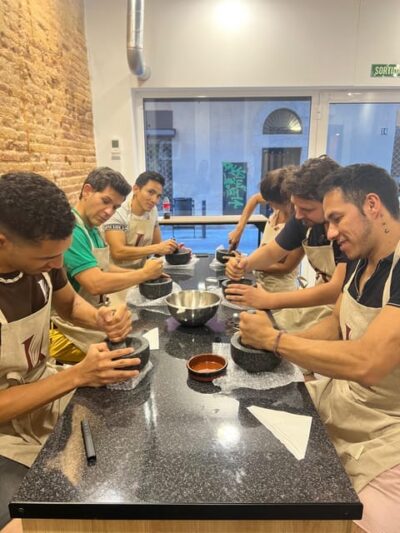
Project Chocolat Bean to Bar Experience from Hotel Chocolat
Read our review →
Puerto Viejo hands on chocolate making class. From bean to bar, get chocolatey!
Read our review →
Browse the lists this tour appears in