
Review · CHOCOLATE MAKING WORKSHOPS
Chocolate workshop in Chocolate Museum Vienna “BO-YO”
The best part of this Vienna activity is that you do not just look at chocolate behind glass. You fill molds, decorate three chocolate bars, and prepare Xocolatl, a spicy Aztec-style hot chocolate with chili, vanilla, and cinnamon. No kitchen skills are needed, and all equipment, ingredients, and recipes are supplied.
I like the hands-on format and the fact that you leave with something you made. I also like the short length, which makes this an easy family outing or a pleasant break from sightseeing. The main catch is that you are working with melted chocolate supplied by the museum, not turning cocoa beans into chocolate from scratch. The museum itself is small, so this is more of a chocolate workshop with displays than a full museum visit.
Key points to know before booking
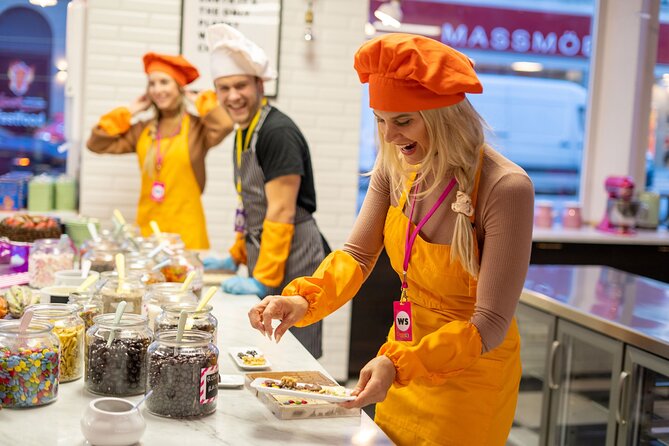
- Three decorated bars: Fill chocolate molds and choose from the available toppings.
- Aztec-style hot chocolate: Make Xocolatl with chili, vanilla, and cinnamon, served hot or cold.
- Beginner-friendly instruction: The staff guide you from the opening introduction through the final treats.
- Small museum, short visit: Admission is included, but the display area is modest.
- Good for families: Children from age three to five can attend, while children under ten need a ticketed adult with them.
- Allow about 75 minutes: The activity begins and ends at Schönbrunner Str. 99 in Vienna’s 1050 district.
What happens at Schönbrunner Str. 99
The workshop takes place at Chocolate Museum Vienna BO-YO, at Schönbrunner Str. 99, 1050 Wien. The address is near public transportation, but give yourself extra time to find the entrance. The building is described as pink and on a corner, a useful landmark since the street numbering can be confusing.
Once inside, the session begins with a short introduction to chocolate. The instructor explains where chocolate comes from, how it developed, and why the making process matters. This opening gives children some context before the activity starts, while adults get a quick lesson in the difference between simply melting chocolate and handling it properly.
The group can include as many as 30 people. That is a reasonable size for a popular family activity, but it can feel crowded around the work area. If you prefer close, detailed instruction, the group limit is worth keeping in mind. The experience works best when you approach it as a cheerful group class, not a private lesson.
More Chocolate Making Workshops in the world:
- Vienna: Chocolate Workshop in Chocolate Museum w/ Tasting
★ 4.5 · 1,802 reviews - Brussels: Belgian Chocolate Making Workshop with Tastings
★ 4.7 · 1,629 reviews - Brussels: 2.5-Hour Belgian Chocolate Making Workshop
★ 4.8 · 933 reviews
Tempering basics, without the pastry-school pressure
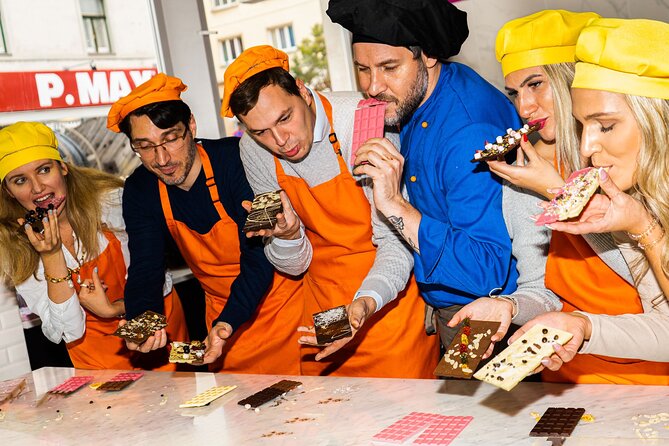
The stated focus is tempering chocolate. Tempering is the process that helps chocolate set with a smooth finish and a pleasant snap, rather than becoming dull or soft. The instructor explains the theory, then shows you how the chocolate is handled.
The practical side is simpler than the phrase might suggest. The chocolate is already melted and ready for you to use. You place it into molds, then decorate the bars with the toppings provided. This means you learn the basic idea behind chocolate work, but you do not process cacao beans, roast them, grind them, or produce chocolate from bean to bar.
That distinction matters. If you want a serious confectionery class, this will probably feel basic. If you want a low-pressure introduction that lets your children take part, the format makes sense. You get enough explanation to understand what is happening, without spending an hour measuring and managing a complicated recipe.
The instructor’s role can make a big difference. The best sessions have a friendly, patient teacher who keeps the class moving while helping younger children. The teaching style has generally been praised for being clear and easy to follow, though the quality of any group activity can depend on the instructor leading that particular session.
Making three chocolate bars
The main activity is filling three chocolate molds and decorating them. You choose the chocolate type from the options available, then add toppings according to your preference. The exact selection can vary, but the choices described include milk chocolate, white chocolate, pink-colored white chocolate, 70 percent dark chocolate, and very dark chocolate.
The toppings lean toward family-friendly choices. Marshmallows are available, and children tend to enjoy the decorating stage. If you are hoping for a serious tasting session with sea salt, spices, freeze-dried fruit, or unusual flavor combinations, you may find the selection limited.
One useful tip is to be cautious with the darkest chocolate. It can be extremely bitter, especially if you normally eat milk chocolate or moderate dark chocolate. The 70 percent option may be a better choice if you want a darker bar without an aggressively bitter flavor.
The finished bars are yours to take away. Packaging is simple, with a paper bag rather than a polished wrapper or gift box. That is fine if you plan to eat the chocolate soon, but it is less convenient if you want to carry the bars through several days of sightseeing or take them home as carefully packed souvenirs.
Making Xocolatl, an old-style hot chocolate
The second edible project is Xocolatl, based on an Aztec and Mayan hot chocolate recipe. This is not the thick, very sweet café drink you might expect in parts of Europe. The recipe uses chili, vanilla, and cinnamon, creating a warmer and more spiced flavor.
The session lets you prepare the drink to your taste. It may be served hot or cold, though a warm cup is especially welcome on a chilly Vienna day. The spice element gives this part of the workshop more character than simply stirring cocoa powder into milk.
There is an important expectation to set here. The drink is presented as being made from original ingredients, but one account describes a version using powdered milk, cocoa, sugar, and chili. The result may depend on how the class is run. Think of it as a simple demonstration of an old flavor combination, not a professional beverage-making lesson.
Still, the Xocolatl adds variety. Without it, the session would mainly involve pouring chocolate into molds. Making a second item gives you another way to handle chocolate and helps the 75 minutes feel like a complete activity.
More Chocolate Museums in the world:
- Lindt Home of Chocolate Museum Entry Ticket
★ 4.7 · 9,329 reviews - Choco-Story Brussels: Chocolate Museum Entrance with Tasting
★ 4.3 · 4,883 reviews - Cologne: Chocolate Museum Entrance Ticket
★ 4.4 · 2,790 reviews - Brussels: Chocolate Museum Visit with Workshop
★ 4.6 · 1,474 reviews
The museum is small, and that is worth knowing
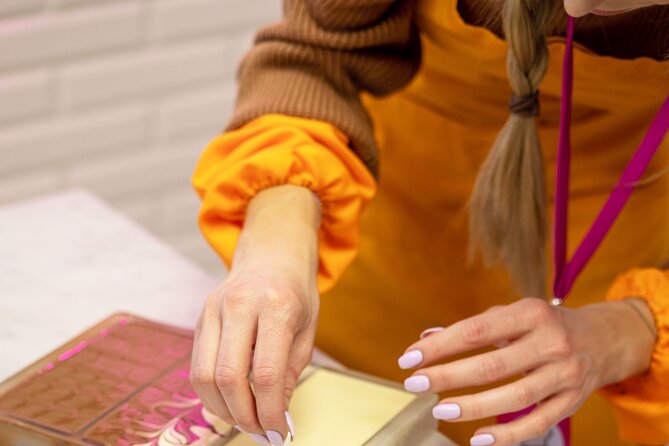
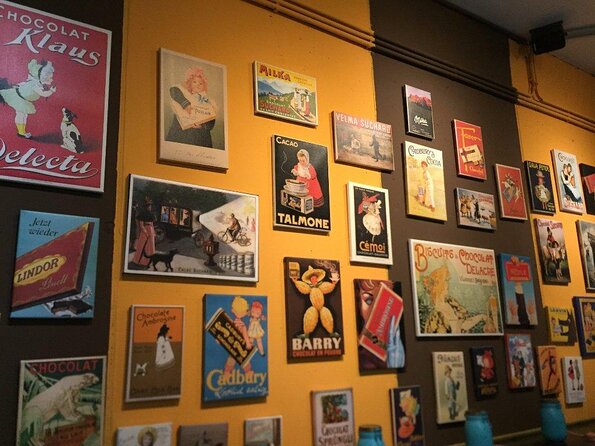
Museum admission is included in the price, but keep your expectations modest. The displays are limited, with a small chocolate-related exhibition area and a few information panels and photo spots. It can be a pleasant extra before or after the workshop, especially for children who enjoy visual displays and themed settings.
I would not choose this experience because I wanted a major cultural museum. Vienna has grand museums where you can spend half a day or more. BO-YO is closer to a shop, demonstration kitchen, and small exhibit space combined.
That does not make the museum worthless. It gives younger children a little background and provides a setting for the workshop. It also helps fill out a rainy morning or a gap in your sightseeing plan. Just treat the displays as a short add-on, not the main attraction.
How long the experience really takes
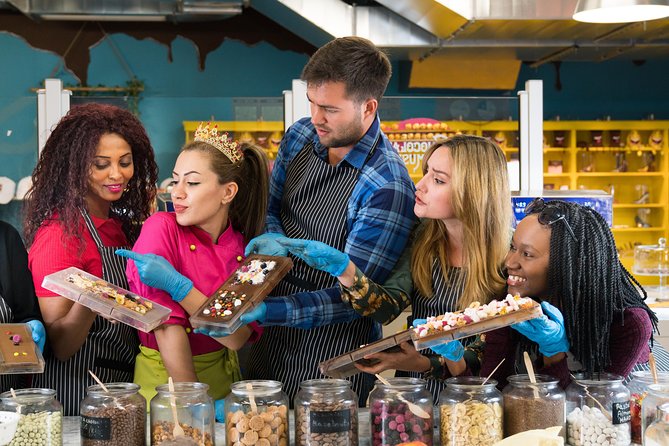
The advertised duration is about one hour and 15 minutes. Plan on roughly 75 to 90 minutes in total, depending on the pace of the group and how much time you spend with the displays.
The session generally follows this order:
- Short introduction to chocolate and its history
- Explanation of chocolate-making basics and tempering
- Filling and decorating three chocolate bars
- Preparation and tasting of Xocolatl
- Time to collect your finished treats and look around the museum
A class with many children may move at a different pace from a class of adults. Some groups finish quickly, while others spend more time decorating. If you are connecting through Vienna or fitting this between major sights, allow a little breathing room rather than scheduling another activity immediately afterward.
Is $56.72 a fair price?
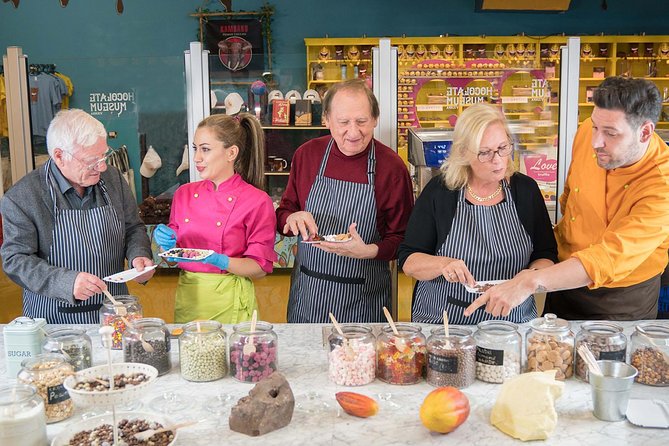
At $56.72 per person, this is not a cheap chocolate snack. You are paying for instruction, ingredients, equipment, three chocolate bars, the hot chocolate activity, and museum admission.
The value depends on what you want from the hour. For a family, the price can make sense because everyone has a job to do and the activity creates a shared memory. It is also useful in poor weather, when an indoor activity with food is more appealing than another outdoor walk.
For adults who already know how to melt and decorate chocolate, the price may feel high. The workshop is basic, and the toppings are not especially extensive. You are paying for the setting, guidance, and activity rather than advanced technique.
There is also a booking-price point to check. A booking made through a large online platform may cost about 25 percent more than booking directly with the venue. Compare the direct price before paying, especially if you are booking for a whole family. The listed price can change, so check the final amount and what it includes.
Who will enjoy this most
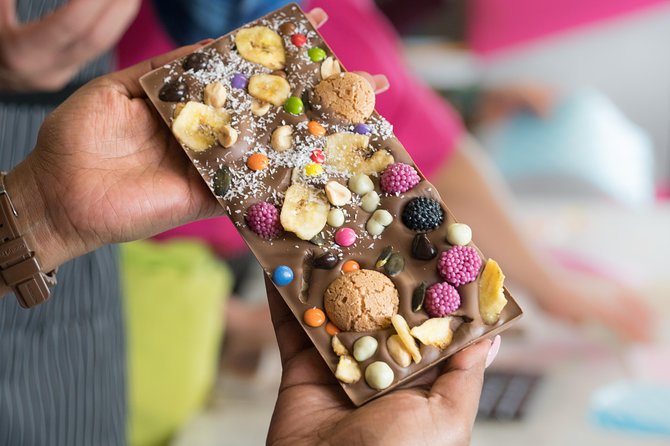
This is a strong fit for families with children, especially children who like crafts, sweets, and making something they can take away. The work is simple enough for beginners, and the staff provide the equipment and ingredients.
It also suits couples or friends who want a light activity rather than another formal tour. The session is relaxed, social, and easy to follow. You do not need previous cooking experience.
Young children can attend from about age three to five. Children under ten must be accompanied by an adult, and that adult also needs a ticket. Babies are allowed in the setting, but if a baby becomes unsettled, the accompanying adult is asked to step outside briefly.
I would be more cautious about booking this for serious food lovers, experienced pastry cooks, or anyone seeking a detailed bean-to-bar lesson. The class teaches basic handling and decoration, not professional chocolate production.
Small details that can affect your visit
Food and drinks from outside the museum are not allowed. Plan to finish snacks and bottled drinks before entering.
The activity starts and ends at Schönbrunner Str. 99. Since some people have found the address and building entrance confusing, arrive early. Being 30 minutes late can mean missing most of the workshop, and late arrivals may not be admitted or refunded.
The mobile ticket is convenient, and confirmation is provided when you book. The experience is offered in English, which makes it practical for international visitors.
Free cancellation is available if you cancel at least 24 hours before the local start time. Inside that 24-hour window, the price is not refunded, and changes are not accepted.
The good and the less good
The most praised parts are clear. The staff are often friendly and encouraging, the chocolate bars are fun to make, and children usually have plenty to do. The instructor’s enthusiasm can turn a simple activity into a genuinely pleasant hour.
The less successful parts are also clear. The workshop can feel crowded with a large group, and the activity may seem more like filling molds than making chocolate. Topping choices can be limited, the take-home packaging is basic, and the museum is much smaller than the name may suggest.
The experience is best when you know exactly what you are booking. Expect a guided chocolate craft session with tasting and a small exhibit. Do not expect a factory tour, a bean-to-bar course, or a major Vienna museum.
Should you book the BO-YO chocolate workshop?
Book it if you want a family-friendly indoor activity with a clear beginning and end. It is especially useful on a rainy day, during a short stop in Vienna, or when children need a break from churches, palaces, and formal museums.
I would book directly with the venue if the price is lower, and I would arrive early because finding the entrance may take longer than expected. If you want more flavor choice, ask what toppings and chocolate types are available before paying.
Skip it if your main goal is advanced chocolate technique or a substantial museum visit. At $56.72, the value comes from making three bars, preparing Xocolatl, and spending an easy hour together. For the right family or casual group, that can be enough. For a serious chocolate student, it probably will not be.
FAQ
Where does the chocolate workshop take place?
The workshop starts and ends at Schönbrunner Str. 99, 1050 Wien, Austria.
How long does the experience last?
The stated duration is approximately one hour and 15 minutes. You may want to allow up to about 90 minutes in total.
Is the workshop offered in English?
Yes. The activity is offered in English.
Is museum admission included?
Yes. Admission to the Chocolate Museum is included in the tour cost.
Do I need previous cooking experience?
No. The staff provide the cookware, ingredients, and recipes, and guide you through the process from start to finish.
How many chocolate bars will I make?
You will make three chocolate bars and decorate them according to your preference.
What is Xocolatl?
Xocolatl is an Aztec and Mayan-style hot chocolate made with chili, vanilla, and cinnamon. It can be served hot or cold.
Is chocolate made from cocoa beans during the workshop?
No. The workshop does not produce chocolate from bean to bar. The chocolate is already melted and ready to place into molds.
Can children attend?
Yes. The youngest children who can attend are about three to five years old. Children under ten must be accompanied by an adult, and the accompanying adult also needs a ticket.
What is the cancellation policy?
You can receive a full refund if you cancel at least 24 hours before the experience starts. Cancellations or changes made within 24 hours are not refunded.
Newest chocolate tours around the world
- Bohol Chocolate Making and Farm Tour★ 5.0 · 2 reviews
- Big Island Hawaii: Craft Chocolate Tasting and Farm Tour★ 5.0 · 14 reviews
- Bogotá: Candelaria Tour with Cacao and Coffee Workshop★ 5.0 · 3 reviews
- Bordeaux: Chocolate and Pastry Food Tasting Tour★ 4.9 · 40 reviews
- Barossa: Enjoy Wine, Lunch, Brewery, Chocolate & Wildlife★ 4.5 · 26 reviews
- Chocolatier for a day: raw bean to bar chocolate in Modica★ 5.0 · 33 reviews
- Bern: Gruyères Cheese and Cailler Chocolate Tasting Tour★ 4.7 · 3 reviews
- Barcelona: Delicious Chocolate walking tour★ 5.0 · 2 reviews
Chocolate Making Workshops, compared.
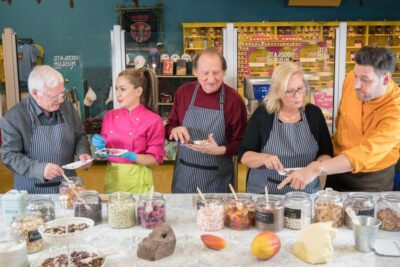
Chocolate Workshop in Chocolate Museum w/ Tasting
Read our review →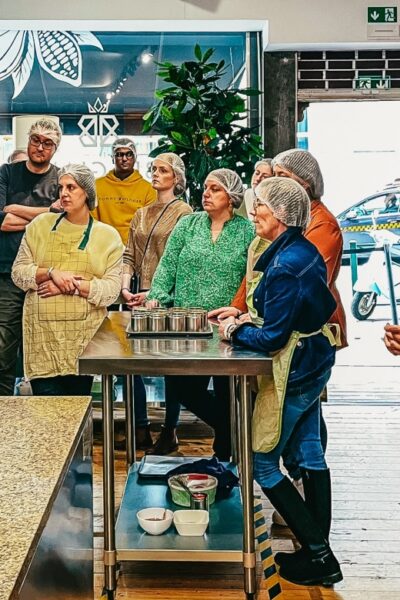
Belgian Chocolate Making Workshop with Tastings
Read our review →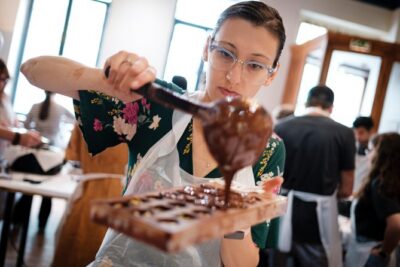
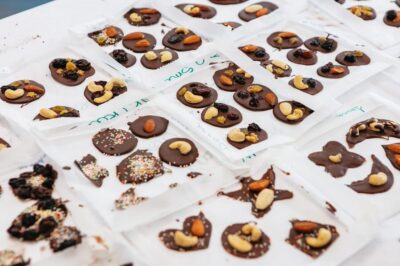
Belgian Praline and Mendiants Chocolate Workshop
Read our review →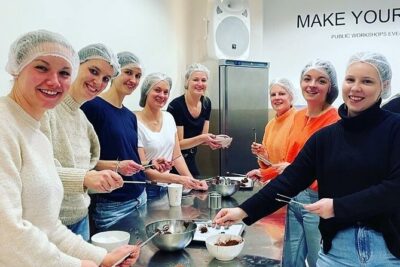
1.5h Belgian Chocolate Workshop in Brussels (bean to bar)
Read our review →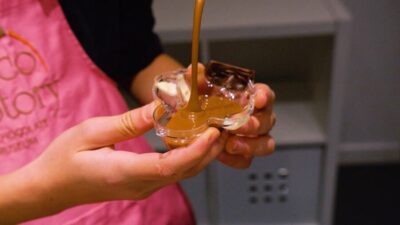
45-minute Chocolate Making Workshop at Choco-Story
Read our review →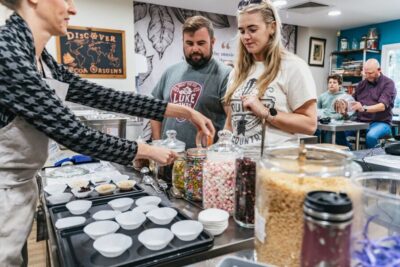
Chocolate Bar Making Workshop at York Cocoa Works
Read our review →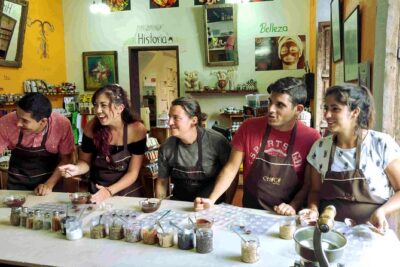
Bean to Bar Chocolate Workshop in Puerto Vallarta
Read our review →Browse the lists this tour appears in