
Review · CHOCOLATE MUSEUMS
Prague: Choco-Story Chocolate Museum Entry with Tasting
Chocolate tells a surprisingly large story in a very small museum. At Choco-Story Prague, you’ll trace cocoa from Aztec and Maya customs to European chocolate, then watch a chocolatier make sweets such as Belgian pralines. I like the mix of short historical exhibits and edible samples, and the central location makes this an easy stop while walking through Prague.
I also like that your entry includes an audio guide and tastings, not just display cases. The main drawback is time: 30 minutes passes quickly, and the experience can feel brief and somewhat basic if you expect a full workshop. The entrance is through the shop and can be hard to spot from the street, so keep your eyes open.
Key points at a glance
- Five chocolate varieties may be included in the tasting: One account describes five different samples, so expect a pleasant introduction rather than an unlimited chocolate buffet.
- Aztec and Maya customs come first: The exhibits explain cocoa’s early cultural role before following its route to Europe.
- A chocolatier demonstrates praline-making: You watch the work rather than automatically making your own sweets.
- The visit lasts about 30 minutes: It fits neatly between other central Prague sights, but it is not a long museum session.
- The shop is also the entrance: Look for the retail display rather than assuming you’ll enter through a separate museum doorway.
- A workshop requires a different ticket: The standard admission includes viewing and tasting, not making your own chocolates.
A compact museum with a big subject
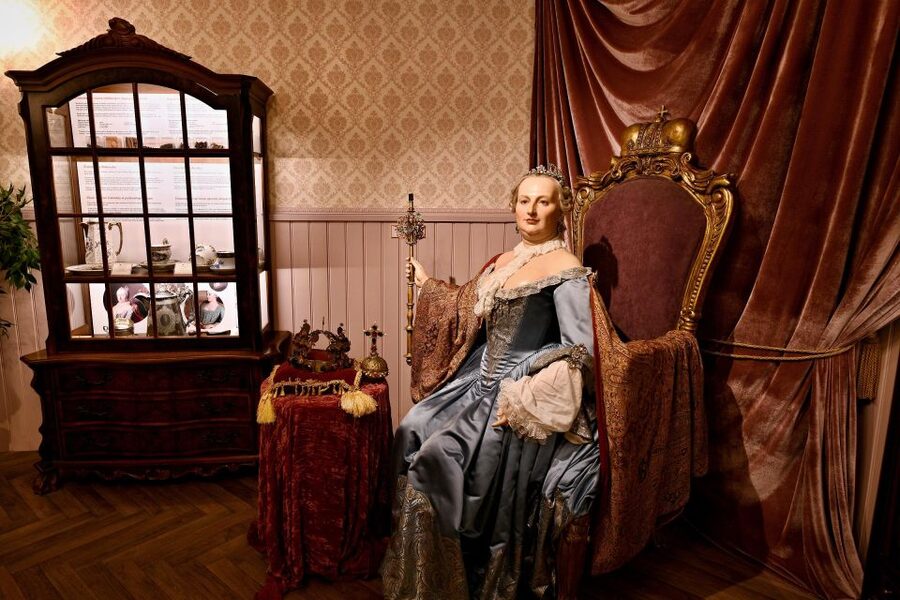
Chocolate has an unusually global story. It begins with cocoa and ancient American cultures, crosses the Atlantic, becomes tied to European food traditions, and ends up as the pralines and bars you know today.
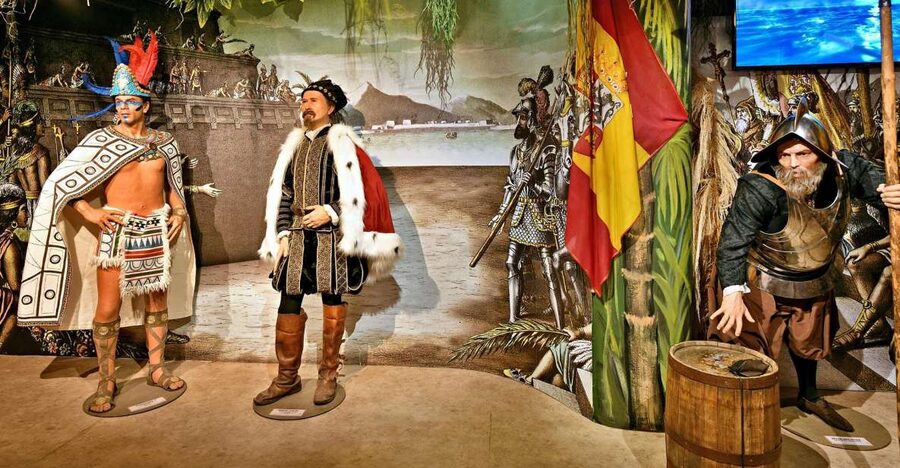
Choco-Story Prague presents that story in a compact setting in the very heart of the city. You’ll see illustrations, explanatory panels, and videos rather than a large collection of historic objects. That makes the visit easy to follow, especially if you want a quick cultural stop instead of a full museum afternoon.
I would set your expectations correctly before you go. This is a small museum experience, not a major institution with room after room of rare artifacts. Its appeal comes from the combination of simple historical interpretation, a live confectionery demonstration, and chocolate to taste.
The format works well for a short break. You can learn something about cocoa, sample several kinds, watch a practical demonstration, and continue exploring Prague without giving up half your day.
More Chocolate Museums in the world:
- Lindt Home of Chocolate Museum Entry Ticket
★ 4.7 · 9,329 reviews - Choco-Story Brussels: Chocolate Museum Entrance with Tasting
★ 4.3 · 4,883 reviews - Cologne: Chocolate Museum Entrance Ticket
★ 4.4 · 2,790 reviews
Finding the entrance in central Prague
The museum is centrally located, which is its biggest practical advantage. You can add it to a walk through Prague’s historic center without arranging separate transport or building an entire day around it.
The entrance is through the chocolate shop. This detail matters because the museum may not look obvious from the street. One recent visitor found it difficult to identify the entrance, so look for the shop and its chocolate displays rather than a large museum facade.
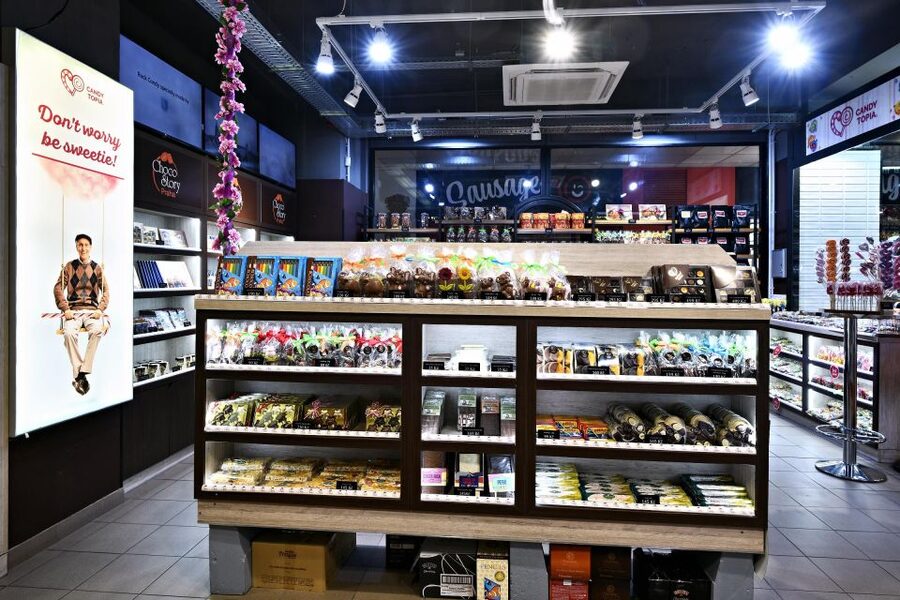
Once inside, the shop becomes part of the experience. You can browse chocolates before or after the museum, and the selection gives you a chance to take home something beyond the included samples. That convenience is useful, though it also means you should not confuse the retail area with the museum itself.
The shop entrance has one other effect: it can make the visit feel less like entering a traditional museum and more like stepping into a chocolate store with an exhibition attached. For many people, that is part of the fun. If you want a formal museum building and a grand entrance, this will feel modest.
The opening story: Aztecs, Maya, and cocoa
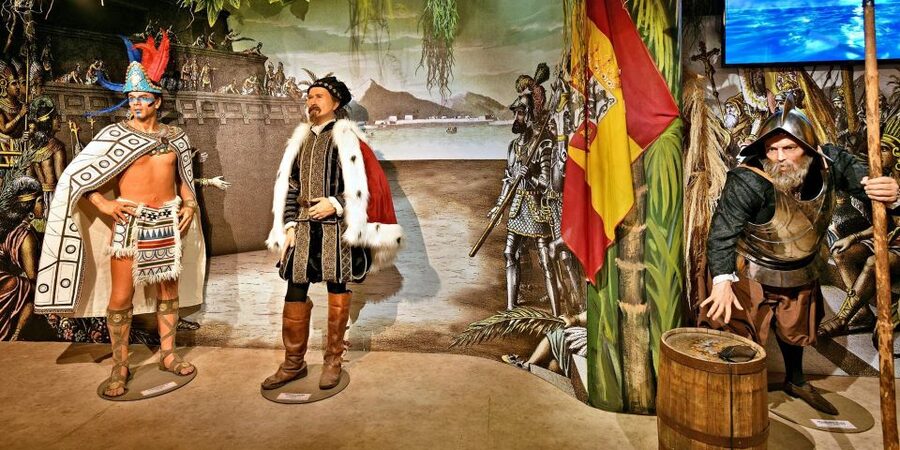
The early part of the visit looks at cocoa in the cultures of the Aztecs and the Maya. You’ll learn about customs connected with cocoa and see how the ingredient held meaning long before European confectioners turned it into the solid chocolate familiar today.
This section gives the tasting some needed context. Without it, chocolate can seem like a simple sweet sold in attractive wrappers. The exhibits show that cocoa began as a valued commodity with a cultural role, not as a modern snack.
The displays use illustrations, information panels, and video material to explain the subject. The audio guide, available in Czech, English, German, and Russian, gives you another way to follow the material. If you prefer reading at your own pace, you can focus on the panels. If you want to keep moving, the audio guide helps organize the story.
You should not expect a long academic presentation. The historical portion is designed for a quick museum visit, and the explanations remain accessible. That is a strength for families and casual sightseers, but it may feel too light if you already know a great deal about cocoa cultivation or Mesoamerican cultures.
The key point is the change in perspective. You are not only looking at chocolate as a Czech or European product. You are following cocoa from its early American setting to its later European transformation.
Cocoa reaches Europe
The next part explains how cocoa made its way to Europe. This transition is important because it shows how a local or regional ingredient became part of an international food tradition.
You’ll see the movement from cocoa as a precious commodity to chocolate as a finished product. The exhibits focus on the journey and transformation rather than presenting a detailed timeline of every European chocolate maker or political event.
I like this section because it connects the history to what happens later in the museum. You first learn where cocoa came from and how its role changed. Then you see how skilled confectioners turn it into something polished, decorative, and ready to eat.
The videos and illustrated displays help keep the material moving. You will not be left reading dense blocks of text for the whole visit. Still, the entire museum is short, so the European story is presented in broad strokes.
That short format can be useful in Prague. If you have only a few days, you can get a basic understanding of chocolate’s route to Europe without committing to a long specialist tour. If this subject is a main interest, you may wish the museum gave more time to trade, production, and the technical development of chocolate.
More Chocolate Tours in the world:
- Zurich: City Tour, Cruise, and Lindt Home of Chocolate Visit
★ 4.5 · 4,624 reviews - The Chocolatarium Chocolate Tour Experience in Edinburgh
★ 5.0 · 4,322 reviews - Award-Winning Geneva Chocolate &Old Town Tour with Boat Ride (3h)
★ 5.0 · 3,721 reviews - Melbourne: Yarra Valley Wine, Gin, Whisky and Chocolate Tour
★ 5.0 · 3,667 reviews
Watching the chocolatier make pralines
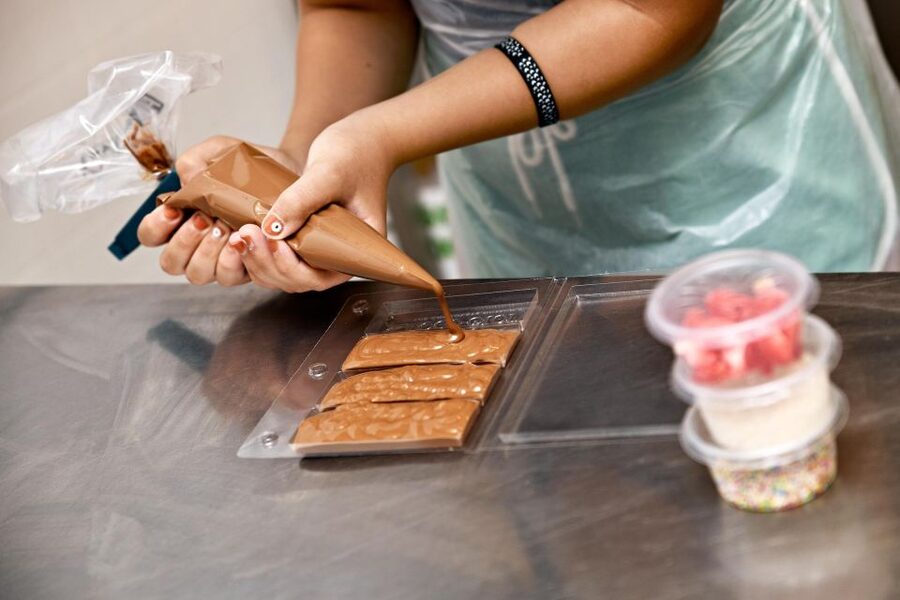
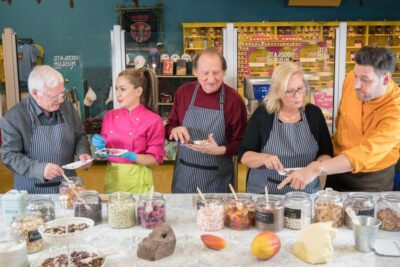
The live production demonstration is the most hands-on part of the standard visit. A master chocolatier shows how artisanal sweets such as Belgian pralines are made.
This is worth separating from the workshop experience. You watch the chocolatier work, but the regular ticket does not include making your own chocolate. If you want to produce your own sweets, you need a different ticket for a seminar or workshop.
That distinction prevents a common disappointment. The demonstration gives you a look at the craft, including the polished presentation associated with pralines. It does not turn the 30-minute museum admission into a practical cooking class.
For me, the demonstration adds value because it changes the pace. The historical panels and videos explain chocolate, while the chocolatier shows what that knowledge becomes in the hands of a professional. You get the idea of chocolate as a craft, not just a product.
The description does not promise a long demonstration, so treat it as one part of the visit rather than the main event. If you are booking because you want to spend an hour making truffles or designing bars, choose the separate workshop option instead.
Tasting several kinds of chocolate
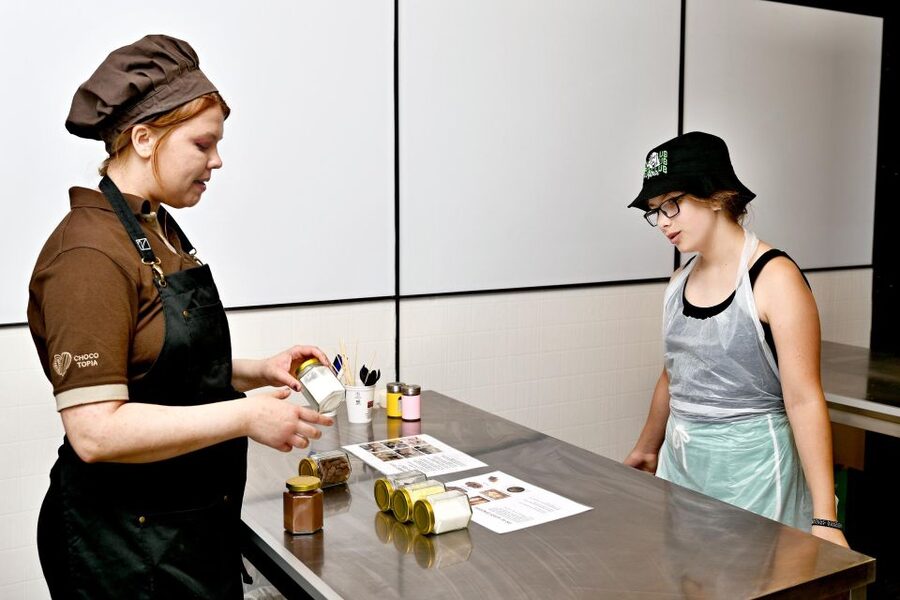
Tastings are included with admission. The experience gives you the chance to try different types of chocolate from around the world and compare them while the exhibits are still fresh in your mind.
One account describes the tasting as five different types. That is enough to make the visit more than a visual museum stop, but it is not an open-ended sampling session. You should think of the tasting as a small guided introduction.
The tasting also helps explain why cocoa produces different flavors. Even without a long technical lesson, trying several samples makes the subject more physical and memorable. You can notice differences in taste and style instead of simply reading about chocolate on a panel.
The exact serving details are not specified, so do not plan this as a substitute for lunch or dessert. It is best treated as a modest tasting included with the museum admission.
This is also where the value of the $14 price becomes clearer. If you enjoy chocolate, you receive a short museum visit, an audio guide, a live demonstration, and samples in one package. If you are mainly interested in a substantial museum collection, the price may feel less convincing because the visit is brief.
What the $14 admission is really buying
At $14 per person, this is a relatively easy add-on rather than a major Prague expense. The price makes the most sense if you value a convenient central stop with food included.
You are paying for more than entry to display cases. The ticket includes the museum, the audio guide, the chocolate tastings, and access to the praline demonstration. That combination gives the visit a clear beginning, middle, and end, even though the whole experience lasts only about 30 minutes.
The value is strongest for three kinds of people:
- You want a short indoor activity in central Prague.
- You enjoy tasting chocolate as much as learning about it.
- You are traveling with children or companions who may not want a long historical museum.
The value is weaker if you expect a large collection, extensive production facilities, or a hands-on class. The tasting is limited, the museum is small, and the standard ticket does not include making your own chocolates.
There is also a practical pricing point to watch. One booking problem involved a large difference between the amount paid through an online reservation and the price displayed at the museum counter. That complaint also involved a reservation delay and difficulty getting the booking recognized. I cannot establish the cause from the available information, but you should compare the online price with the on-site price before paying and keep your confirmation accessible.
The attraction itself received an overall rating of 4 from 159 reviews, which fits the experience well: generally appealing, but not equally satisfying for everyone. People looking for a compact tasting visit are more likely to feel they received fair value than people expecting a full chocolate workshop.
Who should book this experience?
I would recommend Choco-Story Prague to anyone who wants a quick, central, family-friendly museum stop with something edible at the end. It is also a good choice if rain interrupts your sightseeing and you want an indoor activity that does not require several hours.
Chocolate fans will appreciate the chance to sample multiple varieties and watch a professional make pralines. The historical material gives the visit more substance than a simple candy shop, especially if you know little about cocoa’s American origins.
The museum also suits visitors with a tightly planned Prague schedule. Thirty minutes is short enough to fit between larger sights, though you should allow extra time if you want to browse the shop.
I would hesitate to recommend it as a destination for serious chocolate study. The exhibits are compact, the presentation is brief, and the tasting may include only five varieties. If your main goal is hands-on production, book the separate workshop instead.
The attraction is wheelchair accessible, which makes it a practical option for visitors who need an accessible activity. The audio guide languages are Czech, English, German, and Russian, so check that one matches your needs before booking.
A simple plan for your half hour
To get the most from the visit, begin by identifying the shop entrance before you set aside your time. Since the entrance can be difficult to spot, do not assume the museum will be clearly marked from the street.
Once inside, use the audio guide or read the panels and illustrations as you move through the story. Pay attention to the early cocoa customs, then follow the change as cocoa reaches Europe and becomes chocolate.
Make time for the chocolatier’s demonstration. It is the part that gives you a direct look at confectionery work, and it helps explain why pralines are more than ordinary pieces of candy.
Finish with the tasting, then browse the shop only if you want to buy something. The retail area offers plenty of chocolate products, but purchasing extras is not necessary to complete the museum visit.
If you want to linger over every panel, browse the products, and watch the demonstration without rushing, the half-hour estimate may feel tight. If you move at a steady pace, the basic route should fit comfortably into the stated duration.
Should you book Choco-Story Prague?
Book it if you want a short chocolate-focused stop with tastings, simple history, and a praline demonstration in central Prague. The $14 admission is reasonable when you use all the included parts, especially the audio guide and samples.
Skip it if you want a large museum, a long tasting menu, or the chance to make your own chocolates under instruction. In that case, choose the separate workshop ticket or spend your time at a larger Prague attraction.
For most casual chocolate fans, this is an easy, pleasant add-on. Just find the shop entrance, remember that the standard visit is only 30 minutes, and do not mistake the demonstration for a hands-on class.
FAQ
Where is Choco-Story Prague located?
The museum is in the very heart of Prague, in the Central Bohemian Region of the Czech Republic.
How long does the visit last?
The stated duration is 30 minutes.
What does the admission include?
Admission includes entry, an audio guide, and chocolate tastings.
Which languages are available for the audio guide?
The audio guide is available in Czech, English, German, and Russian.
How many chocolate samples will I taste?
The provided information describes tastings of different chocolates, and one account specifies five varieties. The exact tasting selection may vary.
Can I make my own chocolates during the visit?
Not with the standard admission. Making your own chocolates requires a separate seminar or workshop ticket.
Is the museum wheelchair accessible?
Yes, Choco-Story Prague is wheelchair accessible.
Can I cancel my booking for a full refund?
You can cancel up to 24 hours in advance for a full refund. The activity also offers a reserve-now, pay-later option.
Newest chocolate tours around the world
- Chocolate and Wine Pairing in Chantilly★ 5.0 · 21 reviews
- Cocoa & Artisan Chocolate Route with an Historical Tour in Puerto Plata City★ 4.0 · 9 reviews
- Puerto Plata: City Tour with Rum, Chocolate and Cigars★ 5.0 · 2 reviews
- Puerto Plata City Tour with the Mount Isabel, Rum & Chocolate★ 5.0 · 34 reviews
- St Lucia Treasures – (Chocolates Rum and Rafting)★ 5.0 · 27 reviews
- Chocolate Tasting in Venice★ 5.0 · 7 reviews
- A Sweet Stroll Through Venice: Pastries, Chocolate, and Gelato★ 4.5 · 22 reviews
- Venchi Rialto: Chocolate Tasting Experience in Venice★ 4.9 · 8 reviews
Chocolate Museums, compared.
Choco-Story Brussels: Chocolate Museum Entrance with Tasting
Read our review →
Chocolate Workshop in Chocolate Museum w/ Tasting
Read our review →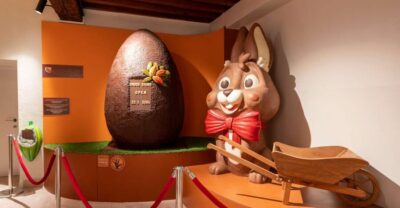
Choco-Story Chocolate Museum Guided Tour w/Tastings
Read our review →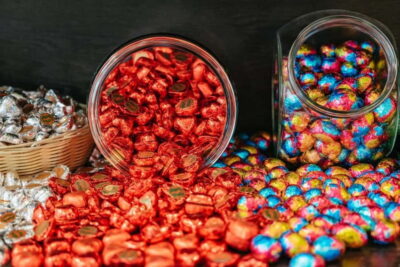
Guided Walking Tour and Chocolate Museum Ticket
Read our review →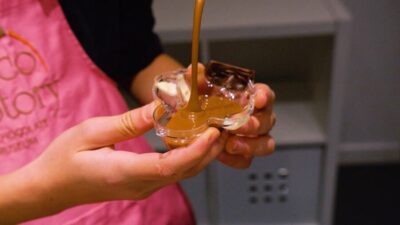
45-minute Chocolate Making Workshop at Choco-Story
Read our review →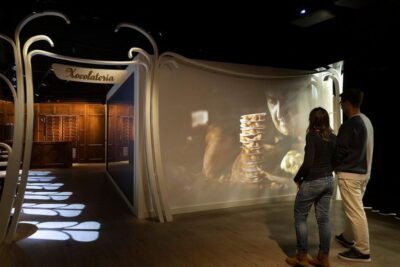
Browse the lists this tour appears in